






Plant Bulbs & Garden Flower Bulbs | Walmart

















About Plant Bulbs & Garden Flower Bulbs | Walmart - Walmart.com
Plant bulbs help you plan color by season, bloom type, and garden conditions. You can choose spring planting or fall planting options that match your hardiness zone and sunlight.
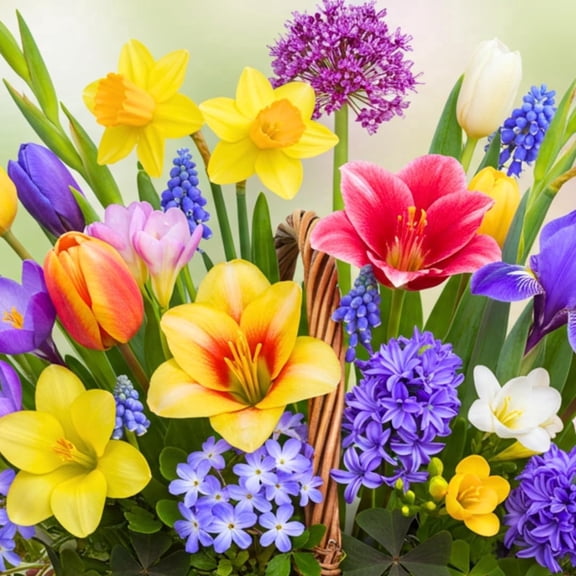
If you're building beds, borders, or containers, plant bulbs give you a simple way to map bloom time. You'll also find classic picks like tulips, daffodils, lilies, and alliums for distinct garden looks.
How to choose plant bulbs for your space
You'll want to start with planting season because timing shapes your results. Fall planting bulbs usually root through cool weather, while spring planting bulbs support warm-season color.
Before you choose a bulb plant, check your hardiness zone and expected bloom window. You can use that pairing to plan early spring, late spring, or summer flowers.
You should also compare life cycle details before you plant. Perennial options can return in later seasons, while annual choices help you refresh your layout each year.
- You can match fall planting bulbs to spring bloom plans for beds, borders, and entry gardens.
- You can choose spring planting bulbs when your climate or schedule favors planting after winter.
- You can compare perennial and annual options to shape repeat color or seasonal variety.
- You can sort by tulips, daffodils, lilies, and alliums for different bloom forms and heights.
- You can check sun needs, soil drainage, and hardiness zone fit before planting.
Choosing bulb flowers by season and bloom type
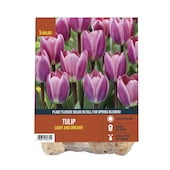
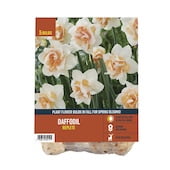
You can narrow bulb flowers by the look you want first. Tulips bring upright cup-shaped blooms, daffodils add trumpet forms, and alliums create rounded globe heads.
If you want layered bloom shapes, lilies add taller stems and striking petals. You can combine several flower types to create changing color from one planting area.
When you compare a bulb flower by planting season, you'll make timing easier to manage. Fall-planted options often support spring displays, while spring-planted options can carry color into summer.
You may also want to compare bloom height and spacing before planting. That helps you place shorter bulbs near edges and taller stems toward the back.
What to look for in a bulb plant: light, soil, and zone fit
You should check light requirement labels before you pick a bulb plant for your yard. Some choices prefer full sun, while others handle partial shade or full shade areas.
If your garden changes light across the day, you'll want to match each planting spot carefully. That decision can help you place bulbs under trees, along fences, or in open beds.
You'll also want well-draining soil because soggy areas can interrupt strong root development. If your soil stays dense, you can use raised beds or containers for easier drainage control.
Hardiness zone fit matters when you want bulbs to handle winter and return on schedule. You should compare zone guidance with your region before you commit to perennial bulb flowers.
You may also look for deer-resistant or rabbit-resistant bulb types when wildlife visits your yard. That can help you narrow varieties for open front gardens or unfenced planting areas.
Using plant bulbs in beds, borders, and containers
You can use plant bulbs to shape a front walkway, fill a mailbox bed, or brighten patio containers. If you plant by bloom sequence, you'll keep color moving through the season.
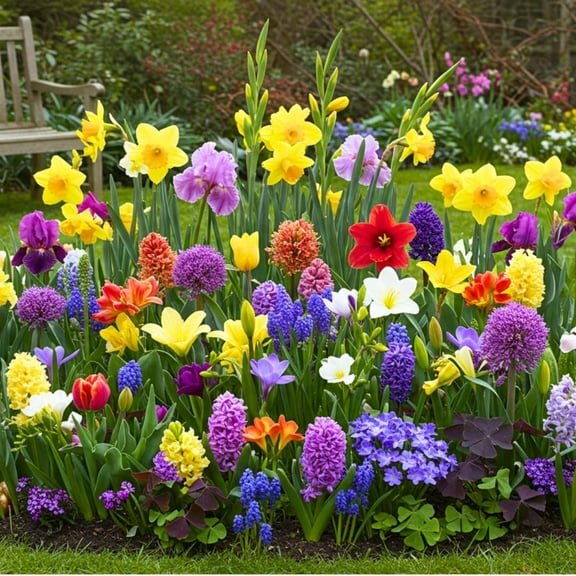
For formal borders, you might group one flower type in repeating rows. For a looser garden style, you can mix tulips, daffodils, lilies, and alliums in staggered clusters.
If you're planting containers, you'll want to check depth and spacing guidance first. You can also match container bulbs to full sun patios or partial shade porches.
In family yards, you may want perennial bulbs that return with less replanting. In event spaces or refreshed beds, you might choose annual options for a new seasonal palette.
You can also plan around local weather by pairing season and zone information. That makes it easier for you to choose fall planting bulbs for spring color or spring planting bulbs for summer blooms.
How bulb flowers support practical garden planning
You can use bulb flowers to organize color, height, and bloom timing without guessing. When you compare season, zone, and light needs, your planting plan becomes clearer.
With the right plant bulbs, you can build a garden that fits your space, schedule, and growing conditions. You'll get a more predictable bloom plan and a cleaner planting layout.