

Cleaning Products for Wooden Floors & Wood Cleaners

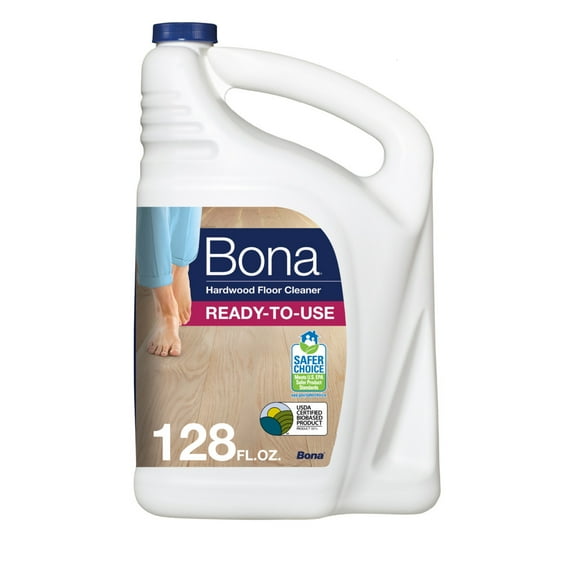

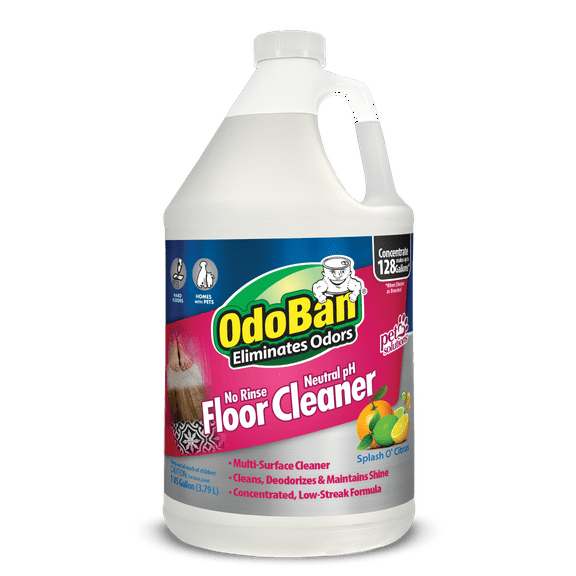
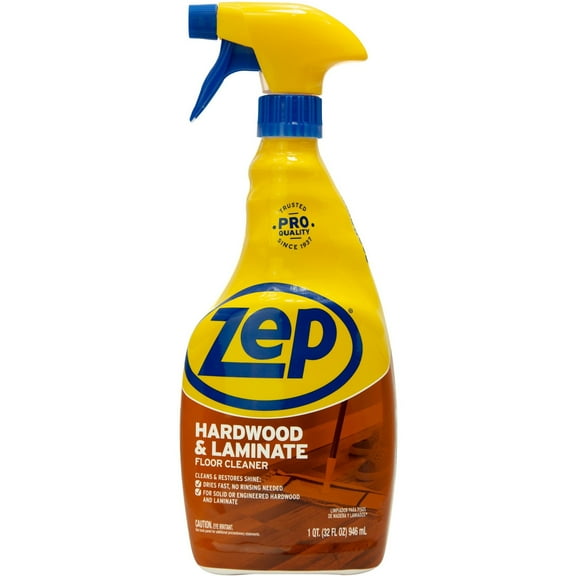
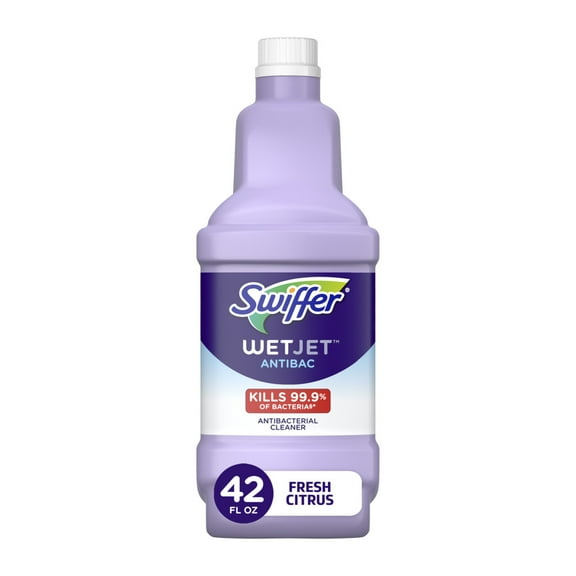

















About Cleaning Products for Wooden Floors & Wood Cleaners - Walmart.com
You can compare cleaning products for wooden floors by floor type, formula, and finish so your home keeps its natural look. You'll also find options for quick touchups, full-room mopping, and parquet care without guesswork.
When you choose a wooden floor cleaner, you usually want clean boards, low residue, and a finish that still looks like wood. You may also want a formula that fits polyurethane-coated planks, sealed parquet, or engineered wood surfaces.
How to choose cleaning products for wooden floors
You should start with your floor's surface type before you compare scents, bottle sizes, or application tools. You'll get a more reliable match when you check whether your floors are sealed hardwood, engineered wood, parquet, or laminate.
If your floors have a polyurethane finish, you'll often look for a hardwood cleaner made for sealed surfaces. If your floors are waxed, you'll want to check product directions carefully before you mop.
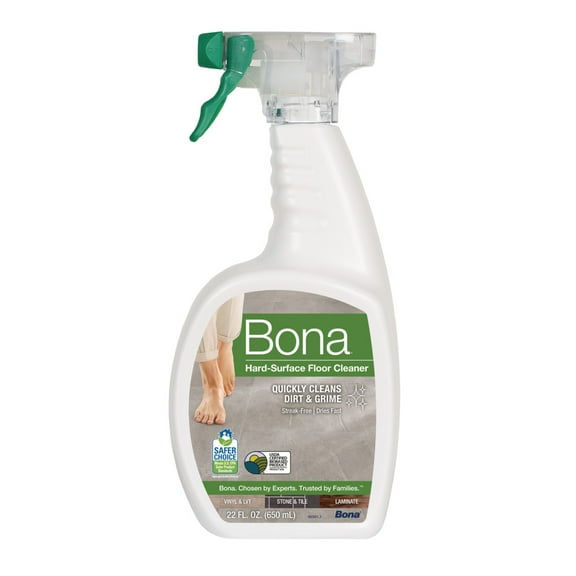
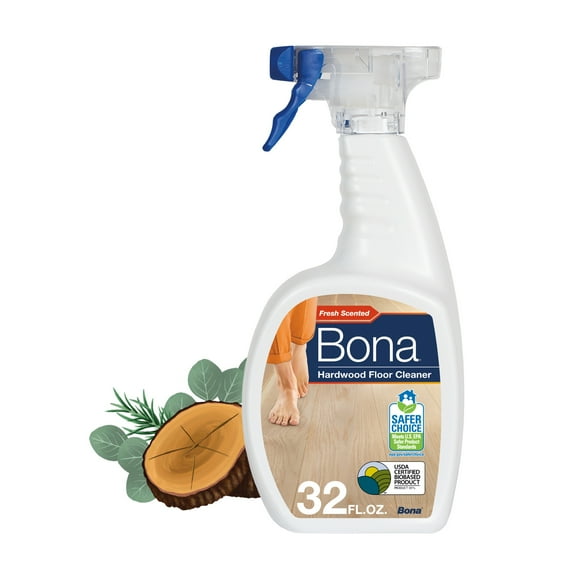
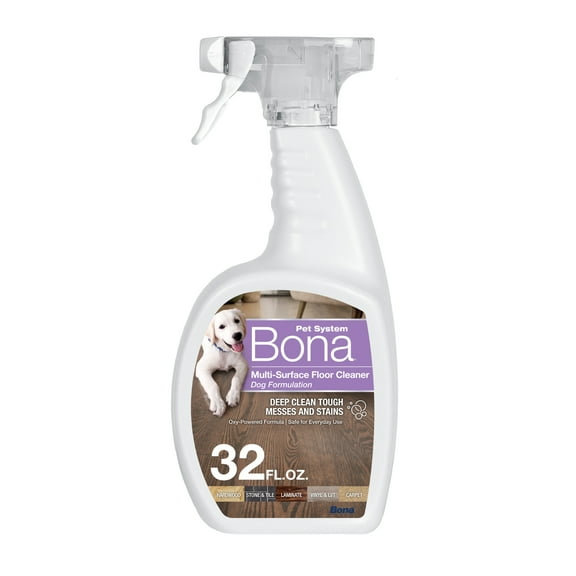
You can also narrow your choice by how you clean each week. You'll usually prefer a wood floor cleaner spray for quick kitchen passes, while a wood floor cleaner liquid for mopping suits larger rooms.
- You can use spray formulas when you want fast spot cleaning on sealed wood.
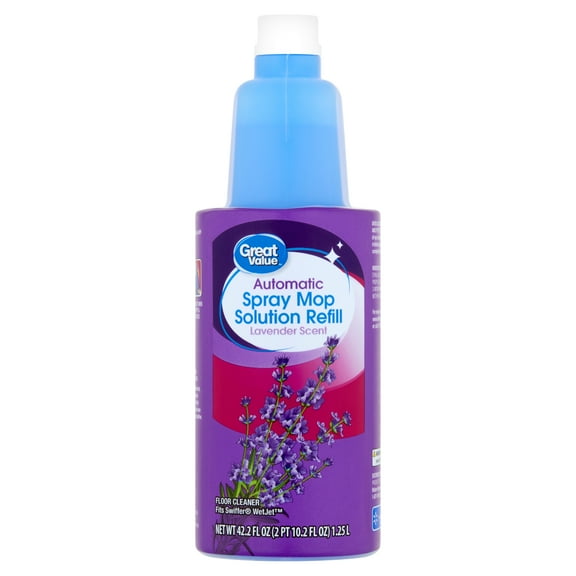
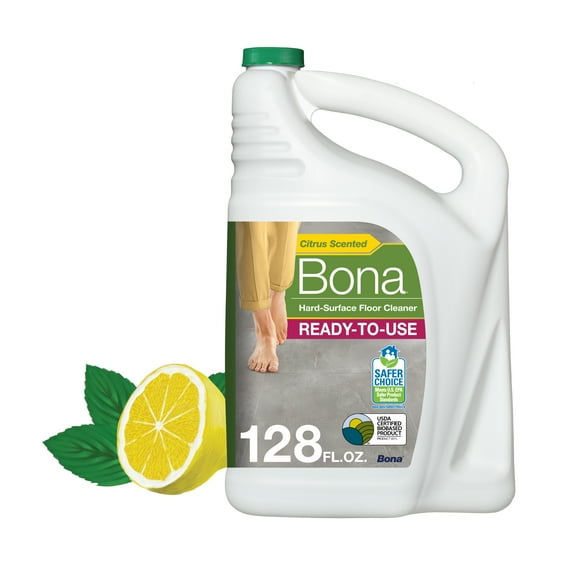
- You can choose liquid or refill formats when you clean several rooms at once.
- You can compare concentrate options if you want to mix smaller amounts as needed.
- You can look for parquet floor cleaner and polish choices when your floors need cleaning and added sheen.
Choosing form, compatibility, and finish results
You should compare form and application first because they shape your whole routine. You'll notice that spray bottles support quick wipeups, while liquid wood floor cleaner options support bucket or spray-mop cleaning.
Concentrates can work well when you want more control over dilution and bottle usage. Ready-to-use formulas help you start faster because you won't need mixing before you clean.
You should also check floor type compatibility on every label. You'll want clear guidance for hardwood, engineered wood, parquet, or laminate so your cleaner matches the surface in your home.
For sealed hardwood, you may prefer a floor cleaner liquid for wood that dries clean and doesn't leave haze behind. For parquet, you may want a parquet floor cleaner and polish option that supports the patterned look.
You can sort by finish benefit when your floors need more than routine dust pickup. You'll see cleaner formulas for regular care, polish options for added luster, shine-focused choices, and restorer types for worn-looking areas.
If you want a just-cleaned look without heavy buildup, you'll likely focus on residue-free wood floor cleaning liquid choices. If you want extra glow in formal rooms, you may compare cleaner and polish combinations.
What to look for in mop liquid for wood floors
You should match the cleaner to your method so your routine feels simple from start to finish. You'll want a mop liquid for wood floors when you're covering dining rooms, hallways, or open living spaces.
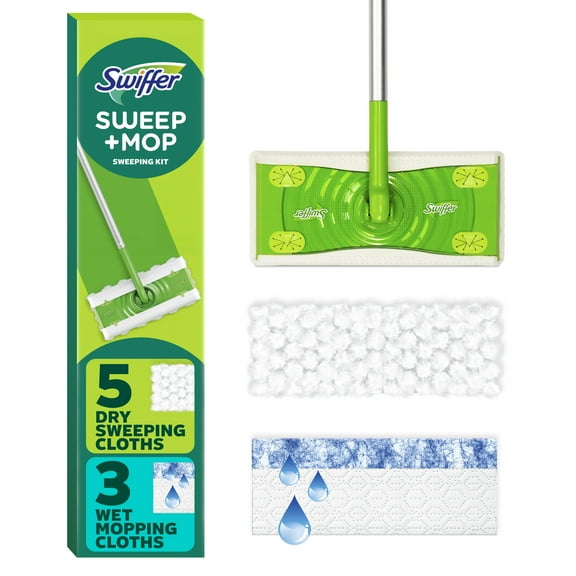
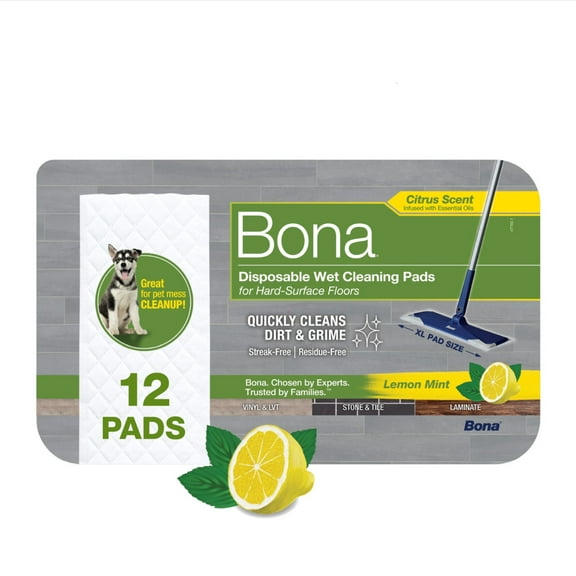
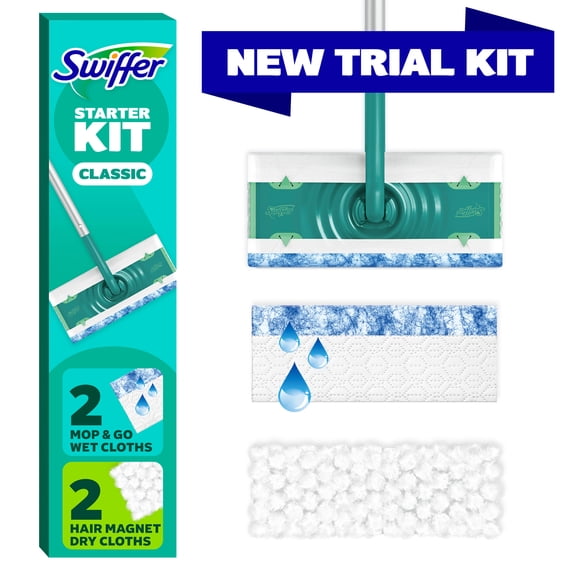
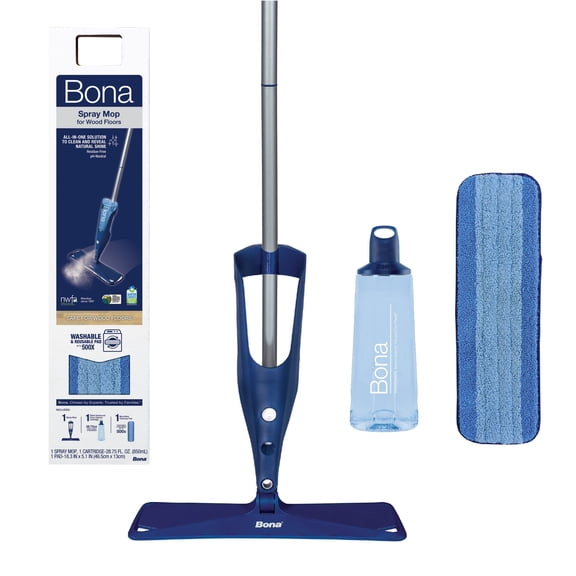
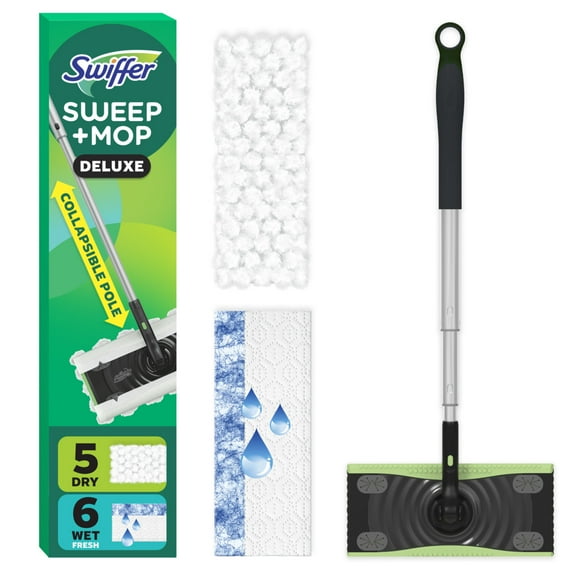
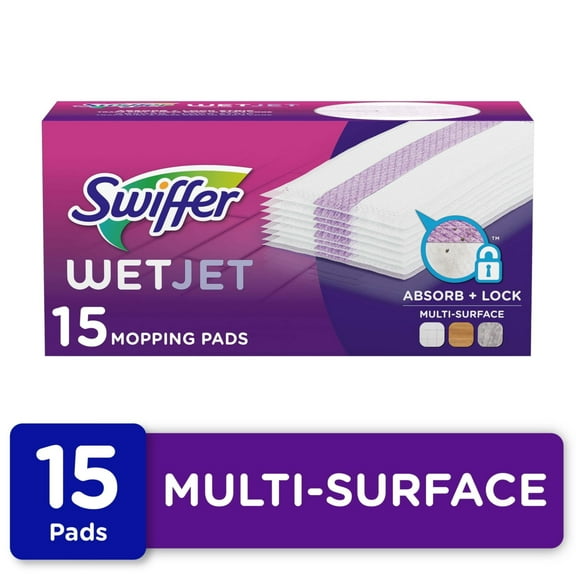
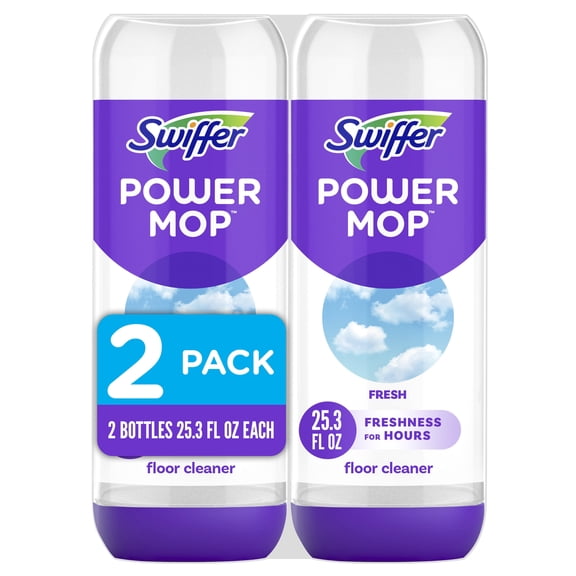
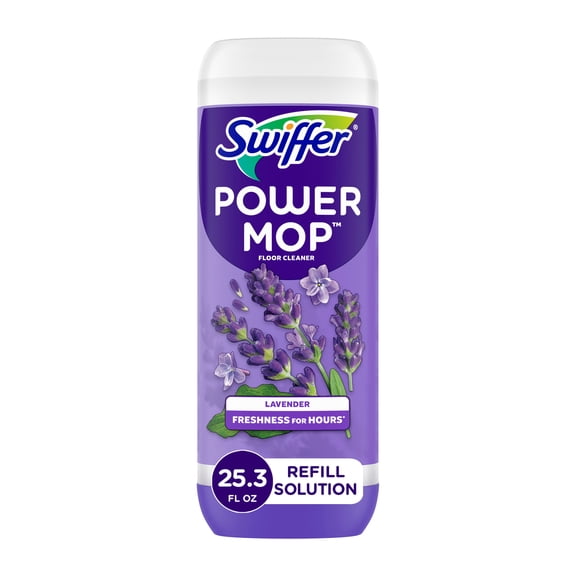
A hardwood floor cleaner for mopping usually helps you clean larger areas with fewer stops. You'll also find options designed for spray mops, standard mops, and some machine compatible systems.
You should check whether a formula needs dilution before you fill a bucket or tank. You'll save setup time with ready-to-use liquid, while concentrate can make sense for repeated whole-home cleaning.
Drying behavior matters when you clean busy rooms and want the floor to look even afterward. You'll typically look for a cleaning liquid for wooden floor surfaces that dries without sticky feel or visible streaks.
If your home includes pets or crawling children, you'll likely read ingredient and certification details more closely. You'll want to check whether the label notes lower VOC content or EPA Safer Choice certification.
You should also think about refills if you use the same system often. You'll appreciate refill formats when you already have a bottle or spray mop and want less container swapping.
Using wood floor cleaner spray, liquid, and polish in real rooms
You can use a wood floor cleaner spray for entryways, under dining chairs, and around kitchen edges. You'll get targeted coverage in areas where crumbs, footprints, and light splashes show up first.
For weekly care in family rooms, you may choose a hardwood floor cleaner for mopping with a microfiber pad. You'll cover more square footage smoothly, especially on long plank layouts.
You might choose a wooden floor cleaning spray when you want a quick pass before guests arrive. You'll often like this format for sealed boards because it pairs well with spot cleaning and fast buffing.
In homes with parquet, you may look for a parquet floor cleaner and polish formula that supports pattern visibility. You'll help the blocks look clear and even without a cloudy finish.
If you clean engineered wood, you'll usually check for moisture guidance and compatible application methods. You'll want controlled output, especially when you prefer spray and mop routines over wetter methods.
You can also compare machine compatible formulas when you use powered cleaning tools on sealed floors. You'll need to confirm tank instructions, dilution directions, and approved surface types before you start.
When you choose carefully, your floors can keep their color, grain detail, and smooth feel through everyday traffic. You'll feel more confident when your cleaner matches your finish, your method, and your household routine.