



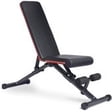
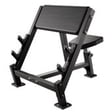
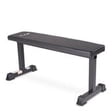
Flat Bench in Weight Benches
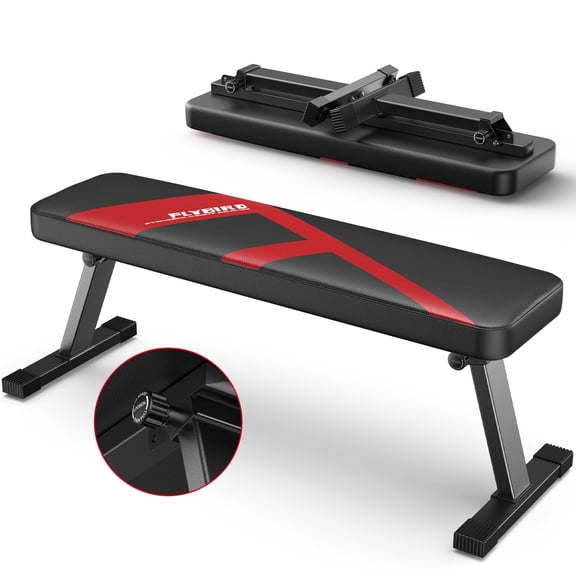

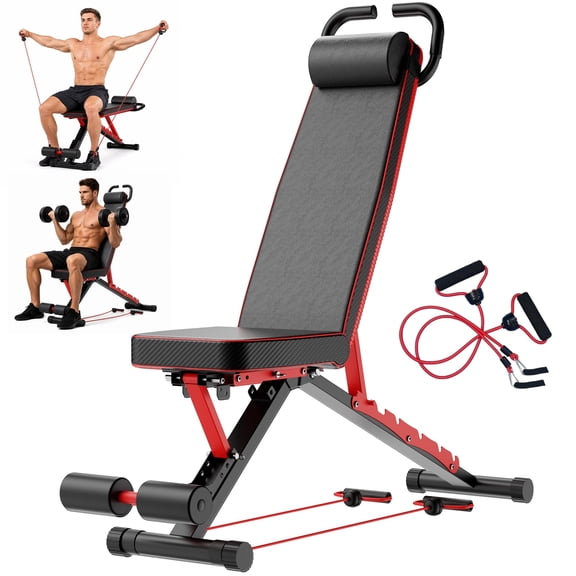
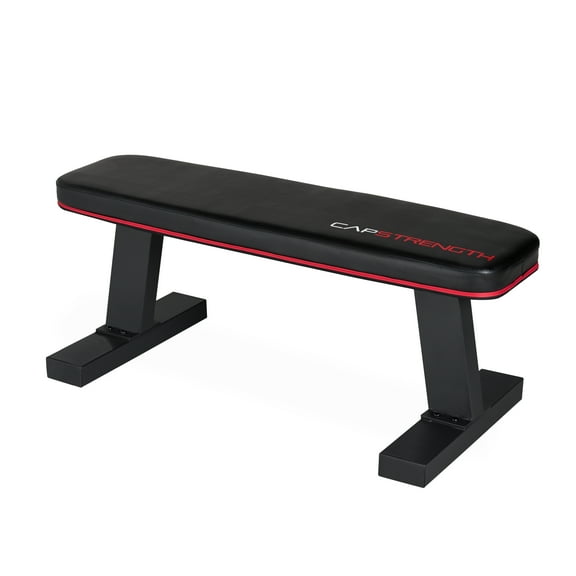














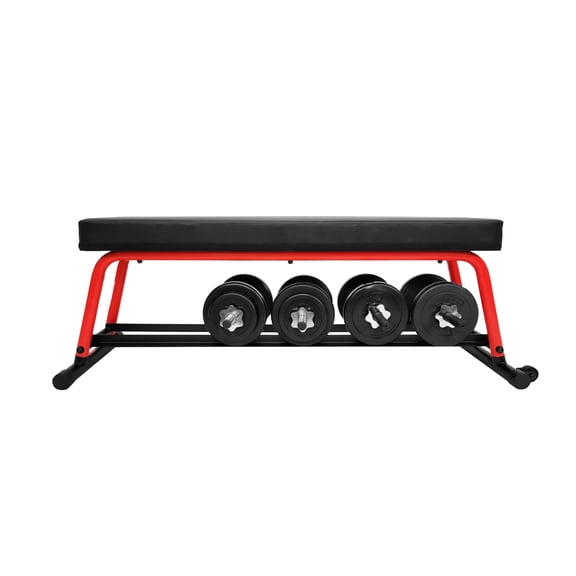
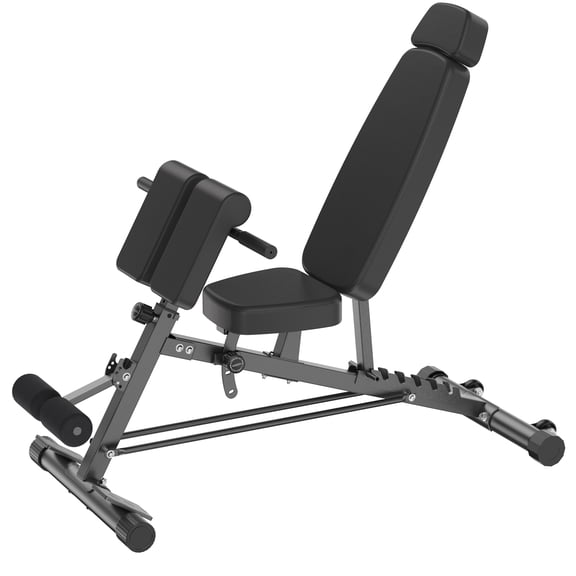


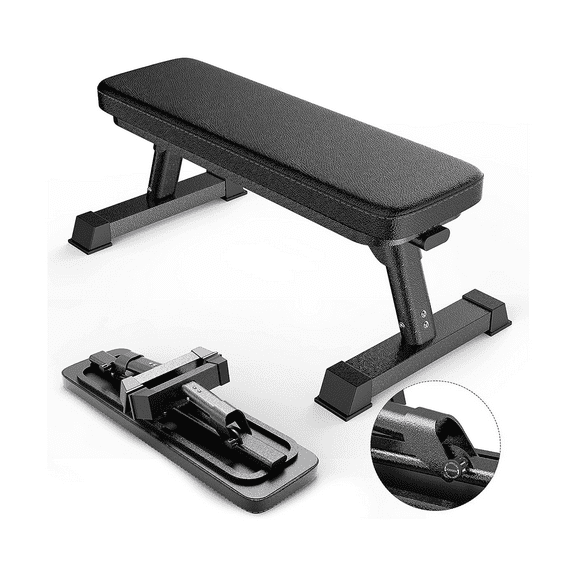
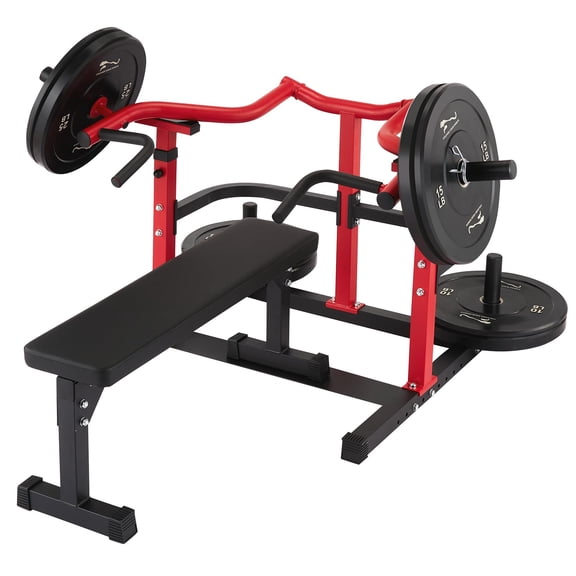
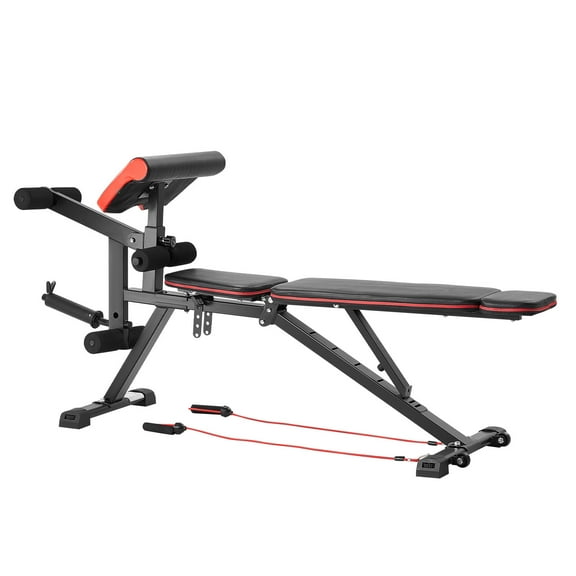
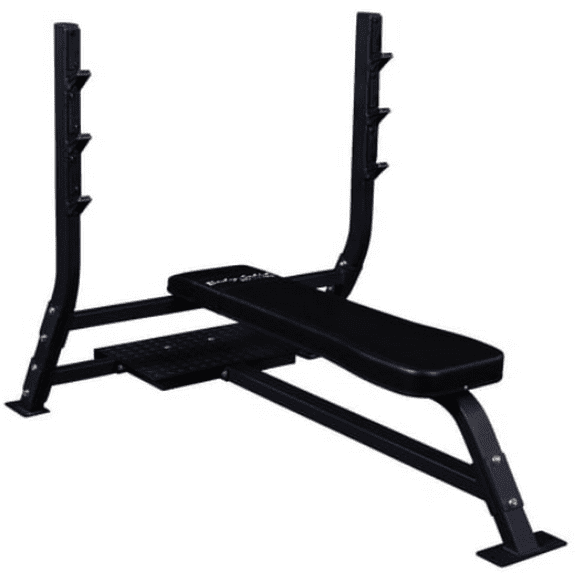
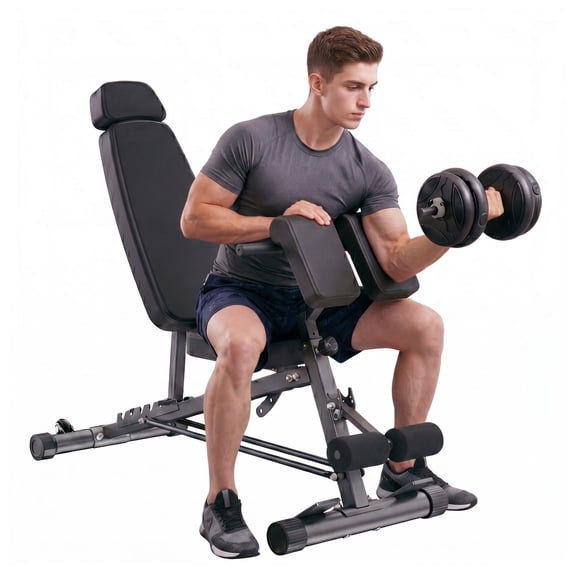
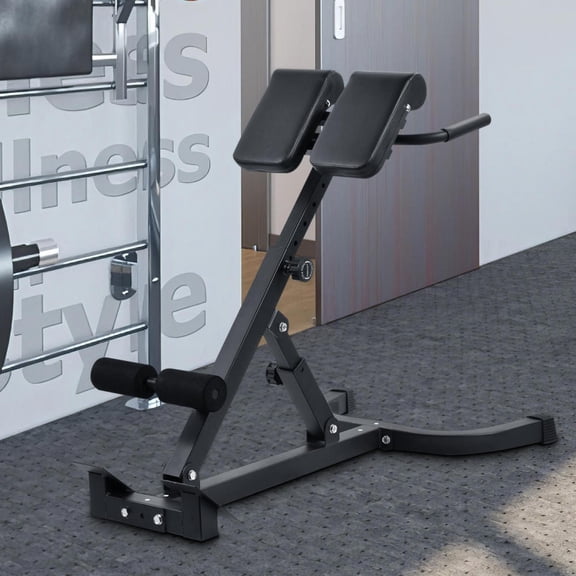






About Flat Bench in Weight Benches - Walmart.com
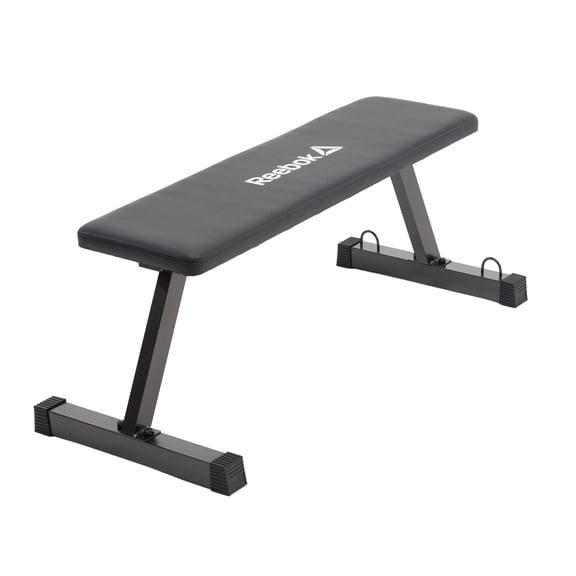
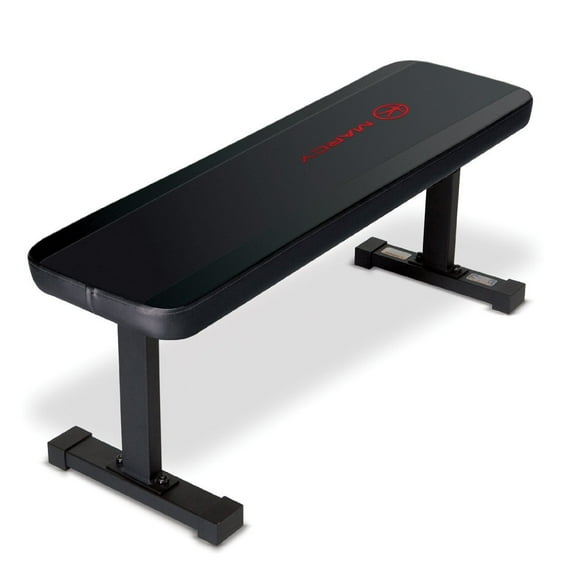
You can build a stronger setup with the right flat bench, especially when you need steady support for presses, rows, and dumbbell work. You should compare weight capacity, padding, and footprint first, because those details shape how your bench feels in every session.
If you're building a home gym, you need a bench that matches your space and your training style. You may want a flat weight bench for simple barbell work, or you may prefer a compact design for flexible daily workouts.
How to choose a flat bench
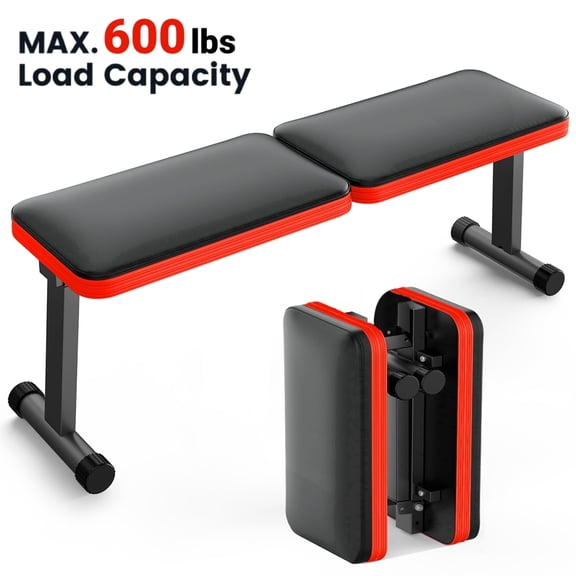
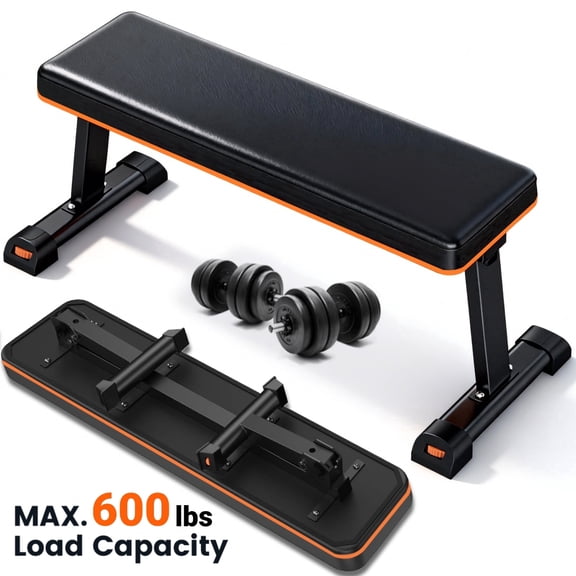
You should start with weight capacity, because stability matters every time you press, bridge, or step up. You can compare 300 lb, 600 lb, and 1000 lb ratings to match lighter routines, regular strength work, or heavier training plans.
When you compare capacity, you should check whether the rating reflects static or dynamic load. You’ll want dynamic support for active lifts, because movement places more demand on the frame than a resting load.
You should also compare frame material before you decide. You may notice alloy steel works well for many home setups, while powder-coated steel helps you get a durable finish for repeated use.
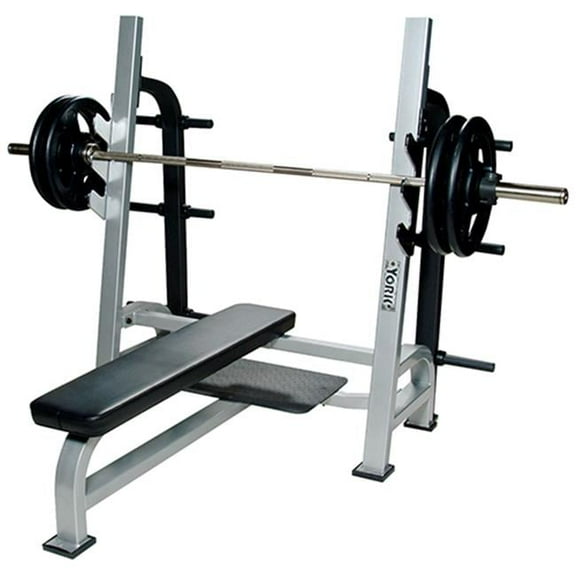
If you train often, you may prefer commercial grade construction for a more solid feel. You’ll likely notice sturdier welds, thicker tubing, and less wobble during bench presses, hip thrusts, and chest-supported movements.
Choosing the right flat workout bench padding
You should pay close attention to padding thickness, because comfort changes your lifting position. You’ll usually find two-inch high-density foam gives you firmer support and helps you stay more stable under weight.
Firm padding matters when you lift heavier, because you don’t want to sink too far into the bench. You can keep a steadier shoulder position when the surface feels supportive instead of overly soft.
You should also look at the cover material before you choose. You may prefer a vinyl cover or a sweat-resistant surface when you want easier cleanup after frequent sessions.
- You can use firmer foam for pressing and controlled dumbbell work.
- You may prefer sweat-resistant covers for regular home gym use.
- You should compare bench width if you want shoulder support without limiting arm movement.
- You can check stitching and edge finish when you want padding that keeps its shape.
If you train several times each week, you should think about padding durability as much as frame strength. You’ll feel the difference when the bench keeps its shape through repeated sets, pauses, and controlled reps.
Key differences in size and mini workout bench options
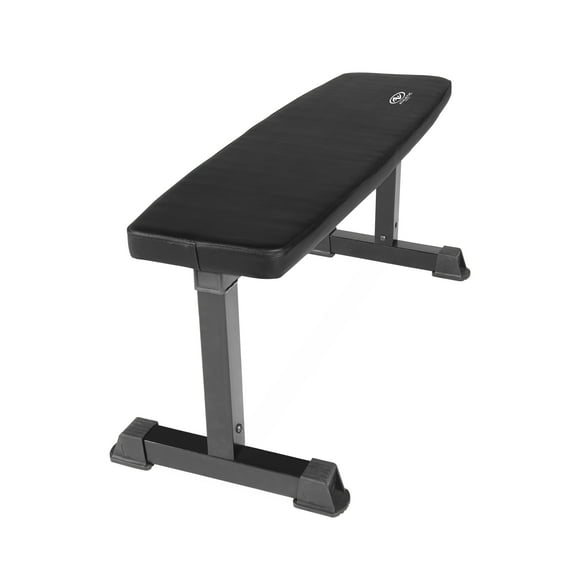
You should measure your floor space before you choose a flat exercise bench. You may need a full-length bench for standard presses, or you may want a mini workout bench for tighter rooms.
Compact benches work well when you want a flat workout bench for home without crowding your rack, mat, or dumbbell area. You can move them more easily between lifts, especially when your room serves multiple purposes.
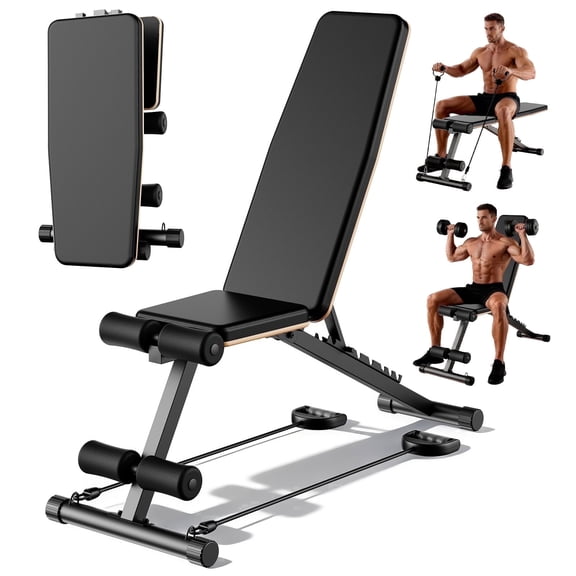
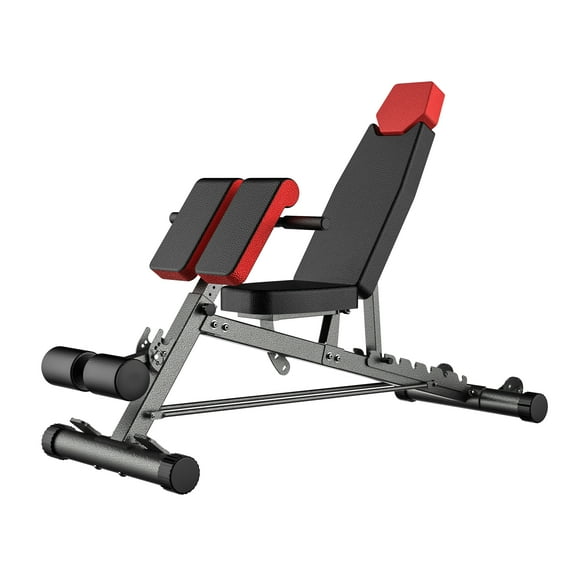
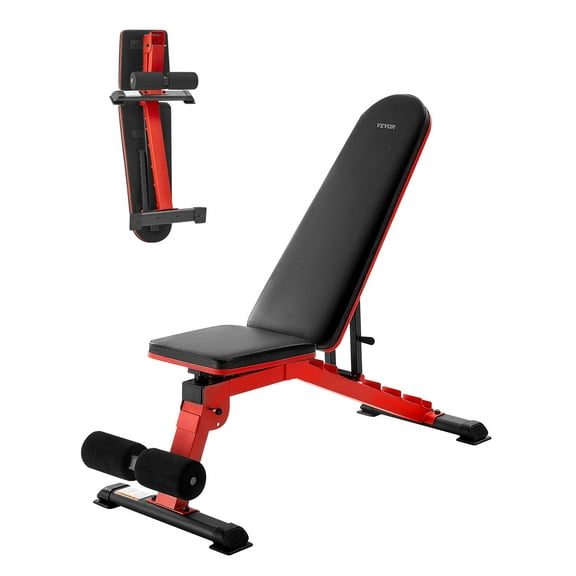
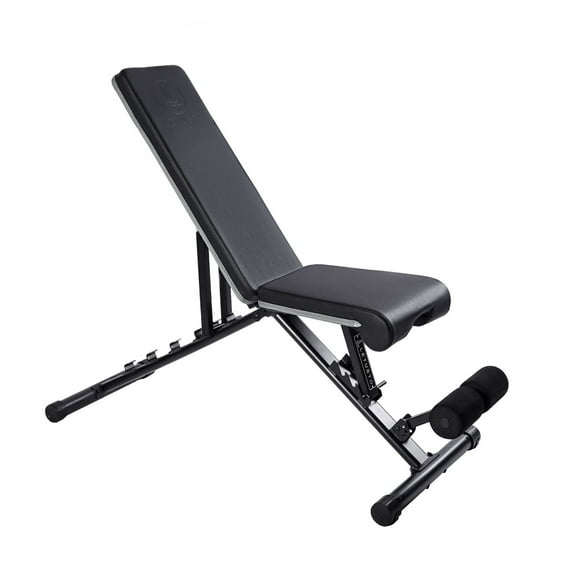
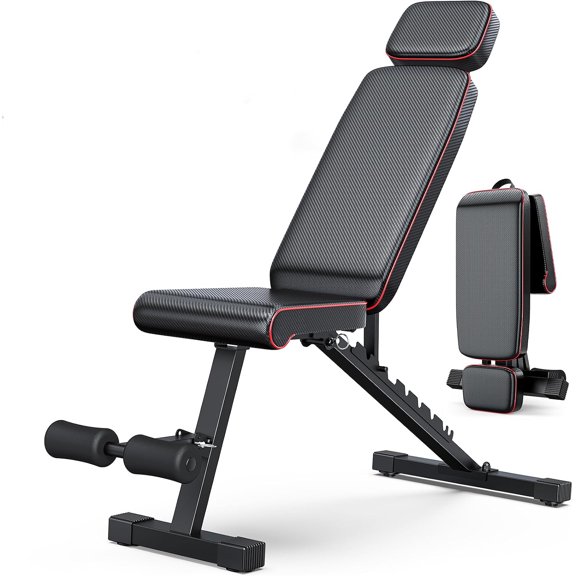
If storage matters, you should compare folding designs and transport wheels. You’ll appreciate those details when you need to clear floor space after training or move your setup between rooms.
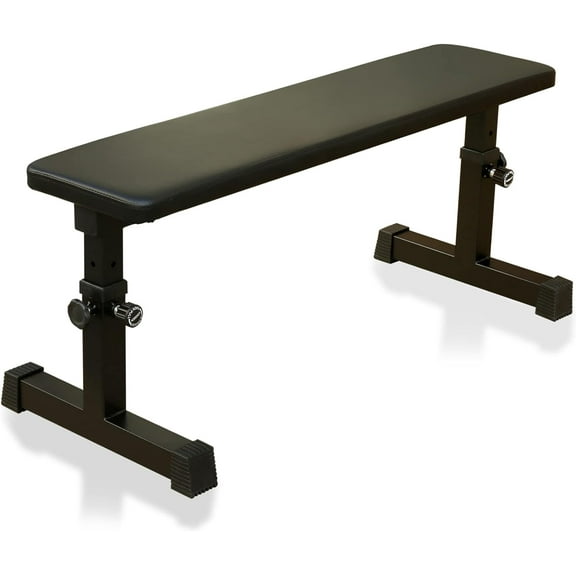
You should also think about bench height, because it affects your foot position and overall setup. You can usually create a steadier base when your feet stay planted comfortably during presses and bridges.
Matching your flat bench to how you train
You should match the bench to your main lifts instead of choosing by appearance alone. You may want a flat workout bench built for powerlifting, or you may need a lighter design for bodyweight exercises.
If you focus on dumbbell workouts, you’ll want enough pad length for presses, pullovers, and rows. You should also look for a frame that stays planted when you shift from one side to the other.
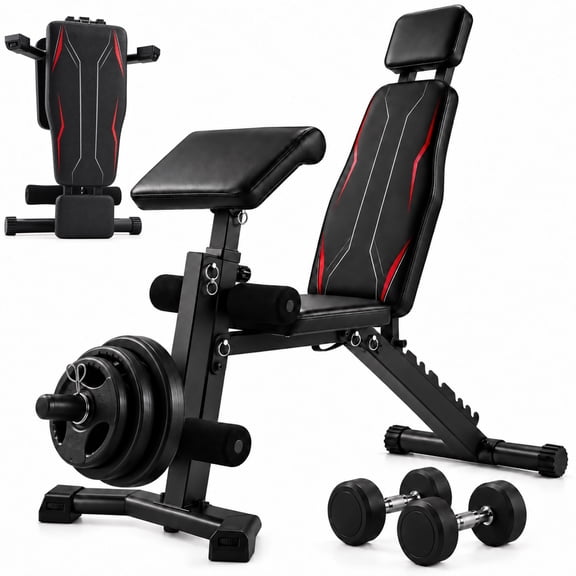
For home gym training, you may want a flat workout bench for home that balances strength and portability. You can pair a compact bench with dumbbells, a barbell set, or a power rack without overwhelming your space.
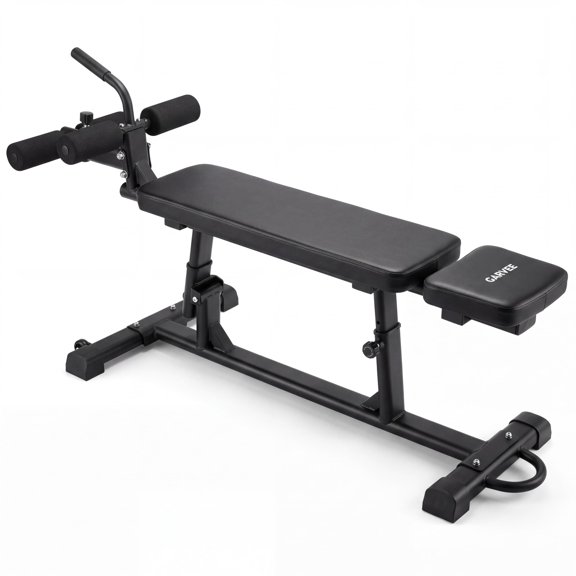
If you prefer bodyweight exercises, you should consider how the bench supports step-ups, elevated pushups, and bench dips. You’ll want stable feet and a balanced frame that feels steady during repeated movement.
Assembly can shape your experience, so you should check whether your bench arrives pre-assembled or needs tools. You can get training faster with simpler assembly, while heavier frames may include more parts for added rigidity.
If you’re comparing a weight bench under $50 with heavier-duty builds, you should focus on capacity, frame design, and pad support. You’ll make a clearer choice when you match the bench to your routine instead of a single spec.
What to look for before you commit
You should review the dimensions, load rating, and material details before you decide. You can narrow your options faster when you compare those basics against your room, your equipment, and your training frequency.
A well-matched flat bench helps you train with steadier positioning, better comfort, and a footprint that fits your space. You’ll feel more confident during every set when your bench supports the way you actually lift.