



Ice Fishing Tip-Ups in Ice Fishing











About Ice Fishing Tip-Ups in Ice Fishing - Walmart.com
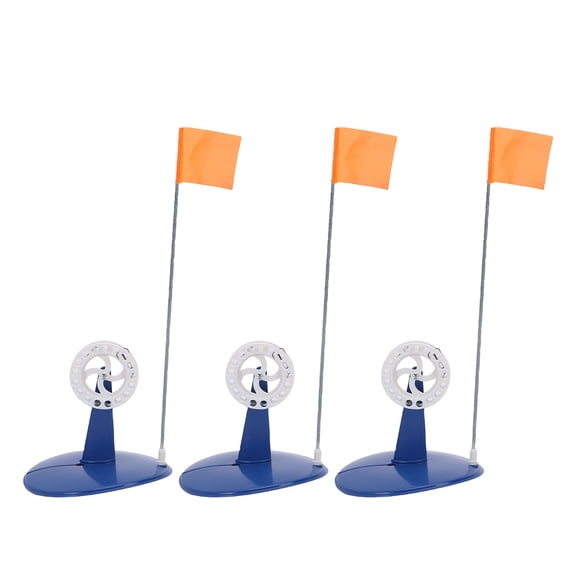
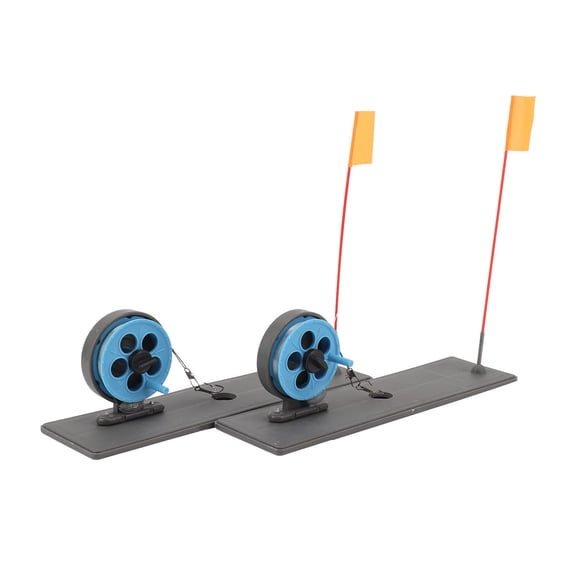
Ice fishing tip ups help you cover more holes and watch more water during long winter sessions. You can compare wooden, insulated, and pre-rigged options that match your ice fishing style and setup.
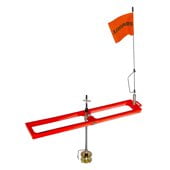
When you fish in cold, windy conditions, you need gear that stays simple and visible. You can use these setups to suspend bait below the ice while the flag signals each strike.
Choosing ice fishing tip ups by material and thermal design
When you compare frame material, you should look at how each style handles cold, moisture, and transport. You may prefer wood for a classic feel, while plastic or composite can feel lighter in your sled.
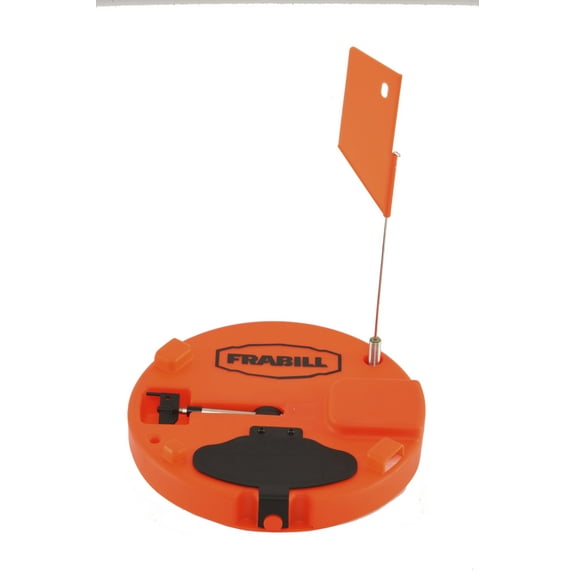
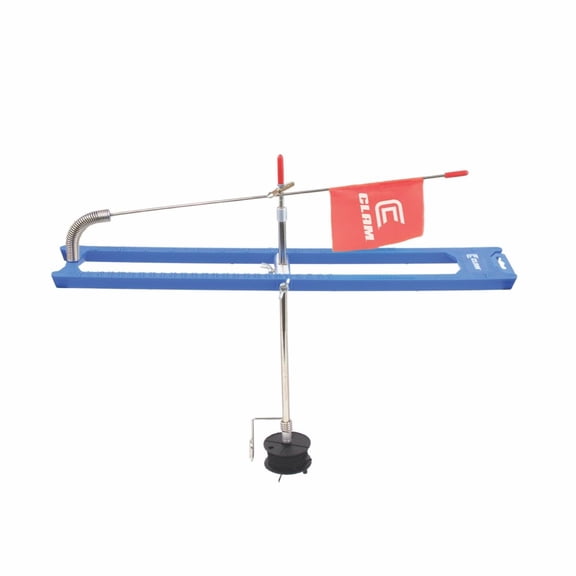
If you fish in deep cold, you should consider insulated ice fishing tip ups with round thermal bases. You can cover the hole more fully, which helps limit freeze-up and keeps your line moving freely.
For milder days, you may choose non-insulated designs that set quickly and pack easily. You can also compare base shape, because wider coverage changes how much slush reaches your spool opening.
- You can choose wood when you want a traditional frame and steady hand setup.
- You can choose plastic or composite when you want lighter carry weight and simpler cleanup.
- You can choose insulated designs when you want more hole coverage in sub-zero weather.
- You can choose round thermal models when you want a tighter fit over the ice opening.
How to compare wooden ice fishing tip ups and mechanisms
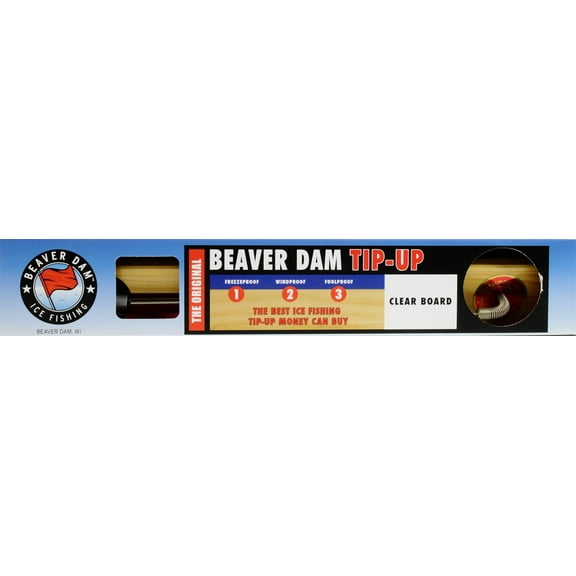
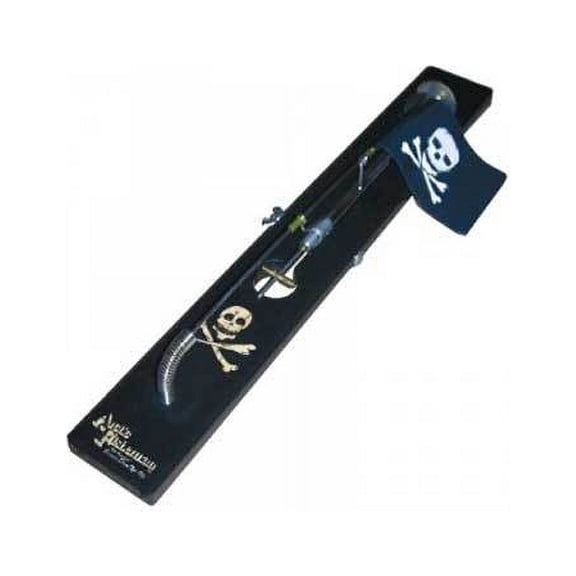
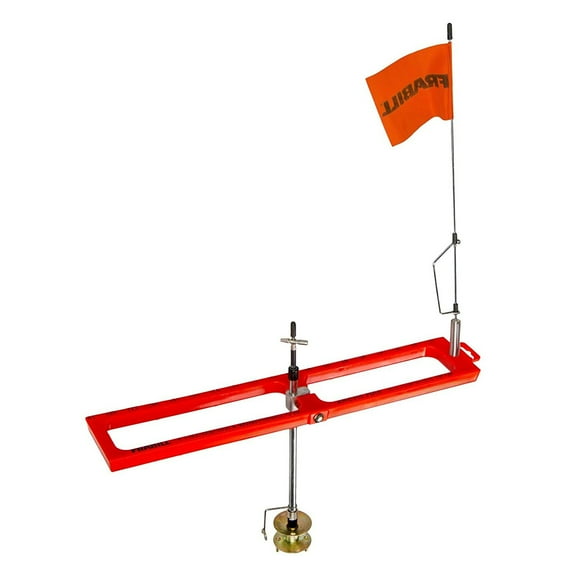
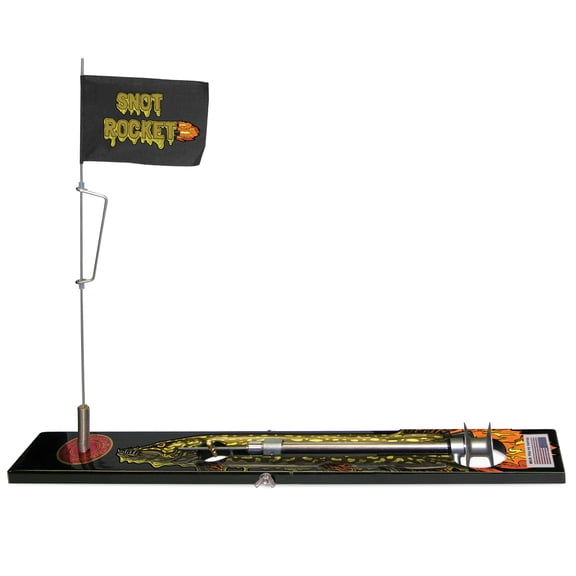
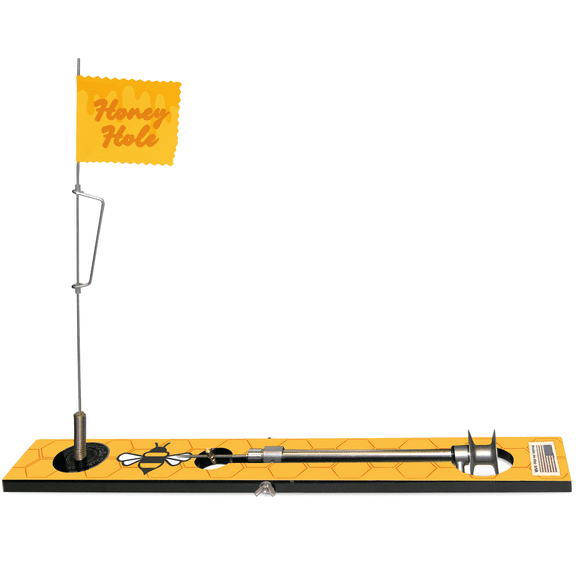
When you review wooden ice fishing tip ups, you should check crossbar stability and spool movement. You want a design that feels balanced across the hole and stays easy to monitor from a distance.
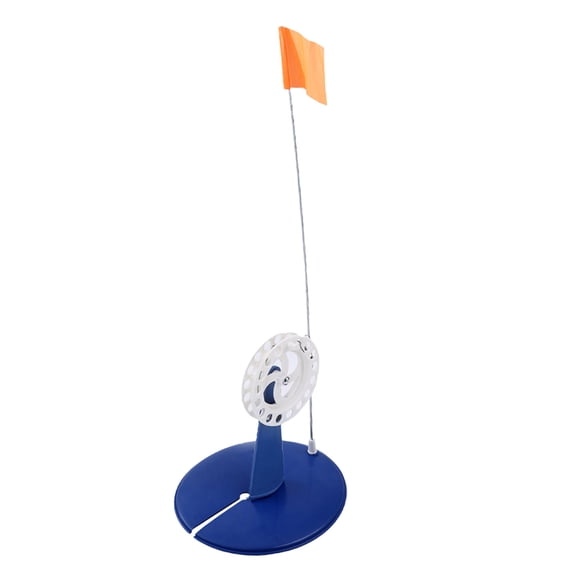
Mechanism type matters because you may fish for different species and in changing wind. You can compare spool style, wind-lass, and magnetic underwater systems based on drag feel and flag response.
If you target lighter biters, you should check adjustable trigger tension before you choose. You can fine-tune sensitivity for panfish, or set firmer resistance when you expect larger fish like pike.
Wind tip ups can help you keep bait moving with current or breeze-driven action. You should compare how the arm turns, how the spool releases, and how easily you can reset it with gloves.
Choosing line, spool capacity, and ice fishing tip up rigs
When you compare ice fishing tip up rigs, you should decide whether you want pre-rigged or bare spool options. You may like pre-rigged setups for faster starts, while bare spools let you customize every component.
Spool capacity affects how much tip up line you can carry for deeper water and larger runs. You should check yardage limits and braided line compatibility if you fish deeper structure or chase stronger species.
You'll also want smooth rotation, because cold line should feed without jerking or sticking. If you fish in extreme cold, you should look for sub-zero lubricant support to keep the spool turning consistently.
Rigging details shape how quickly you can get on the ice and make changes. You can compare leader length, hook style, and terminal setup based on the bait you plan to use.
What to look for in visibility and cold-weather setup
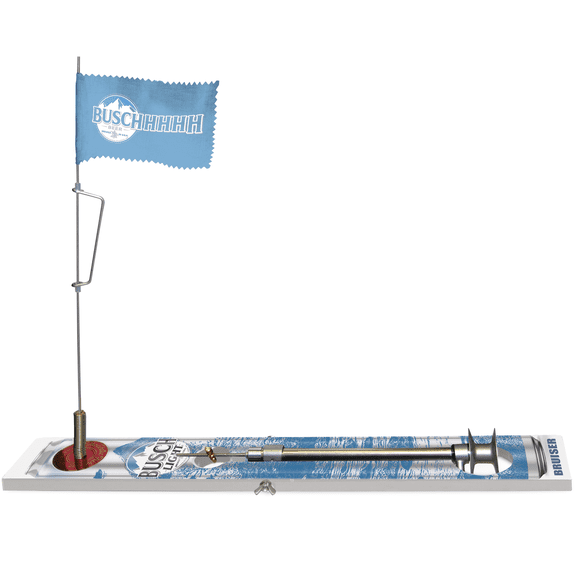
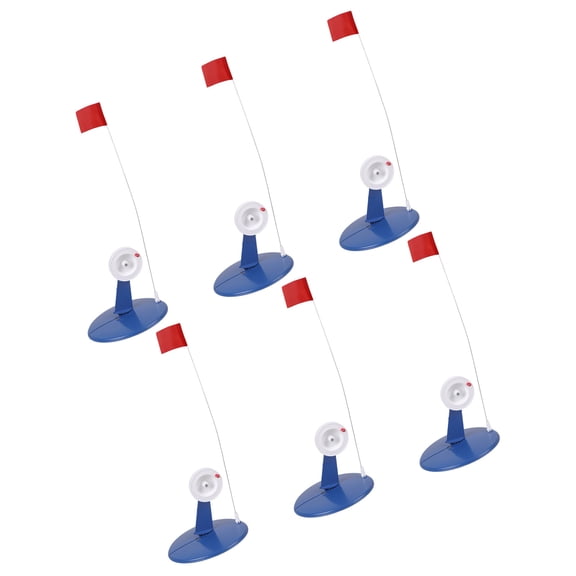
When you spread several sets across a frozen lake, you need a flag you can spot quickly. You should compare high-vis flag height, color contrast, and reset position before you make your choice.
Some anglers also look for optional light integration for early mornings or fading afternoons. You may find that added visibility helps you track each set without walking hole to hole as often.
Cold-weather setup also starts with how well the base covers the opening and blocks slush. You should look for closed-cell foam insulation in thermal models when freeze-up prevention shapes your trip.
If you move often, you should compare packability, folded size, and glove-friendly hardware. You can set faster when clips, spools, and flag arms stay easy to handle in winter layers.
Matching ice fishing tip ups to your fishing plan
If you fish shallow flats for panfish, you may want lighter trigger settings and compact rigs. You can place several sets close together and watch for small flag pops during active feeding windows.
If you target pike or walleye, you may prefer larger spool capacity and stronger line setups. You should also consider insulated bases when your holes stay open longer in severe cold.
When you fish remote lakes, you may favor durable frames that ride well in a sled. You can choose wood, plastic, or composite based on how often you move and how much gear you already carry.
If you want quicker setup at first ice, pre-rigged models can reduce prep time on the lake. If you prefer custom control, bare spool options let you build your system around your bait and depth plan.
With the right ice fishing tip ups, you can manage freeze-up, improve visibility, and match your rig to the species you chase. You leave the ice with a setup that fits your conditions, line choice, and flag style.