

Energy Bars & Snack Bars | Walmart









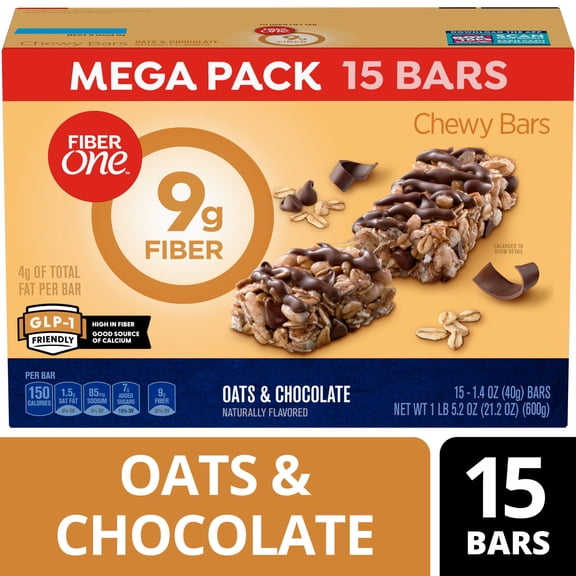


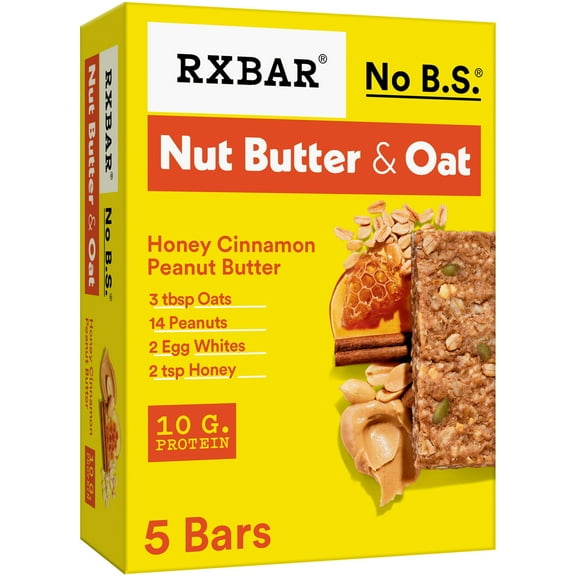
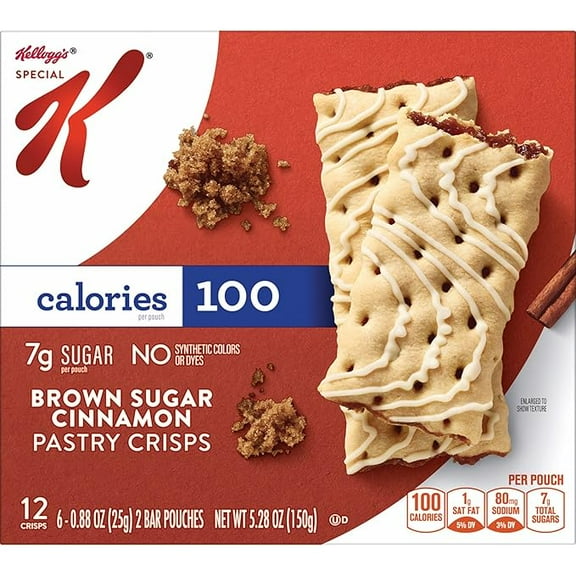
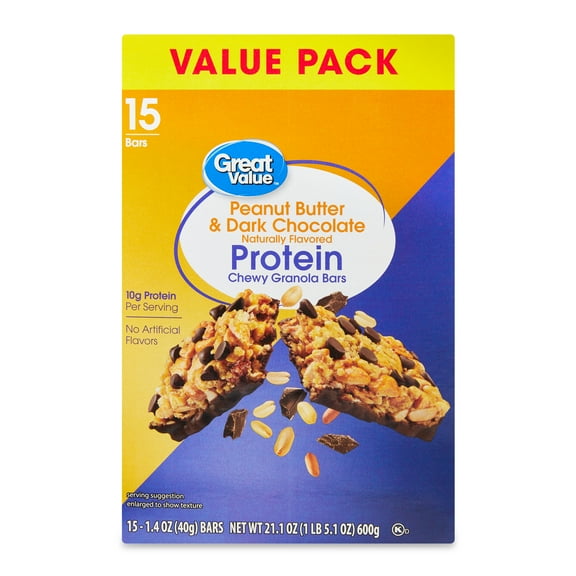





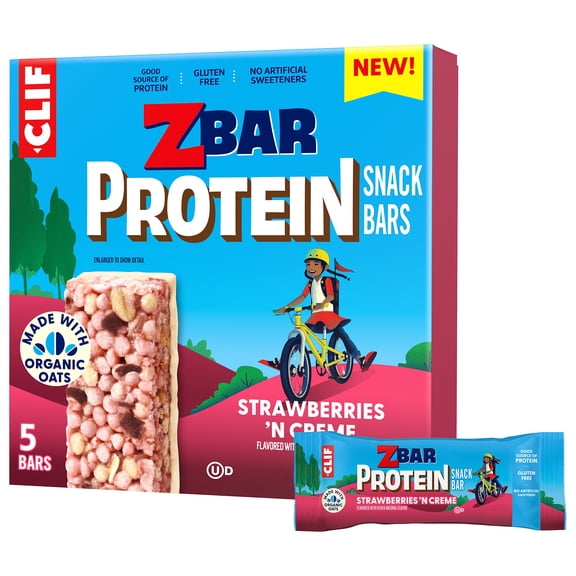
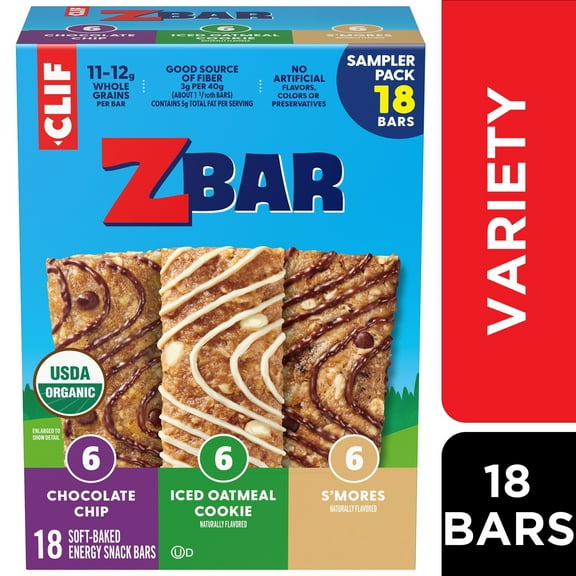
About Energy Bars & Snack Bars | Walmart - Walmart.com
You can compare granola bars snack bars energy bars by purpose, ingredients, and texture, so your pantry fits busy mornings, workouts, lunches, and quick breaks. You’ll also find options for dietary needs, family pack sizes, and everyday routines that call for portable, easy snacks.
How to choose granola bars snack bars energy bars
You should start with bar type because each style supports a different routine. You may want granola bars for breakfast, snack bars for midday bites, or energy bars for active days.
If your goal is staying full longer, you can compare protein bars and protein energy bars with higher protein content. If your goal is lighter snacking, you can look for smaller portions and simpler ingredient lists.
You can narrow choices faster when you match the bar to the moment you need it. You’ll notice that breakfast commutes, gym bags, desk drawers, and lunchboxes often call for different formats.
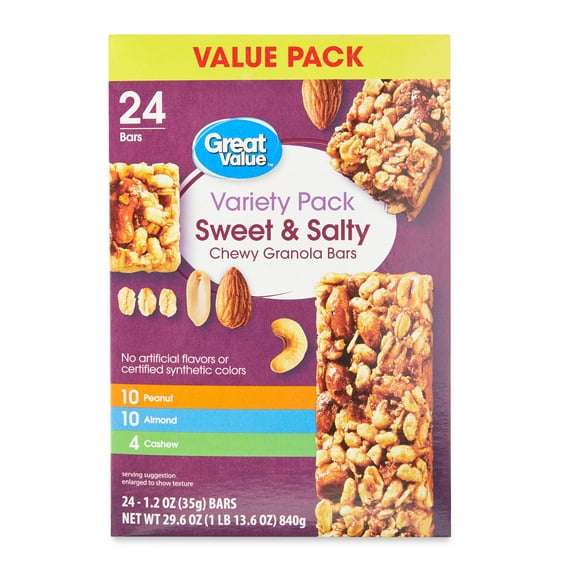
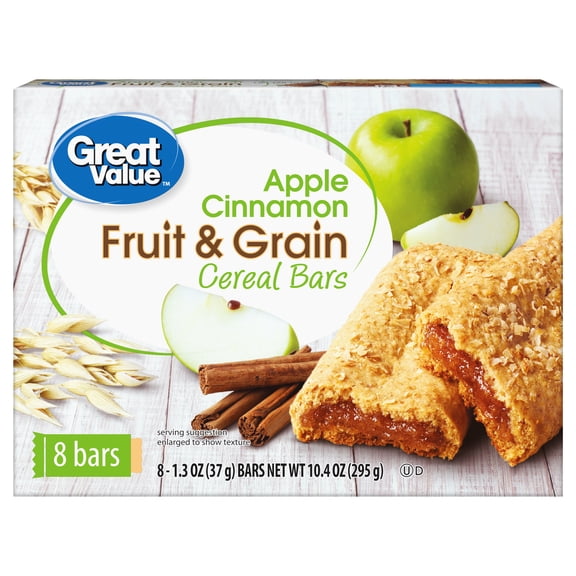
- You can pick granola bars when you want oats, seeds, or fruit in a familiar bar shape.
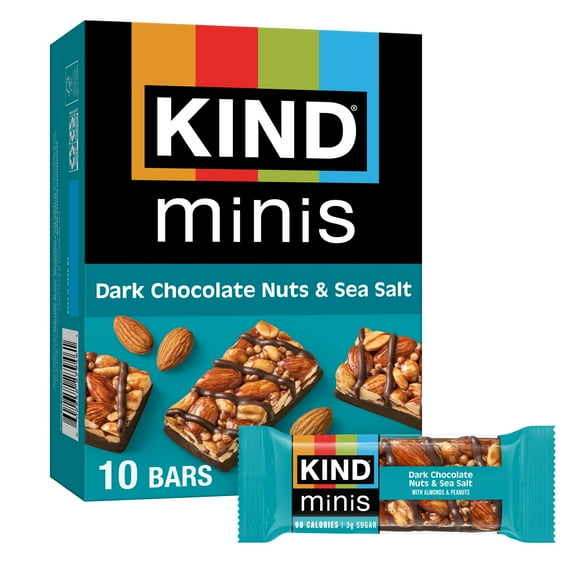
- You can choose snack bars when you want a quick bite between meals or during busy errands.
- You can select energy bars when you want a denser option for hikes, travel days, or longer activities.
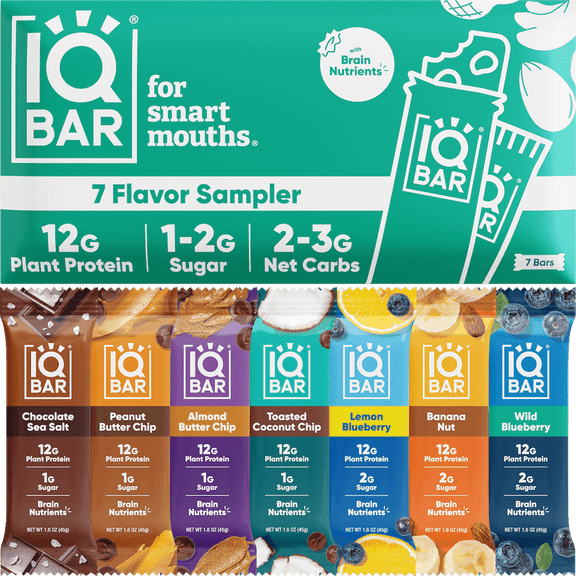
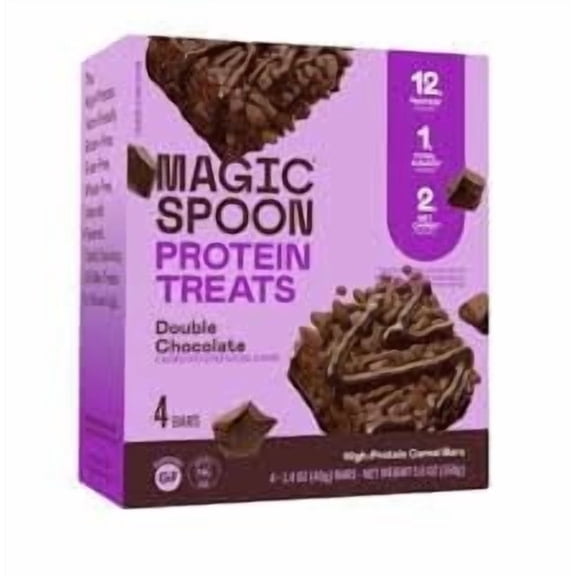
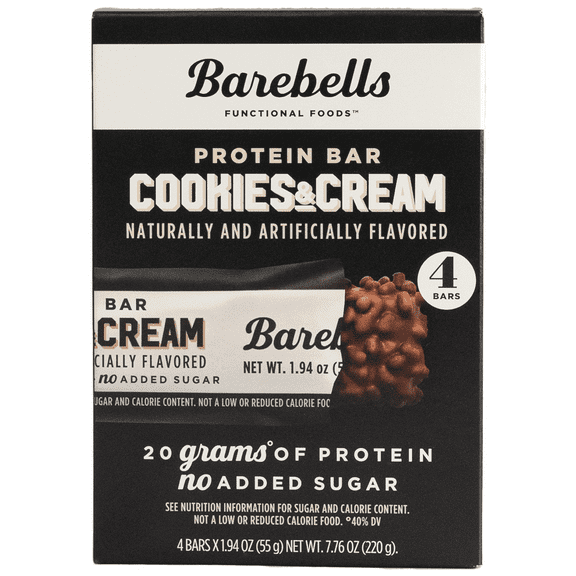
- You can compare protein bars when your routine calls for more protein after training or during packed schedules.
Choosing healthy snack bars for your dietary needs
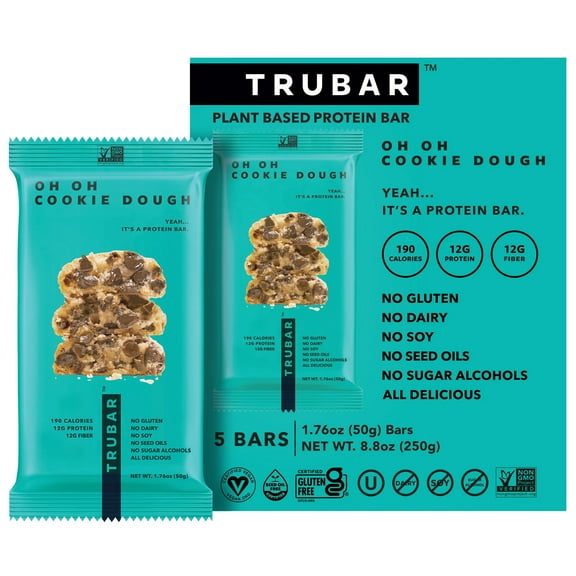
You should check dietary details early because ingredient preferences often guide the whole decision. You may look for healthy snack bars that align with gluten-free, low sugar, keto, organic, or vegan preferences.
If you avoid certain ingredients, you can read labels for grain sources, sweeteners, and protein types. You can also compare whether oats, nuts, fruit, or whey protein match your household’s preferences.
You may prefer organic options when you focus on ingredient sourcing and recognizable pantry staples. You may prefer low sugar choices when you want a bar that fits a lighter everyday snack routine.
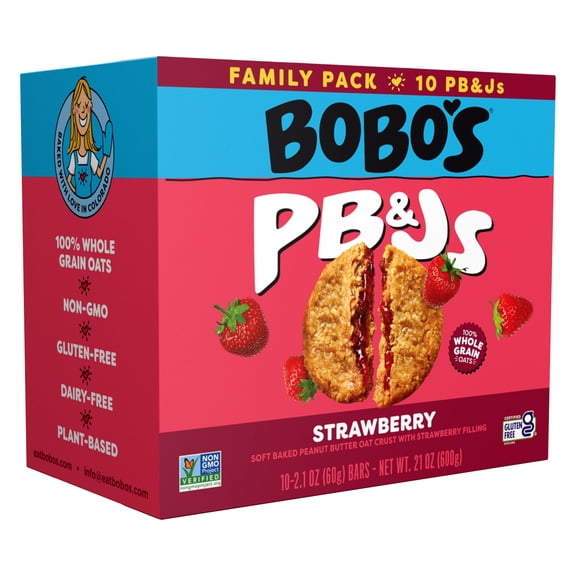
When you shop for school or shared spaces, you should review ingredient callouts and packaging notes carefully. You can sort options faster when your family follows gluten-free or other decision-critical preferences.
Comparing chewy granola bars, crunchy bars, and filled bars
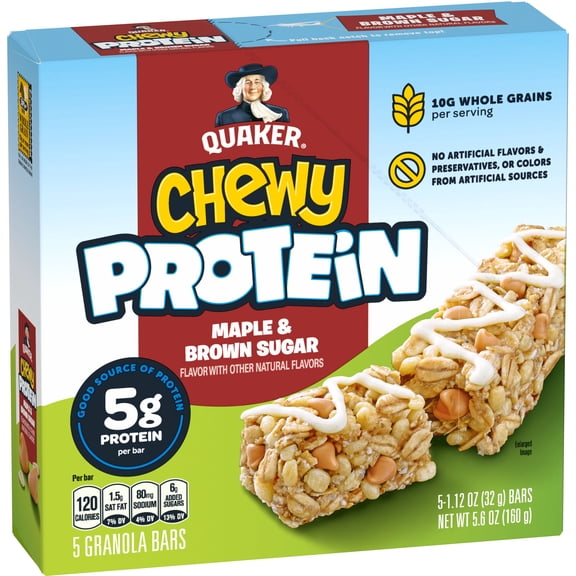
You can use texture to narrow the aisle quickly because texture changes the whole eating experience. You may like chewy granola bars for soft bites, or you may prefer crunchy bars for more crisp texture.
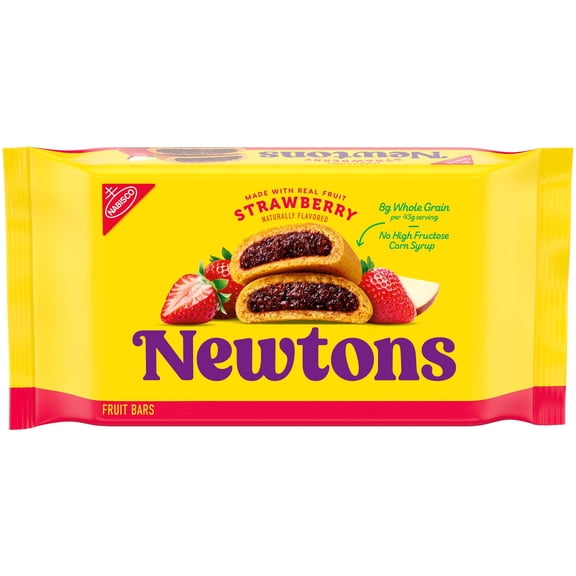
If you want less mess in a bag or lunchbox, you might lean toward baked or chewy styles. If you want more contrast, you can compare crunchy clusters, layered coatings, or filled centers.
You’ll also want to think about who’s eating the bars most often. You may choose softer bars for younger kids, while your household may prefer crunchier options for breakroom or travel snacks.
For variety boxes or family use, you can mix textures instead of sticking with one style. You’ll get more flexibility when some people want chewy bars and others want crisp, hearty bites.
Looking at oats, nuts, fruit, and protein ingredients
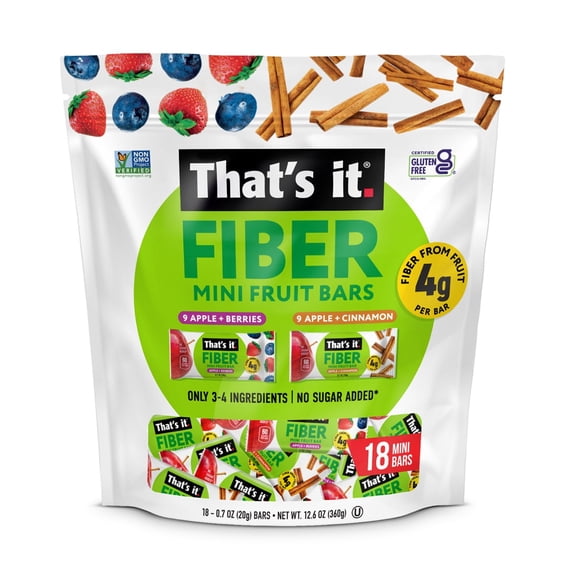
You can learn a lot from the first few ingredients because they shape taste and texture. You may notice oatmeal snack bars often bring a hearty chew, while fruit-based bars can taste lighter and sweeter.
If you want a classic pantry staple, you can compare bars built around oats, nuts, and seeds. If you want a richer texture, you may prefer bars with nut butter, chocolate layers, or filled centers.
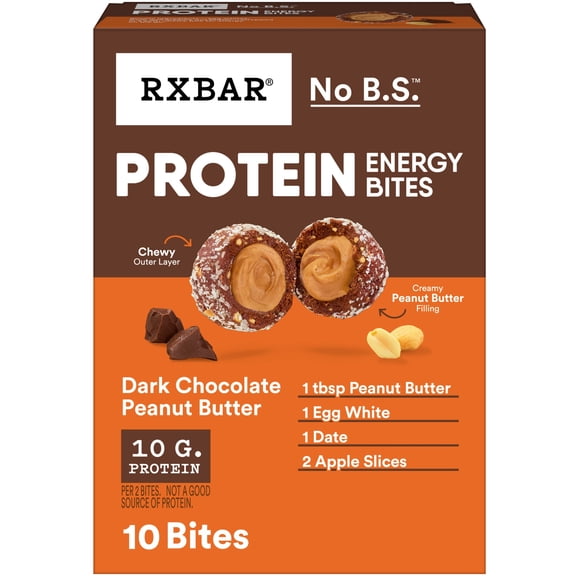
You should also compare protein sources when protein content matters in your routine. You may see whey protein, nuts, seeds, or blended ingredients that create different flavors and textures.
When you’re shopping for a balanced household mix, you can keep ingredient variety in mind. You’ll cover more preferences when you include oat-based bars, nut-forward bars, and fruit-inspired options.
Matching pack size to lunches, travel, and family routines
You can choose pack size based on how often your household reaches for bars each week. You may want multipacks for back to school snacks, family pantries, or office drawers.
If you’re trying a new flavor or texture, you can start with smaller packs first. If you’re stocking up for recurring use, you can compare larger counts for fewer restocks.
You may keep single bars in gym bags, glove compartments, or work totes for quick convenience. You may keep bigger boxes at home when you’re planning lunch prep or after-school snack routines.
For road trips and weekend activities, you can combine chewy granola bars, oatmeal snack bars, and protein energy bars in one order. You’ll cover quick breakfasts, practice pickups, and long afternoons with less last-minute planning.
Using protein energy bars and snack bars for daily moments
You can make informed choices when you picture where each bar fits into your day. You may want protein energy bars after workouts, lighter snack bars between meetings, or granola bars with coffee in the morning.
During school weeks, you can choose bars that fit lunchboxes, backpacks, and busy kitchen counters. During travel, you may prefer individually wrapped bars that stay simple to grab and carry.
You can also build variety around routine moments instead of buying one style only. You may want chewy bars for quick breakfasts, crunchy bars for desk snacks, and higher-protein options for active afternoons.
When you match bar type, dietary needs, texture, and pack size, you can shop with more clarity. You’ll end up with snacks that fit your schedule, your preferences, and your household’s everyday rhythm.