

Farmhouse Dining Tables in Dining Tables












































About Farmhouse Dining Tables in Dining Tables - Walmart.com
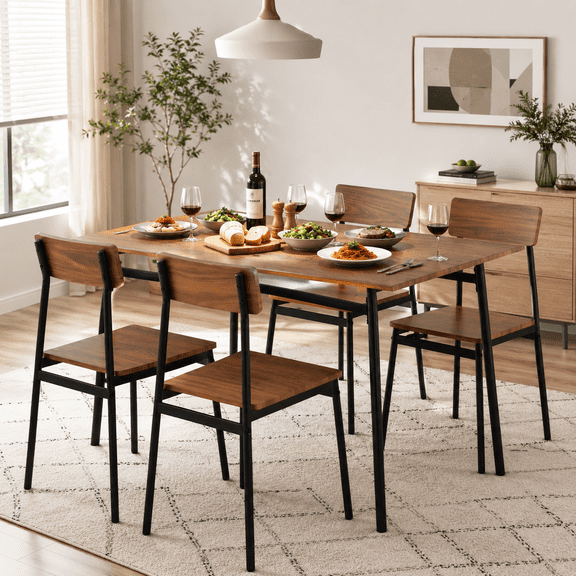
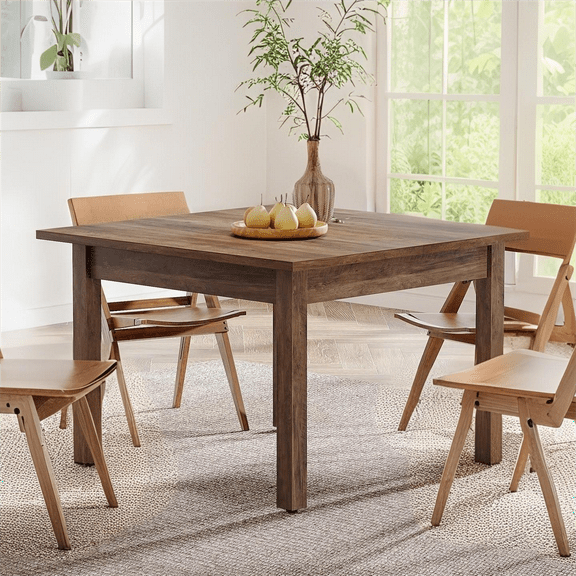
Farmhouse tables help you create a warm dining space with sturdy surfaces, inviting finishes, and flexible sizing for everyday meals and gatherings. You can compare seating, shape, finish, and base style here, so your dining room feels cohesive and functional.
Choosing farmhouse tables for your dining room
When you choose farmhouse tables, you should start with seating capacity and the space around each chair. You can measure enough clearance for pull-out room and comfortable movement.
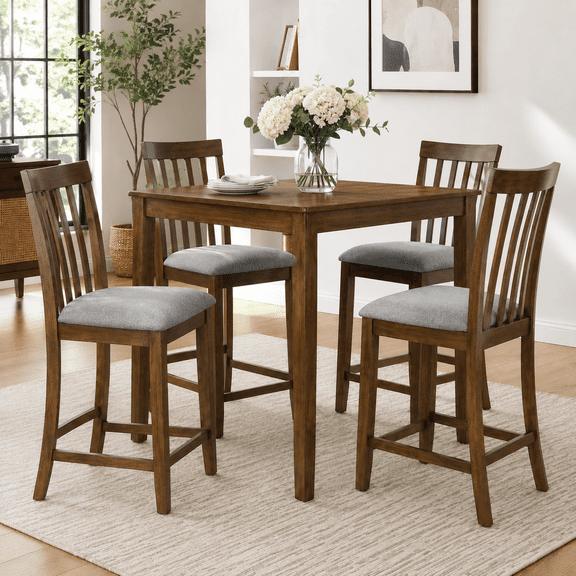
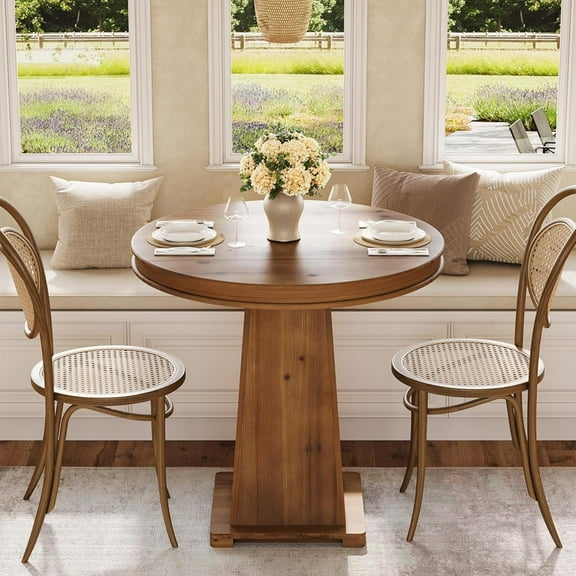
A four-seater often suits breakfast nooks, apartments, or compact dining rooms with tighter footprints. A six-seater gives you extra elbow room for weeknight meals and casual hosting.
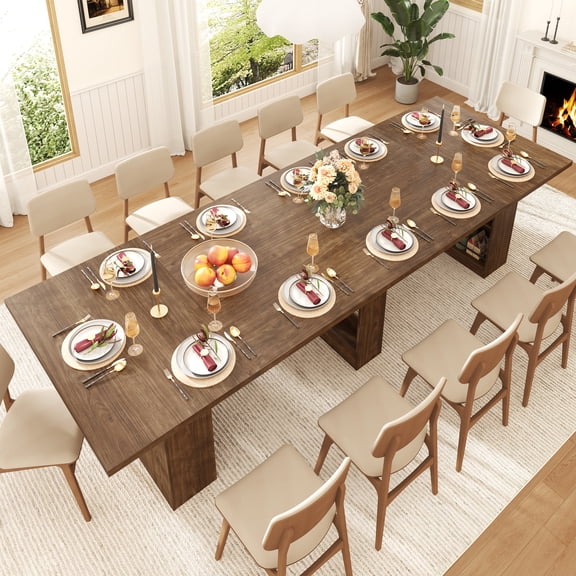
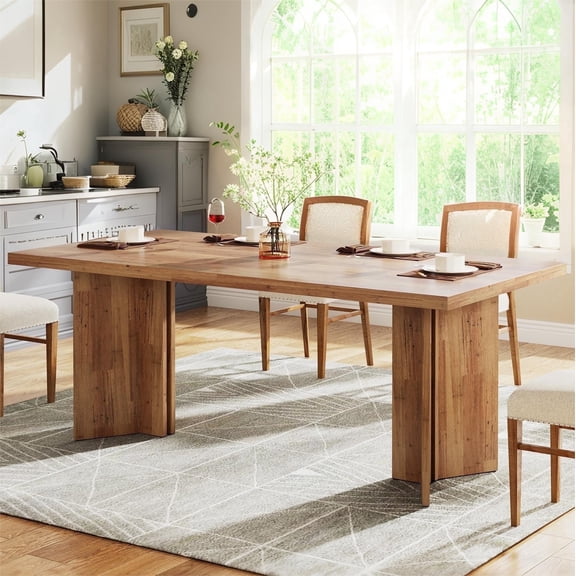
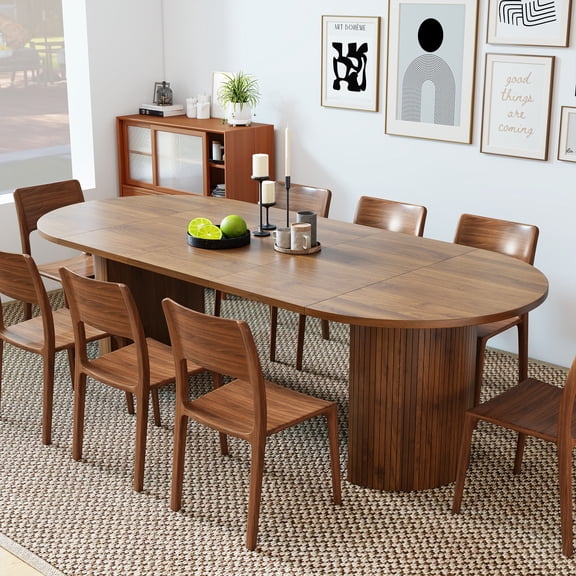
If you host often, you may prefer an eight-seater or a 10+ seater for holiday meals. You can get a longer surface that supports serving dishes, centerpieces, and shared seating.
- You can fit a four-seater in smaller dining areas without crowding chair movement.
- You can use a six-seater for daily family meals and occasional guests.
- You can choose an eight-seater or larger table when your room needs extra hosting space.
- You can pick an extendable design when your guest count changes throughout the year.
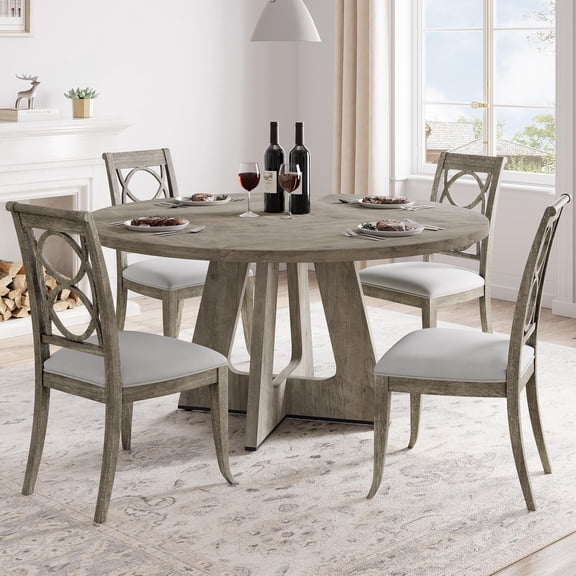
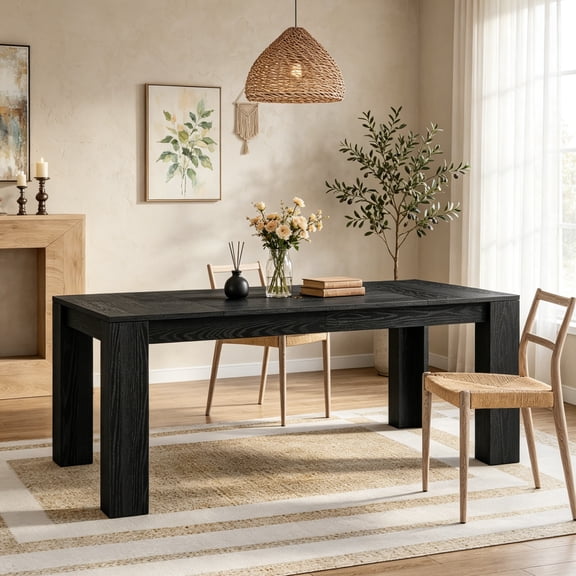
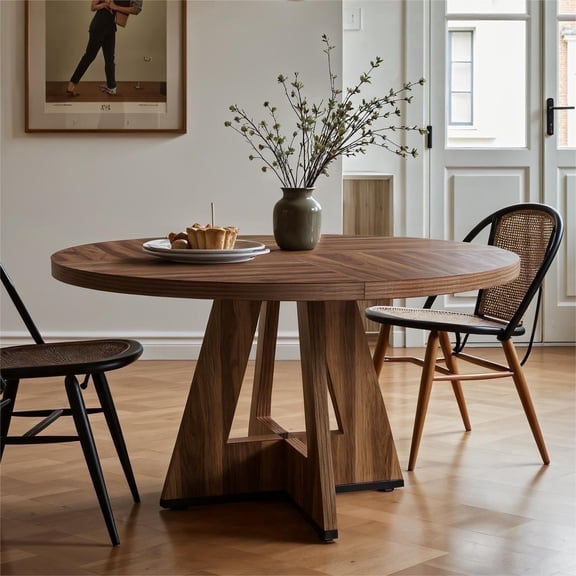
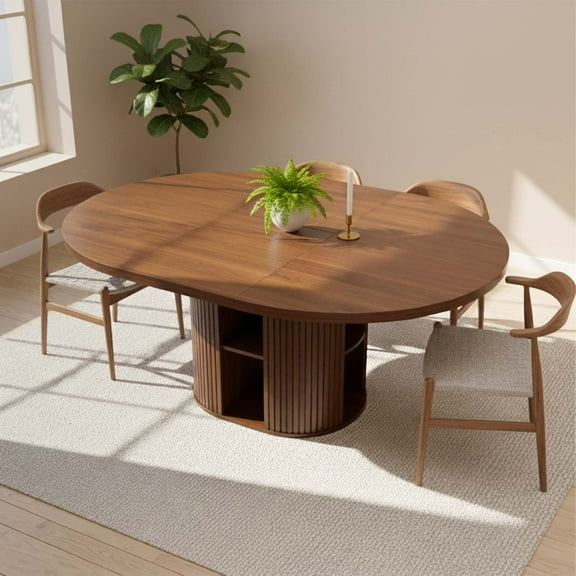
Shape also changes how your room works, so you should compare your layout before you choose. You may prefer rectangular tables in longer rooms, while round tables can soften tighter spaces.
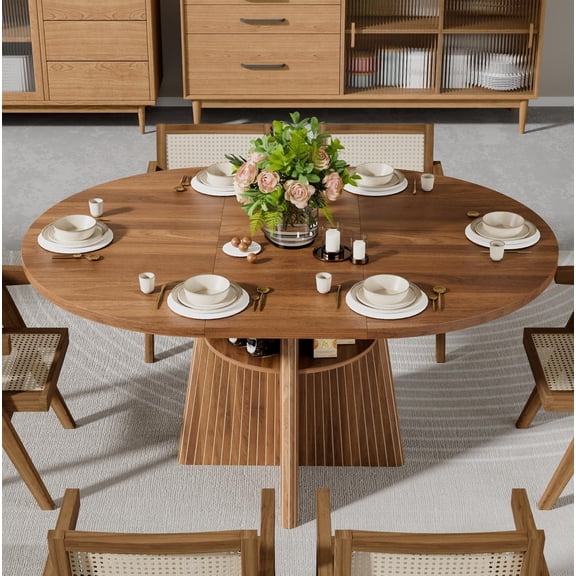
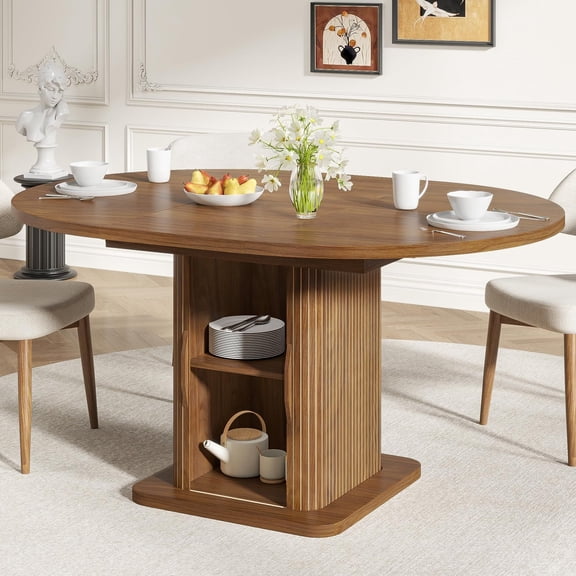
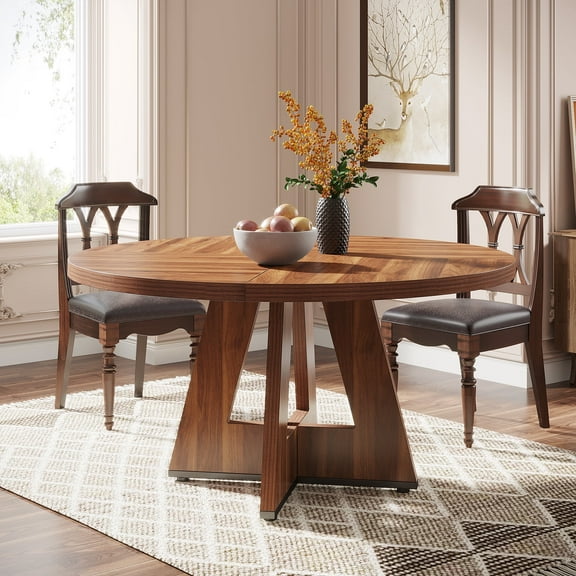
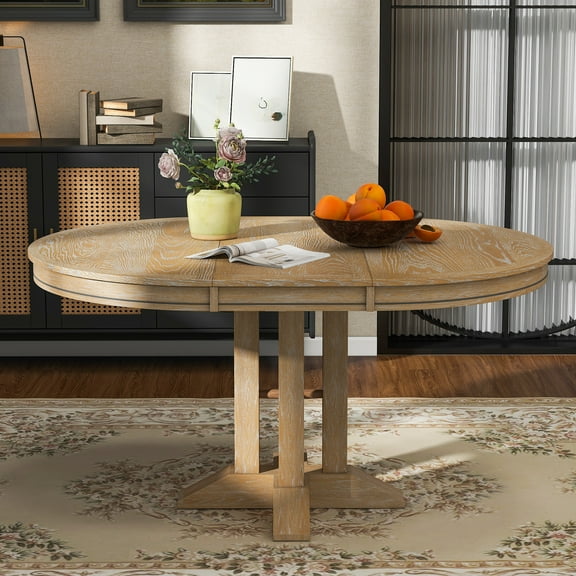
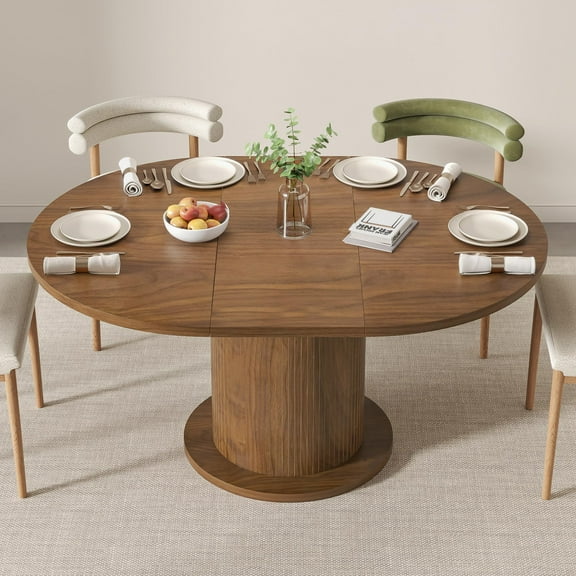
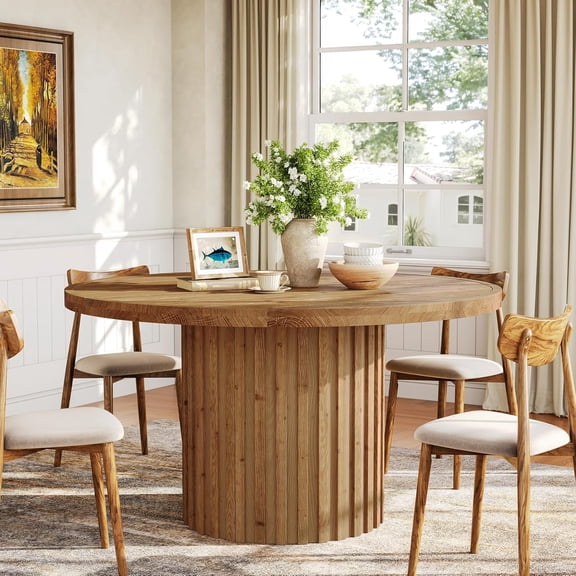
If you want easier conversation, you may lean toward a round or oval farmhouse dining table. If you need place settings in a straight run, you may prefer a rectangular design.
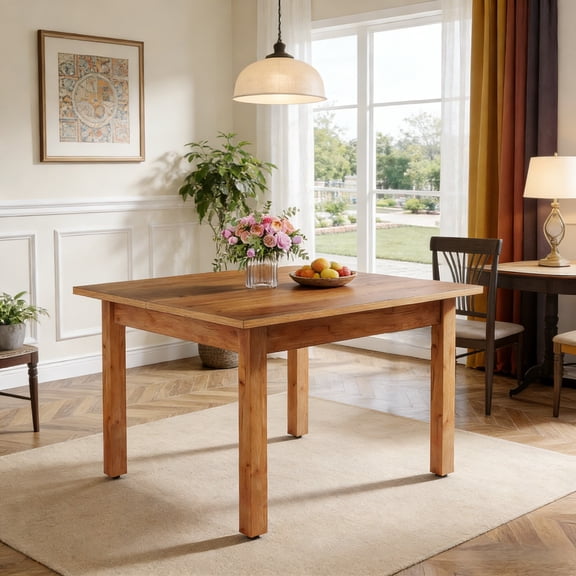
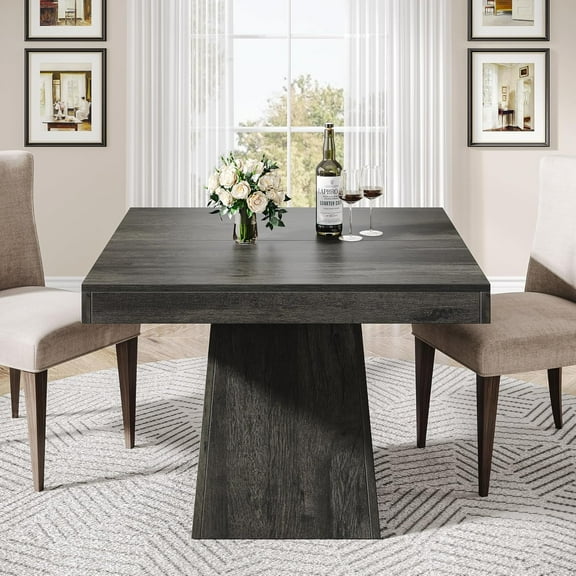
Square tables can work well when your dining area has balanced dimensions and a smaller footprint. You can also notice that shape changes traffic flow around corners and chair placement.
What to look for in a farmhouse dining table
You should compare material and finish based on your household routine, not only on color. Reclaimed wood, distressed oak, pine, and white-washed finishes each create a different farmhouse mood.
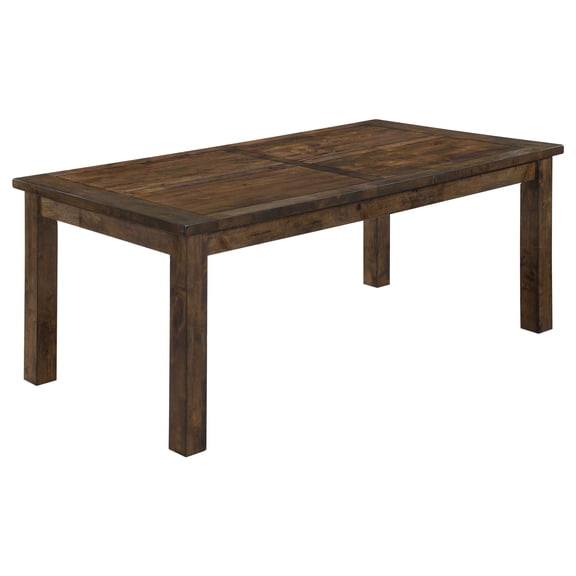
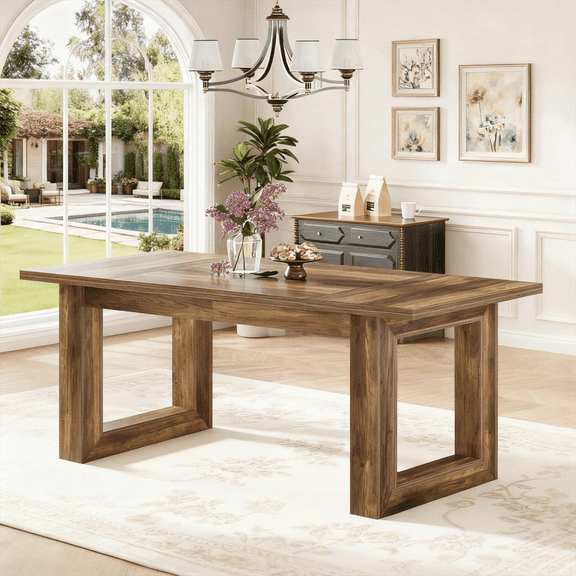
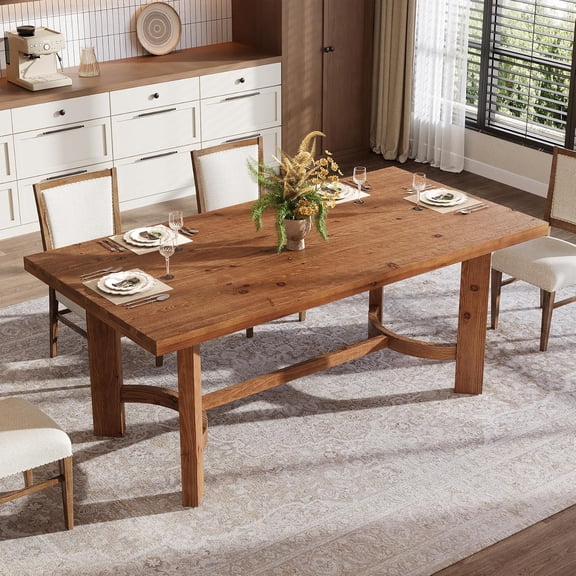
If you want visible texture and timeworn character, you may like a rustic farmhouse table with distressed surfaces. You can see grain patterns, tonal variation, and edges that support a lived-in look.
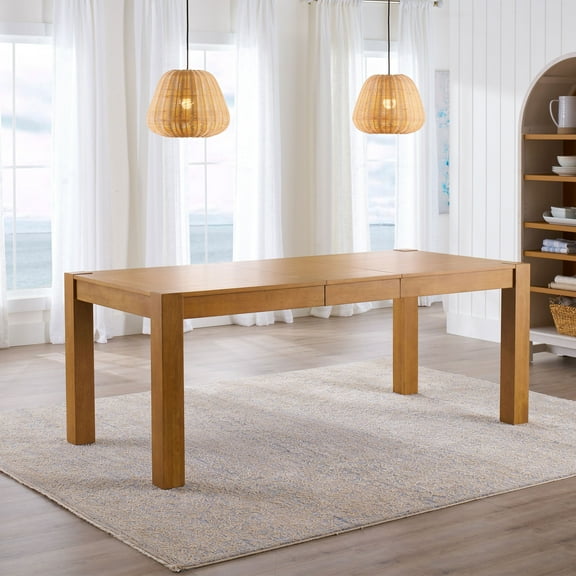
Pine can give you a lighter appearance that works in casual kitchens and dining rooms. Distressed oak can bring a denser visual feel that pairs well with darker seating.
If you want an airy room, you may prefer a white-washed finish that brightens surrounding decor. You should also check the surface sealant when you expect frequent family use.
Your finish choice affects daily upkeep, especially when you place cups, plates, and serving bowls on the table. You may want surfaces that help resist water rings, light scratches, and everyday messes.
- You should look for sealed surfaces when your table handles daily meals and homework.
- You can choose reclaimed or distressed looks when you want visible character and texture.
- You may prefer white-washed finishes when your dining room needs a brighter, softer look.
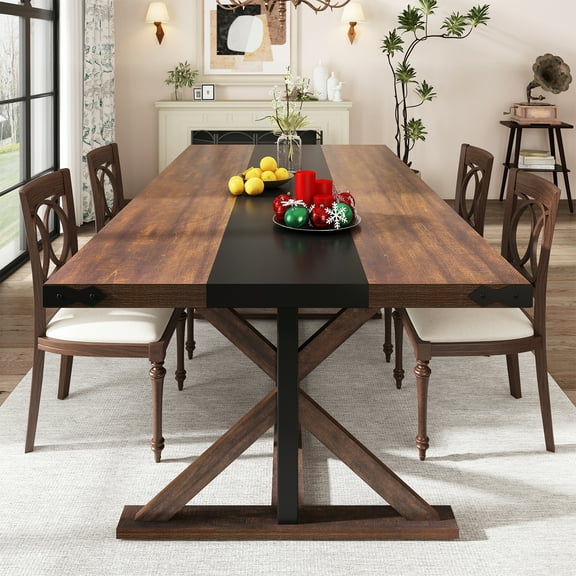
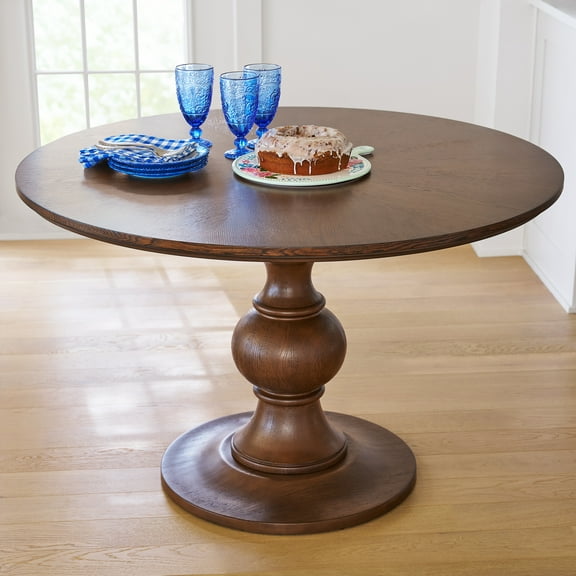
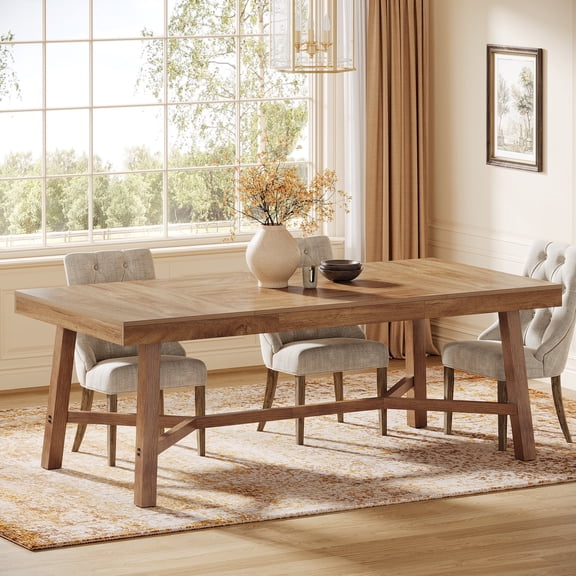
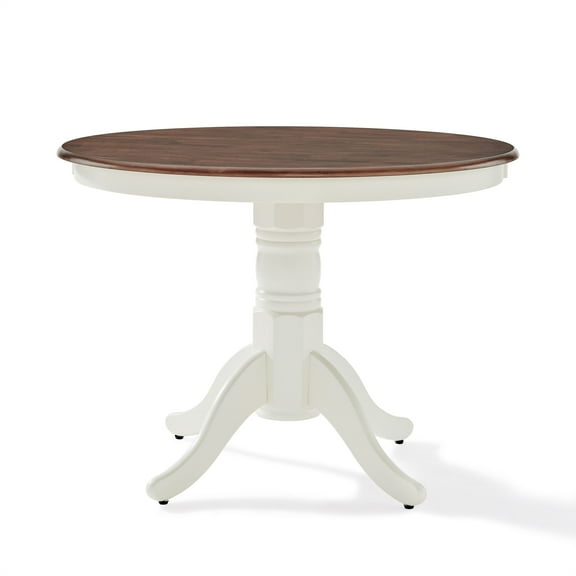
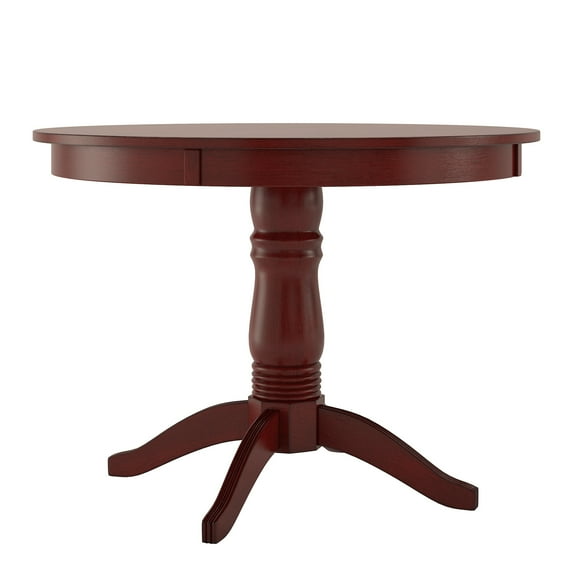
Your base style matters too, because it changes both appearance and legroom under the table. A trestle base gives you classic farmhouse character, while a pedestal can open more knee space.
If you like a cleaner profile, you may choose a leg table for a familiar dining setup. If your guest list varies, you should consider extendable with leaf styles for added flexibility.
How to compare leaf styles and setup details
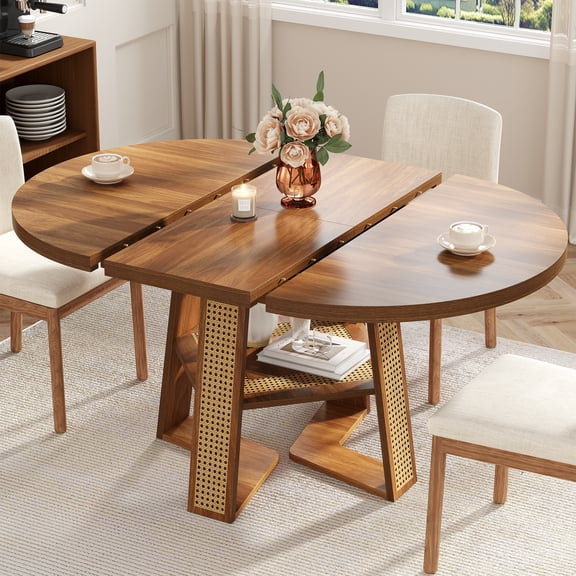
If you need flexible seating, you should compare leaf mechanisms before you choose a table. A butterfly leaf folds inside the table, so you can store it within the frame.
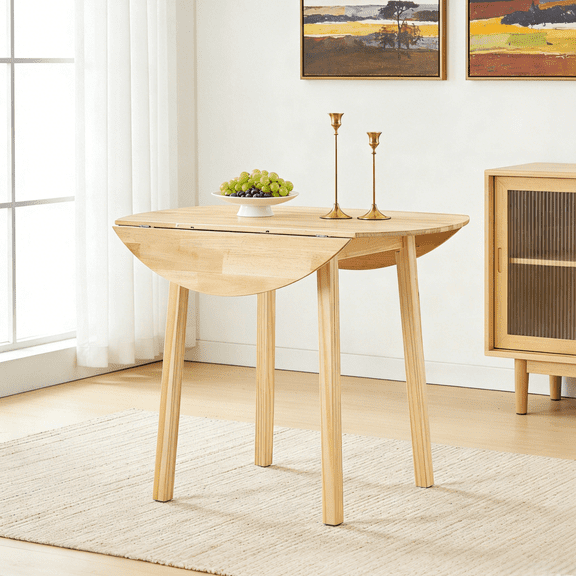
A drop leaf lets you keep part of the tabletop lowered when you need a smaller footprint. A removable leaf gives you a separate panel that you can store elsewhere between gatherings.
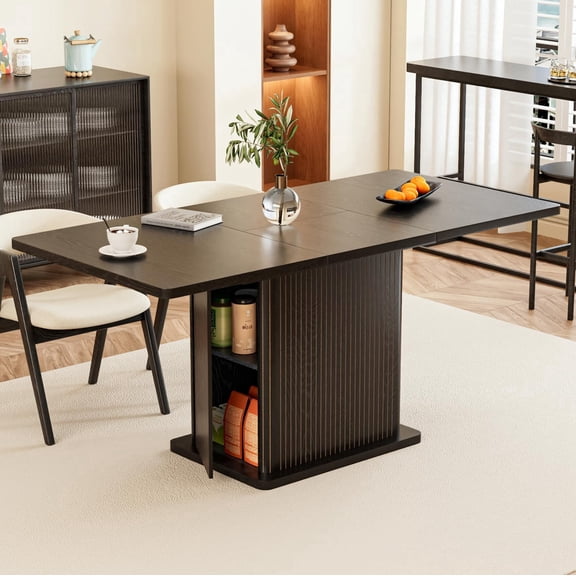
You should match the leaf style to your storage space and how often you expand the table. If you host often, you may find built-in storage more convenient during seasonal meals.
Assembly details matter too, especially when you’re furnishing a larger room or an upper floor space. You should check whether you’ll attach only the legs or complete a more involved base setup.
Your shipping weight can signal how substantial the table may feel once it’s in place. You may also want to review delivery options when narrow doorways, stairs, or room setup affect placement.
Matching a rustic dining table to real life
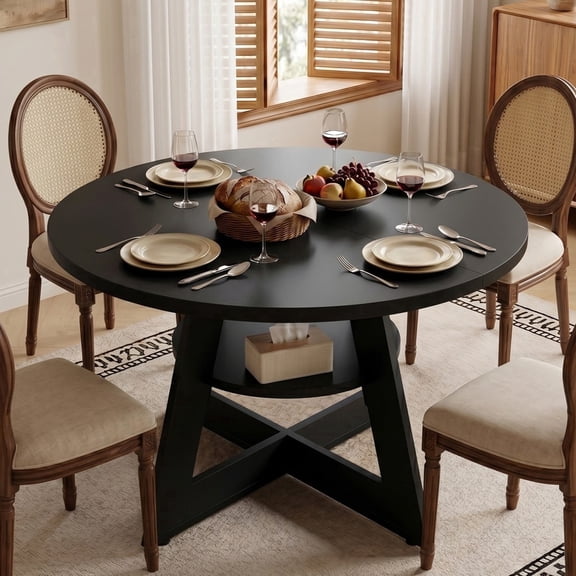
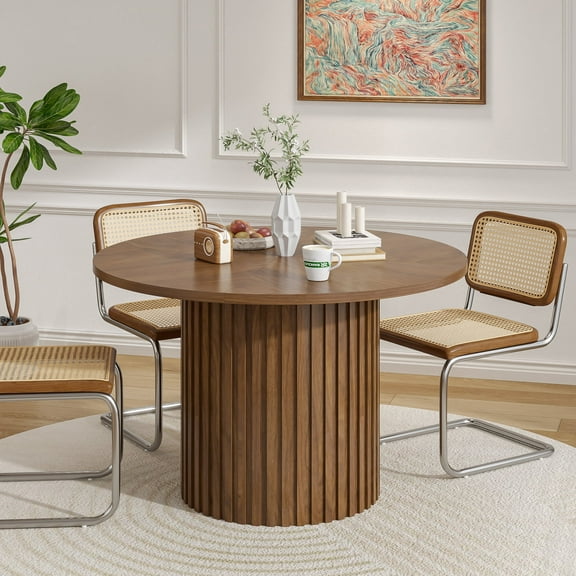
If your kitchen doubles as your dining zone, you may want a smaller round table with a pedestal base. You can keep movement easier while still adding farmhouse character to the room.
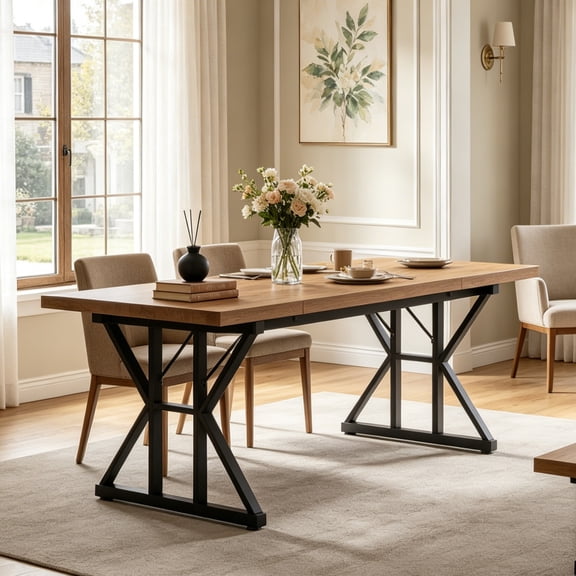
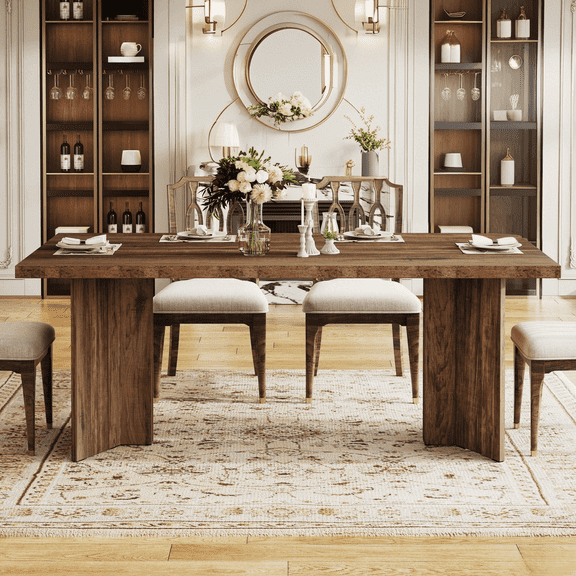
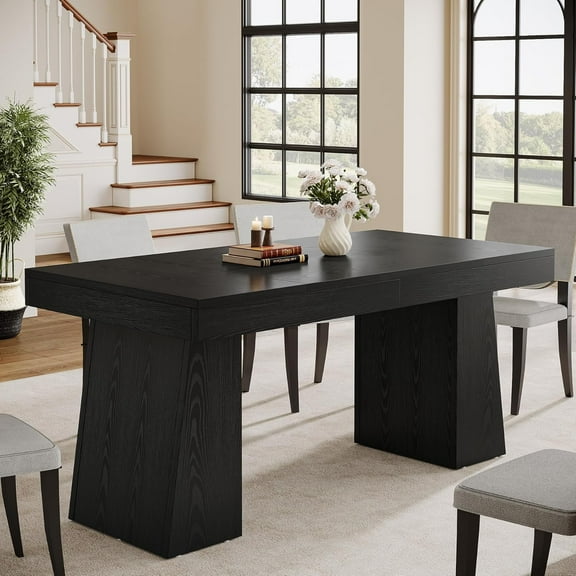
For open dining rooms, you may prefer rectangular farmhouse tables with six or eight seats. You can get a strong anchor for dining chairs, buffets, sideboards, and area rugs.
If your home mixes modern and rustic decor, you can choose a farmhouse dining table with cleaner lines. A white-washed or lighter pine finish can help your room feel relaxed and balanced.
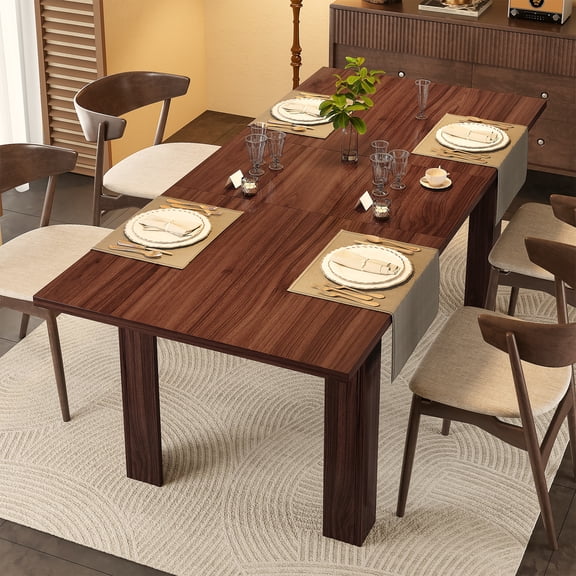
When you host holidays, you may want an extendable rustic dining table with a butterfly leaf. You can gain extra seating without committing to a larger footprint every day.
If your household includes busy family routines, you should focus on durable finishes and simple assembly. You can appreciate surfaces that clean easily and designs that fit into everyday life.
With the right farmhouse tables, you can balance size, finish, shape, and flexibility without guessing. You can end up with a dining centerpiece that fits your room and supports how you gather.