

Closet Systems in Closet Organizers


















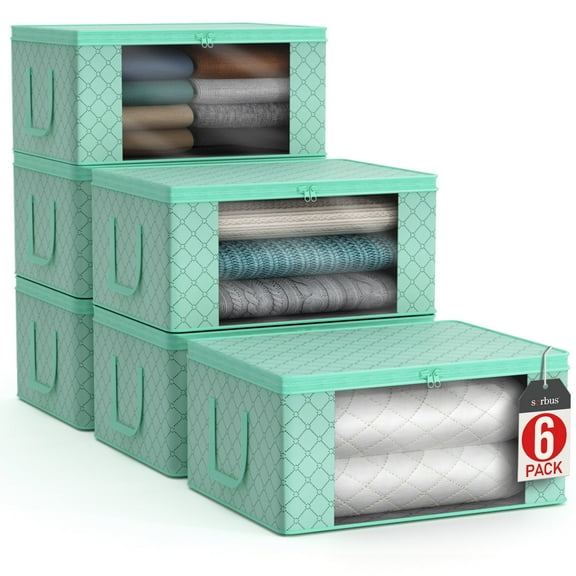
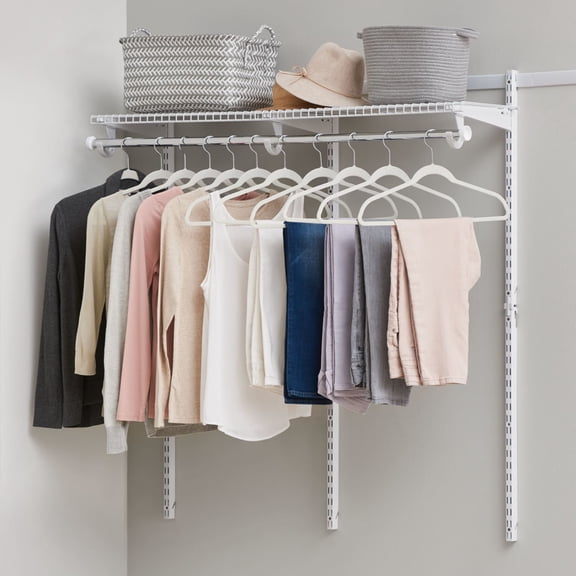

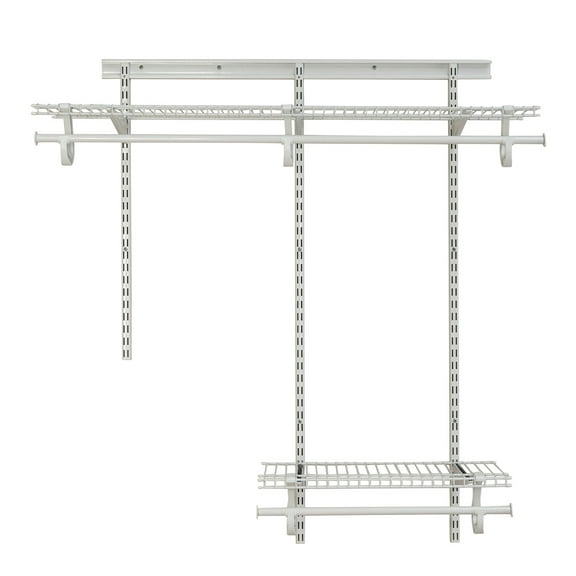


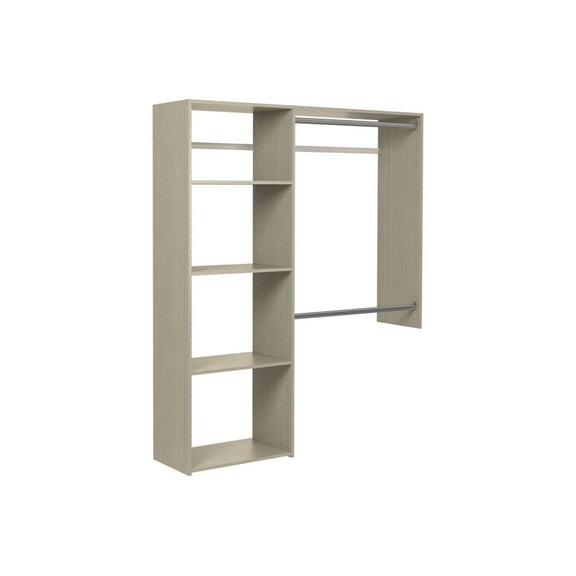








About Closet Systems in Closet Organizers - Walmart.com
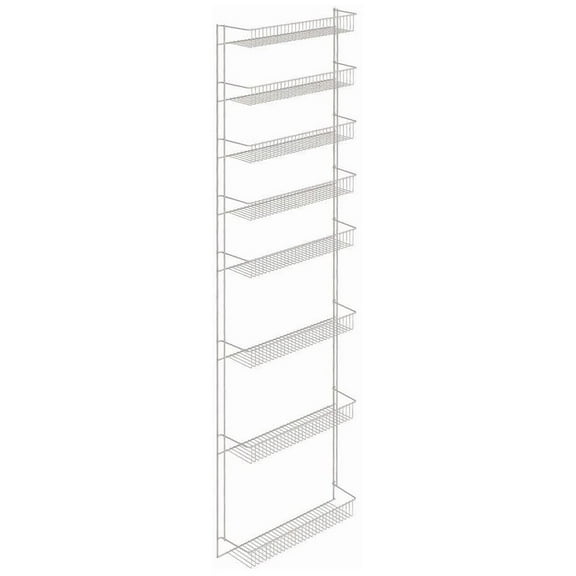
Closet systems bring structure to crowded bedrooms, entryways, and laundry spaces. Modular rails, shelves, and drawers help you use vertical space neatly. Many setups fit reach-in nooks or walk-in layouts without permanent remodeling.
Why closet systems work for busy spaces
A strong storage layout keeps clothing, shoes, and accessories visible. You spend less time sorting stacked piles or searching deep bins. Adjustable parts also help separate workwear, folded sweaters, and hanging pieces.
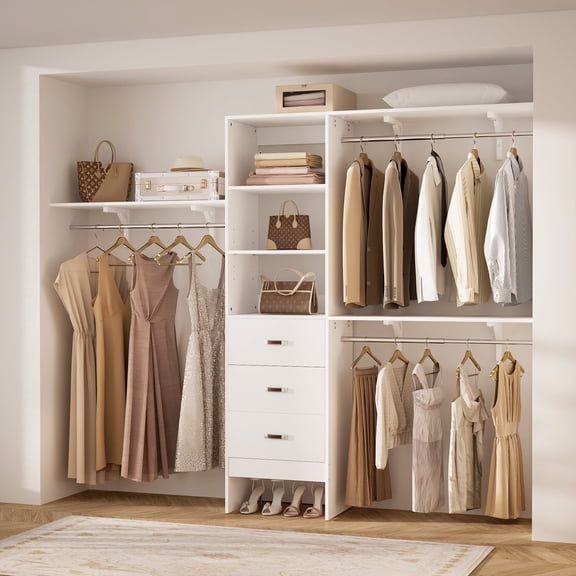
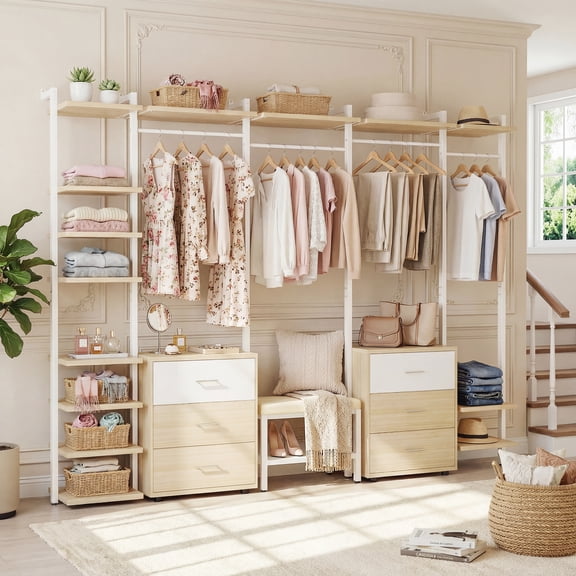
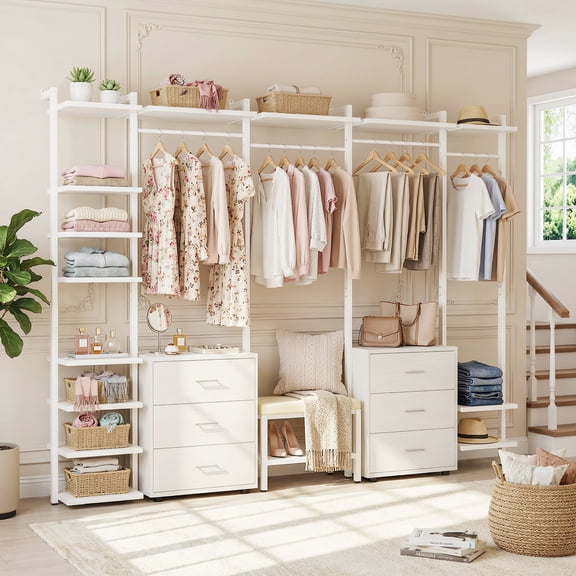
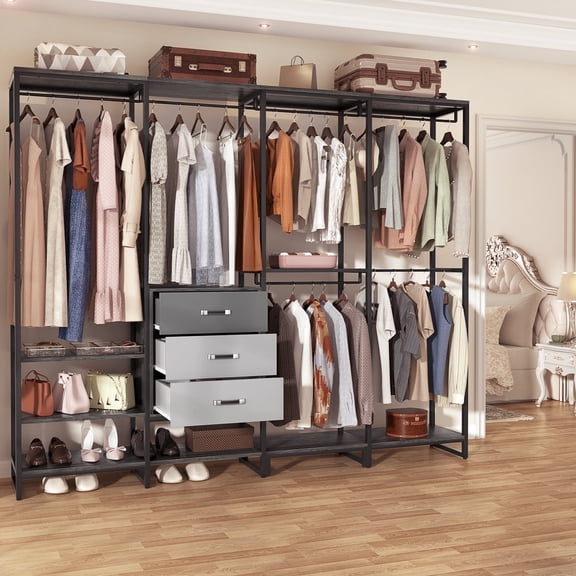
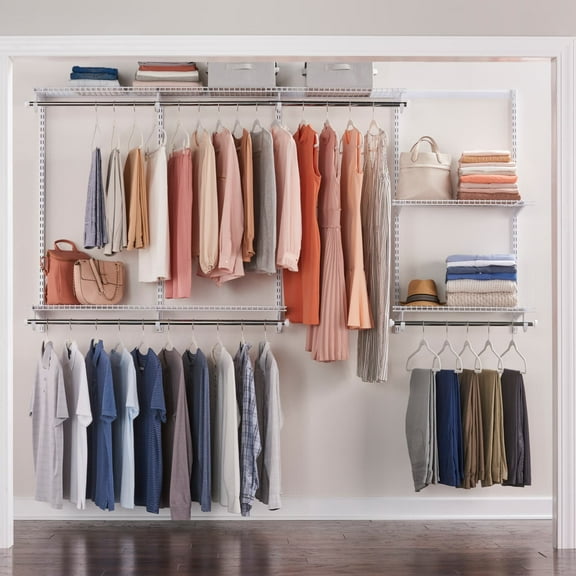
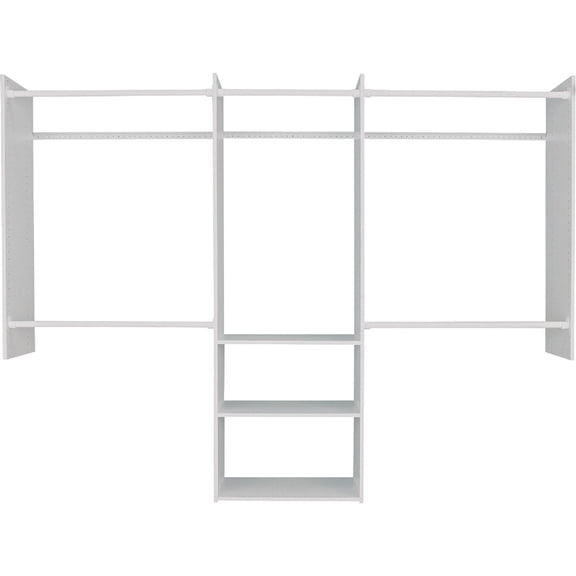
Unlike basic racks, a closet organization system can combine rods, cubbies, and drawer towers. That mix supports daily routines in bedrooms, mudrooms, and shared family closets. It also creates defined sections for long garments, handbags, and stacked denim.
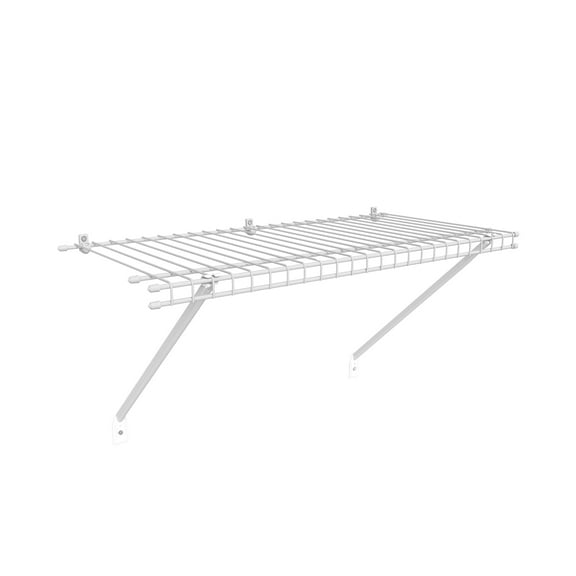
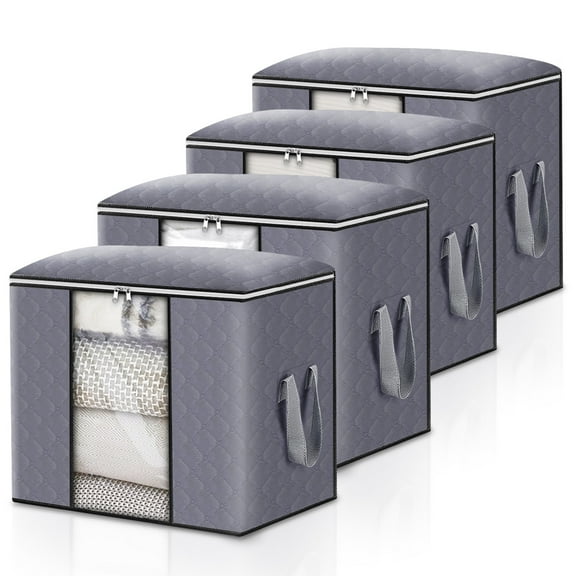
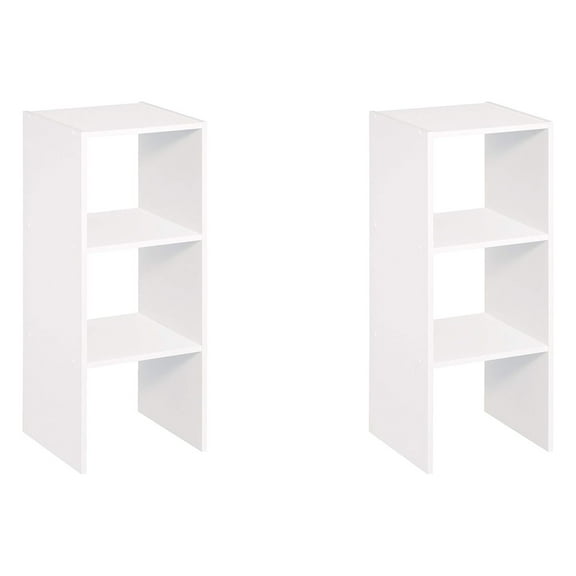
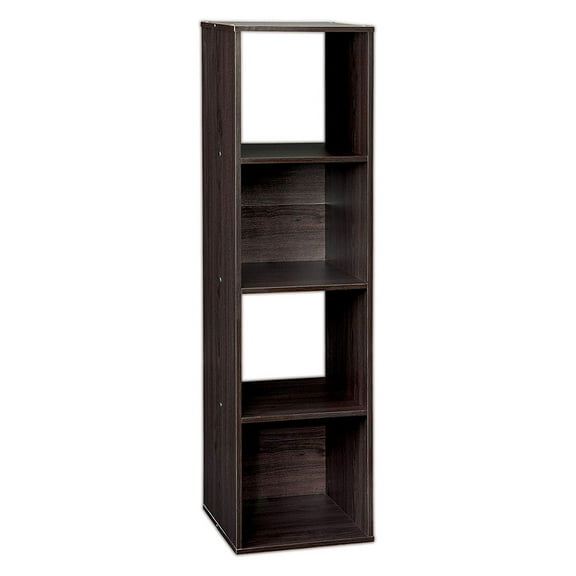
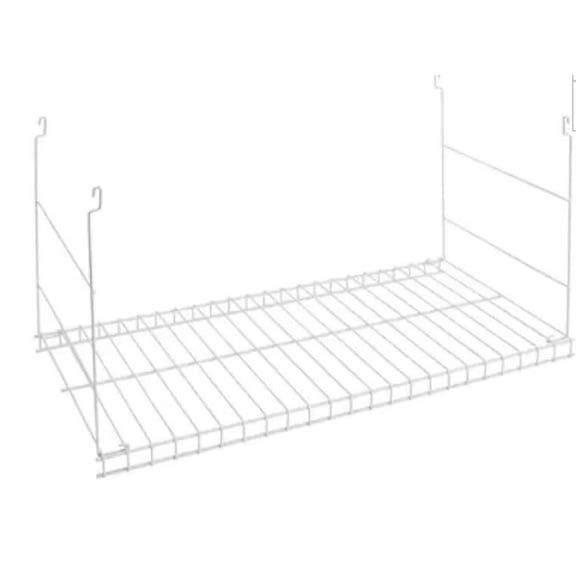
- Use shelf towers for folded tees, jeans, and seasonal blankets.
- Add hanging rods for dresses, coats, button-downs, and uniforms.
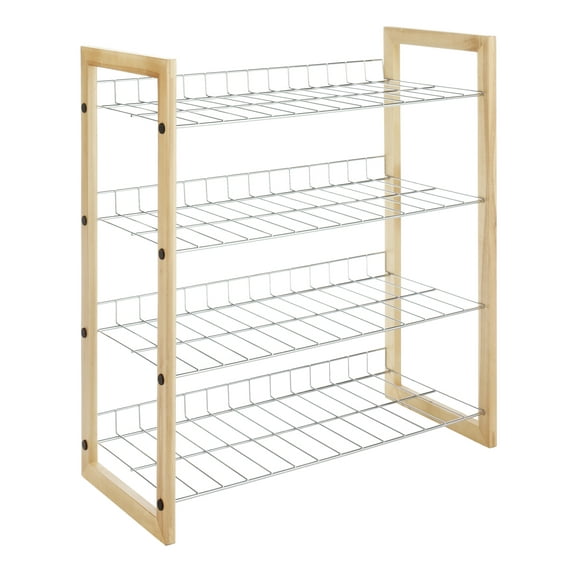
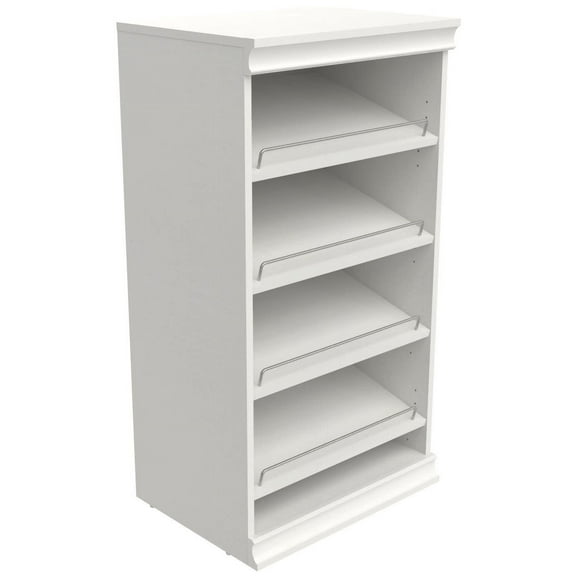
- Choose shoe shelves or angled racks to keep pairs visible and aligned.
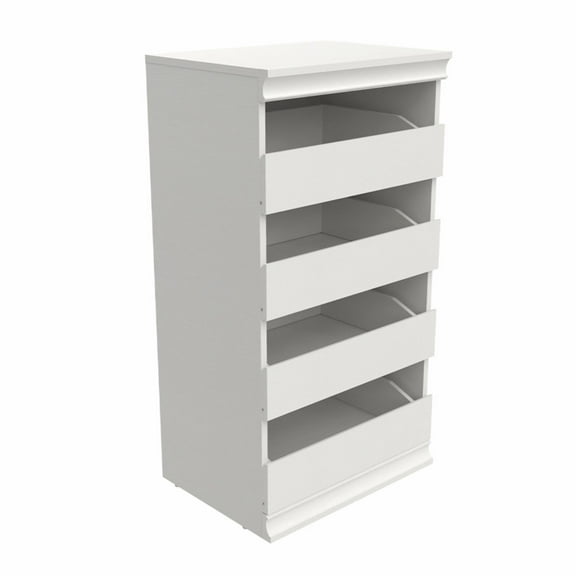
- Pick drawer units for socks, belts, jewelry, and smaller accessories.
These details matter because closet storage has unique demands. Long hems need clear hanging space, while purses and bins need stable shelf depth. A well-planned setup helps each item land in a logical spot.
Features to compare before choosing a closet organization system
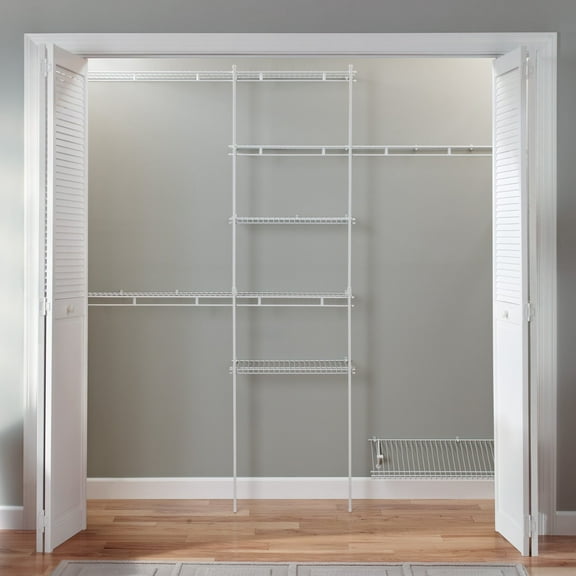
Start with closet size and wall shape. Reach-in closet systems usually focus on compact depth and efficient rod placement. Closet systems for walk-in closets often include islands, corner sections, or wider shelving runs.
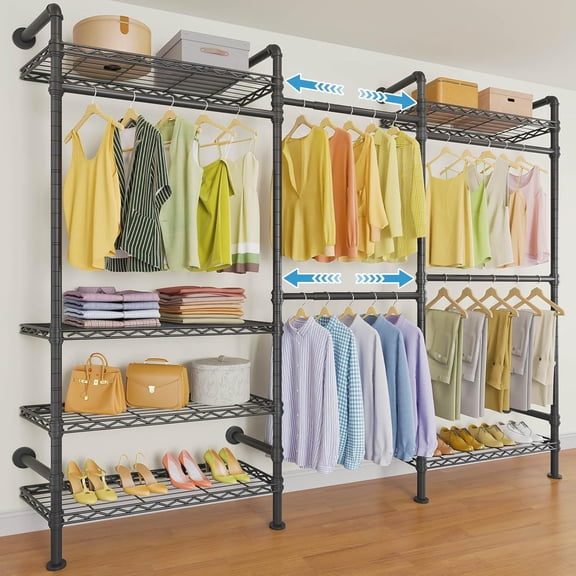
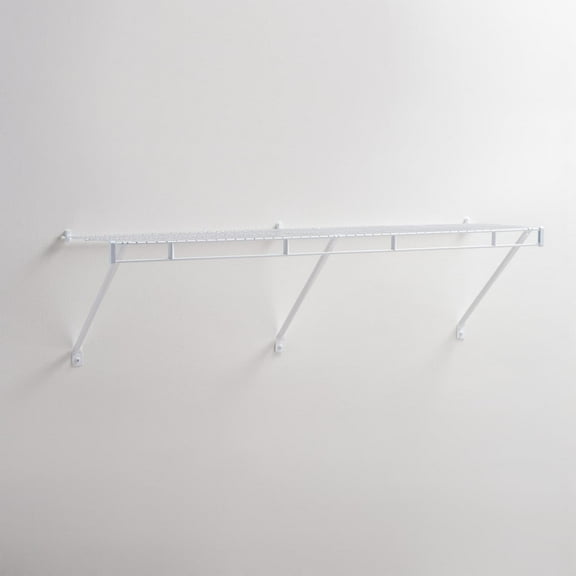
Material affects look and structure. Wood-look panels create a built-in style, while metal frames keep lines open and modern. Some kits mix both for a sturdy closet system with a lighter visual footprint.
Adjustability is another key factor. Movable shelves, expandable rods, and stackable drawers let you rework the layout later. That flexibility matters when kids grow, wardrobes shift, or a guest room changes use.
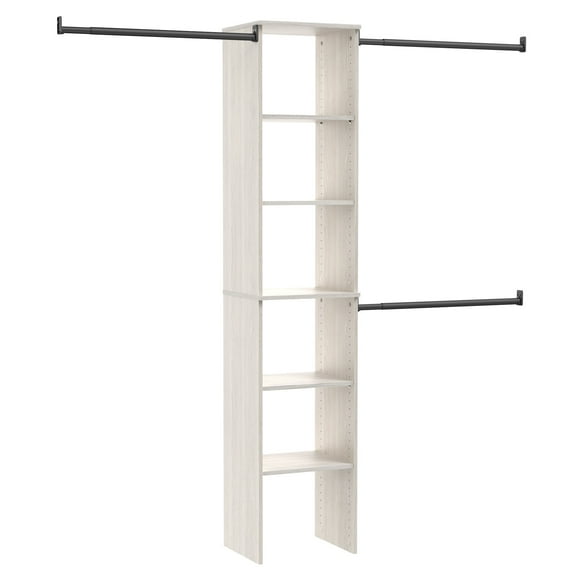
Check installation style before you choose. Some sets mount to the wall for a cleaner profile. Others stand on the floor, which can simplify setup for a diy closet project.
Pay attention to storage mix, not just total pieces. More shelves wonu't help if you need double-hang sections. Extra drawers may matter for underlayers, scarves, or workout gear.
Weight support also deserves attention. Shelf spans, rod brackets, and panel thickness influence how the system handles jeans, boots, or full storage bins. Those details shape long-term use in hard-working closets.
Custom closet systems and diy closet options
Custom closet systems give you more control over layout. You can build around sloped ceilings, narrow walls, or a window inside the closet. That makes them useful when standard widths leave awkward dead space.
A diy closet kit can still feel tailored. Expandable sections, trim pieces, and adjustable towers help you fit around baseboards or uneven dimensions. Many shoppers choose this route for a planned look with manageable installation steps.
Think about who uses the closet every day. Shared wardrobes often need split hanging sections and duplicated shelves. Single-user spaces may work well with more long-hang room, extra shoe storage, or a drawer stack.
Kidsu' rooms bring different priorities. Lower rods and easy-reach cubes help little ones access daily outfits. In teen spaces, taller shelves and added drawers often support larger wardrobes and changing routines.
Where closet organizer setups make a significant difference
Bedroom closets are the obvious starting point, but theyu're not the only fit. Hall closets can hold linens, cleaning tools, and household basics with the right shelf spacing. Laundry rooms can use towers and rods for supplies, hang-dry items, and overflow storage.
Entry areas also benefit from structured storage. A closet organizer with hooks, cubes, and shelves helps contain shoes, backpacks, and light outerwear. That keeps everyday items near the door instead of scattered across the floor.
Walk-in spaces often support outfit planning. Wide shelving can hold folded stacks, display shoe rows, and labeled baskets. Reach-in layouts usually benefit from double-hang rods, narrow drawers, and upper shelves for less-used items.
Guest rooms need flexible storage too. A simple setup with one rod, a shelf tower, and a few drawers leaves space for visitors without overbuilding. That balance helps the closet stay useful between visits.
For apartments, modular sections can help you work within fixed footprints. In larger homes, multi-zone systems can separate daily wear from special occasion pieces. Each approach focuses on making closet space easier to use every day.
Choose a layout that matches how you store
The right closet systems setup supports the clothing, shoes, and accessories you actually own. When rods, shelves, and drawers match your routine, the space feels easier to maintain. A smart layout turns unused closet walls into dependable, everyday organization.