


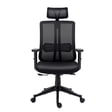
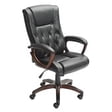
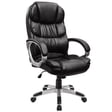
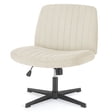

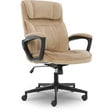

Executive Office Chairs in Office Furniture


































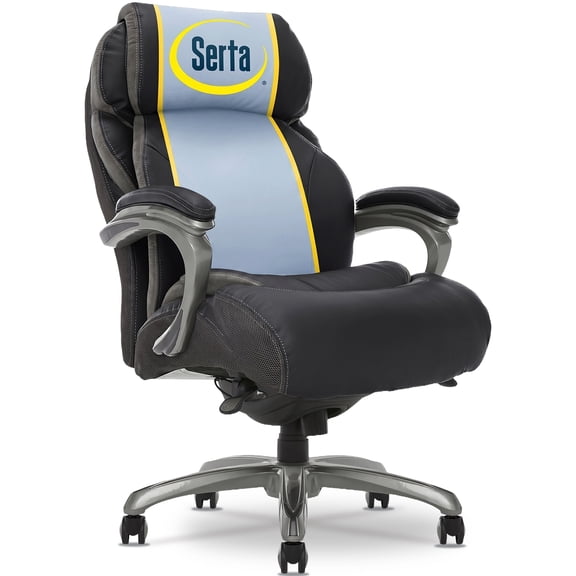
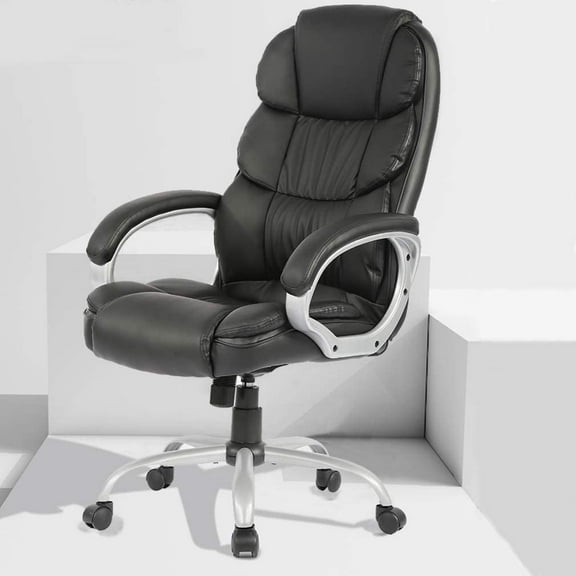


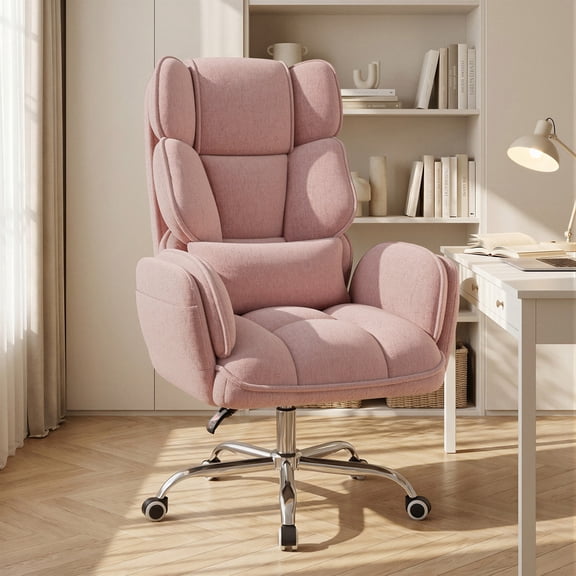


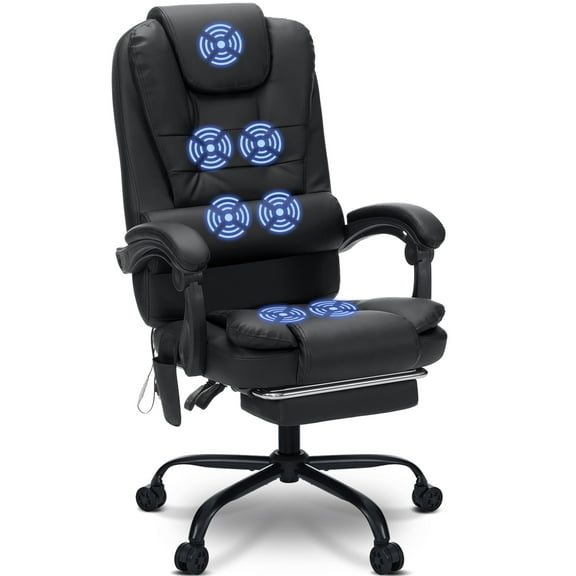
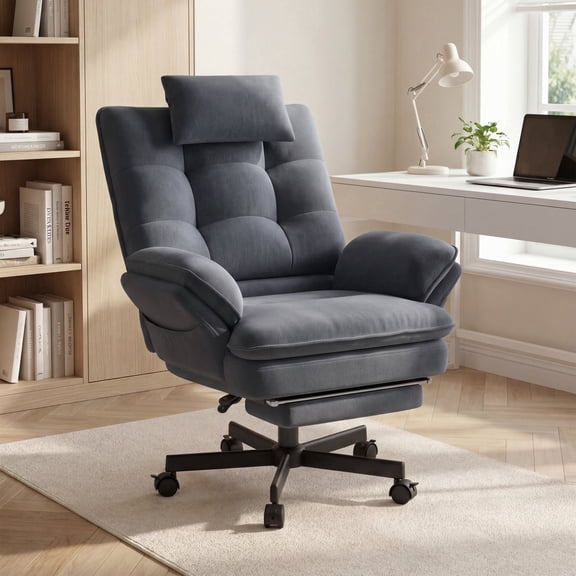


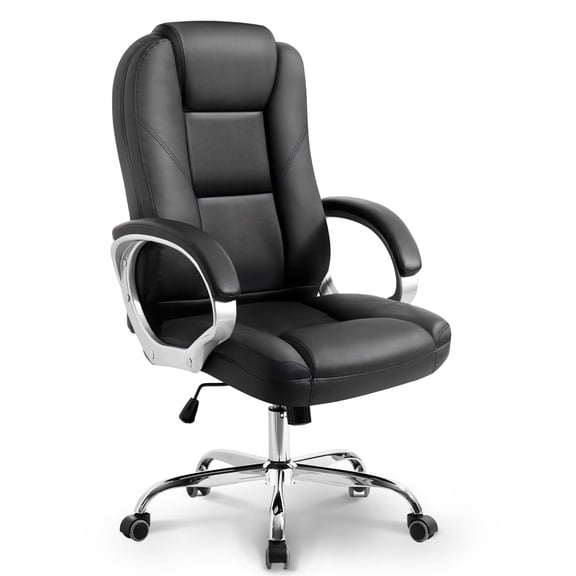


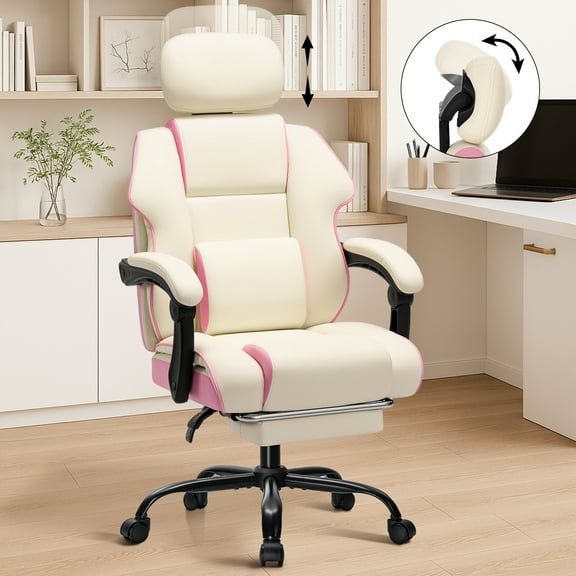
About Executive Office Chairs in Office Furniture - Walmart.com
When you choose executive office chairs, you can create a polished workspace that supports long desk sessions and a more professional look. You’ll find category options built around material, back height, weight capacity, and ergonomic adjustments that matter during daily use.
If you’re comparing chairs for a home office or conference-ready workspace, you’ll want guidance that matches real buying decisions. You can use these key differences to narrow your pick faster and choose seating that fits your desk, room, and routine.
How to choose executive office chairs
You should start with the overall feel you want in your office, because executive chairs often balance comfort with a more tailored appearance. You’ll usually notice fuller cushioning, taller backs, and finishes that coordinate with desks, bookcases, and meeting tables.
Before you choose, you should compare how long you sit, how much support you prefer, and how much room you have. You can then match your chair height, arm style, and seat profile to the way your workspace actually functions.
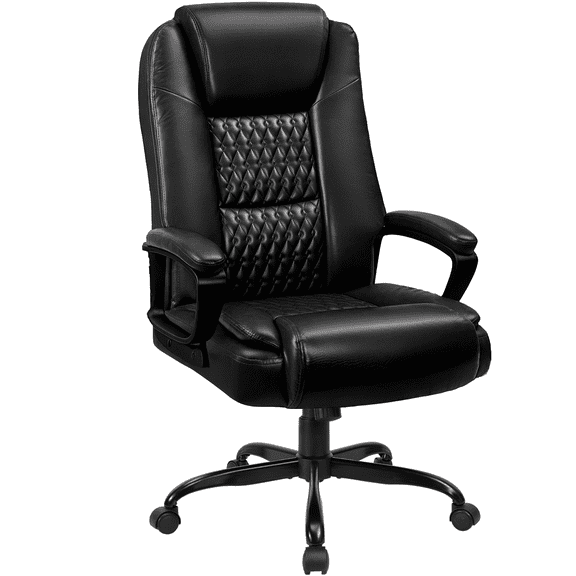
- You can get a more finished office look with high-back silhouettes and padded seat designs.
- You’ll keep movement easier with swivel bases and rolling casters that support desk-to-file transitions.
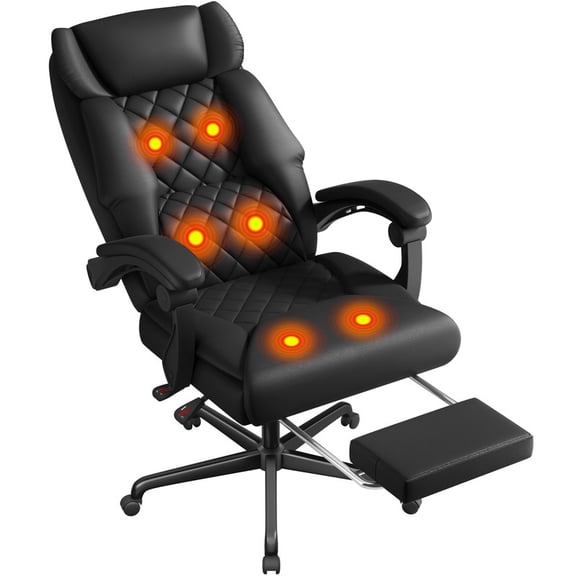
- You can improve day-to-day comfort by comparing lumbar support, tilt tension, and adjustable armrests.
- You’ll find options for different users when you check standard and heavy-duty weight capacities.
Choosing between leather office chairs and other materials
You should compare material first, because it affects maintenance, texture, and how your chair looks next to wood or metal office furniture. You’ll often see leather office chairs, faux leather styles, mesh designs, and fabric finishes across this category.
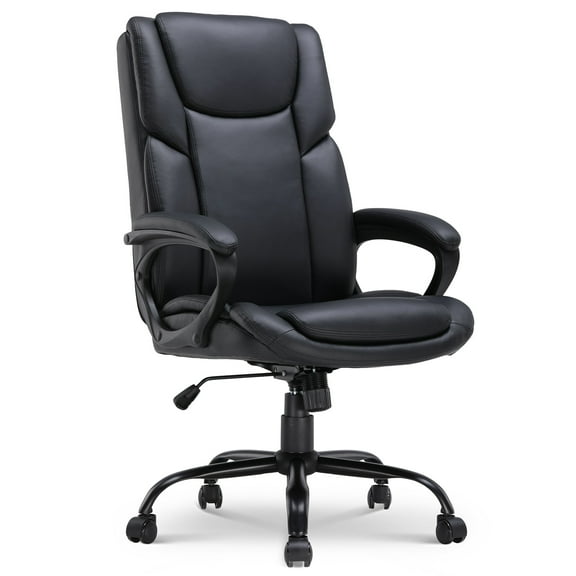
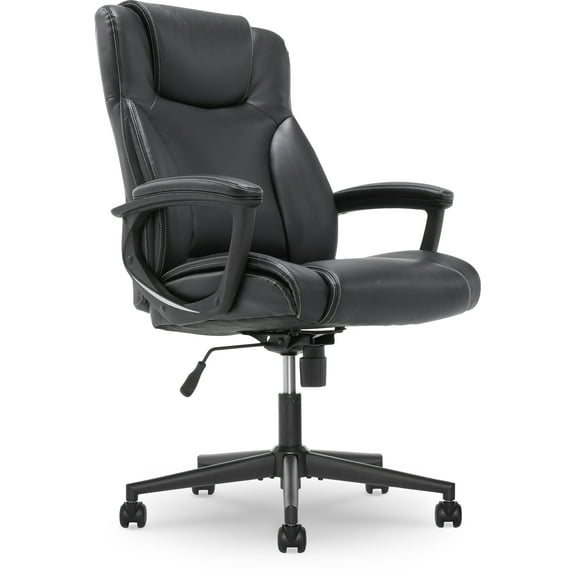
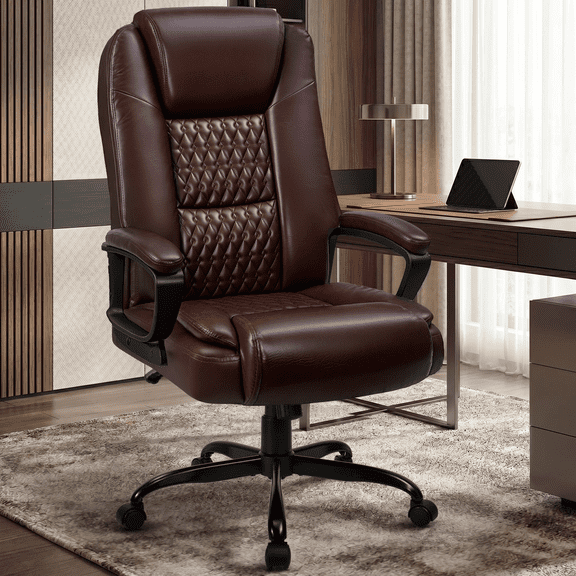
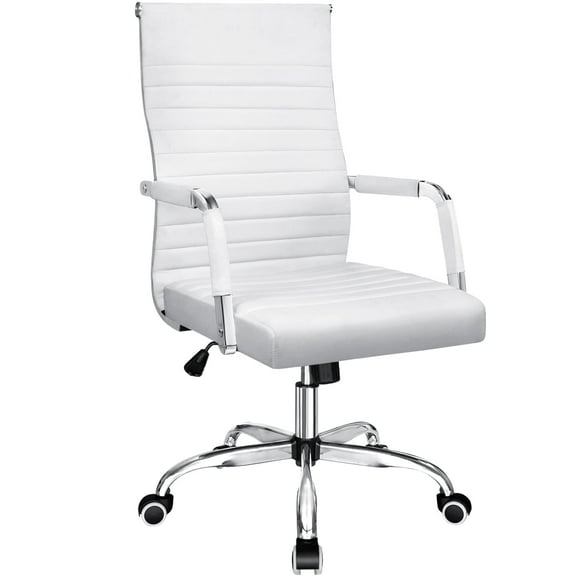
If you want a traditional executive look, you may prefer leather or faux leather surfaces with padded arms and stitched panels. You’ll usually get an easier wipe-clean finish that suits offices with a formal, desk-centered layout.
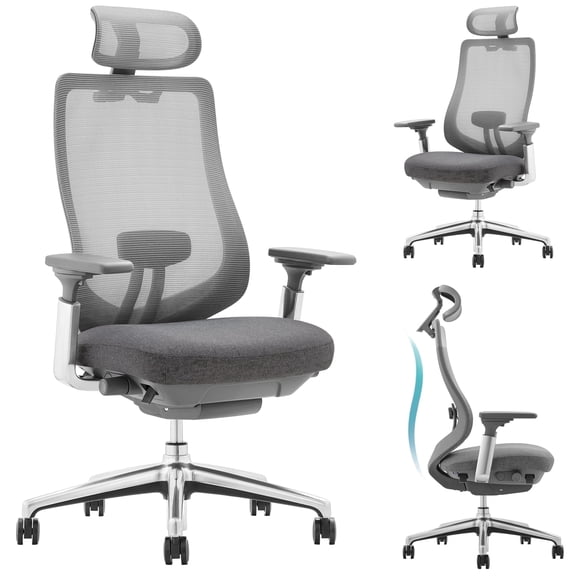
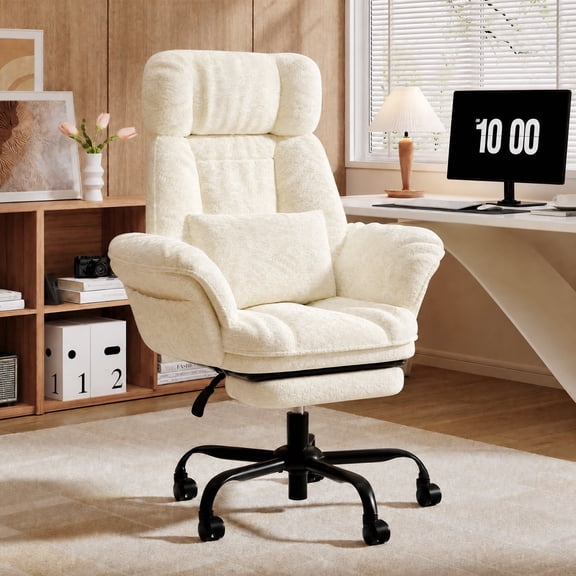
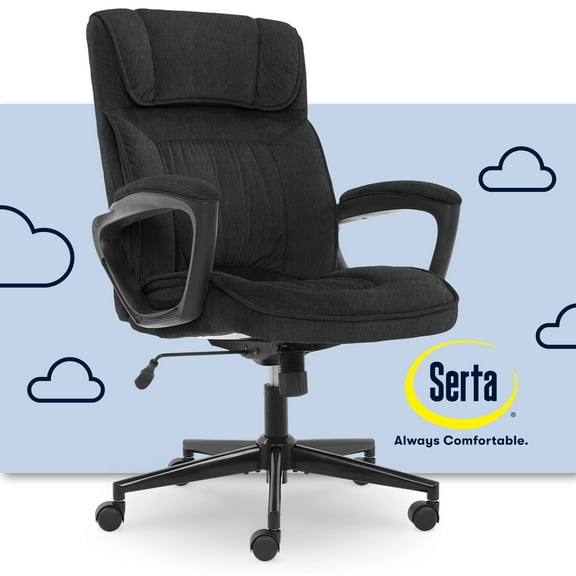
When you want more airflow, you may lean toward mesh panels or mixed-material builds that feel lighter visually. You can also choose fabric if your office style feels softer and you want a more casual appearance.
You should also think about upkeep before you decide, especially if your chair gets used every day. You’ll want a surface that matches how often you clean, how warm your room runs, and how polished you want your office to feel.
Checking weight capacity and heavy-duty support
You should review weight capacity early, because it affects stability, frame strength, and long-term confidence at your desk. You’ll see standard models as well as heavy-duty options designed for broader seating needs.
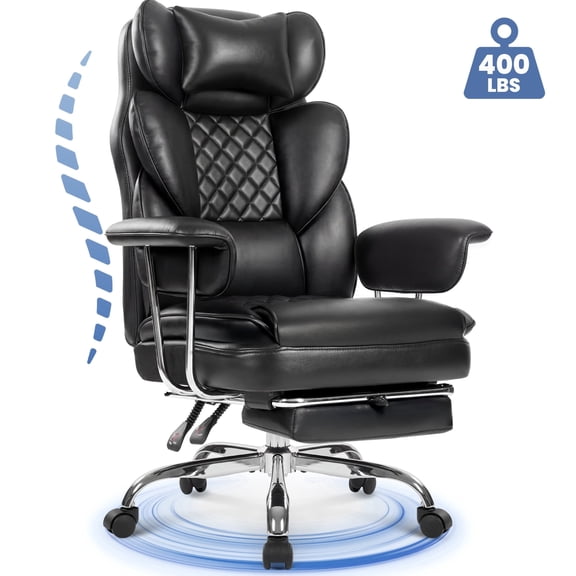
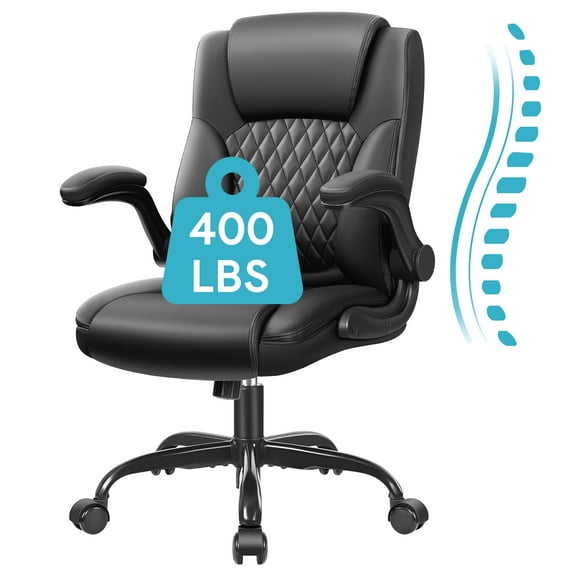
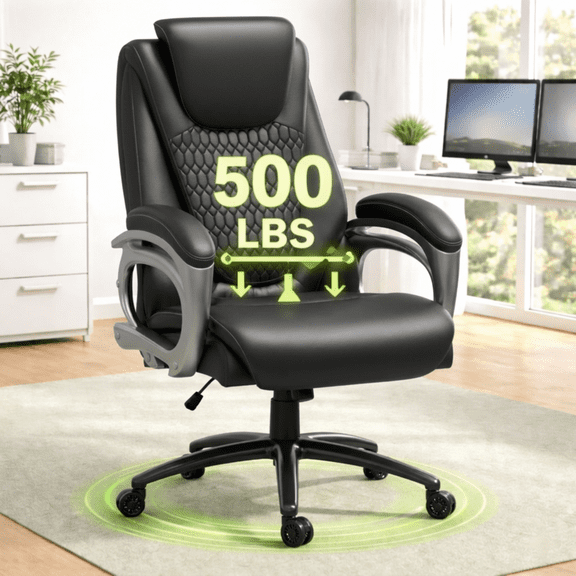
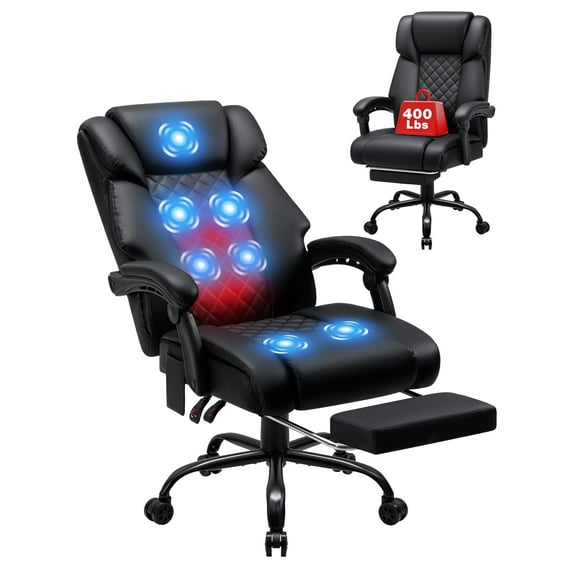
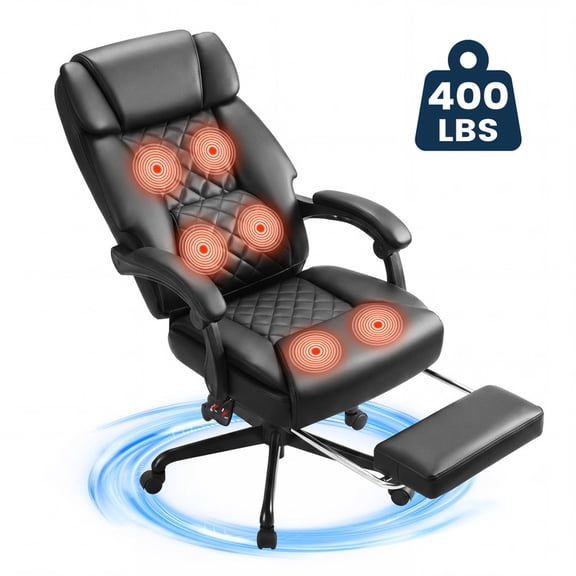
If you’re searching for an office chair that can hold 400 pounds, you should check the listed capacity and base construction. You’ll want reinforced frames, strong casters, and a heavy-duty steel base when durability ranks high on your list.
You can also compare seat width, back width, and arm spacing, because those measurements shape how roomy the chair feels. You’ll often notice that a higher capacity pairs with a wider seat and a sturdier overall build.
Before you finalize a choice, you should check whether the chair supports your work style as well as your space. You’ll benefit from a chair that feels stable during long calls, task switching, and repeated sit-and-stand movement.
Comparing high-back executive chairs and other back heights
You should consider back height next, because it changes your visual style and your upper-body support during longer sessions. You’ll commonly find high-back, mid-back, and low-back options across executive chairs for office setups.
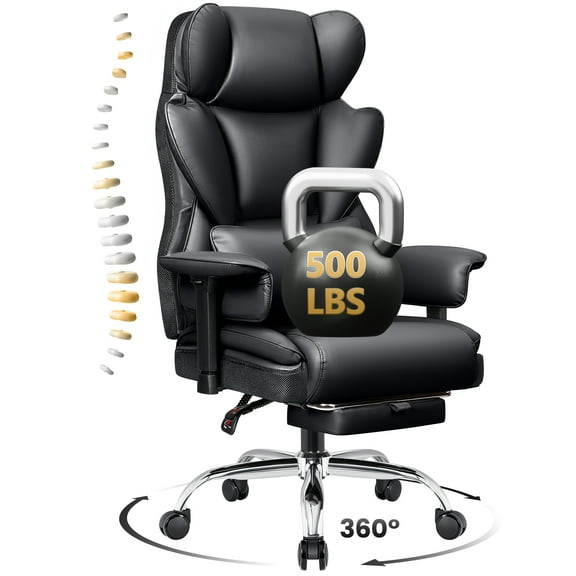
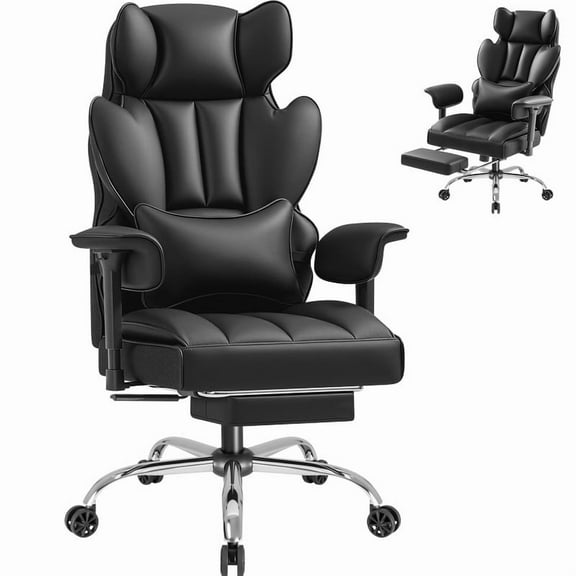
If you want a more commanding office look, you may prefer high-back executive chairs with extended shoulder support. You’ll often see these paired with padded head areas and fuller cushioning for a more substantial profile.
When your room is smaller, you may prefer a mid-back or low-back design that keeps sightlines open. You can still get an executive feel while fitting under shelves, around meeting tables, or inside compact home offices.
You should match the chair back to how you work each day, not just how it looks in photos. You’ll likely appreciate taller support for long seated stretches and a lower profile for shorter, more active tasks.
What to look for in ergonomic features
You should compare ergonomic features closely, because comfort depends on adjustment options as much as padding. You’ll want lumbar support, adjustable armrests, tilt tension, and swivel movement explained in simple, useful terms.
Lumbar support helps you keep a more supported seated position during email, planning, and video calls. You’ll want to check whether that support is built in or adjustable, depending on how personalized you want the fit.
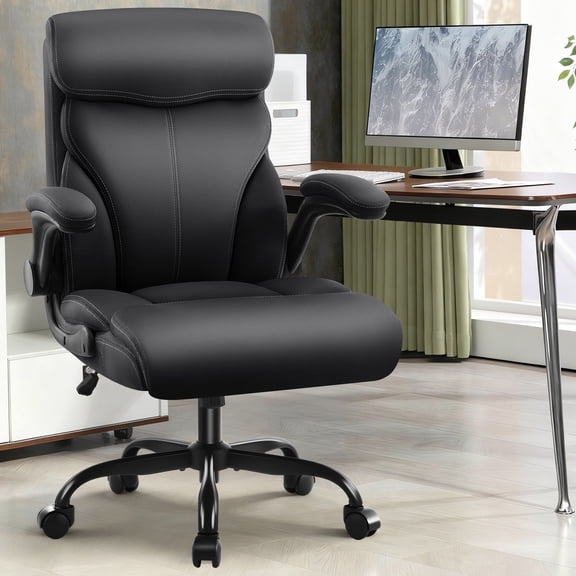
Adjustable armrests can help you line up your arms with your keyboard, mouse, or writing surface. You’ll also want tilt tension if you like controlling how easily your office desk chair executive style reclines during the day.
Swivel bases and rolling casters matter when you move between monitors, printers, and storage without constant standing. You can make daily work feel smoother when your chair responds easily to your layout and task flow.
Matching executive desk chairs to real office setups
You should think about where and how you’ll use the chair before choosing a final design. You can match executive desk chairs to private offices, shared workstations, home offices, and client-facing rooms.
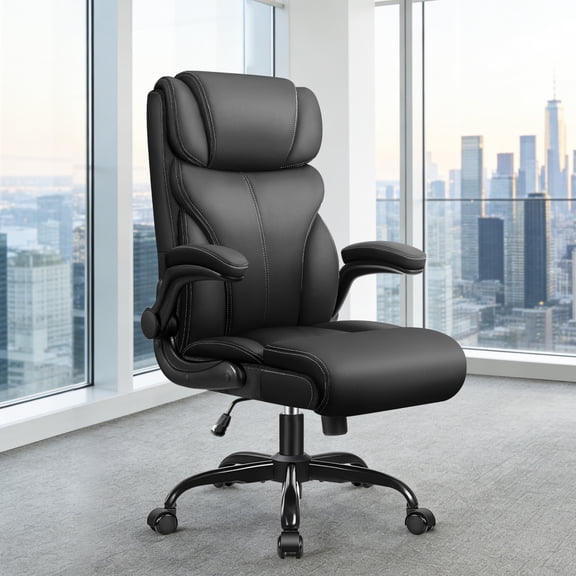
If your desk anchors a formal office, you may want a leather-look chair with a high back and polished accents. You’ll create a more coordinated appearance beside executive desks, filing cabinets, and bookcases.
When your workspace runs warm or sees all-day use, you may prefer mesh or mixed-material seating with adjustable lumbar support. You can keep a more open look while still choosing an executive silhouette.
If multiple people use the same workspace, you should prioritize adjustable armrests, swivel movement, and flexible tilt settings. You’ll make it easier for different users to settle in quickly without changing the whole room setup.
For larger users or demanding workdays, you may focus on heavy-duty frames and a 400 lbs capacity. You’ll gain a chair built for steadier support, wider seating, and more consistent performance across repeated use.
When you compare these decision points carefully, you can choose executive office chairs that fit your space and your work rhythm. You’ll end up with seating that looks polished, feels supportive, and handles daily office tasks with less compromise.
Popular in Executive Office Chairs in Office Furniture - Walmart.com
- Harp Back Chair
- Black Upholstered Office Chair
- Brown Leather Executive Chairs
- Upholstered Office Chair
- Swivel Plate Chair
- Chair Swivel Mechanism
- Tufted Office Chair
- Tufted Desk Chairs
- Armless White Leather Desk Chair
- Leather Desk Chair Vintage
- Best Sellers In Velvet Office Chair With Wheels
- Executive Office Chairs & Furniture