


Find auto parts that fit
Let’s search for parts that fit your vehicle.Starting Fluid & Ether for Lawn Mowers | Walmart



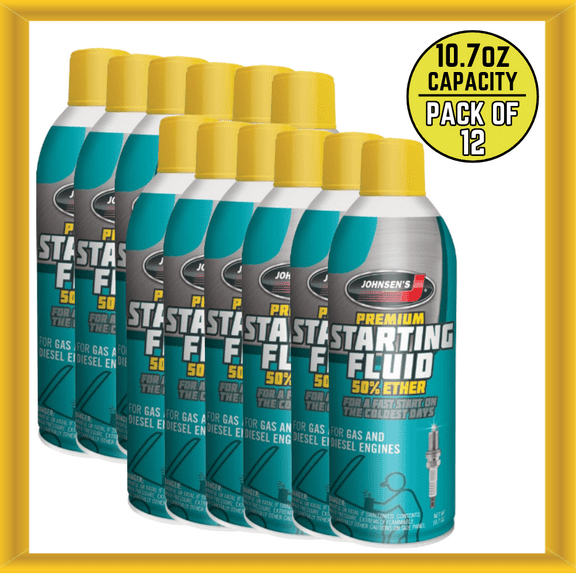
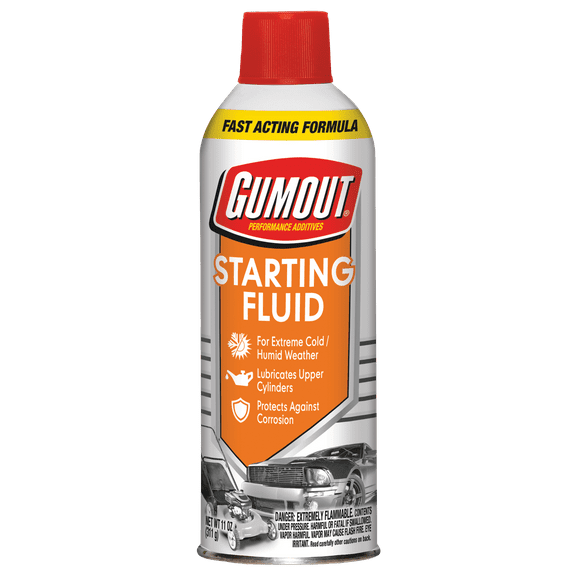

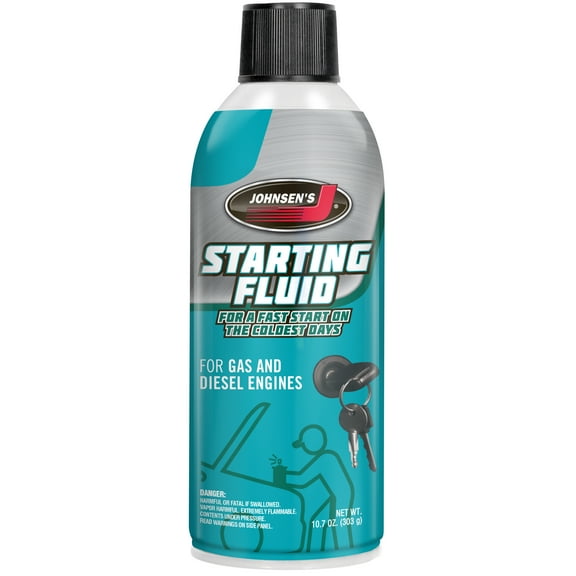
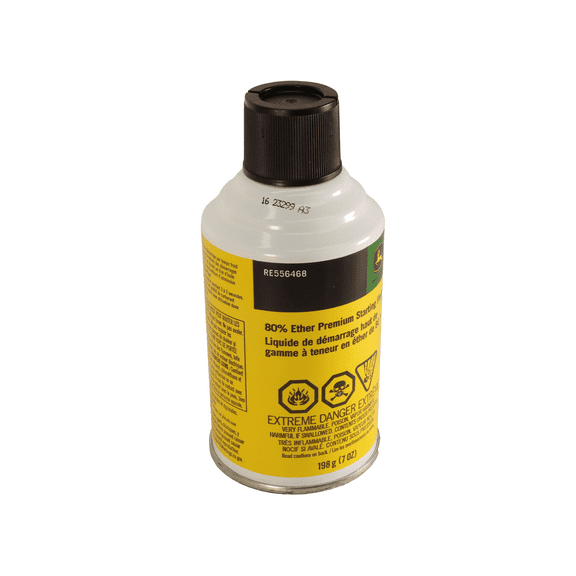
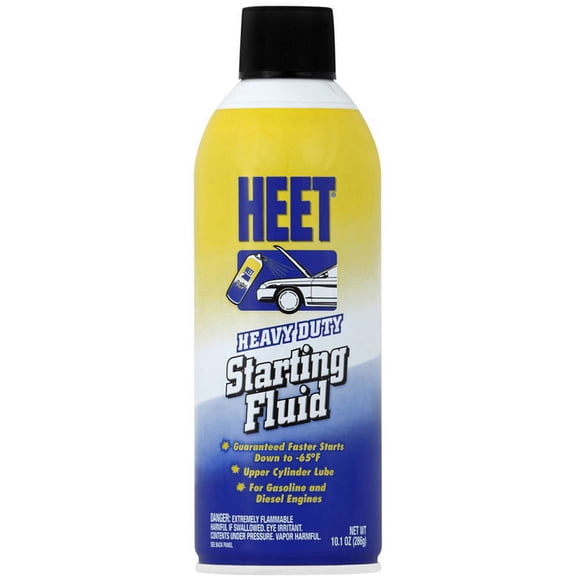


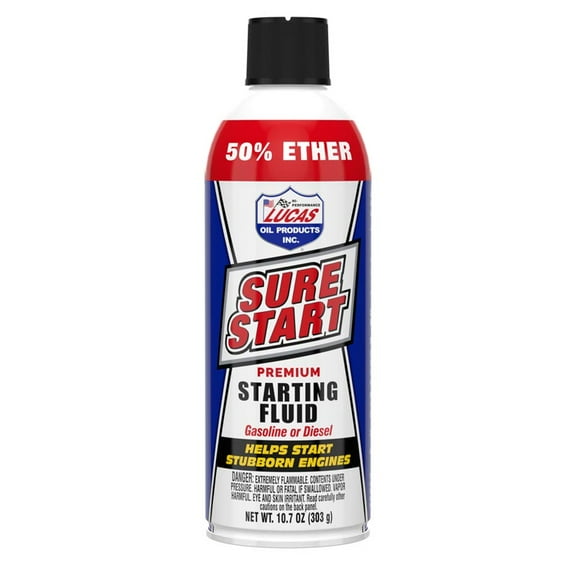

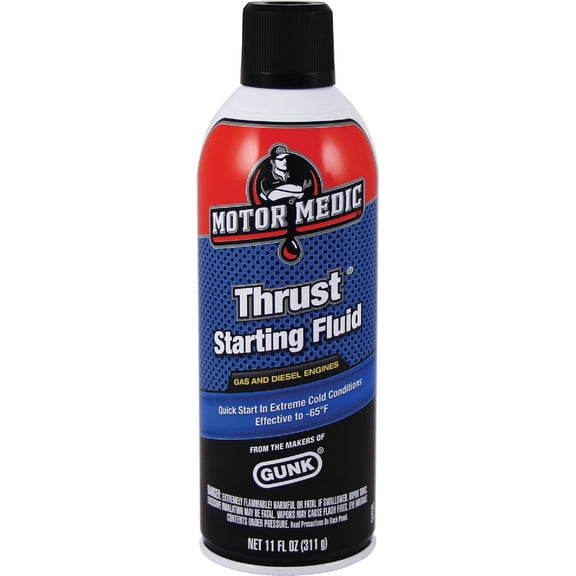
![Oregon OEM PSTFLS Starting Fluid Tcc Premium[86]](https://i5.walmartimages.com/seo/Oregon-OEM-PSTFLS-Starting-Fluid-Tcc-Premium-86_e2355b67-939c-4b41-9720-f62d5d853291.7a6c00edfdb975dcc3c8db062fbe877d.jpeg?odnHeight=576&odnWidth=576&odnBg=FFFFFF)





About Starting Fluid & Ether for Lawn Mowers | Walmart - Walmart.com
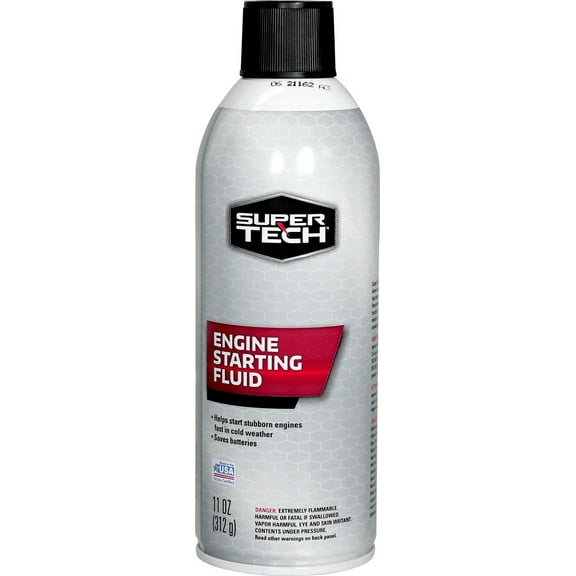
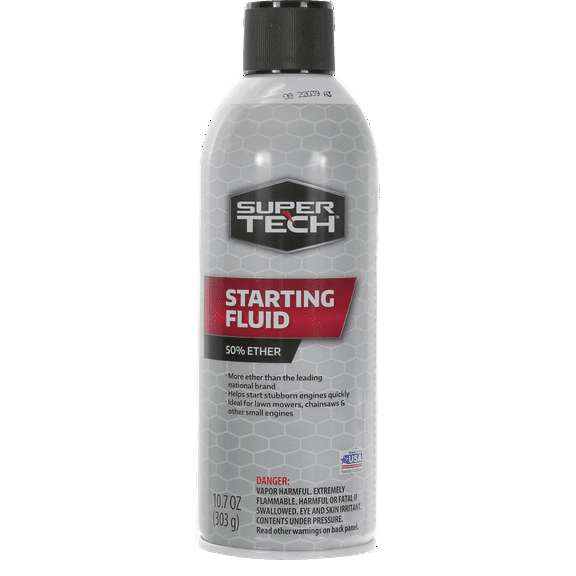
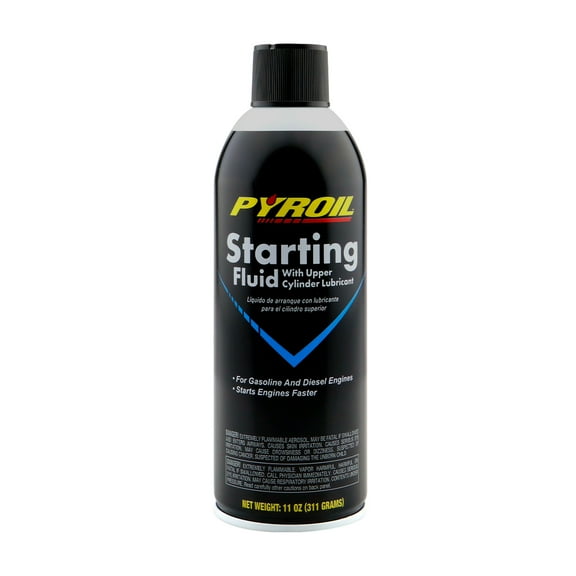
Starting fluids help you get stubborn engines turning in cold conditions and after long storage. You can compare engine type, temperature rating, spray style, and ether concentration to choose the right can.
How to choose starting fluids for your engine type
You should start with engine compatibility before you compare any other detail. Your engine starting fluid needs to match diesel, gasoline, two-stroke, or four-stroke use for clean starting support.
If you run diesel equipment, you may look for starting fluid for diesel that fits glow plug systems and heavy-duty use. If you drive gasoline vehicles, you may prefer formulas labeled for spark ignition and everyday cold starts.
You can also compare products for seasonal tools, generators, tractors, and older engines that sit between uses. Your label check matters because each engine design responds differently to ether strength and spray direction.
Choosing the right temperature rating
You should compare standard, cold weather, and sub-zero extreme formulas based on your climate. Your cold weather starting fluid can support easy starts when freezing mornings slow fuel vapor and crank speed.
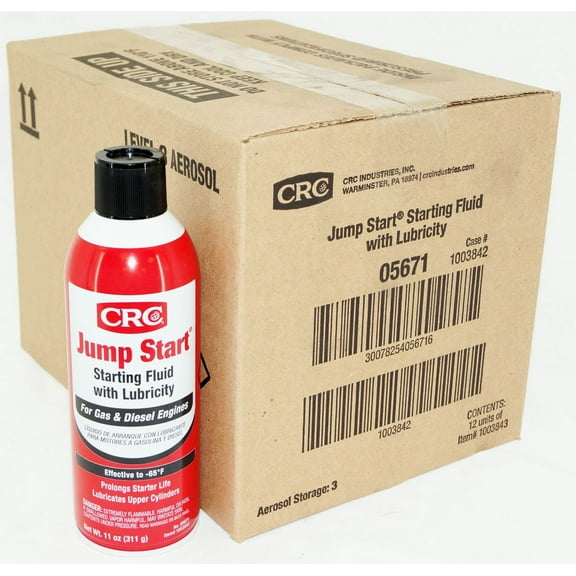
If you face deep winter conditions, you may look for labels that note use in very low temperatures. Your selection may mention performance down to minus 65 degrees, which helps narrow options quickly.
You don't need the same formula for every season or machine. Your warmer climate may call for a standard option, while your snow equipment may need a stronger winter-focused spray.
Comparing delivery systems and spray control
You can choose a starting fluid spray in aerosol form for fast, direct application. Your precision spray nozzle can help you aim into the intake area with less guesswork.
If you maintain several machines, you may compare bulk liquid formats for planned shop use. Your aerosol can still work well for quick roadside starts, garage storage, and glove box convenience.
You should also consider how the spray pattern fits your engine access. Your tighter engine bay may benefit from a straw or nozzle design that reaches narrow intake openings.
Understanding ether concentration in engine starting fluid
You can compare high ether, standard formulation, and low ether options as a key buying decision. Your engine starting fluid formula affects how quickly vapors ignite during a hard start.
If your engine sees severe cold, you may consider high ether content for strong ignition support. If your routine starts are moderate, your standard formulation may provide the balance you want.
You should read the product label to match concentration with the engine guidance you follow. Your low ether option may suit shoppers who want a light approach for occasional starting assistance.
Benefits you can expect from the right match
You can reduce repeated cranking when your vehicle, mower, tractor, or generator has sat unused. Your correct formula also helps you narrow choices quickly when winter weather changes your normal routine.
- You can target diesel, gasoline, two-stroke, or four-stroke compatibility.
- You can compare standard, cold weather, and sub-zero temperature ranges.
- You can choose aerosol spray, precision nozzles, or bulk formats for your setup.
- You can match ether concentration to your engine and starting conditions.
You may also appreciate clear decision points when you shop by engine type and climate. Your search becomes simple because the category includes options built for cold starts, stored equipment, and seasonal use.
How to use starting fluids with a simple routine
You should follow the product label and your engine manual before application. Your safe application routine usually starts with locating the air intake and checking that the engine is ready.
You can apply short bursts into the intake area instead of overapplying the spray. Your next step is usually to crank the engine promptly, so the mist reaches the chamber as intended.
If you use starting fluid for diesel equipment, you should confirm the instructions for glow plug systems first. Your careful timing and light application help you use the product as directed for that engine design.
Use cases for weather, work, and stored equipment
You may keep starting fluids on hand for snow blowers, generators, tractors, trucks, and older cars. Your cold morning startup can go smoothly when fuel doesn't vaporize as easily in freezing air.
If your equipment sits between seasons, you can use a starting fluid spray for first-start situations. Your mower, chainsaw, or generator may need extra help after storage, especially when temperatures drop suddenly.
You can also compare formulas for jobsite vehicles and heavy-duty diesel equipment in winter conditions. Your sub-zero use case may call for a cold weather starting fluid with a clearly stated low-temperature range.
You should choose by engine type, spray control, and climate instead of guessing from the can alone. Your appropriate match can lead to quick starts, smooth troubleshooting, and less trial and error on cold mornings.