


Elliptical Bike















About Elliptical Bike - Walmart.com
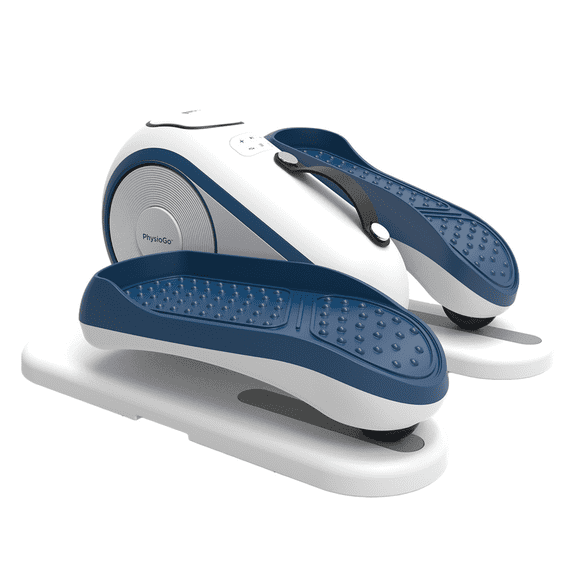
Elliptical bikes help you combine seated pedaling and elliptical motion in one machine for a flexible home cardio setup. You can use this guide to compare machine type, resistance, stride length, and frame support for your room.
How to choose elliptical bikes for your workout style
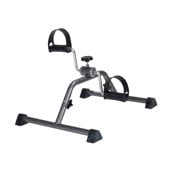
You should start with machine type because your workout position changes how the machine feels during regular use. You can compare a 2 in 1 elliptical bike, a recumbent elliptical bike, and a traditional elliptical before narrowing your choices.
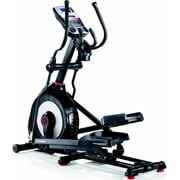
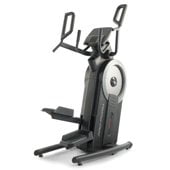
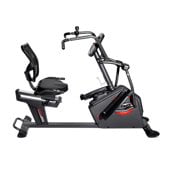
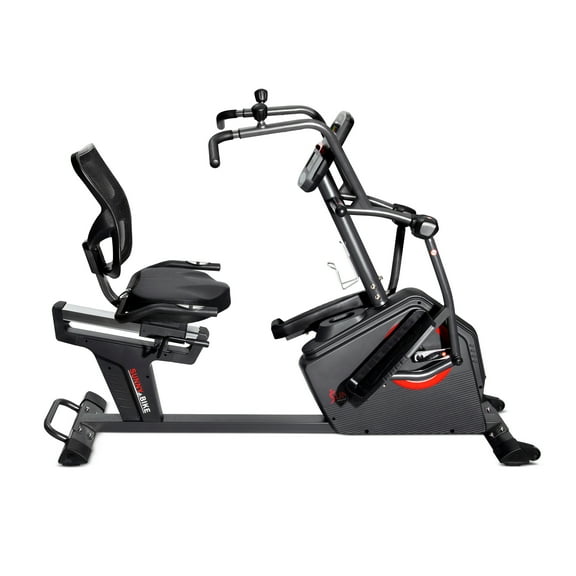
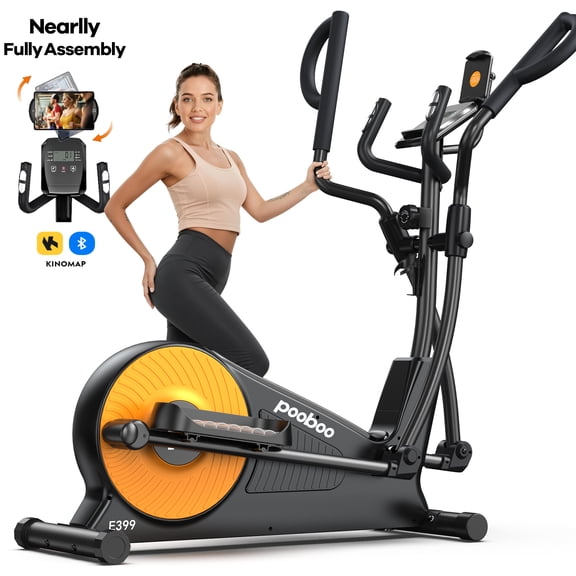
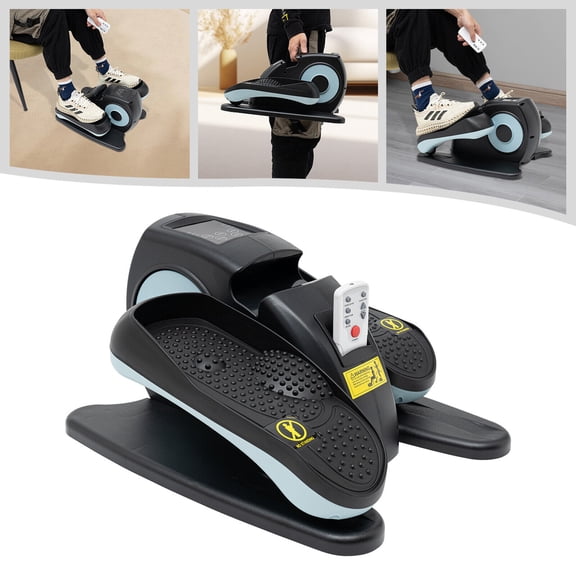
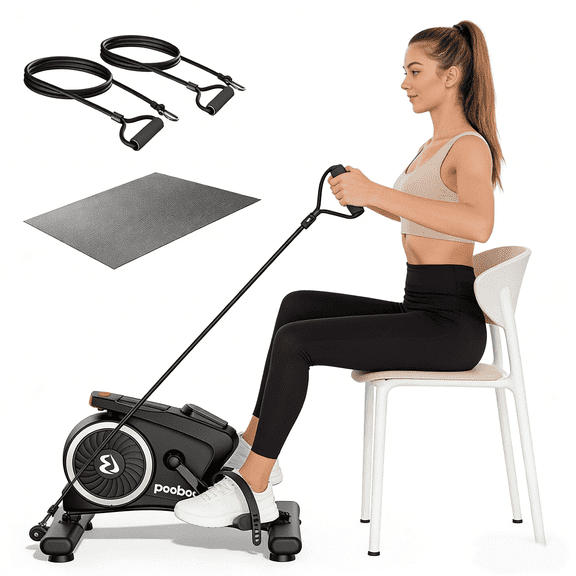
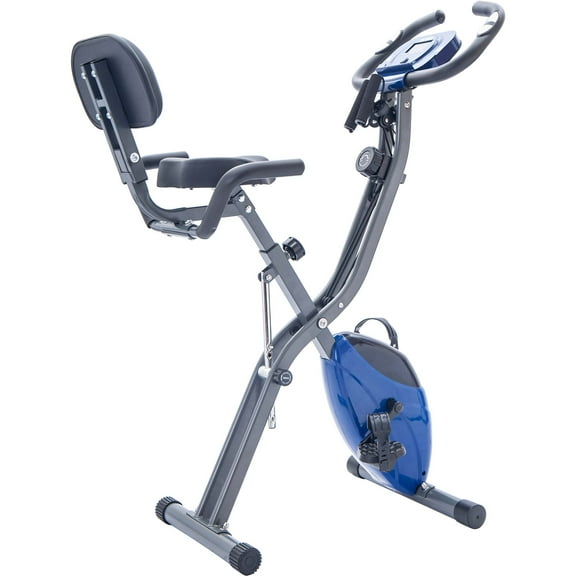
If you want seated cardio with elliptical-style motion, you may prefer a recumbent elliptical bike with back support and a lower step-in design. If you want more full-body movement, you may lean toward a hybrid elliptical trainer that supports standing sessions.
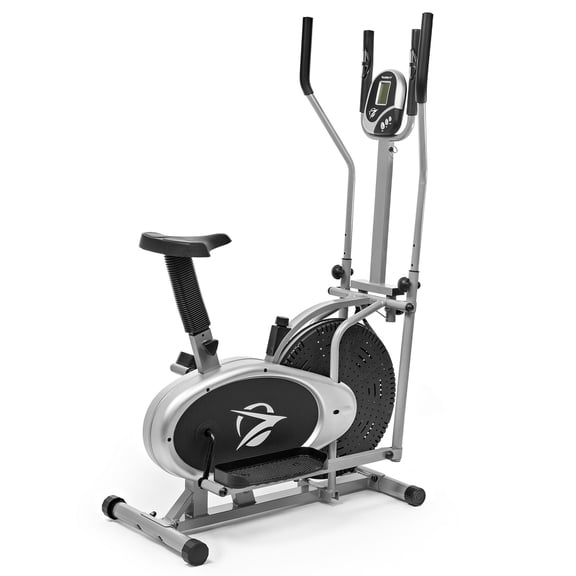
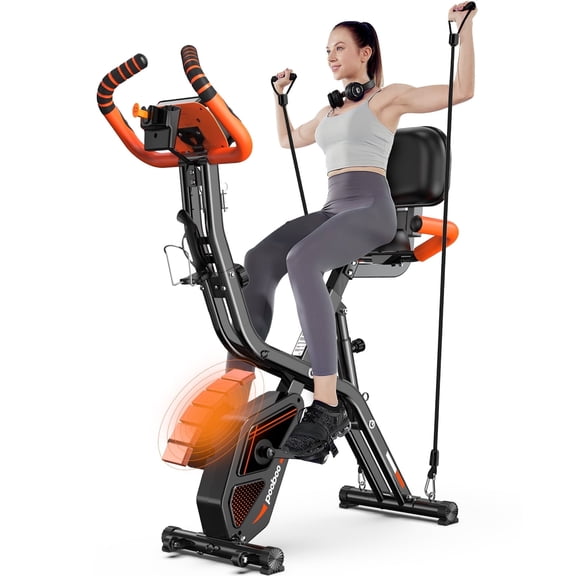
You can also choose a 2 in 1 hybrid design when you want one machine to cover different routines in a smaller room. That setup helps you switch between bike-style training and an elliptical exercise machine feel without adding separate equipment.
Choosing resistance and ride feel on a hybrid elliptical trainer
You should compare resistance type early because it affects sound, upkeep, and workout progression. You can find magnetic, air, and friction systems across home workout elliptical models and hybrid machines.
If you want quieter operation, you should look closely at magnetic resistance because it usually delivers smoother transitions between levels. You may prefer that feel when you share walls, train early, or want fewer distractions.
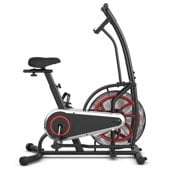
If you want a more response-based ride, you can compare air resistance models that change effort with your pace. If you want a simpler setup, you may also consider friction systems for straightforward resistance changes.
- You can choose magnetic resistance for quieter home use and smoother level changes.
- You can choose air resistance when you want effort to rise with your speed.
- You can choose friction resistance when you want direct, simple adjustment.
- You can compare resistance ranges to match warm-ups, intervals, and longer steady sessions.
You should also check flywheel weight because it changes how stable and steady each stroke feels. You may notice lightweight flywheels feel easier to start, while heavier flywheels often feel more planted.
If you want compact equipment, you may accept a lighter flywheel under 15 pounds for easier placement. If you want a steadier rhythm, you can compare medium and heavy flywheels from 15 pounds upward.
Choosing stride length and fit
You should measure stride length carefully because it affects comfort and motion significantly. You can compare compact, standard, and long stride options based on your height and movement style.
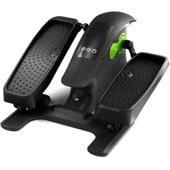
If you need a smaller footprint, you may choose a compact elliptical bike with a 12 to 14 inch stride. That range can work well when you want shorter motion in an apartment or multipurpose room.
If you want a more natural path, you can compare standard 16 to 18 inch models for balanced everyday training. If you have longer legs, you may feel more comfortable on 20 inch or longer strides.
You should also check whether pedals, handlebars, and seat positions adjust with your preferred setup. Those fit details help your hybrid elliptical trainer feel more tailored during both seated and standing sessions.
Checking footprint, portability, and frame support
You should review machine size before buying because elliptical bikes vary widely in length, height, and clearance needs. You can compare compact frames, transport wheels, and storage-friendly designs when space is limited.
If you move equipment after workouts, you should look for transport wheels and a manageable frame layout. You may also want a smaller base when your home gym shares space with a desk or sofa.
You should check weight capacity as a core decision point because frame support affects overall fit and confidence. You can compare models rated up to 250 pounds, up to 300 pounds, and 350 plus pound heavy duty frames.
If you want a more stable feel, you may focus on heavier-duty builds with broader bases and stronger support points. Those details matter when you use higher resistance or longer sessions on a home workout elliptical.
Matching elliptical bikes to real home routines
You can match elliptical bikes to your routine by thinking about session length, room size, and workout style first. That approach helps you narrow your choices quickly without comparing appearance alone.
If you want one machine for mixed users, you may choose a 2 in 1 elliptical bike with adjustable seat and handle positions. That combination can support seated cardio for one person and standing intervals for another.
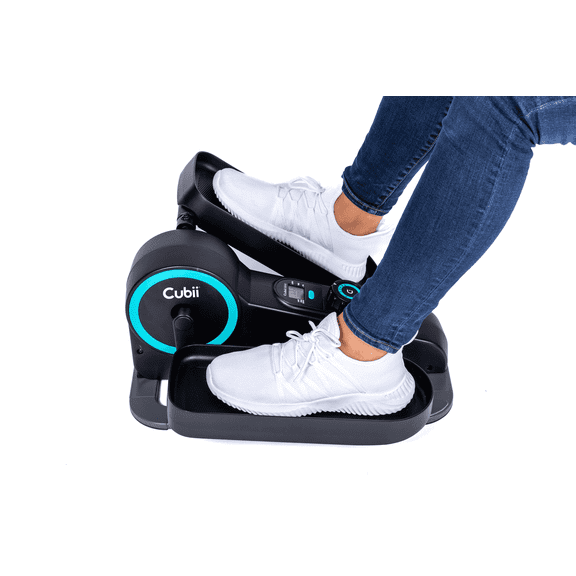
If you live in a smaller space, you may prefer a compact frame, magnetic resistance, and transport wheels for easier placement. That mix helps you keep an elliptical exercise machine in a bedroom, office, or corner setup.
If you want longer steady sessions, you can compare medium or heavy flywheels with standard or long strides. That pairing often feels smoother when you want consistent motion across a full workout.
You may also choose home gym ellipticals by season, especially when indoor routines become part of your weekly schedule. A quiet hybrid setup can help you keep moving without taking over your entire room.
You can choose with more confidence when you compare machine type, resistance, stride length, footprint, and weight capacity together. That approach helps you find elliptical bikes that fit your space and support a smoother home cardio routine.