

Energy Gels in Protein



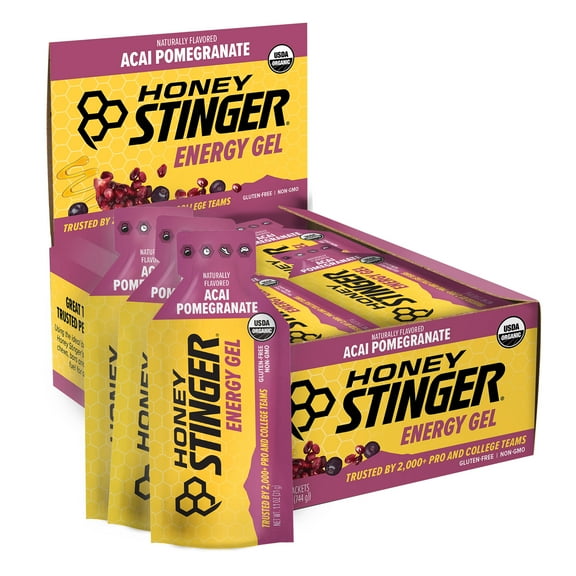


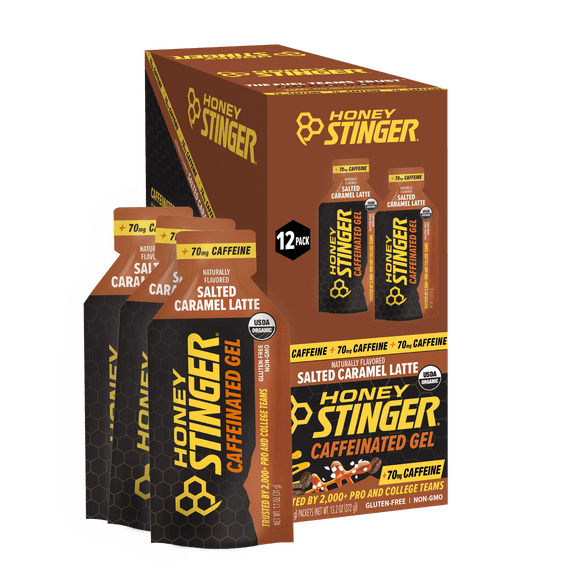

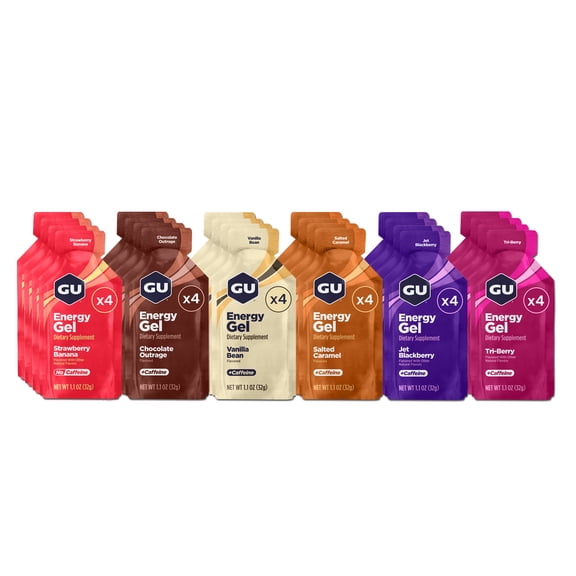

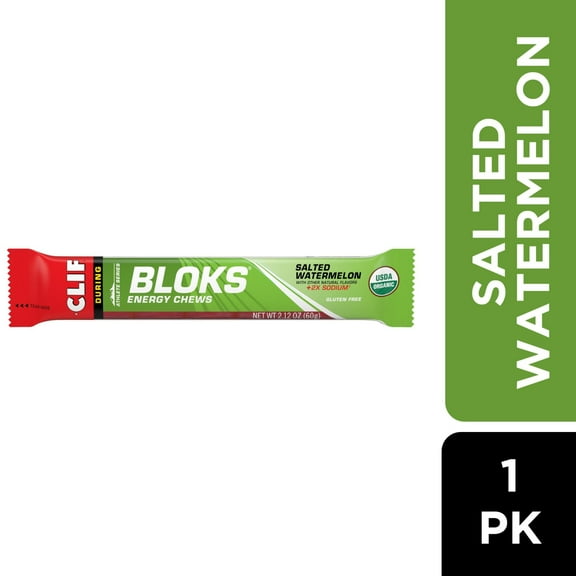












About Energy Gels in Protein - Walmart.com
Energy gels help you fuel long efforts with quick, portable carbohydrates. You can compare sport, caffeine, flavor, and hydration needs to choose gels that fit your training plan.
Choosing energy gels for your sport
When you compare energy gels, you should start with how you move and how long you go. You may prefer different formats for running, cycling, triathlon, and other endurance sports.
For running energy gels, you may look for packets that open fast and go down easily mid-stride. You can also compare texture, because thicker gels and liquid-style gels feel different during hard miles.
With energy gels for cycling, you may focus on one-handed use and steady fueling during longer rides. You can keep options in a jersey pocket and plan intake around climbs, intervals, or extended distance.
- You can carry compact packets without taking much room in a belt, pocket, or saddle bag.
- You can choose quick carbohydrates for workouts, races, and long training sessions.
- You can compare running, cycling, and triathlon needs with sport-specific fueling preferences.
- You can pick textures and flavors that feel easier to use when intensity rises.
How to compare caffeine content in energy gels
You should check caffeine content before choosing sports energy gels for training or race day. You may want caffeinated energy gels for alertness, or you may prefer caffeine-free options for a simpler routine.
If you train early, you might choose caffeinated energy gels that match your normal caffeine habits. If you train later, you may prefer caffeine-free packets that fit your evening schedule.
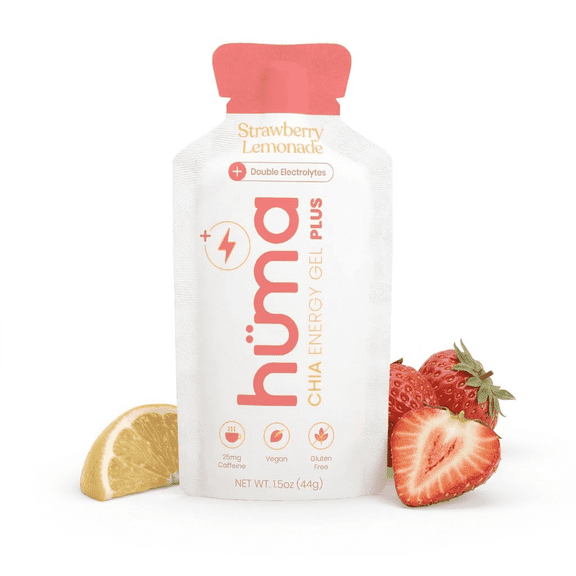
You can also compare double caffeine options if you already know your tolerance and timing. You should review the label carefully, because caffeine amounts can vary from one gel to another.
What to look for in flavor and texture
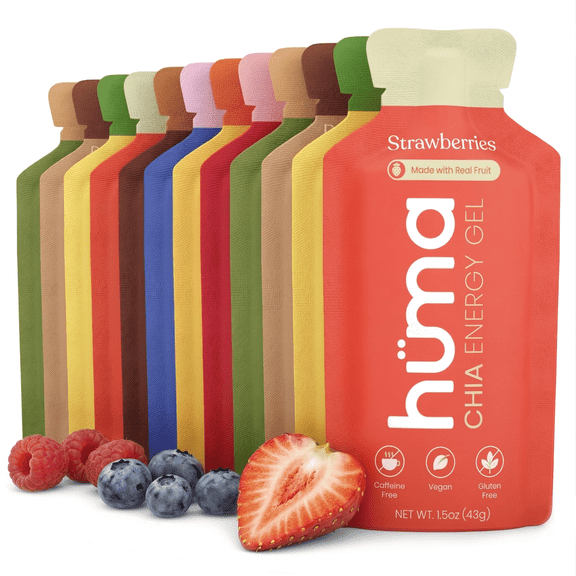
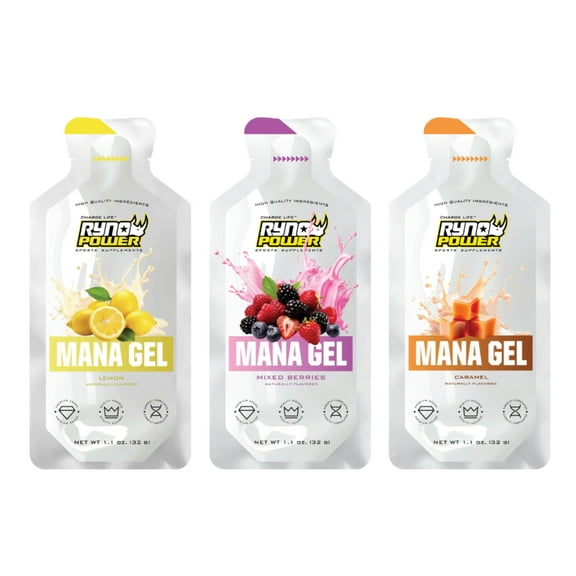
You should compare flavor profile and texture together, because both affect how often you’ll actually use a gel. You may reach for fruit flavors, citrus, chocolate and coffee notes, or unflavored options.
During intense efforts, you may prefer a lighter taste that doesn’t feel heavy after repeated use. On long sessions, you might rotate flavors so your fueling plan feels easier to follow.
You should also consider whether you like a thicker gel or a more fluid consistency. You may find that a smoother texture feels easier to take when breathing hard or riding over rough pavement.
Checking hydration needs and isotonic options
You should check whether your gel pairs with water or uses an isotonic formulation. In simple terms, you can think of isotonic gels as options designed to go down more easily without extra water.
That detail matters when you’re planning aid stations, bottle space, or pocket space on the move. You can choose water-paired gels when you already carry fluids, or isotonic styles when you want a simpler setup.
If you’re building a race plan, you should match your gel choice to your hydration strategy. You can avoid guesswork by checking serving directions before your event instead of during it.
How digestibility and ingredients affect your choice
You should pay attention to how a gel feels during effort, especially when your pace or power climbs. You may want options that sit comfortably and feel easy to take during repeated use.
Many shoppers compare carbohydrate blends, sweetness, and texture because those details affect comfort during movement. You can test different packets in training to learn what feels steady for your stomach.
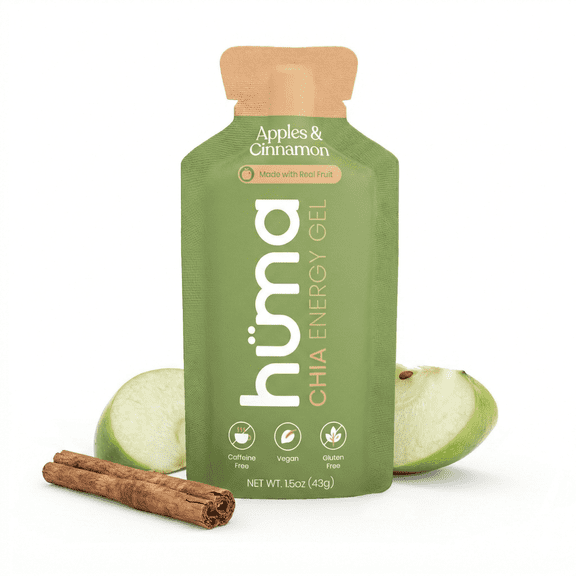
You may also compare dietary needs such as gluten-free, vegan, and all-natural preferences. You should read ingredient lists closely so your choice matches your routine and your personal standards.
Using running energy gels and cycling gels in real workouts
You can use running energy gels during long runs, race pace sessions, and endurance events where quick fueling matters. You should practice opening, taking, and timing each packet before an important day.
For cycling, you may plan gels around climbs, tempo blocks, or long outdoor rides with changing intensity. You can pair packet timing with bottles, because your fueling plan feels smoother when your setup feels repeatable.
In triathlon and other endurance sports, you may want a mix of caffeinated and caffeine-free choices. You can also rotate flavors and textures so your plan feels manageable across several hours.
When you compare energy gels this way, you can narrow your options with more confidence. This helps you find a fueling choice that fits your sport, your schedule, and your hydration plan.