

Drapery & Curtain Hooks in Curtain Hanging Accessories













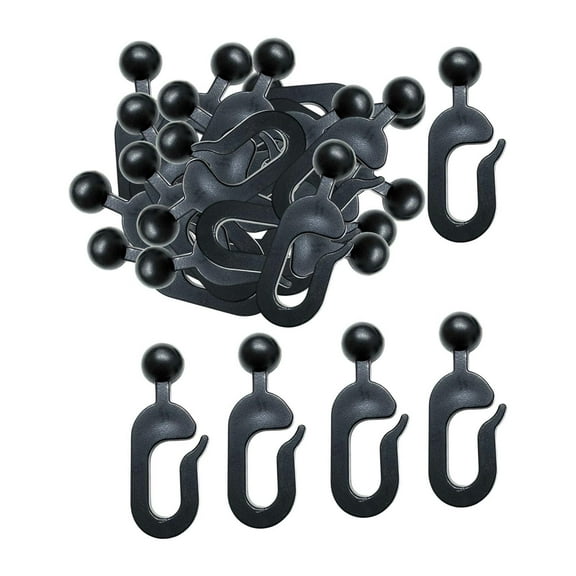


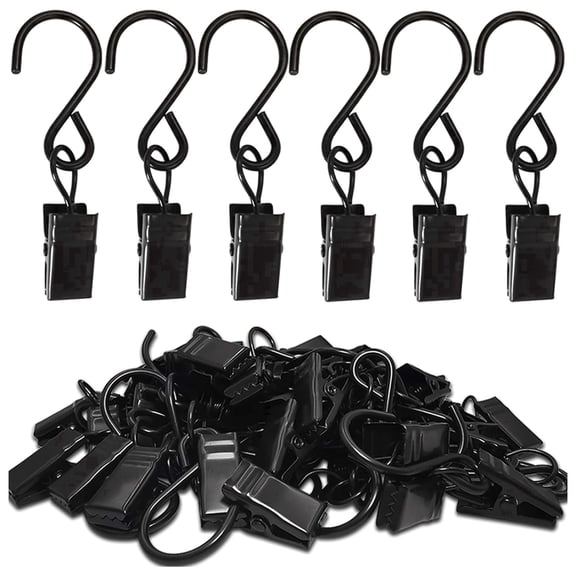
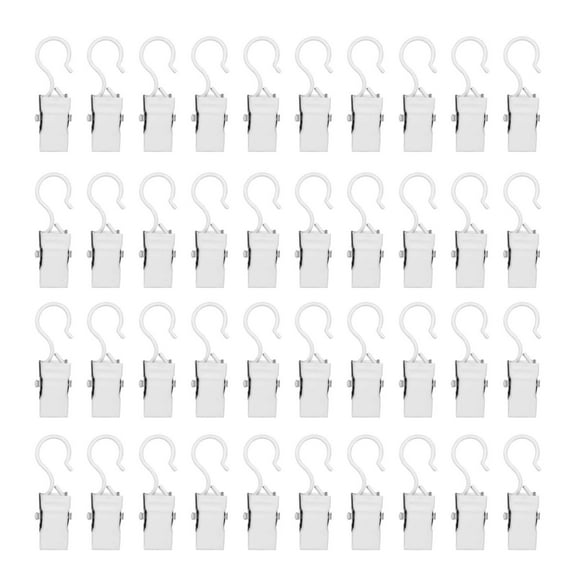
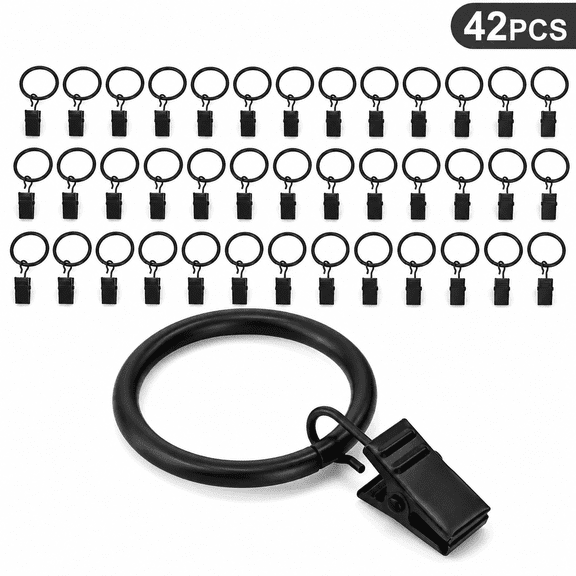










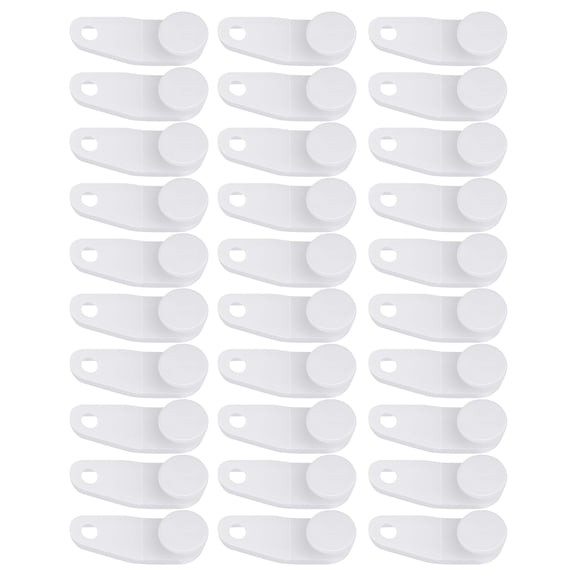
About Drapery & Curtain Hooks in Curtain Hanging Accessories - Walmart.com
Curtain hooks make your drapes hang neatly, glide smoothly, and look finished from rod to hem. On Walmart.com, you’ll find options for pleated panels, sheers, liners, and blackout curtains. Choose hooks that match your header style, your rod type, and your fabric weight. That small match-up helps your curtains stay even and reduces sagging at the edges.
Some hooks disappear behind the heading for a tailored look. Others add a visible accent for café curtains or casual spaces. Many packs include enough pieces for one or two windows, so you can standardize the look across a room.
Why curtain hooks matter for daily use
The right curtain hooks keep folds consistent, so panels open and close without snagging. They also help your curtain header sit at the same height across the rod. That means straighter hems and a cleaner line at the window.
Hook choice affects how far fabric stacks on each side. It also changes how much light peeks around the edges. With the right spacing, you get a fuller look without forcing the rod brackets.
- Support heavier fabrics, like lined drapes, without pulling the header tape out of shape.
- Improve glide on rings and traverse rods, so panels move with less tugging.
- Create defined pleats with pin hooks, giving drapery a tailored, hotel-style drop.
- Keep sheers and liners aligned, especially when you layer two panels on one window.
- Reduce tilting and gaps, so your window covering looks centered and intentional.
Types of curtain hooks for drapes
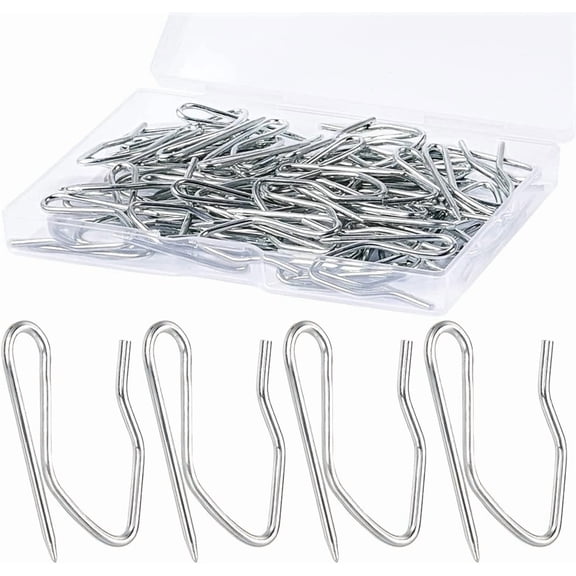
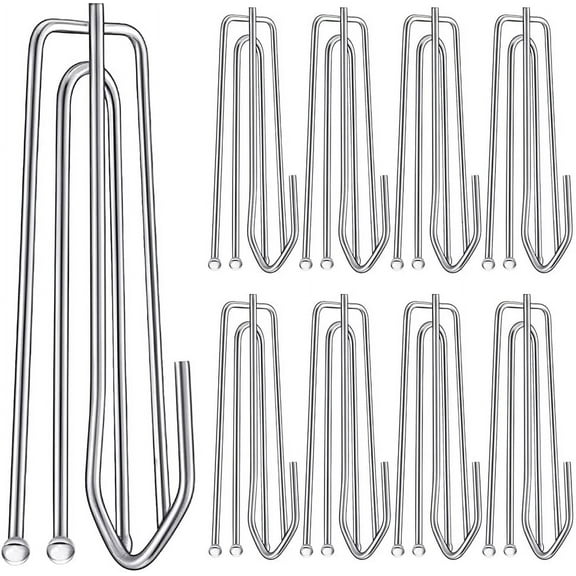
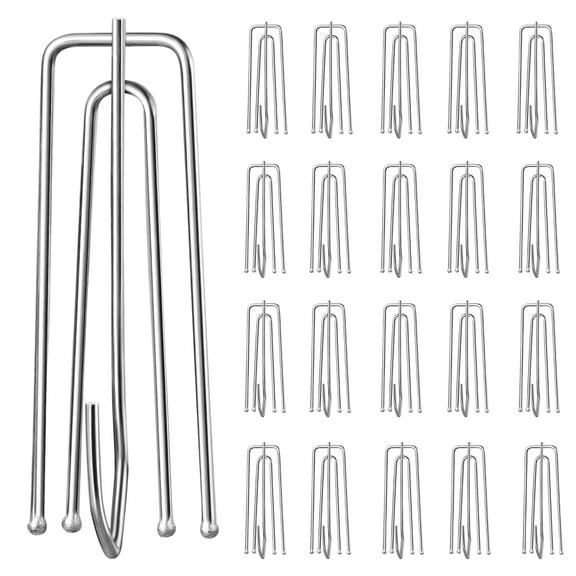
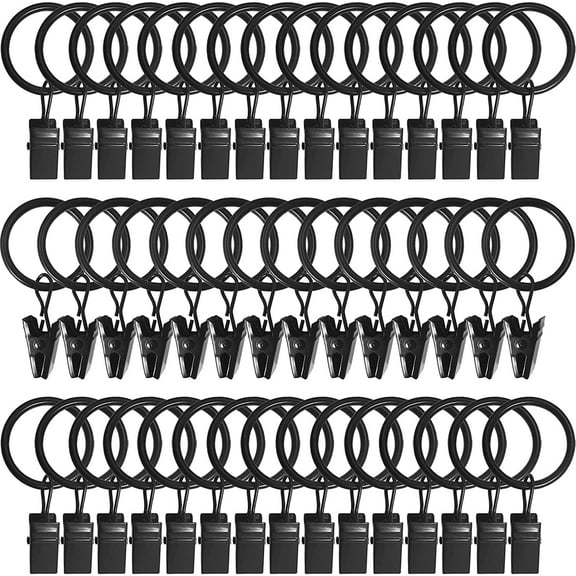
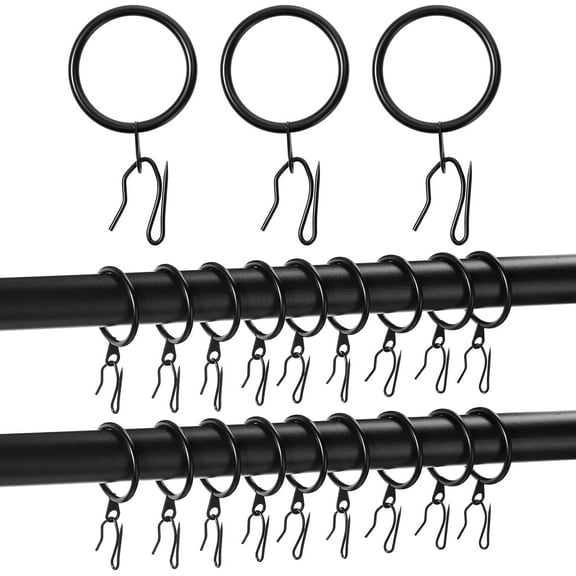
Curtain hooks for drapes usually fall into pin-style hooks, S-hooks, and clip-based options. Pin hooks slide into pleater tape pockets to shape French pleats or pinch pleats. They’re common for formal drapery and lined panels.
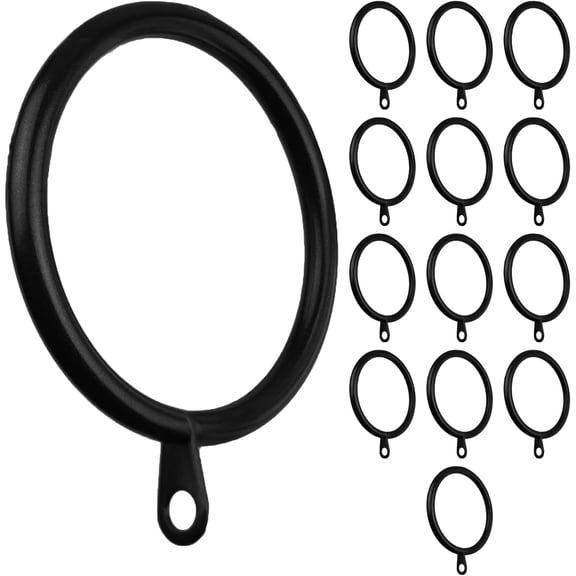
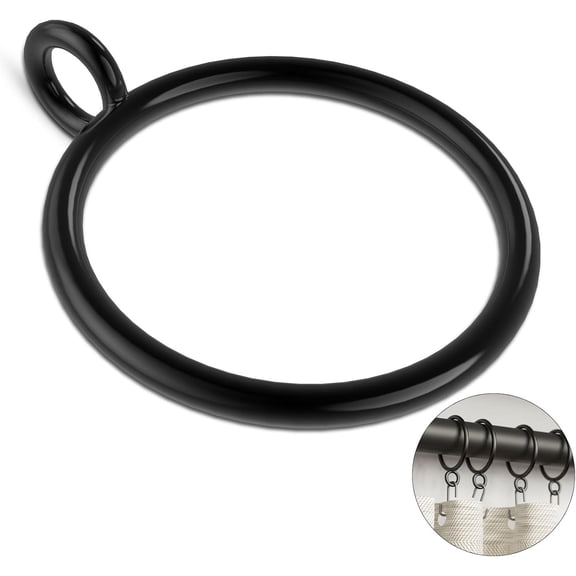
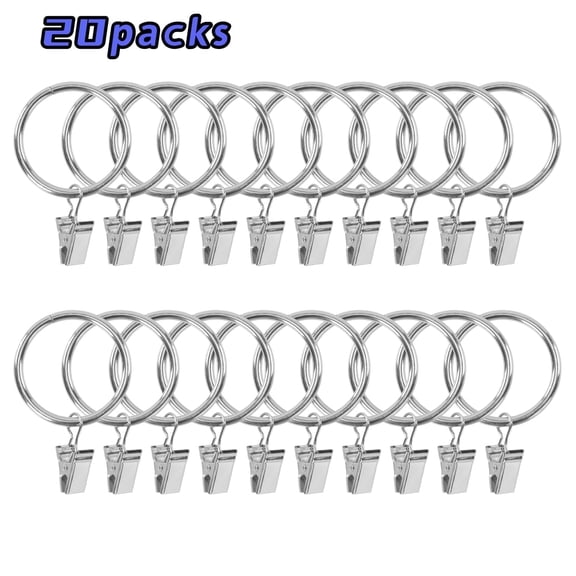
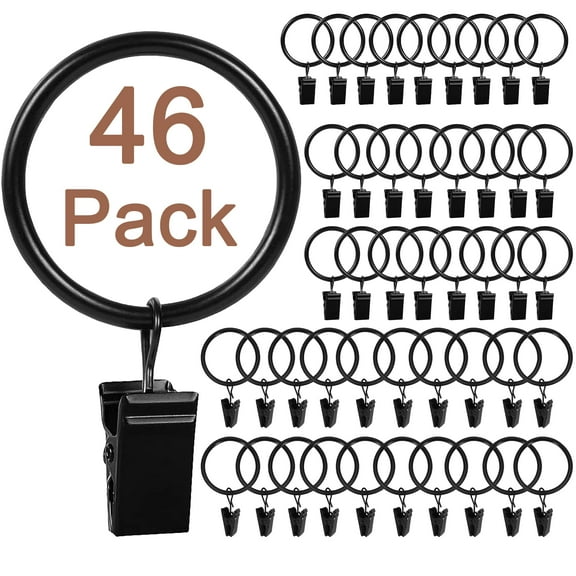
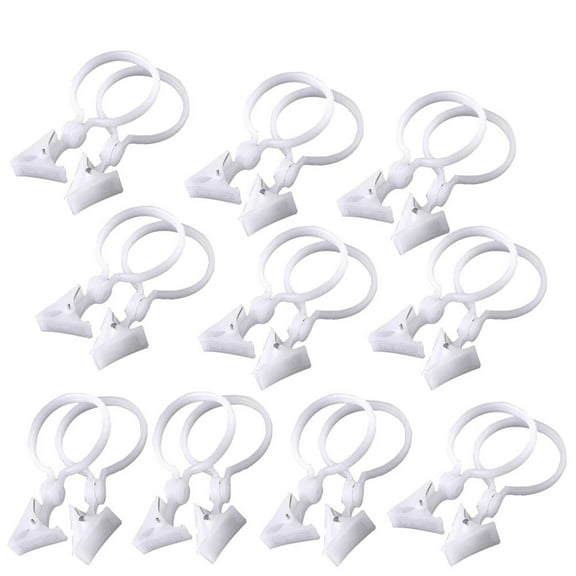
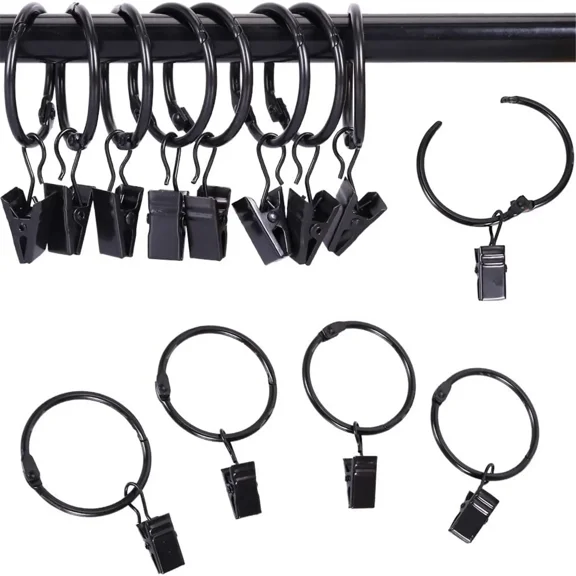
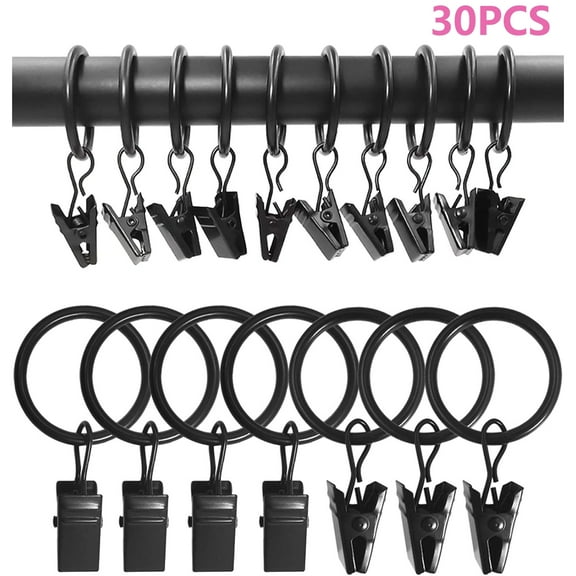
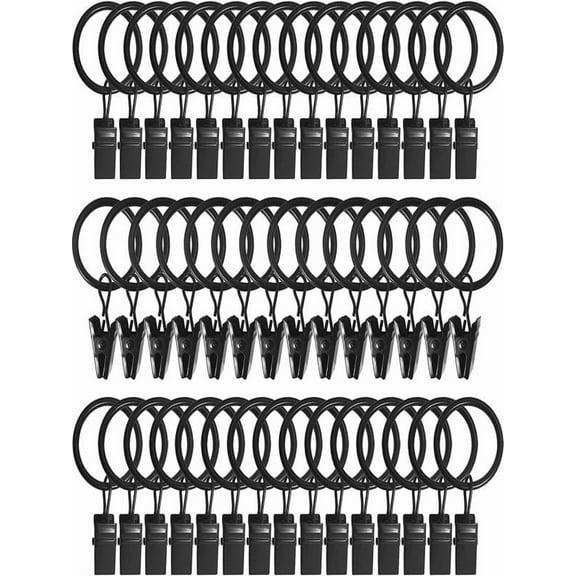
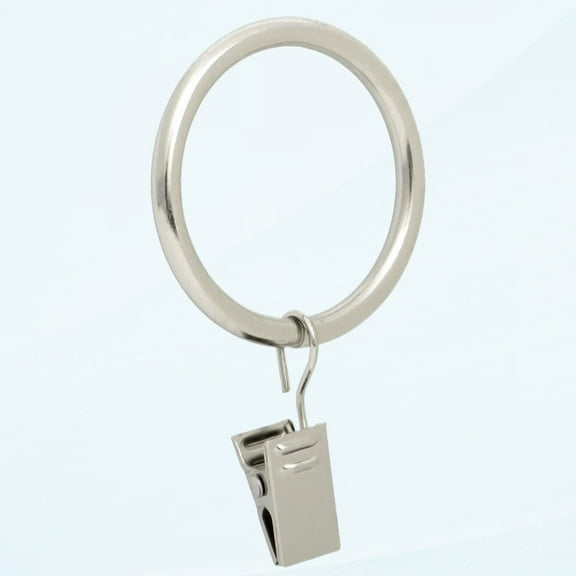
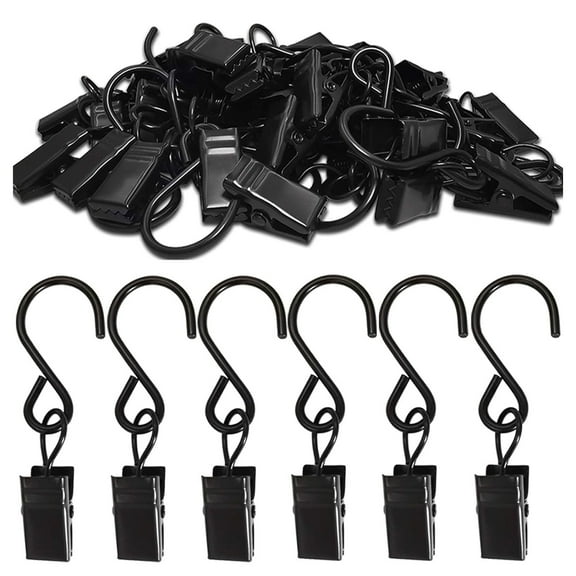
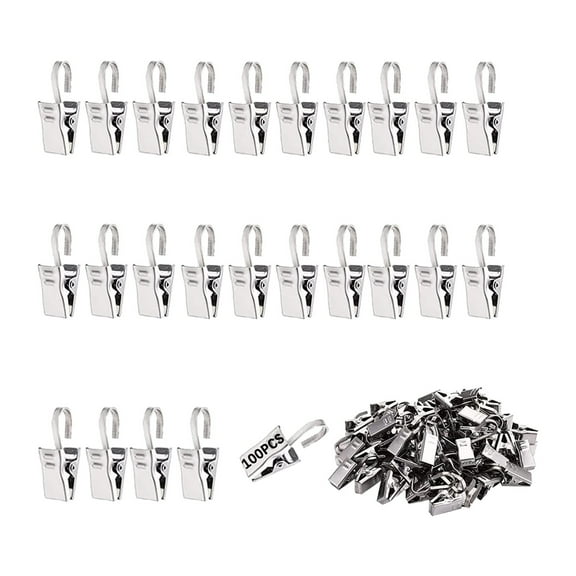
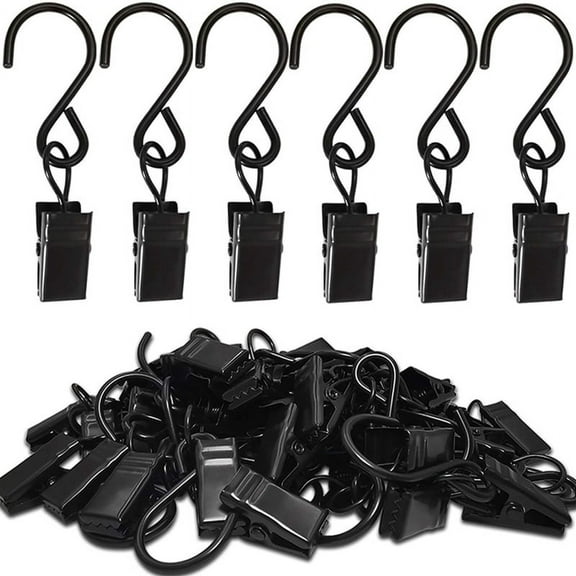
S-hooks often pair with curtain rings or grommet-adjacent setups, depending on the header. Clip rings hold fabric without sewing, but they can leave small pinch marks on some materials. For a polished finish, match the hook style to the heading construction.
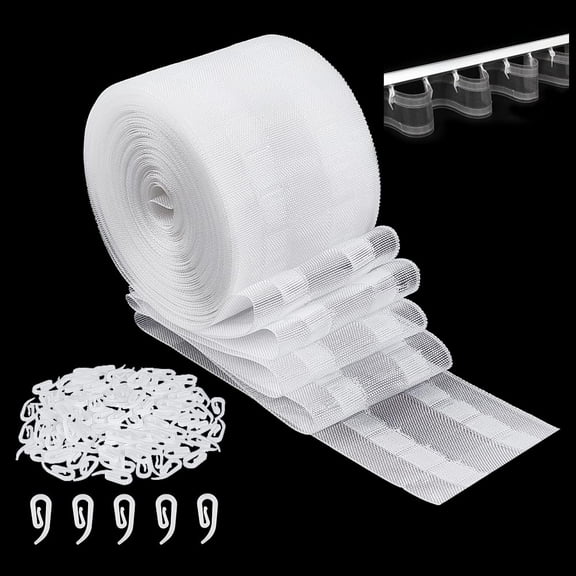
For drapery hooks for curtains, check whether your panels use pleater tape, back tabs, or rod pockets. Pleater tape supports adjustable hook positions for leveling hems. Rod-pocket panels may work better with clip rings or sewn-in rings.
Features to compare before you choose
Start with material and finish, because they affect durability and appearance. Metal options hold shape under heavier loads and repeated opening. Plastic styles can be lighter on delicate tapes, but they may flex on thick drapes.
Pay attention to hook length and neck depth, since those set curtain height. Longer pins can lift the header and hide the rod more. Shorter pins can show more rod and create a casual look.
Count and spacing matter for a balanced drape. More hooks per panel can create tighter pleats and smoother waves. Fewer hooks can look flatter and may pull at the tape pockets.
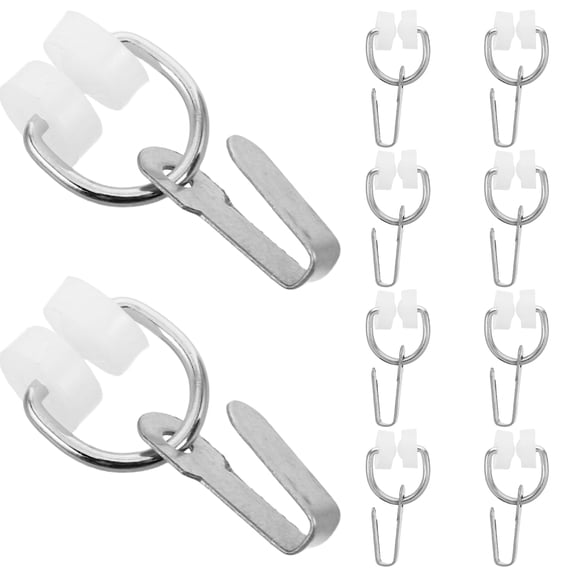
Compatibility is the last check. Window curtain hooks should match your rings, tracks, or traverse carriers. Measure ring eyelets and carrier holes before you commit to a large pack.
Use cases for window curtain hooks in real rooms
In living rooms, window curtain hooks help lined drapes open cleanly for daytime light. Pin hooks can keep pleats crisp, even when you draw curtains daily. Clip rings can be a quick swap when you rotate panels seasonally.
In bedrooms, curtain hooks for drapes help heavier blackout panels stay level. That’s useful when you want the header tight to the rod. It also helps reduce light peeking through uneven edges.
For rentals and dorms, clip-friendly curtain hooks can simplify changes without sewing. They’re useful when panels are different lengths or you’re mixing textures. You can also use extra hooks to align a liner behind a decorative panel.
For bay windows or wide spans, drapery hooks for curtains help distribute weight across more points. That reduces strain on tape pockets and rings. It also helps panels stack evenly at the sides.
Helpful guidance for fit and setup
Count your tape pockets or plan your hook intervals before installation. Even spacing helps the header sit flat and keeps pleats consistent. If your hem looks uneven, adjust hook positions one pocket at a time.
Check fabric weight and lining thickness, then choose a hook material that won’t bend. If you use a traverse rod, confirm the hook fits the carrier opening. That prevents popping loose when you pull the wand.
Keep a few spare curtain hooks on hand for quick fixes. Lost hooks can tilt a panel and create gaps at the window edge. A small backup pack keeps your set looking uniform.
With the right curtain hooks, your drapes hang straighter, move easier, and keep their shape through daily use.