

Cooking Skimmers in Kitchen Tools & Gadgets



























About Cooking Skimmers in Kitchen Tools & Gadgets - Walmart.com
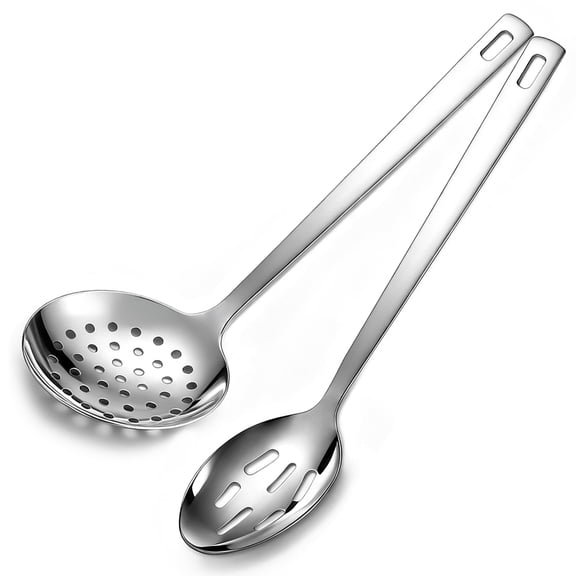
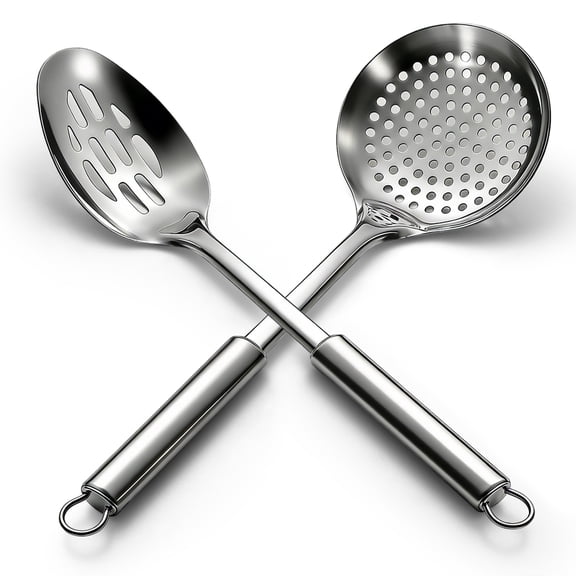
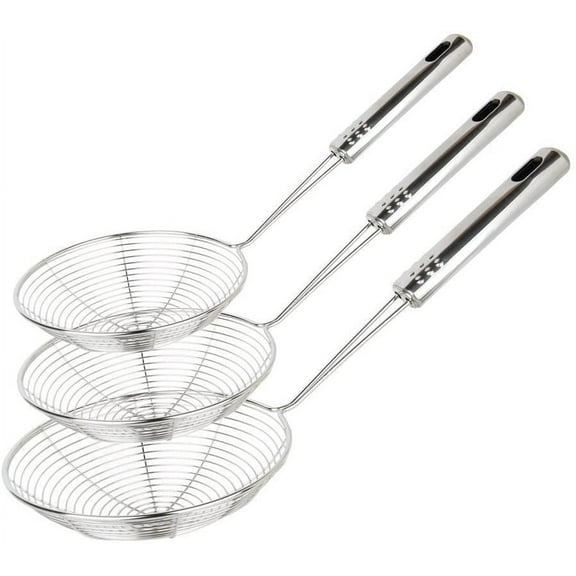
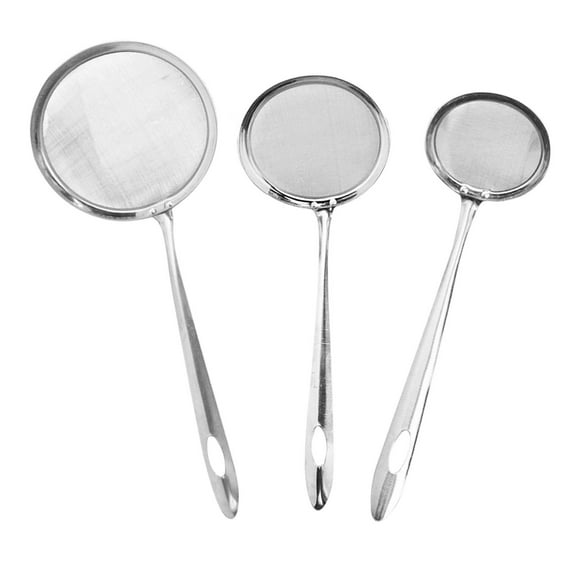
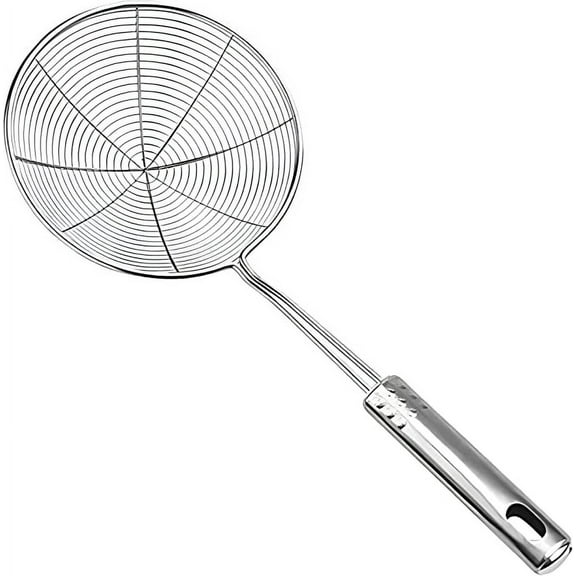
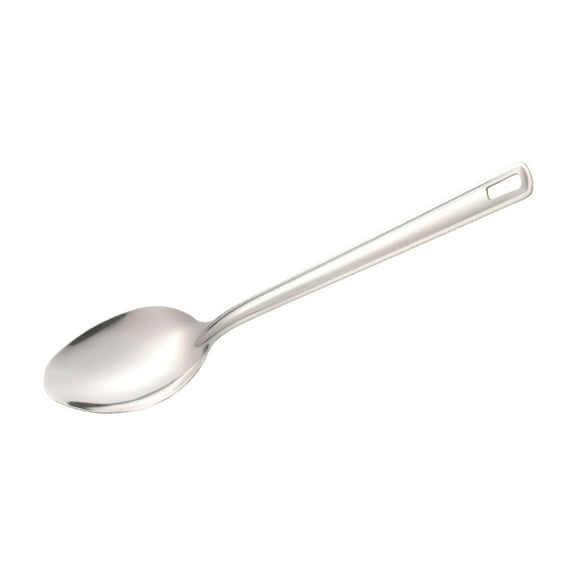
Your skimmer spoon helps you lift dumplings, skim broth, and clear frying oil without losing small food pieces. You can compare mesh, perforated, and slotted designs to match your cookware and cooking style.
When you choose cooking skimmers for this page, you’re usually balancing fine straining, heat exposure, and bowl size. You’ll find options that suit deep pots, wide woks, pasta water, and everyday stovetop prep.
How to choose a skimmer spoon for your kitchen
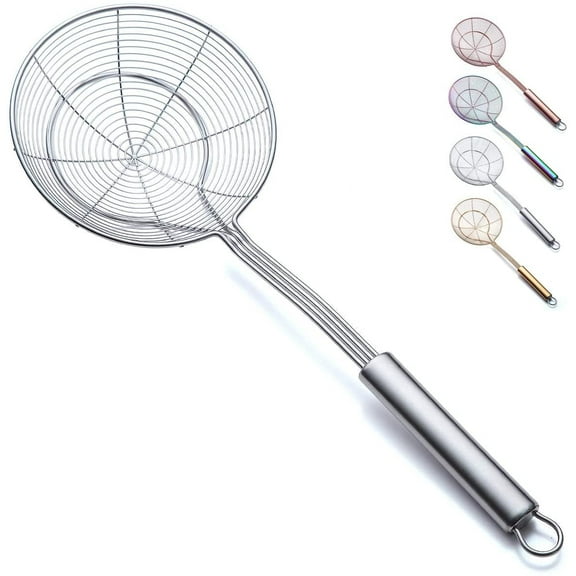
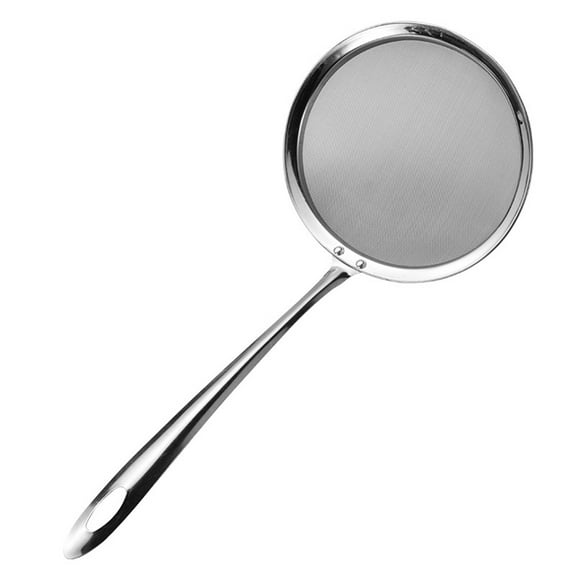
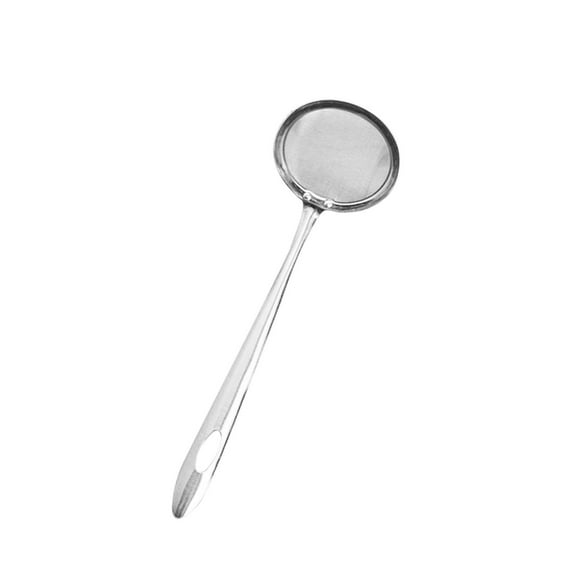
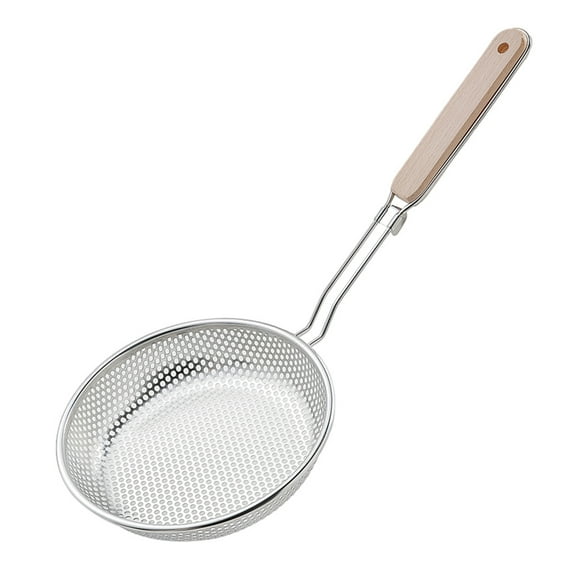
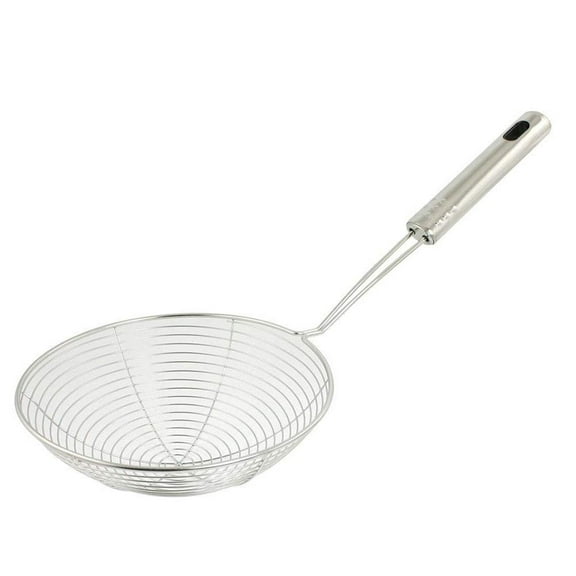
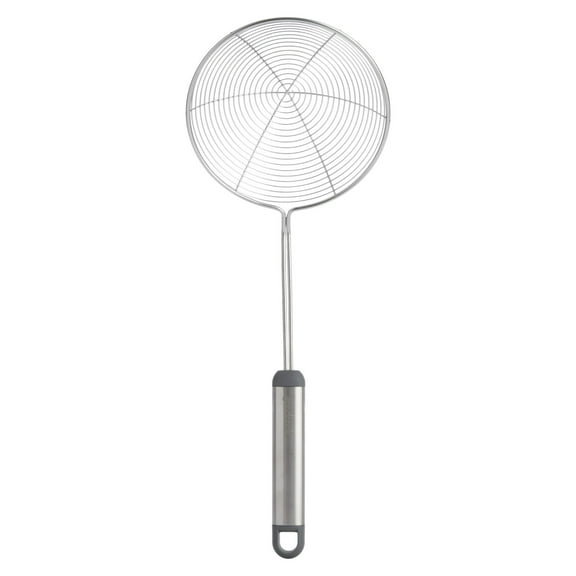
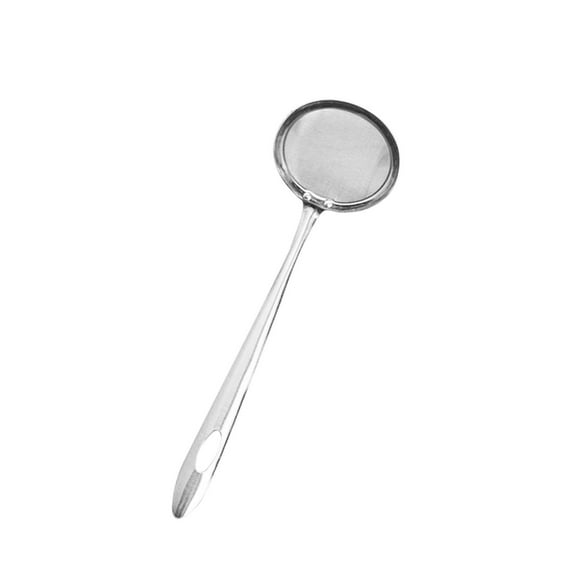
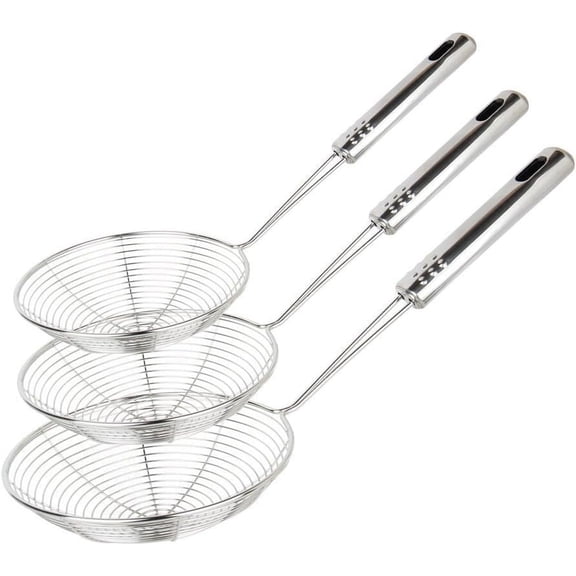
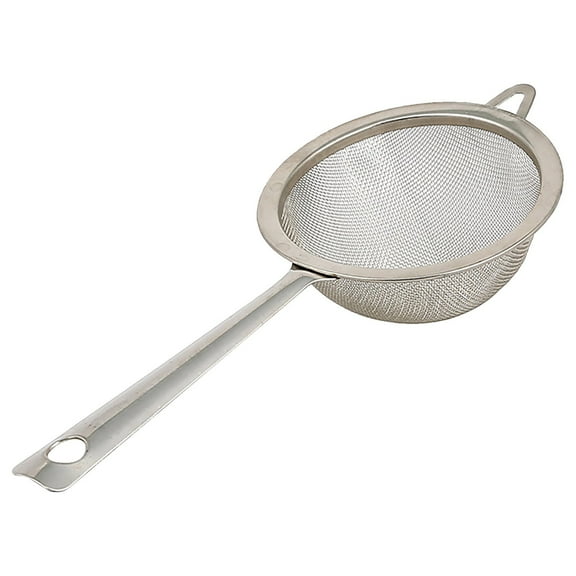
You should start with the head design because it changes how quickly liquid drains and how much food you catch. You’ll usually prefer wire mesh for foam, herbs, and fried crumbs.
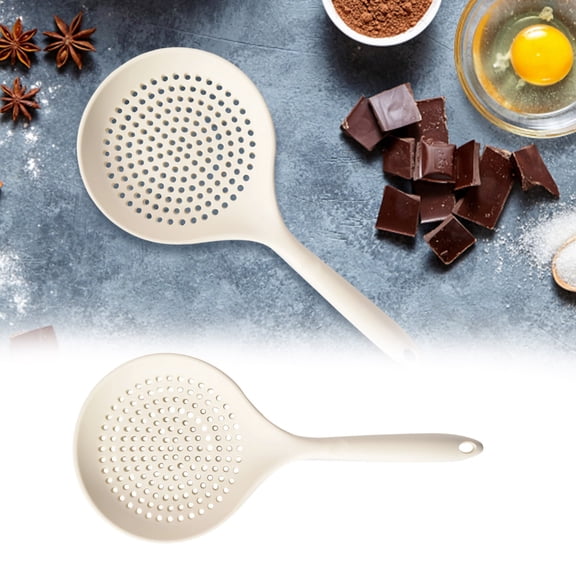
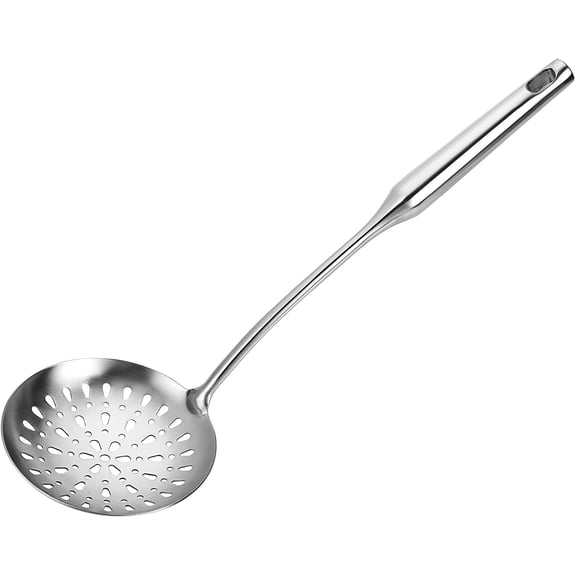
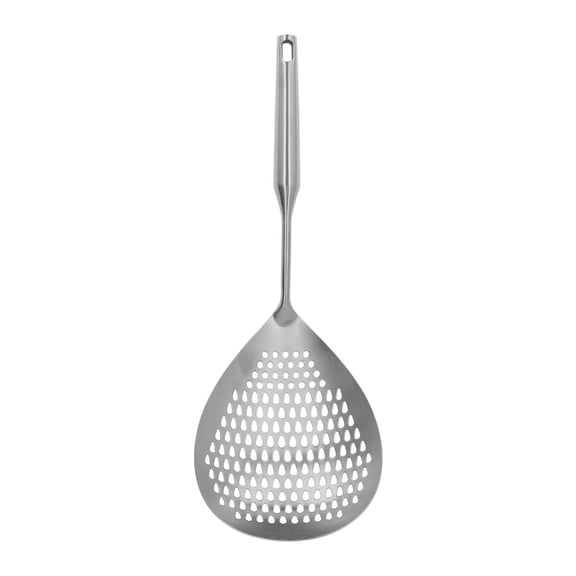
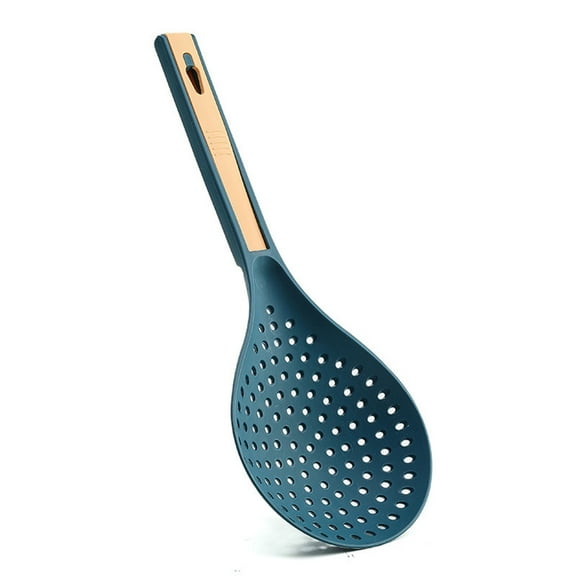
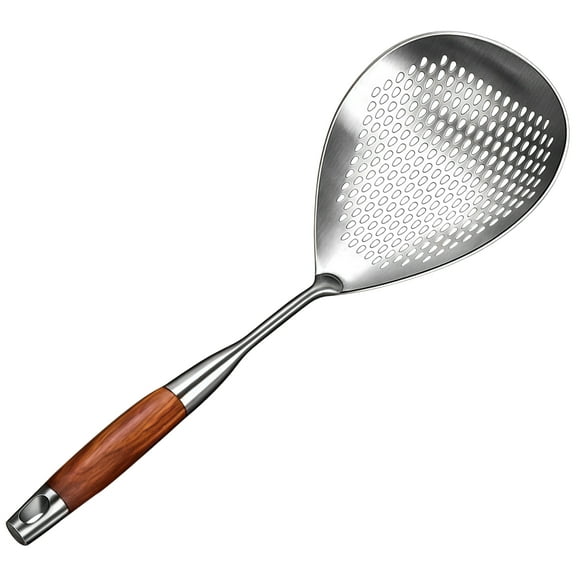
If you cook larger items, you may prefer a perforated or slotted skimmer spoon instead. You’ll get faster draining and firmer support for vegetables, wontons, eggs, and fried snacks.
- You can use mesh styles when you want to catch tiny particles from broth or frying oil.
- You can choose perforated heads when you want to lift larger foods with less resistance in hot liquid.
- You can look for long handles when you cook in deep pots, Dutch ovens, or woks.
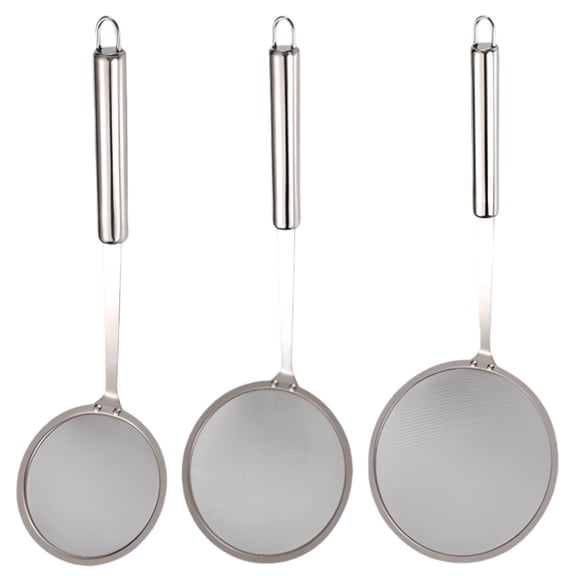
- You can compare bowl diameter to your cookware so your kitchen skimmer feels balanced during lifting.
Choosing a cooking skimmer by material and durability
You’ll often compare stainless steel, silicone, and nylon based on heat, cleanup, and daily wear. You can count on stainless steel when you want a rigid shape and a classic kitchen feel.
If you want added flexibility around nonstick cookware, you may prefer silicone or nylon contact points. You’ll reduce scraping on coated interiors while keeping an easy grip during stirring and lifting.
You may also notice some stainless pieces reference 304 stainless steel grade. You can use that detail as a sign to compare rust resistance and long-term durability.
When you want easier cleanup, you should check whether the finish and handle construction suit dishwasher use. You’ll also want fewer seams if you prefer a simpler rinse after frying.
Comparing kitchen skimmer designs and handle features
You should compare wire gauge and mesh count when you want a finer cooking skimmer for oil or stock. You’ll usually find tighter mesh catches smaller bits that perforated heads let pass through.
If you want a strainer spoon for dumplings or pasta, you may not need fine mesh. You can choose perforation size by thinking about whether you lift small pieces or larger portions.
Handle length matters because you need enough reach over deep oil, boiling water, or a wide stockpot. You’ll feel more control when the handle matches your cookware depth and cooking position.
You can also compare handle materials, including wood, silicone-wrapped metal, or molded grips. You’ll want a shape that feels steady in your hand during quick scoops and repeated lifting.
When you use a skimmer kitchen tool often, balance becomes just as important as head shape. You can move more confidently when the bowl and handle don’t feel front-heavy.
Matching a strainer spoon to your cooking tasks
You may want a skimmer for frying when you make tempura, fries, or breaded appetizers at home. You can lift food fast, let oil drain back, and move batches with less splatter.
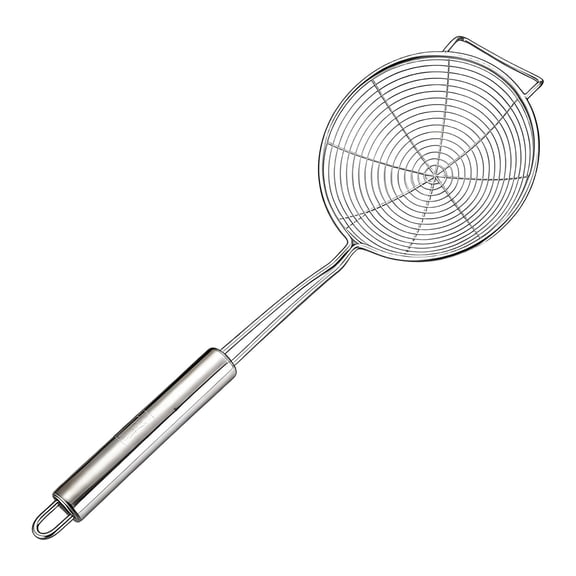
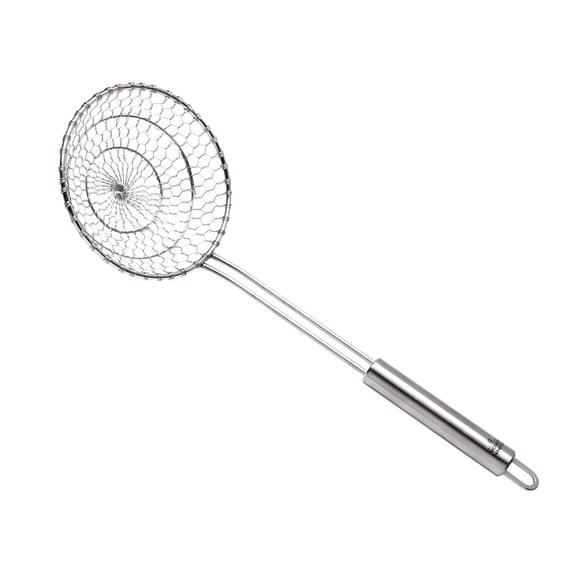
For soup and stock, you’ll want an oil skimmer cooking tool that removes foam and floating bits cleanly. You can keep broth clearer when you use a fine mesh or spider design.
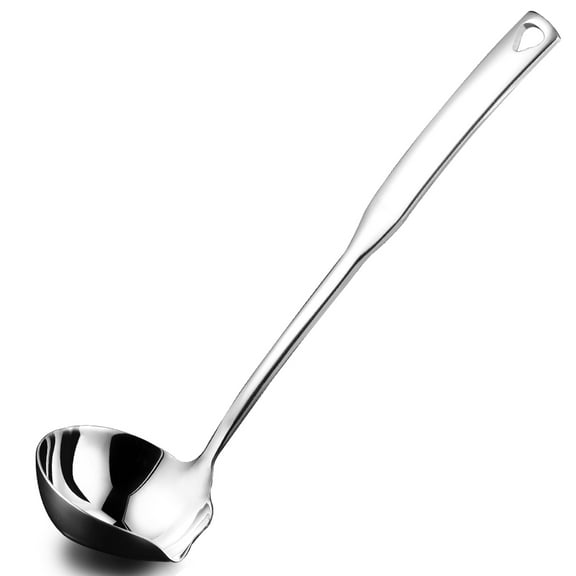
If you boil ravioli, eggs, or vegetables, you may like a strainer skimmer ladle with a wider bowl. You can scoop several pieces at once without pouring out the whole pot.
You can also use a skimmer cooking utensil for blanching greens or lifting noodles from water. You’ll get quick draining and easier transfer from pot to serving bowl.
When you cook in a wok, you should measure bowl diameter against the pan opening before choosing. You’ll get smoother movement when the head fits inside the curve without crowding the sides.
For smaller saucepans, you may prefer a compact skimmer for food with a narrower head. You can maneuver around tight corners more easily during poaching or reheating.
What to look for in cooking skimmers before you decide
You should think about what you cook most often before you pick between mesh, perforated, and slotted styles. You’ll make a clearer choice when your skimmer matches your usual pot size and food type.
You can narrow your options faster by comparing material, handle reach, and bowl diameter together. You’ll end up with a kitchen tool that drains cleanly and feels steady from stovetop to serving dish.