



DJI Mini Drones & Cameras | Portable 4K Drones


















About DJI Mini Drones & Cameras | Portable 4K Drones - Walmart.com
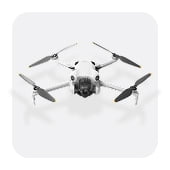
You can compare dji drones by size, camera detail, and flight style before you choose the model that fits your plans. You’ll notice this category covers compact travel flyers, advanced camera options, and immersive designs for different skill levels.
If you’re shopping for weekend travel, content creation, or practice flights, you can narrow your choice faster with a clear buying guide. You’ll find that series, weight class, and camera resolution shape how each drone fits your routine.
Choosing dji drones by series and skill level
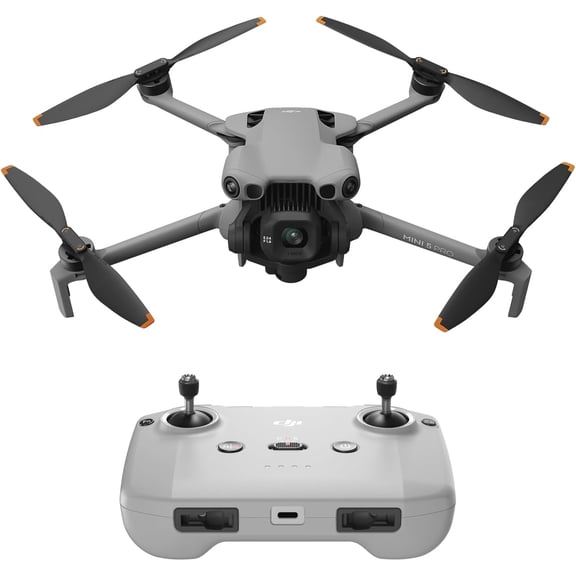
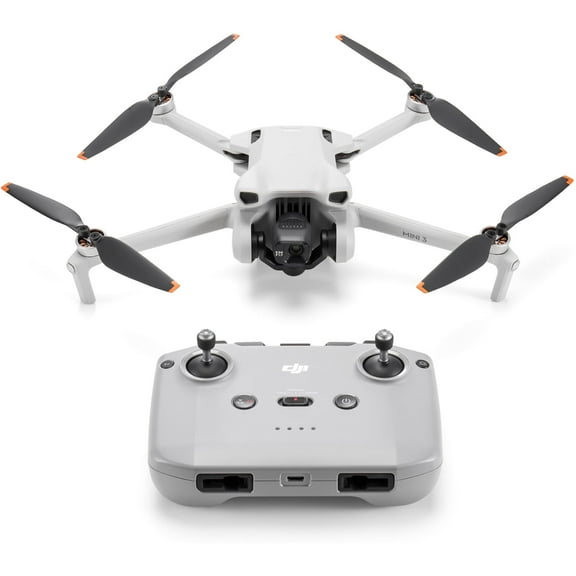
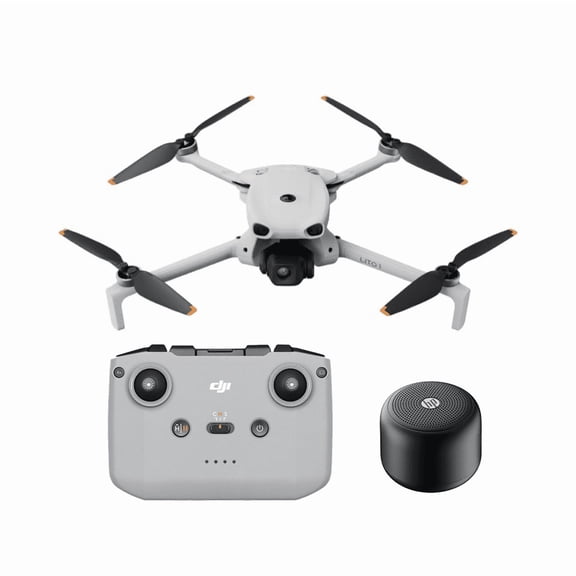
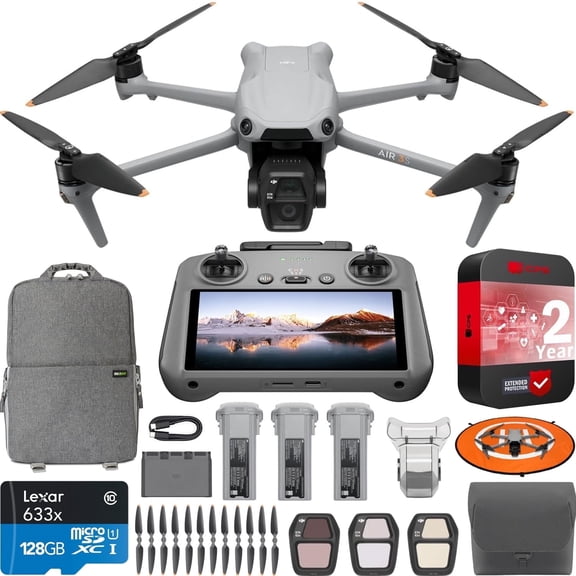
You can start with drone series because each lineup supports a different flying experience. You’ll usually see DJI Mini models for portability and DJI Air models for added camera and safety tools.
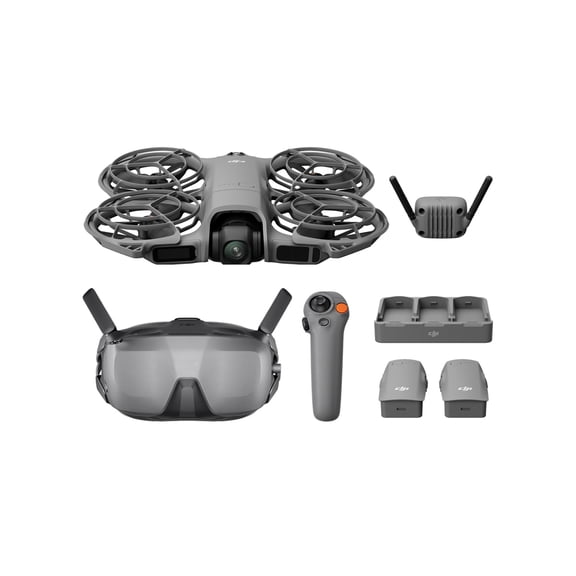
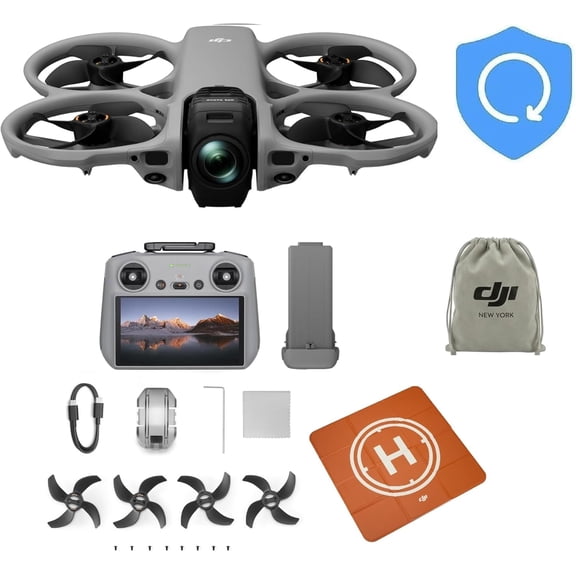
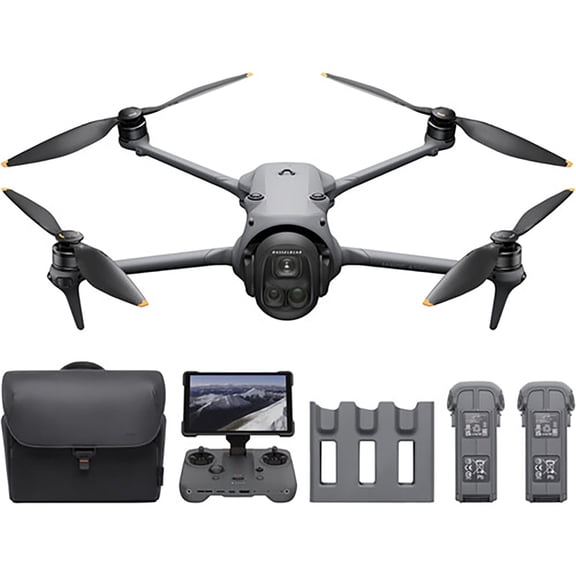
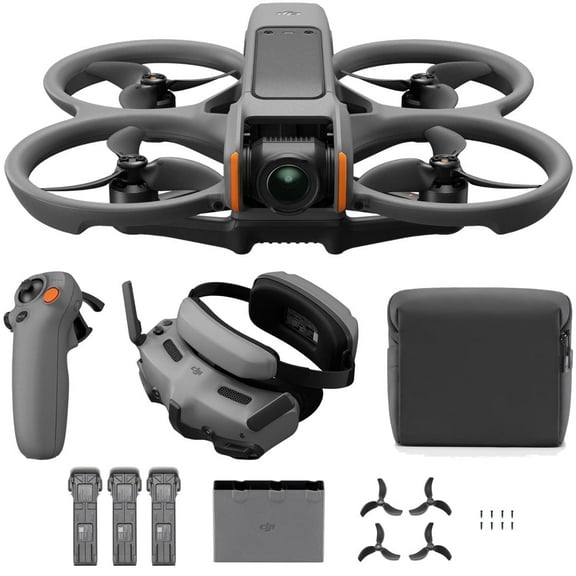
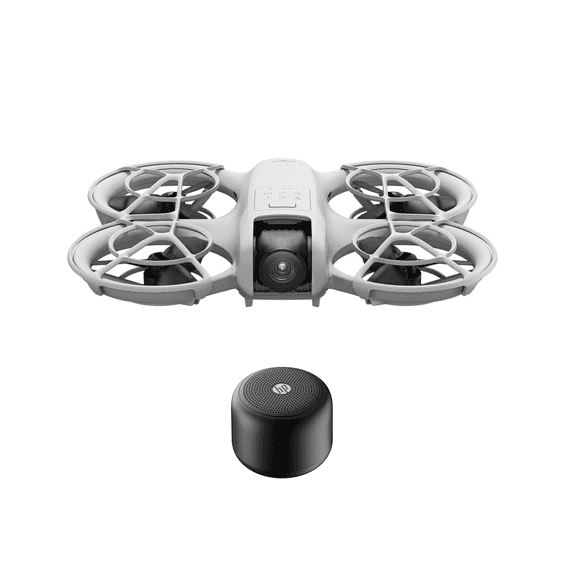
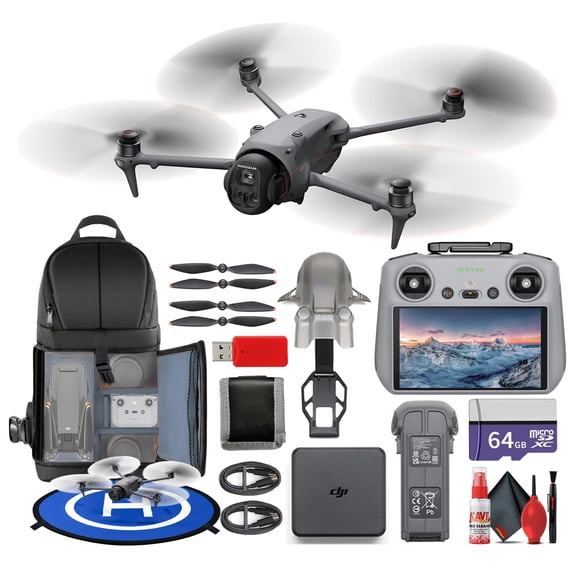
You’ll also see DJI Mavic models for advanced capture. You may consider DJI Avata models when you want immersive flight perspectives.
If you’re new to flying, you may prefer a lighter setup with simple controls and a smaller frame. If your projects are more advanced, you may look for stronger camera specs, longer battery support, and expanded flight controls.
You can use skill level as a quick filter when several models look similar at first glance. You’ll make a clearer choice when you match beginner, intermediate, or professional use to the series design.
What to look for in dji camera drones
You can compare dji camera drones by resolution, photo detail, and how much flexibility you want during editing. You’ll often see 4K video for sharp everyday capture, while 5.1K video gives you more room to crop and refine footage later.
If you care about still images, you can check 12MP and 48MP options to match your shooting style. You’ll usually want higher megapixels when your photos need extra detail for cropping or larger displays.
You can also compare sensor and stabilization details when you want smoother motion and cleaner footage. You’ll notice these specs matter more when you shoot landscapes, moving subjects, or travel clips in changing light.
- You can choose 4K video when you want clear footage for travel, family outings, and social posts.
- You can consider 5.1K video when your editing workflow needs extra detail and more cropping flexibility.
- You can check 12MP or 48MP photo resolution when your shooting plans include snapshots, scenery, or detailed stills.
- You can compare stabilization and obstacle sensing when you want steadier footage and more confident control.
Choosing a dji mini drone by weight and travel needs
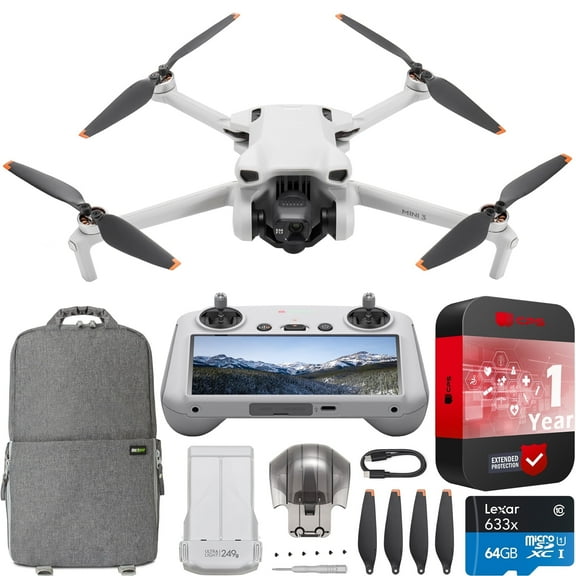
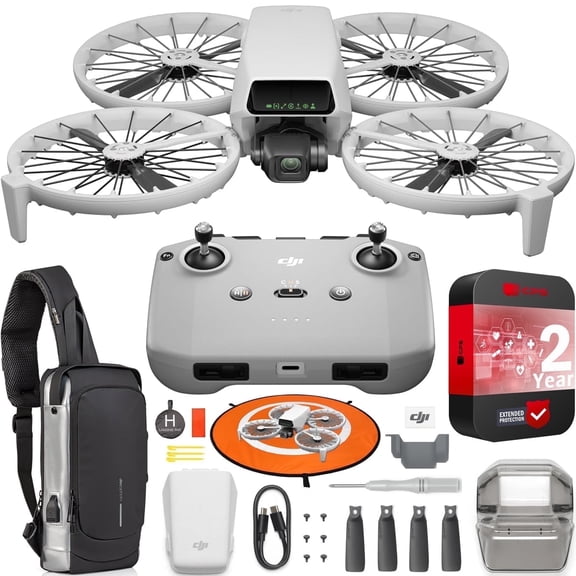
You can compare weight class early because it affects portability, packing, and setup expectations. You’ll often see a dji mini drone in the under 249g class. You may prefer that lighter option for trips and quick flights.
If you travel often, you may prefer a compact foldable design that fits more easily in a day bag. You’ll appreciate a lighter frame when you’re carrying extra batteries, a controller, and memory cards.
You can also compare standard weight models when you want larger feature sets and a different flight feel. You’ll often get stronger wind performance, added sensing tools, or more advanced camera hardware in those setups.
When you compare under 249g and standard models, you should check how that threshold affects your planning. You’ll understand the weight class faster when you review your intended flying routine first.
Comparing flight time, battery support, and control range
You can judge everyday convenience by flight time, because minutes per charge affect how long you stay in the air. You’ll want to compare battery estimates carefully, especially if your typical sessions include setup, practice, and repeated shots.
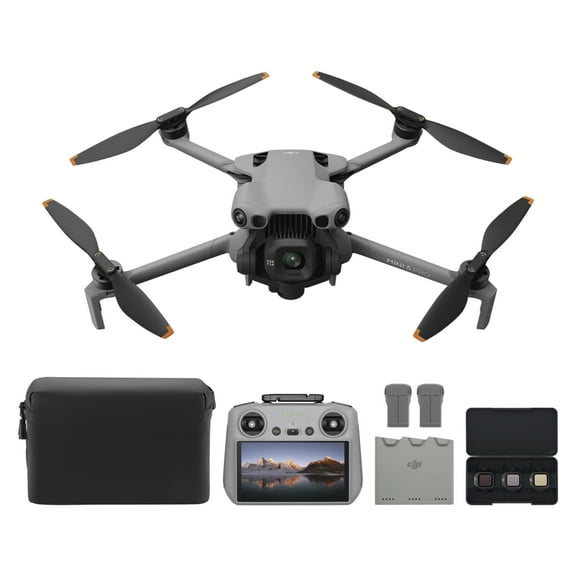
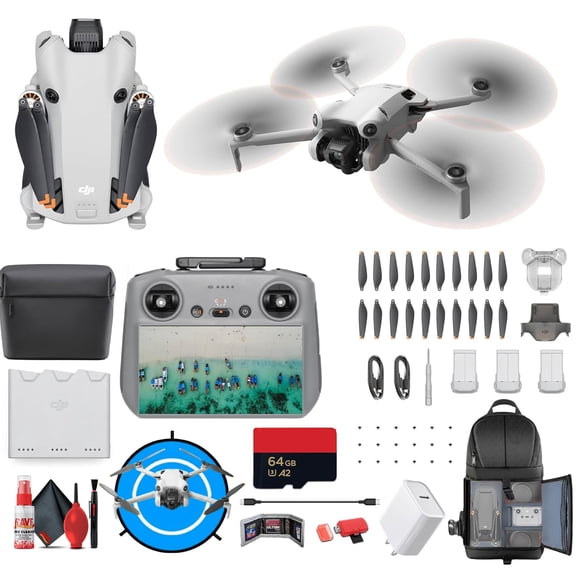
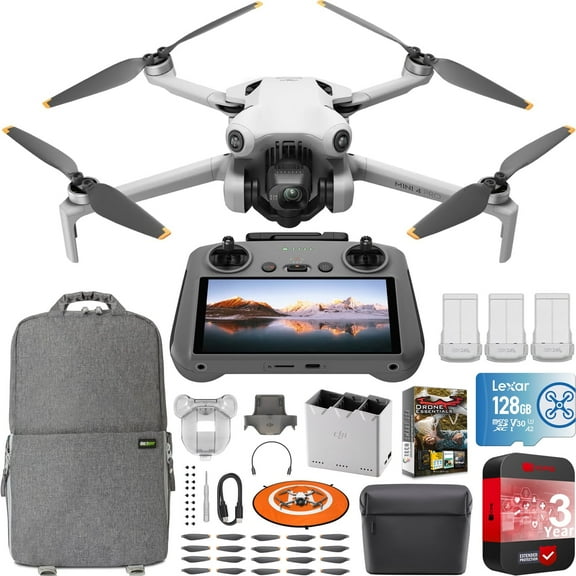
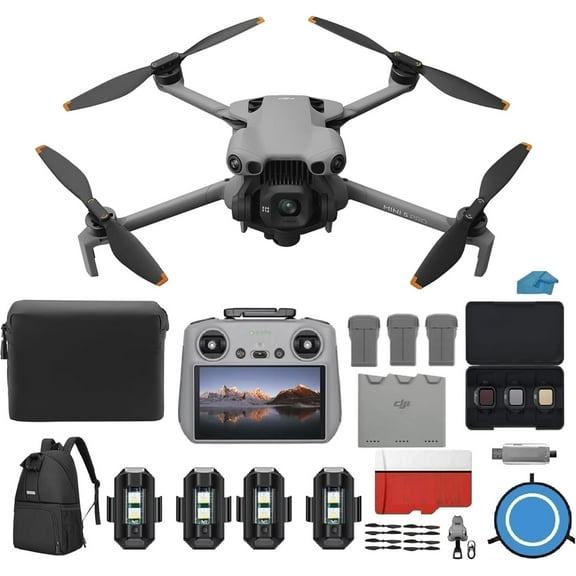
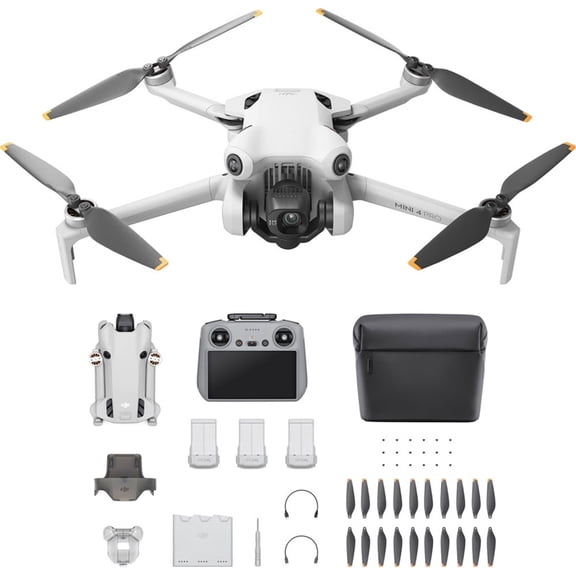
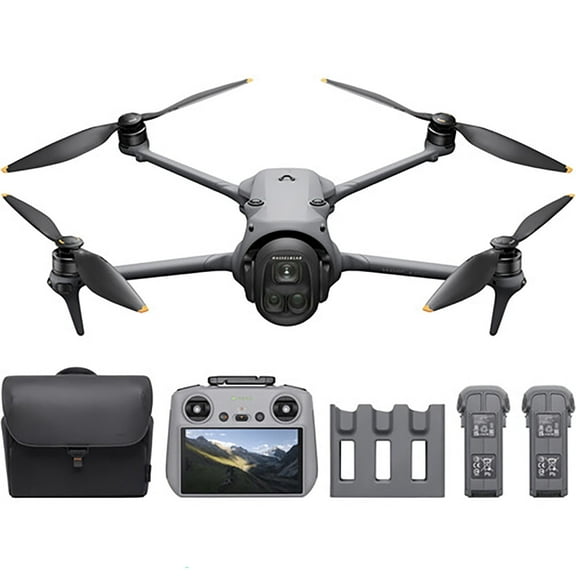
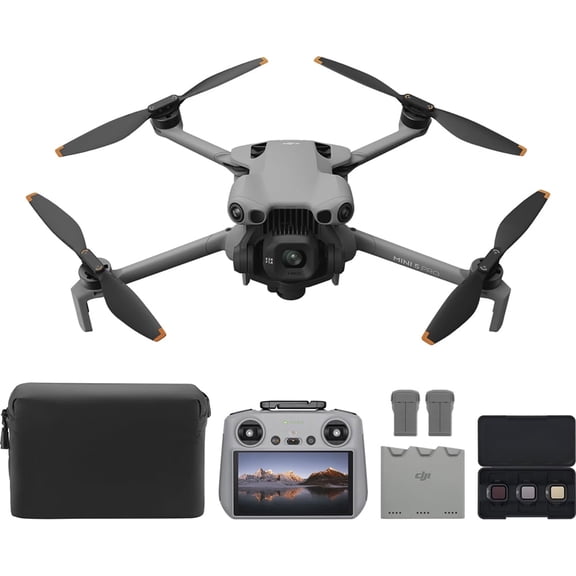
If you plan longer outings, you may look for bundles such as a dji fly more combo. You’ll get a clearer picture of real use when you consider extra batteries, charging hubs, and carrying cases together.
You can also compare transmission range and controller connection for smoother monitoring at distance. You’ll benefit from stronger signal performance when you’re filming open spaces, trails, or wide outdoor scenes.
When you review safety tools, you can look for obstacle avoidance described in plain terms. You’ll understand that these features help you detect surroundings during more complex moves and tighter spaces.
Matching dji drone with camera options to real use cases
You can match a dji drone with camera features to the moments you actually want to capture. You might choose a compact model for vacations, a midrange option for hiking footage, or a more advanced setup for detailed creative work.
If your focus is travel, you may want under 249g designs, foldable arms, and 4K recording. You’ll keep your kit easier to carry while still capturing scenic clips, group shots, and quick takeoffs.
You can look toward DJI Air or DJI Mavic series when your projects need stronger imaging flexibility. You’ll often prefer those options when you want more advanced tracking, expanded sensing, or higher-resolution video.
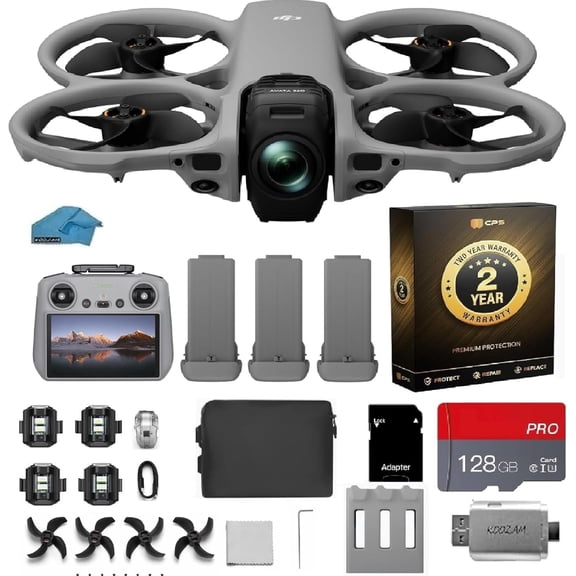
If you want immersive motion, you can consider DJI Avata styles built around dynamic flying perspectives. You’ll get a different capture experience than a typical dji quadcopter designed for standard aerial framing.
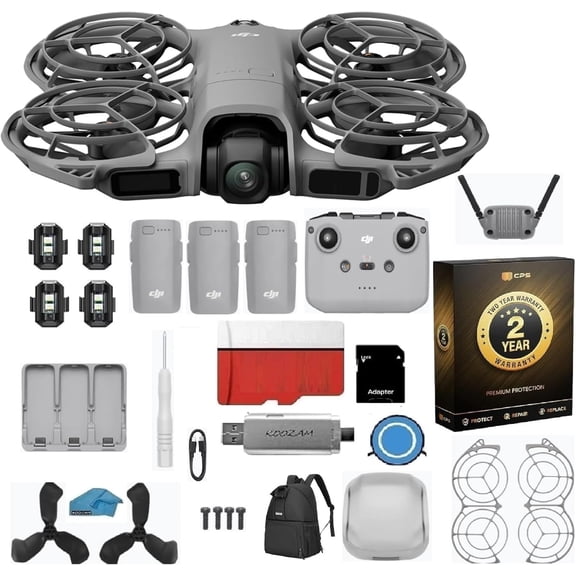
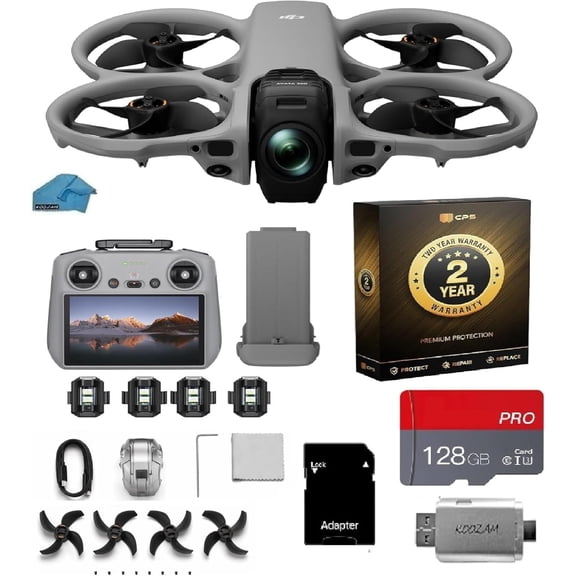
You can also plan for the full setup by reviewing dji drone accessories that support storage and shooting time. You’ll often want memory cards, spare batteries, cases, landing pads, and propeller replacements for smoother sessions.
You can choose with more confidence when you compare series, weight, camera detail, and flight support together. You’ll end up with a drone that fits your skill level and captures the footage you actually want.