


Dip Bars & Dip Stations for Home Workouts | Walmart





























About Dip Bars & Dip Stations for Home Workouts | Walmart - Walmart.com
With the right dip bar, you can build a focused home workout setup that supports dips, holds, and bodyweight training without bulky equipment. You’ll also find mount styles and frame options that fit apartments, garages, and dedicated gym rooms.
Choosing the right dip bar for your space
You should start with mount type because your room size and training style shape which setup makes sense. You can compare free-standing frames, wall-mounted bars, door-frame options, and parallettes before narrowing features.
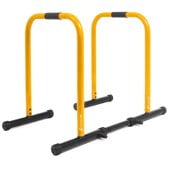
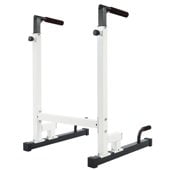
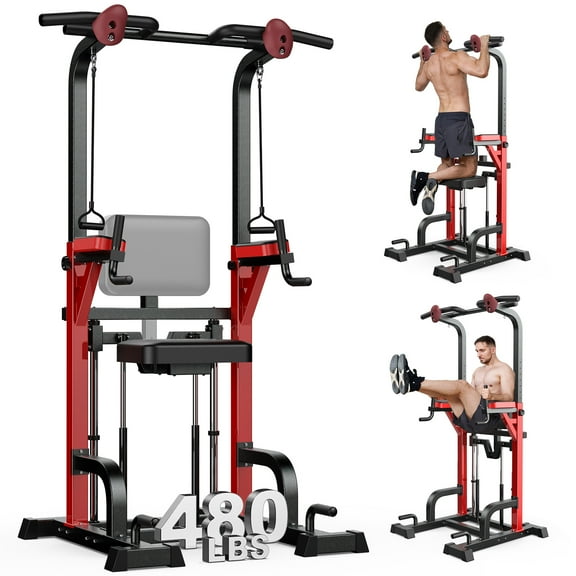
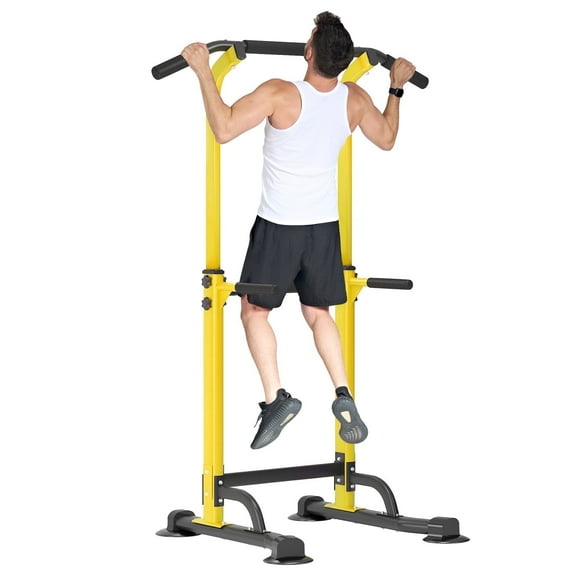
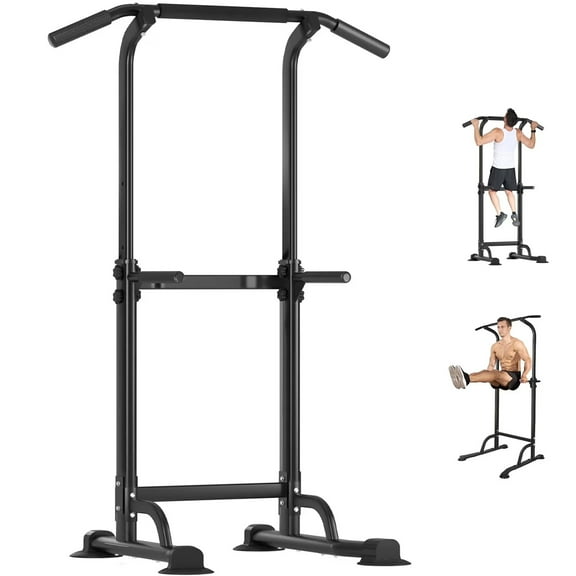
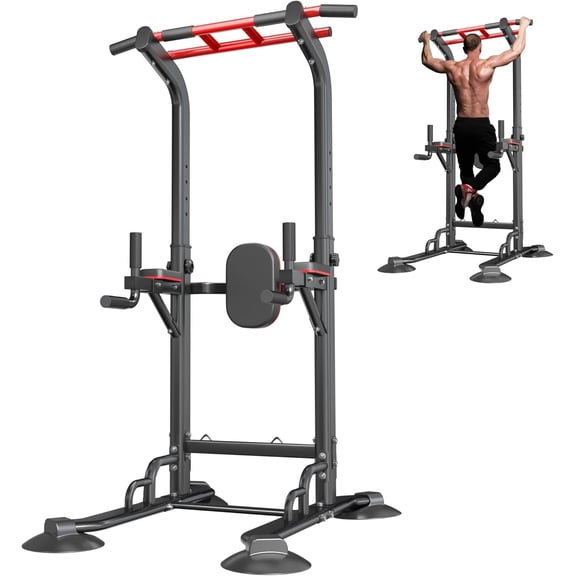
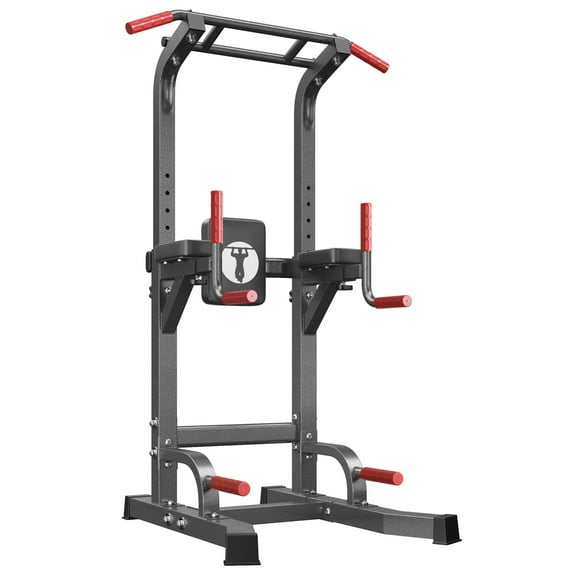
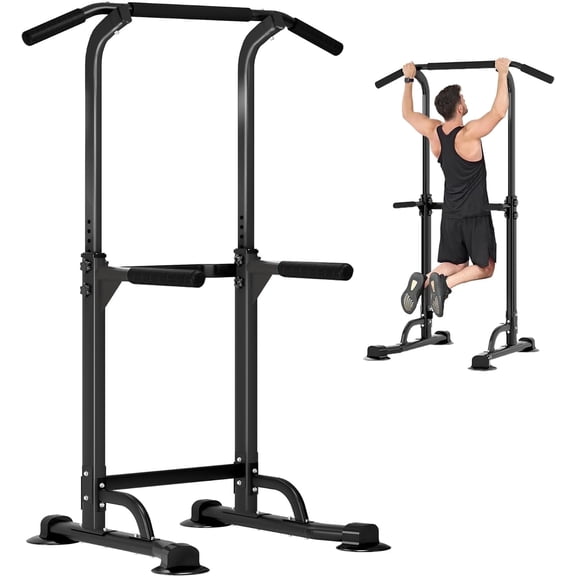
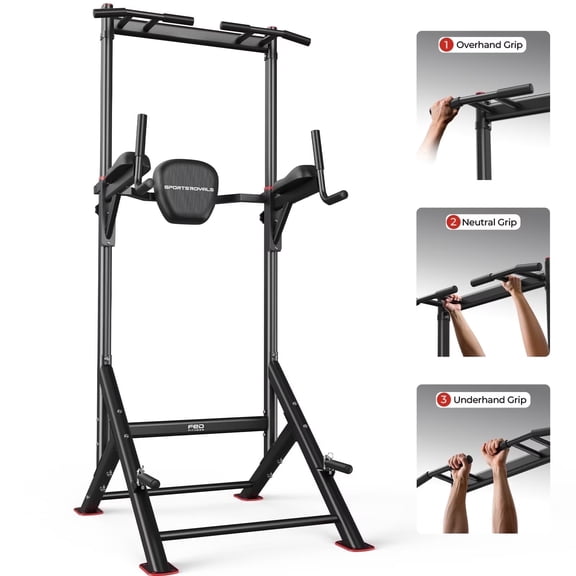
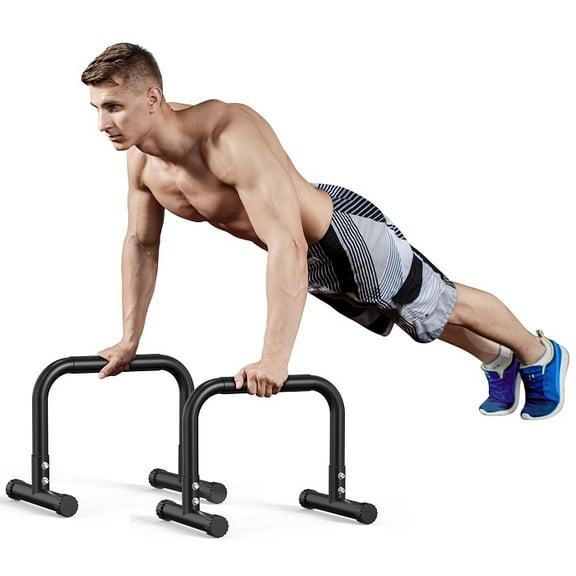
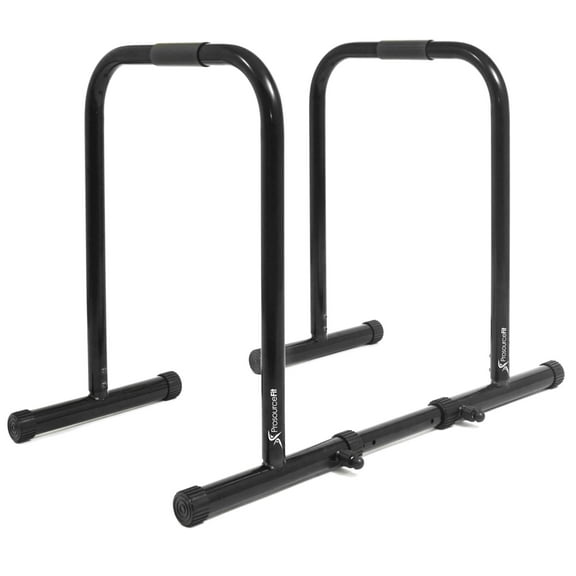
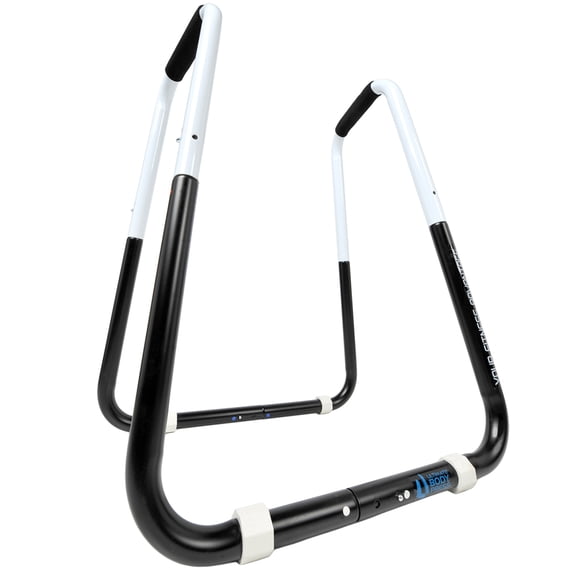
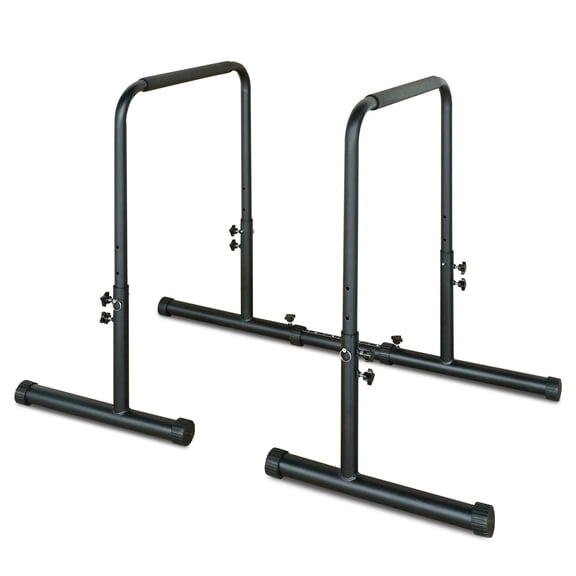
If you want a full dip station, you may prefer free-standing designs with a wider base and a more planted feel. If you need a smaller setup, you might choose parallettes or foldable options that store more easily.
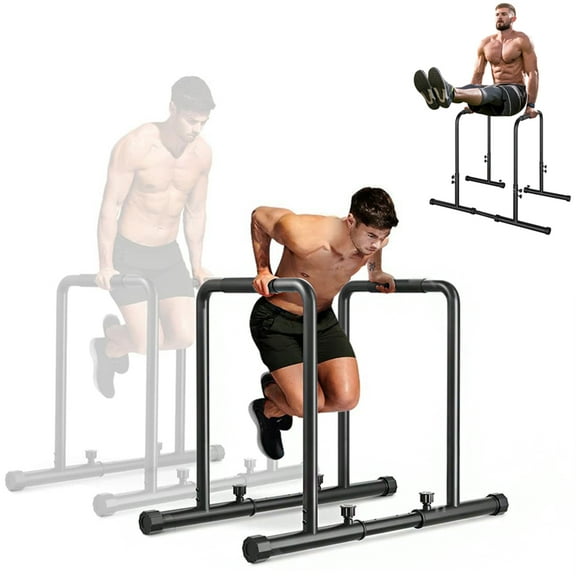
You can also consider wall-mounted bars when you want a fixed training spot and a clear floor area. If you need flexibility between rooms, you’ll likely want portable parallel bars instead.
Dip bars and dip stations: benefits that matter
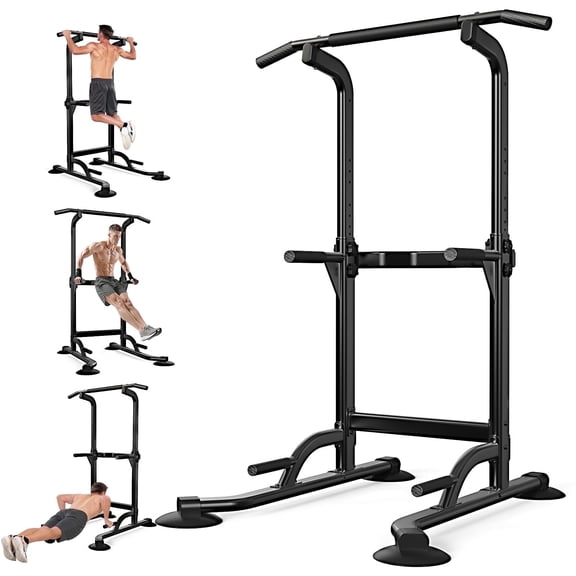
You get direct support for bodyweight exercises that target your upper body, core, and control through simple, repeatable movements. You can train with dips, L-sits, knee raises, push-ups, and supported holds using one compact station.
When you choose dip bars for home, you can create a routine without depending on larger strength equipment. You’ll also have a setup that works for quick sets, longer circuits, and calisthenics skill practice.
- You can train dips and support holds in a smaller footprint than many rack-based setups.
- You can use portable or foldable frames when your workout area needs to change during the week.
- You can choose wider or taller designs when your movement range and body position need more room.
- You can add variety with push-ups, leg raises, and balance-focused drills on select setups.
You may also like how a dip station can support progression from assisted variations to deeper reps and longer holds. That makes these bars useful when you’re building consistency in strength training and calisthenics.
How to compare stability, capacity, and grip
You should look closely at weight capacity and frame design before you compare smaller details. You can often use the listed maximum weight limit in pounds to judge whether a frame matches your training load.
When you compare steel gauge and crossbar design, you’re checking how sturdy the station may feel during repeated reps. You’ll usually notice that heavier-duty frames and wider bases help reduce shifting on the floor.
You should also measure base dimensions so your dip bar station fits your space without crowding your workout path. If you need easier storage, you can compare foldable frames against fixed designs with a permanent footprint.
Grip style matters because your hands stay in contact with the bars through every rep and hold. You may prefer foam grips for a softer feel, or you might choose knurled steel grips for a more textured hold.
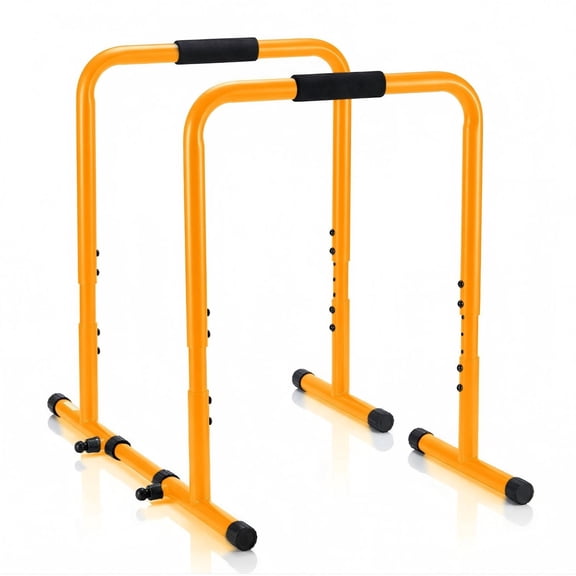
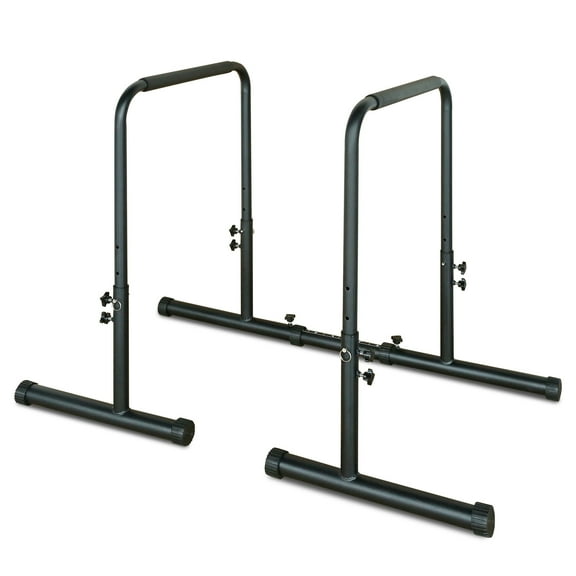
You can also compare adjustable height, adjustable width, and fixed frame designs based on how you train. If you share equipment or switch movements often, you’ll appreciate easier adjustment points.
Matching dip bars for home to your workout goals
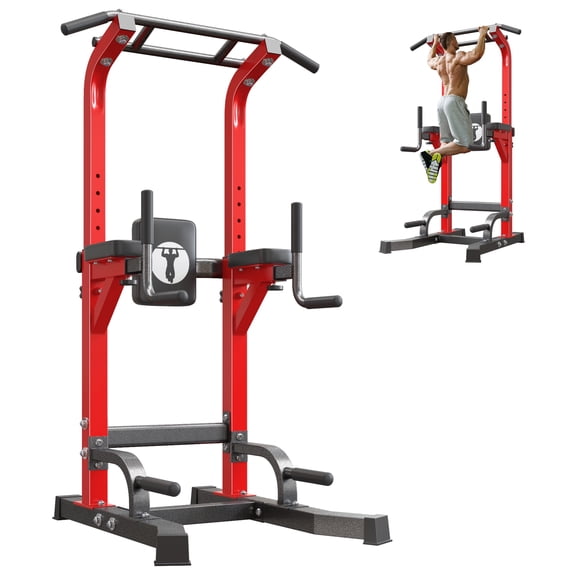
If you’re building a compact home gym, you may want dip bars for home that fit beside benches, mats, or a power tower. You can keep your floor plan more open by choosing portable parallel bars or foldable frames.
For calisthenics practice, you’ll likely compare a dip bar for calisthenics with enough clearance for L-sits, tuck holds, and controlled negative dips. You should check spacing and height so your form feels natural during longer sessions.
If your routine includes bodyweight circuits, you may want a setup that supports push-ups, seated leg raises, and static holds between dip sets. You’ll get more exercise versatility when the bars stay stable across movement changes.
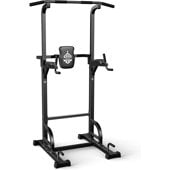
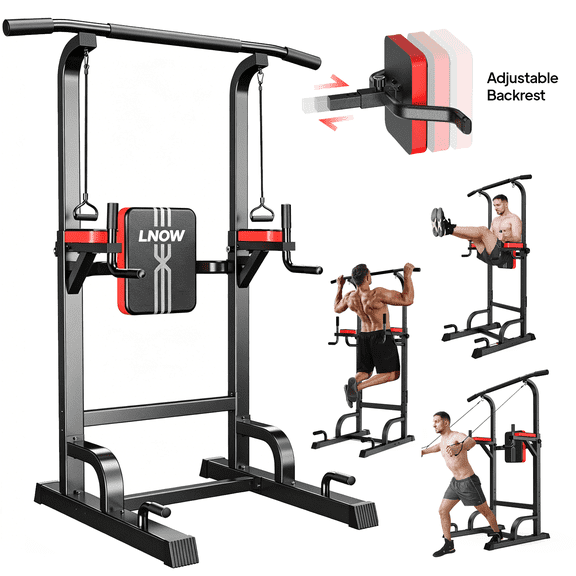
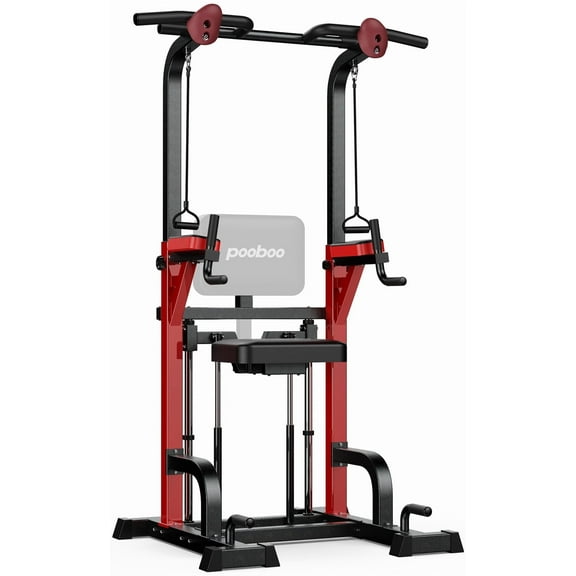
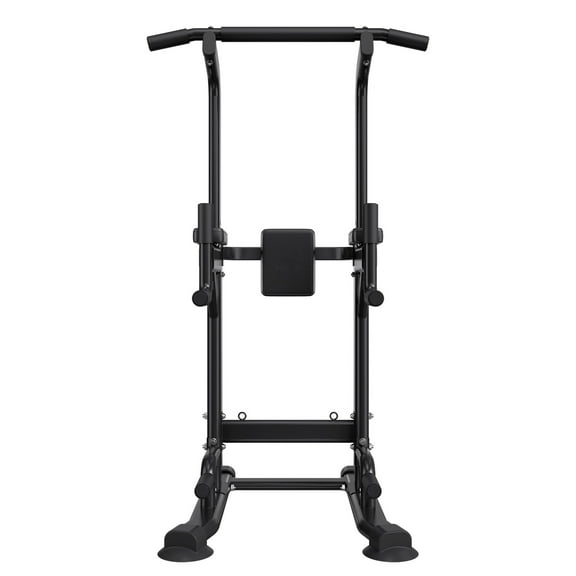
You might also pair this category with pull up bars, gymnastic rings, or power towers when you want a broader upper-body setup. That combination can help you organize pushing, pulling, and support work in one training area.
When you train in a shared room, you may want a foldable or stationary heavy-duty frame based on how often you move equipment. You should compare storage needs, floor space, and setup time before choosing.
If several people use the same station, you may prefer adjustable width or adjustable height for a more adaptable fit. You can keep your training smoother when the bar position matches your body size and movement style.
What to look for in a dip station
You should focus on stable construction, practical dimensions, and exercise versatility when you compare each dip station. You’ll make a smarter choice when the frame fits your room, supports your routine, and feels steady under load.
With the right dip bar, you can train confidently at home with equipment that matches your space and your bodyweight goals. You’ll get a cleaner setup for dips, holds, and calisthenics practice with less clutter.