

Ceiling Lights for Dining Room



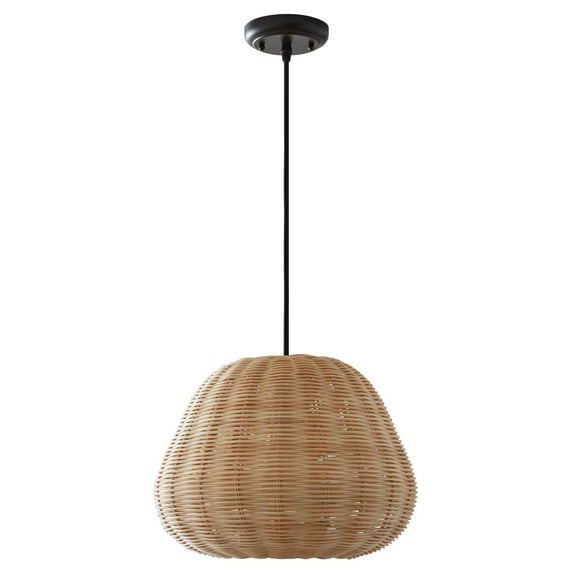

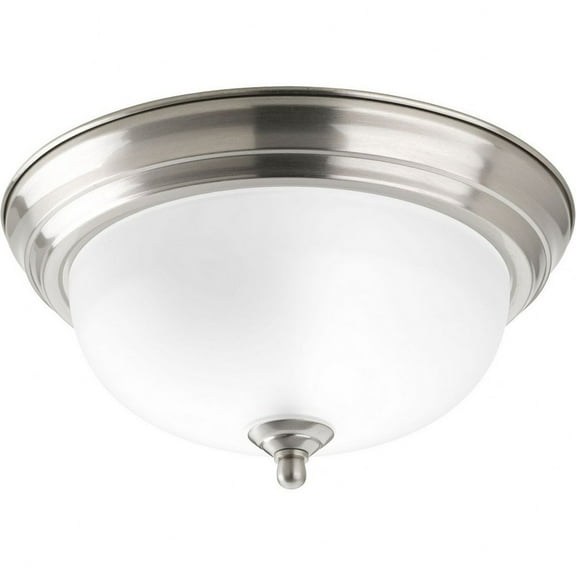
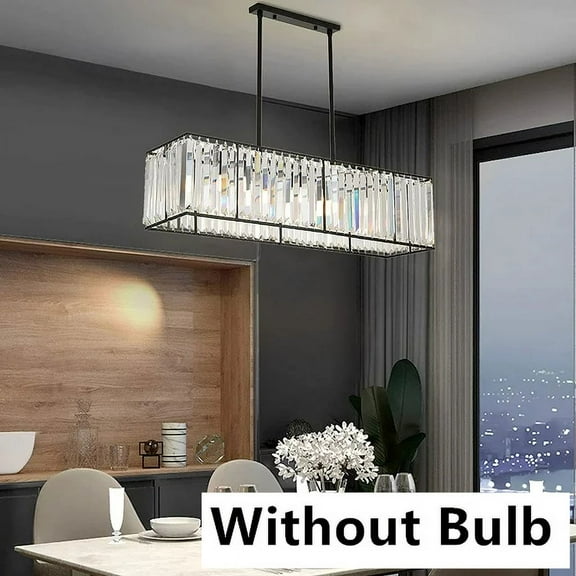


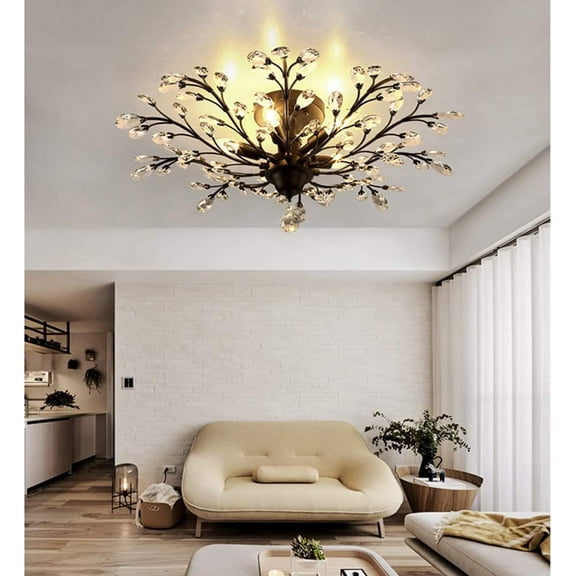















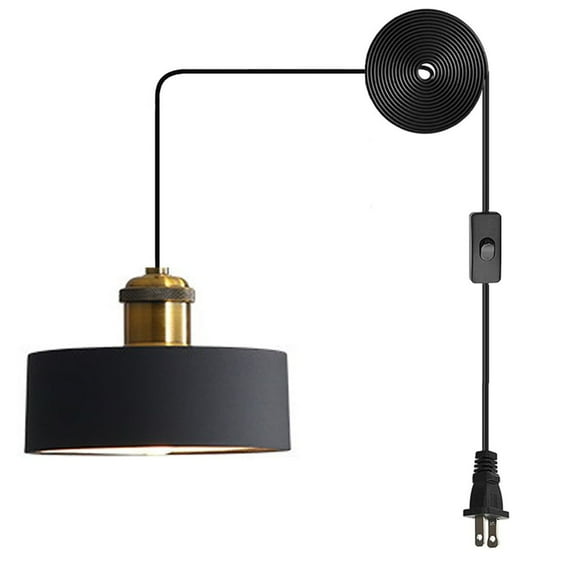


About Ceiling Lights for Dining Room - Walmart.com
You can compare ceiling lights for dining room spaces by size, hanging height, and light style before you choose a fixture. You’ll also find options for flat ceilings, sloped ceilings, and dining tables that need focused light.
Because this category spans chandeliers, pendants, flush mounts, and semi-flush designs, you need guidance that matches your room. You’ll make a clearer choice when you compare fixture type, scale, finish direction, and light output together.
How to choose ceiling lights for dining room layouts
You should start with your table width because fixture scale changes how balanced your dining area looks. You’ll usually want a fixture about 12 inches narrower than your table width.
If your room feels compact, you may prefer a small dining room light with a tighter profile. You can keep sightlines open with flush mount or semi-flush mount designs above smaller tables.
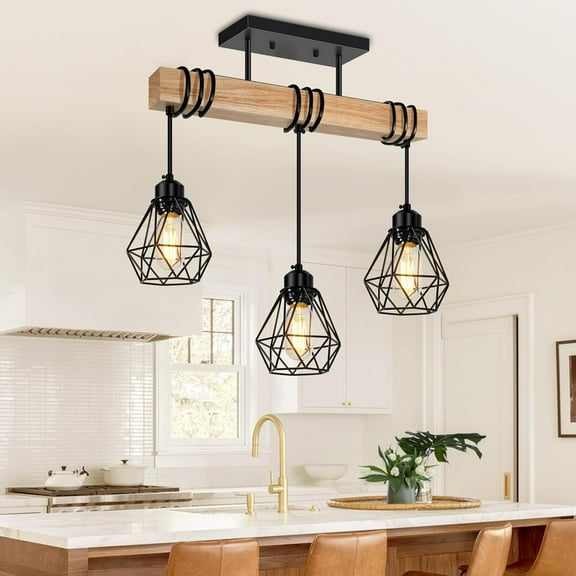
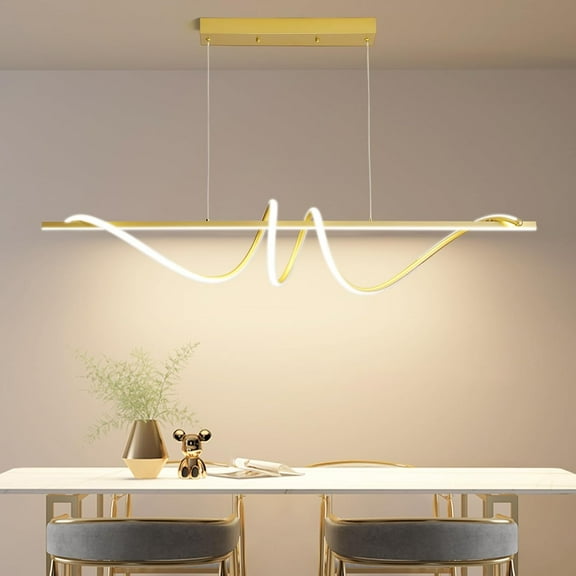
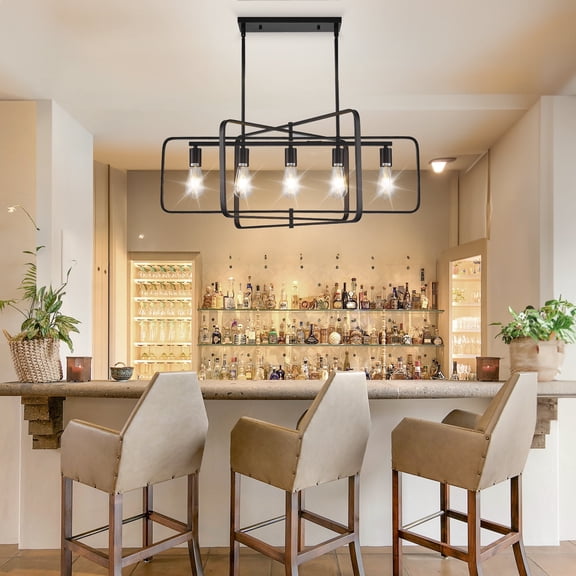
For longer tables, you may want large or multi-light fixtures that spread light across more seats. You’ll often see linear chandeliers or grouped pendants used over rectangular dining tables.
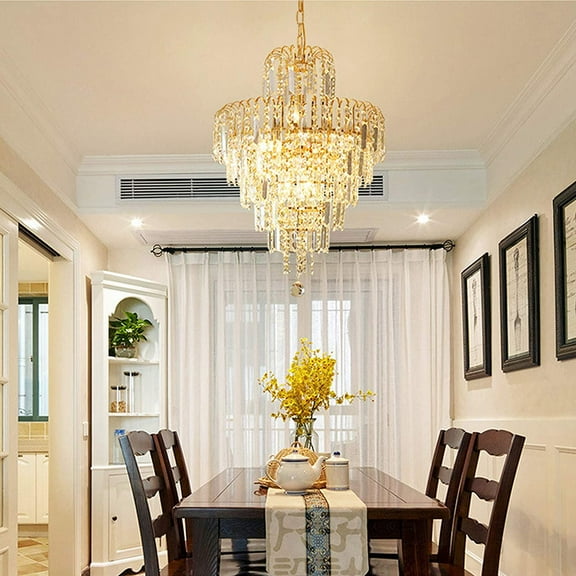
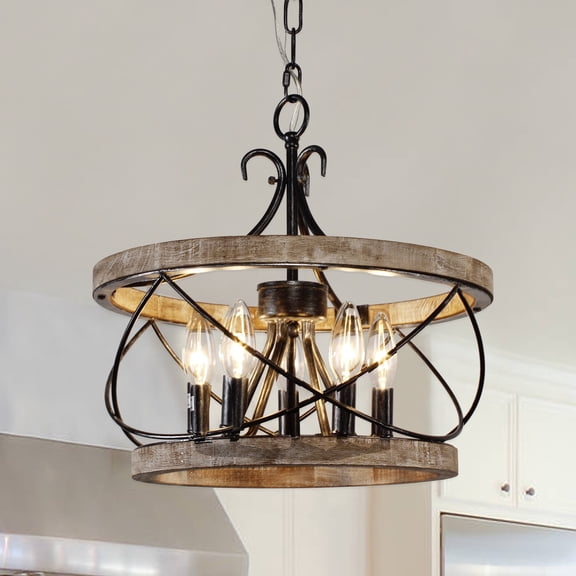
- You can use chandeliers when you want a central focal point above the table.
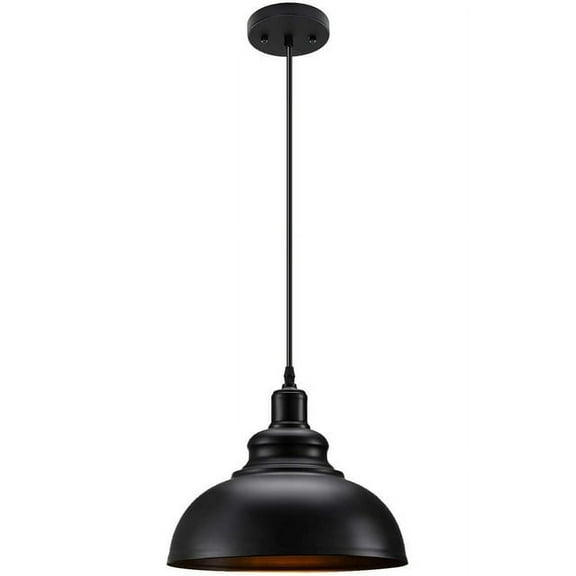
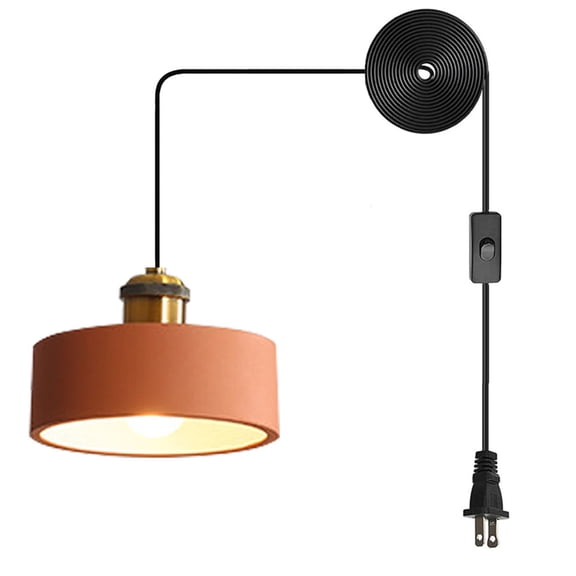
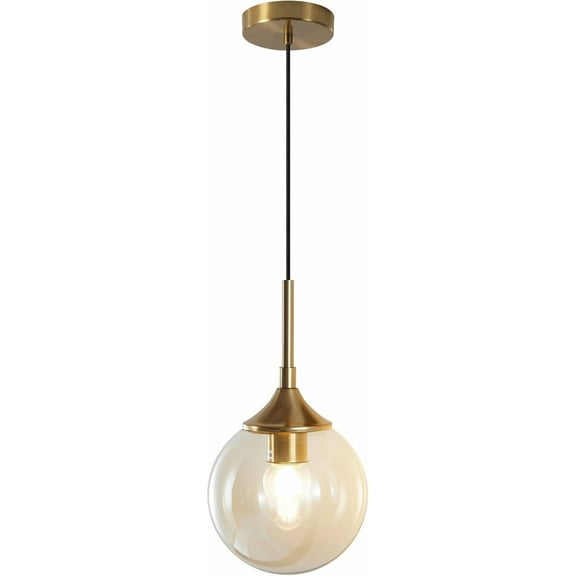
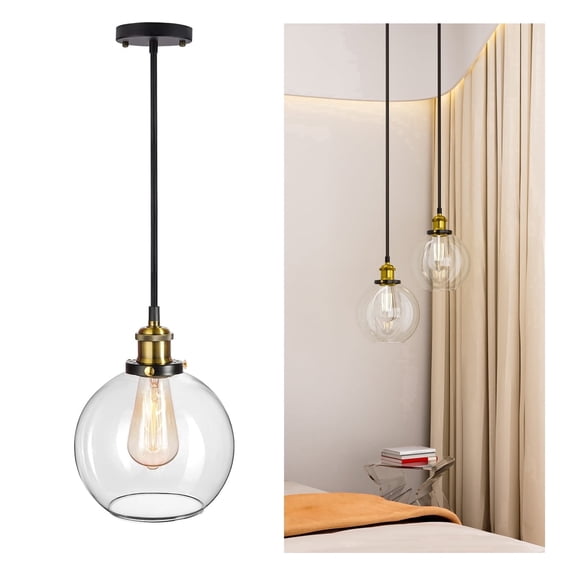
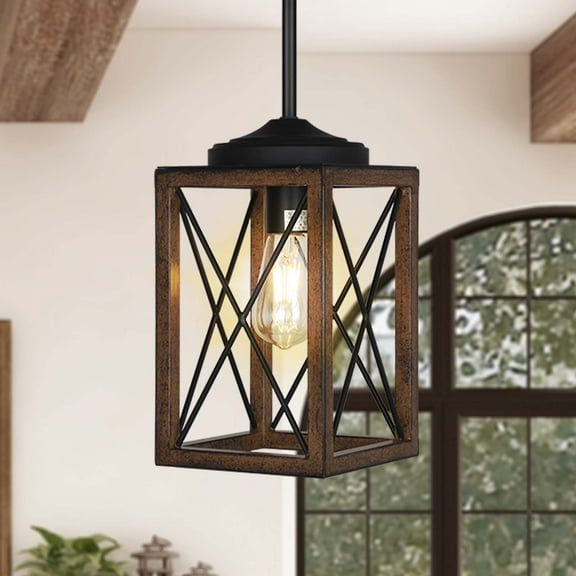
- You can choose pendants when you want directed light and visible hanging height.
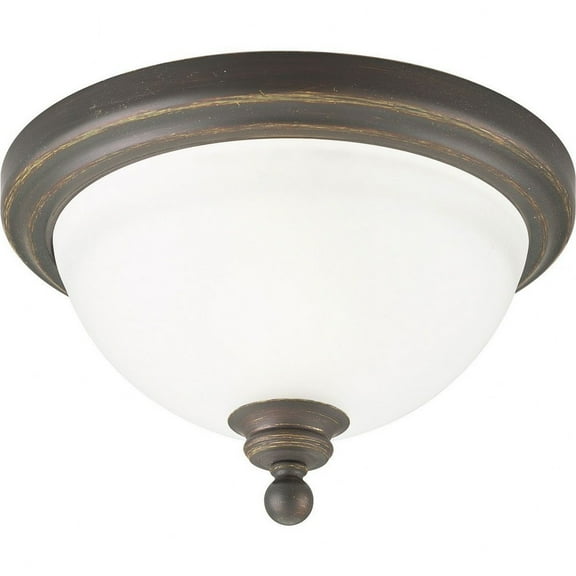
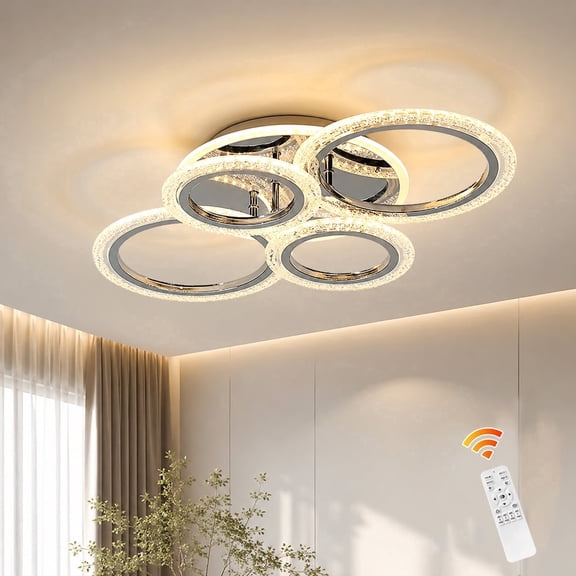
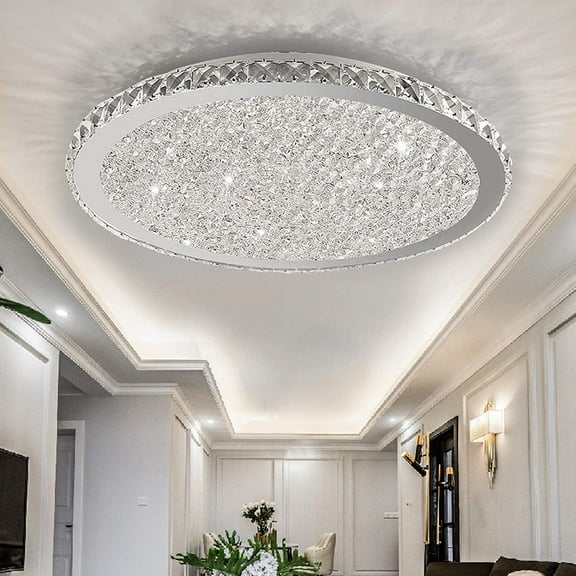
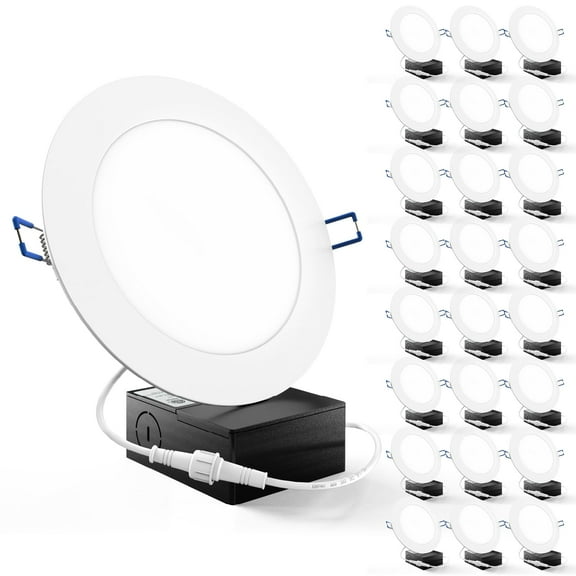
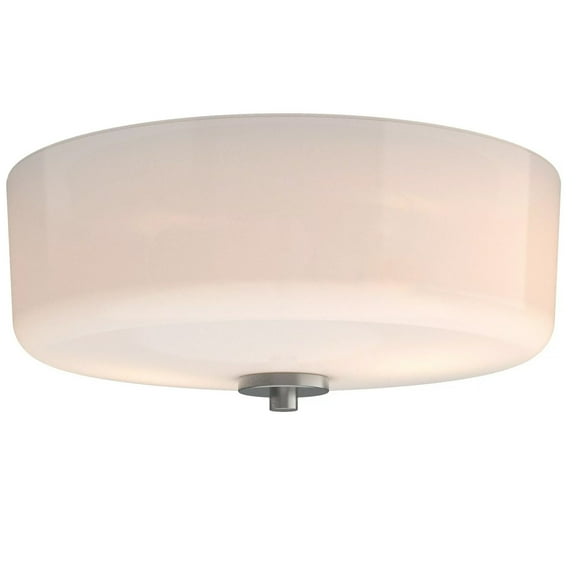
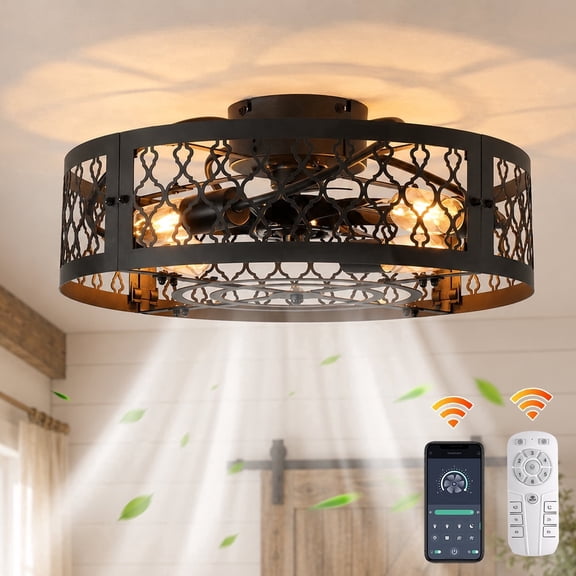
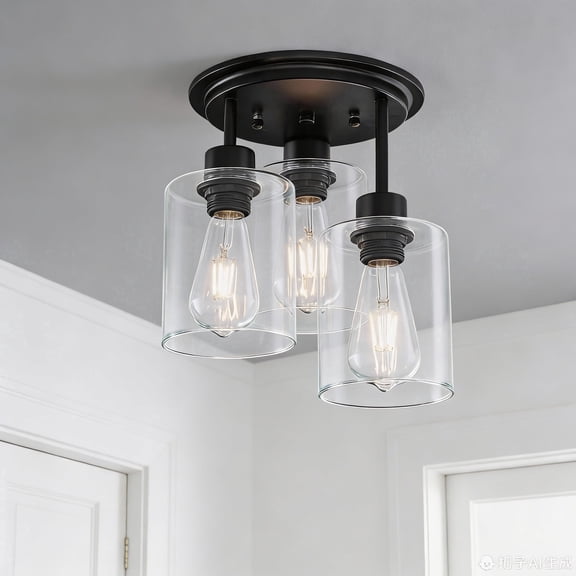
- You can pick flush mounts when your ceiling sits lower and clearance matters.
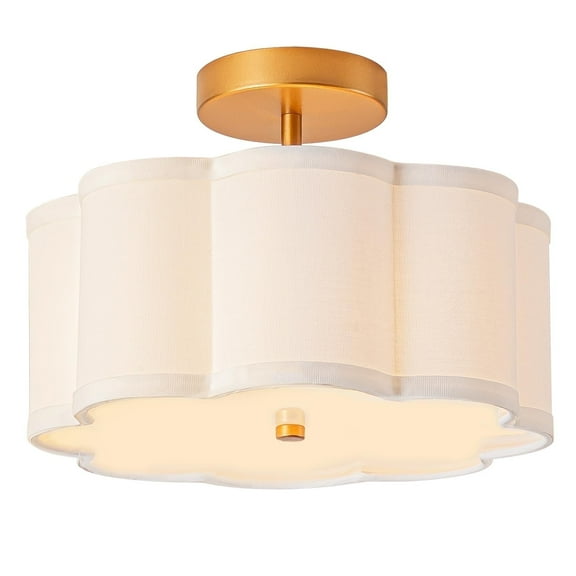
- You can consider semi-flush mounts when you want presence without a long drop.
Choosing fixture style and finish direction
You can narrow dining room ceiling light fixtures by matching the fixture style to your table, chairs, and hardware. You’ll often notice modern shapes pair well with clean lines and simple surfaces.
If your room has wood textures and warmer finishes, you may lean toward rustic designs with visible texture. You can also consider industrial looks when your space uses metal accents and exposed structure.
Mid-century modern fixtures can work well when you want globe shades, angled arms, or sculptural silhouettes. You’ll get a more pulled-together result when the ceiling light repeats shapes already in your dining room.
You should also compare shade direction and bulb visibility because those details affect mood and glare. You can soften the look with diffused shades or keep it open with exposed-light designs.
Comparing lighting technology and output
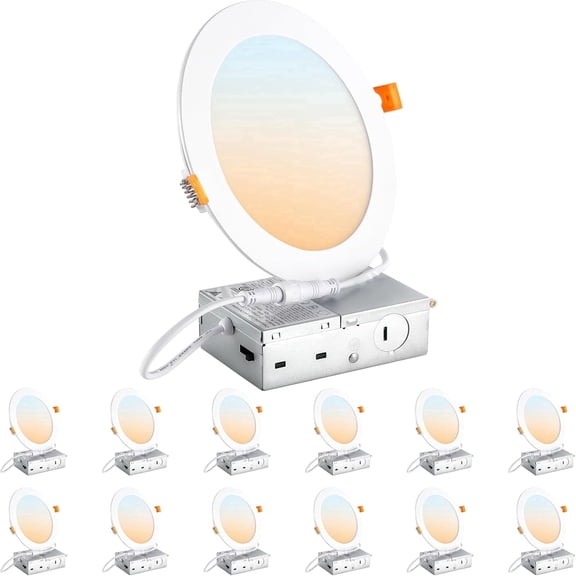
You can compare dining room led lighting with incandescent and halogen options by looking at output and maintenance needs. You’ll often prefer LED choices when you want consistent brightness and fewer bulb changes.
When you review light output, you should check lumens instead of guessing from bulb shape alone. You can use higher lumens for larger rooms and lower output for smaller, more intimate dining areas.
You should also look at color temperature in Kelvin because it changes how the room feels at dinner. You’ll usually see warmer light create a softer atmosphere, while cooler light feels crisper and brighter.
If you want flexibility from weekday meals to hosted gatherings, you should check dimmable driver compatibility. You can then pair your fixture with a compatible dimmer and adjust brightness for different moments.
Understanding hanging height and installation details
You should measure minimum and maximum hanging height before you choose a dining table ceiling lamp. You’ll want enough drop to define the table without crowding your view across the room.
Chain-hung fixtures usually give you more adjustability, which helps when your ceiling height varies. Rod stem designs can look cleaner, and you may prefer them when you want a more tailored line.
If your home has a sloped ceiling, you should check whether the fixture supports angled installation. You’ll avoid guesswork when you confirm ceiling compatibility before narrowing styles.
You should also review junction box weight capacity when you compare larger chandeliers or multi-light pieces. You can use that detail to understand whether your chosen fixture suits the ceiling support already in place.
Matching fixture types to real dining room use
You can use a chandelier over a round table when you want centered light and a clear focal point. You’ll often like this setup in formal dining rooms where symmetry shapes the whole space.
If your table is long and narrow, you may prefer a ceiling light dining table setup with multiple pendants. You can spread light evenly across place settings without leaving the table ends dim.
For everyday family dining, you may want dining room ceiling lamps with dimming control and easy-clean surfaces. You’ll appreciate that flexibility when the same room handles homework, meals, and evening gatherings.
In apartments or breakfast nooks, you may need dining room lights ceiling options with less drop and more clearance. You can keep the room feeling open with flush or semi-flush fixtures that still anchor the table.
If your style shifts over time, you should focus on scale and light quality before decorative details. You’ll get longer-lasting satisfaction when the fixture fits your table, ceiling, and daily routine first.
You can choose with confidence when your fixture width, hanging height, and dimming setup all match your space. You’ll end up with light that flatters your table and makes every meal setting feel intentional.