

Dining Room Lighting in Shop Lighting by Room


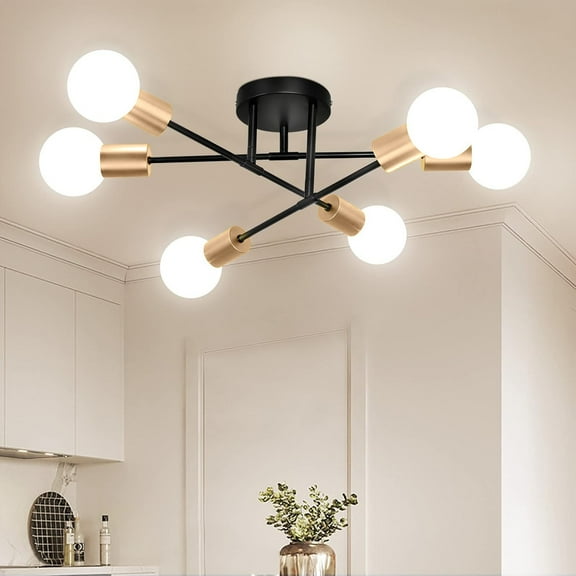
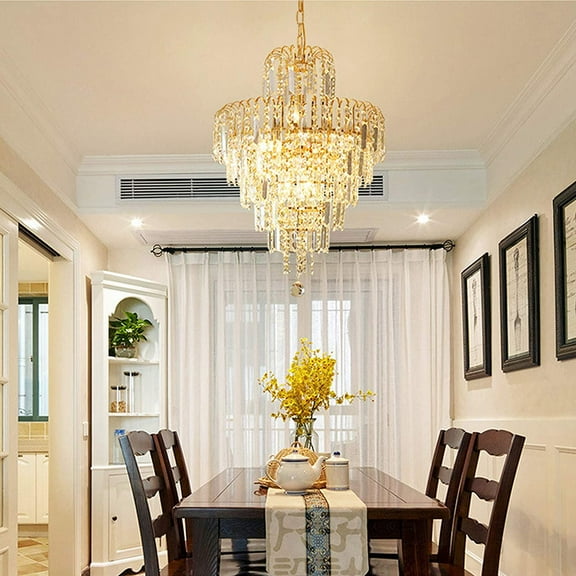

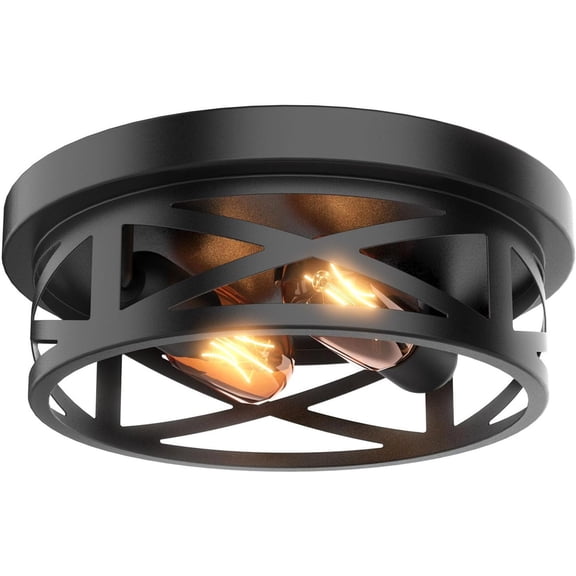


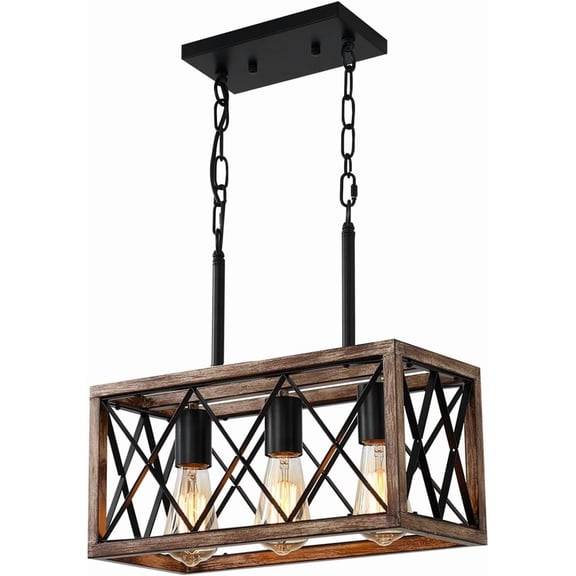

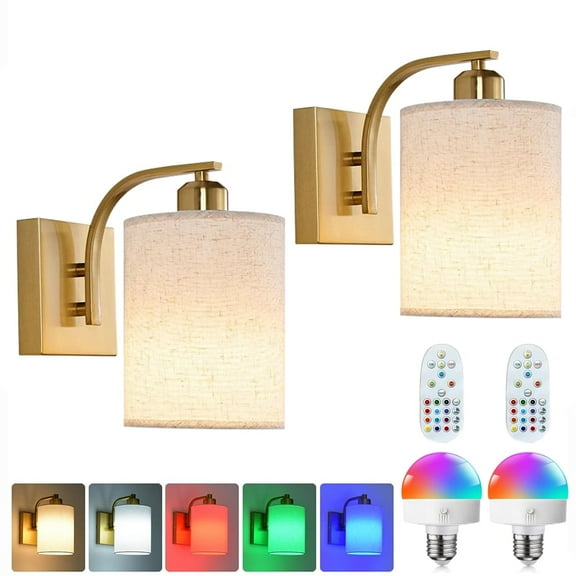


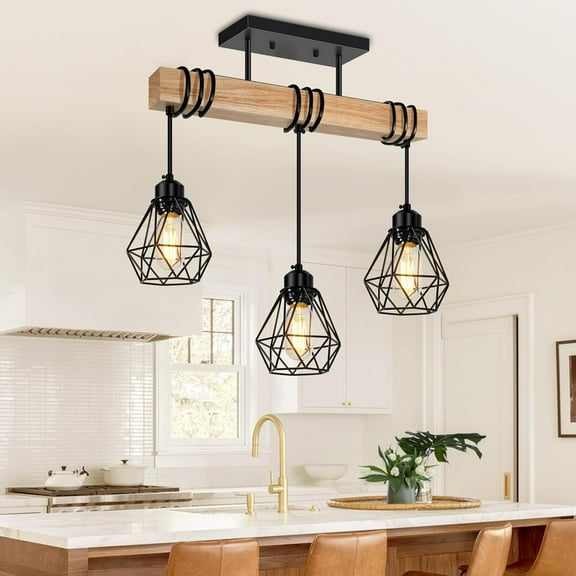
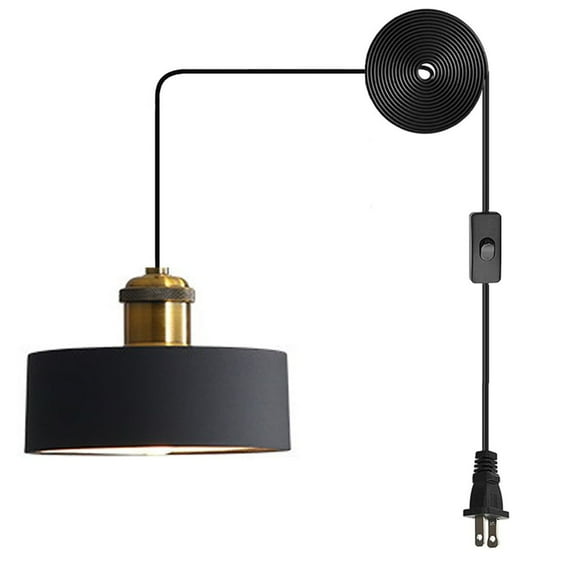
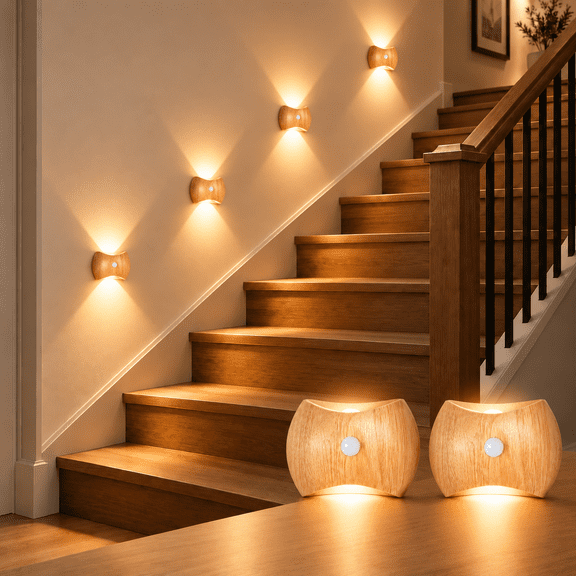




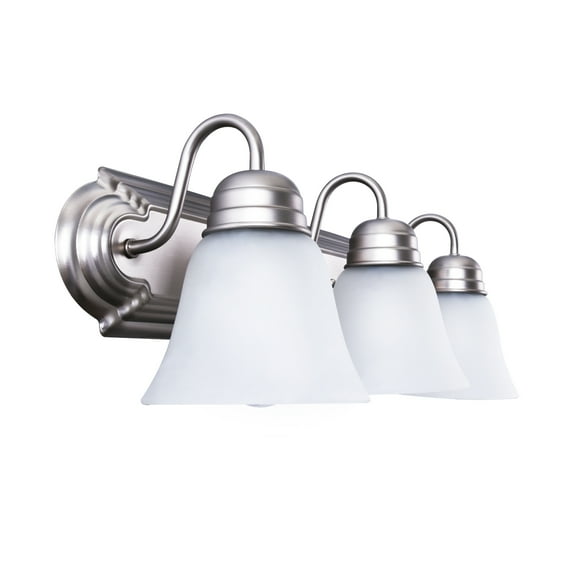
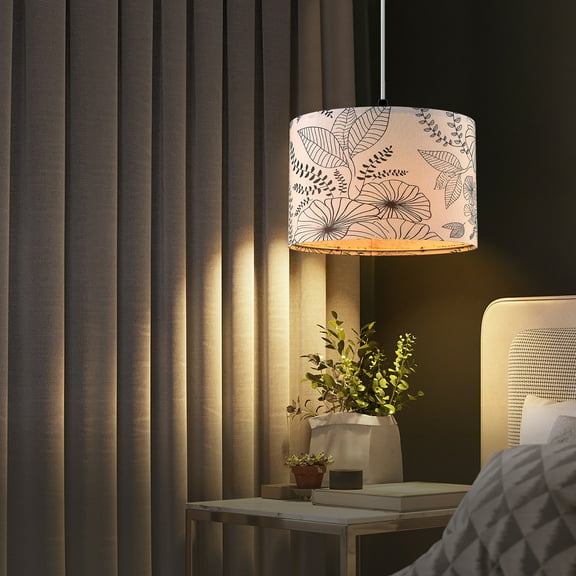
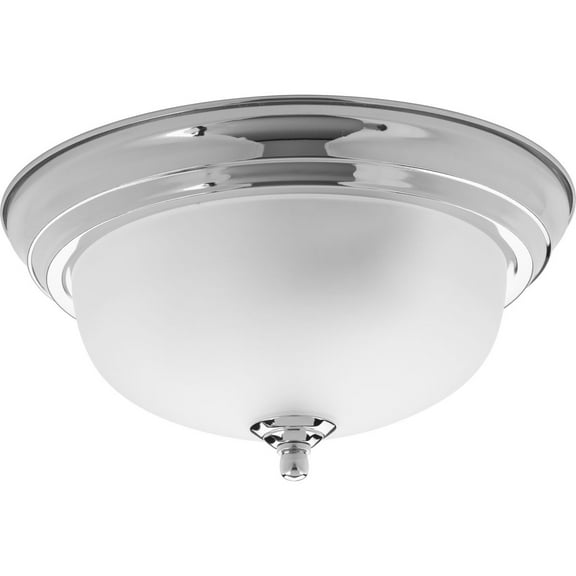
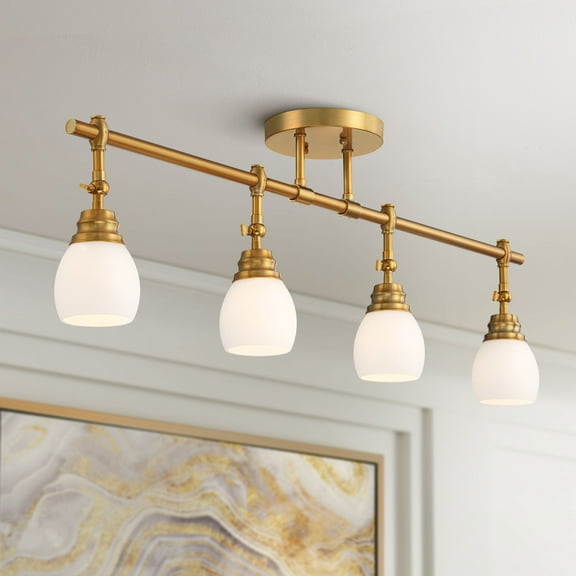






About Dining Room Lighting in Shop Lighting by Room - Walmart.com
You can narrow dining room light fixtures faster when you compare mount type, hanging height, and dimming options for your space. You also get a clearer path to the right look when you match fixture scale to your table and ceiling height.
If you're updating a formal room or a breakfast nook, you can use these choices to avoid glare and awkward spacing. You can also compare low-profile ceiling styles and adjustable hanging designs with more confidence.
How to choose dining room light fixtures
You should start with where your fixture will sit, because placement changes the shape and height you may need. You can choose over table placement, center ceiling lighting, or a flush mount over sink light nearby.
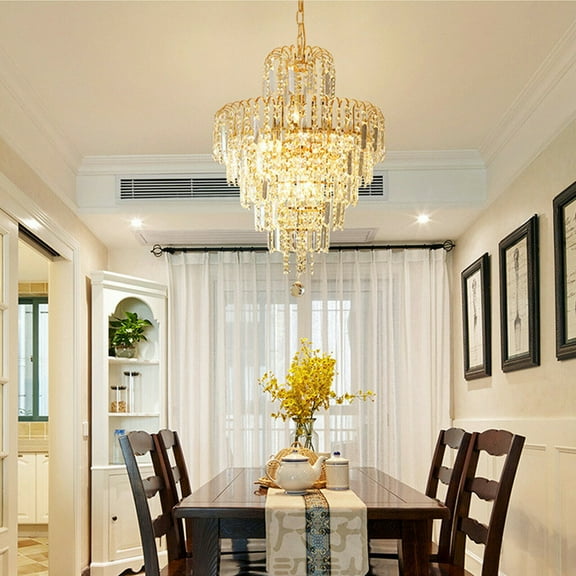
When you center a fixture above a table, you should measure the table width before you compare diameters. You can use a fixture about one-half to two-thirds of your table width.
If you're hanging a pendant or semi-flush design over a table, you should check clearance first. You should aim for about 30 to 36 inches above the tabletop.
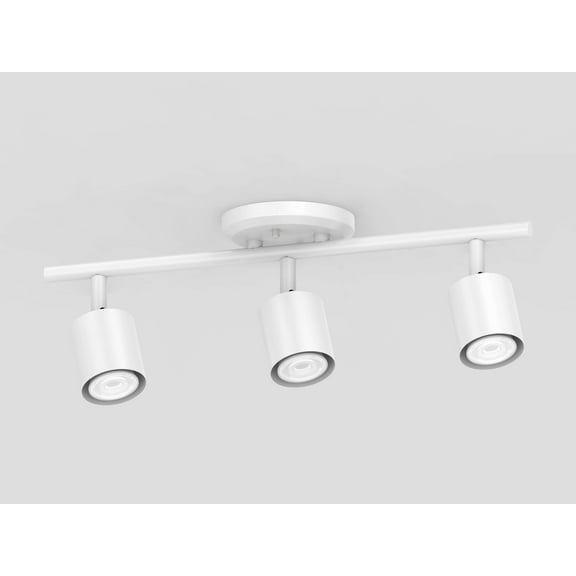
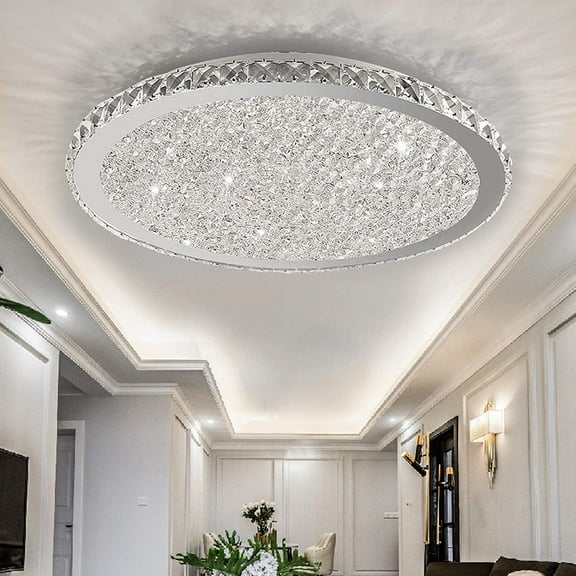
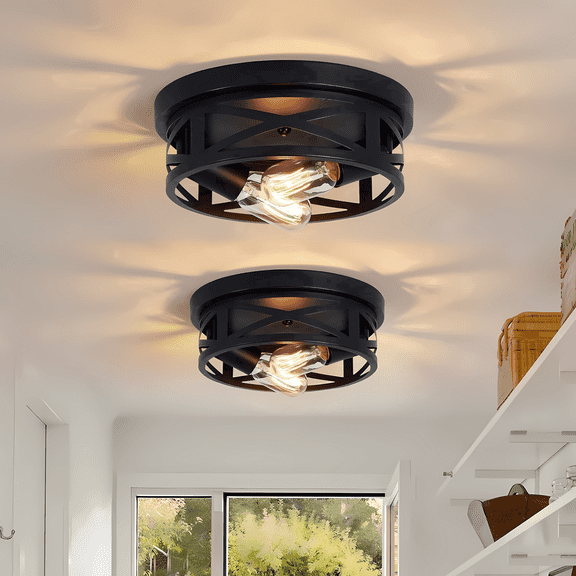
- You can use flush mount styles when your ceiling is lower or your room feels compact.
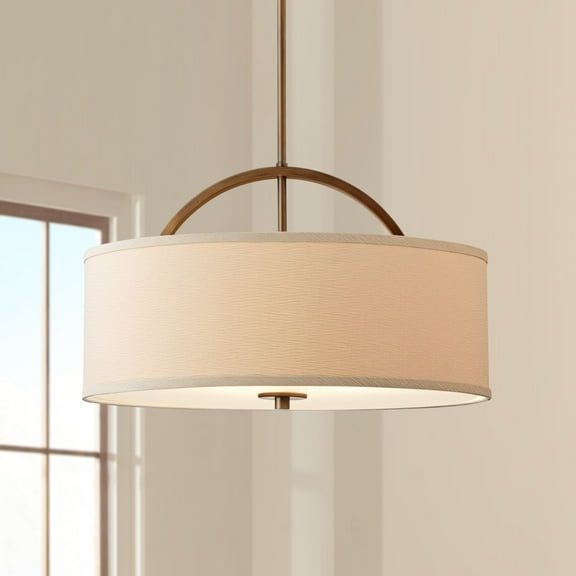
- You can choose semi-flush mount designs when you want a little drop without crowding the room.
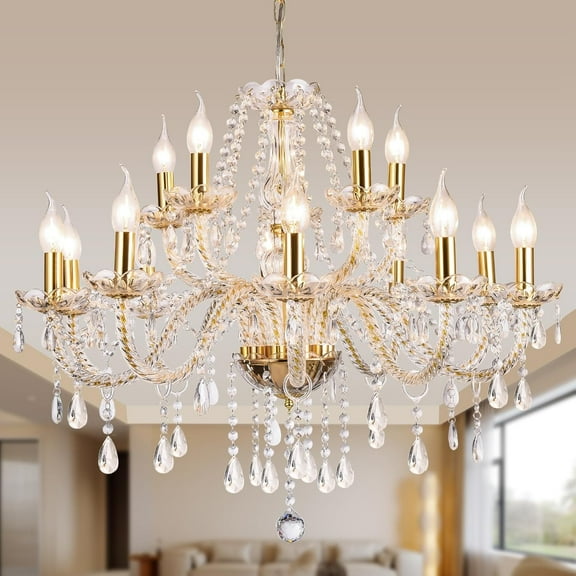
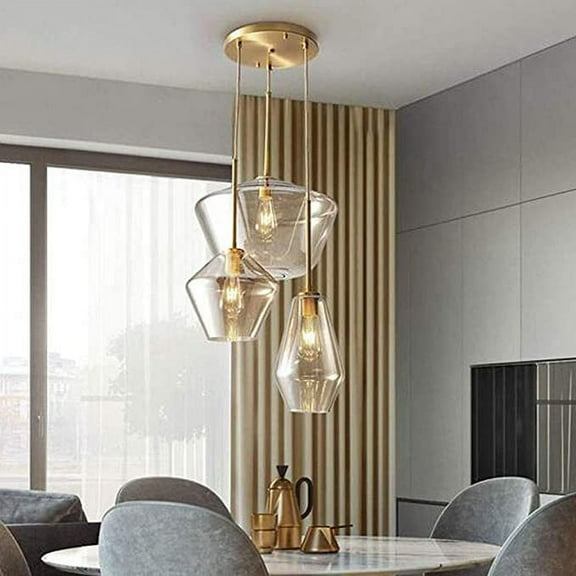
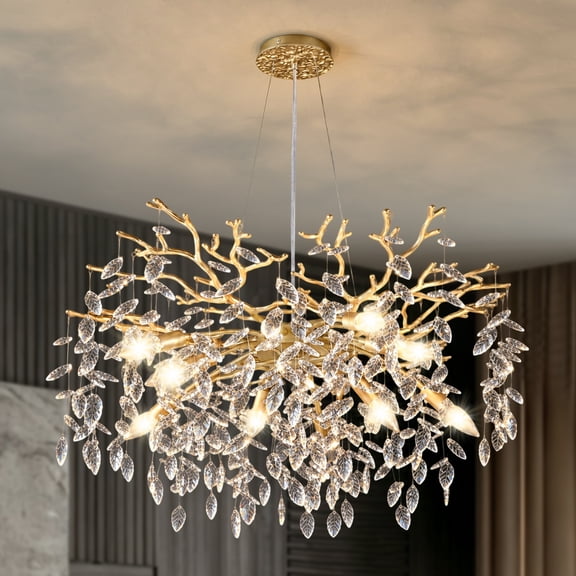
- You can consider pendant options when your ceiling is taller and your table needs visual focus.
- You can compare dimmable lighting when your room shifts from homework to dinner and hosting.
Choosing mount type and profile height
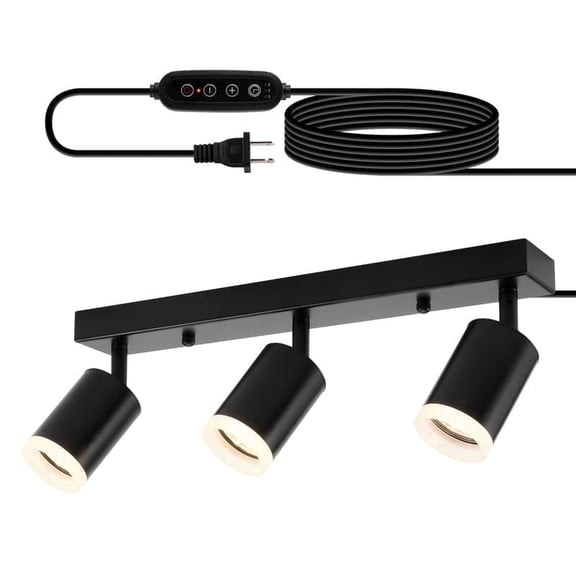
You should compare flush mount, semi-flush mount, ceiling hugger, and pendant styles as separate solutions. You can match each one to ceiling height, sightlines, and how open you want the room to feel.
If your chairs sit close to walkways, you may prefer ceiling hugger lights or another low profile design. You can keep the fixture flush to ceiling while maintaining a clean view across the room.
When you want more presence without a long drop, you can look at semi-flush mount options. You can get a little depth below the ceiling while keeping comfortable head clearance.
If your dining room lights ceiling area feels wide or tall, you can use pendants to define the table zone. You can also choose adjustable hanging lengths for better alignment over rectangular tables.
What to look for in lighting technology
You should compare LED, incandescent, and dimmable options by how you use the room each day. You can choose dining room led lighting when you want integrated brightness and a clean ceiling look.
If dimming matters, you should check whether the fixture supports your switch type before installation. You can look for ELV or Triac dimming details when you want smoother control.
You should also compare lumen output, because brightness can feel very different from one fixture to another. You can use higher lumens for larger rooms and softer output for intimate meals.
When you want one room to handle dinner, projects, and entertaining, you can prioritize dimmable fixtures. You can shift from bright task lighting to a softer evening mood with one setup.
Checking scale, placement, and ceiling fit
You should measure ceiling height and table position before you choose a dining area light fixture. You can avoid a cramped look when you match the fixture diameter to the table below.
If your fixture sits over the table, you should keep it centered with the table, not the whole room. You can create a more balanced layout, especially in open dining spaces.
When your ceiling is flat, you can install many common styles with fewer visual adjustments. If your ceiling slopes, you should check whether the canopy or hanging hardware can adapt.
You may also want a dinner room light that works beyond the table area in eat-in kitchens. You can use flush mount over sink light styles nearby to keep the overall look coordinated.
Using dining room lighting in real spaces
If your room is small, you can pair a flush mount fixture with dimmable light control. You can keep the ceiling open while still getting enough brightness for daily meals.
When your table is long, you can choose an adjustable hanging pendant or a wider semi-flush design. You can spread light more evenly across place settings and serving dishes.
If your room doubles as a workspace, you should look for stronger lumen output and reliable dimming compatibility. You can brighten puzzles, schoolwork, and crafts, then lower the light for dinner.
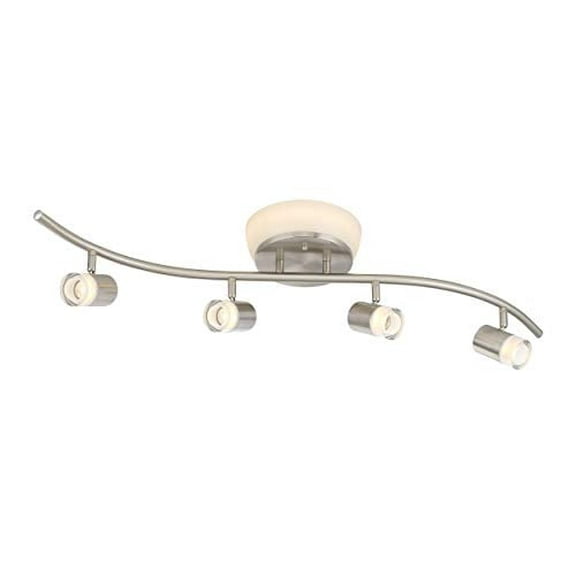
For open layouts, you can coordinate dinner lights with nearby kitchen or entry ceiling fixtures. You can keep finishes, mount profiles, and bulb technology visually consistent from zone to zone.
When your home has lower ceilings, you can focus on flush mount or ceiling hugger options first. You can maintain comfortable clearance while still framing the dining table as the room's focal point.
You can feel more confident once you've matched mount type, scale, and dimming to your room's layout. You also end up with lighting that fits your table, supports your routine, and looks balanced every day.