


Find auto parts that fit
Let’s search for parts that fit your vehicle.Dual Action DA Polishing Pads & Pad Polishers








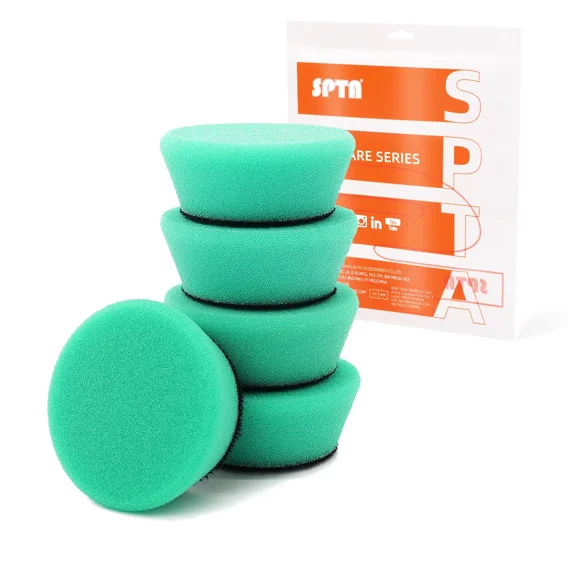


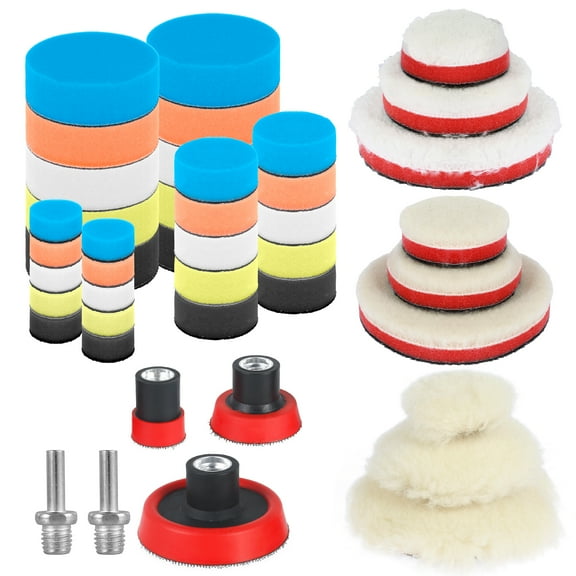

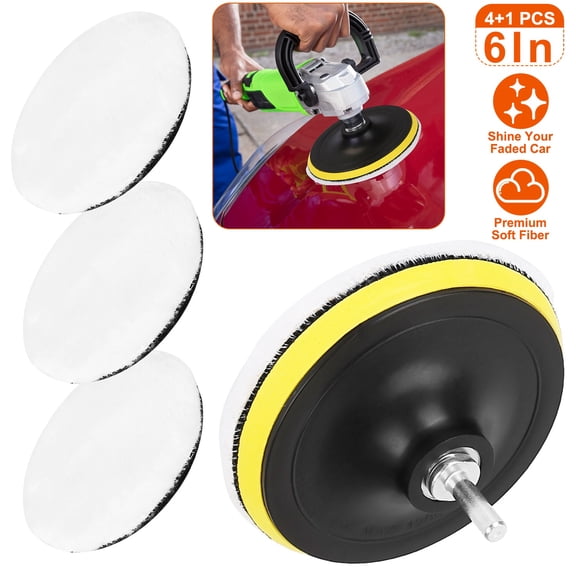
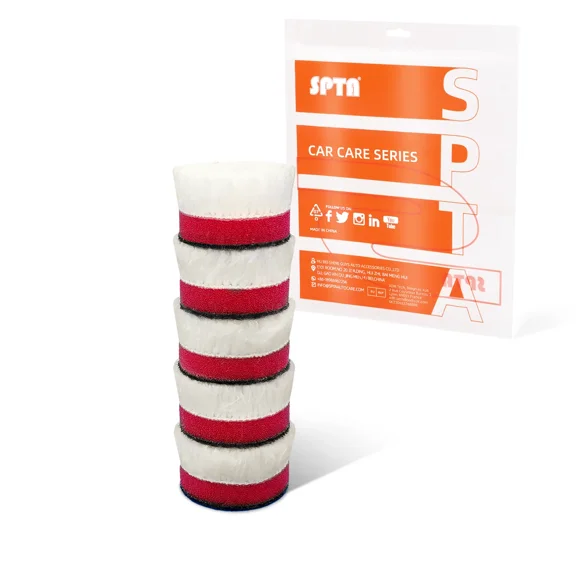




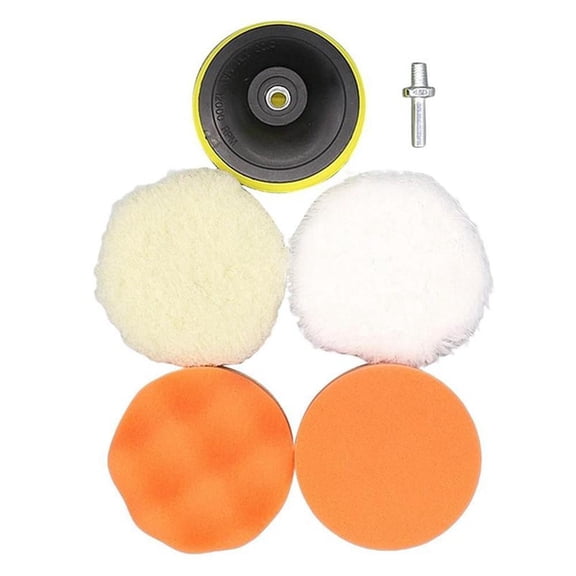
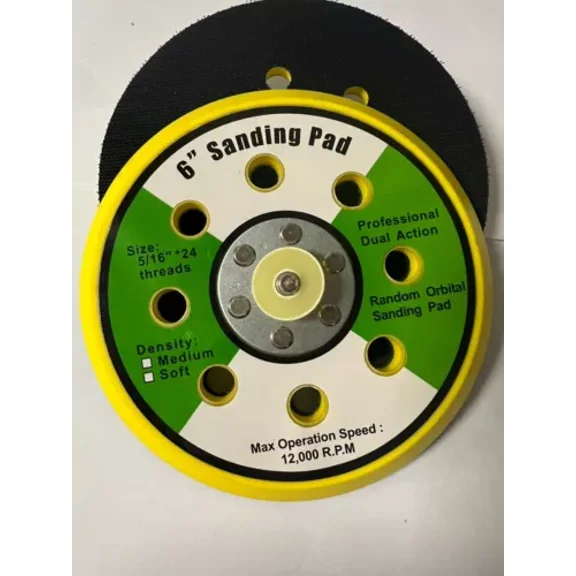


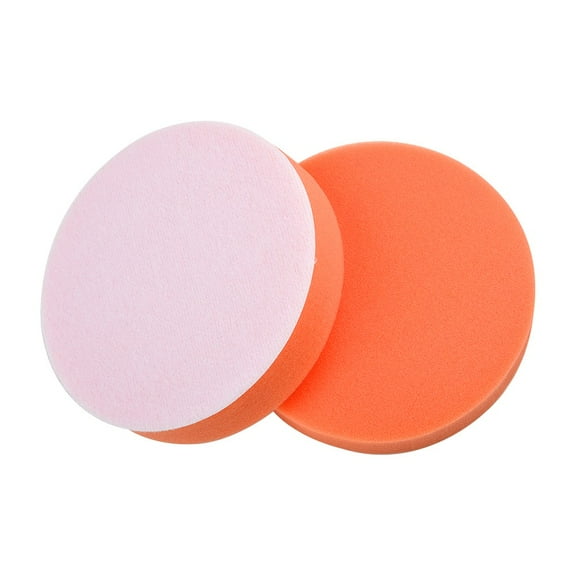

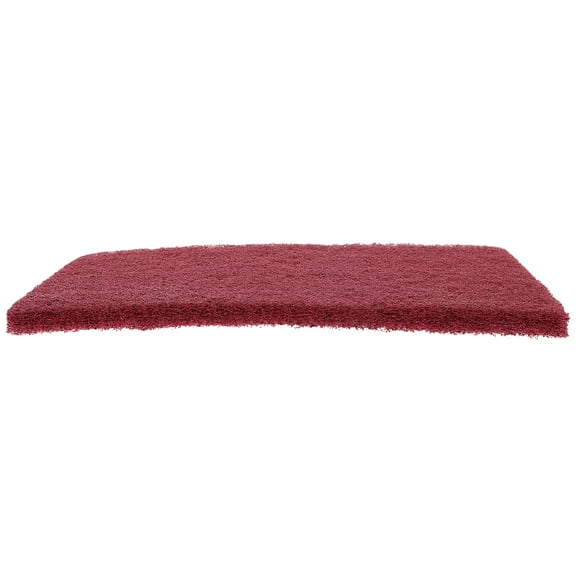


About Dual Action DA Polishing Pads & Pad Polishers - Walmart.com
You can choose the right pad polisher setup faster when you compare pad function, machine fit, material, and size. You also get clearer guidance for paint correction, gloss work, and final finishing on your vehicle.
If you're replacing worn pads or building a detailing kit, you should start with the job you want done. You can then match your DA machine, backing plate, and polish to the right pad style.
How to choose a pad polisher by function
You should match pad aggressiveness to the paint condition before you start polishing. You can use cutting pads for polisher work when your finish has stronger swirls, oxidation, or sanding marks.
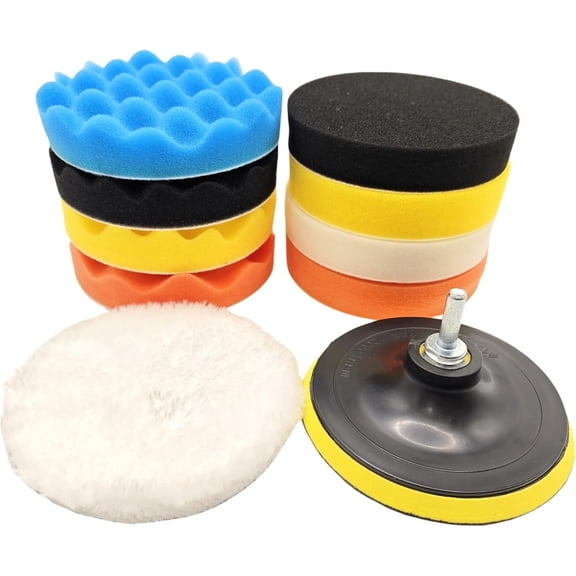
When your paint needs a refinement step, you can move to polishing pads for improved gloss and clearer reflections. If you want a final touch, you can use finishing pads to spread wax, sealant, or a final polish evenly.
You may also see buffing pads used as a broad term across several steps. You should still check whether the pad is built for cutting, polishing, finishing, or general buffing.
- You can use cutting pads when your paint needs stronger correction.
- You can use polishing pads when you want to refine haze after compounding.
- You can use finishing pads when you want a smoother final appearance.
- You can compare buffing pads by intended step, not color alone.
Choosing the right dual action polisher pad
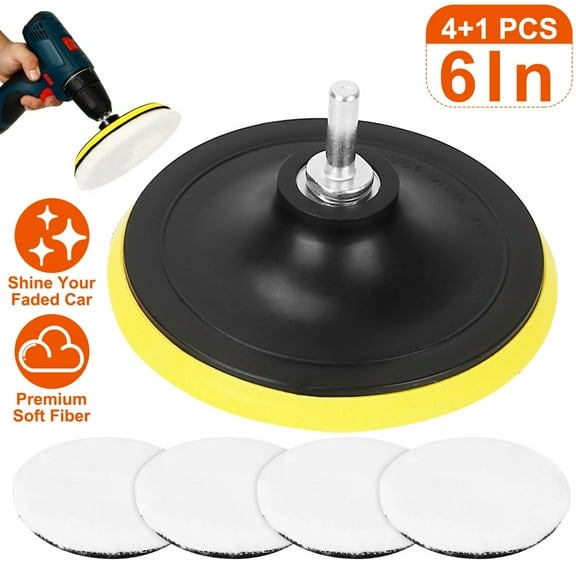
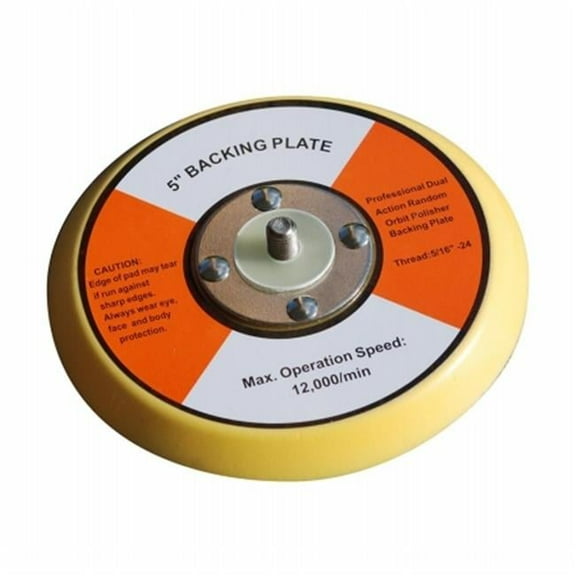
You should confirm machine compatibility before you choose any dual action polisher pad. You can check your backing plate size, spindle thread, and your tool's DA, rotary, or random orbital design.
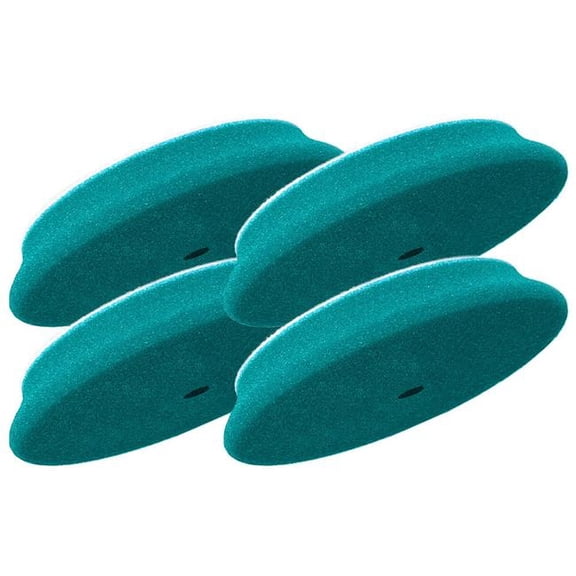
If you use a dual action machine, you should look for da polishing pads made for that motion pattern. You can get steadier contact and more even product spread when the pad matches the machine.
For rotary tools, you should check whether the pad supports direct-drive polishing. If you use a random orbital tool, you should compare pad thickness and flexibility for smoother control.
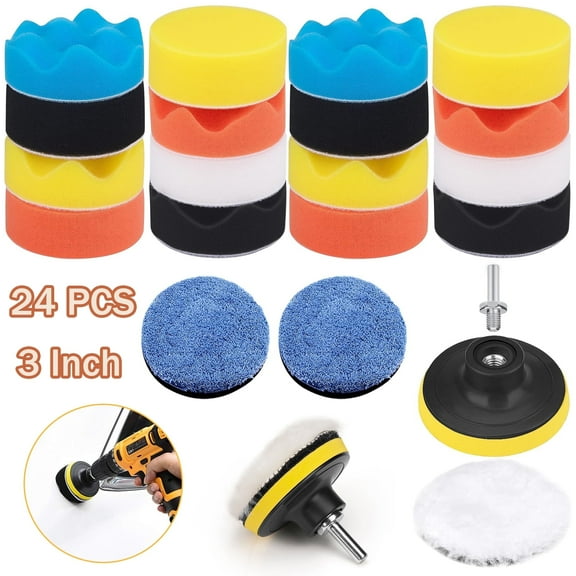
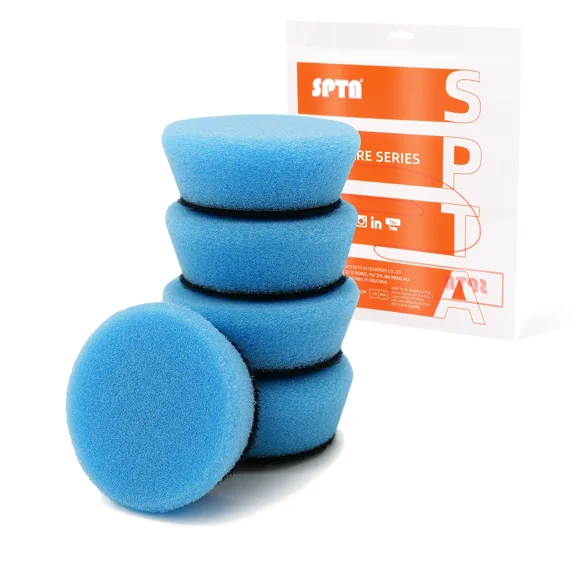
You can also compare da pads by diameter, because size changes how your machine feels in use. A 3 inch pad helps you work tighter areas, while 5 inch and 6 inch pads cover larger panels.
What to look for in pad materials
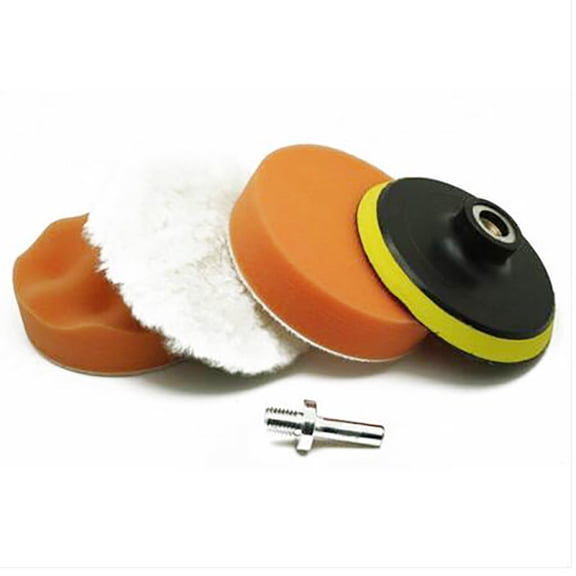
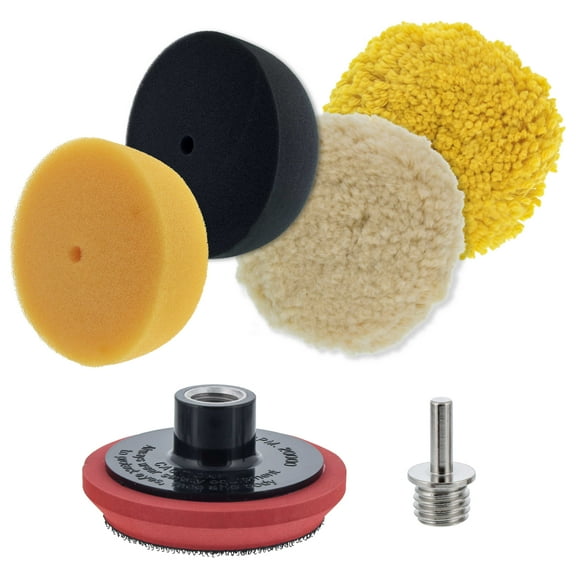
You should compare foam, microfiber, and wool by the finish you want and the pace you prefer. You can often get different cut levels and surface feel from each material type.
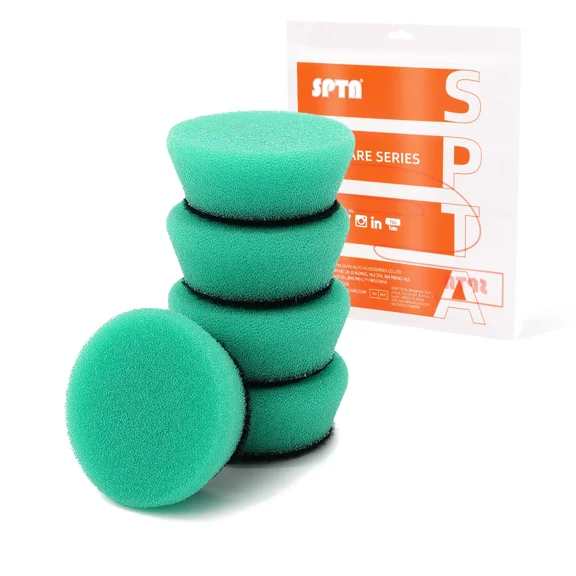
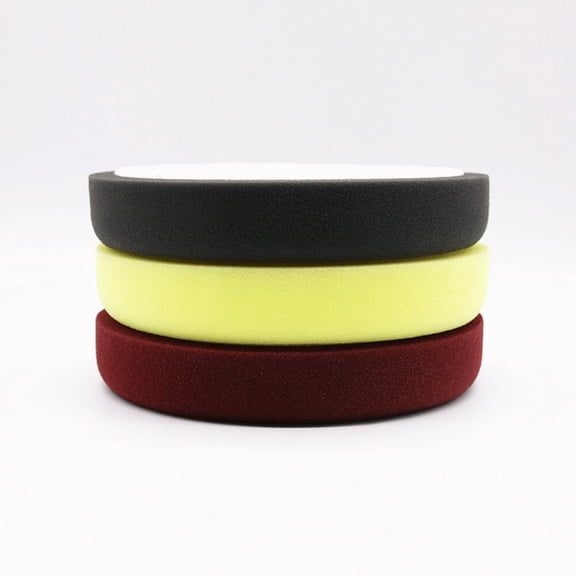
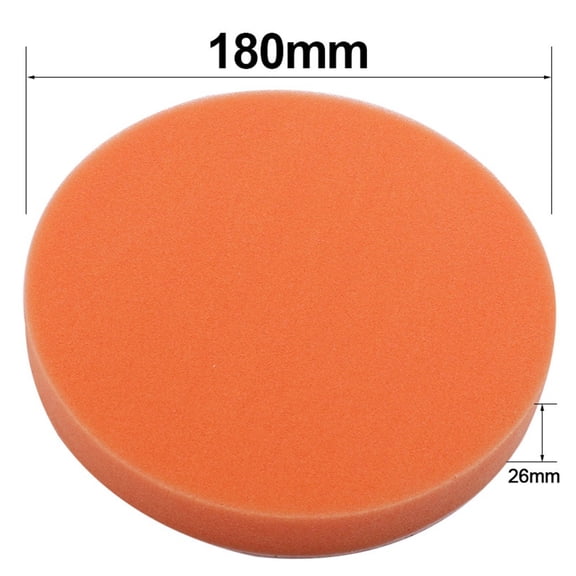
Foam pads usually give you a broad range of correction and finishing options. You can choose firmer foam for stronger cut or softer foam for final polishing steps.
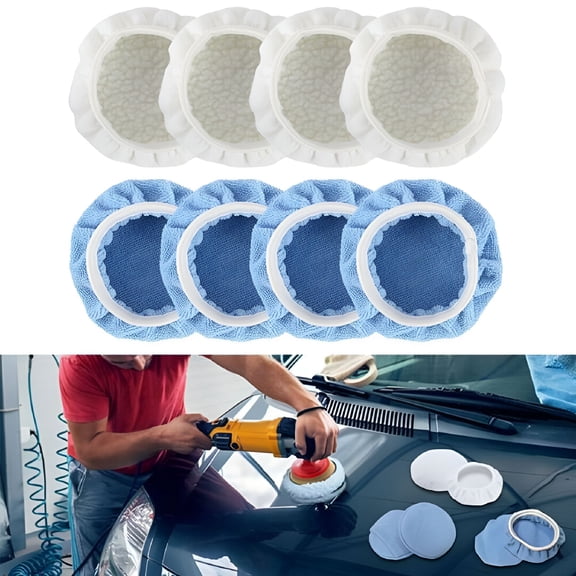
Microfiber pads can help you increase correction on harder paint systems. You should consider them when you want more bite from your compound and your dual action tool.
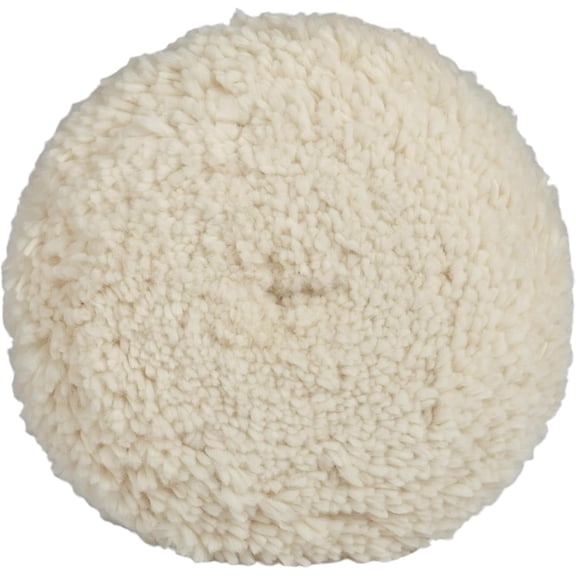
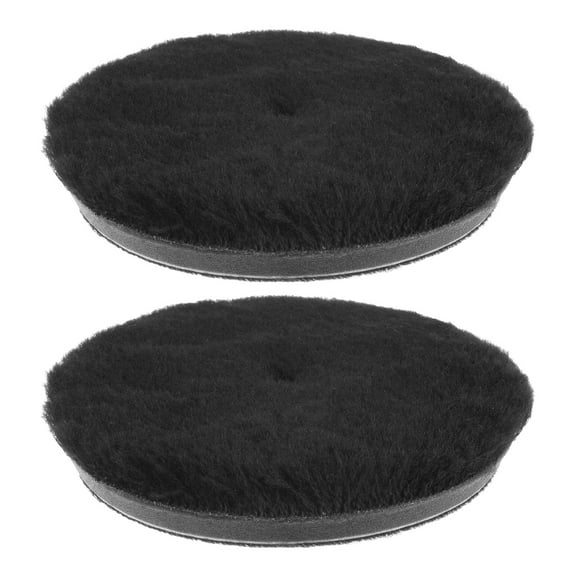
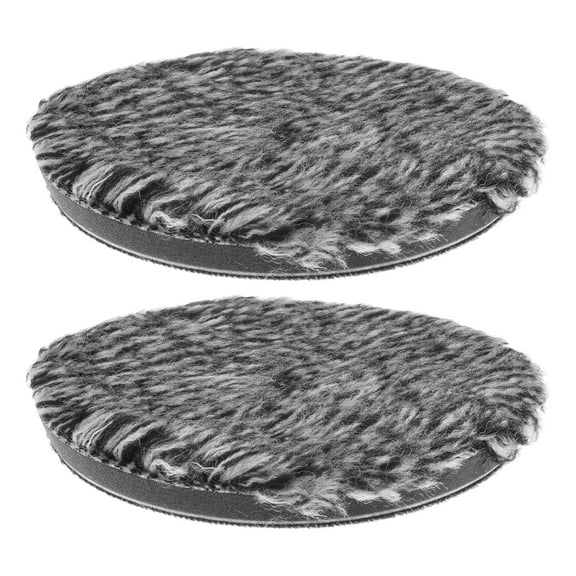
Wool pads can suit faster correction work and certain rotary or DA processes. You should check fiber length and machine fit, because those details affect control and finish quality.
You should also think about heat management during longer polishing sessions. You can compare pad construction, face design, and material density when you want steadier performance.
Comparing size, durability, and cleaning
You should measure your backing plate before you pick a polisher pad size. You can avoid poor balance and edge overhang when your pad matches the plate correctly.
Smaller pads help you reach bumpers, pillars, and curved sections with more control. Larger pads help you cover hoods, doors, and roofs with fewer passes.
You should also compare how easily your pads clean between sections and after each job. You can keep pads working consistently when you brush residue out often and wash them after use.
When you check durability, you should look at hook-and-loop attachment strength and edge construction. You can also compare pad thickness if you want a different balance of flexibility and support.
Matching DA buffing pads to real detailing jobs
If your daily driver has light swirls, you can start with a polishing foam pad and a finishing step after. You should use that combination when you want gloss without an aggressive correction approach.
When your paint shows heavier defects, you can consider cutting pads for polisher work with microfiber or firmer foam. You should then follow with a polishing pad to refine the finish.
If you work around mirrors, pillars, or tight bumper contours, you can use 3 inch da pad options. You should keep larger pads for wide panels where extra coverage matters.
For wax or sealant application, you can use softer finishing pads that spread product evenly. You should choose that setup when you want smoother coverage and less product buildup.
If you detail more than one vehicle, you should keep multiple da buffing pads for each polishing step. You can rotate clean pads during the job and maintain a more consistent finish.
You can make smarter choices when you compare function, compatibility, material, and size before you polish. Your vehicle gets a cleaner, more even finish when your pad and machine work together correctly.