

Pool Stick Tips Nearby: Replacement Pool Cue Tips






















About Pool Stick Tips Nearby: Replacement Pool Cue Tips - Walmart.com
Cue tips help you fine-tune feel, spin, and contact before every shot. You can compare hardness, material, attachment style, and diameter to match your cue and playing style.
Choosing the right cue tips
When you shop cue tips, you should start with how you play on the table. You may prefer softer contact for finesse shots, or you may want firmer response for repeated break-style hits.
Your tip choice also affects chalk grip and upkeep between games. You’ll notice the right fit can shape cleaner cue ball contact and more consistent feedback.
- You can choose soft tips when your game relies on spin and touch.
- You can pick medium tips when you want balanced feel, shape retention, and everyday versatility.
- You can select hard or extra hard tips when your shots demand a firmer hit and longer wear.
- You can compare leather, layered leather, and phenolic builds for different contact styles.
- You can match 11mm, 12mm, 13mm, or 14mm diameters to your cue ferrule.
If you replace worn tips often, you may want options that install with less bench work. If you tune several cues, you may also want to keep different hardness levels on hand.
How to compare pool cue tips by hardness
Hardness is one of the biggest decisions you’ll make with pool cue tips. You should consider how much spin you try to create and how often you want to reshape the tip.
Soft tips usually compress more at contact, so you may feel more grip on finesse shots. You’ll often need more shaping and upkeep to keep that rounded playing surface.
Medium tips give you a middle ground for league nights and casual practice. You can get a blend of control, hold, and durability without leaning too far either way.
Hard tips and extra hard tips keep their shape longer through repeated use. You may prefer that firmer response when you like a crisp hit and less frequent maintenance.
What to look for in billiard cue tips materials
Material changes how your tip feels, holds chalk, and wears over time. You should compare leather cue tips, layered leather builds, and phenolic options with your usual shot style.
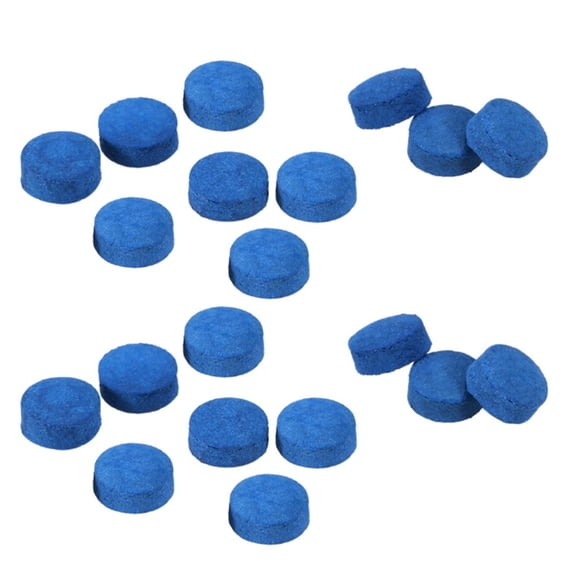
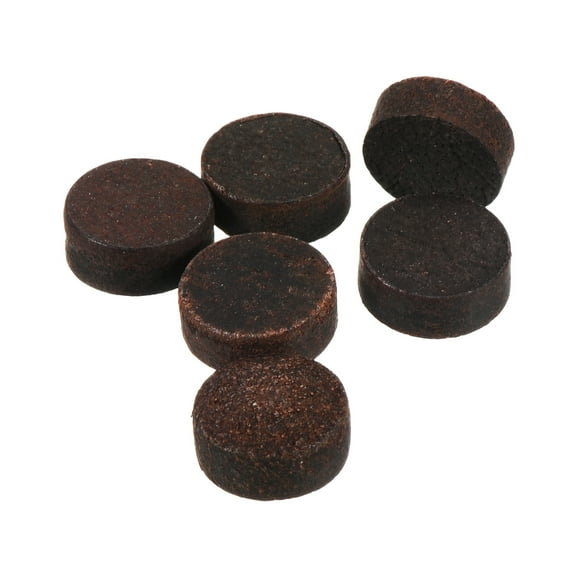
Leather cue tips give you a traditional feel that many players use for everyday play. You’ll usually notice solid chalk retention and a contact feel that works across many shot types.
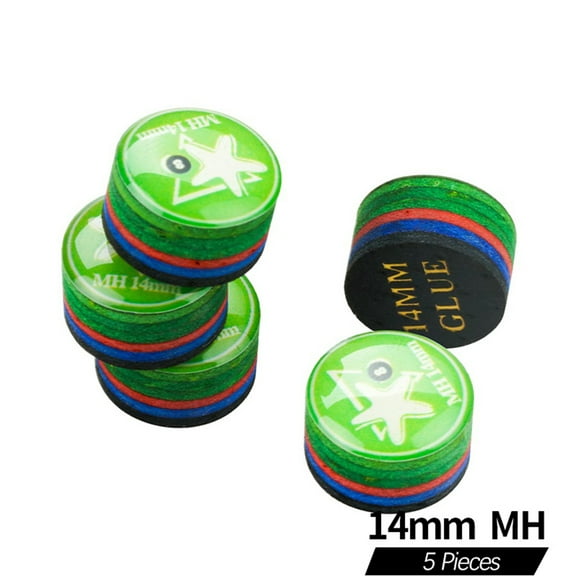
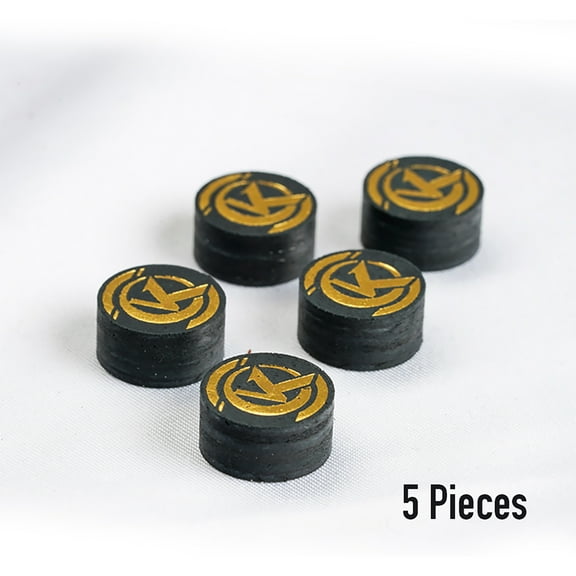
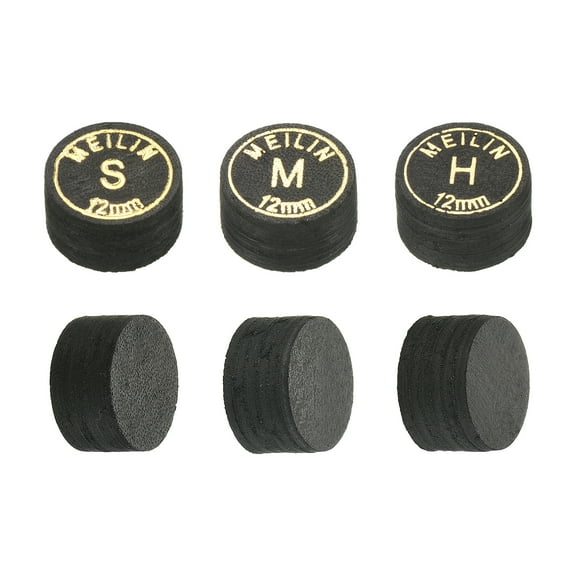
Layered leather tips stack multiple leather layers for a more structured build. You may like that construction when you want consistent shape and a more controlled response over time.
Phenolic tips feel firmer and are often chosen for specialized power-focused use. You should check your cue setup and playing preference before choosing that harder contact style.
Choosing between screw on cue tips, glue-on, and slip-on
Attachment type matters because you want a replacement method that fits your tools and routine. You can compare screw on cue tips, glue-on tips, and slip-on cue tips by setup time and fit.
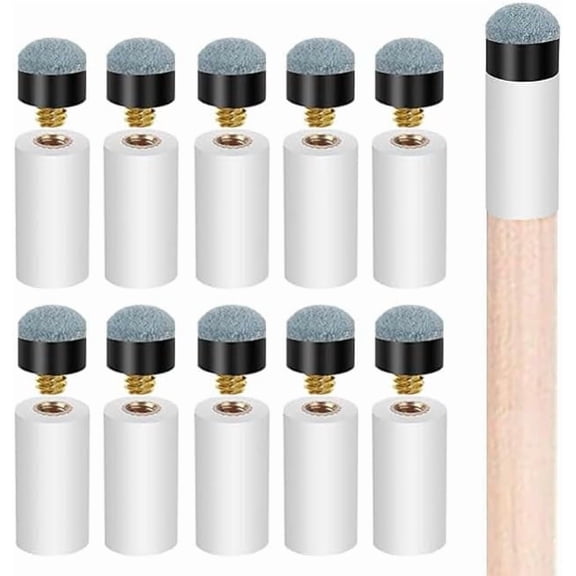
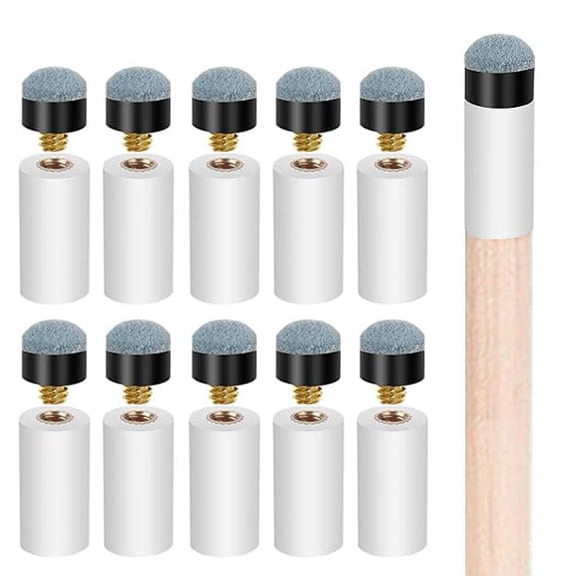
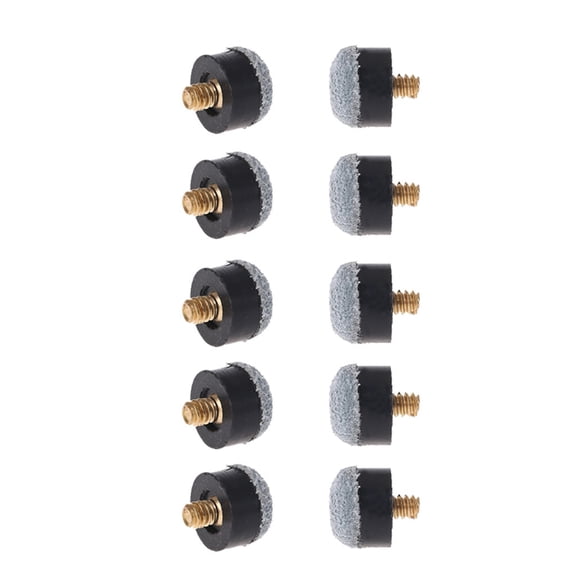
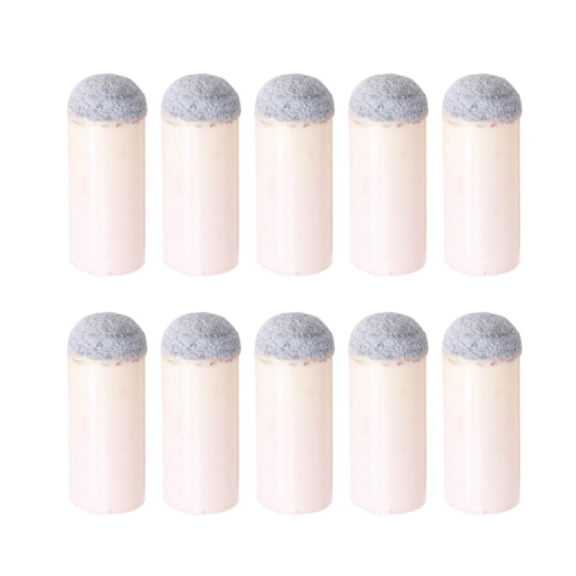
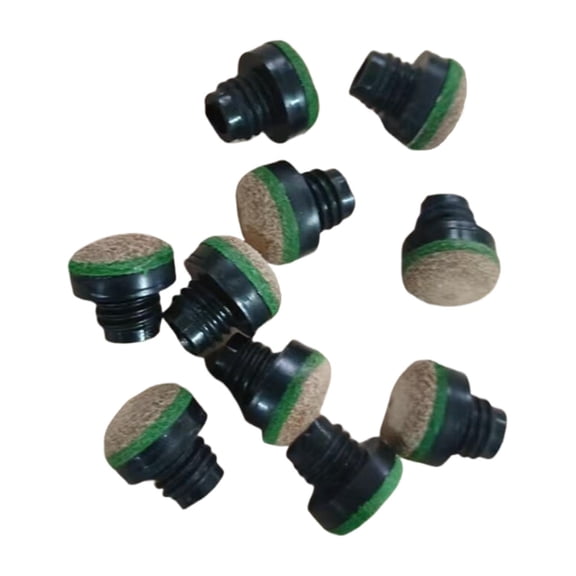
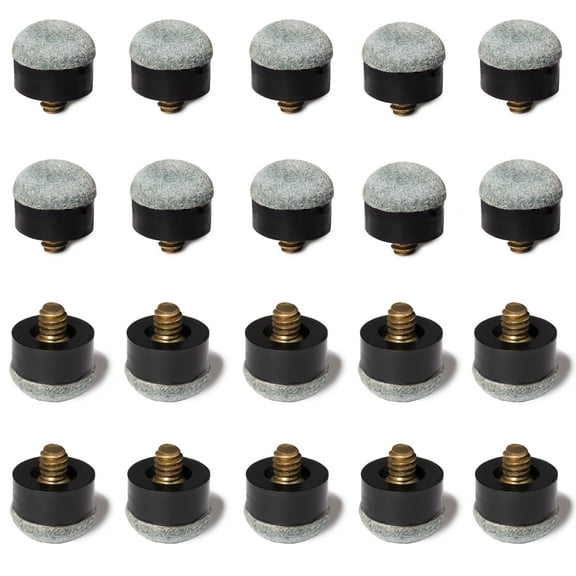
Screw-on styles can be practical when you want a straightforward swap. You may like them for quick replacements on compatible cue ends without extra adhesive steps.
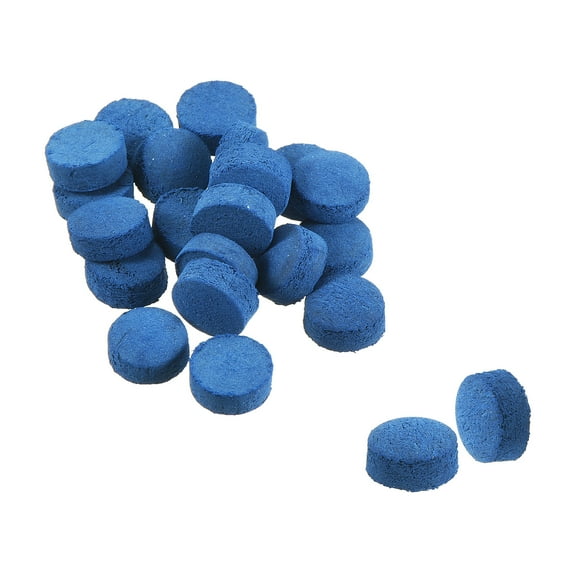
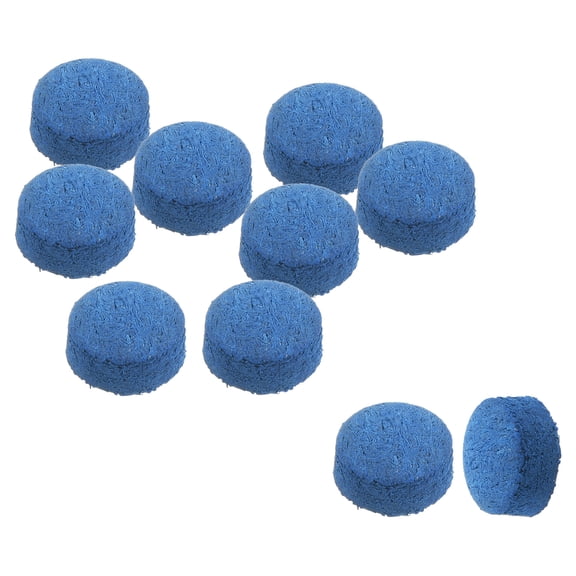
Glue-on tips can give you a more custom approach when you want to shape and fit carefully. You should check compatibility and diameter closely, since a clean match supports even contact.
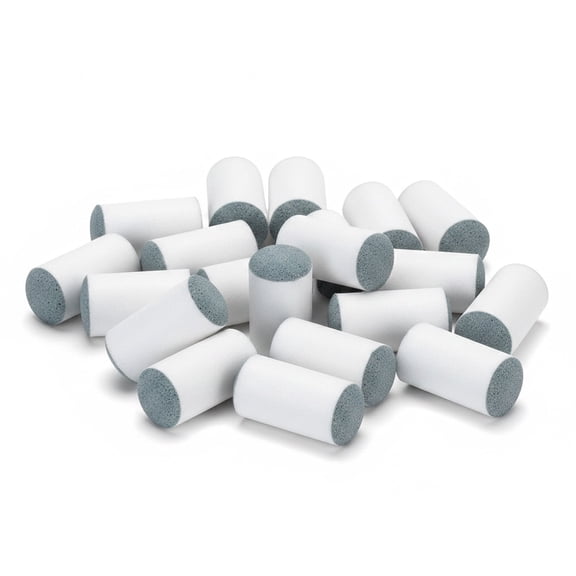
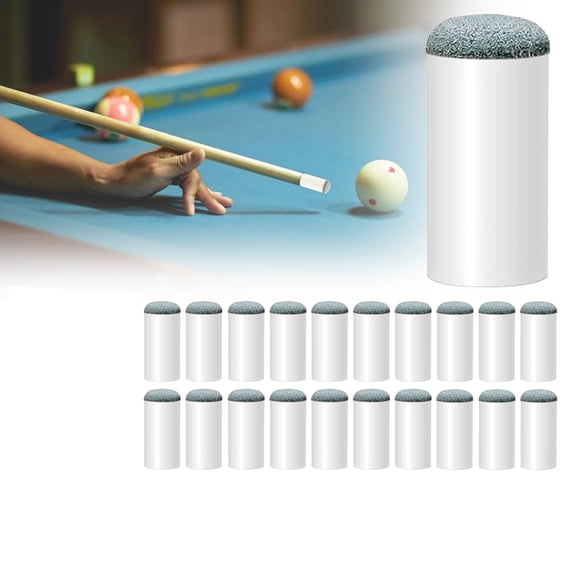
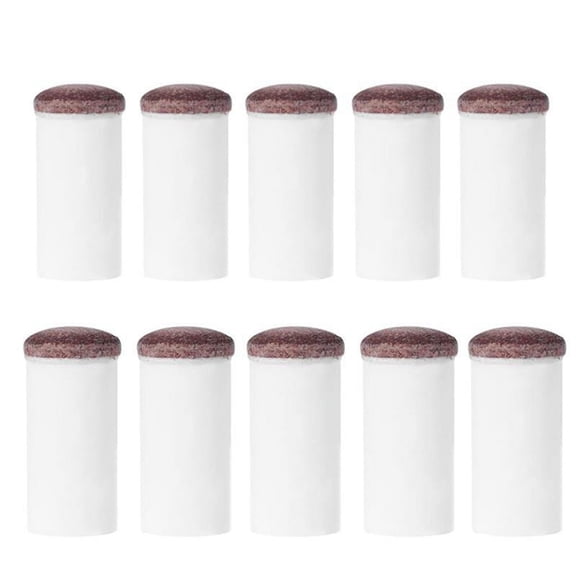
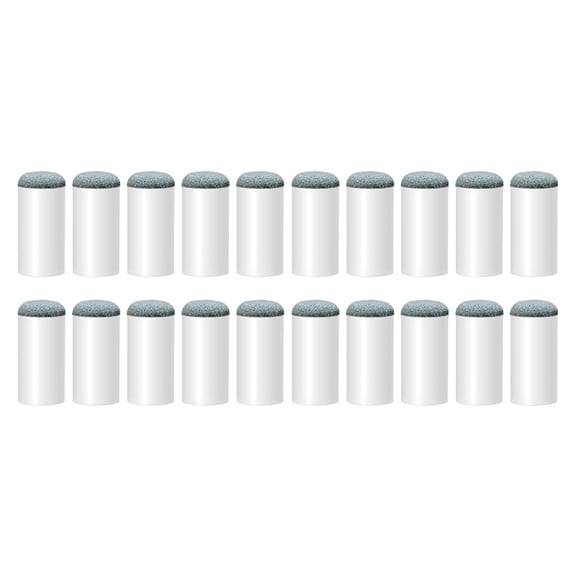
Slip-on cue tips can work when you want a simpler temporary-style option for certain cue setups. You’ll want to confirm the fit so the tip sits securely on the ferrule.
How to match diameter and fit
Diameter is a decision you shouldn’t overlook because your tip needs to match your ferrule size. You can compare 11mm, 12mm, 13mm, and 14mm options before you trim or install.
Smaller diameters are often used on cues built for more precise cue ball work. You may see 13mm and 14mm more often on standard house-style or general-purpose cue setups.
You should measure carefully if you’re replacing billiard cue tips on an older cue. Your installation gets easier when the tip size closely matches the ferrule from the start.
How you might use different cue tip combinations
If you play frequent recreational games, you may want a medium leather tip in a common diameter. You’ll get a balanced setup that feels familiar during practice, league play, or basement matches.
If your shots rely on draw, English, and touch, you may prefer a soft or layered leather option. You can shape that setup for more feel on controlled position play.
If you want less maintenance between sessions, you may choose a hard tip with durable shape retention. You’ll spend less time reshaping and more time focusing on consistent contact.
When you keep a spare cue ready, you may want screw-on or slip-on replacements for convenience. You can store extra sizes alongside billiard chalk, cue cases, or other billiard accessories.
If you’re refreshing your full setup, you may also compare pool cues and replacement parts together. You can build a more complete game setup around fit, feel, and table routine.
With the right cue tips, you can match your cue to your stroke instead of adjusting every shot. You’ll play with more predictable contact, clearer feedback, and a setup that suits your game.