

Broadheads Near Me: Fixed & Mechanical Hunting Broadheads


















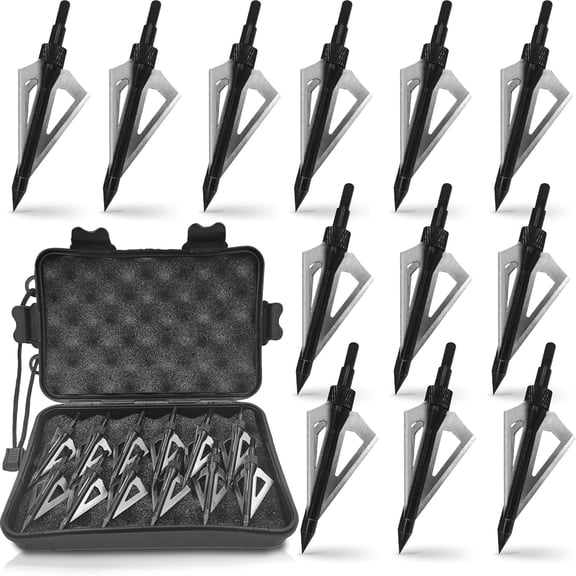
About Broadheads Near Me: Fixed & Mechanical Hunting Broadheads - Walmart.com
Broadheads help you tune your arrow setup for hunting accuracy, penetration, and dependable flight. You can compare blade style, grain weight, blade count, and thread type to match your bow setup.
If you're upgrading your hunting arrows, you may want clearer guidance before choosing. You'll find this category focused on the real decisions that affect arrow flight and point compatibility.
How to choose broadheads for your setup
You should start with the broadhead type that fits your bow speed and arrow build. You'll usually compare fixed blade, mechanical, and hybrid options based on flight and blade action.
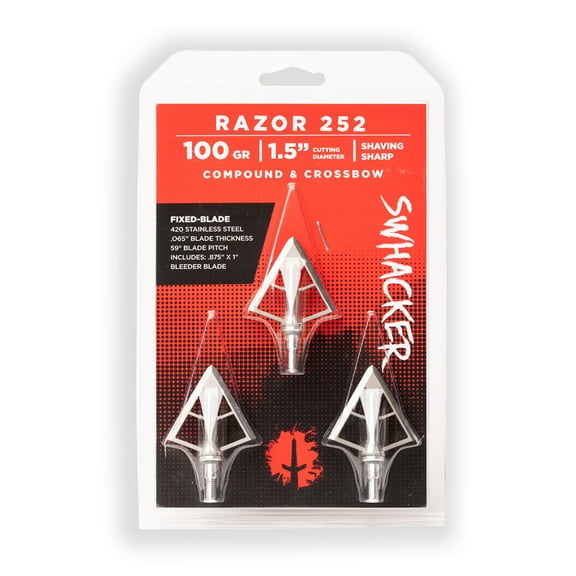
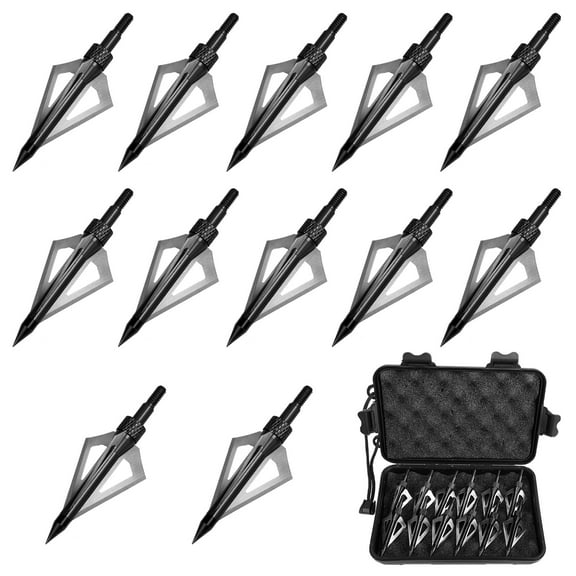
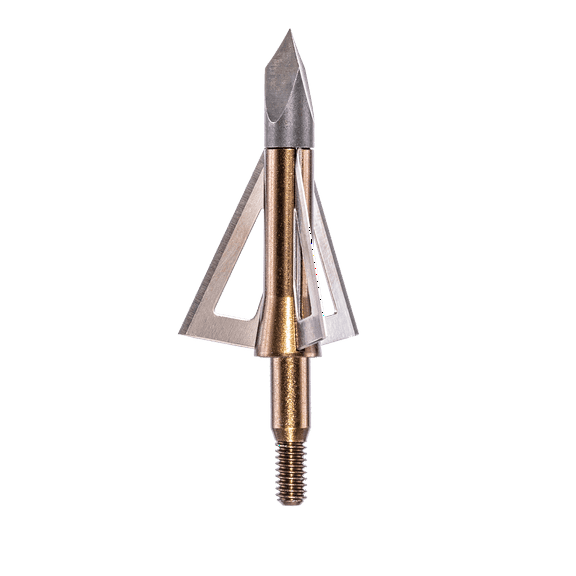
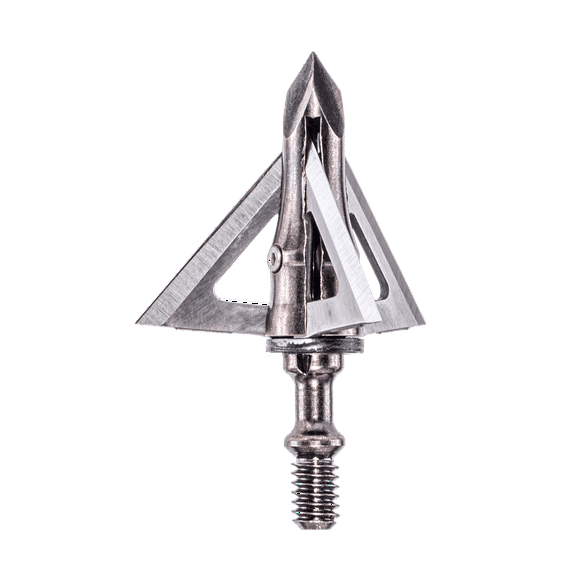
With fixed blade broadheads, you get a head that stays open during flight and impact. You'll often choose this style when you want a simple design and easy visual inspection.
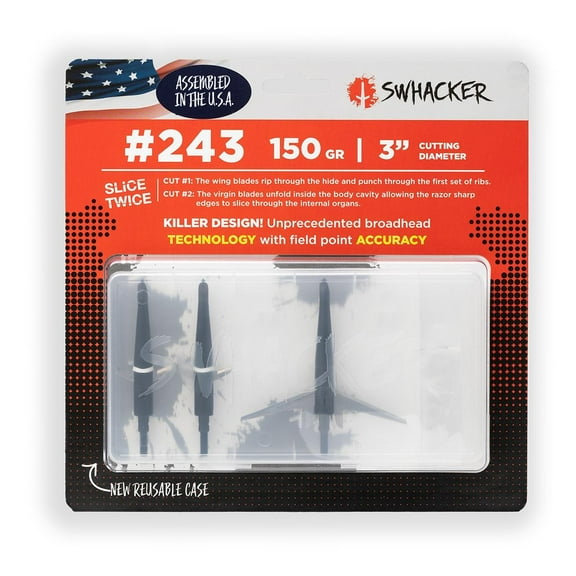
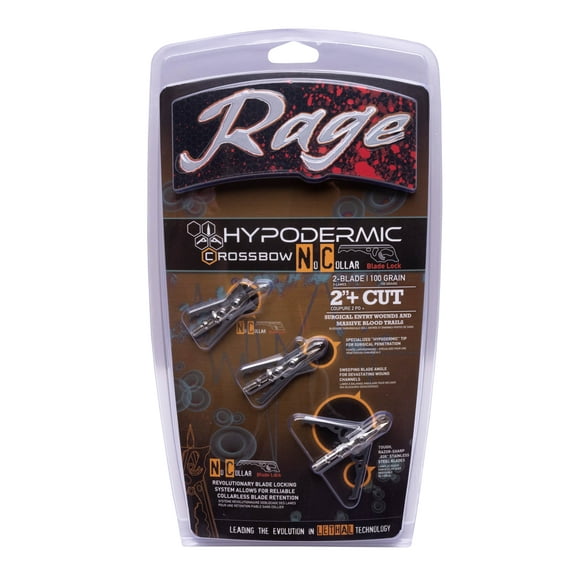
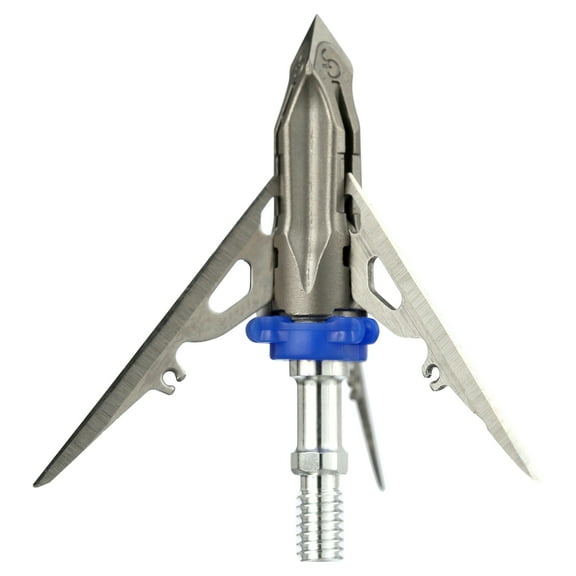
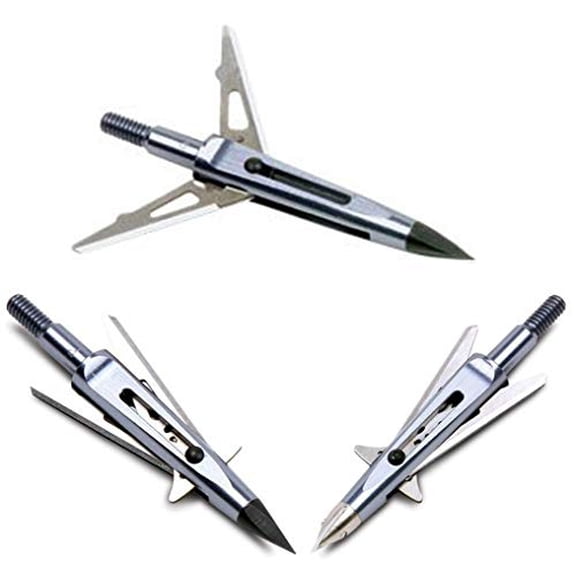
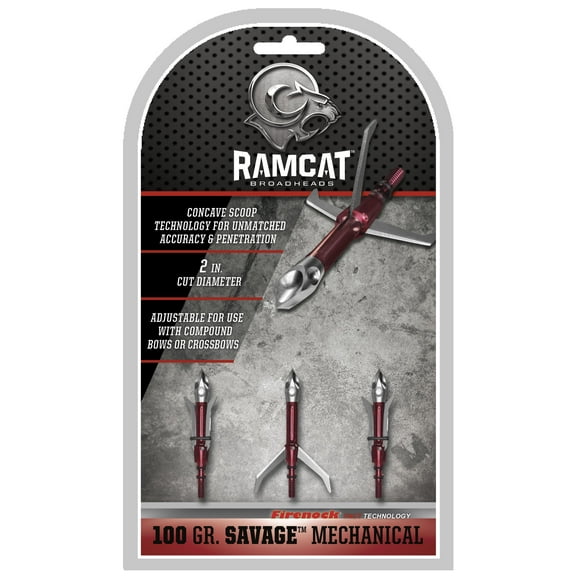
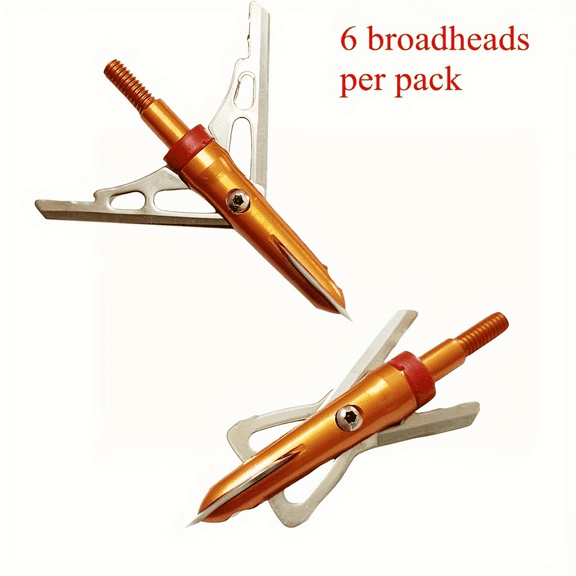
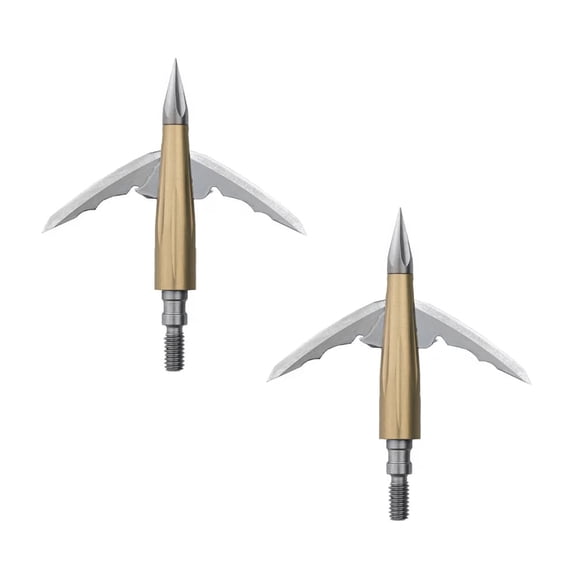
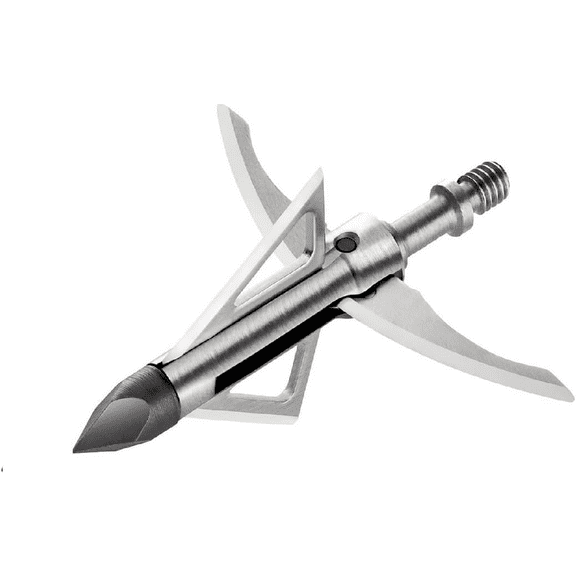
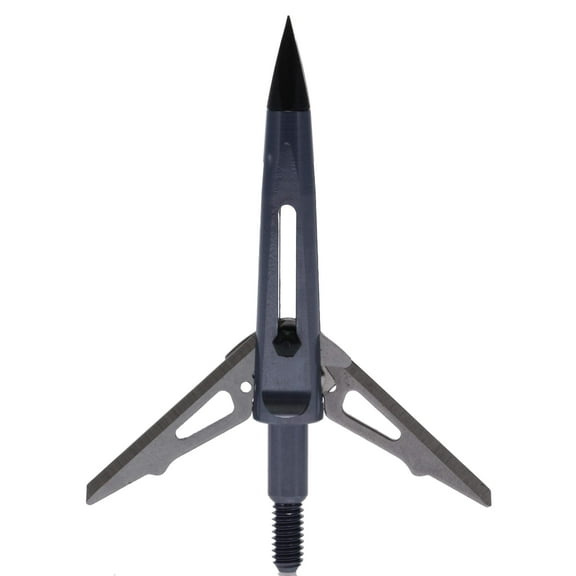
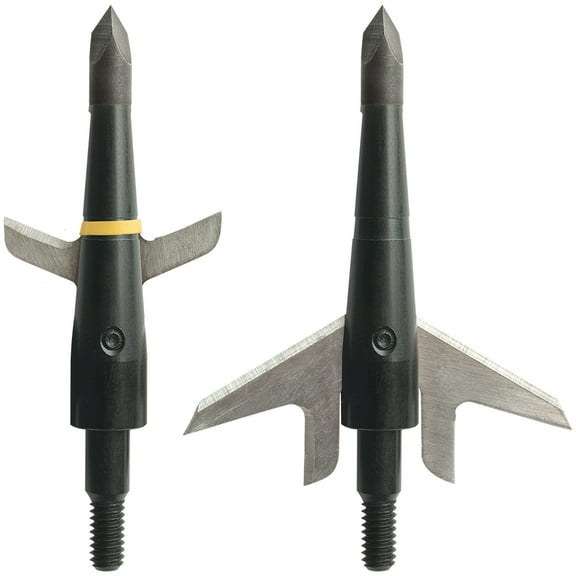
With mechanical broadheads, you get blades that stay tucked during flight and open on impact. You'll often consider this style when you want a compact profile and field-point-like flight.
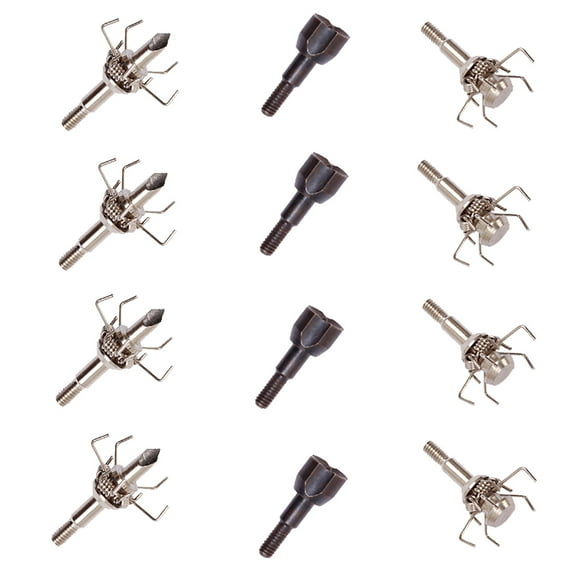
Hybrid heads combine fixed and mechanical elements in one design. You'll consider hybrids when you want a balance between open-blade structure and expandable cutting action.
- You can compare fixed blade broadheads when you want a simple head profile and consistent blade position.
- You can compare mechanical broadheads or expandable broadheads when you want a narrower in-flight shape.
- You can review hybrid options when your setup needs a mix of fixed structure and expanding blades.
Choosing between fixed blade and mechanical broadheads
You should compare flight dynamics before anything else, because your arrow tune matters. You'll often notice fixed heads respond more to tuning, while mechanical styles can fly closer to field points.
Kinetic energy also affects your decision, especially with faster or heavier hunting setups. You'll want enough bow energy for blade deployment if you're considering expandable broadheads.
Blade deployment reliability matters when you want predictable function at impact. You'll often look for a design that matches your draw weight, arrow mass, and intended game size.
Cutting diameter changes what you prioritize during a hunt. You'll usually see larger diameters linked to wider cuts, while smaller profiles may support deeper penetration.
Selecting the right weight, including 100 grain broadheads
You should match broadhead weight to your arrow spine and total arrow build. You'll commonly compare 100 grain broadheads, 125 grain models, and 150 grain options.
If your arrows are built around common hunting setups, you may already use 100 grain broadheads. You'll often choose that weight when you want broad compatibility with inserts and prebuilt arrows.
When you move to 125 grain or 150 grain points, you change front-of-center balance. You'll notice that FOC percentage can affect stability, impact point, and overall arrow feel.
You should also check whether your practice points match your hunting head weight. You'll get more useful tuning results when your field points and hunting tips share the same grain class.
Comparing blade count and cutting profile
You can narrow your search by looking at blade count next. You'll usually compare 2-blade, 3-blade broadheads, and 4-blade options based on cut shape and drag.
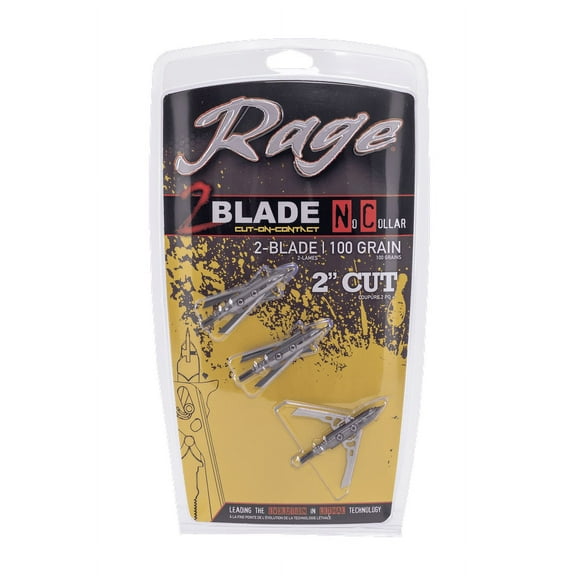
With 2-blade designs, you may prefer a slimmer profile and straightforward edge layout. You'll often choose them when you want less frontal surface during arrow flight.
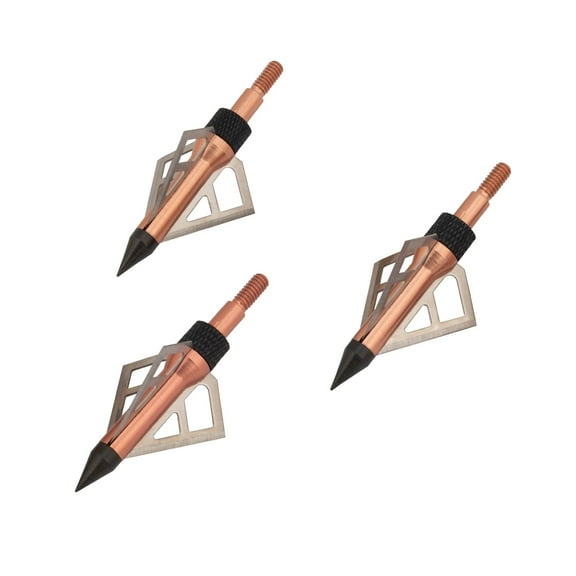
With 3 blade broadheads, you get a common middle ground for cut shape and broad availability. You'll often see this configuration across fixed and mechanical styles.
With 4-blade options, you add more edge surface and a different wound channel shape. You'll compare these when your setup supports the added drag and head profile.
Checking thread type and arrow compatibility
You should confirm thread type before you finalize your choice. You'll usually compare screw-in broadheads and deep six broadheads based on your insert system.
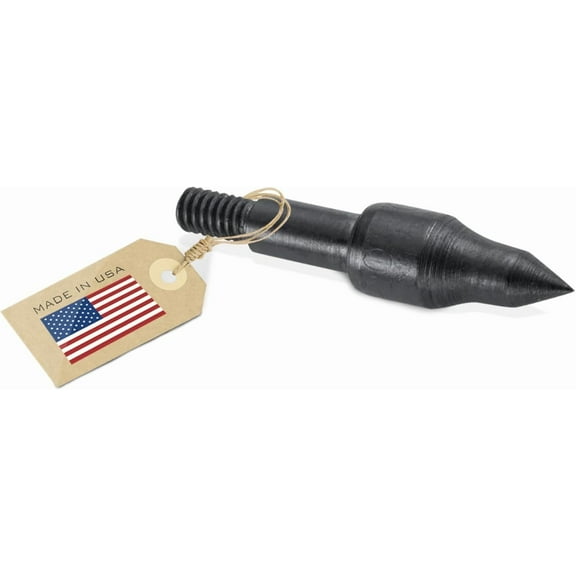
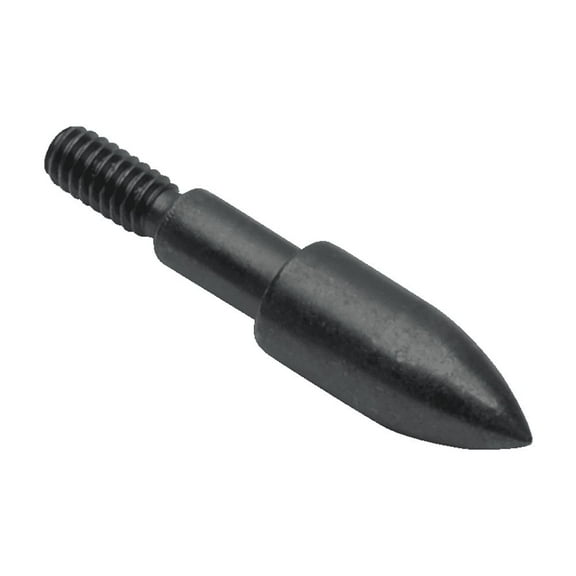
Screw-in heads fit many common arrow insert setups, so you may see them across more hunting arrows. You'll want to confirm thread specs on your shaft or insert before ordering.
Deep six threading uses a different standard, and it won't fit every arrow insert. You'll avoid fit issues when you check your arrow components and point compatibility first.
Practice tip availability can also shape your decision. You'll benefit from matched practice heads or points when you want tuning sessions that reflect your hunting setup.
Matching broadheads to real hunting situations
If you hunt with a well-tuned compound bow, you may compare mechanical broadheads for streamlined flight. You'll often pair them with arrows that deliver enough energy for dependable blade opening.
If you prefer a simple setup for repeated tuning checks, you may lean toward fixed blade broadheads. You'll appreciate seeing the blade position before release and during setup adjustments.
When your arrows are built around a common insert weight, you may start with 100 grain broadheads. You'll often use that option when you want broad compatibility across arrows and practice points.
If your setup needs a different front balance, you may move to 125 grain or 150 grain heads. You'll use those weights when your arrow spine and FOC target call for more weight up front.
For hunters comparing cut shape, 3 blade broadheads can offer a familiar starting point. You'll also find 2-blade and 4-blade options when your penetration goals or drag preferences differ.
When your arrow uses a specific insert system, thread type becomes a non-negotiable detail. You'll get a smoother setup when your broadhead threads match your shafts from the start.
You can make a stronger choice when you compare blade style, weight, count, and thread standard together. You'll end up with broadheads that fit your arrows, tune cleanly, and support steadier shots.