





Compression and Arthritis Gloves - Hand Support


















About Compression and Arthritis Gloves - Hand Support - Walmart.com
Compression arthritis gloves help you compare fit, finger coverage, and fabric before you choose a pair for daily hand support. You can use this guide to sort through sizing, materials, and compression levels with less guesswork.
How to choose compression arthritis gloves
When you shop compression arthritis gloves, you should start with hand measurements and the tasks you do most often. You’ll usually get a steadier fit when you compare your palm circumference with the size chart.
Look for small, medium, large, and xlarge options that match your measurement instead of choosing by habit. You can get a smoother feel when your gloves fit closely without extra bunching across your palm.
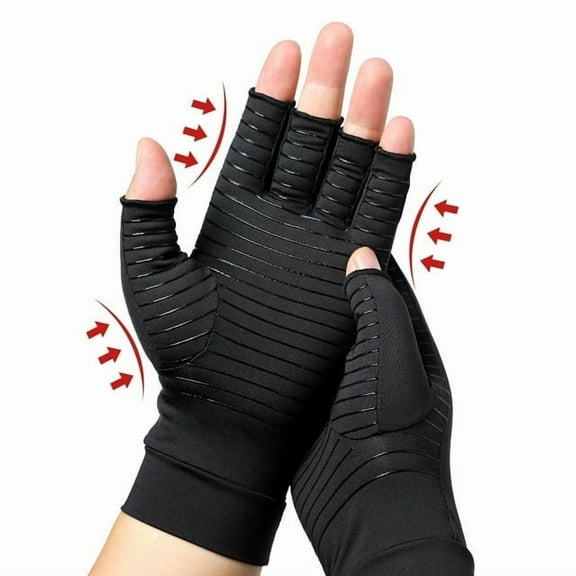
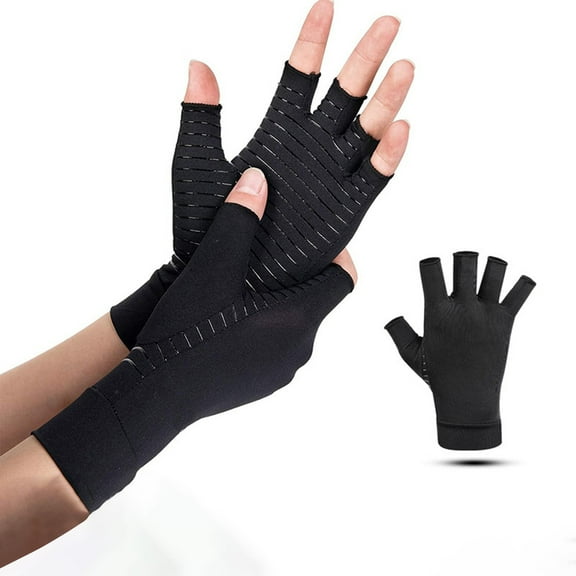
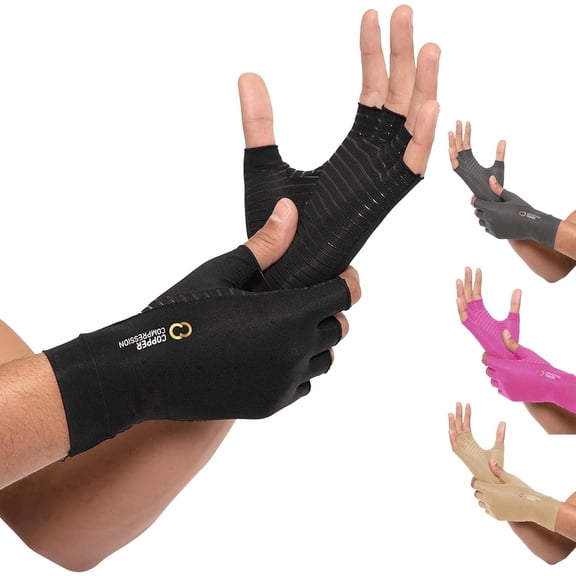
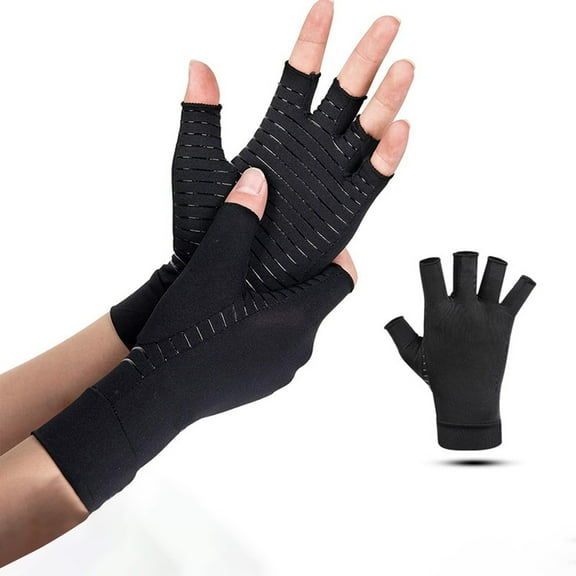
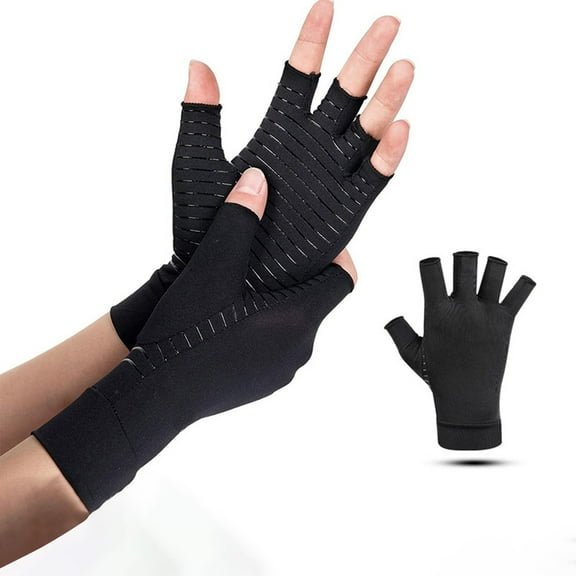
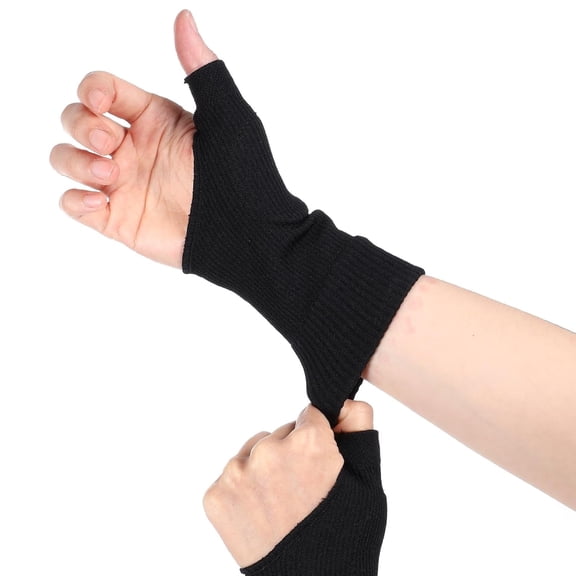
If you type, text, cook, or sort papers often, you may prefer open finger arthritis gloves. You can keep your fingertips free for touchscreens, buttons, and small objects.
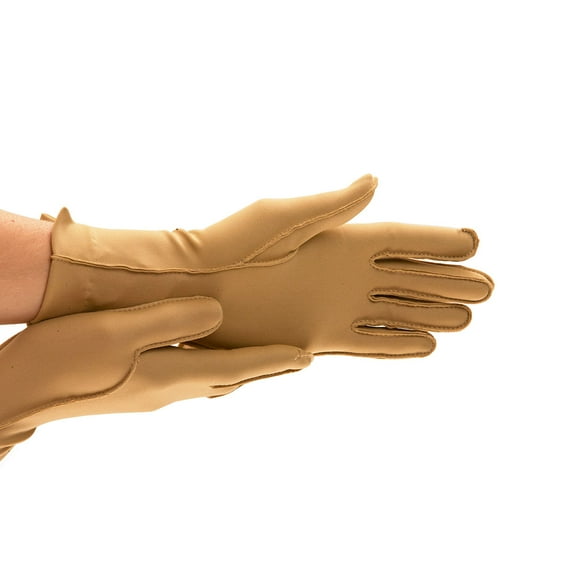
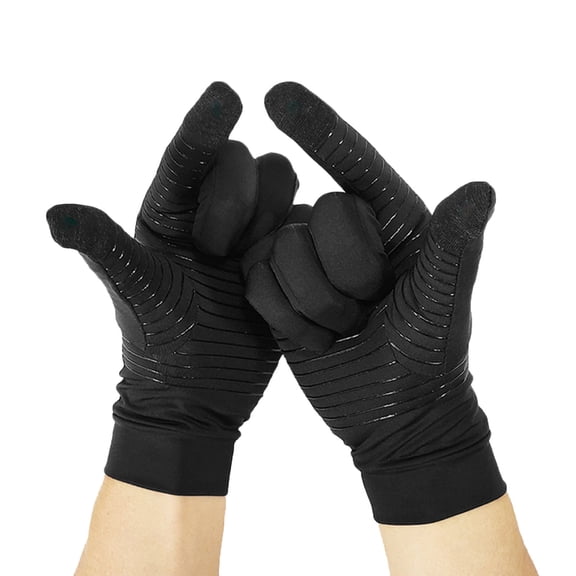
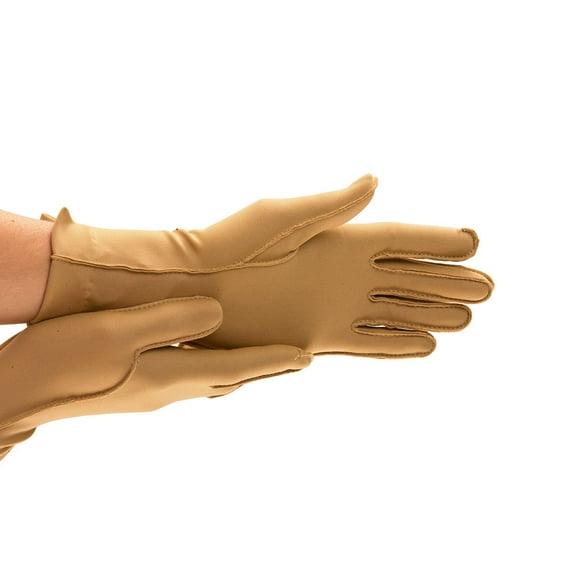
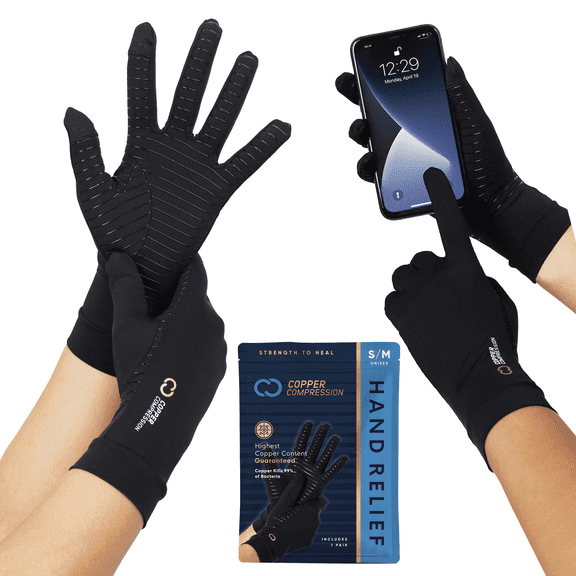
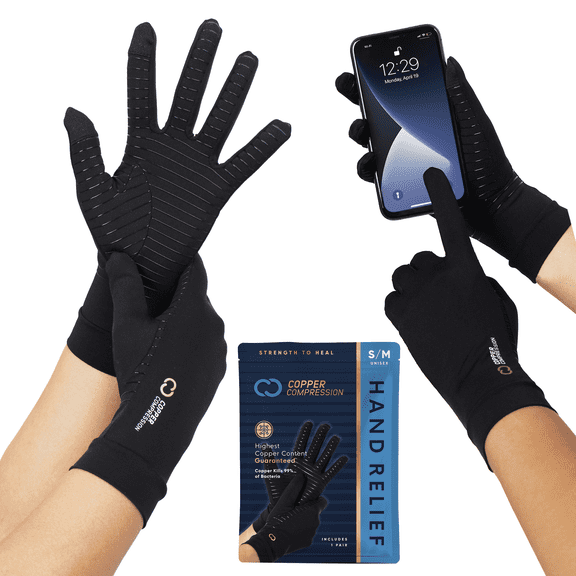
If you want more coverage across each finger, you may prefer full finger styles for cooler rooms or longer wear. You can compare both styles by thinking about how often your fingertips need direct contact.
Key benefits of arthritis compression gloves
You can use arthritis compression gloves to add light, even pressure around your hands during everyday routines. You may notice that steady coverage feels less bulky than many rigid hand supports.
Because these gloves are flexible, you can often keep moving through computer work, reading, crafting, or household tasks. You can also compare glove styles that feel easier to wear under sleeves or during commutes.
- You can choose open finger designs when you need fingertip control for typing, writing, and phone use.
- You can choose full finger designs when you want more coverage from fingertip to wrist.
- You can compare mild and moderate compression levels based on how snug you want the fit to feel.
- You can pick materials that match warm rooms, active days, or longer periods of wear.
You may also like that hand compression gloves are simple to rotate through your routine. You can keep one pair for desk work and another pair for relaxing at home.
Choosing material and compression gloves for arthritis
Material changes how your gloves feel against your skin and how they handle daily wear. You should compare cotton-spandex blend, copper-infused nylon, and breathable neoprene based on comfort and routine.
A cotton-spandex blend can give you a soft, flexible feel for everyday use. You may prefer it when you want stretch that moves easily with frequent hand motion.
Copper compression gloves often use copper-infused nylon that feels smooth and close-fitting. You can consider this option when you want a lightweight knit with a streamlined feel.
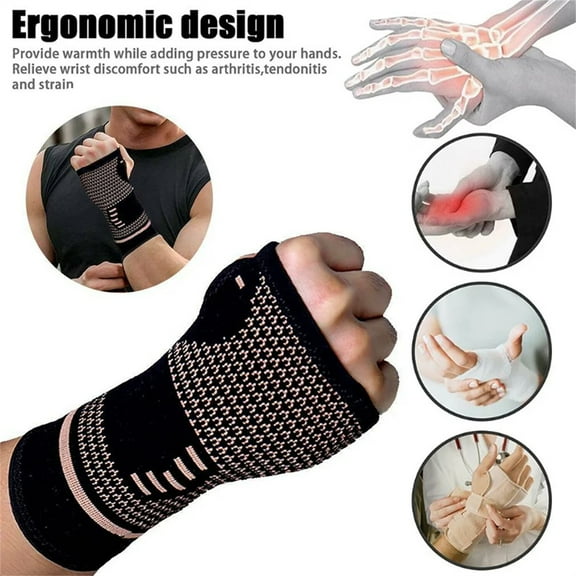
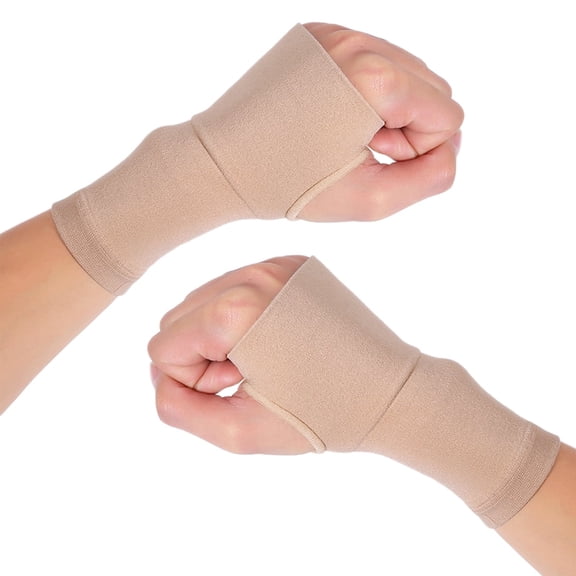
Breathable neoprene can feel a bit more structured than knit styles, so you should check the product details carefully. You may prefer it when you want a more wrapped feel around your palm and wrist.
Compression level matters too, and you should compare mild and moderate options before you buy. Mild compression, often eight to 15 mmHg, can feel lighter for longer wear.
Moderate compression, often 15 to 20 mmHg, can feel snugger through the palm and fingers. You should read each listing so you know how firm the glove may feel during use.
Choosing the right size and finger style
Sizing is one of the biggest decisions you’ll make, especially if you want steady contact across your whole hand. You should measure your palm circumference and compare it with the chart on each listing.
If your measurement falls between sizes, you should review the brand notes before choosing. You may want a closer fit for compression, or you may want a little more room for longer sessions.
Open finger styles work well when your day includes keyboards, touchscreens, page turning, or detailed handwork. You can grip cups, pens, and tools while keeping your fingertips uncovered.
Full finger styles can make sense when you want coverage across each finger instead of just the palm and knuckles. You can compare them for reading, relaxing, or cooler indoor settings.
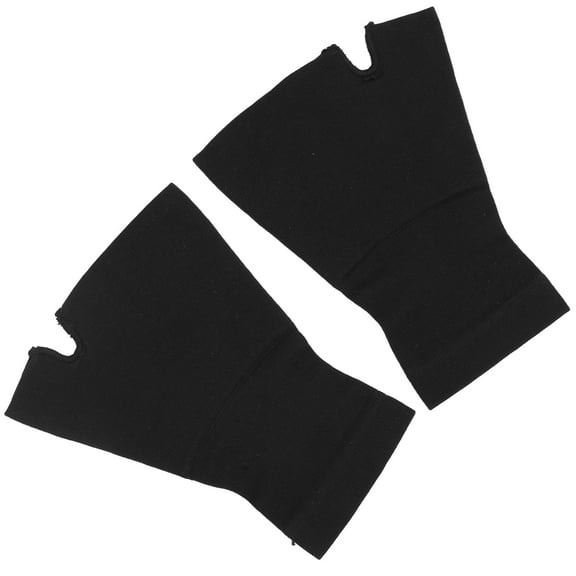
You should also check wrist length, seam placement, and cuff stretch before deciding. You may find that a longer cuff gives your wrist a more secure, finished feel.
Wear duration and everyday use cases
You can wear compression gloves for arthritis during many common routines, but you should always follow the product instructions. You’ll want to check the listing for suggested wear time, fabric details, and care directions.
For desk work, you may prefer fingerless gloves that keep your hands covered while leaving your fingertips free. You can move from typing to texting without removing them as often.
For reading, watching shows, or relaxing at home, you may prefer full finger options with a smooth, close fit. You can choose a fabric that feels comfortable during quieter parts of your day.
If you want gloves for errands or commuting, you should compare lightweight knits and cuff length. You can pick a pair that slips easily into a bag or pocket.
Some shoppers look for overnight wear, and you should check each product page before planning longer use. You can make a more confident choice when you review the listed wear guidance and fabric feel.
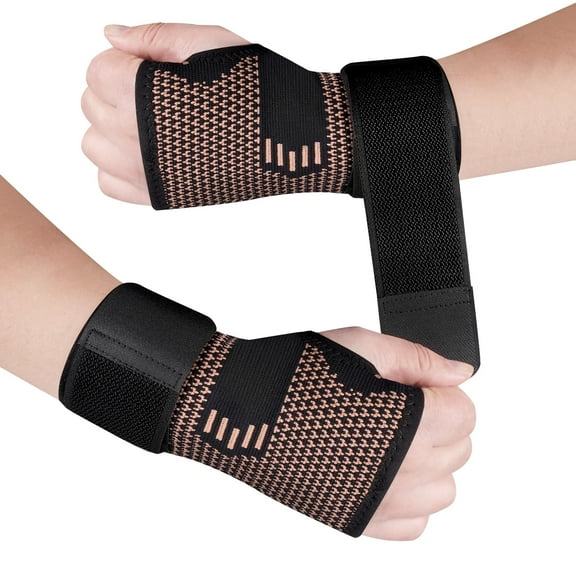
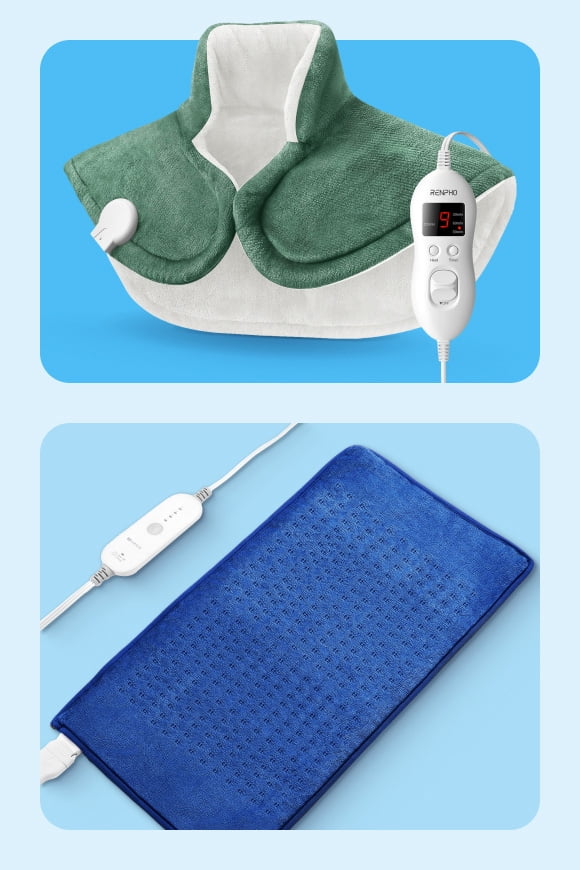
You can also build a more complete routine by comparing related support categories. You may want to pair your gloves with hand and wrist braces, topical pain relief items, or hot and cold therapy options.
What to look for before you choose
You should focus on measurement, material, compression level, and finger style before anything else. You can narrow the field quickly when you match those details to your routine.
With the right compression arthritis gloves, you can get a closer fit for typing, relaxing, commuting, and other daily tasks. You’ll feel more confident when your pair matches your hand size and preferred coverage.