




Manure in Soil






















About Manure in Soil - Walmart.com
You can improve garden soil with manure when you match the source, form, and coverage to your planting plan. You’ll find category options for raised beds, flower borders, and lawn top dressing with practical formats.
When you compare animal source and composting level, you can choose a soil amendment that fits your beds and spreading routine. You’ll also notice fully composted options can bring a clean handling experience for regular garden work.
How to choose manure for your garden
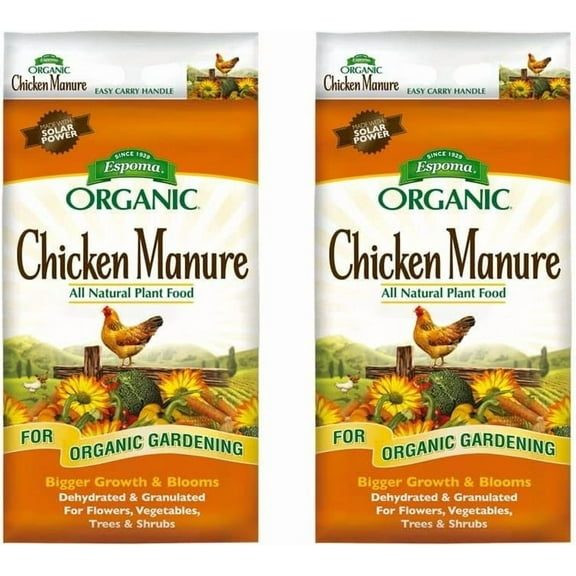
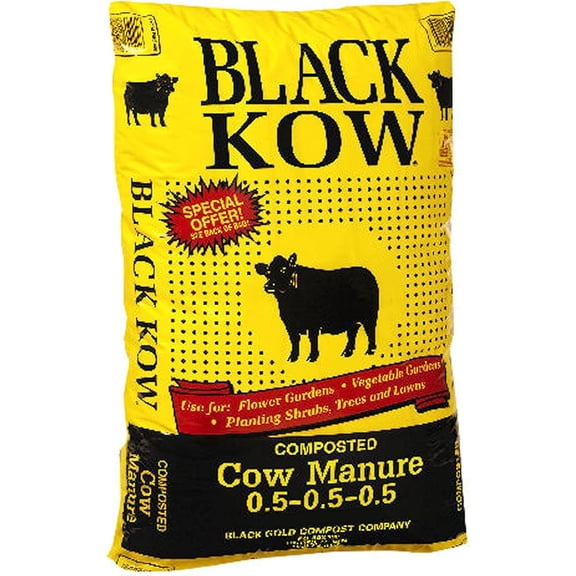
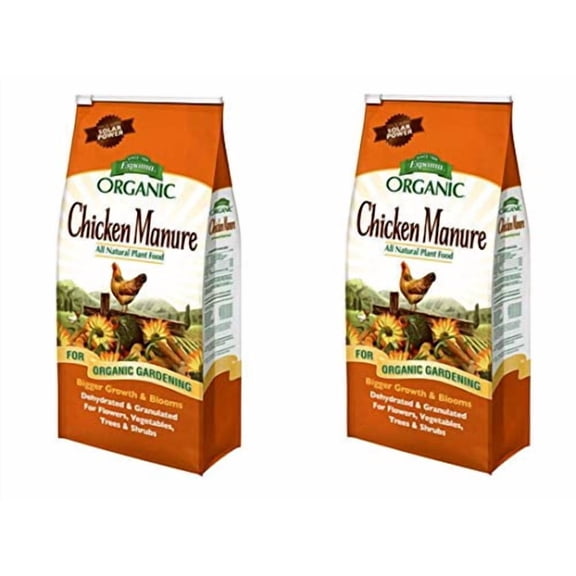
You should start with the source animal because each option supports a different feeding approach. You can compare cow manure, chicken manure, steer manure, and horse manure by strength, texture, and intended use.
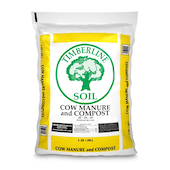
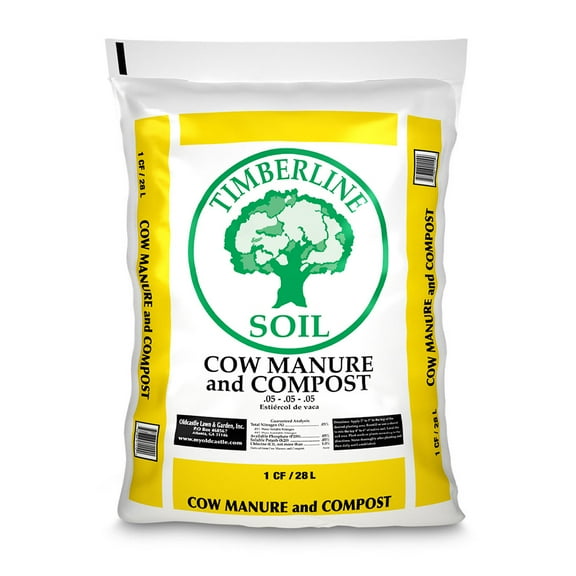
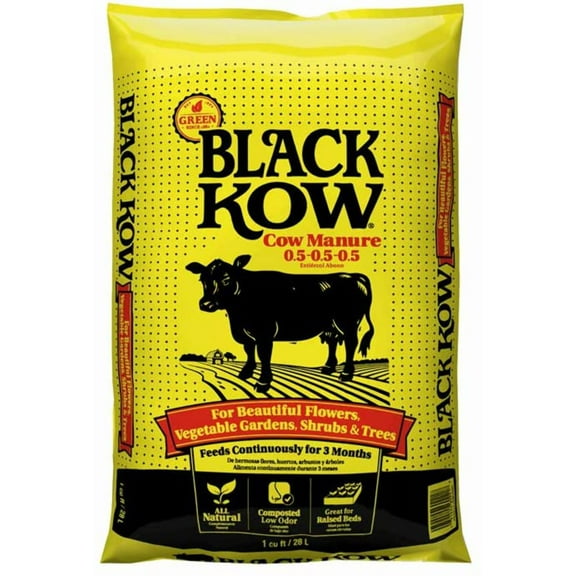
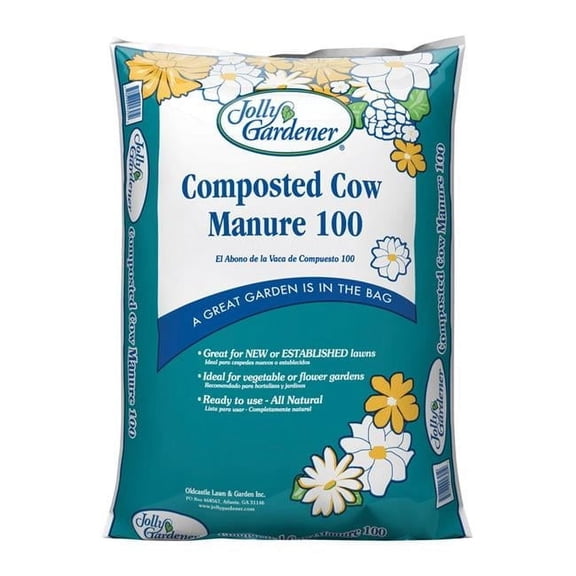
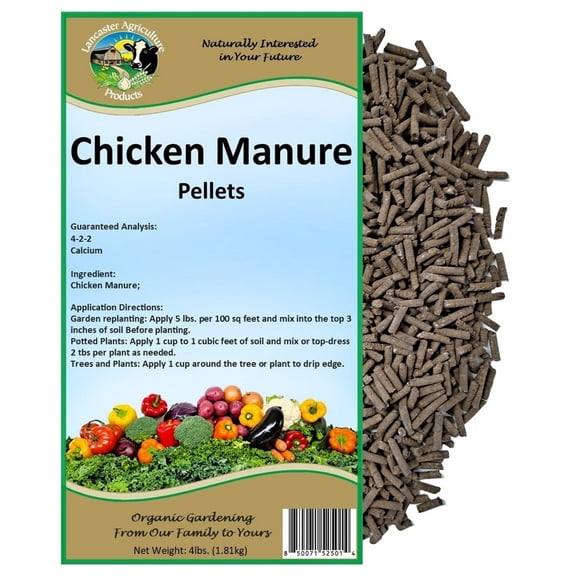
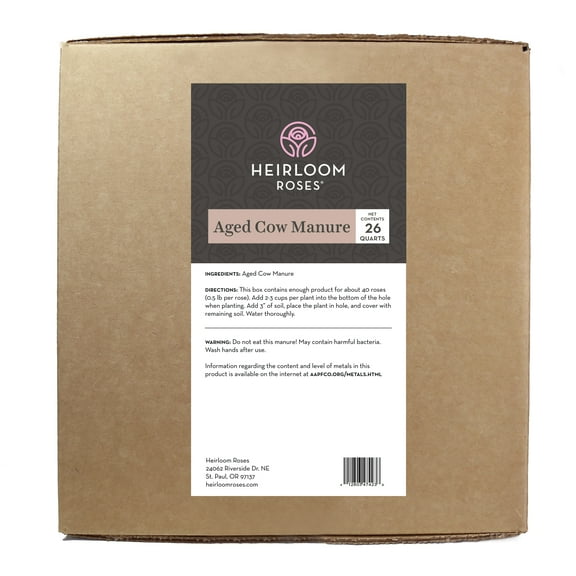
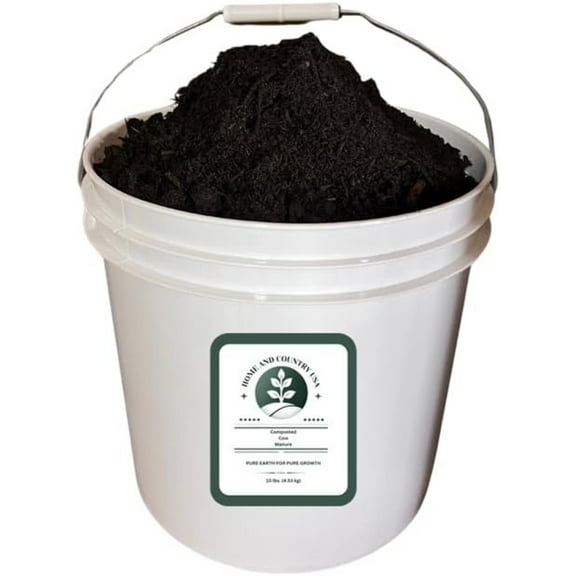
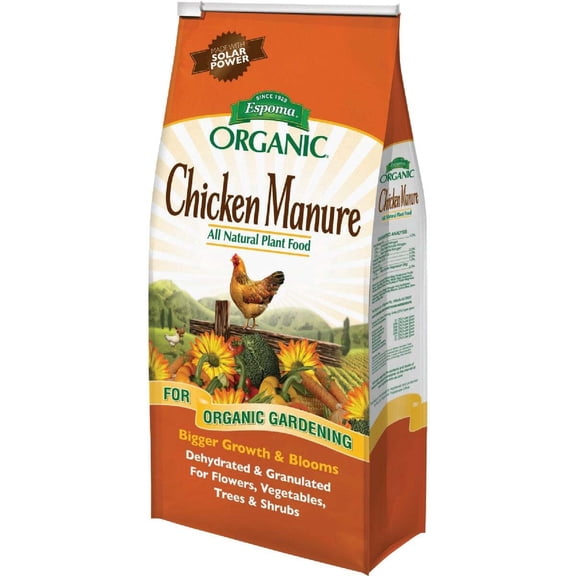
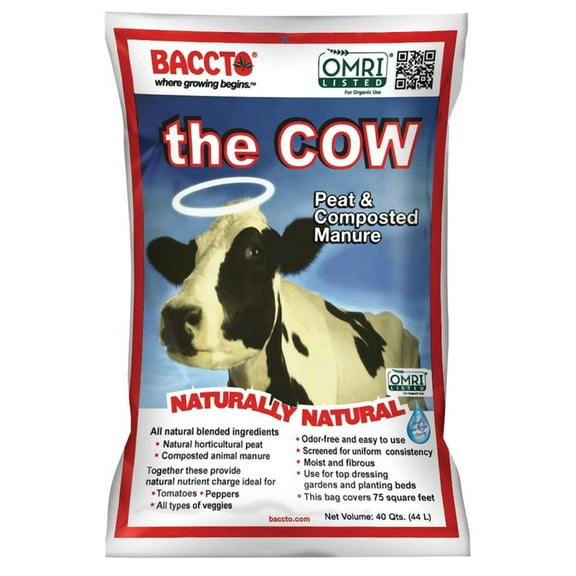
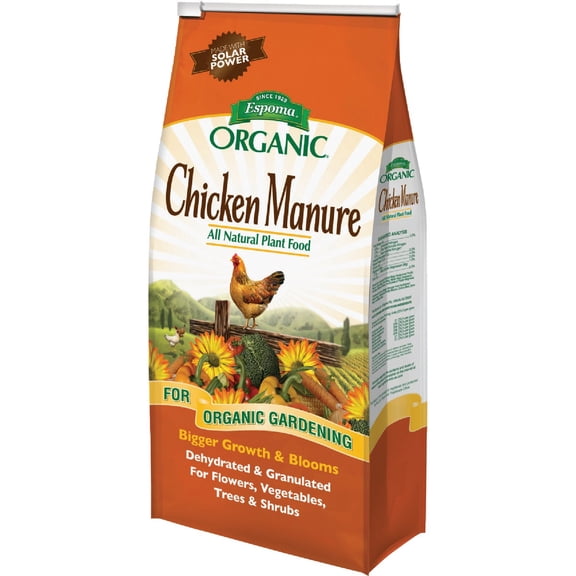
With cow manure, you’ll usually get a mild amendment that blends well into vegetable beds and flower borders. With chicken manure, you’ll often see higher nitrogen, so you should check labels and use lighter application rates.
Steer manure can give you a familiar garden manure option for improving soil texture and mixing into larger beds. Horse manure may suit broad garden projects when you want coverage across roomy plots.
- You can choose cow manure when you want a gentle mix for routine bed preparation.
- You can choose chicken manure when you want a concentrated amendment and careful measuring.
- You can choose steer manure when you want an easy option for larger planting areas.
- You can choose horse manure when you’re refreshing wide beds and open garden spaces.
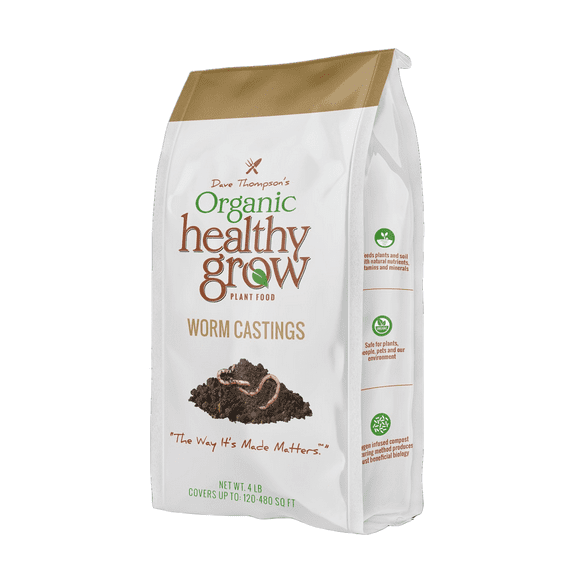
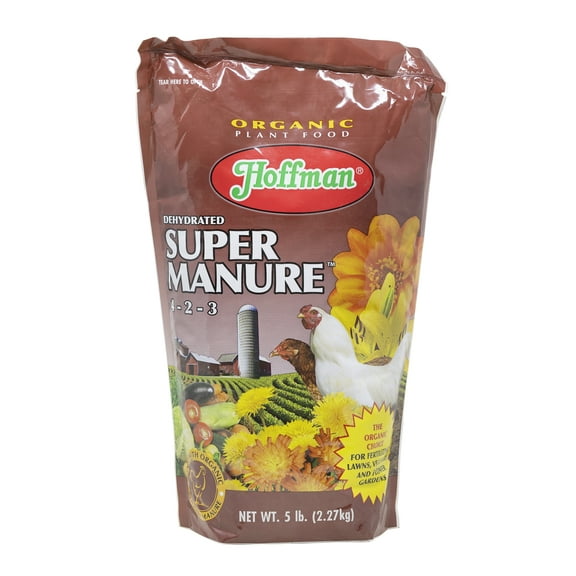
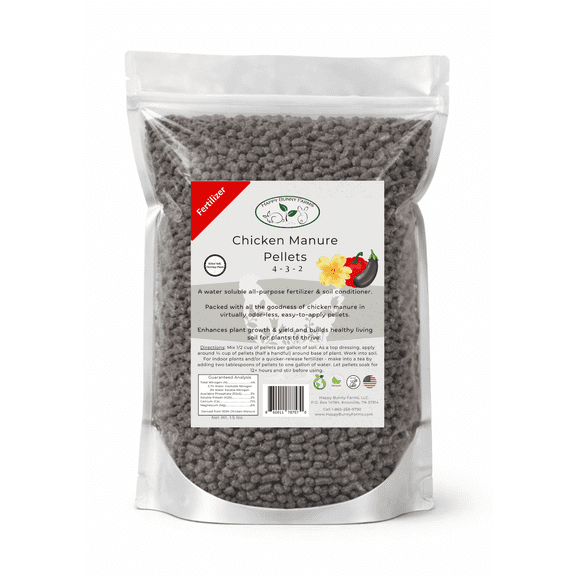
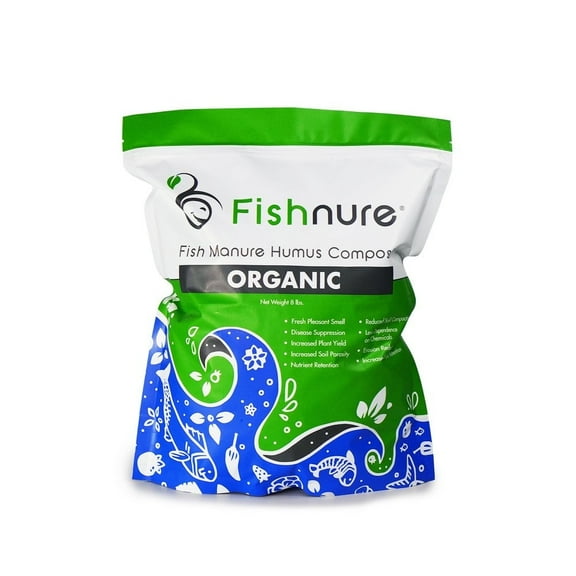
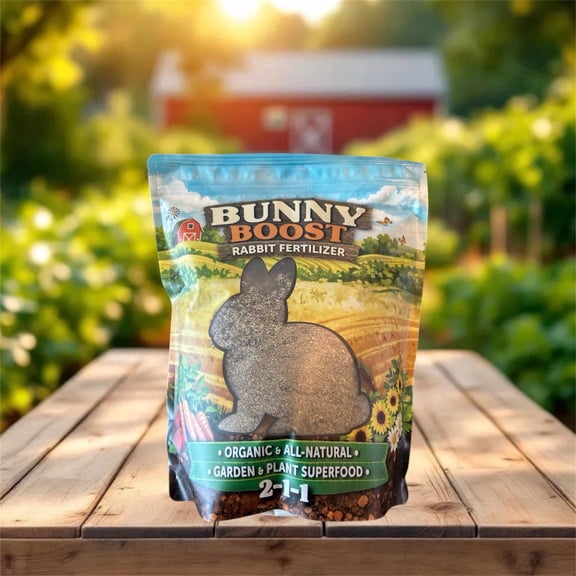
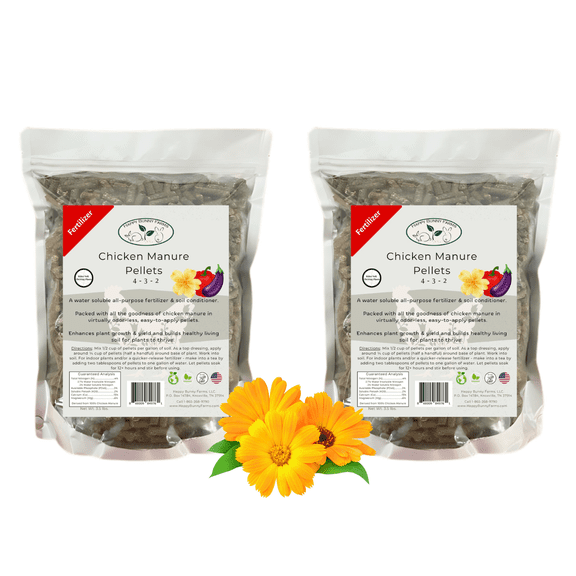
You should also compare manure compost, dehydrated manure, pelletized formulas, and liquid forms before you choose. You’ll want the form that matches how you spread, store, and mix your soil amendment.
Composted manure can work well when you want a ready-to-mix texture and a finished material. Dehydrated or pelletized options can feel neat to handle, and you can store them with less mess.
Choosing manure compost and organic manure options
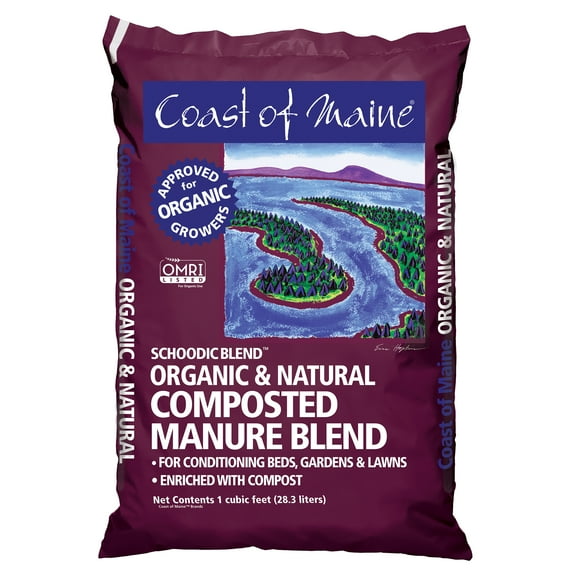
You should look at composting level first because that affects texture, odor, and garden readiness. You’ll usually find fully composted manure has a more uniform feel and a mild smell than less finished material.
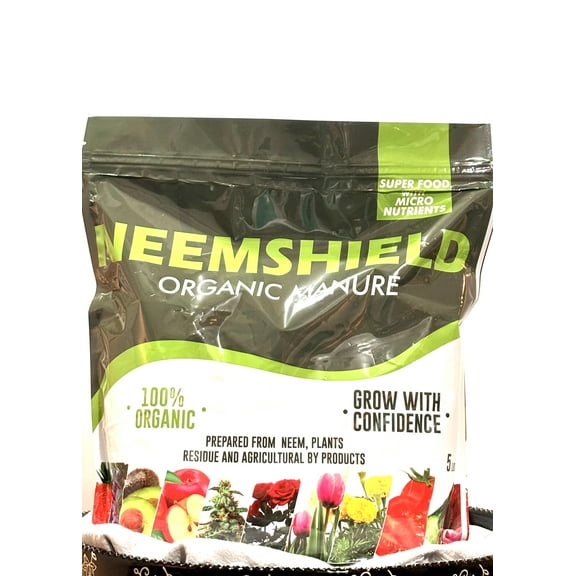
If you want organic manure, you should compare terms like organic, natural, and OMRI listed on the package. You can use those label details to match your gardening approach and your planting plan.
You may also want to check whether labels note thermal composting, especially for vegetable garden use. You’ll get clear guidance when labels explain composting steps that create a more finished soil amendment.
When you compare manure fertilizer options, you should also review N-P-K information on the bag. You can use those numbers as a quick guide to how strongly a product feeds your soil.
Higher nitrogen formulas may call for lighter use around seedlings and new transplants. You should follow label directions closely so your beds get balanced coverage for the intended use.
What to look for in coverage, package size, and application
You should measure your garden area before choosing a 0.75 cubic foot bag, 1 cubic foot bag, bulk bag, or pallet. You’ll make planning more efficient when your package size matches your square footage.
For a few raised beds, you may only need smaller bags that you can lift and pour quickly. For larger garden rows, you may prefer bulk manure or pallet quantities for minimal interruptions during spreading.
You should also compare whether you’re top dressing, side dressing, or mixing manure into new beds. You’ll often need different coverage amounts depending on depth, soil condition, and plant spacing.
If you’re refreshing tired soil, you may spread a layer and work it into the top few inches. If you’re maintaining established beds, you may use a lighter amount across the surface.
You can keep your application more precise when you check label coverage guidance per square foot. You’ll avoid guesswork when you compare bag size with the area you plan to amend.
Matching manure to vegetable gardens, flower beds, and lawns
You should match your manure choice to the space you’re planting, not just the bag size. You’ll get a practical result when your source animal and form fit the job.
For vegetable gardens, you may prefer manure compost or well-finished cow manure that blends easily into planting rows. You’ll appreciate a more uniform texture when you’re preparing seedbeds and transplant spaces.
For flower beds, you can use composted or pelletized options when you want simple spreading around established plants. You’ll often like these forms when you want neat handling around decorative borders.
For lawn top dressing, you may look for screened or finished material that spreads evenly across the surface. You can make leveling and blending more efficient when the texture stays consistent.
If odor control matters in your routine, you should compare fully composted and dehydrated options first. You’ll generally notice these choices feel manageable for patios, raised beds, and frequent yard work.
When weed control is part of your plan, you should read labels for composting details and finished texture cues. You can feel more confident when manufacturers process your amendment for clean garden use.
You can build healthy planting beds when you choose manure by source, form, certification, use case, and package size. You’ll make each garden project straightforward with a finished amendment that fits your soil and coverage needs.