



Hot and Cold Packs in First Aid


















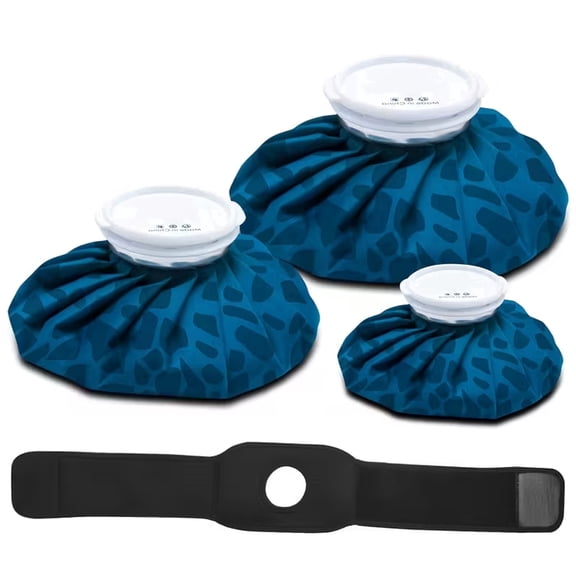






About Hot and Cold Packs in First Aid - Walmart.com
Hot and cold packs give you a practical way to keep temperature therapy ready for home, travel, workouts, and everyday recovery. You can compare reusable formats, instant options, and body-specific shapes that fit how you store, heat, cool, and position each pack.
How to choose hot and cold packs
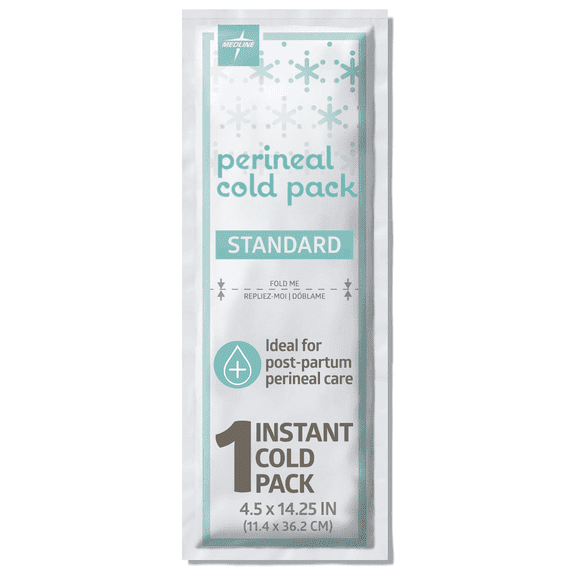
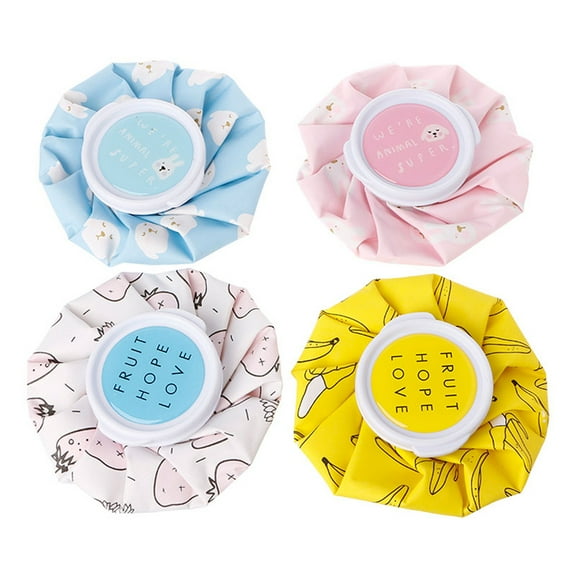
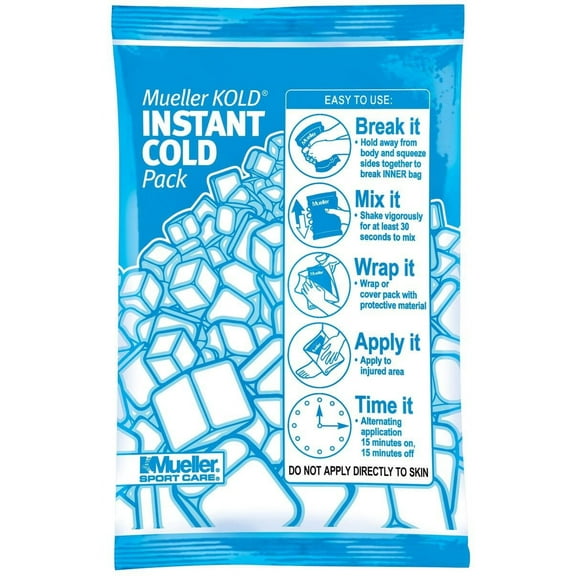
When you shop hot and cold packs, you should start with the type that fits your routine. You can choose reusable hot and cold packs for repeated use or instant cold packs for quick cooling without freezer prep.
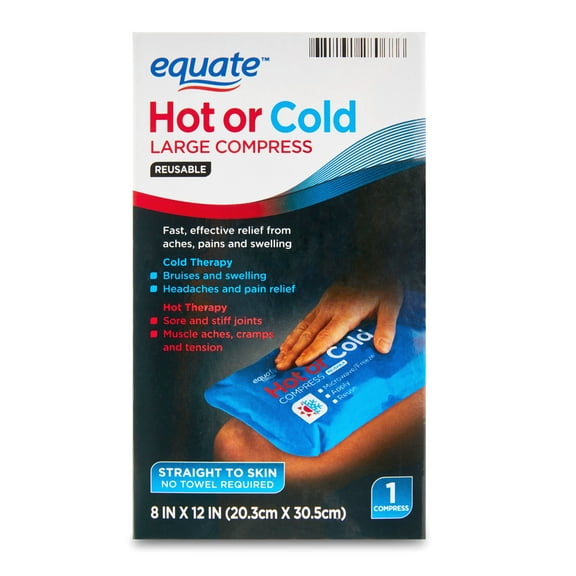
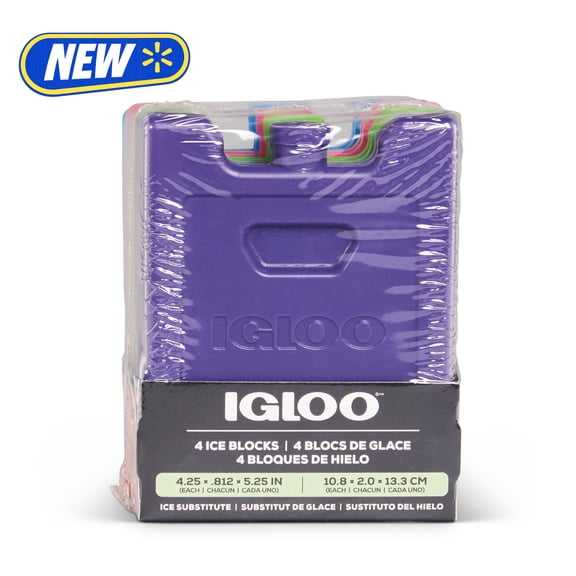
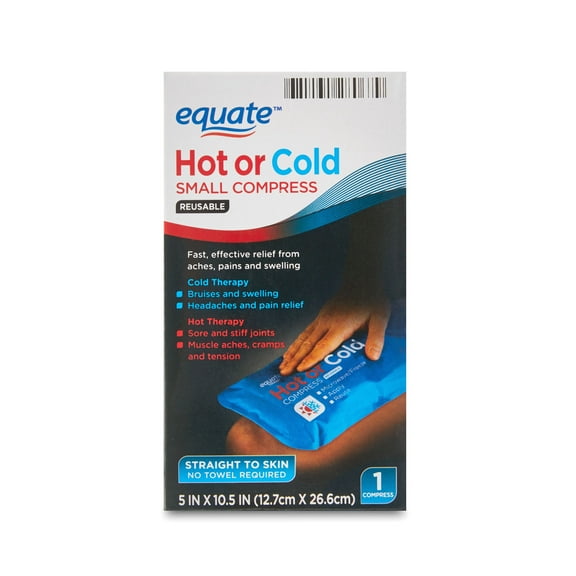
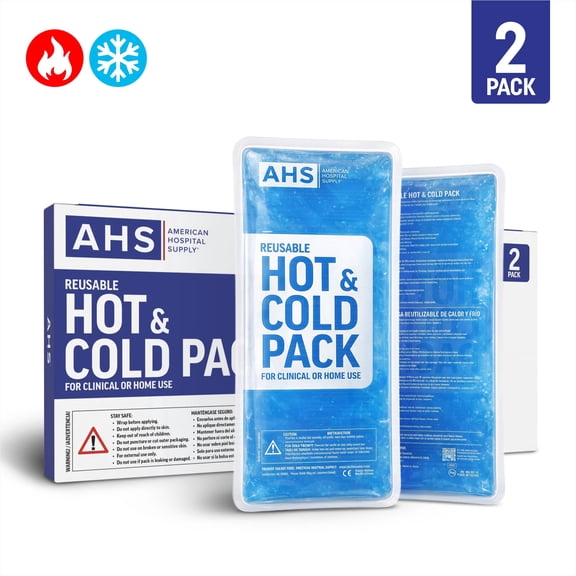
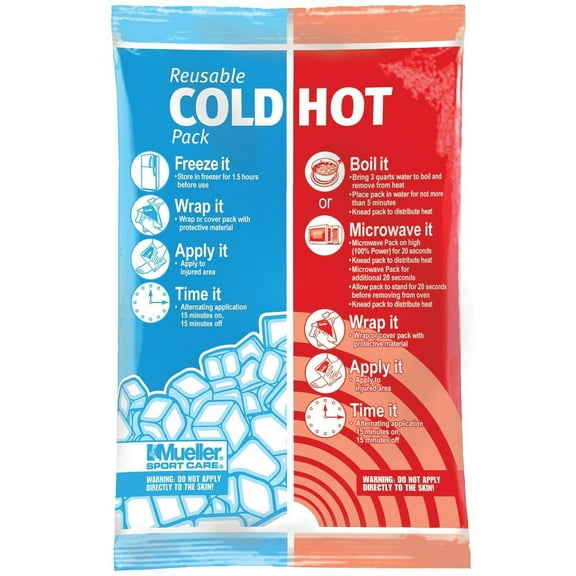
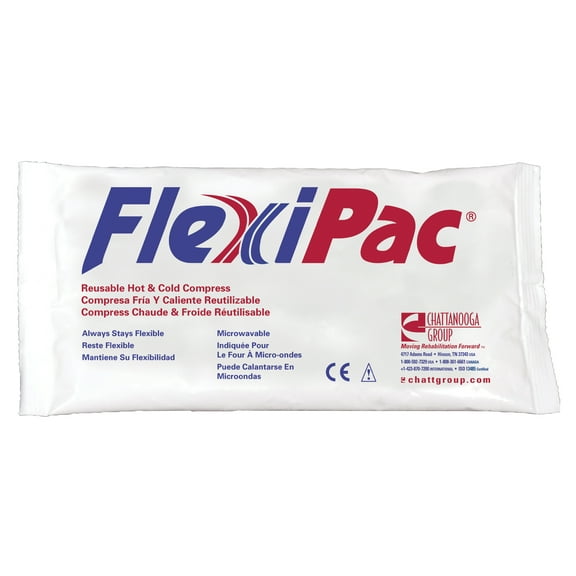
Reusable options make sense when you want one pack for the freezer and the microwave. You can keep them nearby for post-workout cooldowns, desk-day comfort, or everyday physical therapy routines.
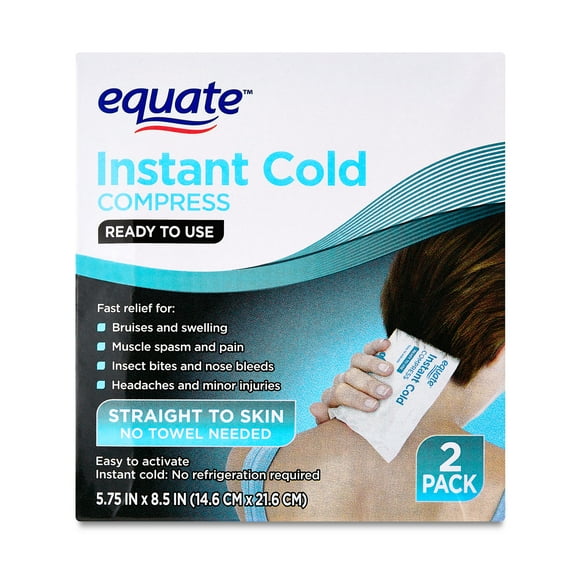
Instant cold packs work well when you need cooling away from home. You can keep them in first aid kits, sports bags, glove boxes, and travel totes.
Choosing reusable hot and cold packs by material
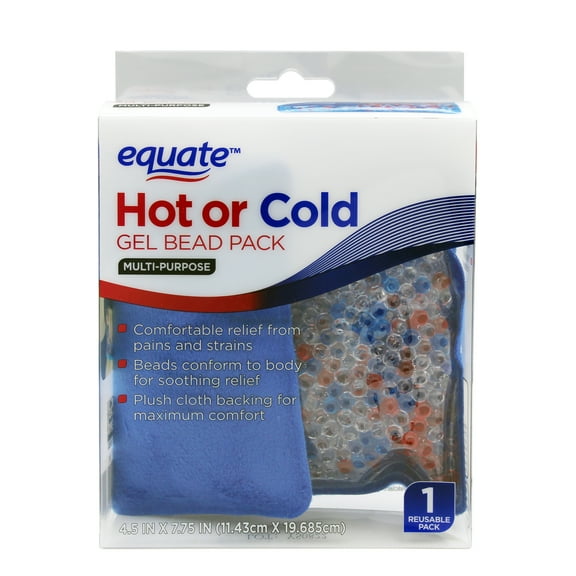
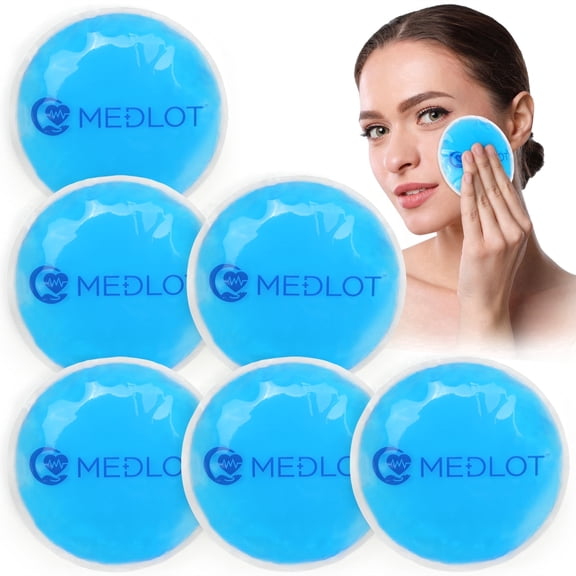
You can compare filling material because it affects flexibility, feel, and temperature duration. You can choose between gel, clay, and bead designs based on how closely the pack contours and how dense it feels.
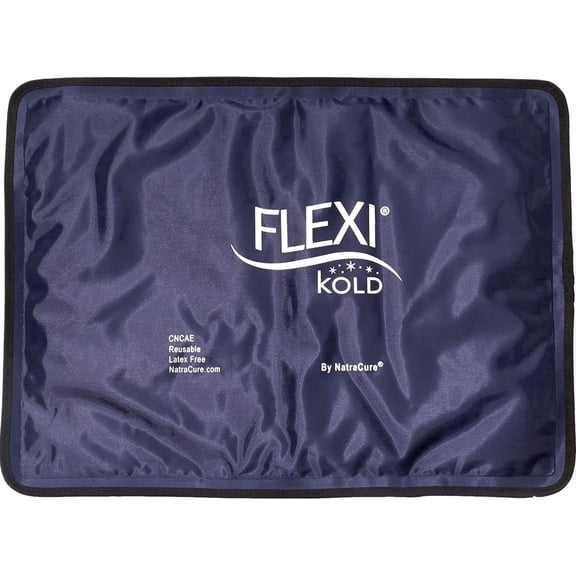
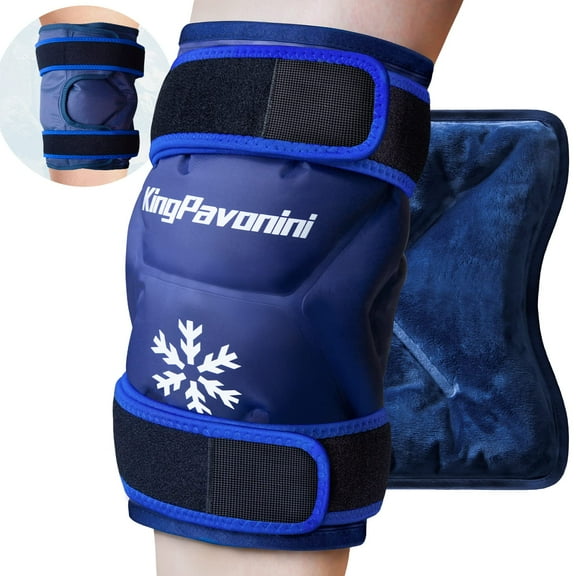
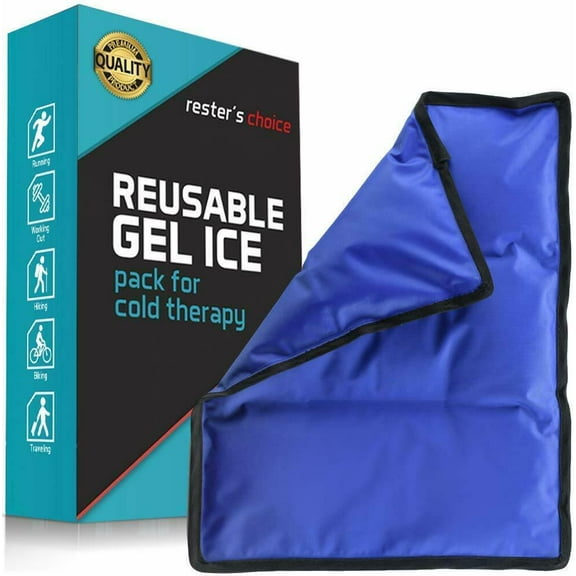
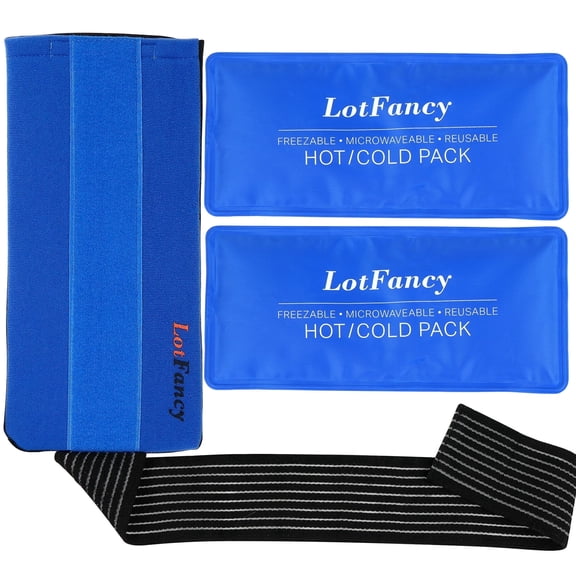
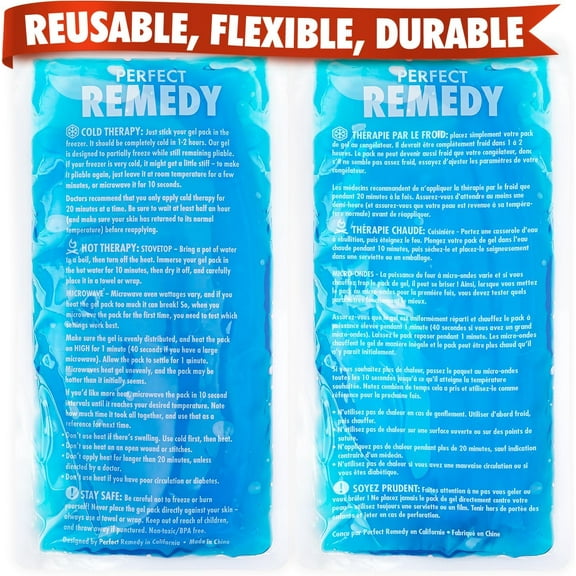
Reusable gel ice packs for injuries often stay flexible after freezing, which helps you wrap them around knees, shoulders, and elbows. You can also check whether the outer layer feels durable during repeated squeezing and pressure.
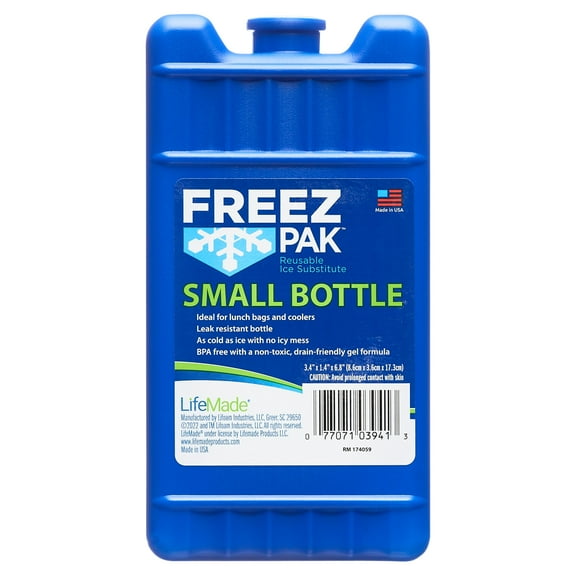
Clay-filled packs usually feel denser, which can help you keep steadier contact across broader areas. You may prefer that added weight when you want the pack to rest in place.
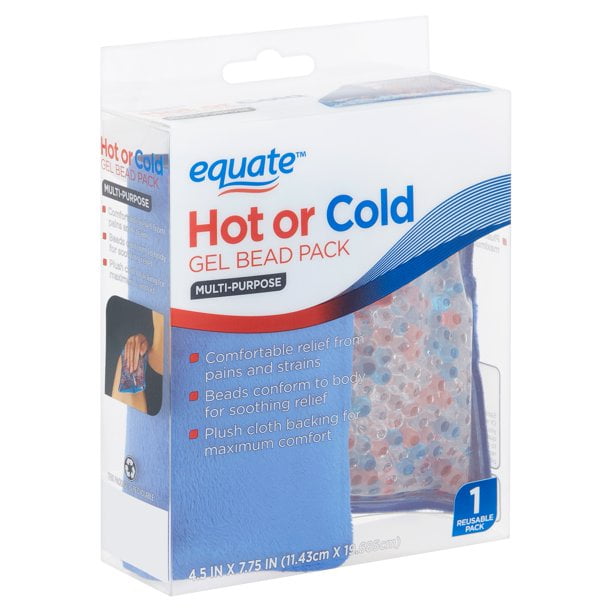
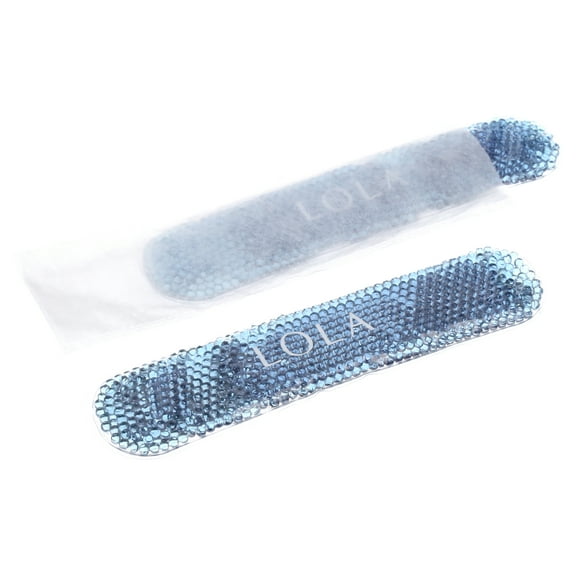
Bead-filled packs can feel textured and easy to reposition during use. You can consider them when you want a pack that bends around smaller curves or shifting angles.
- You can choose gel when you want a flexible shape after freezing.
- You can choose clay when you want denser contact across broad areas.
- You can choose beads when you want easy repositioning around curved joints.
- You can choose instant cold packs when you need cooling away from home.
What to look for in a hot cold compress
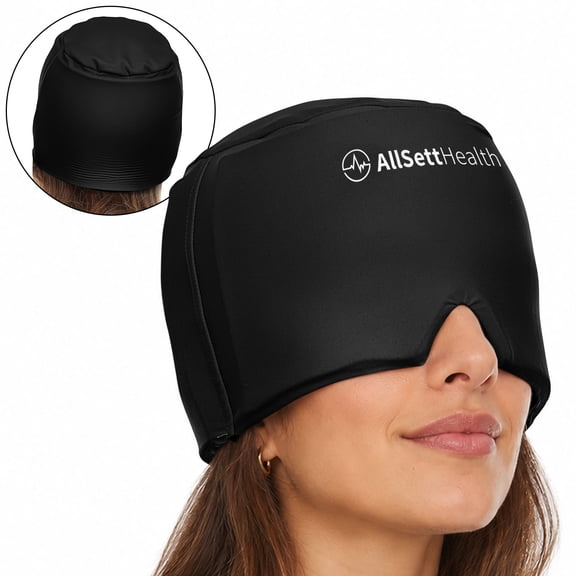
You should compare therapy mode before you choose a hot cold compress for your routine. You can pick dual-purpose packs, cold-only packs, or heat-only packs based on how you plan to use them.
Dual-purpose packs give you flexibility in one item. You can chill them for cooling or warm them for heat, which helps you simplify your cabinet, locker, or gym bag.
Cold-only packs can suit you when you mainly want cooling after exercise, outdoor activity, or long summer days. You can also consider instant cold packs when freezer access isn't part of your plan.
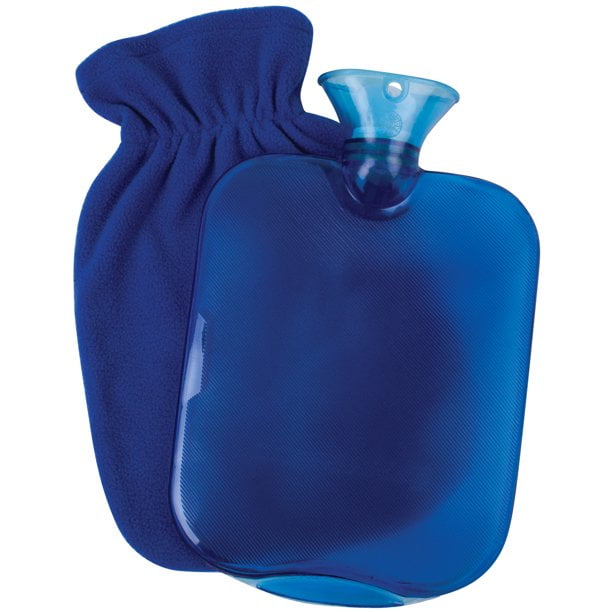
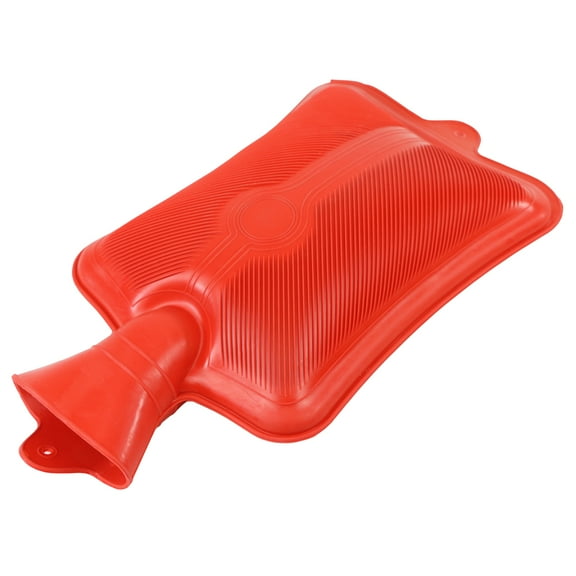
Heat-only options may fit your routine when you want warmth without freezer storage. You should check whether your pack is microwaveable or designed for hot water heating before you choose.
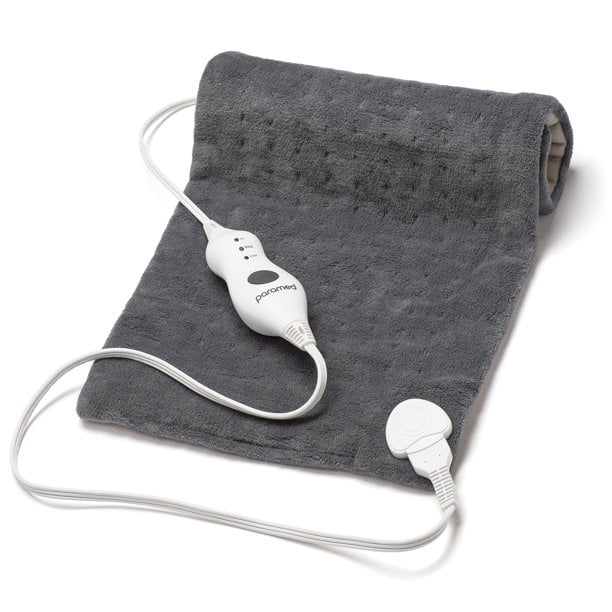
Heating method matters because prep convenience can shape your daily routine. You can look for microwaveable heating pads when you want faster prep, or choose hot-water styles for a different warming method.
Comparing fit for back, knee, shoulder, and flexible use
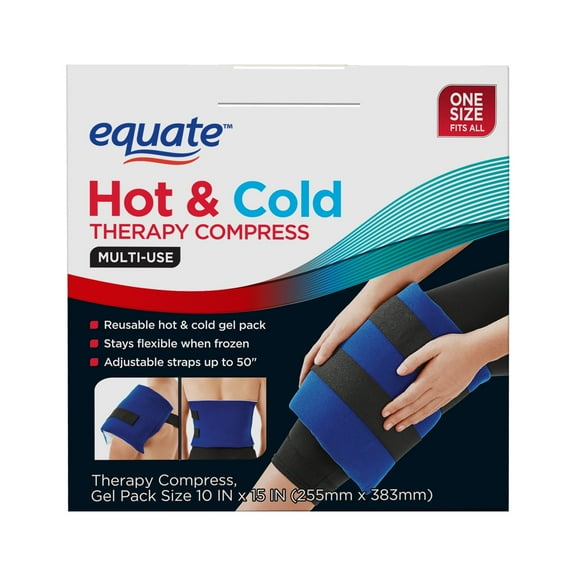
You can get more comfortable contact when you match the pack shape to the area you use most. You can compare back, knee, shoulder, and universal formats before you decide.
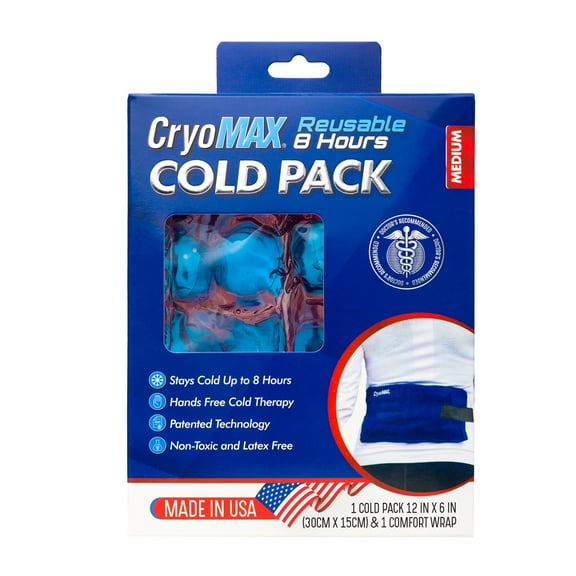
Back styles usually cover wider areas and can feel easier to place across broad surfaces. You can look for longer shapes when you want coverage across more of your upper or lower back.
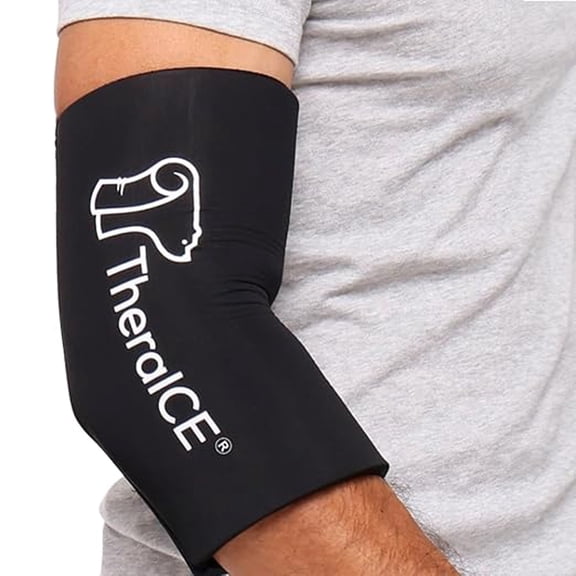
Knee and shoulder designs often curve more naturally around joints. You should consider flexible cold packs when you want the pack to contour instead of sitting stiffly in one place.
Universal packs give you versatile placement options across arms, legs, necks, and smaller areas. You can keep a universal design in the freezer when your needs change from day to day.
Flexibility also affects how secure the pack feels during use. You may prefer a softer pack if you want it to wrap around elbows, ankles, or knees with less shifting.
Key features that help you compare options
You should check how long the pack stays cold or warm because duration changes your overall experience. You can compare pack thickness and filling style when you want temperature that lasts through your routine.
A thicker pack may hold temperature longer, though it can feel bulkier in smaller spaces. You can balance duration with flexibility if you need a pack that bends around joints.
Durability matters when you use a pack often or keep one in a busy household. You should look for sturdy seams and leak-resistant construction that handles repeated pressure.
Cover materials and sleeves can change how the pack feels against clothing or wraps. You can check product details when you want a softer touch or easier handling straight from the freezer.
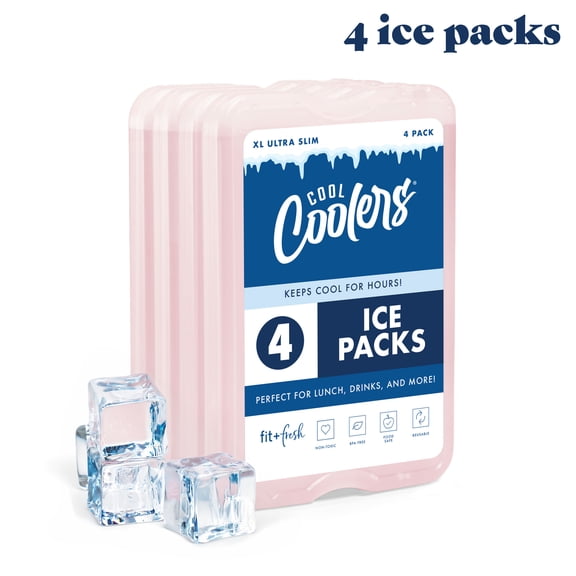
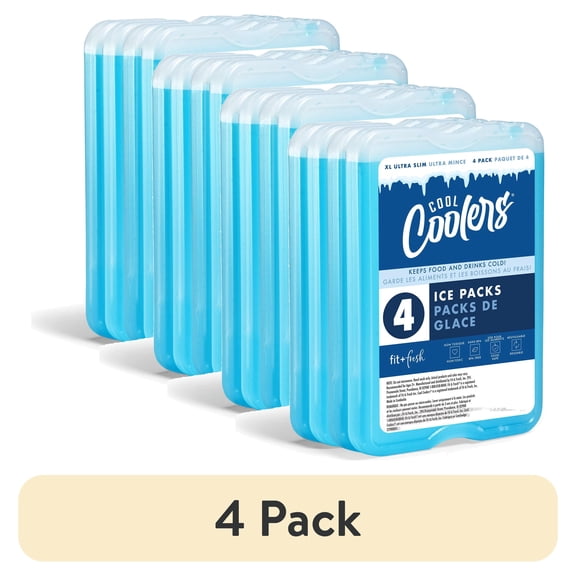
Storage and prep time can also guide your decision. You may want a slim pack for crowded freezers or a microwave-ready option for quick evening use.
Using hot and cold packs in everyday routines
You can keep hot and cold packs ready for recovery after workouts, long commutes, yardwork, or busy weekends. You can also keep them in first aid kits, office drawers, and sports bags.
For home use, you might keep one reusable pack in the freezer and another in a cabinet. You can rotate them based on whether you want cooling now or microwaveable heat later.
For school sports or outdoor events, you may prefer instant cold packs that activate without a freezer. You can pack them easily when portability matters more than repeated use.
For joint-focused use, you should compare shaped packs with flexible designs that contour around knees or shoulders. You can get a more secure fit when the pack matches the area.
For general household use, a universal reusable pack can cover many everyday needs. You can move it from a shoulder to a knee to a back area without changing formats.
When you choose the right type, material, fit, and therapy mode, you can build a routine that feels easier to maintain. You can get more practical use from a pack that matches your storage, prep, and placement preferences.
You can narrow your choice faster when you compare heating method, flexibility, and intended area together. Your ideal option can feel easy to prep, comfortable to position, and ready for steady temperature support.