

Colanders & Food Strainers with Handles
























About Colanders & Food Strainers with Handles - Walmart.com
You can simplify prep with a colander with handle that fits your sink, your cookware, and your usual cooking routine. You’ll notice the right design helps you rinse berries, drain pasta, and wash vegetables with steadier movement.
When you compare food strainers and colanders, you should focus on handle comfort, mesh size, material, and capacity. You can narrow your choice faster when you match those details to pasta nights, produce prep, and grain rinsing.
Choosing the right food strainer for your kitchen
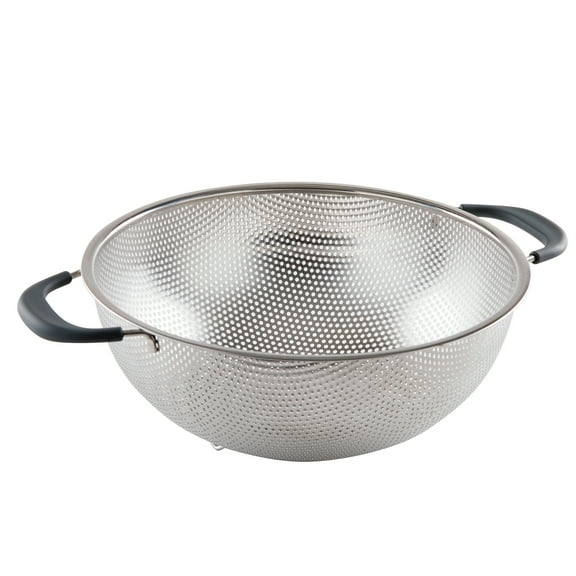
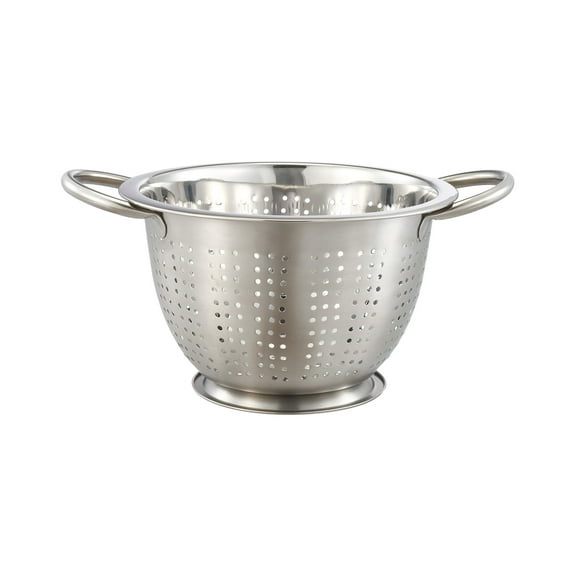
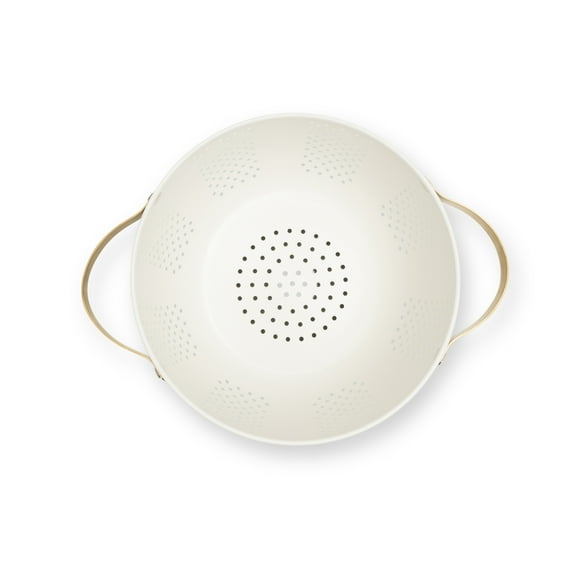
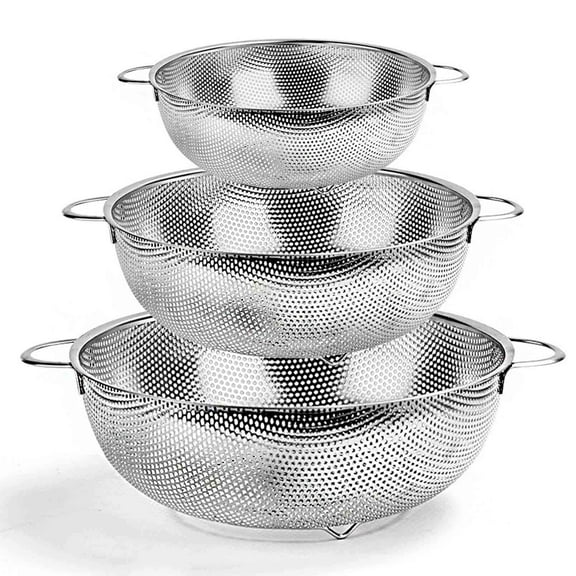
Start with handle design, because you’ll feel that difference during every rinse and pour. You can choose a single handle for one-handed use or dual handles for balanced lifting.
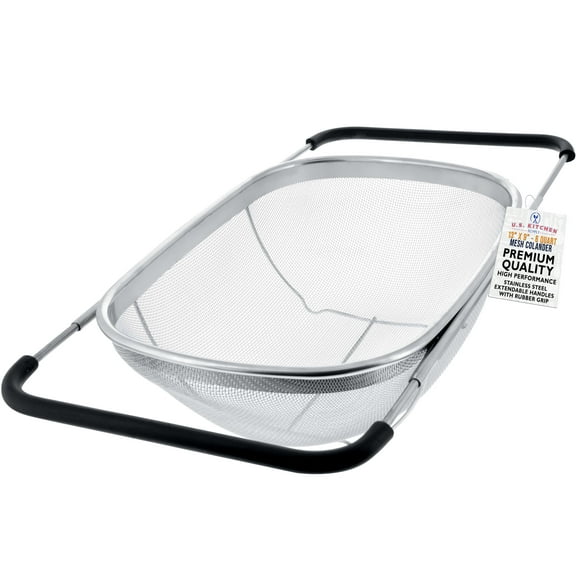
If you use a deeper sink, you may prefer extendable handles that rest across the basin. You should also look for an ergonomic grip when your hands are wet or you’re draining heavier pasta.
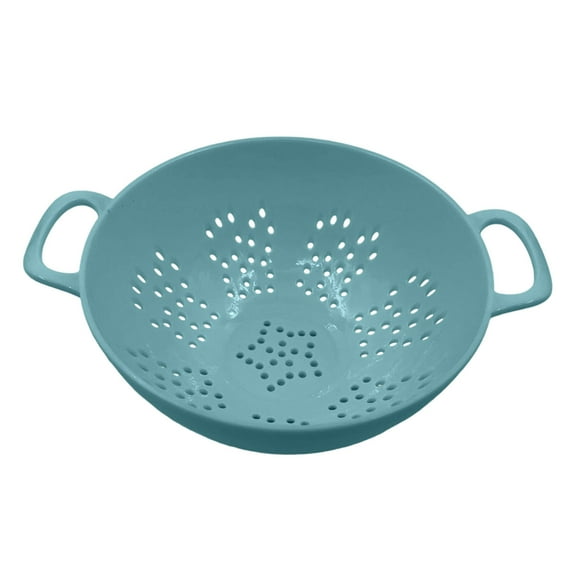
Capacity matters when you cook small meals or larger batches for the table. You can use a mini strainer for berries and rice, while a five-quart option suits pasta and bulky produce.
Over-the-sink shapes help you direct water where you want it during prep. You may find that setup useful when your counter stays busy with bowls, cutting boards, and ingredients.
How strainers for food support everyday prep
You can make prep cleaner and quicker when your strainer matches the task. You can experience fewer spills, easier rinsing, and smoother transfers from pot to sink.
- You can drain pasta without juggling a heavy pot and a loose insert.
- You can rinse lettuce, grapes, and herbs while keeping small pieces contained.
- You can wash rice or quinoa with finer mesh that lets water pass through evenly.
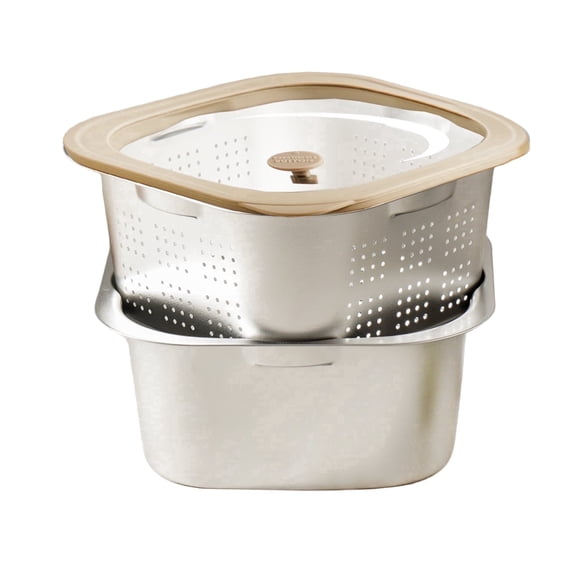
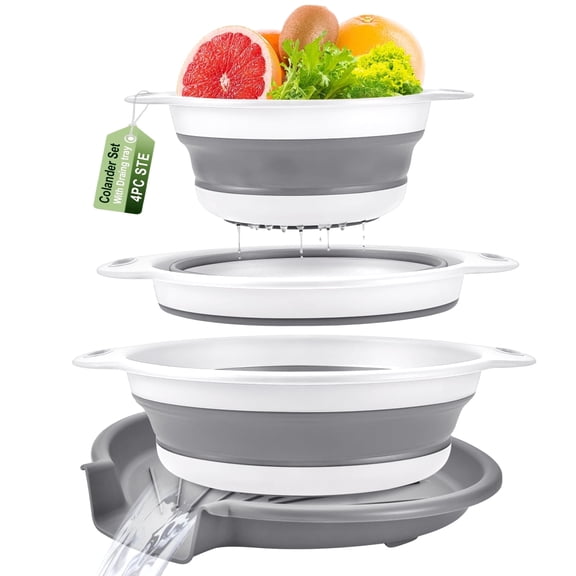
- You can choose collapsible or nesting shapes when your cabinets need compact storage.
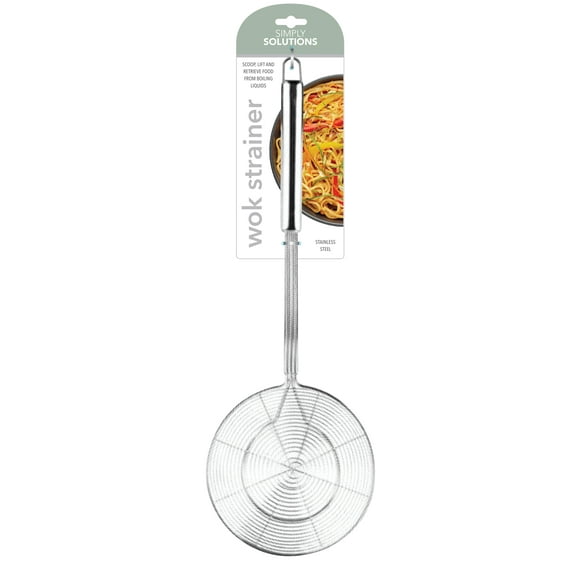
For vegetables, you should look for openings that release water fast without losing cut pieces. You can use a vegetables strainer for potatoes, green beans, or chopped peppers before cooking.
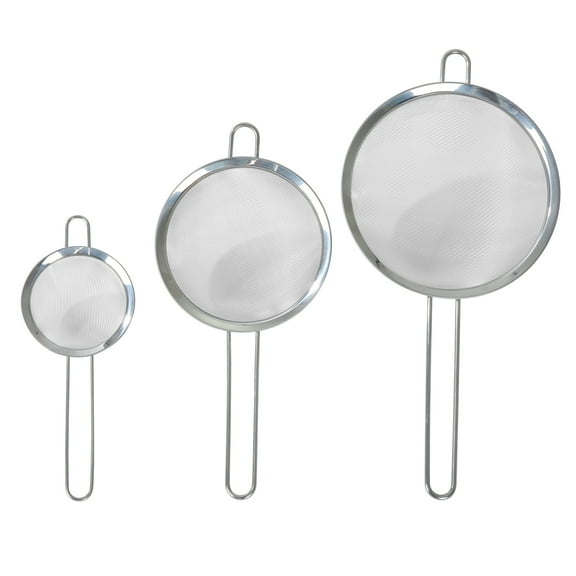
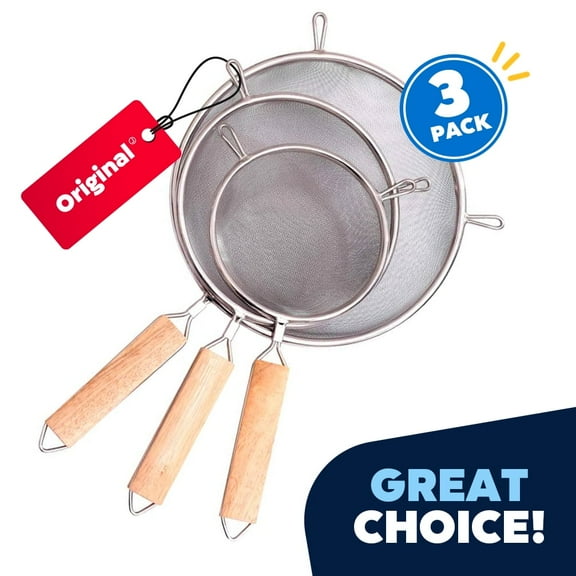
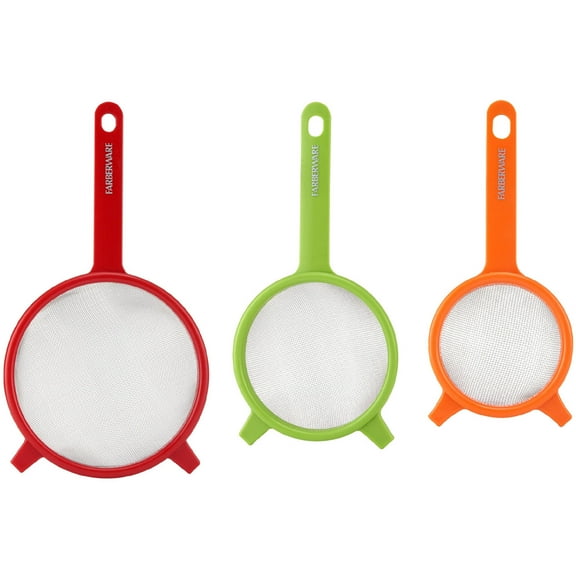
For smaller ingredients, you should compare mesh closely before choosing. You’ll notice fine mesh works well for rice, beans, and berries that can slip through wider holes.
What to look for in vegetable strainer steel and other materials
Material changes how your strainer feels, stores, and handles daily use. You should compare stainless steel, silicone, plastic, and mesh based on what you cook and how you clean up.
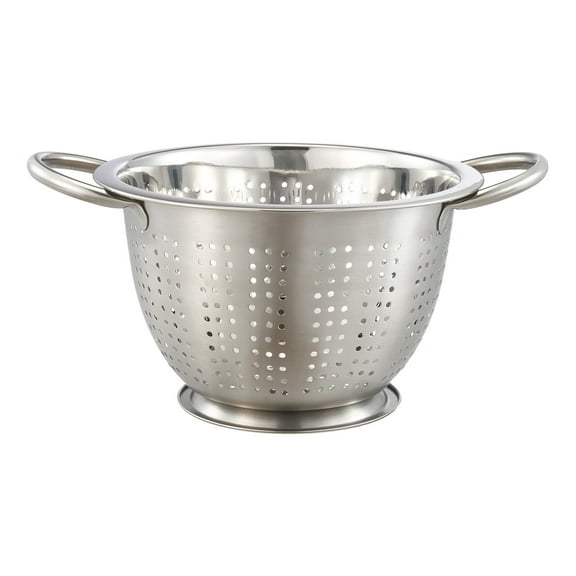
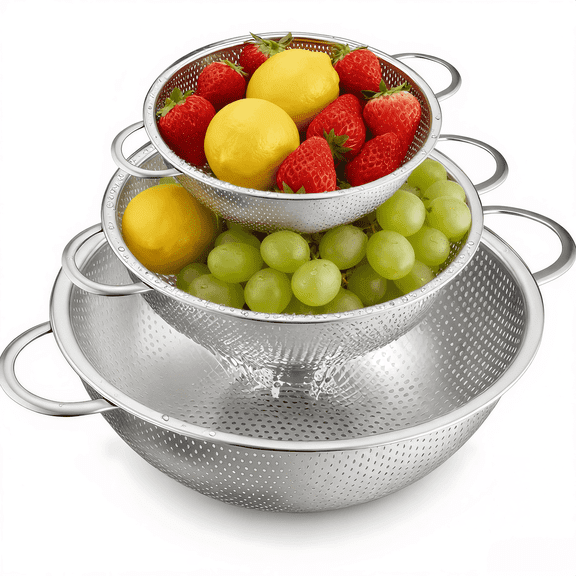
If you want a vegetable strainer steel option, you may see 18/8 stainless steel in product details. You’ll recognize that spec as a durable kitchen material with strong rust resistance.
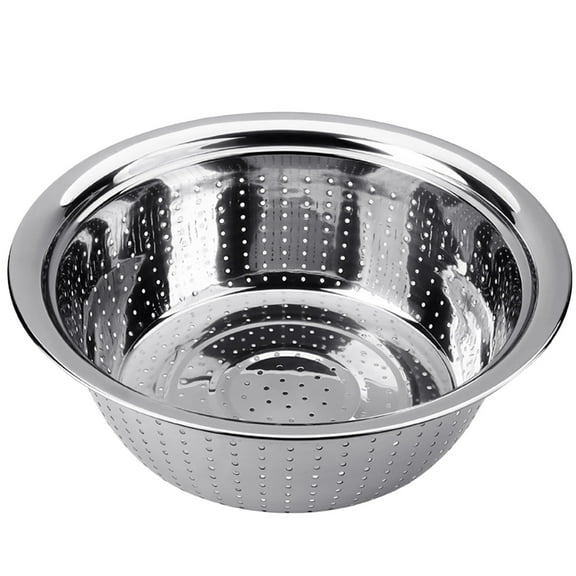
Stainless steel gives you a firm structure that stays steady under heavier loads. You can use it for pasta, potatoes, or larger batches when you want a rigid bowl shape.
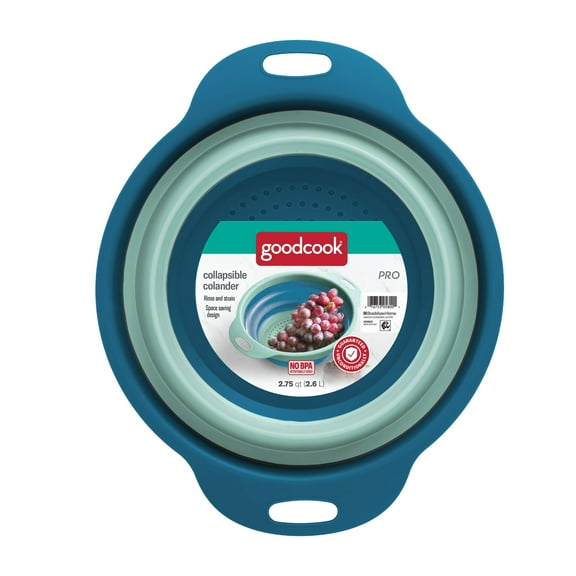
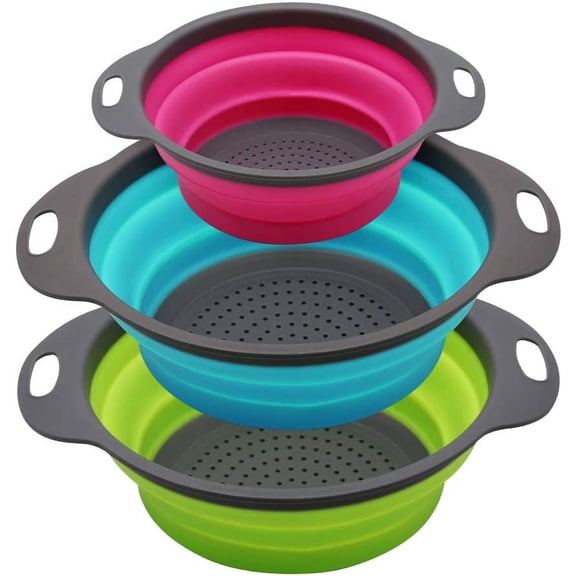
Food-grade silicone offers flexibility that helps when you need collapsible storage. You may appreciate that design if your drawers are crowded or you prefer lighter kitchen tools.
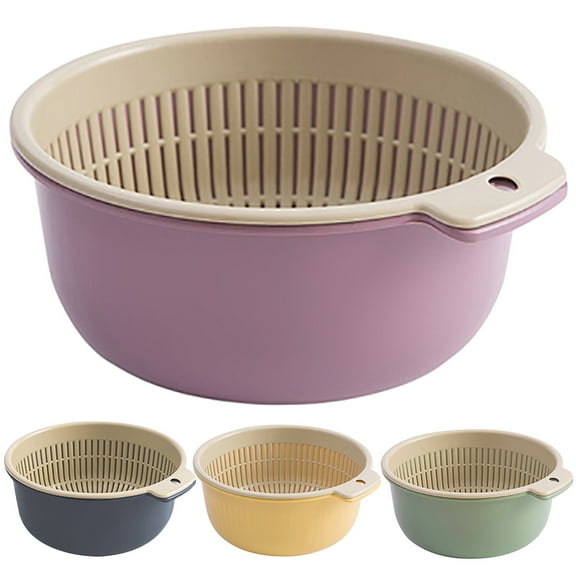
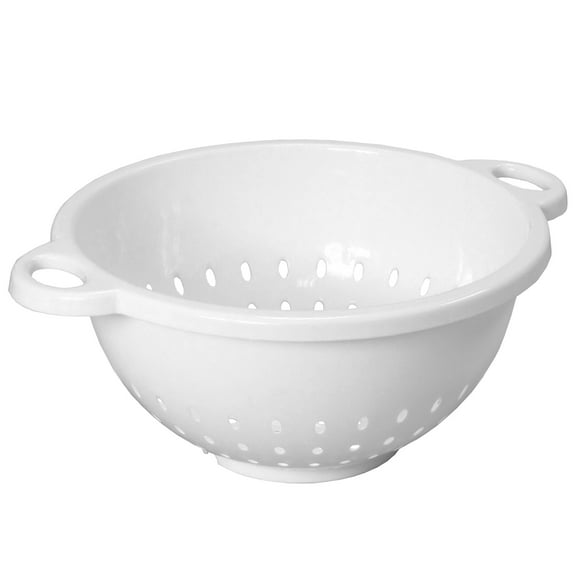
Plastic styles can feel light and simple for quick rinsing tasks. You should check the base shape and handle shape carefully if you want more stability at the sink.
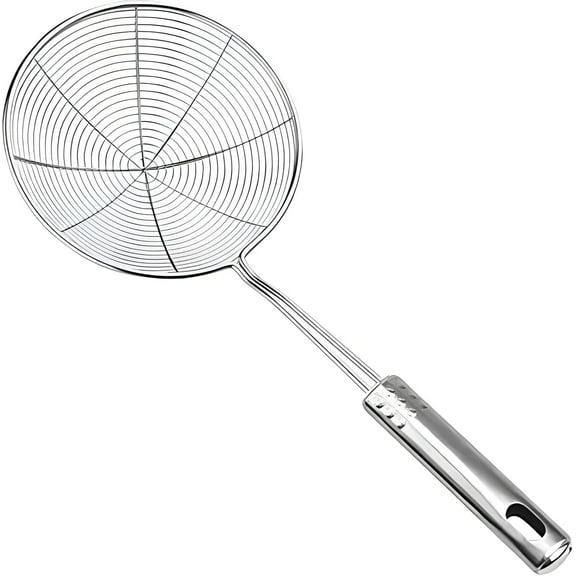
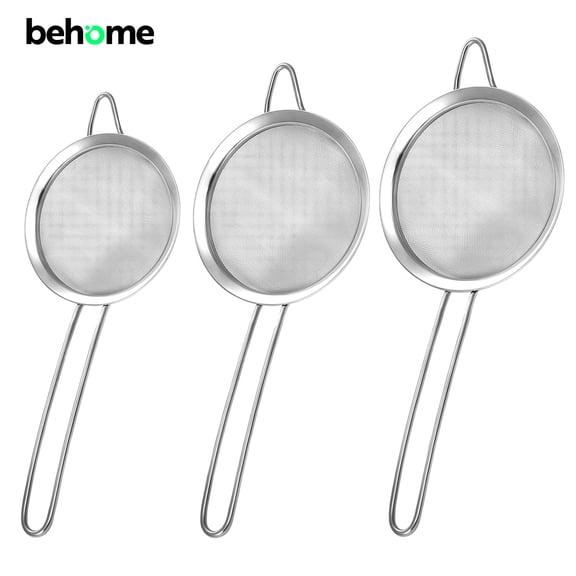
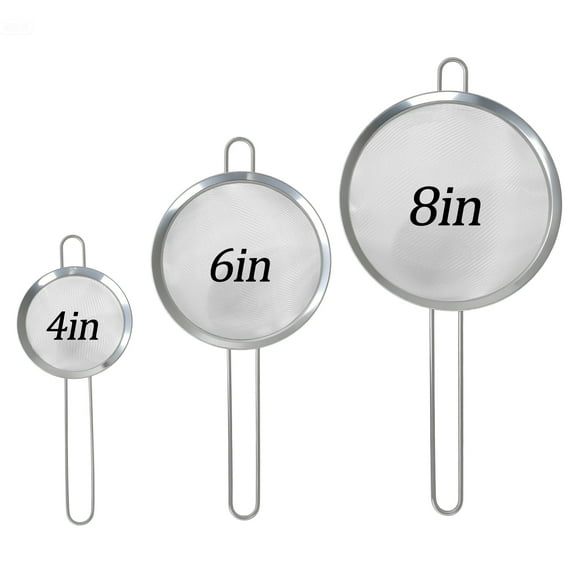
Mesh designs give you finer drainage control for delicate ingredients. You can use a food strainer with fine mesh when you need to rinse grains or catch smaller food pieces.
Comparing mesh size, bowl shape, and storage features
Mesh size affects which foods stay put and which foods move easily under water. You should choose wider holes for pasta and larger produce, while finer mesh suits rice and berries.
Bowl depth also changes how confidently you can rinse or drain ingredients. You may prefer deeper shapes for leafy greens, because water circulates while ingredients stay inside the basket.
Base design matters when you want your strainer to sit securely during prep. You can look for feet or a stable ring base if you want more clearance above the sink surface.
Storage features deserve attention when your kitchen has limited room. You may prefer collapsible silicone or nesting sets if you want tools that tuck into cabinets neatly.
Matching a colander with handle to your usual meals
You can narrow your choice faster when you match the design to your usual meals. You’ll want different features for pasta straining, vegetable washing, berry rinsing, and rice washing.
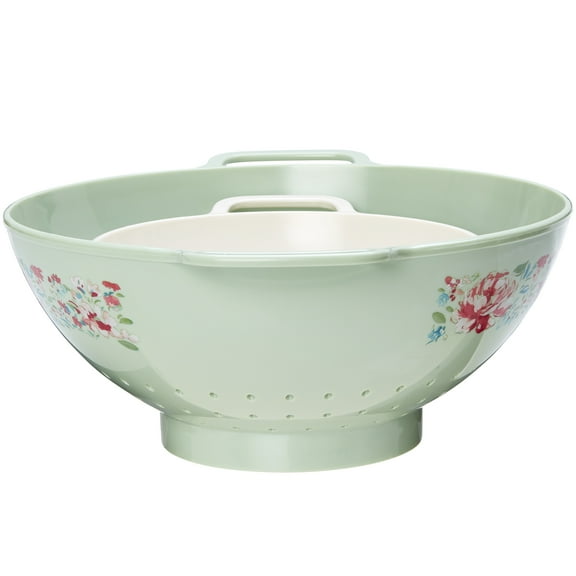
For pasta night, you should look for a larger colander with handle and sturdy walls. You can get better control when draining noodles and moving water away from your hands.
For salad prep, you may want dual handles and a roomy bowl. You can rinse lettuce, cucumbers, and herbs more evenly when the basket stays balanced over the sink.
For berries, grapes, and small tomatoes, you should consider gentler mesh and a smaller size. This helps keep delicate fruit together while water drains quickly through the bottom.
For rice washing, strainers for food with fine mesh make more sense than wide-hole colanders. You can swirl grains under running water without losing them through larger openings.
If your routine includes frequent produce prep, a food strainer that fits over the sink can help. This helps keep both hands freer for rinsing, sorting, and moving ingredients into bowls.
You can choose more confidently when you compare handle style, material, mesh, and size together. Your right match helps you prep ingredients neatly, drain faster, and keep everyday cooking moving smoothly.