

Clothing Racks




























About Clothing Racks - Walmart.com
Clothing racks help you create flexible garment storage when your closet feels full or your layout keeps changing. You can compare rolling frames, shelf designs, and heavy duty builds that fit bedrooms, laundry rooms, and guest spaces.
How to choose clothing racks for your space
You should start with weight capacity because hanging coats, denim, and long dresses can strain a lighter frame. You can look for standard, lightweight, heavy duty, or industrial-style options based on what you plan to hang.
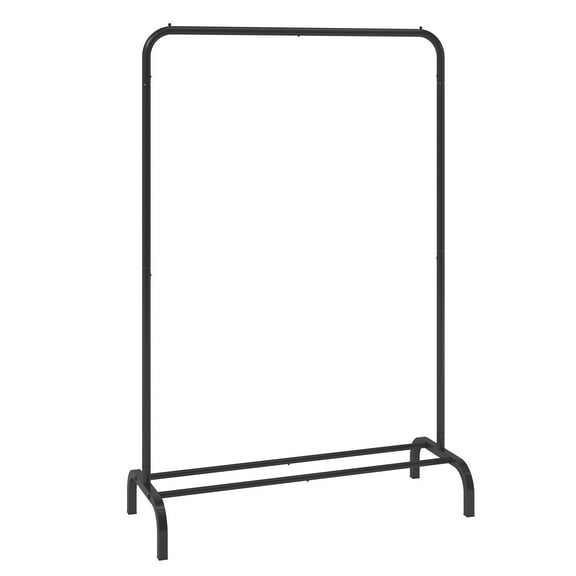
If you need daily storage, you may prefer a heavy duty clothing rack with a thicker metal frame. You can use a lighter rack for short-term outfit planning, seasonal sorting, or occasional guest storage.
You should also measure width, height, and rod spacing before you choose a rack. You can avoid crowded hems and bent hangers when your garments have enough vertical and horizontal room.
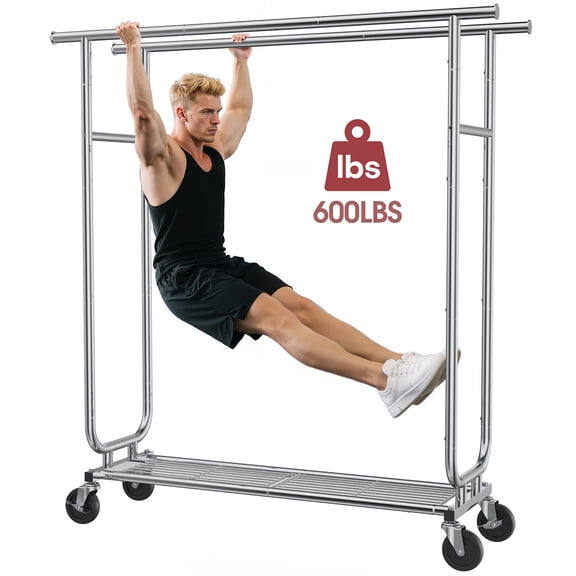
- You can support heavier garments by checking static weight limits before loading the rod.
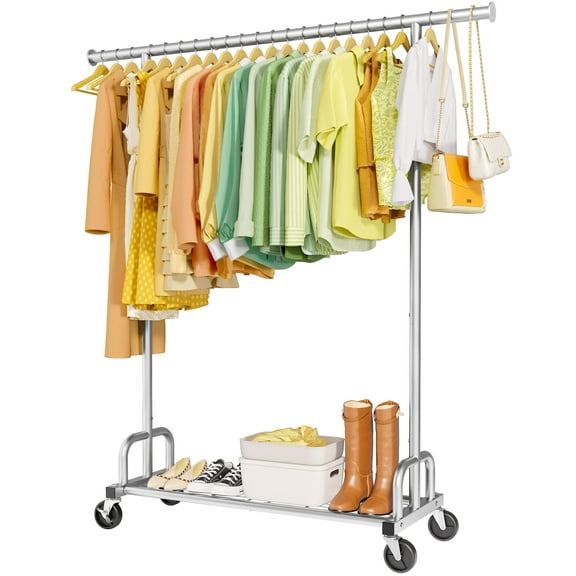
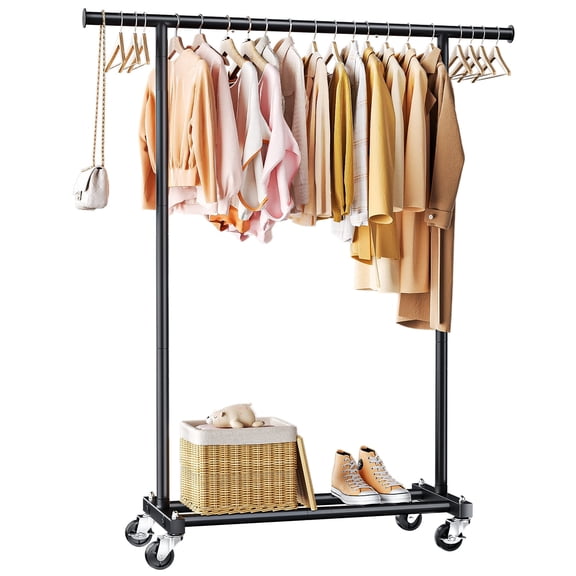
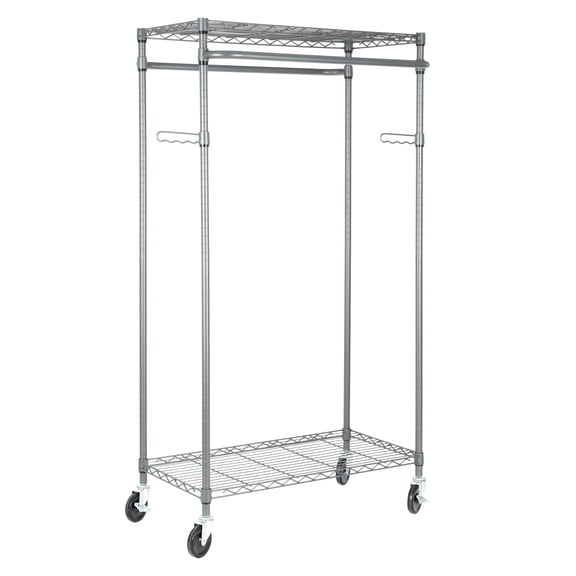
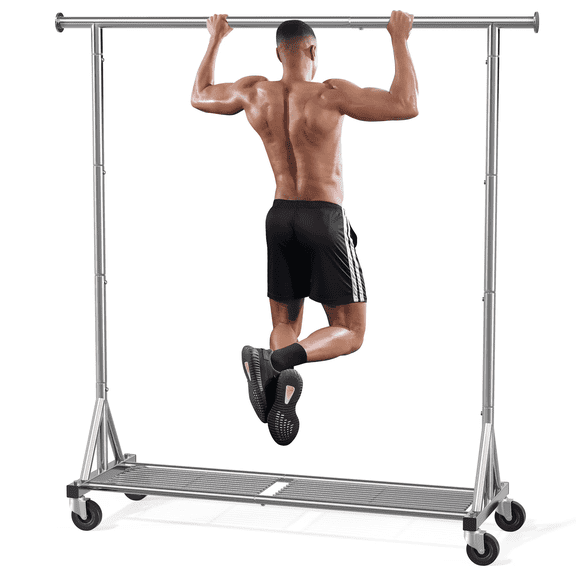
- You can move laundry or outfits faster by choosing wheels instead of a stationary base.
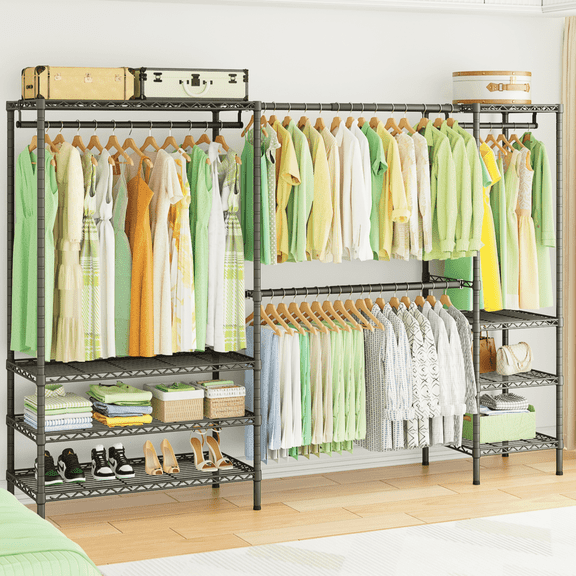
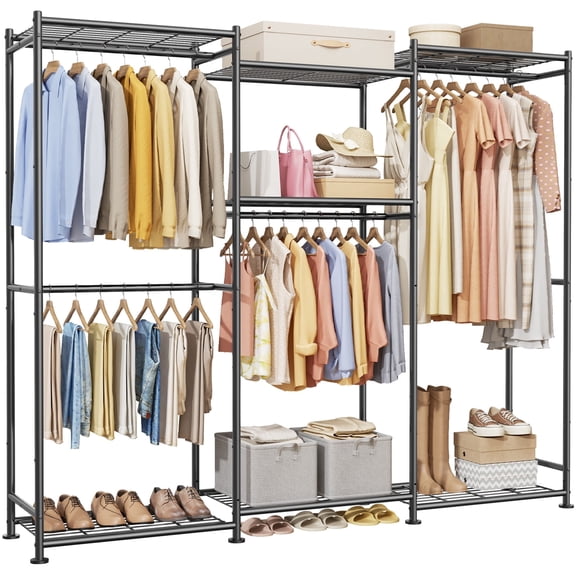
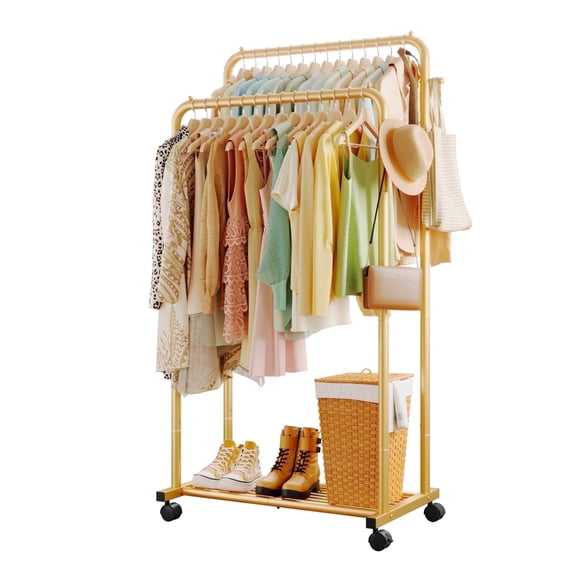
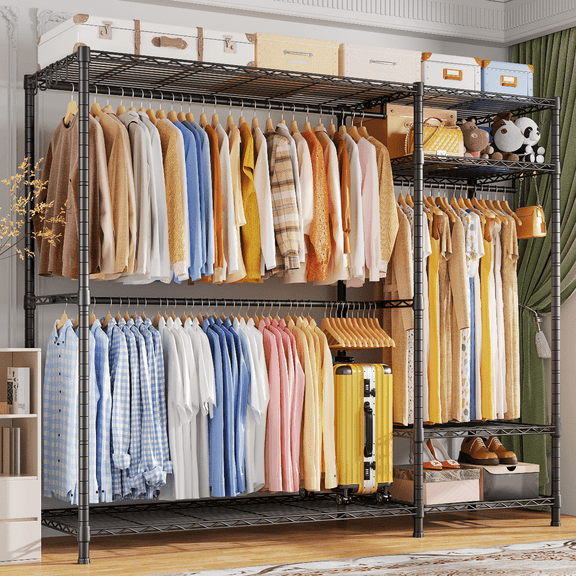
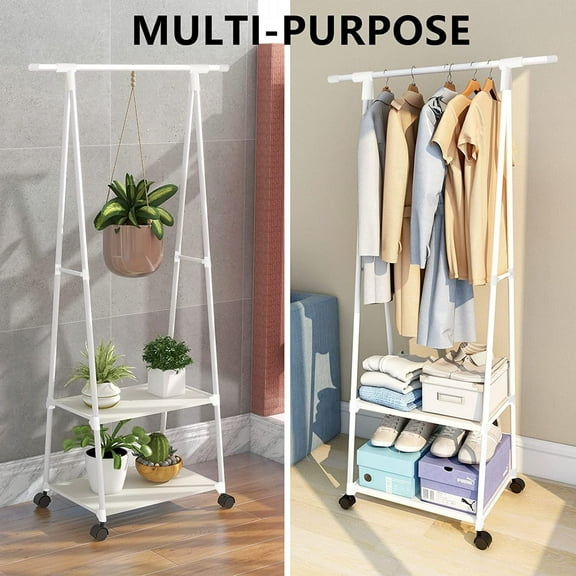
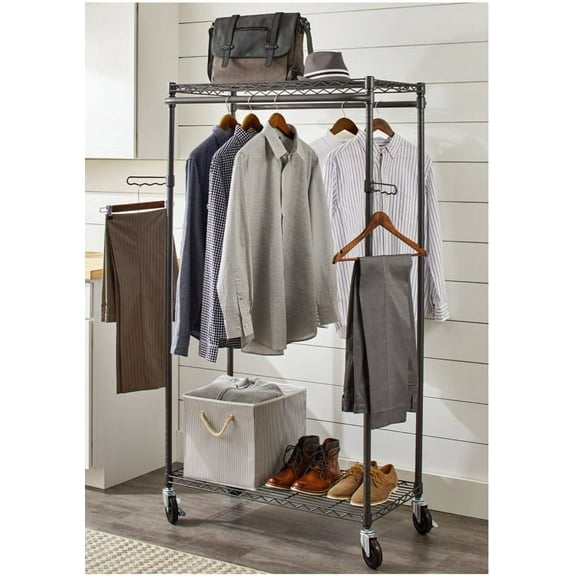
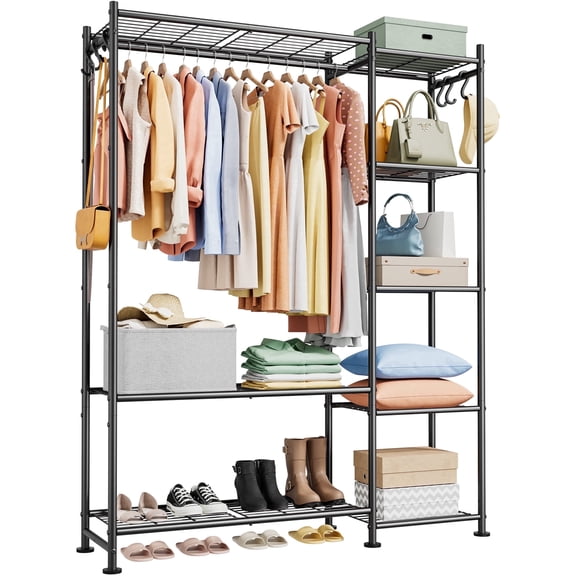
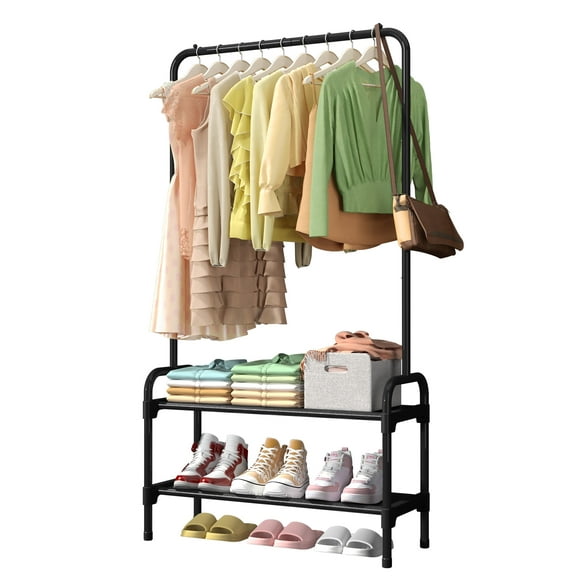
- You can keep shoes, bins, or folded items together with a clothing rack with shelves.
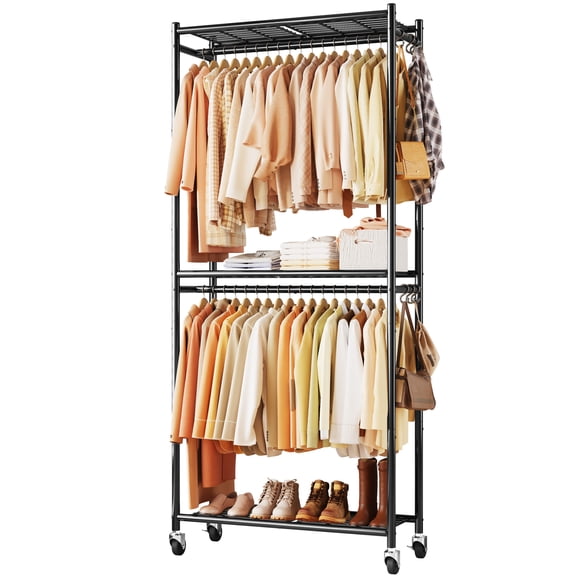
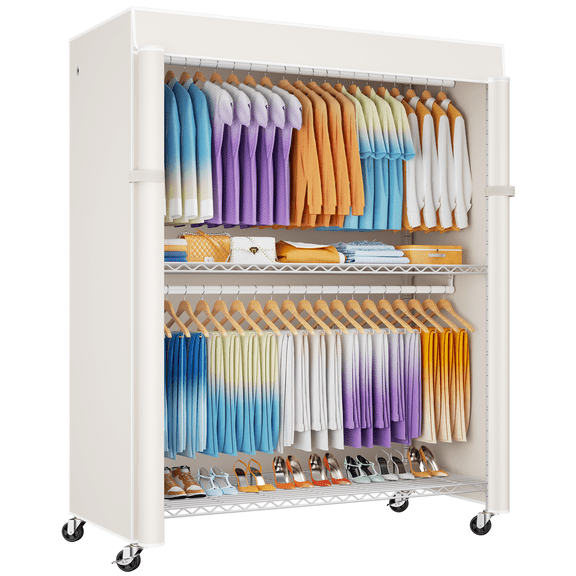
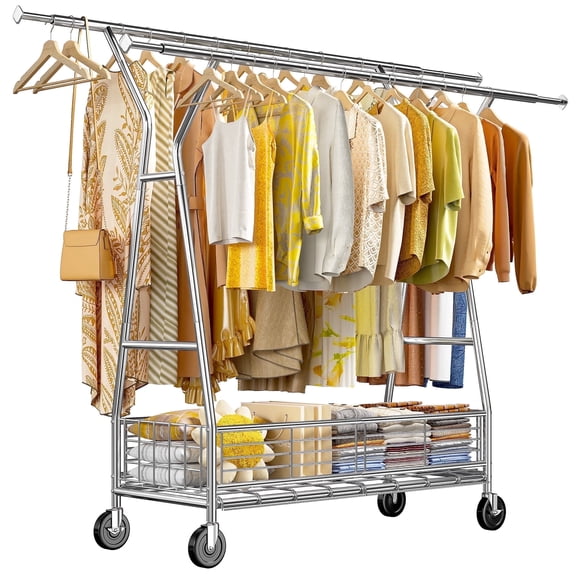
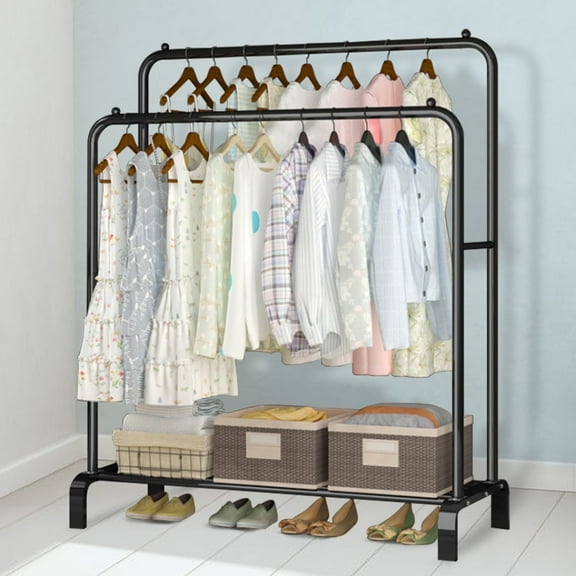
- You can sort tops and bottoms more clearly with double rods and defined spacing.
Choosing a heavy duty clothing rack
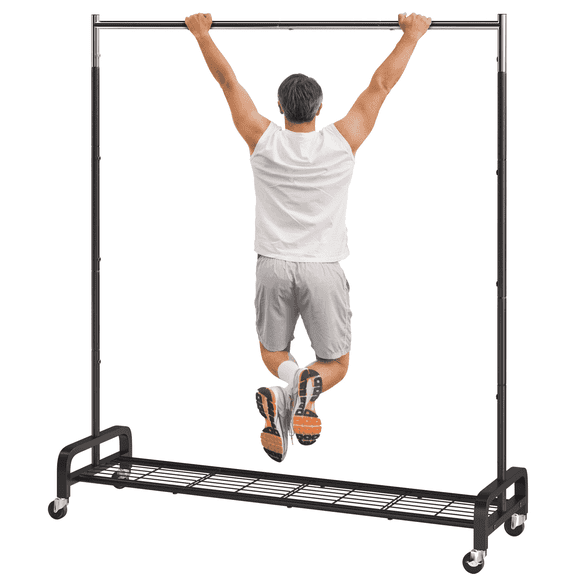
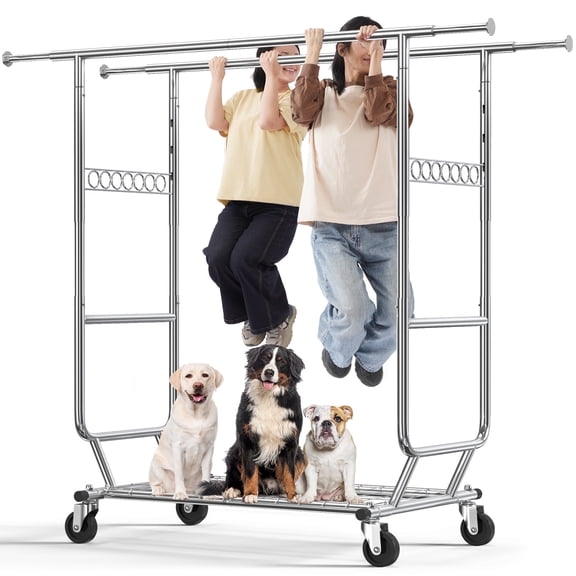
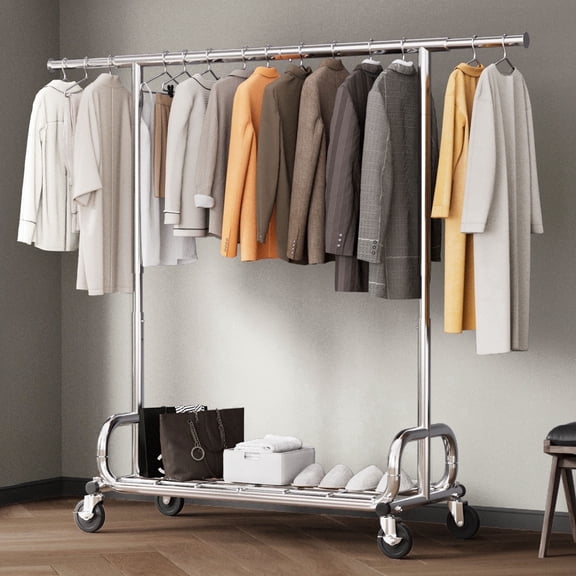
You may want a heavy duty clothing rack when you hang winter coats, uniforms, or multiple loaded hangers in one place. You can gain more dependable support from thicker tubing, reinforced joints, and wider base bars.
When you compare materials, you should look closely at metal construction and connector design. You can expect more steady support from stronger metal parts than from lighter plastic connection points.
You may also notice that chrome and painted metal finishes suit utility spaces differently. You can choose a finish that matches your room while still focusing on rod strength and base stability.
Comparing mobility and garment rack styles
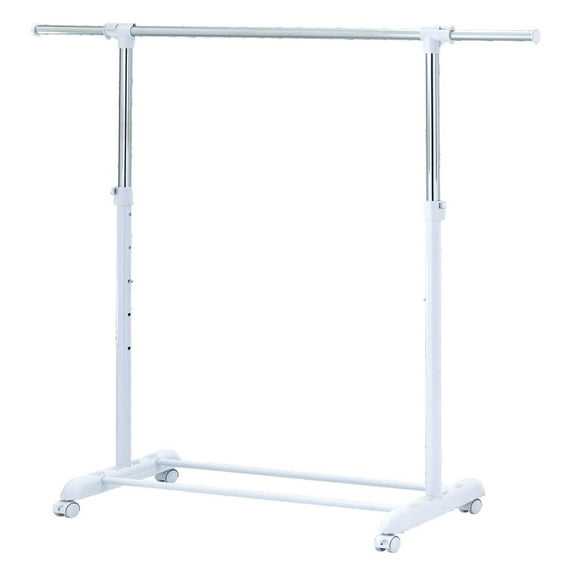
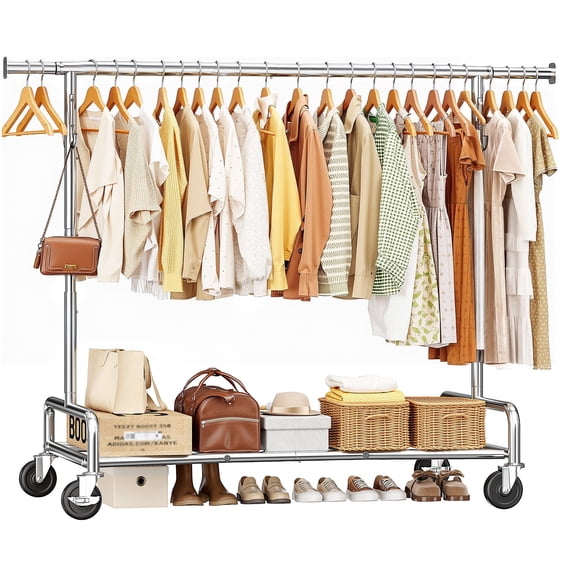
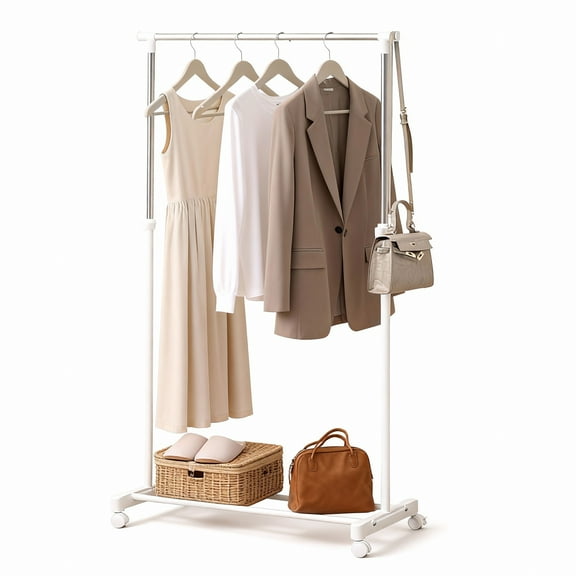
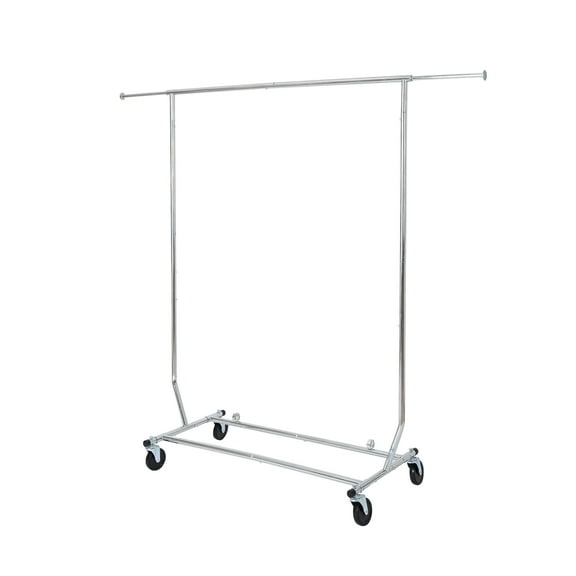
You should decide whether a stationary frame or rolling clothes rack fits your routine. You can keep a stationary rack in one corner, or you can move wheels between the closet, laundry area, and entryway.
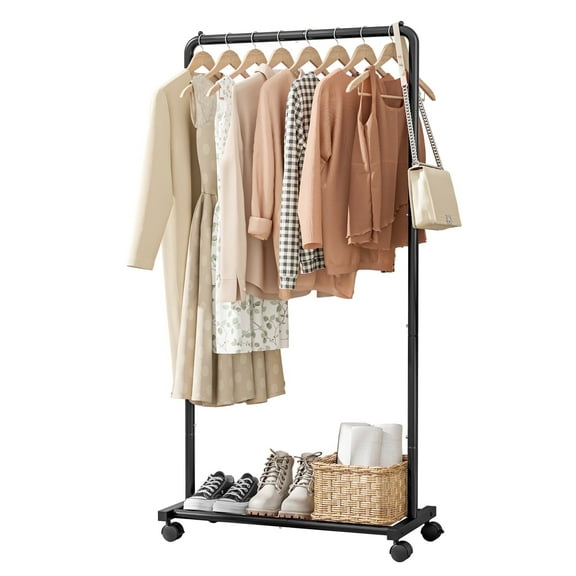
If you steam outfits, sort laundry, or stage looks, a rolling clothes rack can simplify those steps. You can move garments in one trip instead of carrying hangers from room to room.
You may prefer a garment rack with locking wheels when you want movement without drift. You can keep the frame in place during daily use, then roll it away when you need floor space.
If you live in a smaller home, a portable clothes rack may suit changing storage needs. You can set it up for guests, events, or overflow wardrobes, then relocate it as your layout shifts.
Understanding materials, dimensions, and layout
You should compare metal, wood-look, and chrome-style options by how you use the room. You can lean toward metal for utility tasks, while decorative finishes may blend more easily with bedrooms or dressing areas.
Dimensions matter because you need your rack to fit alcoves, corners, and open wall sections. You can measure depth as carefully as width so hangers and sleeves don't crowd nearby furniture.
If you store long garments, you should check overall height before choosing a frame. You can prevent dresses, coats, and jumpsuits from brushing the floor when the rod sits high enough.
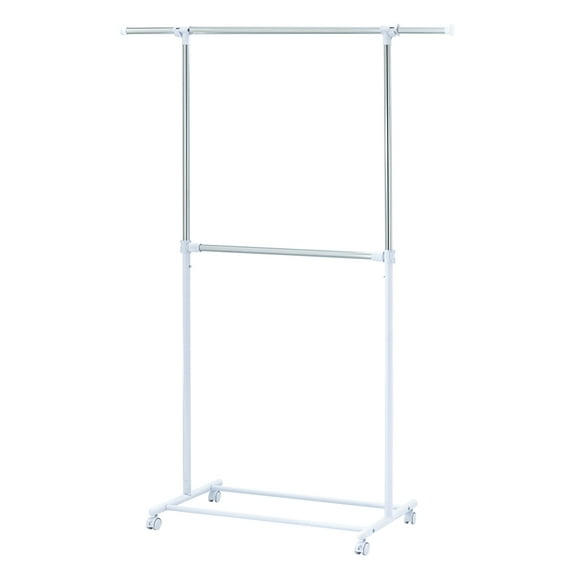
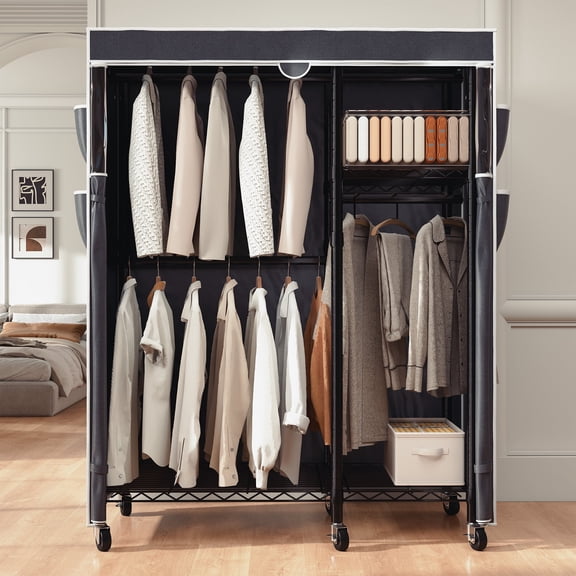
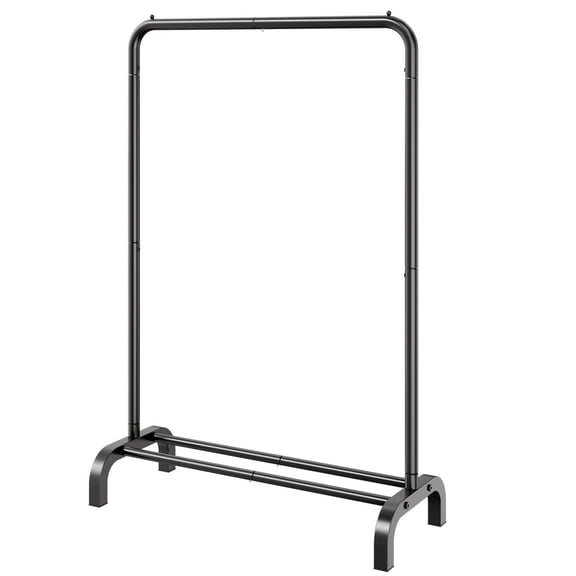
You may want double rods when you separate shirts from pants or kids' clothing from adult sizes. You can use single-rod designs when you need open vertical clearance for longer pieces.
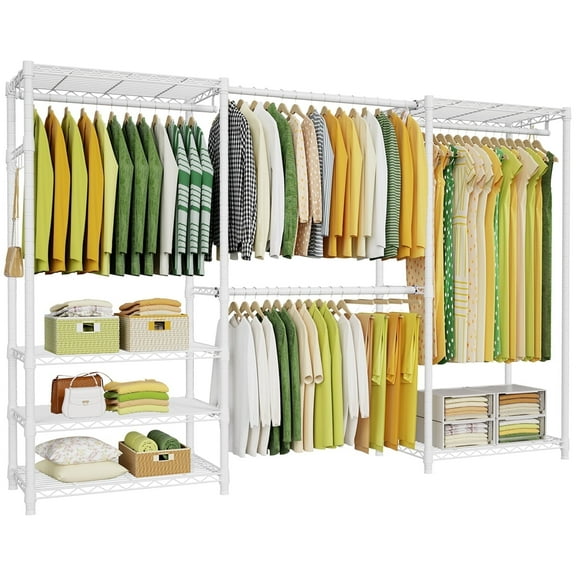
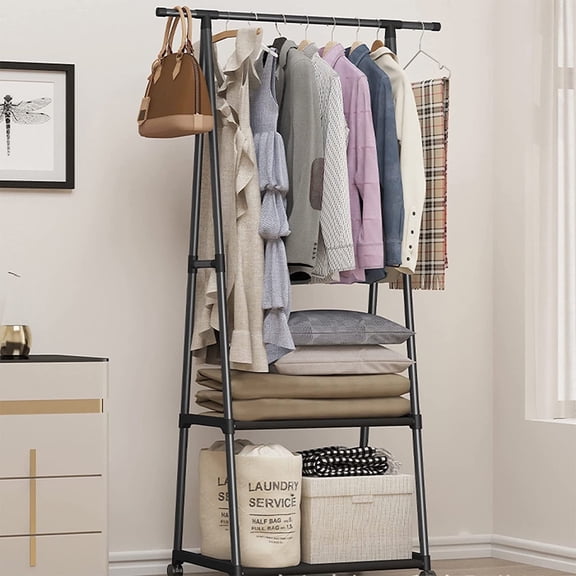
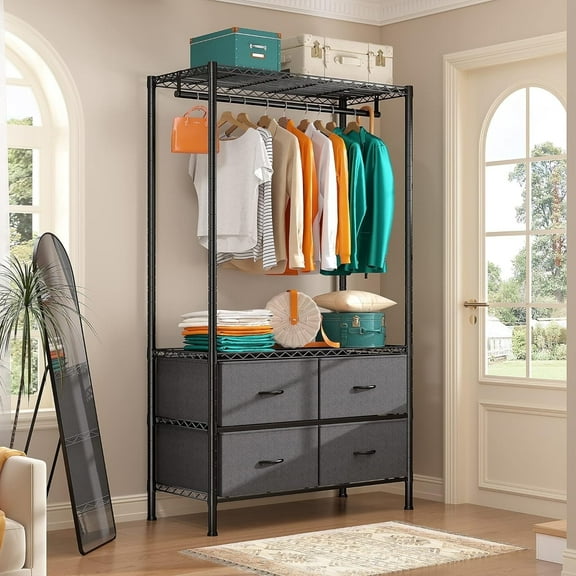
A clothing rack with shelves can help you combine hanging storage with folded organization. You can place bins, shoes, handbags, or extra linens below instead of spreading items across the room.
Matching clothing racks to everyday use
You can use clothing racks for apartment closets, laundry sorting, guest rooms, and back-of-house storage. You should match the frame design to your routine instead of choosing by appearance alone.
For everyday wardrobe access, you may want a garment rack near your main dressing area. You can keep tomorrow's outfit visible, hang fresh laundry, and separate workwear from casual pieces.
If you run out of closet rod space, you can add a rack for coats, longer dresses, or seasonal rotation. You should look for stable feet or wheels that fit the flooring in your bedroom or hallway.
For shared spaces, you may want double rods or shelves that help each person claim a section. You can reduce clutter faster when shoes, folded items, and hanging pieces stay in one station.
If you prepare for dorm moves, events, or temporary setups, you may need a portable clothes rack. You can move it more easily through doorways when you check width and wheel design first.
You can also pair your rack with hangers, garment bags, and closet organizers for a cleaner setup. You should choose a layout that keeps outfits visible, accessible, and easier to sort each day.
When you compare clothing racks by capacity, mobility, material, and dimensions, you can narrow your options with less guesswork. You can create organized garment storage that fits your space, supports your wardrobe, and keeps daily routines smoother.