


Find auto parts that fit
Let’s search for parts that fit your vehicle.Automotive Paints and Coatings in Automotive Paint



























About Automotive Paints and Coatings in Automotive Paint - Walmart.com
Automotive paint helps you refresh panels, cover chips, and match factory color with more control over each repair step. You can compare spray paint, touch-up pens, liquid paint, and clear coat options that fit your vehicle finish and project size.
How to choose automotive paint for your project
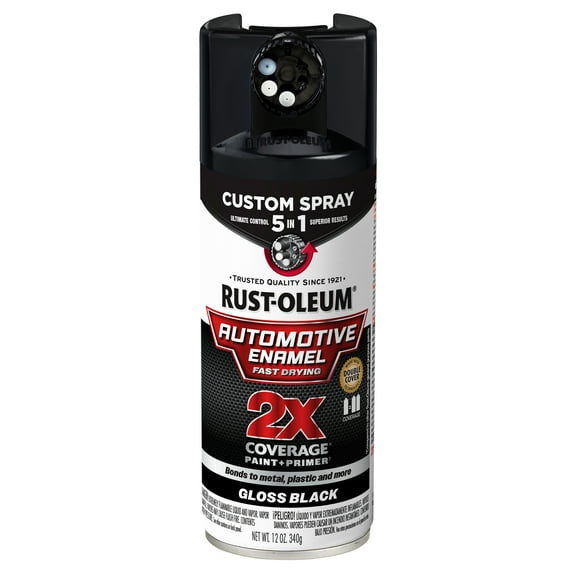
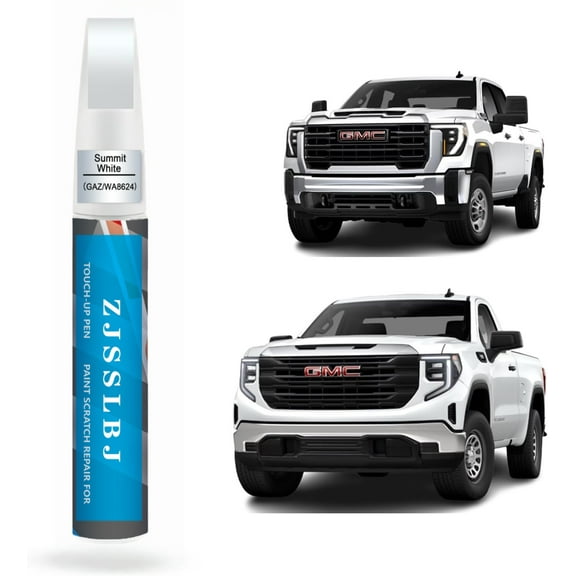
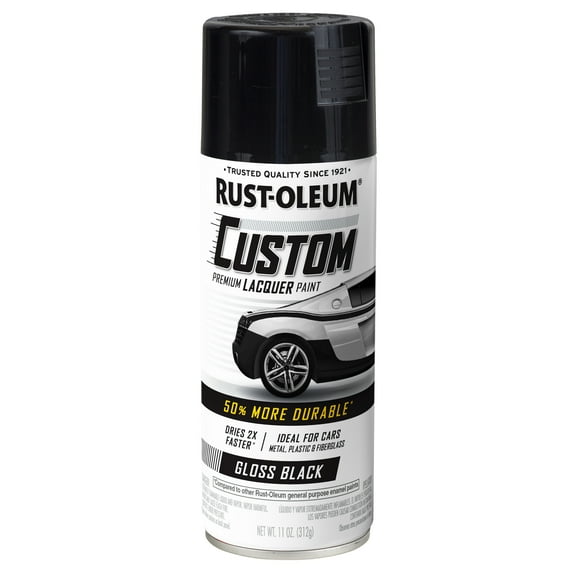
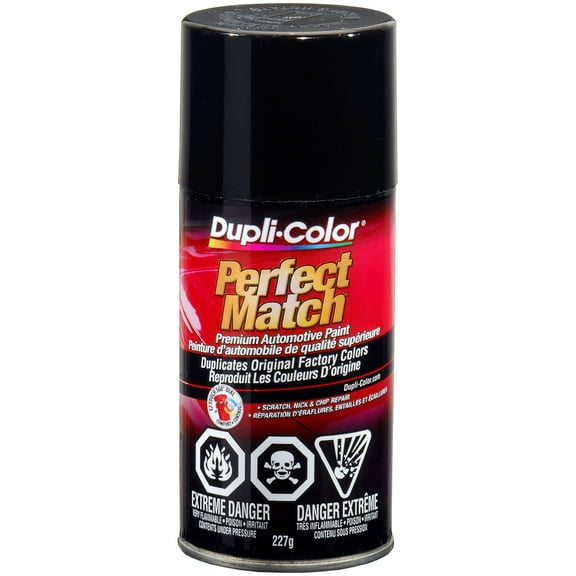
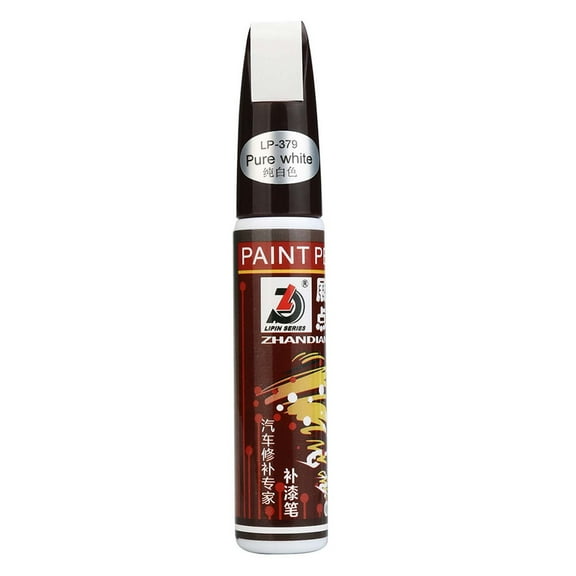
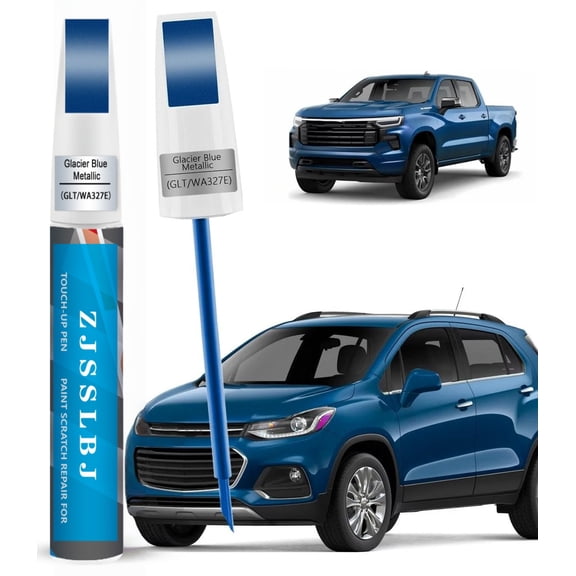
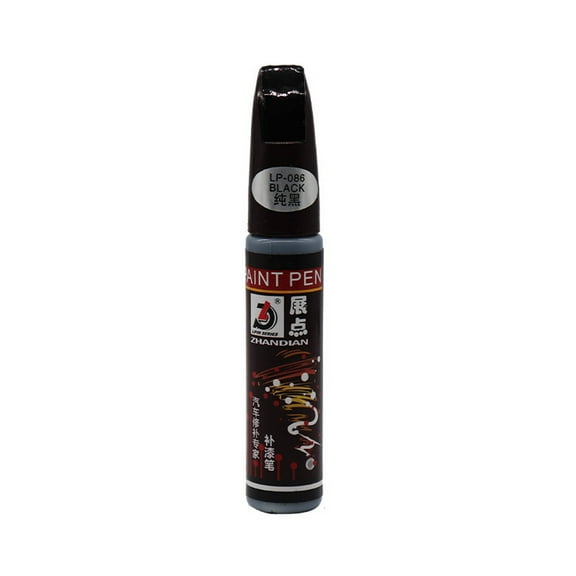
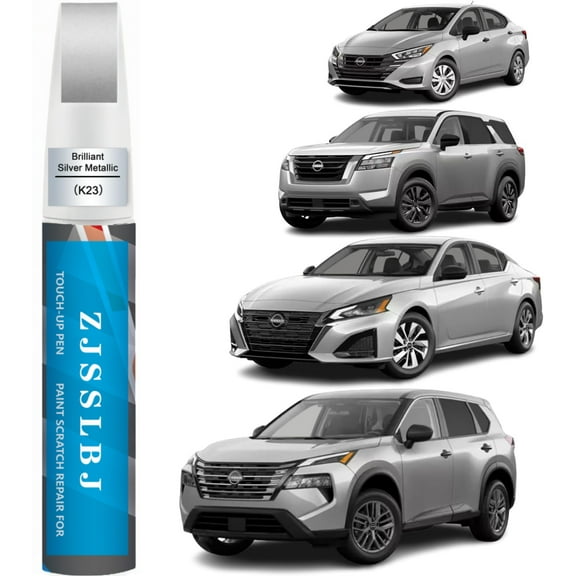
Start by matching your project scale to the paint type you need. You may prefer automotive spray paint for larger sections, while your car touch up paint pen suits tiny chips.
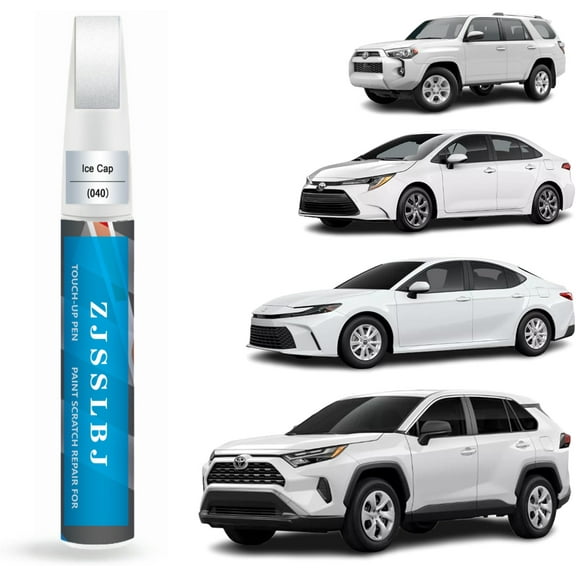
Consider your vehicle's OEM paint code before you choose a color. You can use manufacturer color matching details to narrow your shade and avoid a mismatch across body panels.
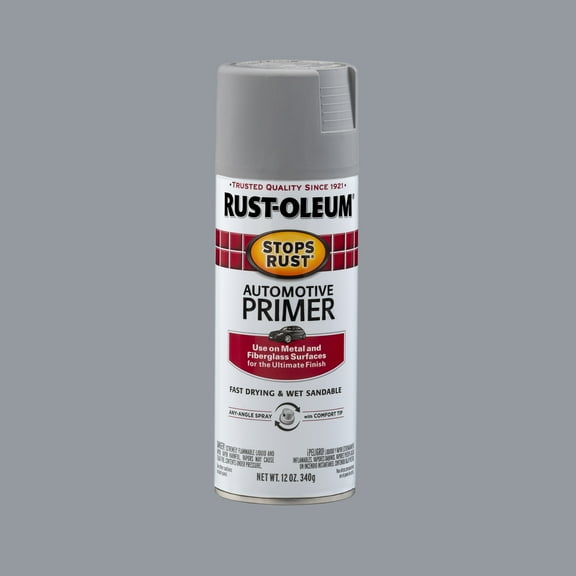
Check whether your repair needs color only or a full system. You may need automotive primer, base color, and automotive clear coat when your surface shows bare material.
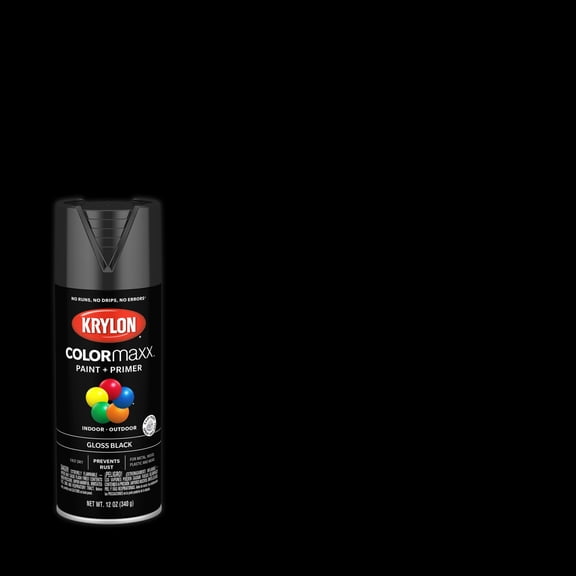
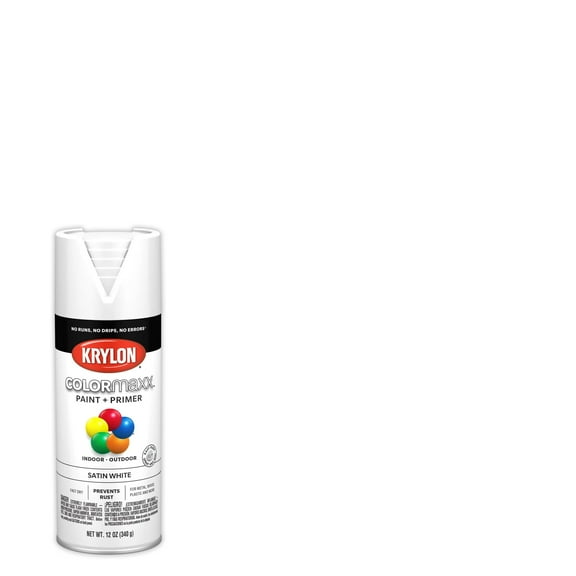
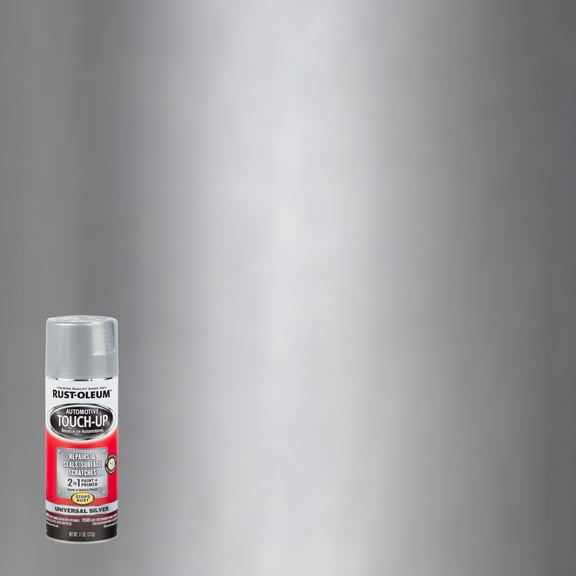
- You can use spray paint for bumpers, mirrors, and small body panel sections.
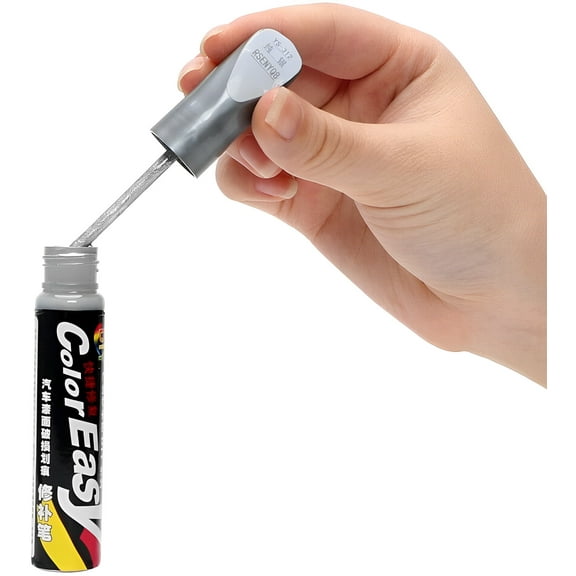
- You can use a touch-up pen for rock chips, door edge marks, and fine scratch repair.
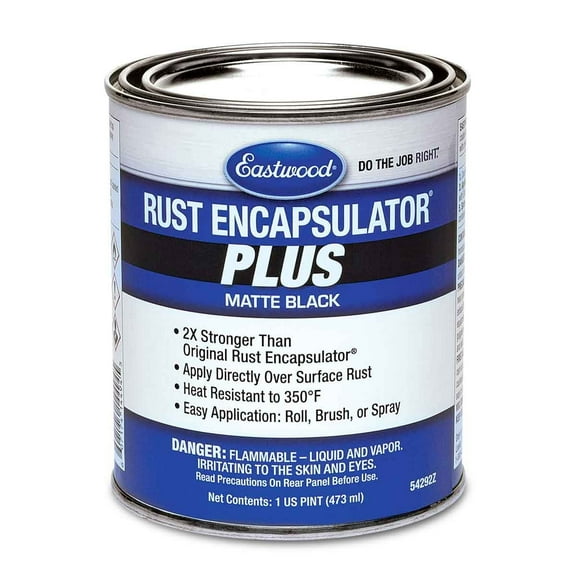
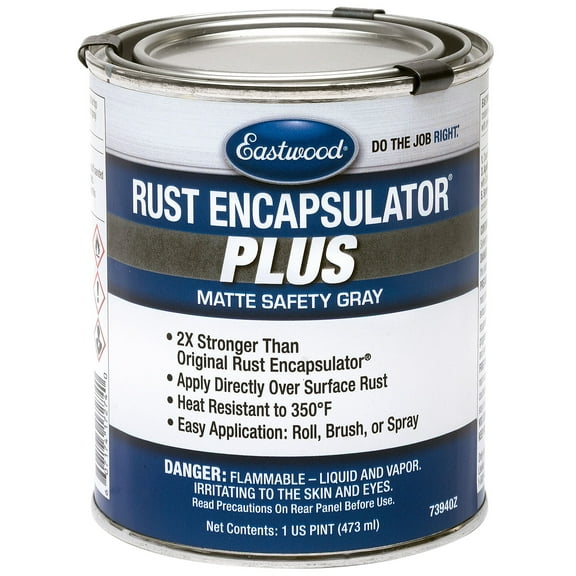
- You can use liquid paint when your repair needs brush application or controlled coverage.
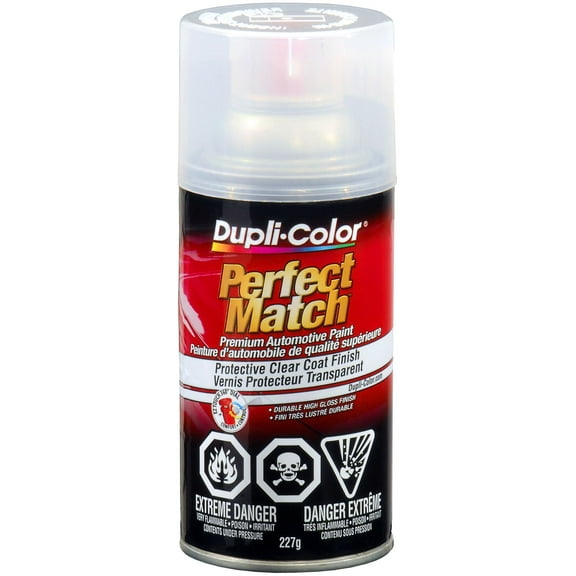
- You can use clear coat when your color layer needs added gloss, depth, or a sealed finish.
Choosing paint type, finish, and application area
Paint type changes how your repair feels during application. You'll notice spray paint covers evenly across curved panels, while your pen gives tighter control on narrow marks.
Finish also matters when you want your repair to blend with the surrounding surface. You can compare gloss, matte, satin, and metallic options based on your vehicle's existing look.
Application area should guide your product choice from the start. You may need wheel paint for rims, a pen for scratch repair, or broader coverage for bumper corners.
Gloss finishes can help your repaired spot reflect light like adjacent paint. Matte and satin finishes can suit trim pieces or specialty sections where your shine level stays lower.
Metallic colors need close attention because flake direction can affect how your panel looks in sunlight. You should compare the listed color information carefully before you begin.
What to look for in automotive spray paint and touch-up paint
When you compare options, check the formula and compatibility notes first. You want acrylic lacquer, urethane, or enamel products that fit your planned primer, base coat, and top layer.
System compatibility matters because your layers need to work together during application. You can avoid redoing a panel when your primer, color coat, and clear coat align.
Look for coverage details, drying guidance, and intended surfaces on each listing. You may also compare whether your product is made for body panels, wheels, trim, or spot repairs.
Surface preparation affects how clean and even your final color appears. You should clean the area well, remove loose material, and compare sanding grit guidance for your repair stage.
Lower sanding grits remove roughness faster, while higher grits refine the surface before color. You can use that guidance to prepare scratches, feather paint edges, and smooth primer.
Choosing automotive clear coat and primer
Automotive primer helps you create a stable base when your repair reaches bare metal, plastic, or filler. You can use that base to support color adhesion and a more even finish.
Primer choice should match your surface and your topcoat system. You may compare formulas for metal panels, plastic bumpers, or mixed-material repairs around modern vehicle exteriors.
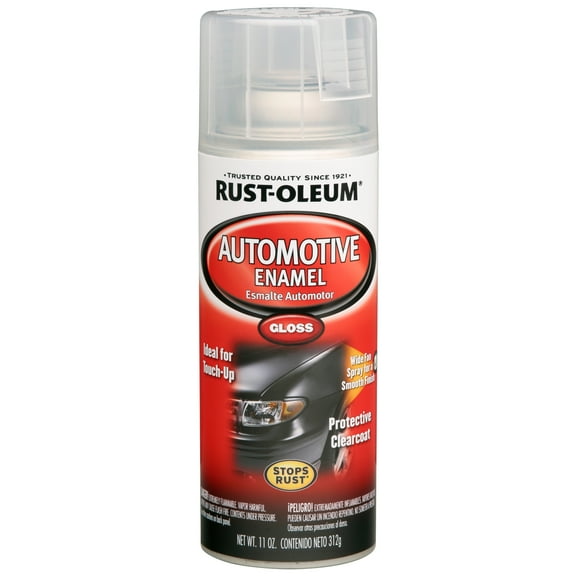
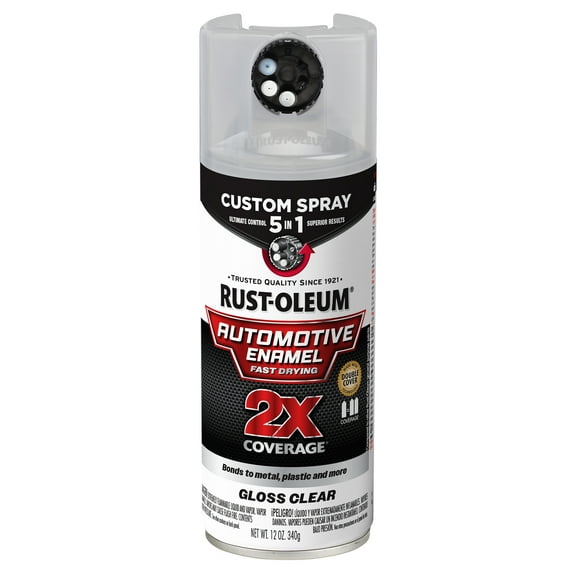
Automotive clear coat adds the final layer after your color coat dries. You can use it to build gloss on glossy finishes or complete a multi-step repair with added surface depth.
Clear coat also helps your repaired section look more uniform beside the original finish. You should compare finish level, application format, and compatibility before you commit.
How to match combinations to real DIY repairs
If your vehicle has a tiny chip on a door edge, you may choose car touch up paint with OEM code matching. You can pair that with careful prep and a precise applicator.
For a scuffed bumper corner, you may want automotive spray paint for wider coverage and smoother blending. You should compare primer needs first if your damage reaches the underlying surface.
When your wheel face needs a refresh, you can look for wheel paint made for that application area. You may also compare finish options so your repaired rim matches the remaining wheels.
If your body panel repair includes sanding, primer, color, and topcoat, you should build a compatible system from start to finish. You can reduce guesswork when your layers follow the same formula family.
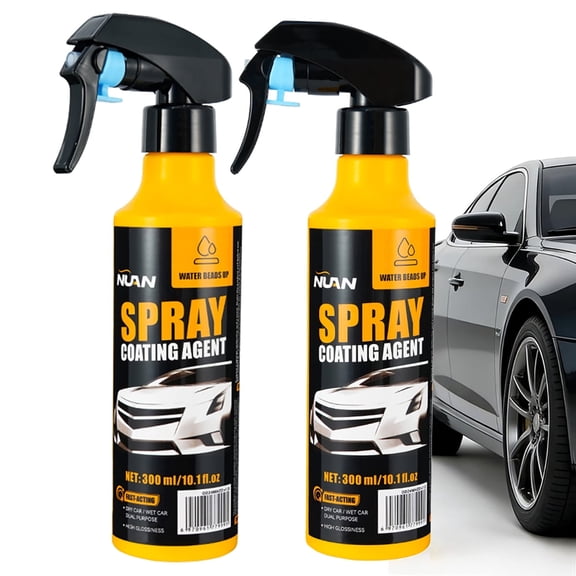
For seasonal detailing projects, you may also compare car paint sealant after your finish work is complete. You can use it as part of your exterior care routine once your painted surface is ready.
When your repair is small, controlled tools often make more sense than broad aerosol coverage. When your repair spreads across a larger section, you may prefer a can for smoother overlap.
With the right automotive paint process, you can move from prep to color matching to clear coat with fewer surprises. You gain a cleaner-looking repair when your paint type, finish, and compatibility align with your vehicle.