


Find auto parts that fit
Let’s search for parts that fit your vehicle.Vehicle Tracking Systems in Car Anti-Theft Devices
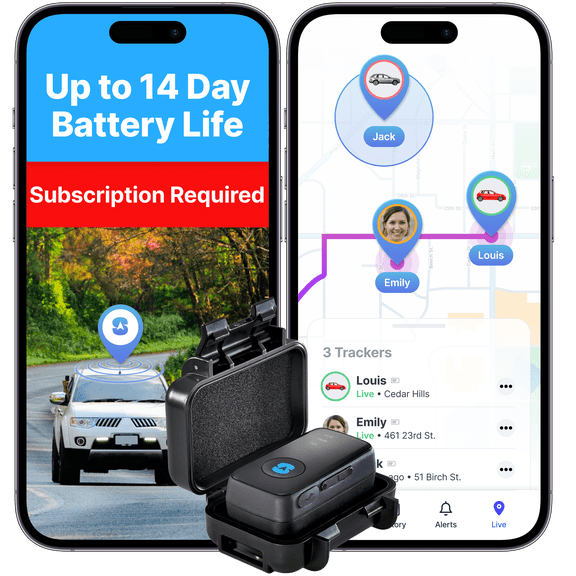

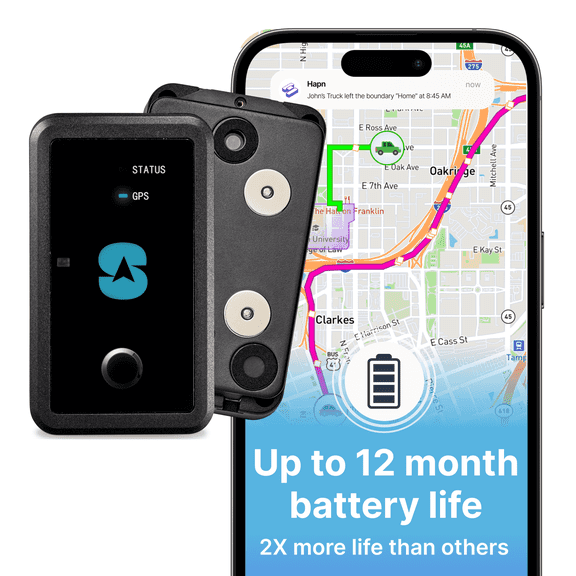
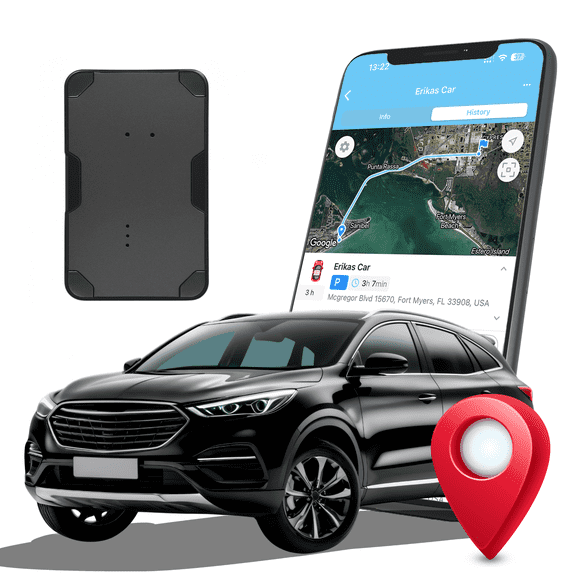
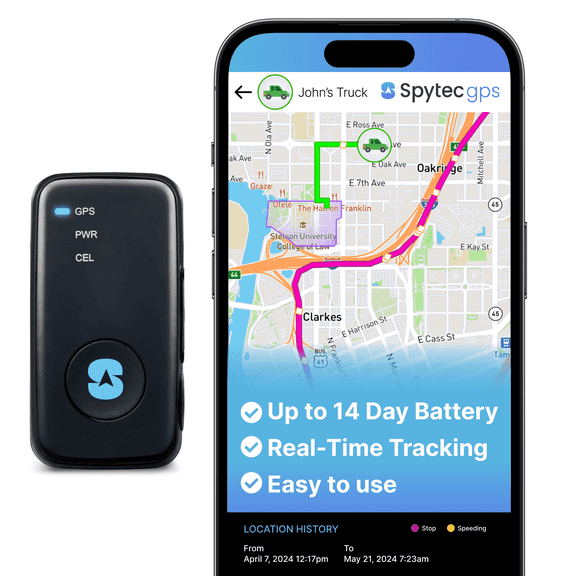


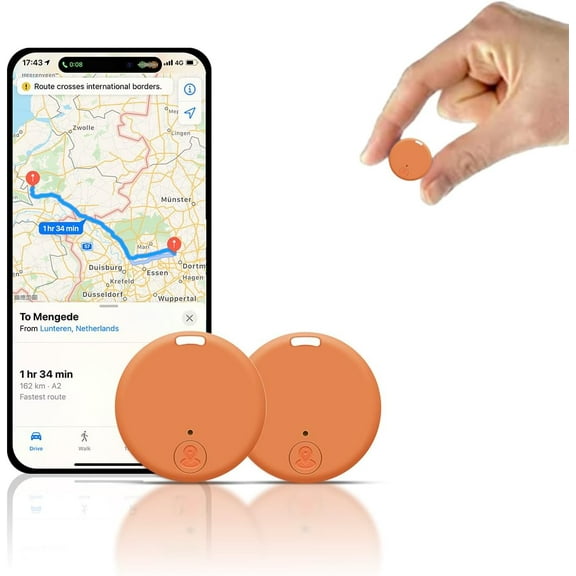
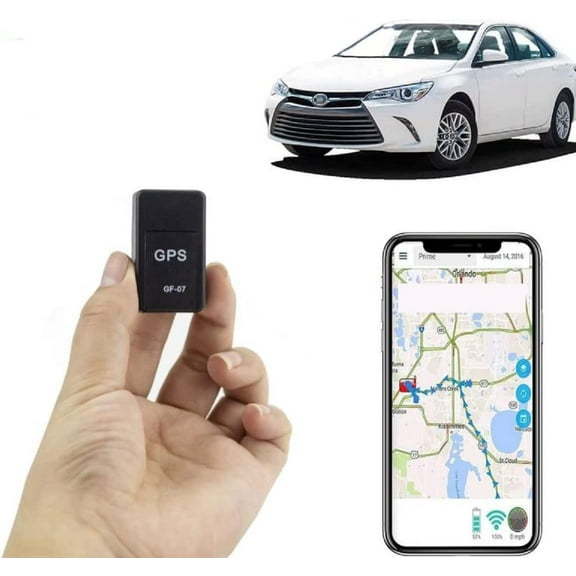
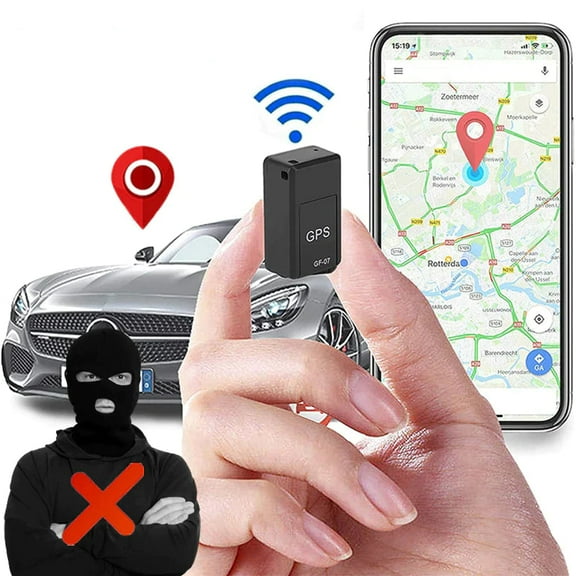


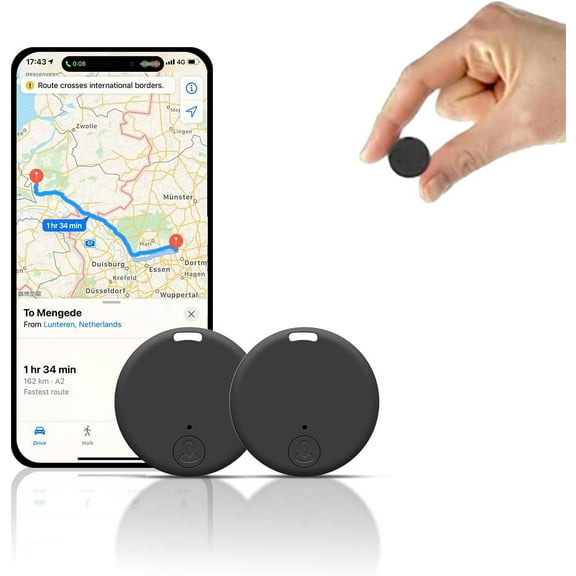


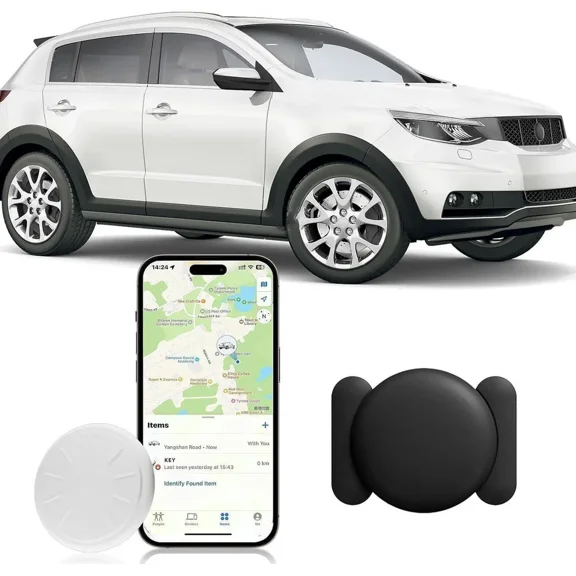
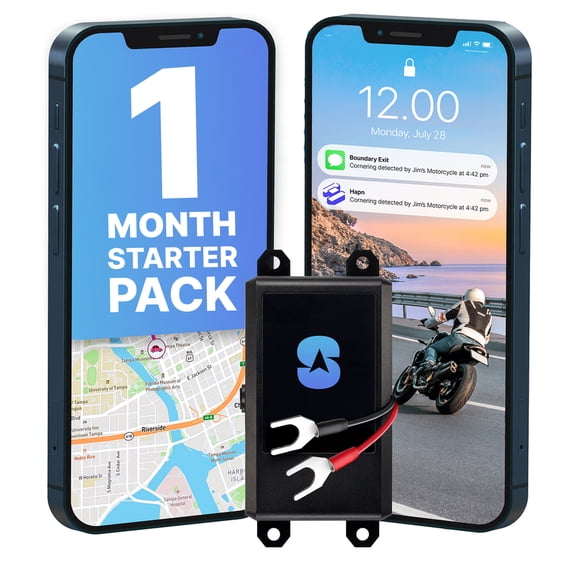
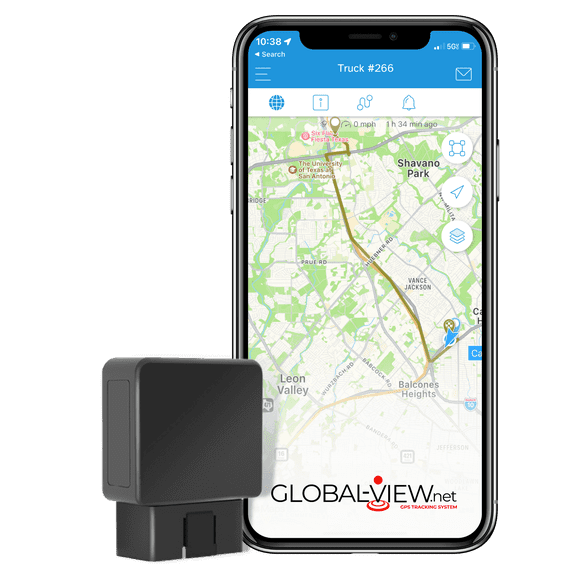






About Vehicle Tracking Systems in Car Anti-Theft Devices - Walmart.com
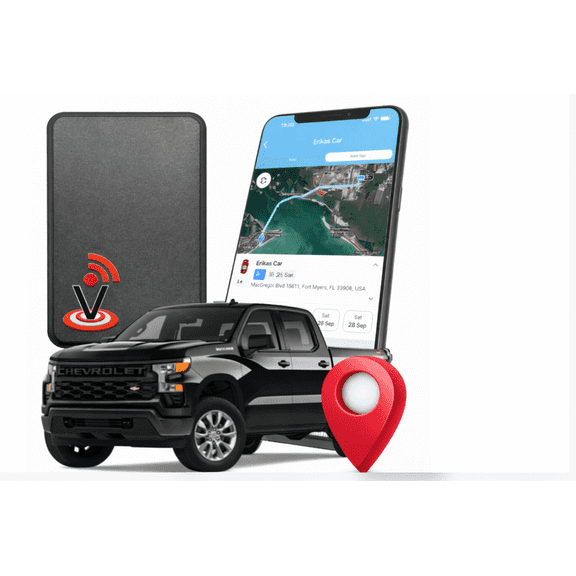
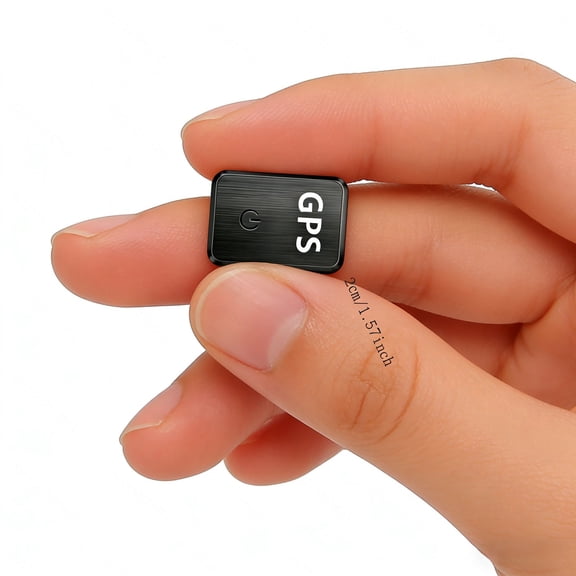
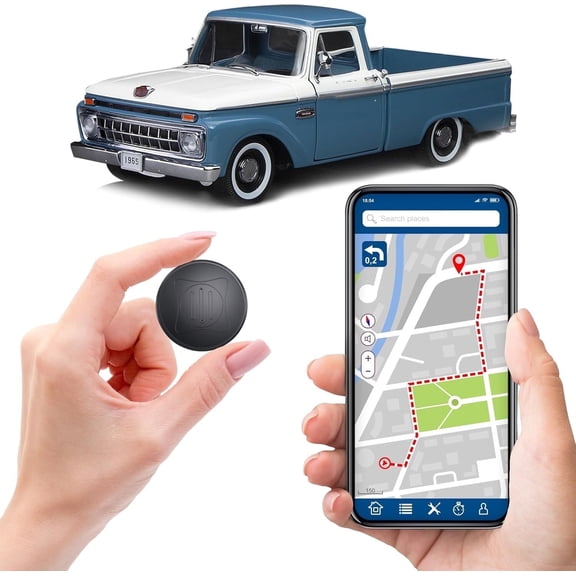
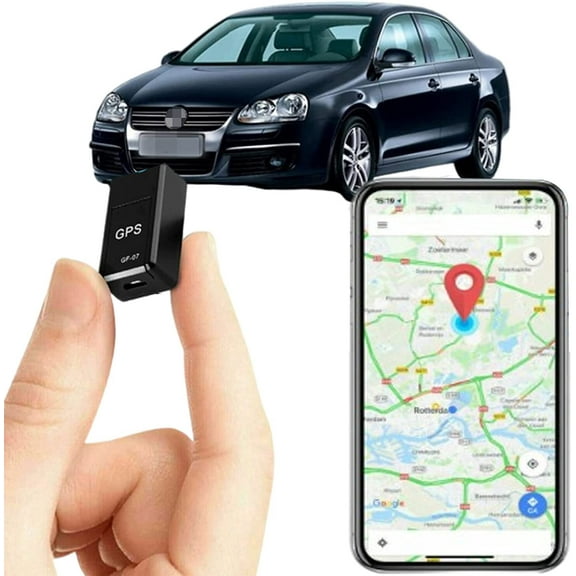
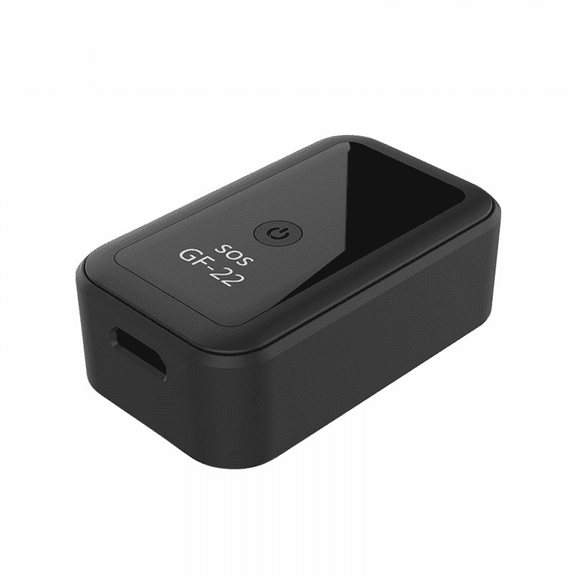
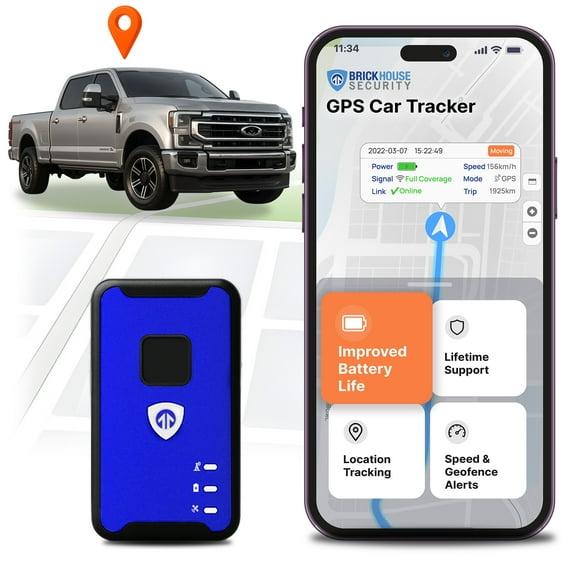
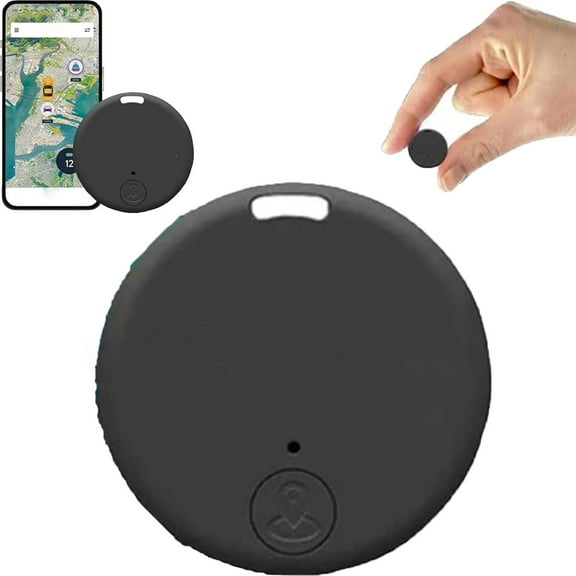
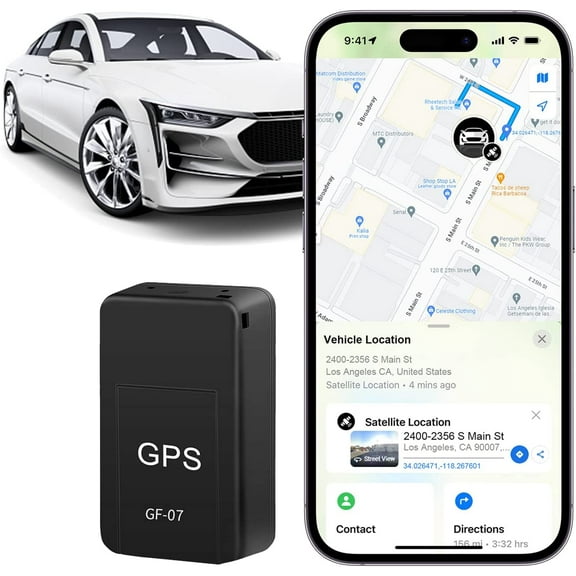
A car tracking device gives you clearer visibility over daily driving, parked locations, and route history. This category includes compact GPS units, hardwired models, and magnetic options built for car-specific placement.
Why a car tracking device fits everyday driving
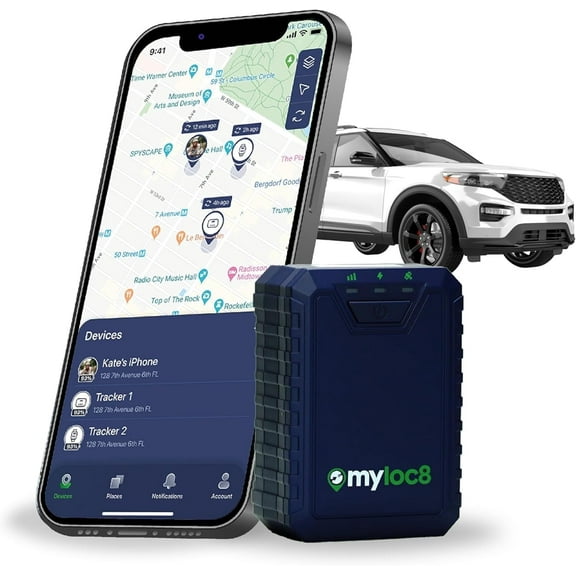
Drivers often want fast location checks without guessing where a vehicle was parked or when it moved. A car tracker helps you review movement details through app-based maps, alerts, and trip logs.
Some models focus on real-time updates, while others store route data for later review. That difference matters when youu're comparing live tracking against passive logging.
- Track parked vehicles in lots, garages, and shared driveways with map-based location details.
- Review trip history, stops, and routes to understand how a car was used during the day.
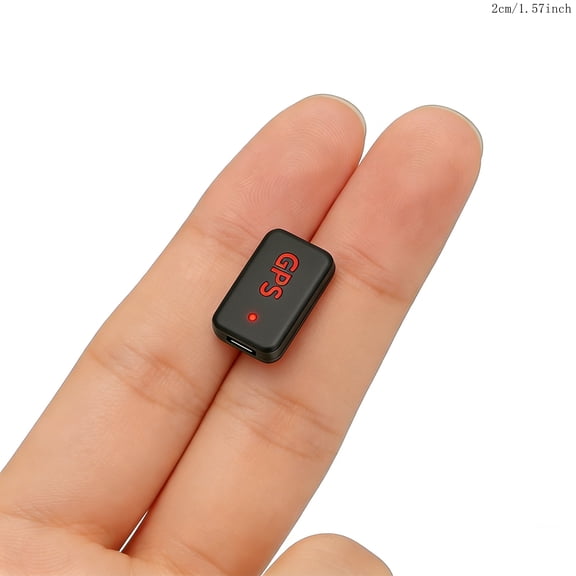
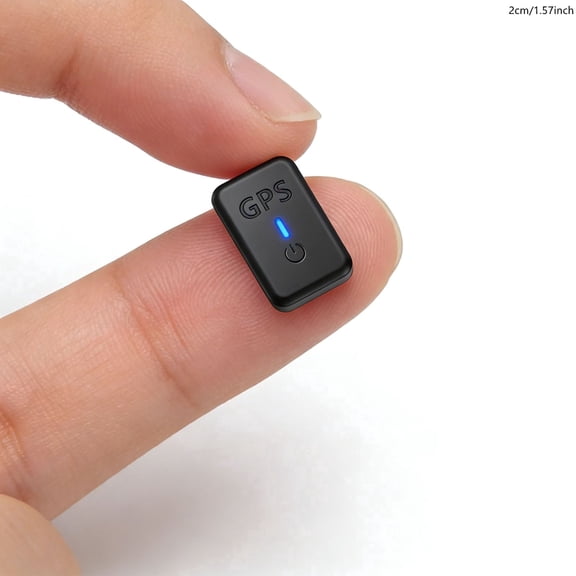
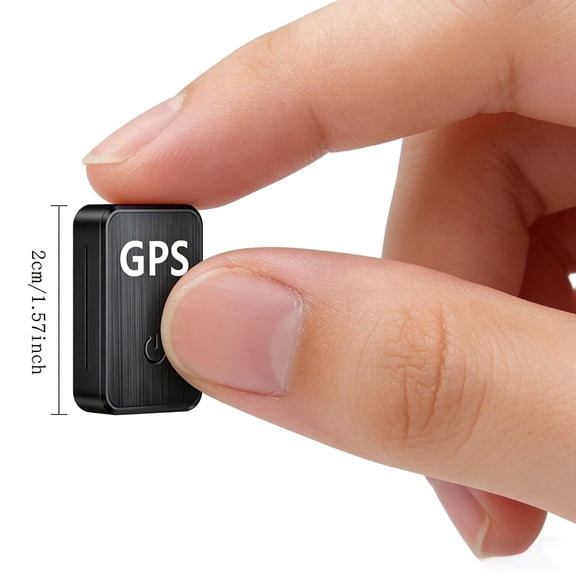
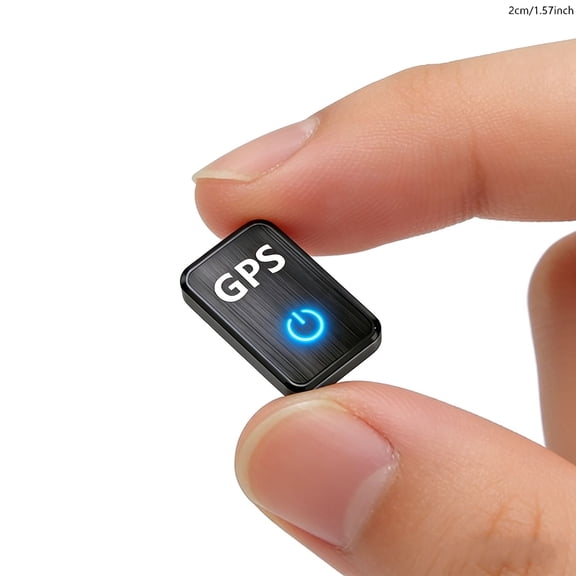
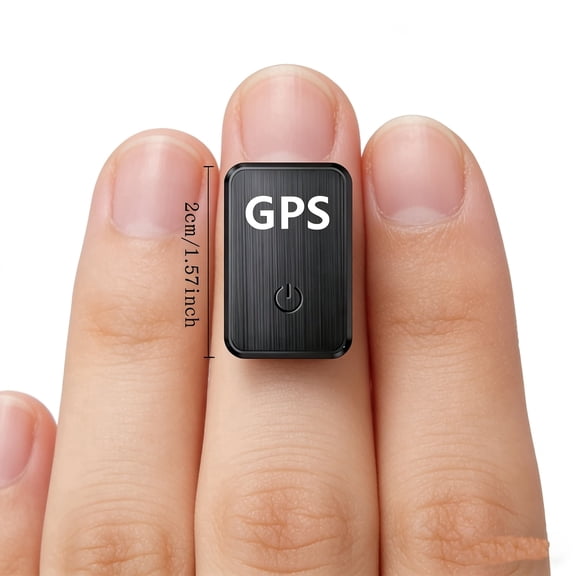
- Choose compact formats that tuck into glove boxes, OBD ports, or concealed mounting spots.
- Pick power styles that match your setup, including rechargeable, plug-in, and hardwired designs.
A locator device for cars can also support multi-car households that rotate drivers during the week. It adds an organized view of routes, check-ins, and parked positions.
Car tracker features that shape your choice
The right car tracker device depends on update speed, power source, and installation style. Those details affect how often location data refreshes and how the unit fits your vehicle.
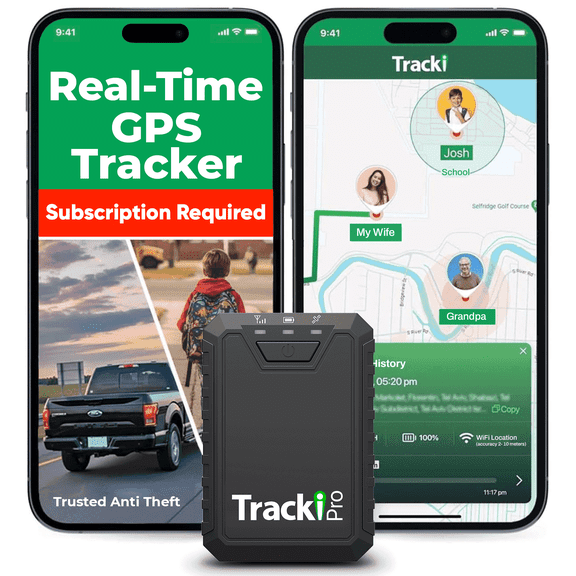
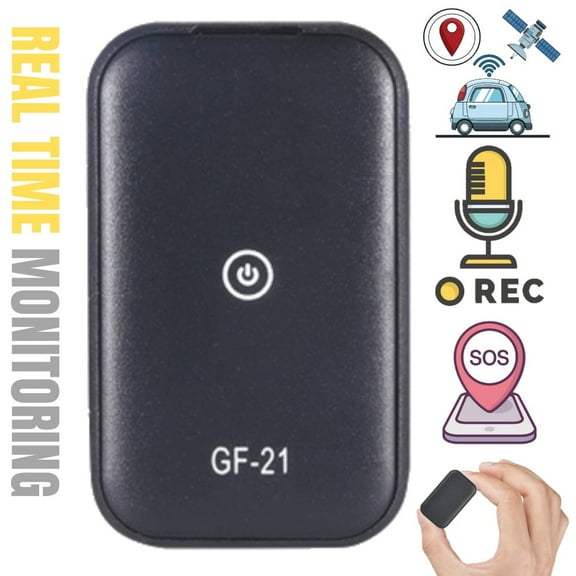
Real-time GPS trackers send frequent updates through a connected app or web dashboard. Passive loggers store route data on the device, then upload later through a connected platform.
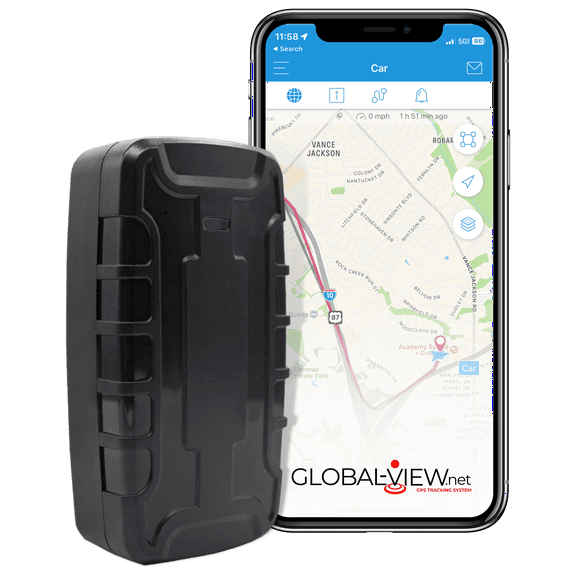
Battery-powered units give you flexible placement and easy transfers between cars. Hardwired models create a more integrated setup for drivers who want fixed installation.
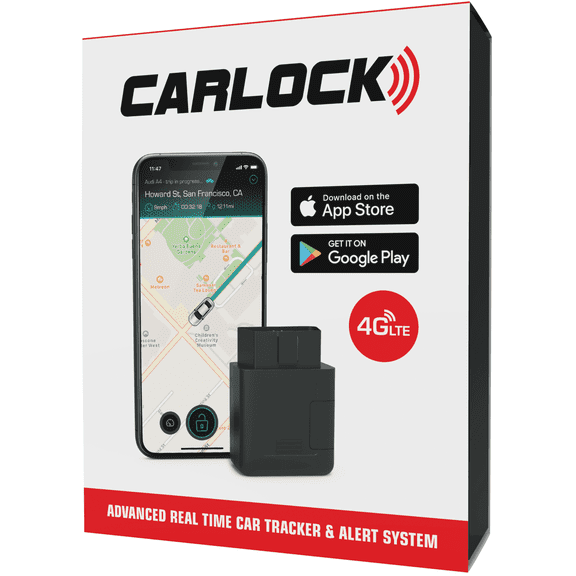
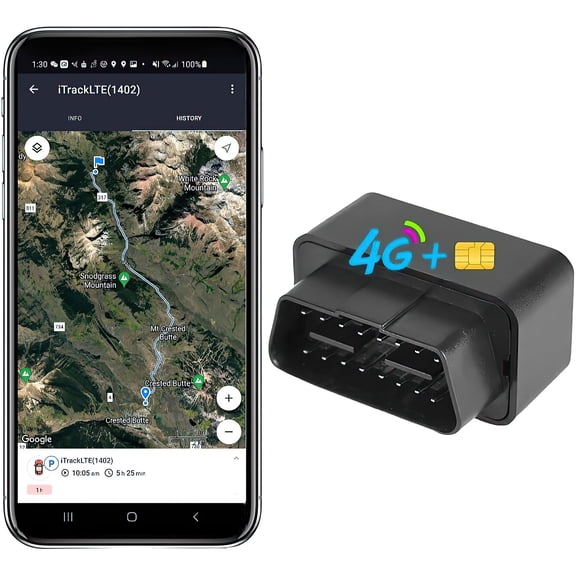
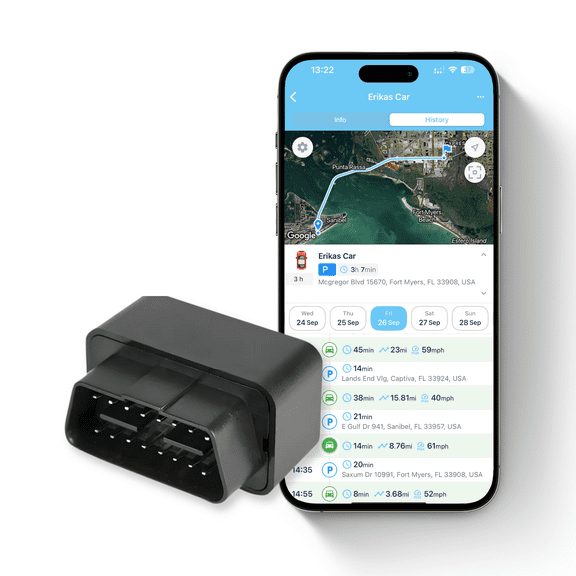
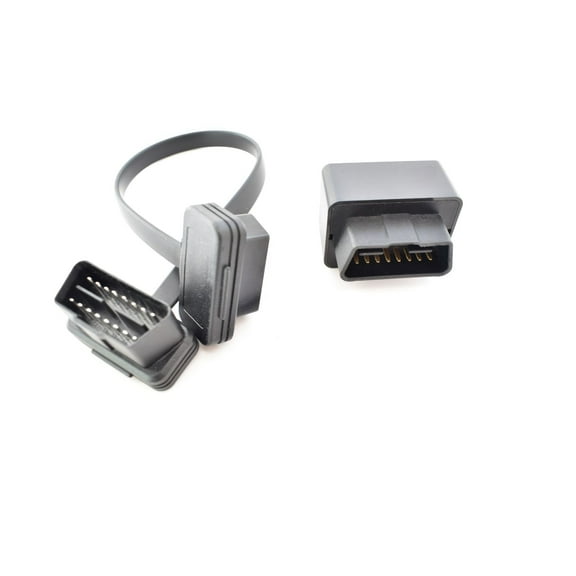
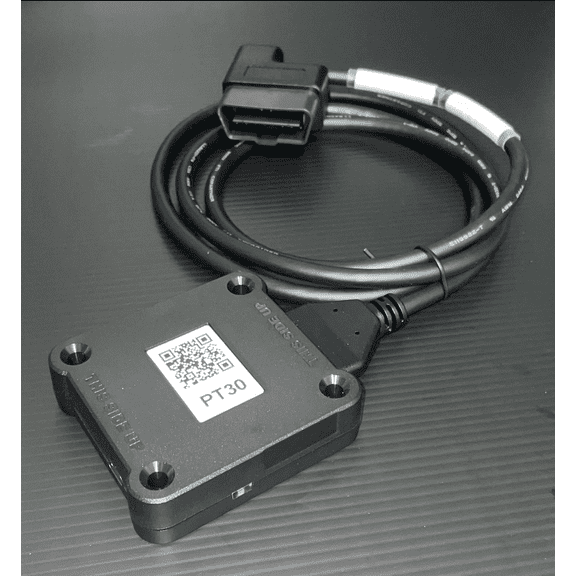
OBD plug-in trackers install through the diagnostic port found in many cars. That format works well when you want quick setup without separate mounting hardware.
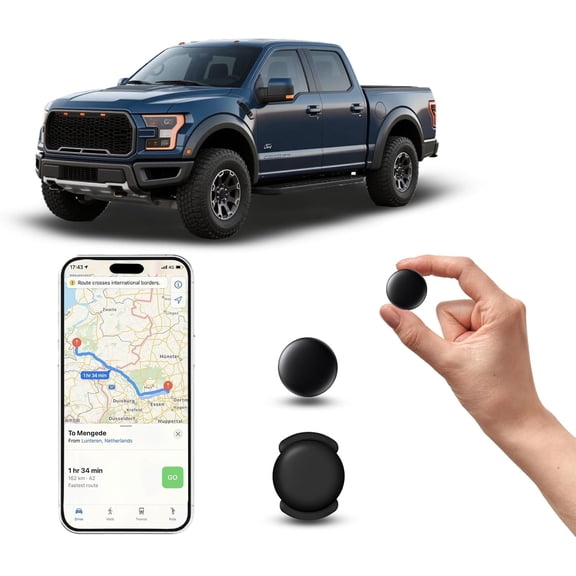
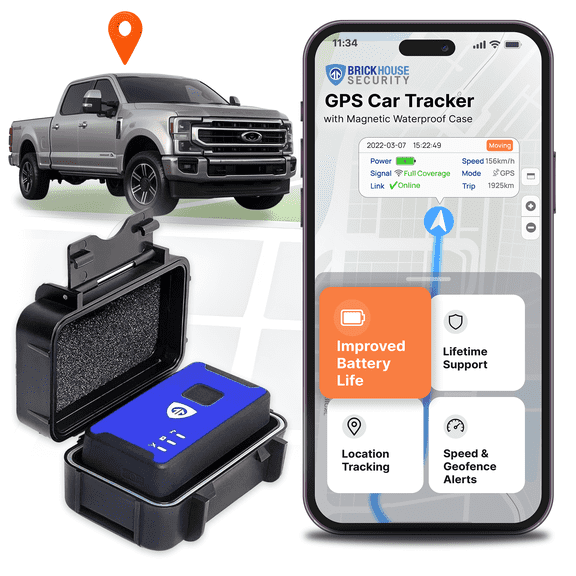
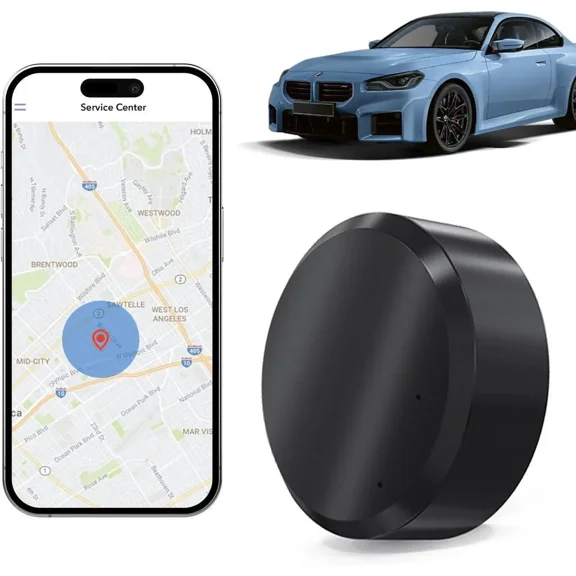
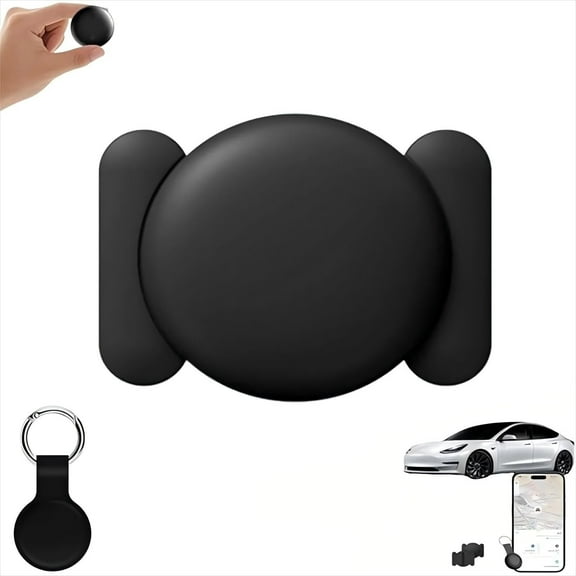
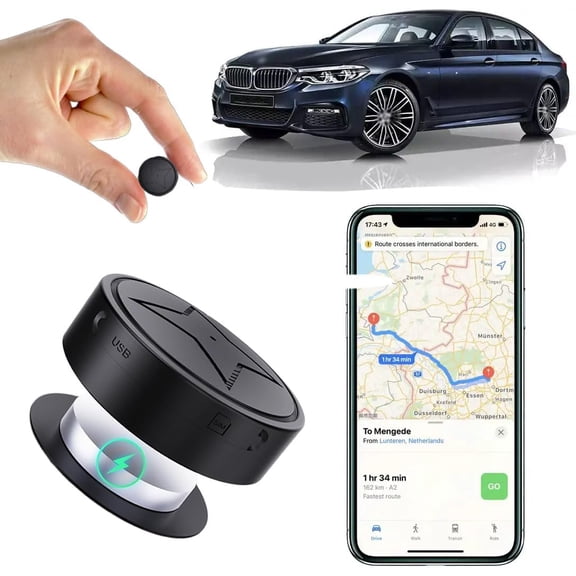
Magnetic designs can attach to compatible metal surfaces on certain vehicles. Compact hidden tracking device for cars options also help maintain a low-profile appearance.
Many vehicle trackers include geofencing, movement alerts, speed summaries, and route playback. App compatibility, subscription structure, and map interface are also key comparison points.
Battery life varies by reporting frequency and tracker size. Frequent updates usually use power faster, while lower ping rates can extend time between charges.
How to choose vehicle trackers for your setup
Start with how often you need updates. If you want immediate location visibility, focus on real-time GPS models with strong app dashboards.
If you mainly need trip records, a passive tracker for car use may fit your routine. These units emphasize stored route history instead of constant live reporting.
Next, consider where the device will sit inside or on the vehicle. OBD units are visible and simple, while hidden models support a cleaner interior look.
Power planning matters too. Rechargeable devices are easy to move, but hardwired options can suit long-term installation in one car.
Check battery expectations, charging method, and reporting intervals before choosing. Those three details often determine how much hands-on upkeep your setup needs.
Subscription questions are common in this category. Some GPS platforms require a service plan for live maps, alerts, and cloud-based history access.
Map tools also differ. Some interfaces highlight stop times, route playback, and geofence boundaries, while others focus on basic location pings.
Common ways shoppers use a car tracker
This category serves drivers who want more visibility across commuting, shared driving, and parked-car monitoring. A vehicle tracker device can fit daily routines without major installation changes.
Apartment parking is one common use case. A tracking device for car placement can help identify the last parked location in crowded decks or large surface lots.
Families also use these devices when several people share one vehicle. Trip records and location updates create a simple view of where the car has been.
Road trip drivers may want route history and stop playback after long-distance travel. That makes it easier to review mileage patterns and timing across several days.
Some shoppers want a compact unit that moves between cars as needs change. Rechargeable or magnetic formats support that flexible approach.
Others prefer a fixed solution that stays connected in one vehicle. Hardwired or OBD styles fit that more permanent setup.
Vehicle trackers can also complement related auto electronics. Dash cams add visual recording, while car alarms expand your overall vehicle security setup.
When you compare car tracking device options, focus on update method, power style, and app tools first. That approach helps you land on a system that feels easy to check and easy to keep running.
A well-matched tracker makes location checks, parked-car lookups, and route review much more straightforward. That clarity is the real advantage of choosing the right setup.