


Find auto parts that fit
Let’s search for parts that fit your vehicle.Car Bras in Window Visors & Bug Deflectors

















About Car Bras in Window Visors & Bug Deflectors - Walmart.com
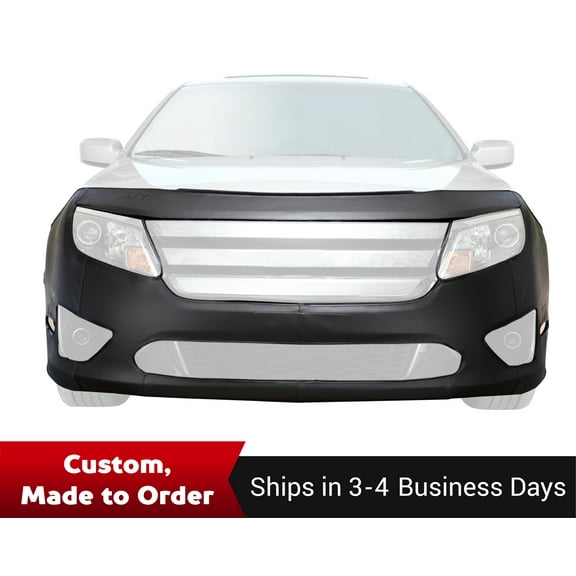
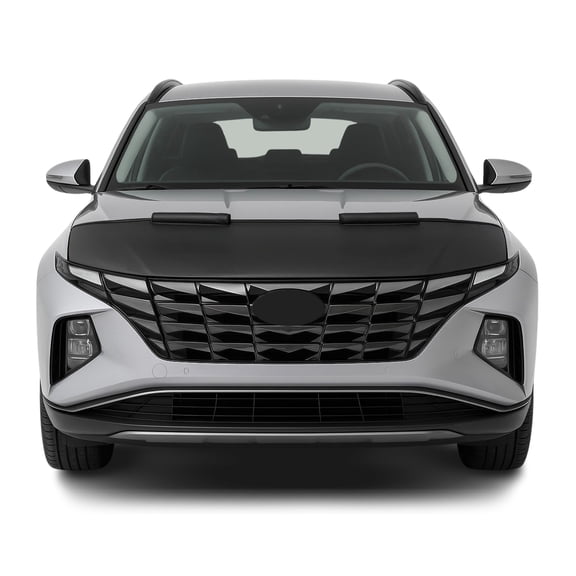
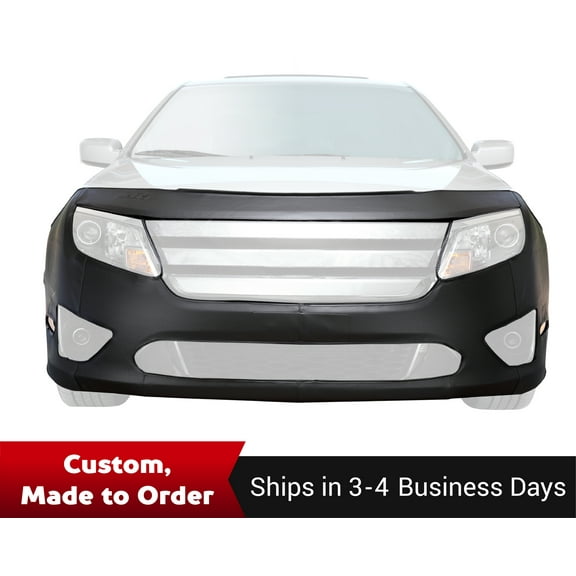
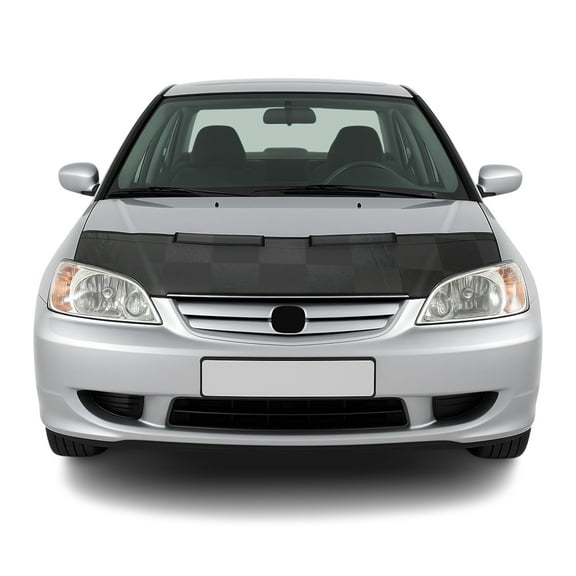
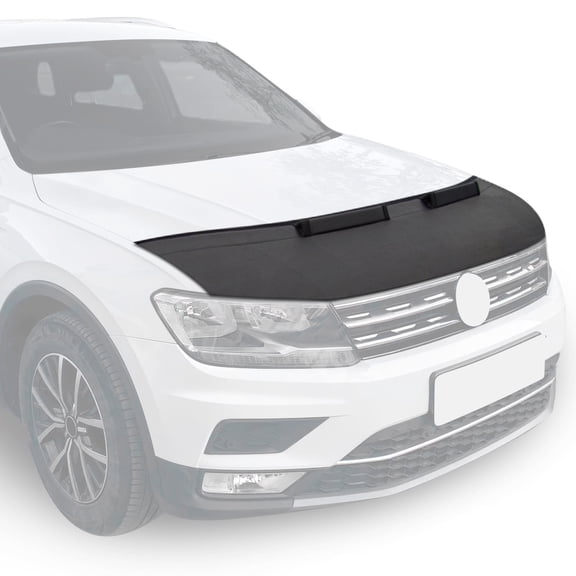
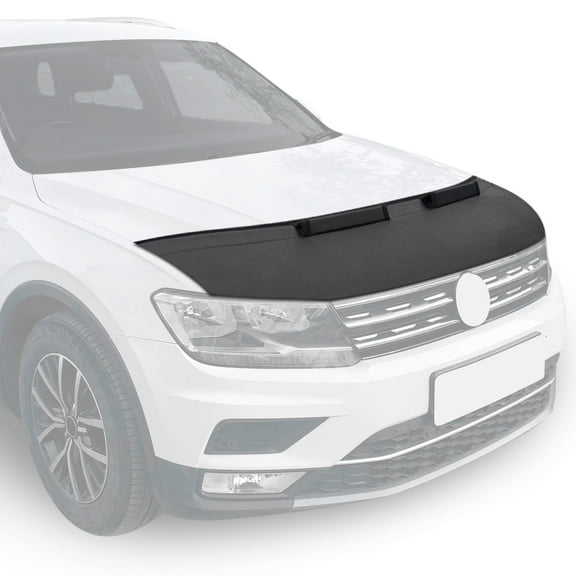
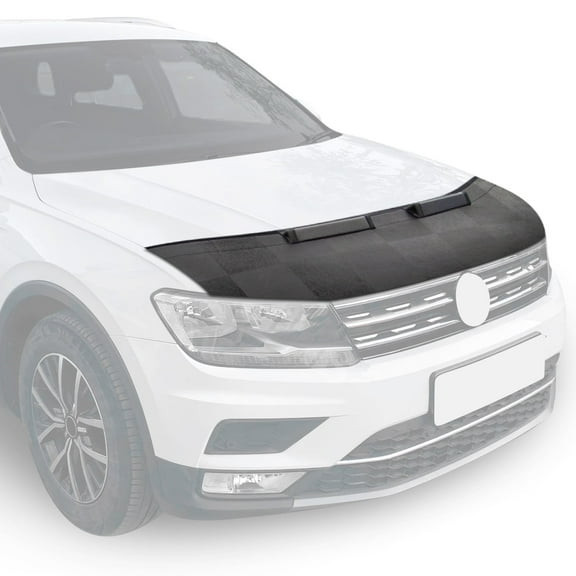
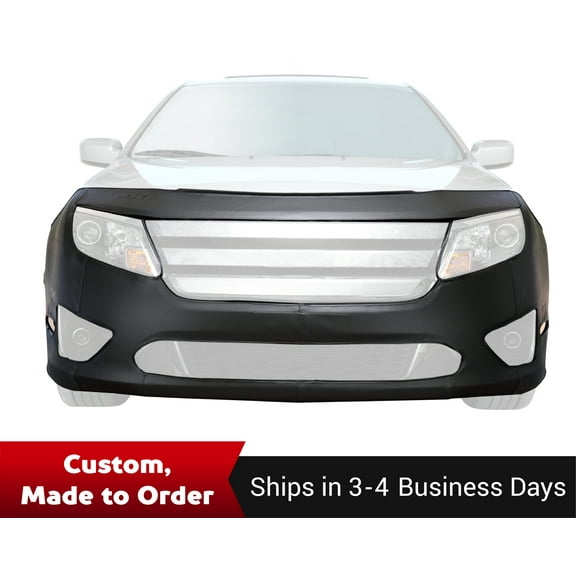
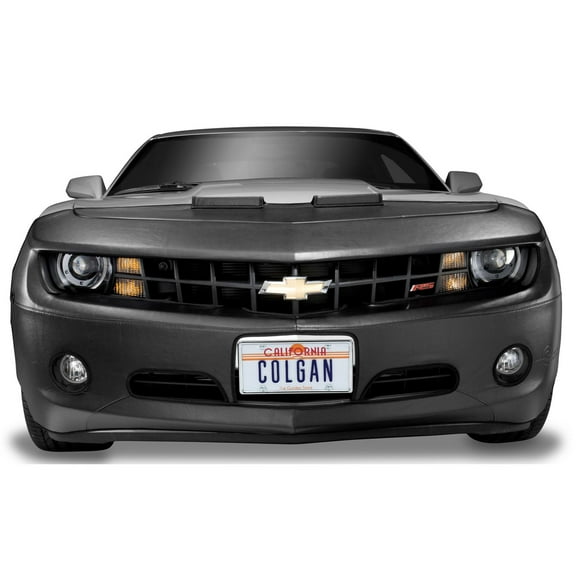
You can compare each car bra by fit, coverage, material, and driving needs before you choose one for your vehicle. You’ll also find options that cover just the hood, the bumper, or the full front end for targeted exterior coverage.
If you drive often on highways, you may want a front cover. This helps shield painted panels from bug buildup and road grit.
You can also narrow choices by your year, make, and model, which matters when you want tidy lines and secure placement. You’ll make a clearer decision when you match the cover shape to your vehicle’s front end.
How to choose a car bra by fit type
You should start with fitment, because your vehicle’s shape affects how securely a cover sits across the nose, hood edge, or bumper. You’ll usually compare universal, semi-custom, and custom-fit styles when you want the right balance of flexibility and contour.
If you want broad compatibility, you may consider a universal car bra for shared household vehicles or older models. You should still check measurements and placement points, because universal sizing can vary across sedans, coupes, trucks, and SUVs.
When you want a precise outline, you may prefer semi-custom or custom-fit options matched to your year, make, and model. You’ll often get aligned mirror, grille, and headlamp positions when you choose fitment built around your exact front-end shape.
- You can use universal styles when you need adaptable coverage across multiple vehicle types.
- You may choose semi-custom designs when you want simple matching with a tailored look.
- You should pick custom-fit covers when your year, make, and model details guide the purchase.
Choosing coverage: bumper bra, bug bra, and car hood bras
You should next compare how much of your front end you want to cover during daily driving or longer highway trips. You’ll see bumper bra designs, bug bra styles, bonnet bra options, and fuller front end covers car bras for broader coverage.
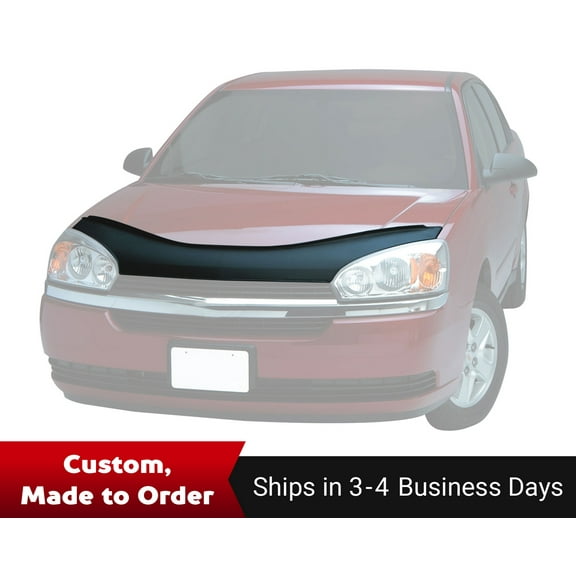
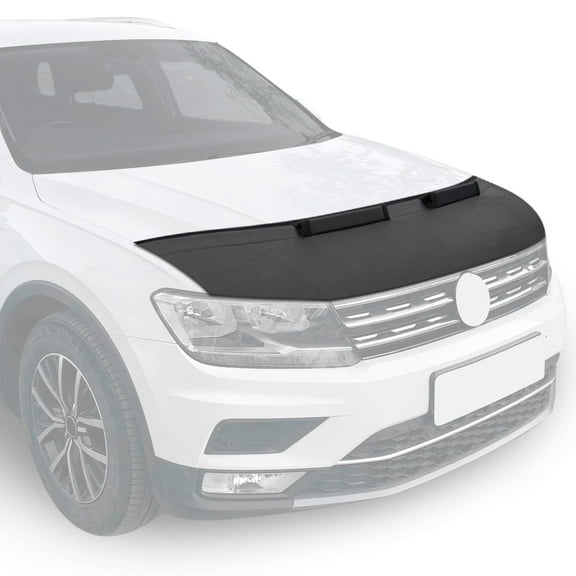
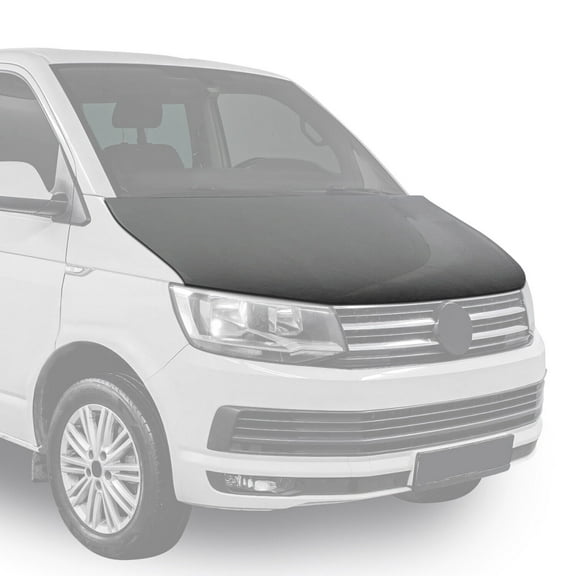
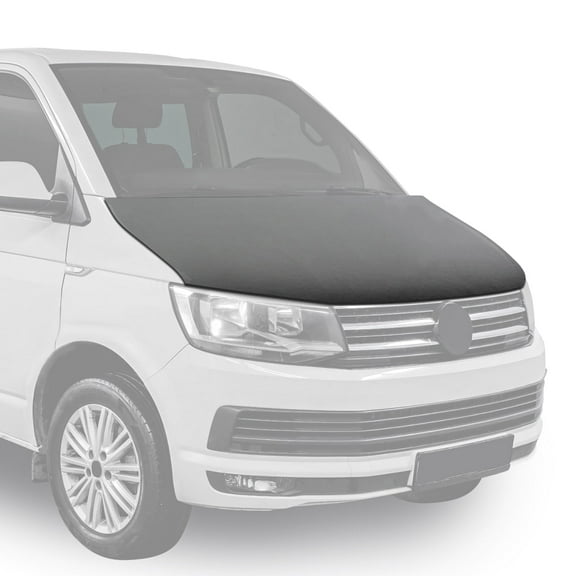
If you mainly want hood-edge coverage, you may look at car hood bras that focus on the leading section where bug residue often collects. You’ll keep the rest of the fascia more open, which can suit drivers who want a lighter visual profile.
When your bumper takes the brunt of road splash, you may want a bumper bra or front bumper cover bra. You’ll get more focused coverage lower on the vehicle, which can make sense for frequent commuting and stop-and-go travel.
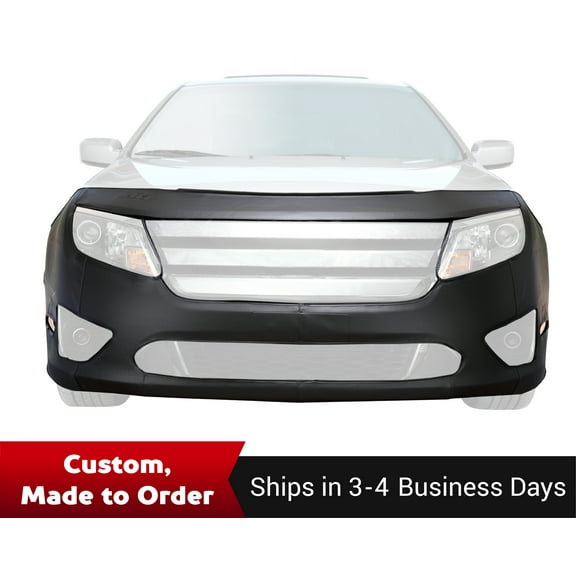
If you want broader front-end coverage, you may compare bras for cars front end sections that extend across hood and bumper areas. You should consider those styles when your route includes highways, construction zones, or long seasonal drives.
You can also look for a bug bra when insect buildup is your main concern during warm-weather travel. You’ll find that this style usually focuses on the leading edge where cleanup can take extra effort after a road trip.
What to look for in materials and finish
You should compare materials closely, because texture and upkeep affect how your cover looks and feels over time. You’ll commonly see vinyl, leatherette, and mesh, and each one suits a different driving pattern and maintenance routine.
If you want a classic exterior look, you may choose vinyl or leatherette styles with a smooth finish. You should wipe them down regularly, because surface dirt and bug residue are simple to remove when you keep up with routine cleaning.
When you prefer more airflow, you may consider mesh panels in select designs for a lighter feel. You’ll want to check where each material sits on the cover, especially if your route includes heat, dust, or long highway miles.
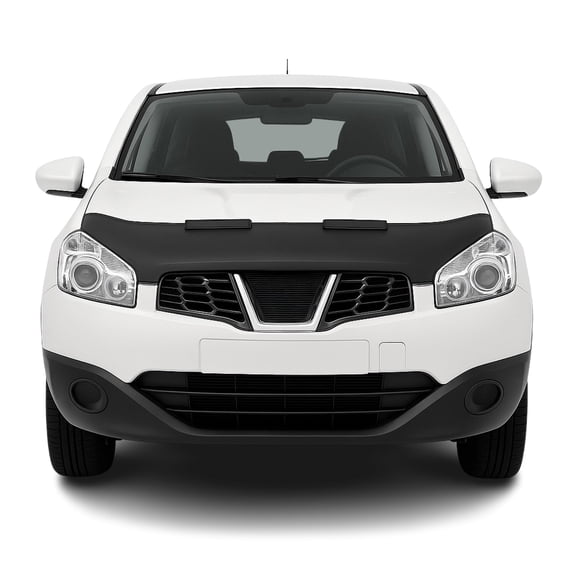
You may also compare color and finish details when you want your cover to coordinate with your exterior style. If you’re considering a white car bra or another finish, you should confirm fit and panel coverage before choosing by appearance.
Checking installation, paint contact, and everyday use
You should review attachment points before you buy, because secure placement affects how tidy and consistent the cover looks. You’ll want to check straps, edge shaping, and closure details so the cover matches your front-end layout.
If you drive an SUV, coupe, or sedan, you should confirm whether the listing supports your vehicle class and front profile. You may see an suv bra option or an auto hood bra style that fits taller noses, curved hoods, or wider bumper sections.
You should also think about how often you’ll remove the cover for washing and seasonal changes. You’ll appreciate straightforward installation when you use the cover regularly or switch between daily commuting and longer weekend drives.
For routine care, you should clean the cover and the vehicle surface before reinstalling it after road use. You’ll help maintain a neater finish when you store the cover dry and refit it with the correct tension across the front panels.
Matching a car bra to your driving habits
You can narrow your options quickly when you match the cover style to where and how you drive frequently. If your route includes highways, you may prefer fuller front coverage, while shorter city drives may call for hood-only coverage.
If you want a lighter setup for seasonal trips, you may choose a bug bra or bonnet bra that targets the hood edge. You’ll keep installation straightforward while covering the area that usually sees the first layer of bug residue.
When you commute daily through mixed road conditions, you may prefer a bra for car bumper sections plus hood coverage. You should compare panel shape and fit notes closely, especially when your front fascia has vents, curves, or trim breaks.
You can compare fit details, coverage area, and material upkeep before you make your final choice for your vehicle. You’ll get a precise match for your front end and more dependable coverage during regular driving.