


Kayak with Side Float & Kayak Stabilizers | Walmart

















About Kayak with Side Float & Kayak Stabilizers | Walmart - Walmart.com
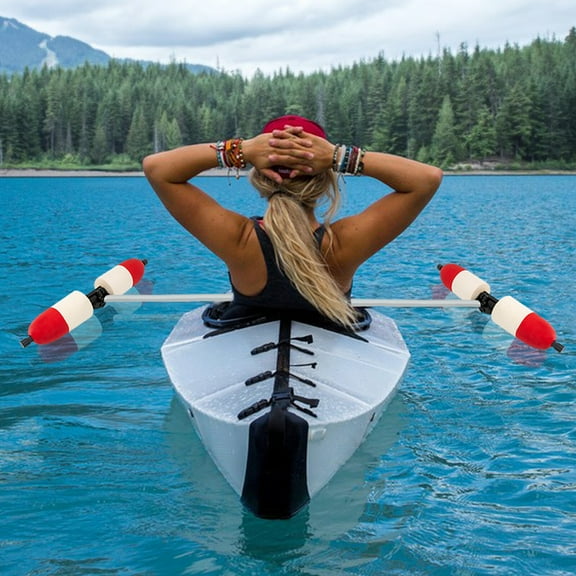
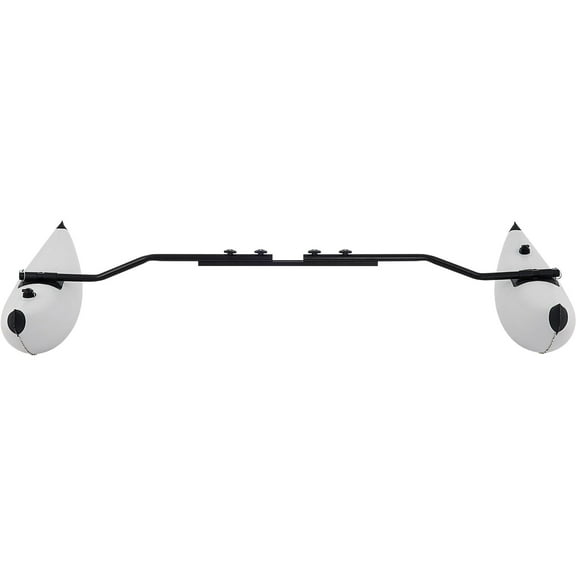
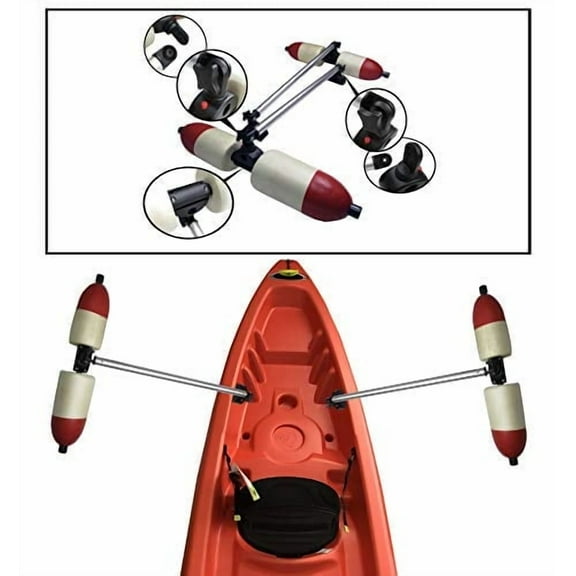
Kayak outriggers help you add stability for fishing, standing, and relaxed paddling. You can compare mounting style, pontoon material, and adjustability to match your kayak and water conditions.
If you paddle on changing water, you’ll notice outriggers for kayaks create a steadier platform than a bare hull. You can also narrow your options faster when you understand track mounts, scupper mounts, and deck mounts.
Why kayak outriggers matter on the water
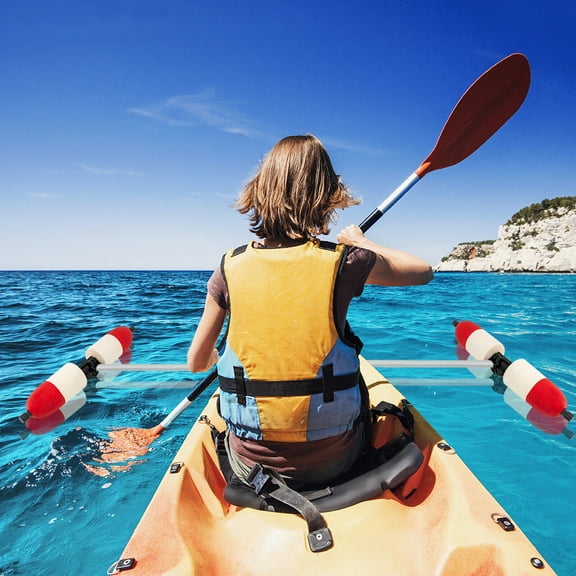
You may want extra balance when you cast, reach for gear, or shift your seat position. You’ll also appreciate added support when you paddle with a cooler, tackle crate, or other onboard equipment.
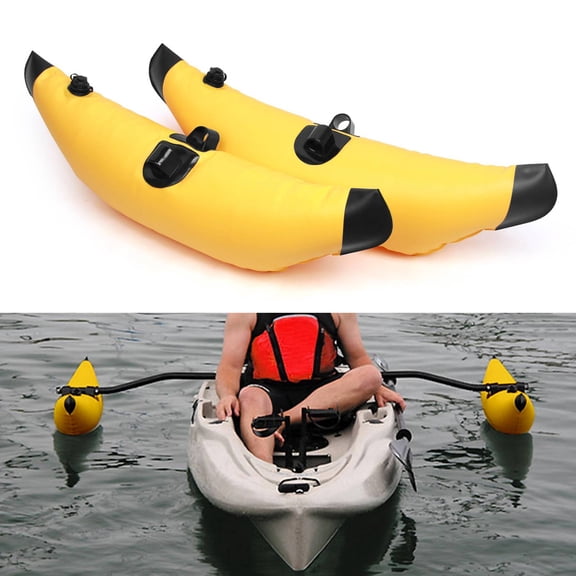
For many shoppers, kayak stabilizers make standing practice feel more controlled on flat water. You can also use them to support recreational paddling when you want a calmer, more planted feel.
- You get added side-to-side stability for fishing setups and gear-heavy trips.
- You can paddle with more confidence when you move around the deck.
- You can compare setup styles for sit-on-top and some sit-in kayak layouts.
- You may find adaptive paddling setups easier to configure with the right arm and pontoon design.
Because this category centers on balance support, you should focus on how the arms extend from your hull. You’ll want enough clearance for paddle strokes without making transport or storage harder.
Choosing the right kayak outrigger kit
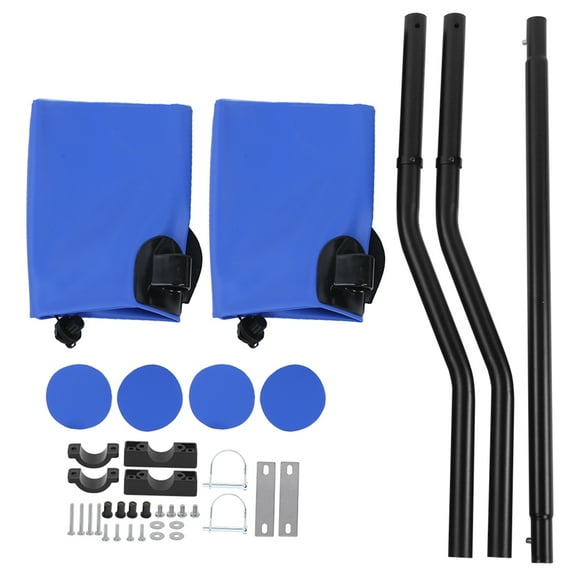
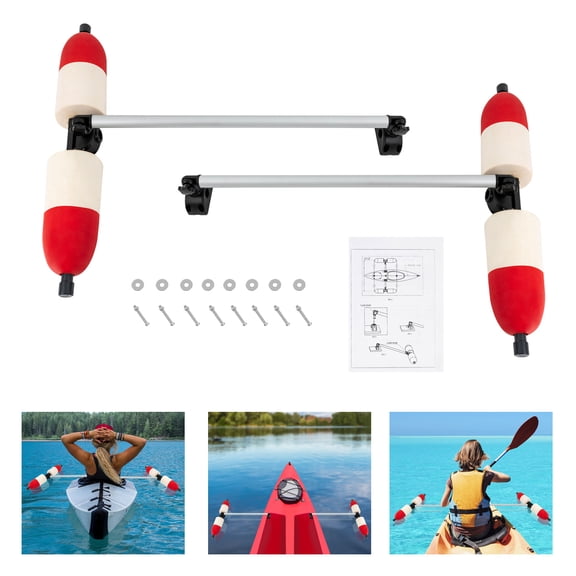
When you compare a kayak outrigger kit, you should start with hull compatibility. You’ll want to check whether your kayak has tracks, scupper holes, or deck space for hardware.
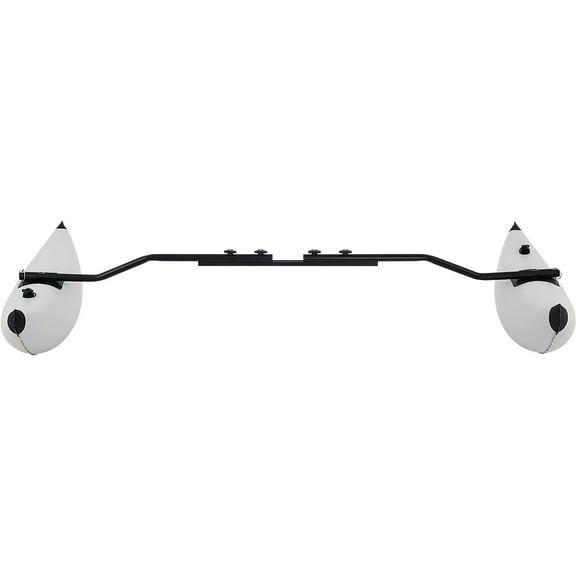
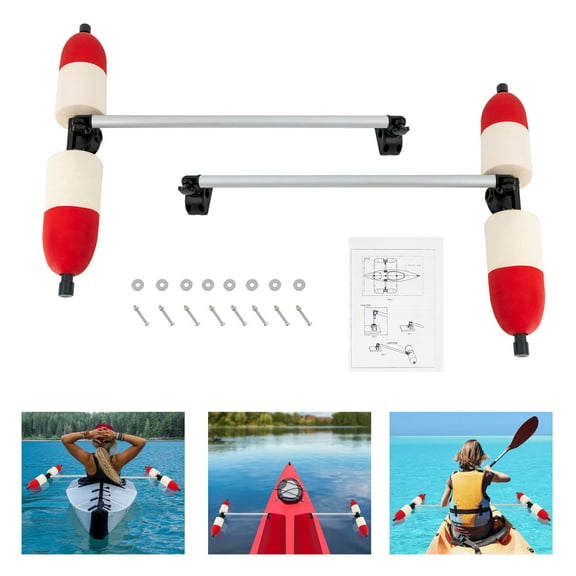
Track mount systems work well when your kayak already has accessory rails along the gunwales. You can often adjust placement more easily, which helps you fine-tune balance and reach.
Scupper mount options fit select sit-on-top kayaks that use existing scupper openings for attachment points. You should confirm spacing and fit before choosing this style for your hull.
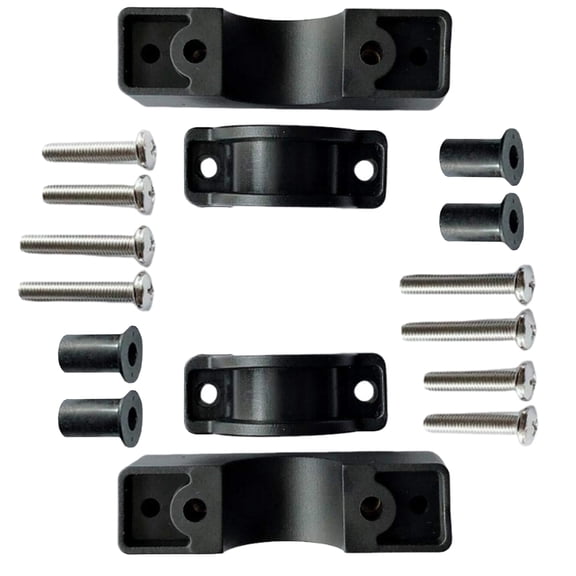
Deck mount systems attach to your kayak deck with fixed hardware points. You may prefer this style when your kayak lacks tracks but offers solid mounting areas.
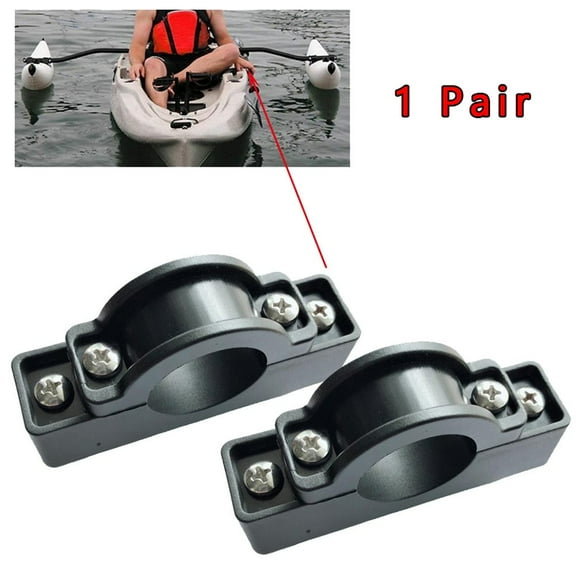
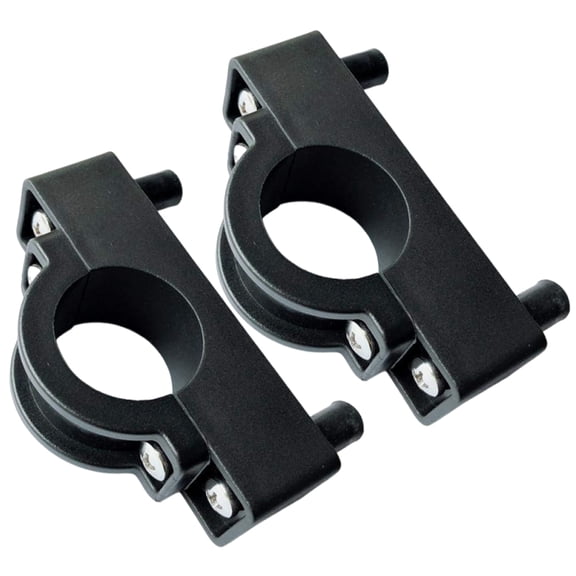
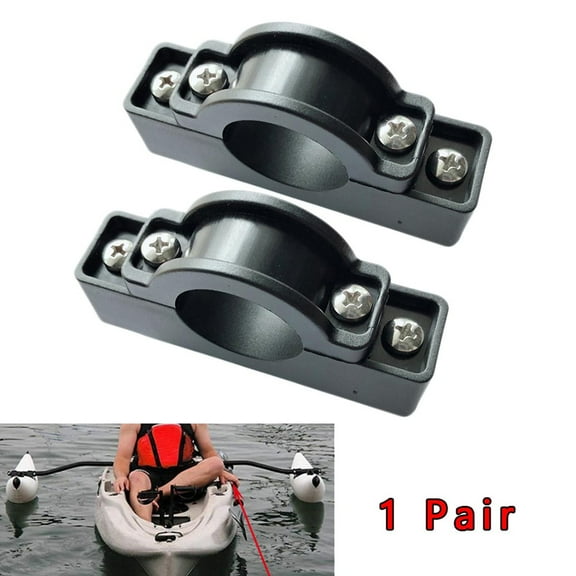
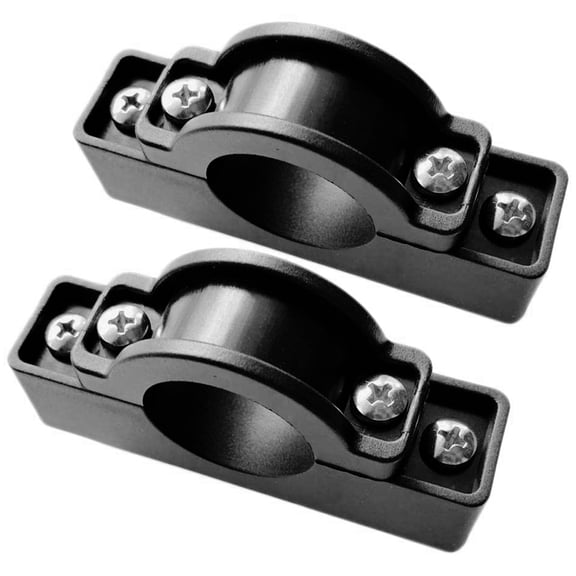
Clamp-on designs can simplify setup if you want fewer permanent changes to your kayak. You should still measure hull shape and edge thickness so the arms sit evenly.
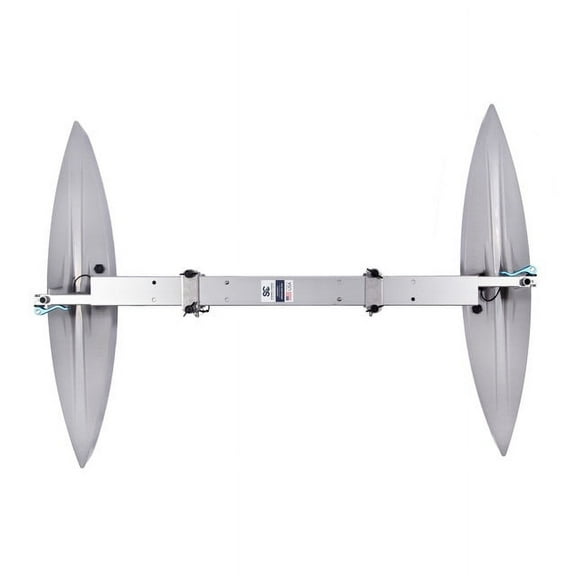
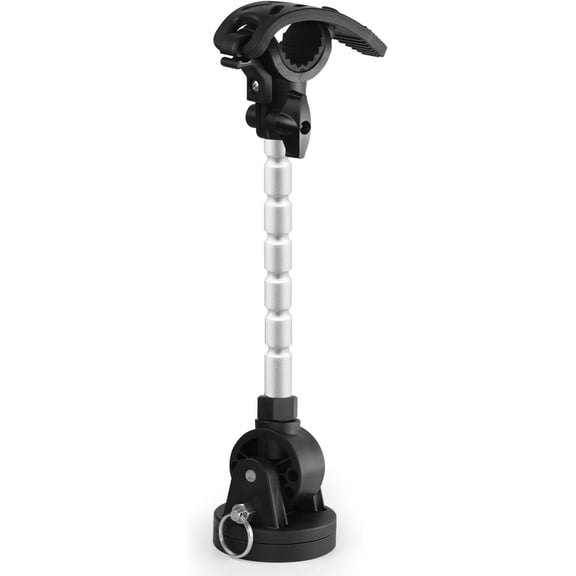
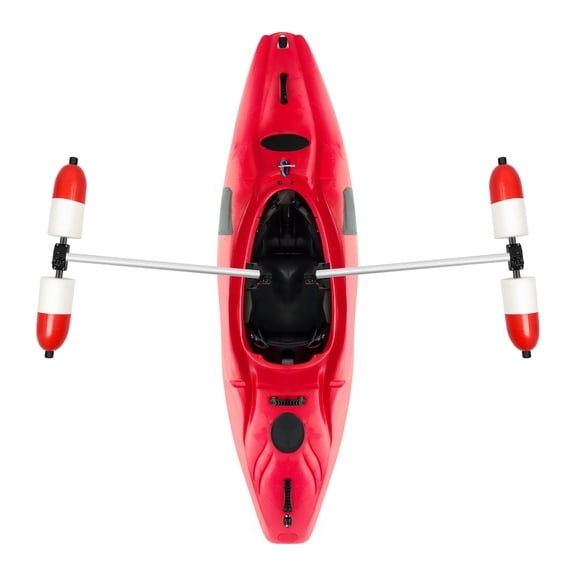
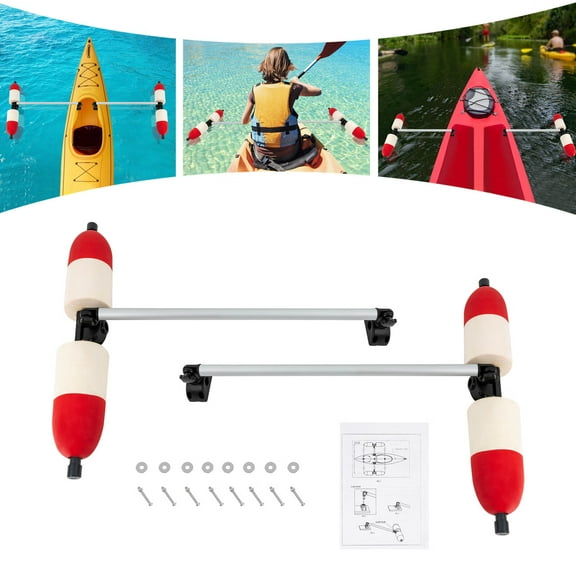
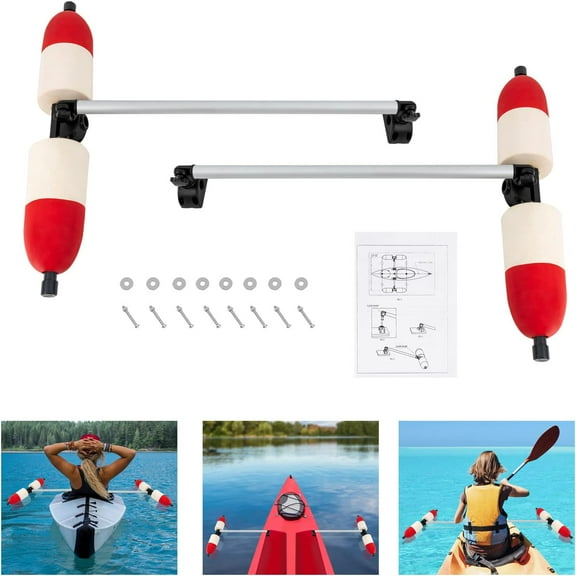
Adjustability also matters when you paddle on both calm lakes and choppier water. You can use telescoping arms to change pontoon width, which affects clearance and overall steadiness.
Height adjustable designs let you raise or lower the floats to suit loading and water feel. You may want more contact for added support, or less contact for easier glide.
Fixed arms can appeal to shoppers who want a simpler layout with fewer moving parts. You’ll trade some tuning flexibility for a more straightforward setup process.
Comparing kayak stabilizer pontoons by material
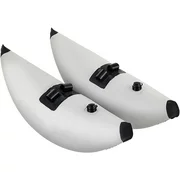
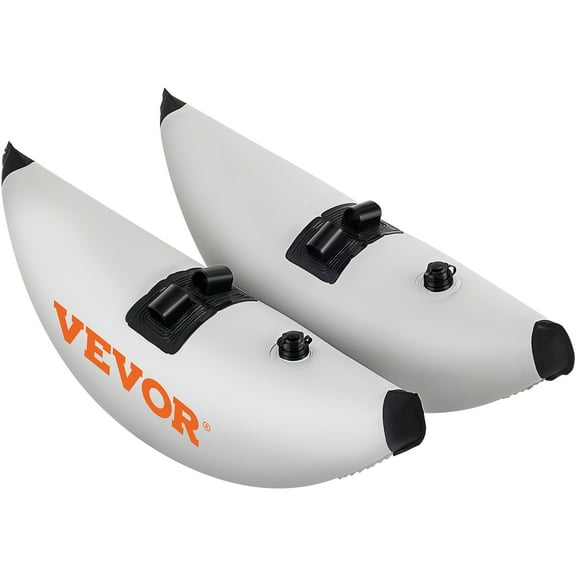
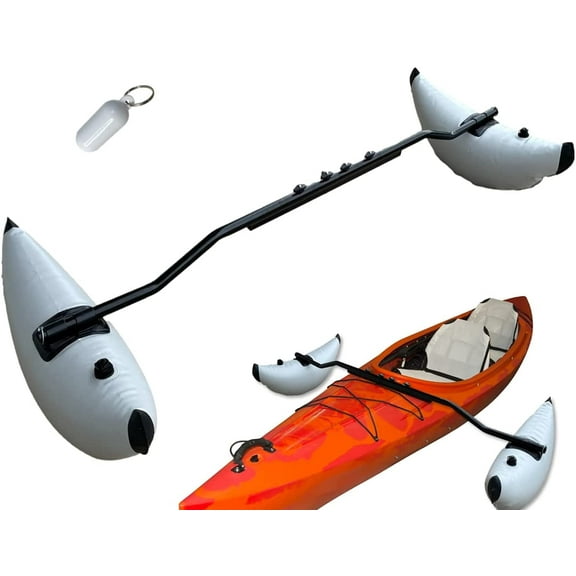
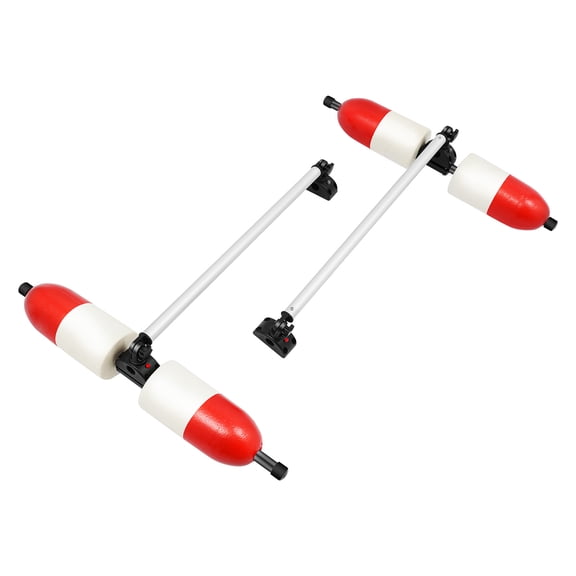
Your pontoon material changes storage, feel, and day-to-day upkeep. You should compare inflatable PVC, molded foam, and hard plastic based on how and where you paddle.
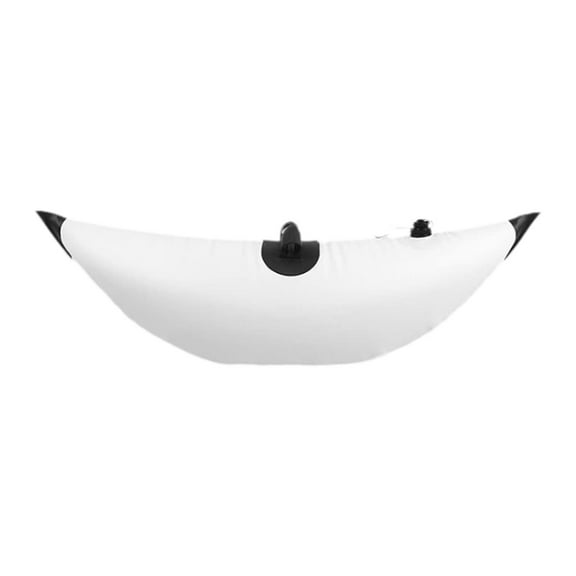
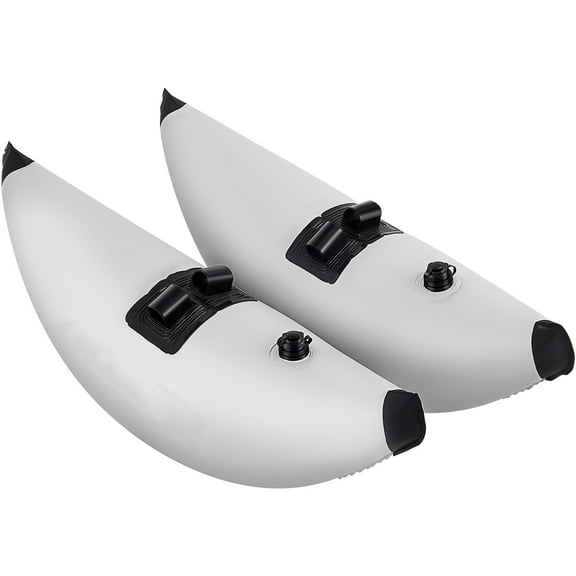
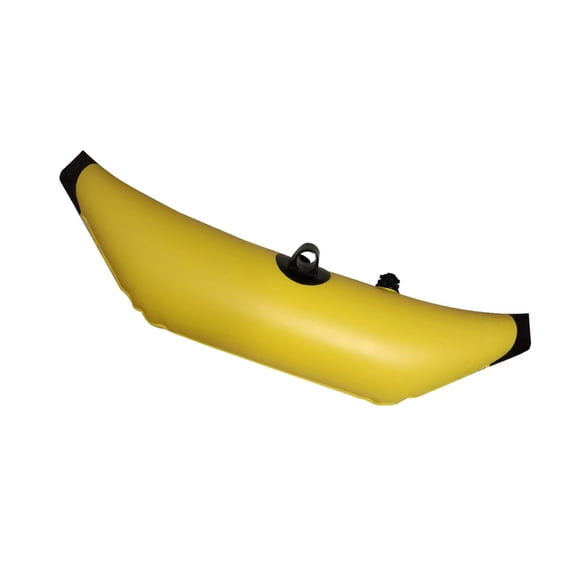
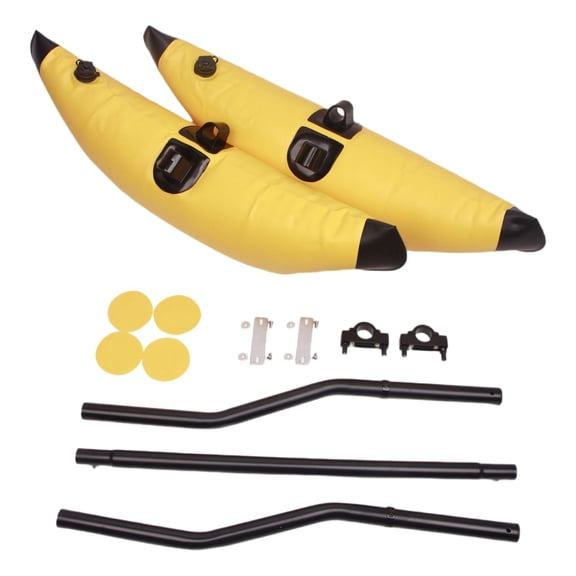
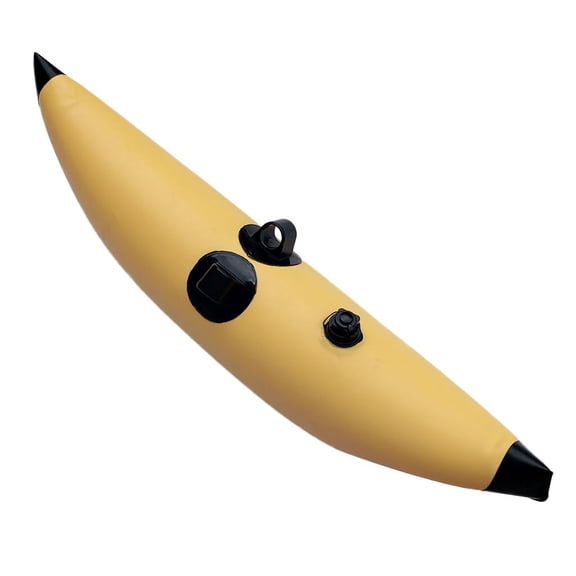
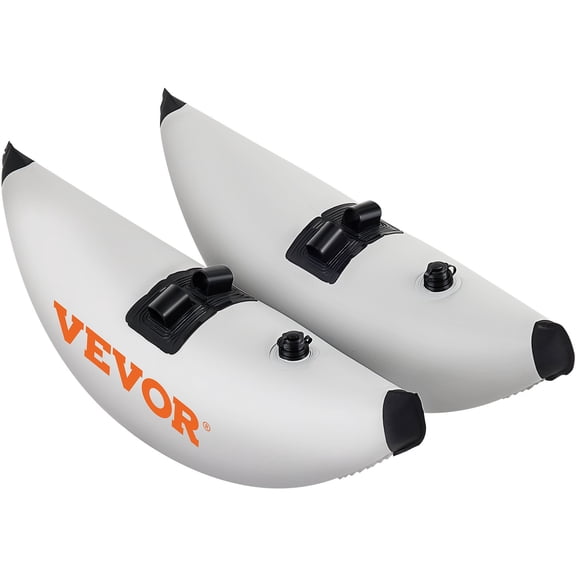
Inflatable PVC pontoons can pack down smaller for transport and storage. You may like this option if your garage space is tight or your kayak rides inside your vehicle.
Molded foam pontoons offer a solid shape without inflation steps before launch. You can choose them when you want quick setup and a lightweight feel at the water’s edge.
Hard plastic pontoons give you a rigid form that keeps its shape trip after trip. You may prefer them if your setup stays assembled more often between outings.
As you compare kayak stabilizer pontoons, think about launch routine and carrying space. You’ll want a material that matches your storage habits as much as your paddling style.
Material choice also affects how your setup feels during loading and transport. You can often carry inflatable parts more compactly, while solid pontoons stay ready for repeat use.
How kayak stabilizers fit different activities
Your intended activity should guide every feature choice in this category. You’ll want a different setup for fishing than you would for adaptive paddling or casual shoreline cruising.
For fishing, you may look for wider arm spread and steady support while you cast or reach. You’ll also want room for paddle movement around rod holders and crate systems.
If standing is your goal, standing kayak stabilizers can help support practice on calmer water. You should pair that goal with adjustable arms so you can refine contact and feel.
For recreational paddling, you may want lighter components and a simpler mounting method. You can keep the setup manageable while adding extra balance for family outings and easy exploring.
Adaptive paddling setups often benefit from thoughtful mounting and consistent support at each side. You should look closely at adjustment range, attachment points, and how the arms clear your seating area.
Canoe outriggers may also appear in your search if you paddle different small craft. You should verify fit carefully, because kayak hulls and canoe gunwales use different attachment approaches.
What to check before you choose kayak outriggers
You should measure your kayak width, note existing rails, and inspect deck space before you decide. You’ll avoid fit issues when you compare your hull details against the mounting style.
It also helps to consider transport, storage, and launch routine before you choose a system. You’ll end up with kayak outriggers that suit your kayak, your gear, and your usual water conditions.