


Camping Gas & Camp Stove Fuel | Walmart


















About Camping Gas & Camp Stove Fuel | Walmart - Walmart.com
Camping gas helps you keep meals, coffee, and boil times on track when your stove matches the right fuel format. You can compare canister types, connection styles, and cold-weather performance before you head out.
If you're replacing camp stove fuel, you should start with compatibility, not just size. You’ll also want the right blend for your trip length, elevation, and expected temperatures.
Choosing the right camping gas and camp fuel
When you compare camp fuel, you should first check what your stove accepts. You’ll usually choose from isobutane-propane, propane, liquid fuel, or butane.
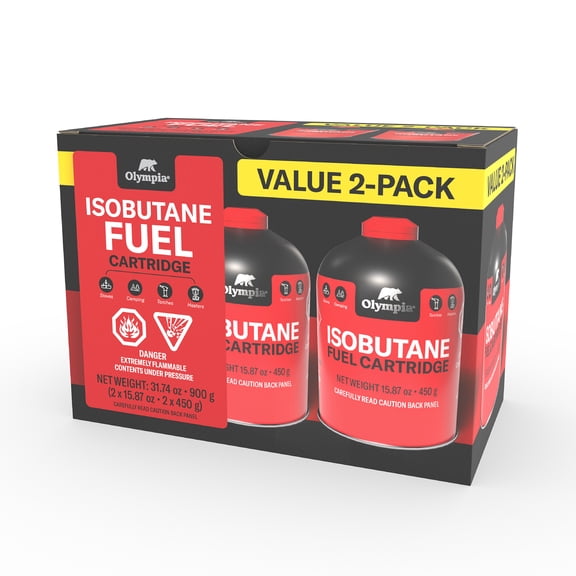
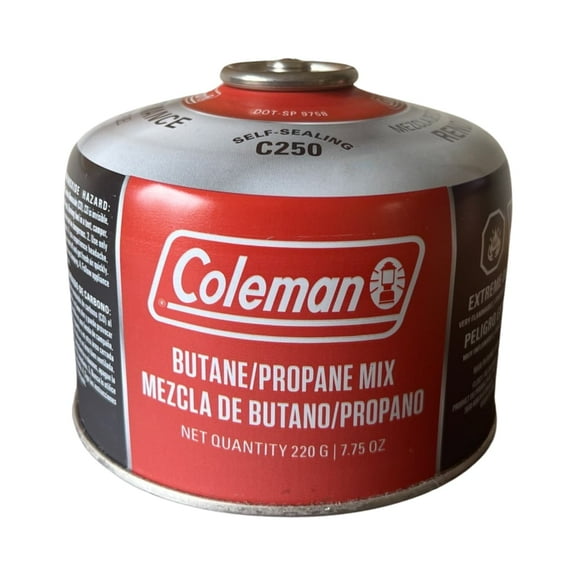
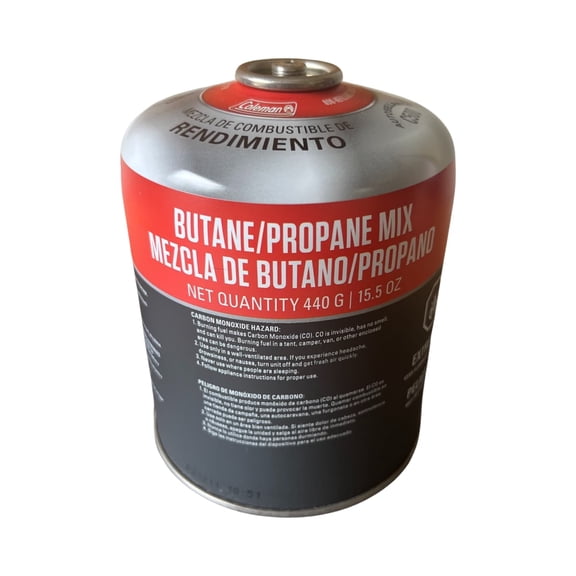
Isobutane-propane mixes work well when you want a lighter camping fuel setup for backpacking. You’ll often see these in camping canister gas formats that pack easily in cook kits.
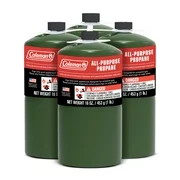
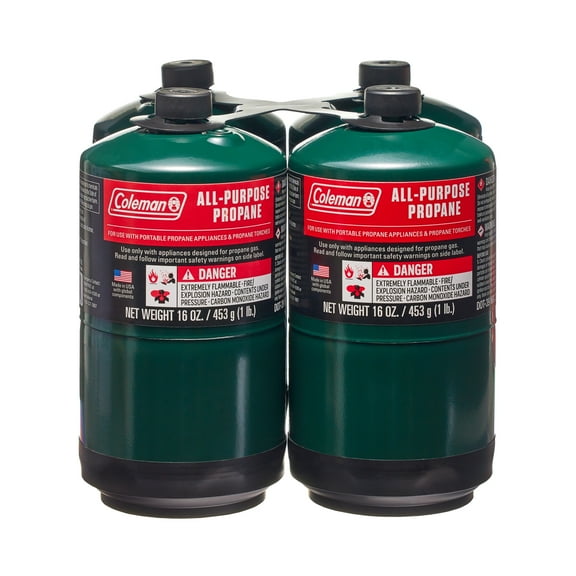
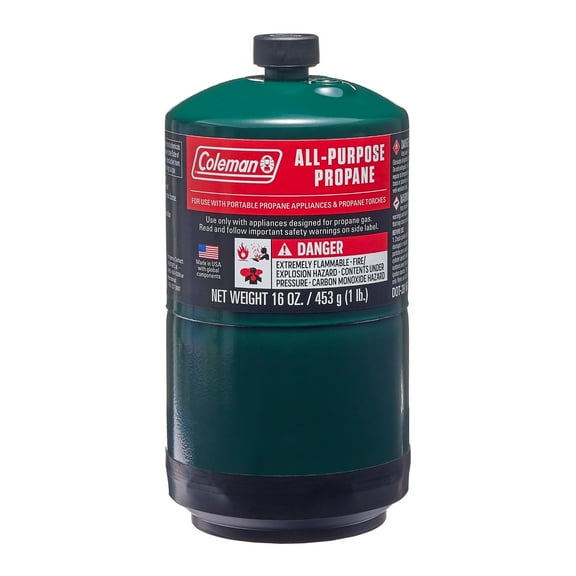
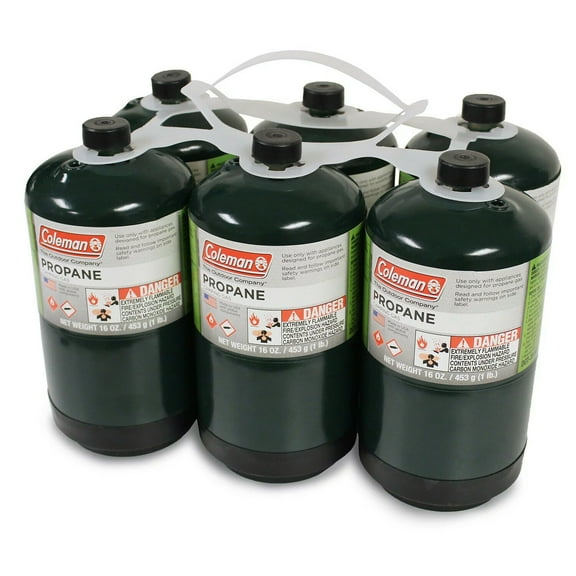
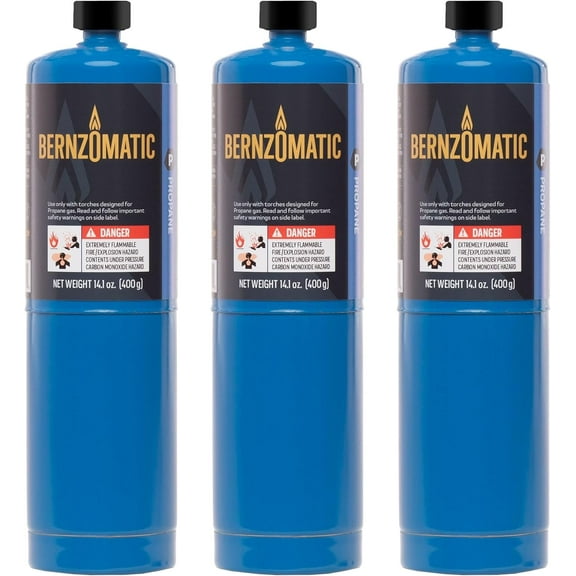
Propane works well when you want simple setup for base camps and picnic tables. You’ll often use 16 oz cylinders when your stove supports that larger connection style.
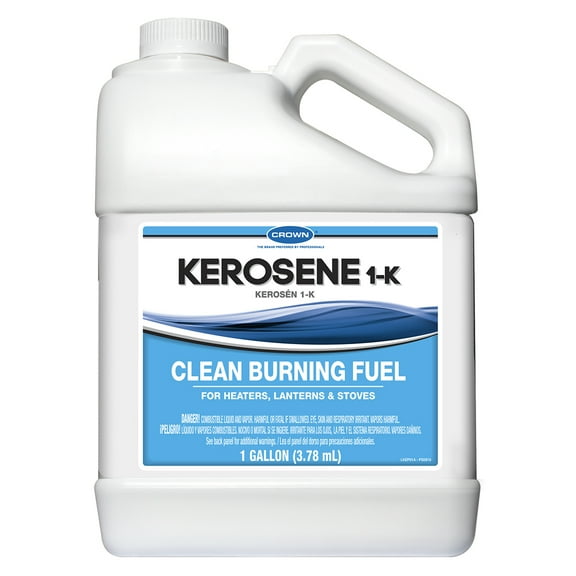
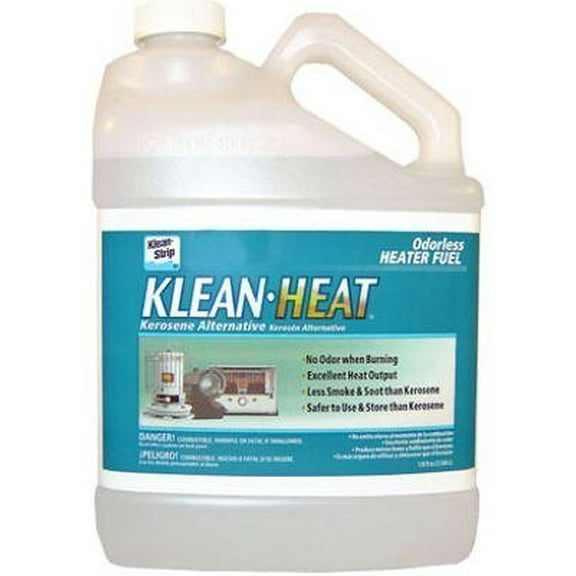
Liquid fuel, often called white gas, suits trips where you want refillable bottles and steady output. You’ll need a stove designed for liquid fuel and its pump system.
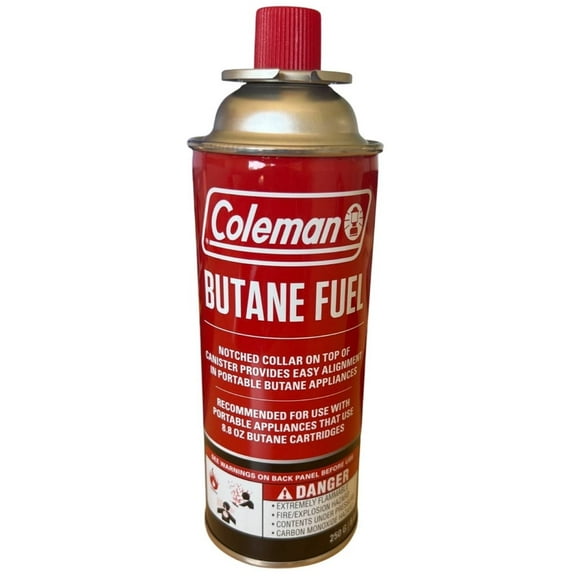
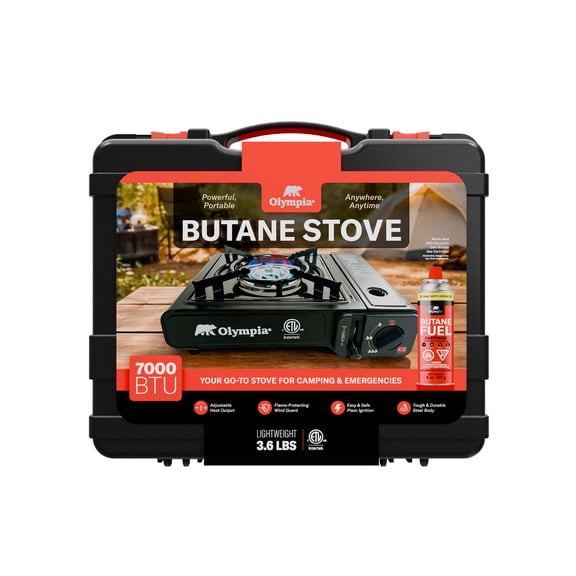
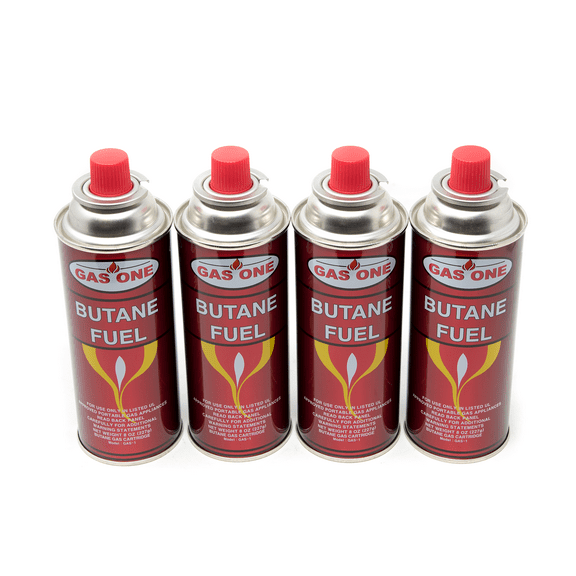
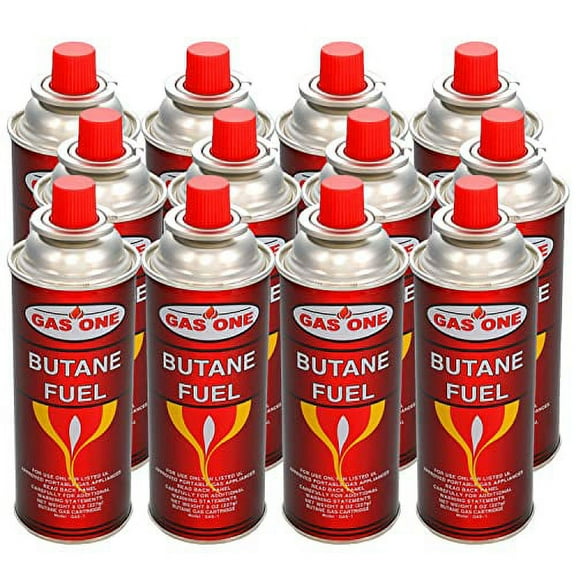
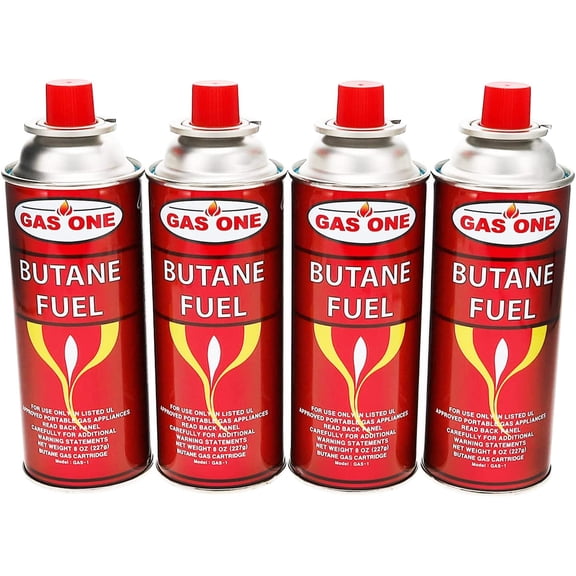
Butane can work well for warm-weather cooking when you want a compact canister option. You should check your stove carefully, because connection styles vary across butane formats.
- You can match fuel type to your stove connection before checkout.
- You can choose a canister size that fits your pack space and trip length.
- You can compare fuel blends for cold mornings, wind, and elevation.
- You can plan disposal steps for empty canisters after your trip.
What to look for in camp stove fuel compatibility
Your stove manual usually tells you which camp stove fuel canister fits the valve and regulator. You should match threaded, easy-clic, or collet connections exactly.
Threaded canisters with a Lindal valve are common for backpacking stoves and compact burners. You can screw them on directly when your stove is built for that thread pattern.
Easy-clic connections use a different attachment system that locks in place without standard threading. You should only use that format when your stove lists easy-clic compatibility.
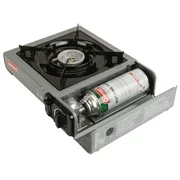
Collet canisters, sometimes called aerosol-style canisters, slide into select stove housings with a notch alignment. You need a stove built for that specific canister shape and latch.
If you’re choosing gas for camping stove use, you should also compare canister size. You can pick 100g, 230g, 450g, or 16 oz options based on burn time.
A 100g canister suits shorter trips when you want less weight in your pack. You may prefer 230g or 450g sizes when you’re cooking multiple meals each day.
If you’re driving to camp, you may choose larger propane cylinders for longer cooking sessions. You can trade extra bulk for fewer fuel changes at the campsite.
How camping stove fuel performs in different conditions
Temperature changes how quickly pressurized fuel leaves the canister during cooking. You’ll usually notice lower pressure on colder mornings and at higher camps.
Isobutane-propane blends often make more sense for four-season backpacking and shoulder-season trips. You can get more consistent stove output when conditions feel colder than summer camp nights.
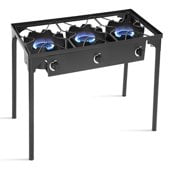
Propane handles cold weather well, but you’ll usually carry a larger cylinder and stove setup. You may choose that tradeoff when pack weight matters less than steady campsite cooking.
Liquid fuel can be a practical option for high-altitude routes and extended trips. You can refill bottles and keep a consistent system when conditions change across several days.
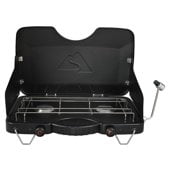
If you want portable stove fuel for summer car camping, you may prioritize convenience over weight. You can focus on quick setup, larger meal prep, and fewer gear adjustments.
When you compare burn time versus weight, you should think about how often you boil water. You’ll need less fuel for simple drinks than for full breakfasts and dinners.
Using and handling your camping fuel canister
Your camping fuel routine should include storage, transport, and disposal planning before you leave. You can keep your setup simpler when you bring the right format and quantity.
Before each trip, you should inspect the canister connection and confirm your stove seals correctly. You can avoid mismatch frustration by checking thread type and fuel label together.
For short solo trips, small gas canisters for camping stoves can reduce pack bulk. You may carry a larger backup only when your route limits resupply options.
For group cooking, a larger gas can for camping stove use can cut down on fuel swaps. You can keep breakfast and dinner moving when one canister lasts longer.
After your trip, you should follow local guidance for empty canister disposal and recycling access. You can check whether your area accepts punctured steel canisters through household recycling programs.
If you use refillable liquid-fuel bottles, you should keep bottle type matched to your stove system. You can streamline packing by sticking with one compatible fuel setup across trips.
When you choose camping stove fuel with the right valve, size, and temperature fit, you make your stove easier to use outdoors. You can count on a smoother cooking setup from trailhead breakfast to campsite dinner.