



Camera Flashes & On-Camera Lighting Near Me | Walmart























About Camera Flashes & On-Camera Lighting Near Me | Walmart - Walmart.com
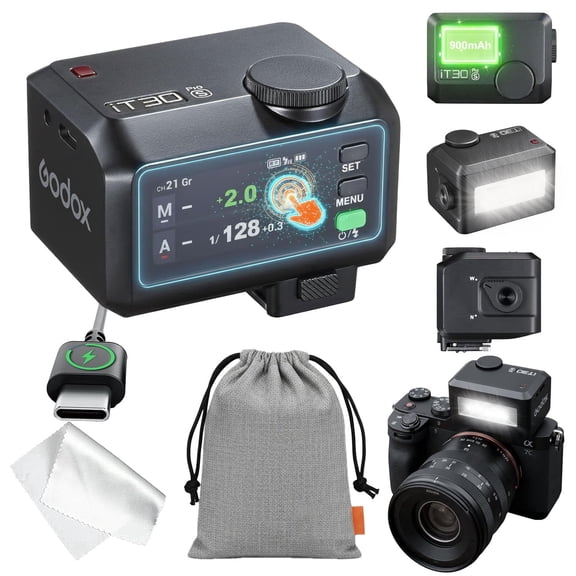
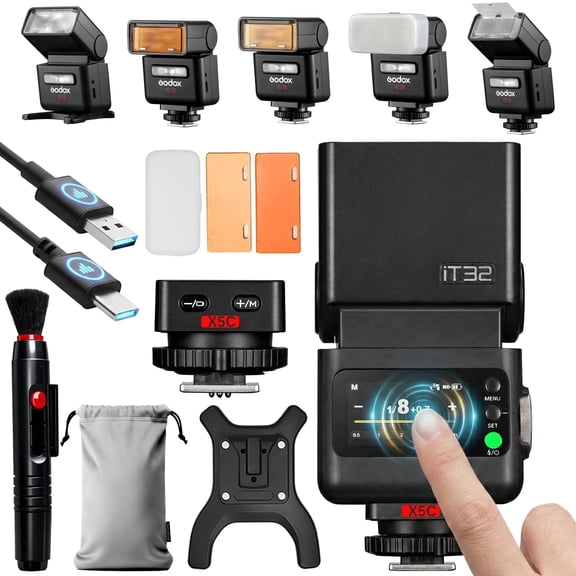
Camera flashes help you shape cleaner, brighter photos when your built-in light falls short. You can compare on-camera lighting options by compatibility, flash type, trigger mode, and power source.
If you shoot events, portraits, products, or close-ups, you need lighting that matches your camera and pace. You can find speedlight flash models, ring light options, and wireless setups designed for controlled light.
How to choose camera flashes
Start with compatibility, because your camera’s hot shoe and TTL communication need the right match. You should check whether your setup uses Canon, Nikon, Sony, Fujifilm, or a universal connection.
Next, compare how much automation you want during a shoot. You may prefer TTL when your scene changes quickly, or manual control when you want repeatable output.
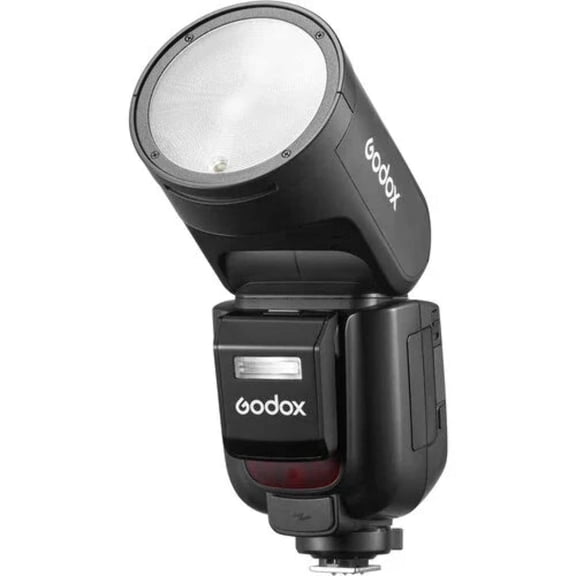
Then, look at the flash type that fits your subject and shooting space. You can use a speedlight flash for portable bounce light, or choose a ring light for even close-range illumination.
- You can match brand-specific communication for more reliable exposure settings.
- You can choose flash types based on portraits, macro work, or studio-style setups.
- You can compare wireless options for off-camera placement and cleaner light direction.
- You can check battery style for longer sessions and simpler recharging plans.
Choosing compatibility and on-camera lighting types
Compatibility affects exposure control, menu communication, and how smoothly your flash works with your camera body. You should confirm the hot shoe mount type before you compare extra features.
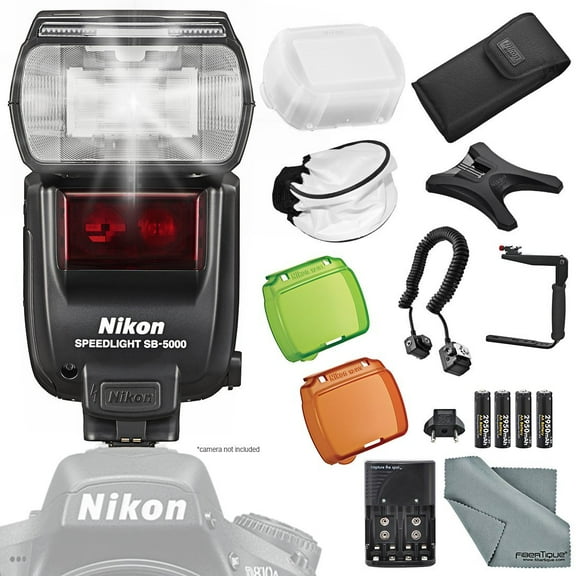
If you use a dslr camera flash with TTL support, your camera and flash can exchange exposure data automatically. You may notice that helps when your subject distance or room light keeps changing.
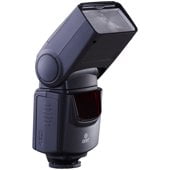
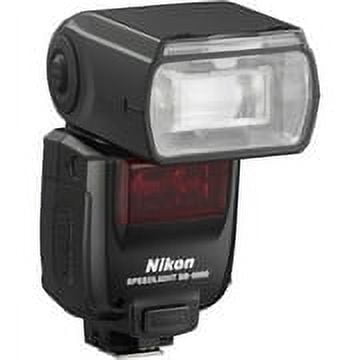
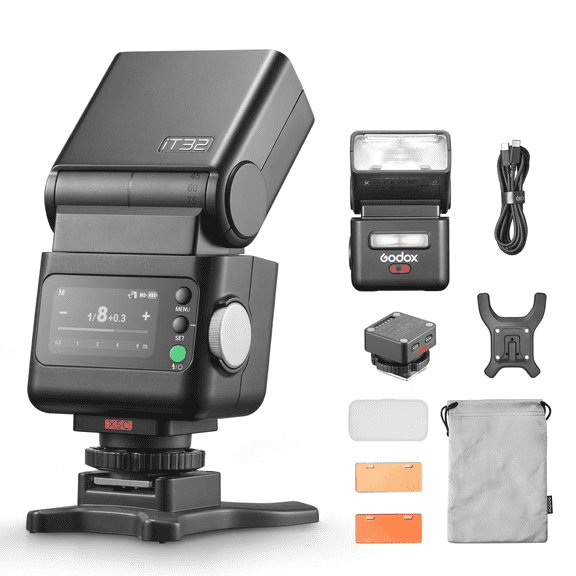
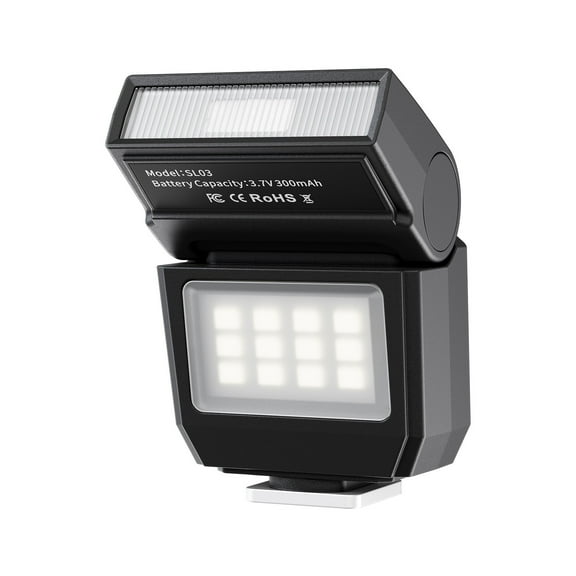
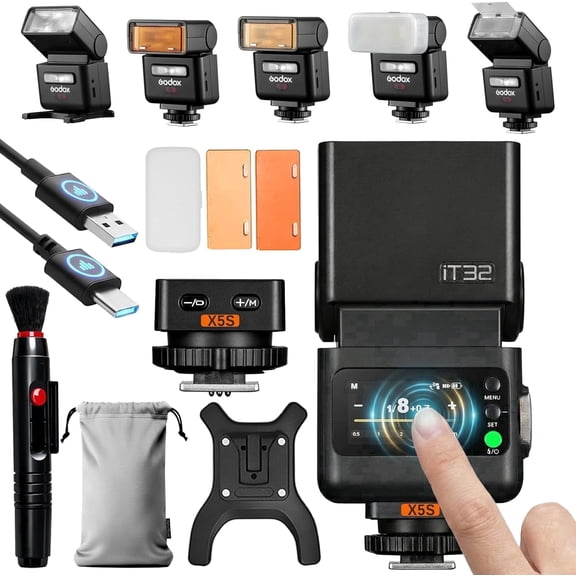
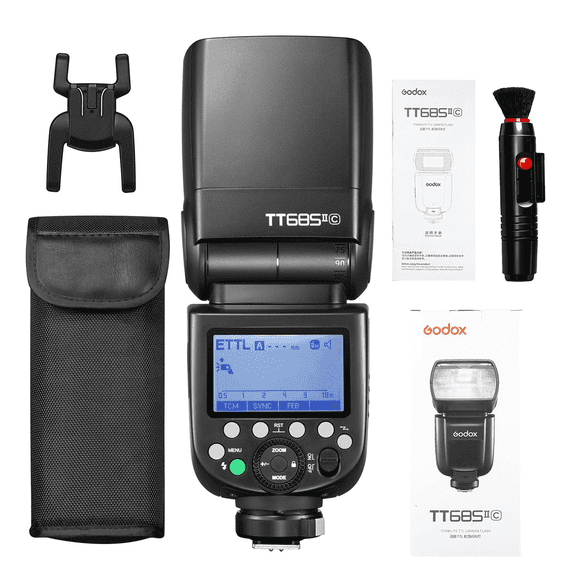
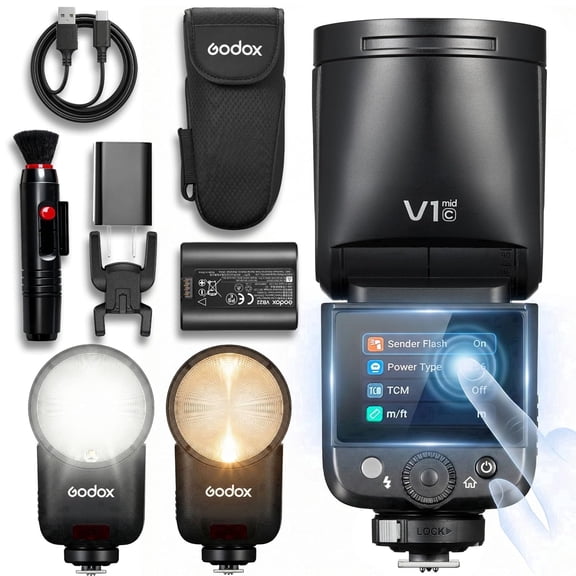
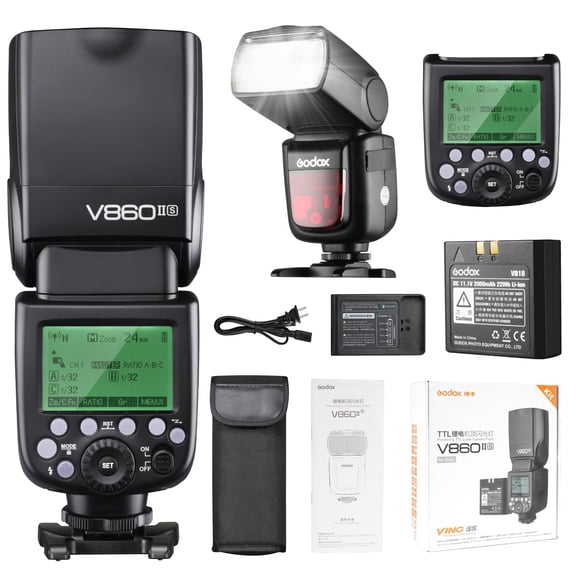
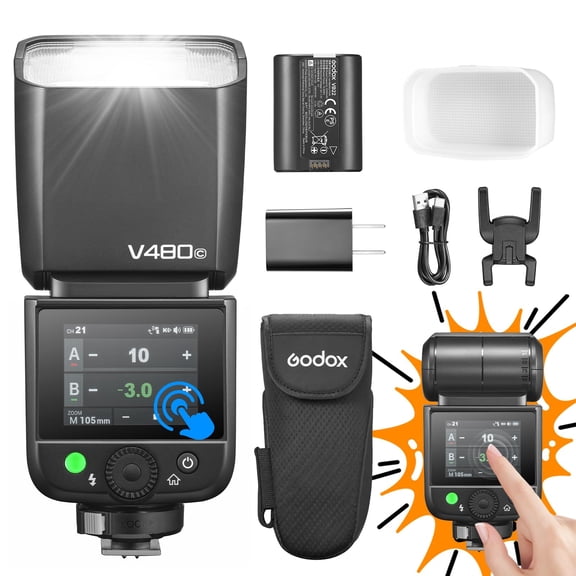
A speedlight flash gives you portable output that fits weddings, indoor portraits, and travel kits. You can tilt or swivel many models to bounce light off ceilings or walls.
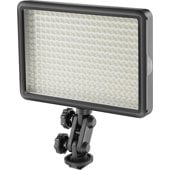
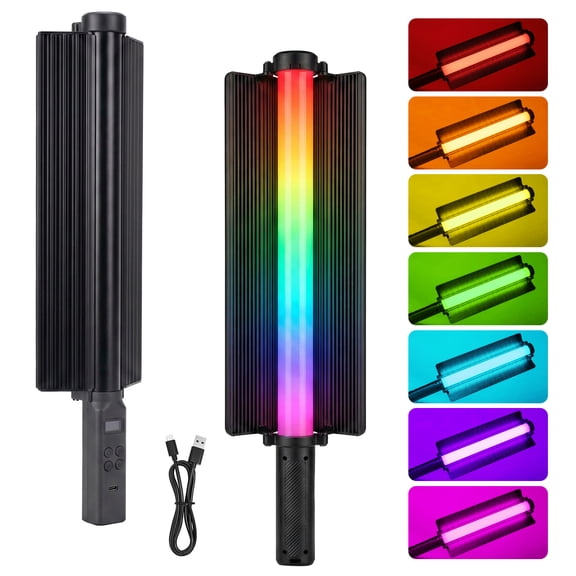
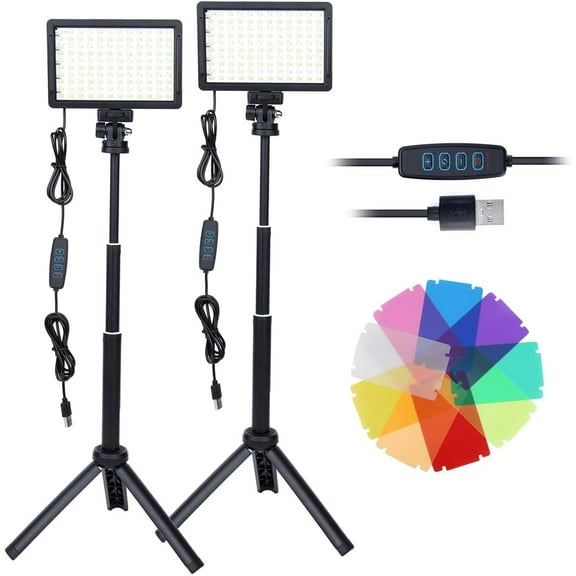
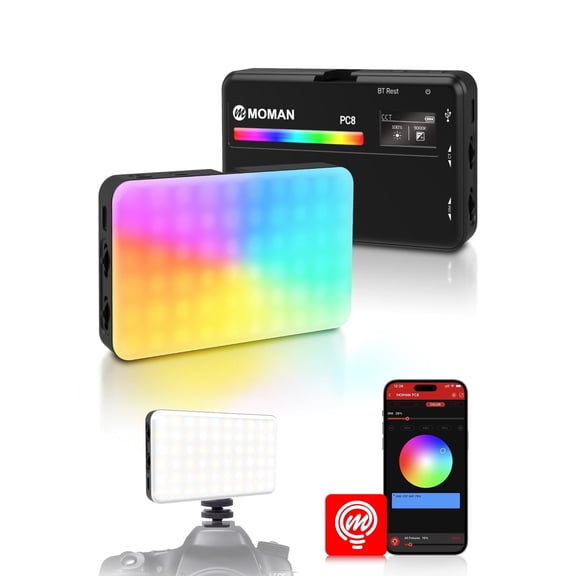
A ring light or macro flash suits close-up detail work, where you want more even front lighting. You may prefer that style for beauty shots, collectibles, crafts, or small product photos.
Studio strobe options fit larger setups, where you want stronger output and wider light shaping tools. You can pair those with stands and modifiers when your shoot stays in one place.
What to look for in power and control
Guide Number sounds technical, but it simply tells you the flash’s reach and brightness potential. You should look for more power when you shoot larger rooms or bounce light often.
Recycle time tells you how quickly your flash is ready for the next shot. You may care about faster recycle time when you photograph parties, sports moments, or active kids.
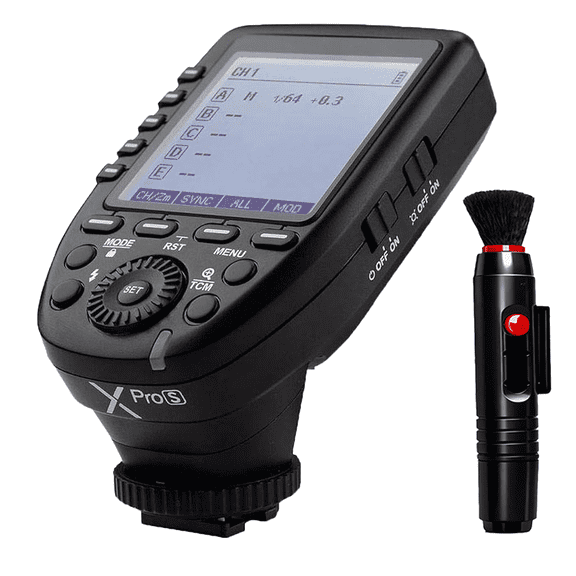
Trigger mode changes how you place and fire your light. You can choose wireless TTL for flexible off-camera control, manual for consistency, or optical slave for line-of-sight setups.
Radio triggering usually gives you more placement freedom because it doesn’t rely on direct visual contact. You can place a wireless camera flash behind a subject or farther across a room.
Optical triggering can still work well in simpler spaces with a clear path between units. You should compare that option if you want a straightforward camera flash trigger setup.
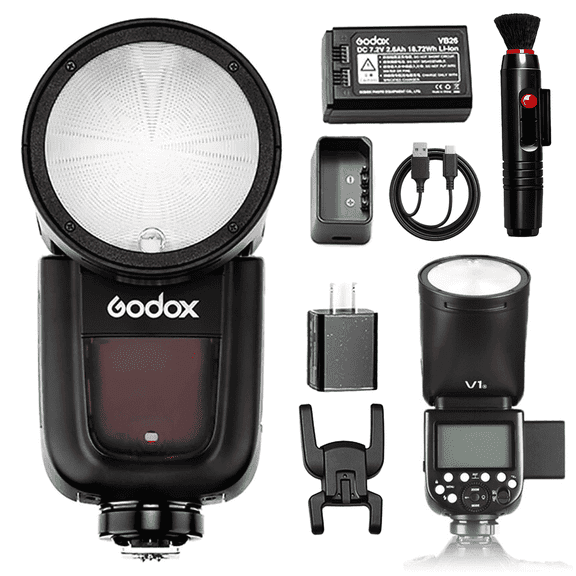
Power source matters during long sessions and travel days. You can choose AA batteries for easy swaps, or pick a lithium-ion battery pack for rechargeable convenience.
Matching camera flashes to your shooting style
If you cover weddings or family events, you may often want TTL, swivel head movement, and quick recycle time. You can move faster when your flash adjusts as the scene changes.
For portraits, you may want an external camera flash with bounce capability and wireless support. You can place light off-camera for more shape, depth, and separation.
If you shoot products for listings or social posts, you may prefer ring lighting or macro-focused illumination. You can get more even light on small details, textures, and reflective surfaces.
Travel photographers often want compact on-camera lighting that fits a lighter bag. You can keep a speedlight ready for restaurants, street scenes, or indoor landmarks.
If you’re building a home studio, you may compare studio strobes with radio control and stronger output. You can light larger backdrops and subjects with more consistent coverage.
Beginners may want manual controls that teach flash power in clear steps. You can learn how distance, bounce angle, and output settings change the final image.
Advanced shooters may want a camera flash trigger system for multi-light setups. You can coordinate key, fill, and background lighting with more control over each source.
Camera flashes that fit real buying decisions
You’re not just choosing brightness, because your camera brand, subject type, and shooting pace all matter. You can narrow camera flashes faster when you compare those decisions first.
With the right fit, you can get cleaner exposure, more flexible placement, and steadier results from shot to shot. You can create light that matches your subject instead of settling for flat direct flash.