

Shop Dutch Ovens in Dutch Ovens
















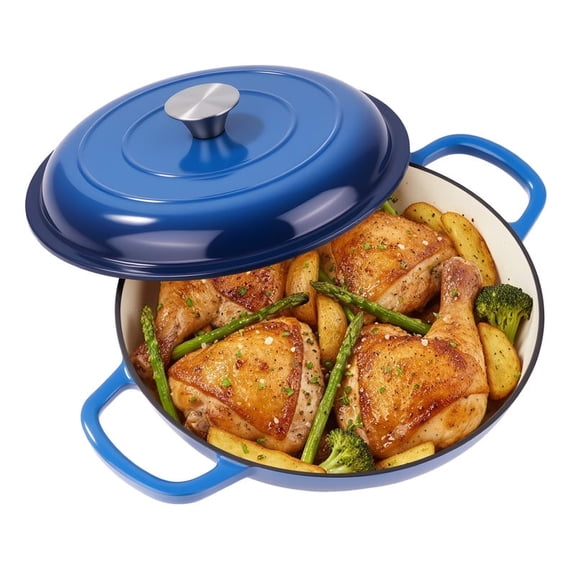


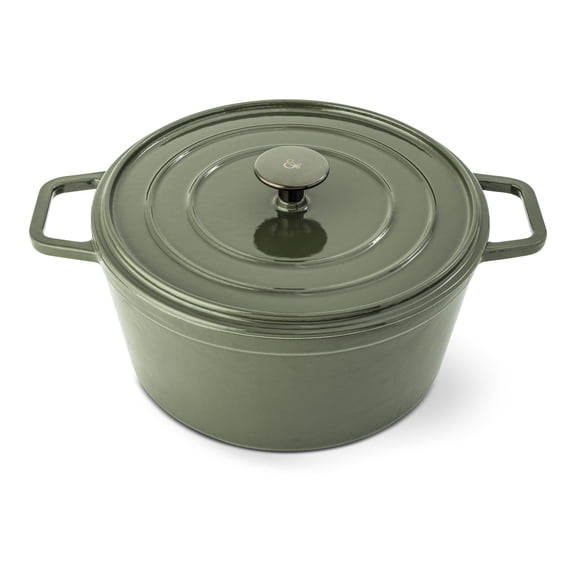
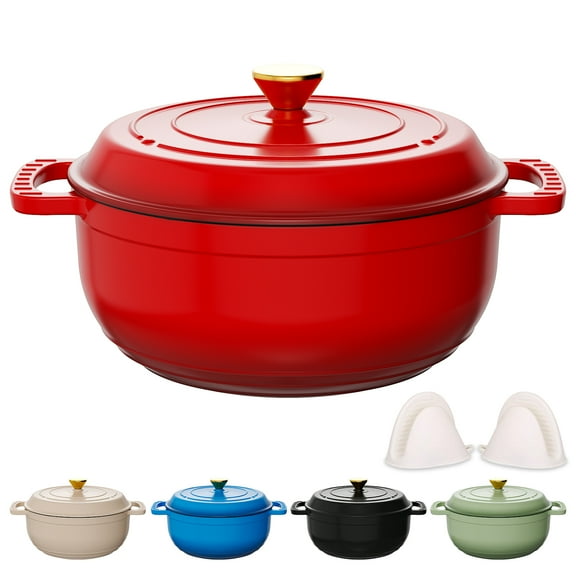


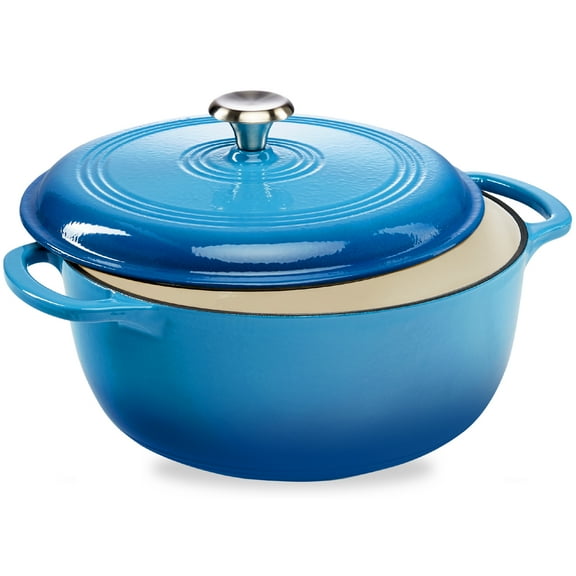













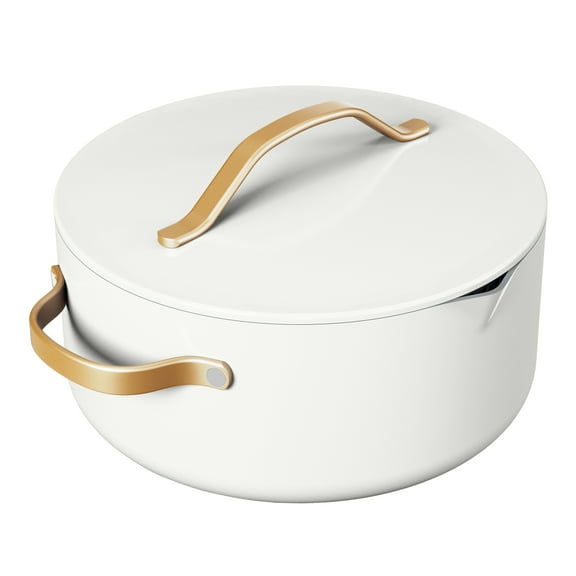


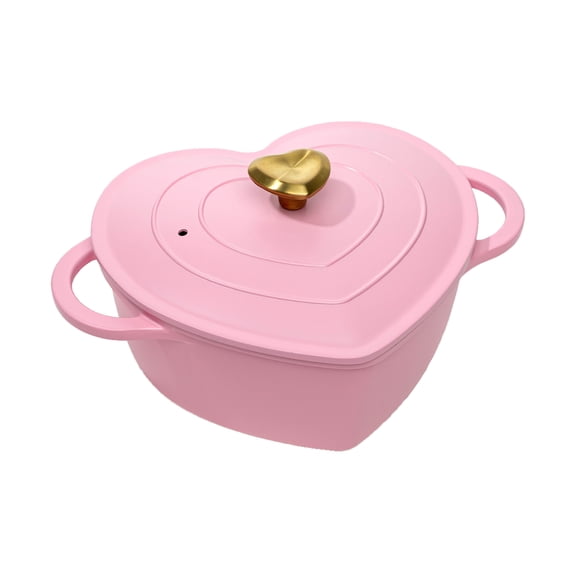
About Shop Dutch Ovens in Dutch Ovens - Walmart.com
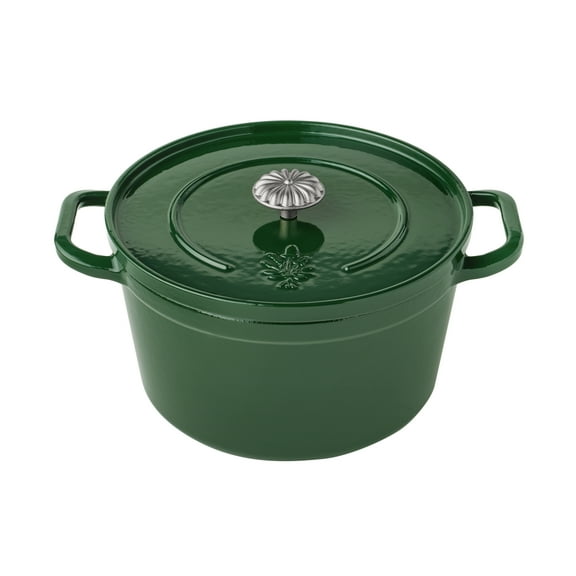
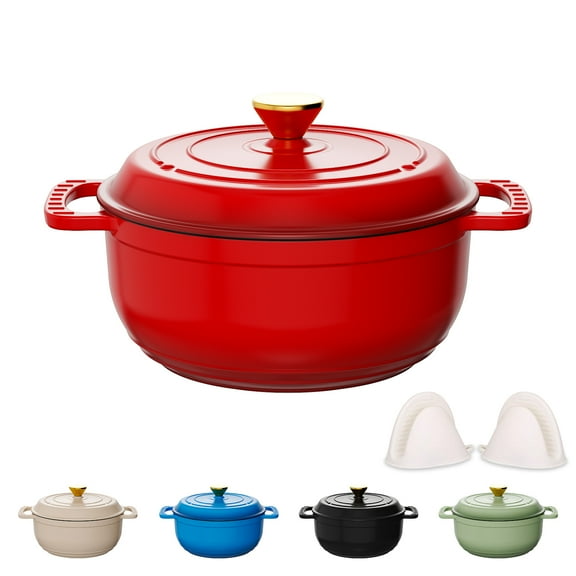
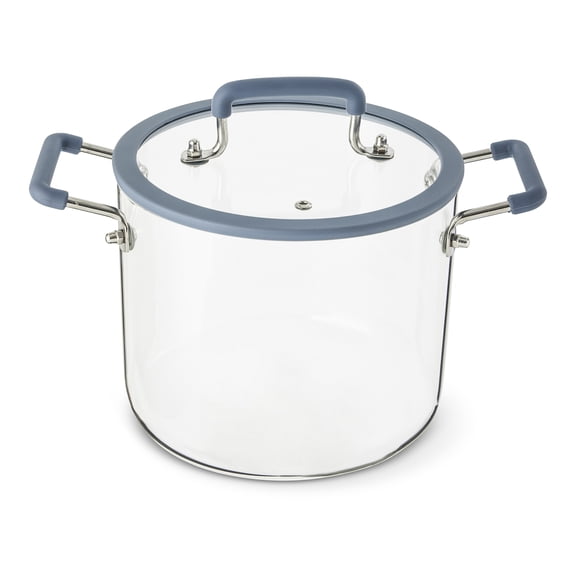
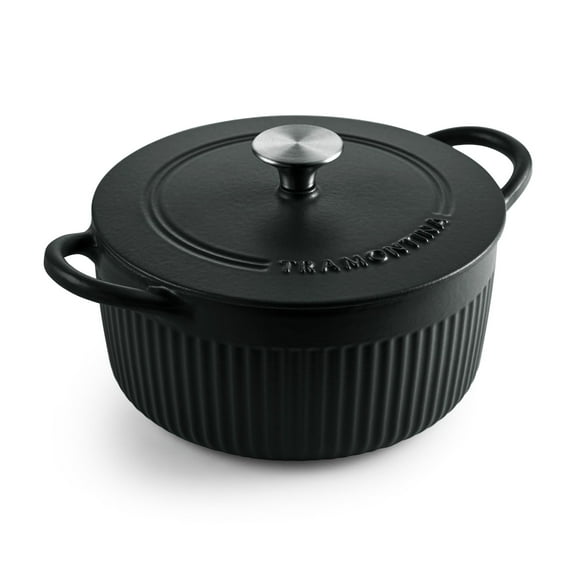
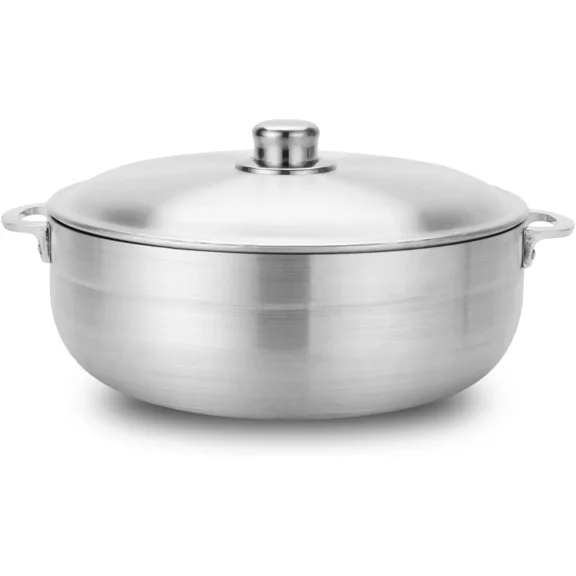
Dutch ovens help you handle braises, bread, soups, and roasts with one hardworking pot. You can compare sizes, materials, and shapes here, so your cooking style stays front and center.
If you cook for one or two people, you may prefer a smaller pot that feels easy to lift. If you cook for family meals, you may want extra room for stews, chili, and no-knead bread.
How to choose dutch ovens by size
You can start with capacity, because quarts affect how much food you can cook at once. You’ll usually find that a 2-quart pot suits sides, sauces, and small-batch soups.
A 4-quart option can fit weeknight meals for smaller households without taking much cabinet space. A 6 quart dutch oven often gives you the flexibility you need for bread baking, braising, and batch cooking.
If you cook for gatherings, you may want an 8-quart piece for bigger roasts or larger soup pots. You should also consider your oven space and how heavy a full pot feels.
- You can use smaller capacities for side dishes, sauces, and compact kitchens.
- You can choose mid-size pots when you want everyday flexibility for soups, beans, and casseroles.
- You can pick larger capacities when you prep holiday meals, batch cook, or bake larger loaves.
- You can match quart size to serving needs, so your pot fits your burner, oven, and table routine.
Choosing between enameled cast iron dutch oven and raw cast iron
You should compare material next, because it affects upkeep, cooking style, and cleanup. An enameled cast iron dutch oven gives you a smooth interior that doesn’t require seasoning before use.
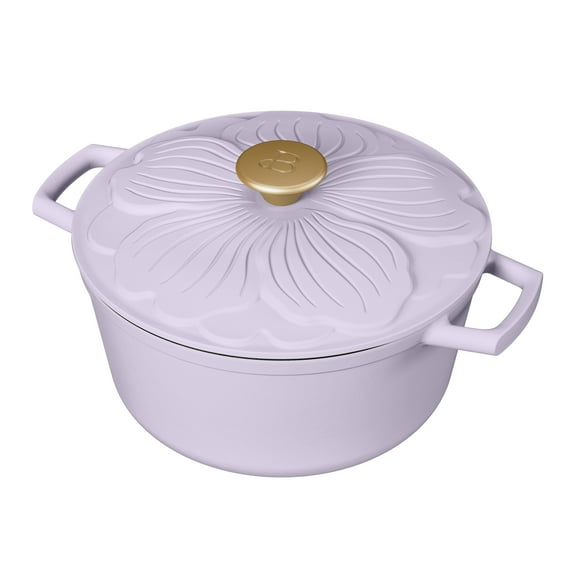
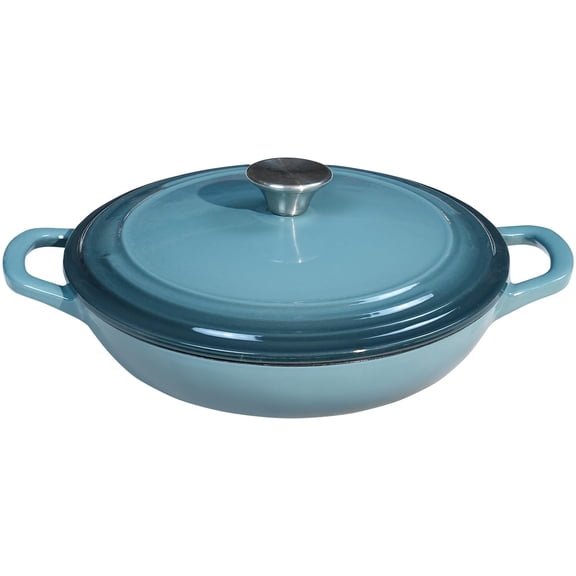
You may prefer enameled interiors when you simmer tomato sauces or wine-based braises. You’ll also notice that many enameled pots move easily from stovetop cooking to serving at the table.
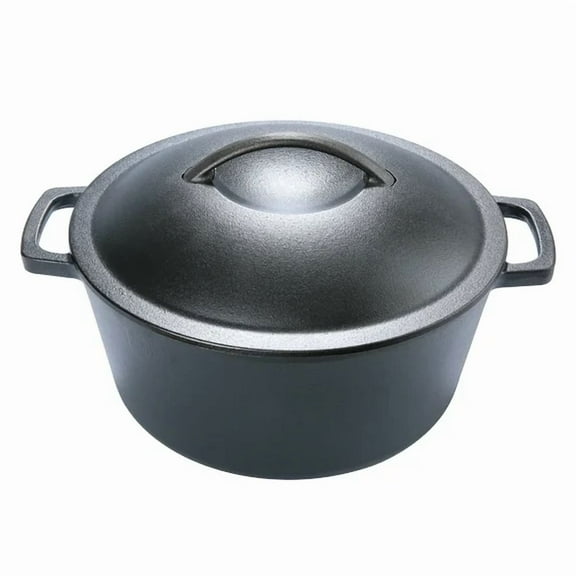
A cast iron dutch oven with raw iron asks for seasoning, which means building a protective cooking surface over time. You may like that traditional approach if you bake bread often or use your pot over coals.
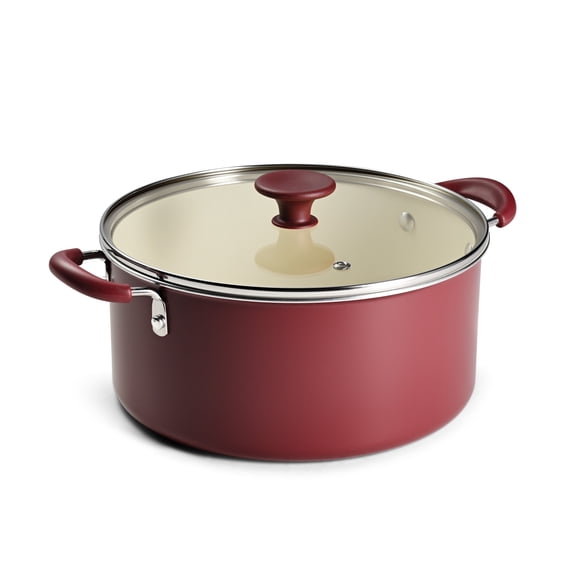
If you want a camping dutch oven, you may look for raw cast iron with a sturdy lid design. You can also compare ceramic-coated styles when you want a smooth finish and straightforward cleanup.
Round or oval dutch oven shapes
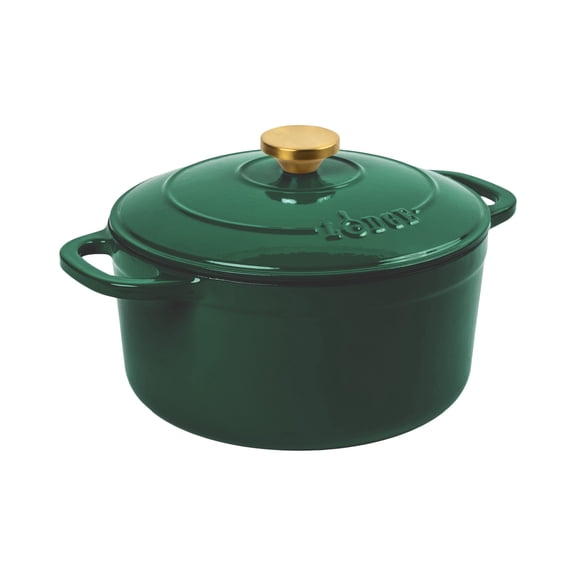
You should check shape carefully, because it changes how your pot fits burners and ingredients. Round pots usually sit neatly over standard burners, so you can simmer soups and sauces evenly.
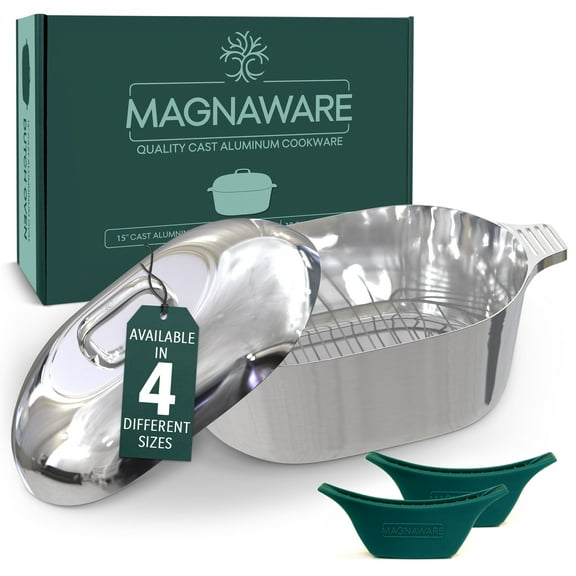
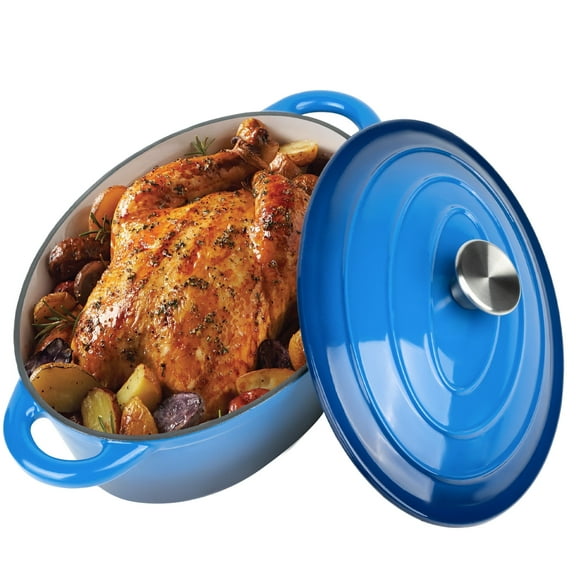
An oval dutch oven can make more sense when you cook longer cuts of meat or whole poultry. You may appreciate the extra length when your roast needs room without crowding the sides.
If you bake bread, you may choose either shape based on loaf style and oven space. You should also measure storage shelves, because handles and lid knobs can affect how your pot fits.
Features to compare before you decide
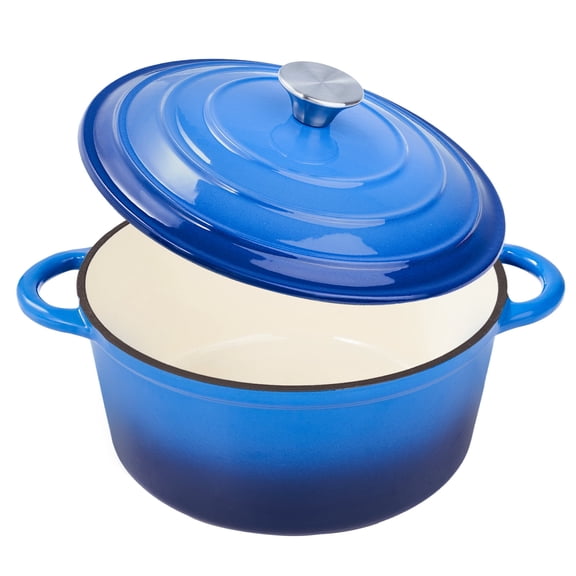
You can narrow your options by checking lid fit, interior finish, and handle design. A snug lid helps you keep moisture inside, which supports tender braises and rich soups.
You may also notice condensation ridges or self-basting spikes under some lids. Those raised patterns help return moisture to your food while it cooks, instead of letting steam escape quickly.
Wide loop handles can help you move a full pot with more control from oven to table. You should also compare light and dark interiors, because each finish changes how easily you spot browning.
If you cook on the stovetop often, you may want a base that sits steadily on your burner. If you bake often, you may focus on depth, lid shape, and interior room for rising dough.
Matching dutch ovens to the way you cook
You can match a smaller round pot to sauces, grains, and dinner for two. You may pair a 4-quart or 6-quart option with weekly soups, beans, and one-pot pasta.
If you love bread baking, you may want enough depth for dough expansion and a lid that traps steam. You’ll often find that cast iron holds steady heat for crusty loaves and browned tops.
If you make braised short ribs or pot roast, you may lean toward an oval shape for longer cuts. You can also use a holiday roasting pot when you need room for seasonal mains and sides.
For outdoor cooking, you may prefer a double dutch oven or camping dutch oven setup. You can use that style for campfire meals, cobblers, and rustic bread with flexible heat sources.
You’ll get more from your cookware when capacity, material, shape, and lid design match your routine. You can choose dutch ovens with confidence when your pot fits your recipes, your kitchen, and your cooking plans.