


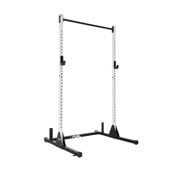
Cable Machine in Home Gym Equipment
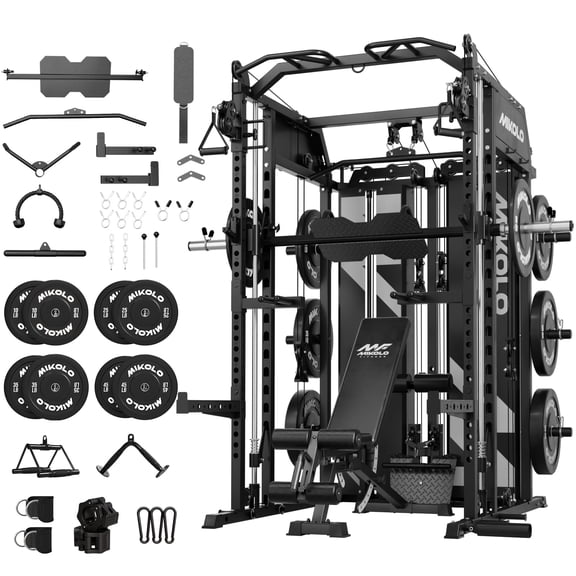
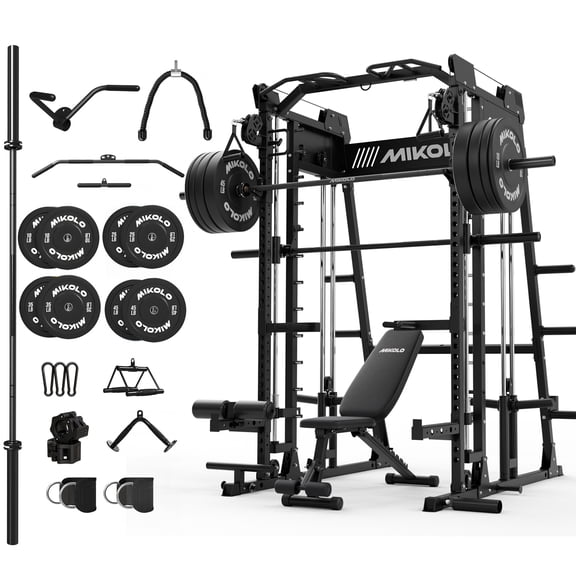
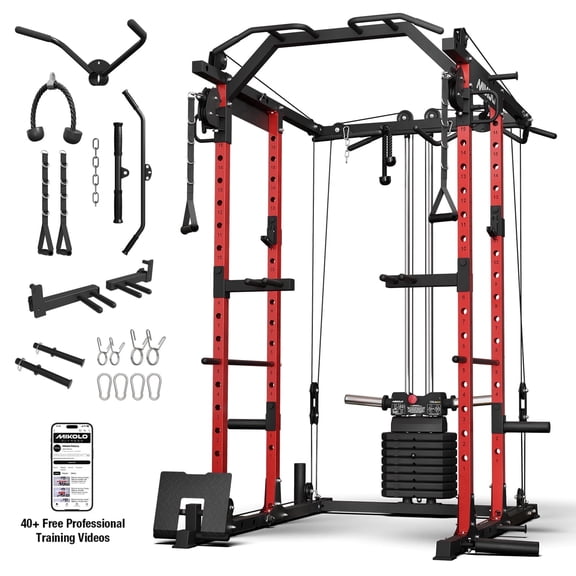










































About Cable Machine in Home Gym Equipment - Walmart.com
You can build a flexible strength setup with a cable machine that fits your room, training style, and exercise variety goals. You’ll notice cable systems support pressing, pulling, rows, flyes, and core work from one footprint.
If you’re building cable at home, you’ll want guidance that matches real home gym limits. You can compare machine configuration, weight system type, space needs, and attachments before you commit.
Choosing the right cable machine
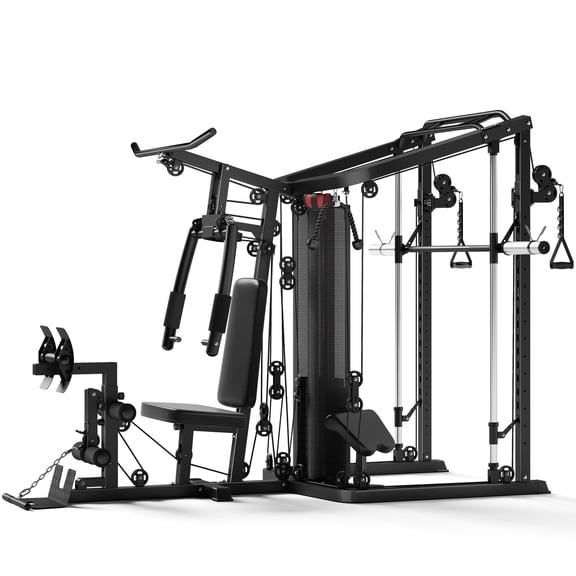
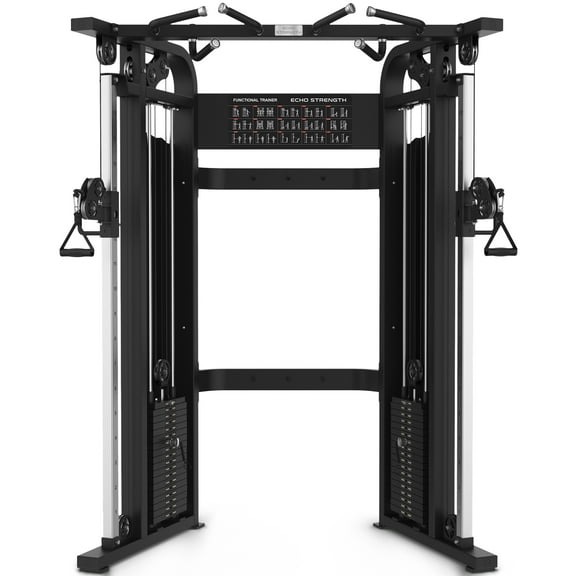
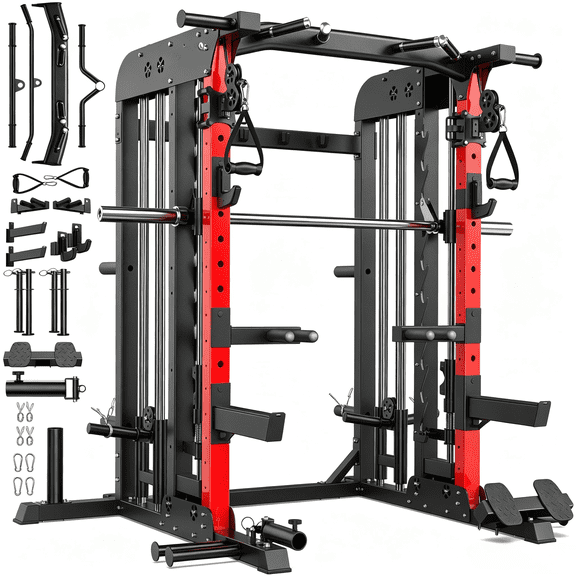
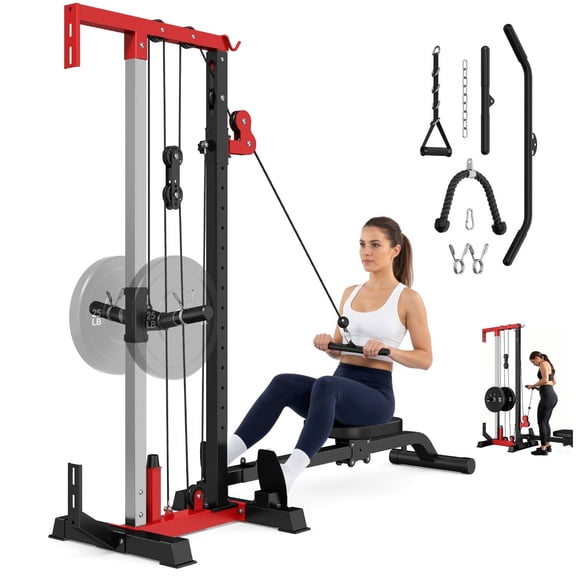
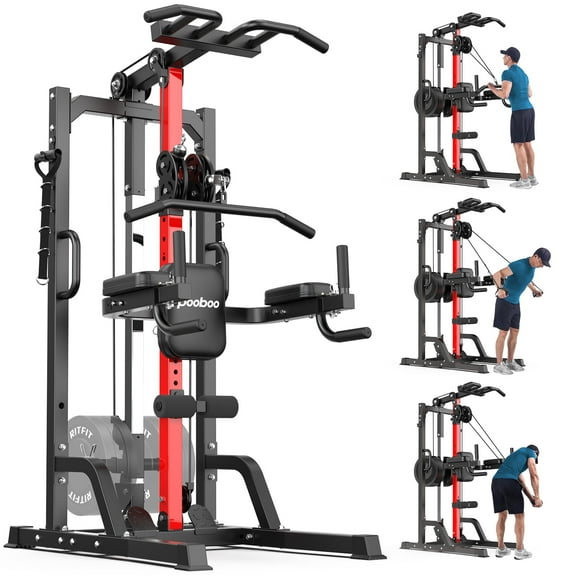
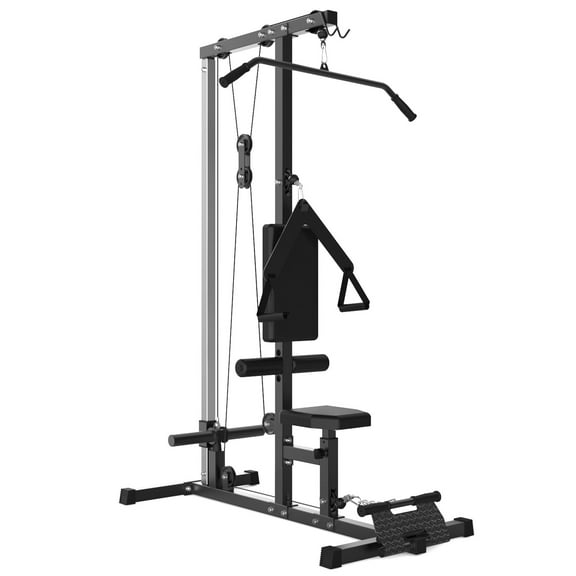
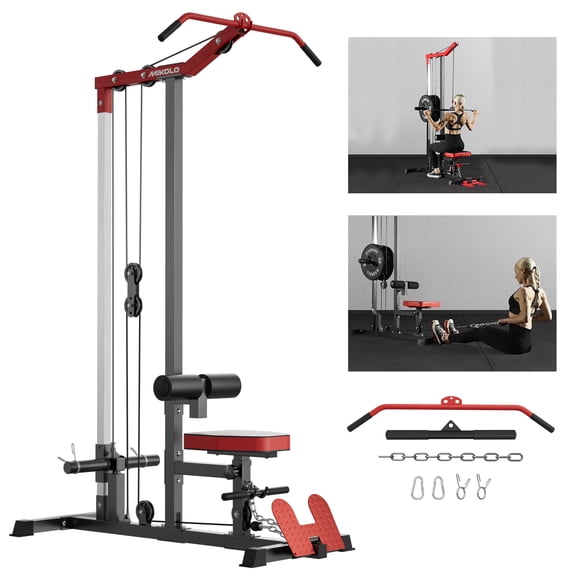
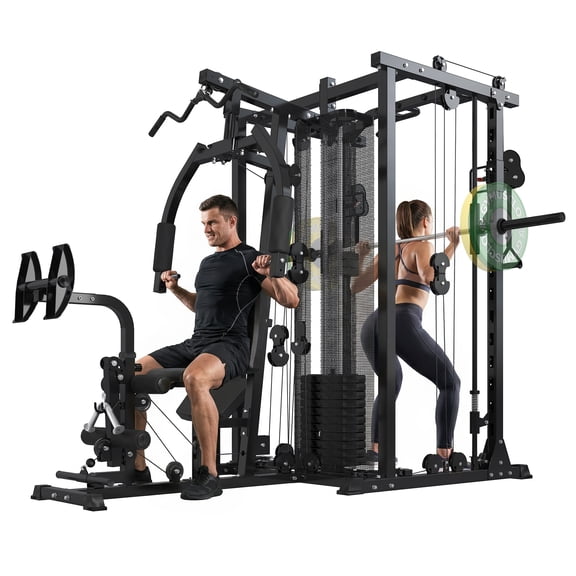
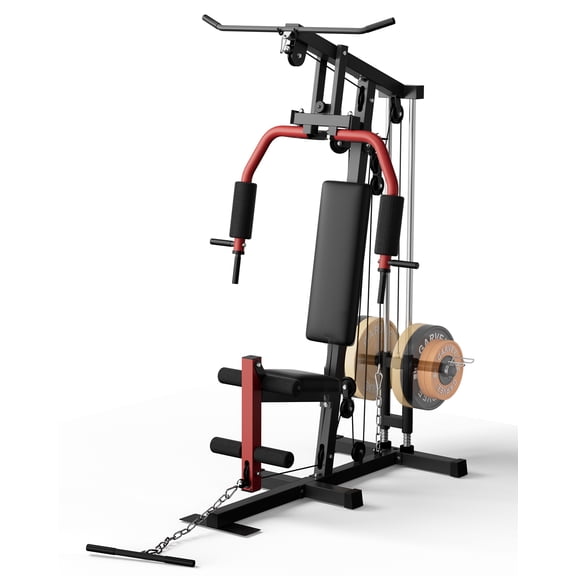
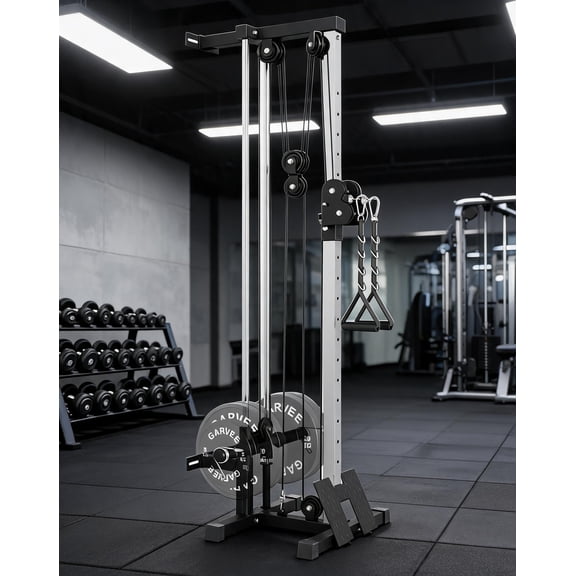
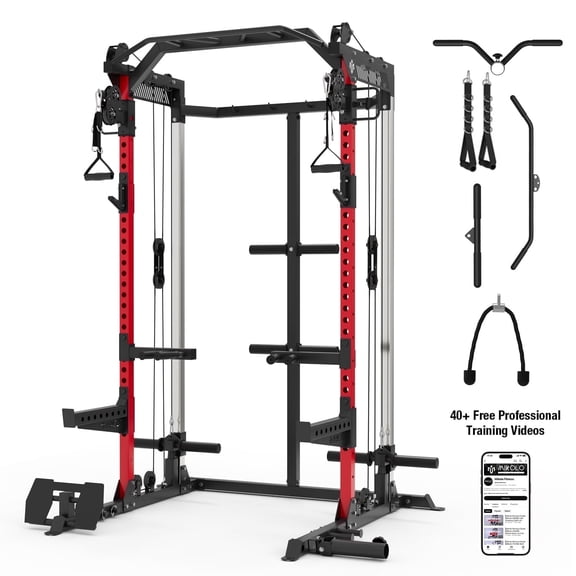
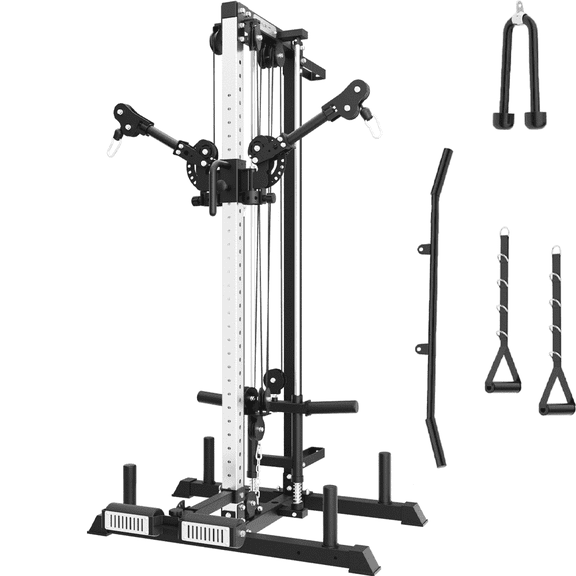
You should start with machine configuration because it shapes how you train every session. You can choose a functional trainer, single column, crossover system, or lat pulldown based on movement variety.
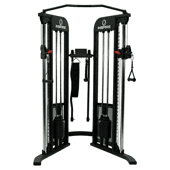
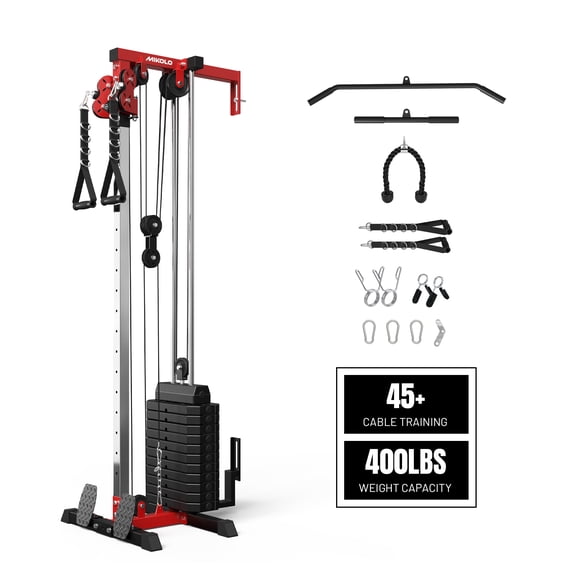
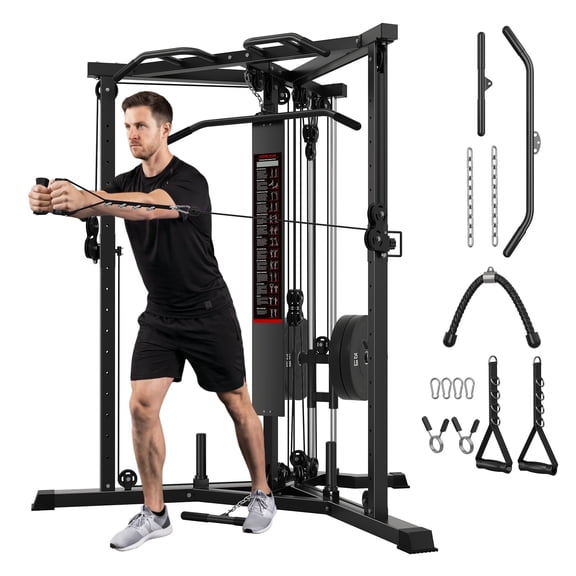
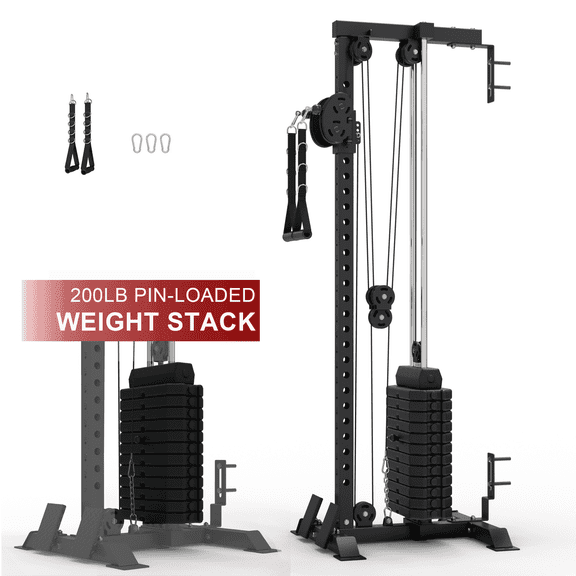
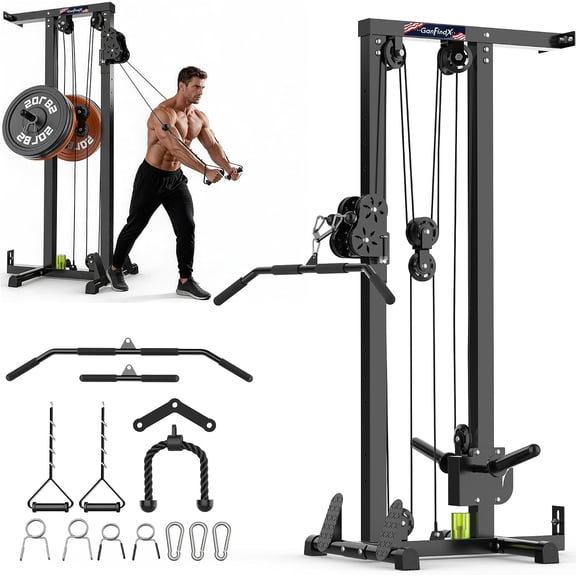
A functional trainer gives you dual pulleys and broad exercise range for balanced upper-body and lower-body work. A single column suits tighter rooms when you want adjustable resistance without a wide frame.
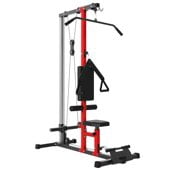
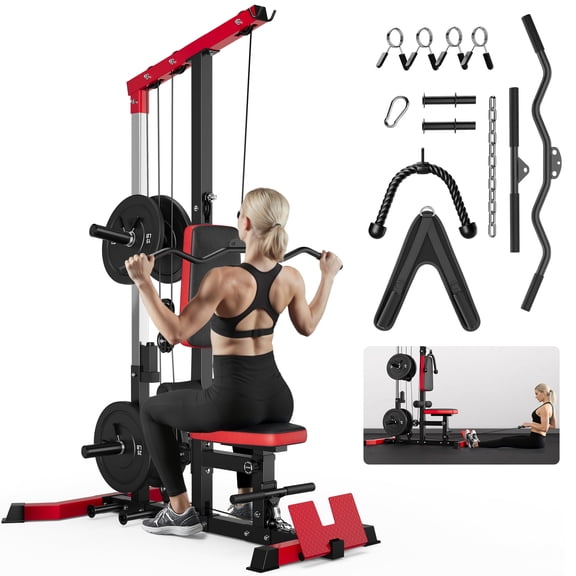
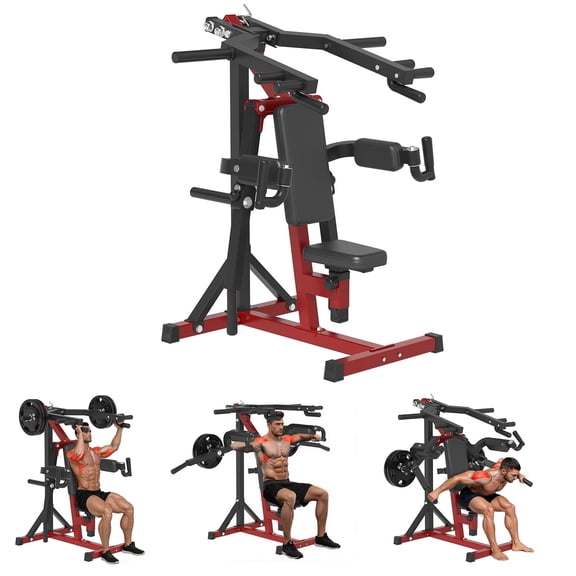
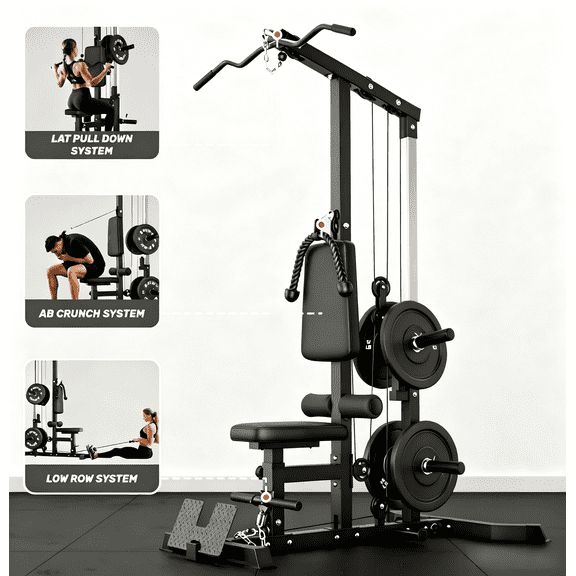
If you want classic flyes and wide pressing angles, you may prefer a crossover system with more lateral space. If you focus on pulldowns and seated rows, you might lean toward a lat pulldown setup.
- You can train multiple movement patterns from one station.
- You can keep your home gym more organized with fewer separate machines.
- You can adjust pulley height to match presses, curls, rows, and core work.
- You can support beginner and advanced routines with scalable resistance options.
You’ll also want to consider how often more than one person trains in your space. You may find dual adjustable pulley designs easier for shared workouts and alternating sets.
How to compare at-home cable machine options
You should measure your ceiling height before you compare frames, because vertical clearance changes what actually fits. You’ll want extra room for pull-up bars, top pulleys, and full cable travel extension.
If your room is compact, you may prefer a workout cable machine for home with a narrower base. You can often place a single column unit where a crossover frame would feel crowded.
Garage gyms usually give you more width, so you can consider a larger trainer with wider pulley spacing. You should still check door swing, wall clearance, and flooring support before setup.
You’ll also want to think about assembly complexity before delivery day arrives. You can handle some systems with DIY setup, but larger frames may take more time and extra hands.
If you’re choosing for a home gym, you may want delivery options that simplify moving heavy cartons indoors. You should also compare whether attachments and hardware arrive in one shipment.
Understanding weight system and pulley decisions
You can narrow choices faster when you compare selectorized weight stack, plate-loaded, and resistance band cables. You’ll notice each system changes adjustment speed, storage needs, and training feel.
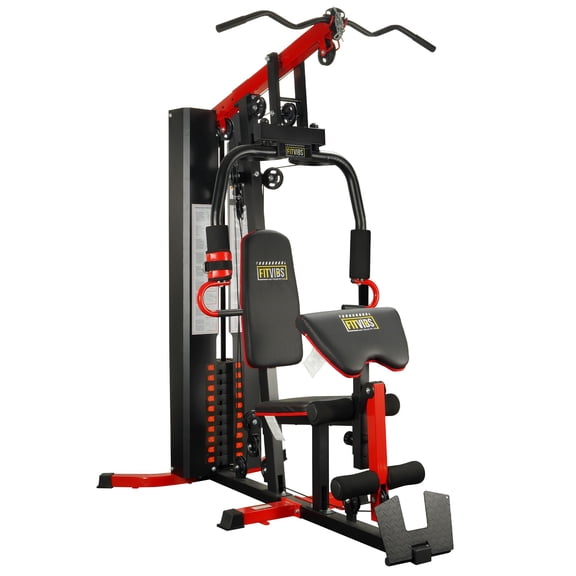
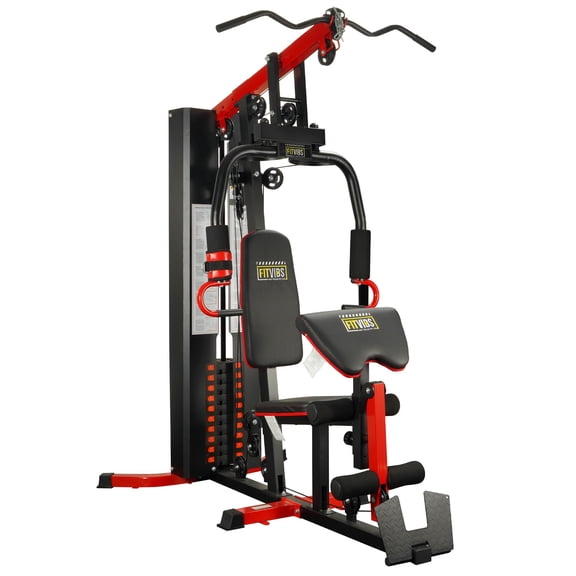
A selectorized weight stack lets you move a pin and change resistance quickly between exercises. You may prefer that format when you want smoother transitions during circuits or shared sessions.
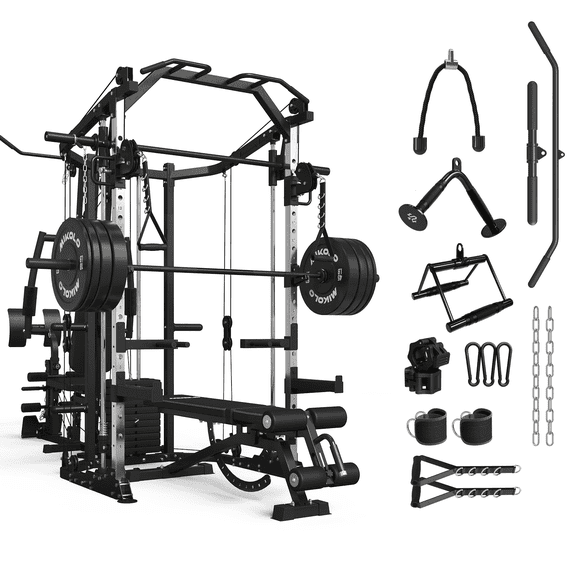
A plate-loaded system lets you use your own weight plates and expand resistance over time. You should check plate sleeve size and loading access so your setup feels practical.
Resistance band cables can work for lighter setups or entry-level spaces with simpler storage needs. You may choose that route when portability matters more than a heavy frame.
You should also compare pulley ratio because it changes how resistance feels in your hands. A 2:1 ratio usually gives you smoother movement and longer cable travel for smaller jumps.
A 1:1 ratio gives you resistance that matches the selected load more directly. You may prefer that feel if your training plan centers on heavier rows, presses, and pulldowns.
You’ll want to check weight stack capacity alongside the pulley ratio for a clearer comparison. You can avoid surprises when you match the listed resistance feel to your current lifting level.
What to look for in a multifunction cable machine
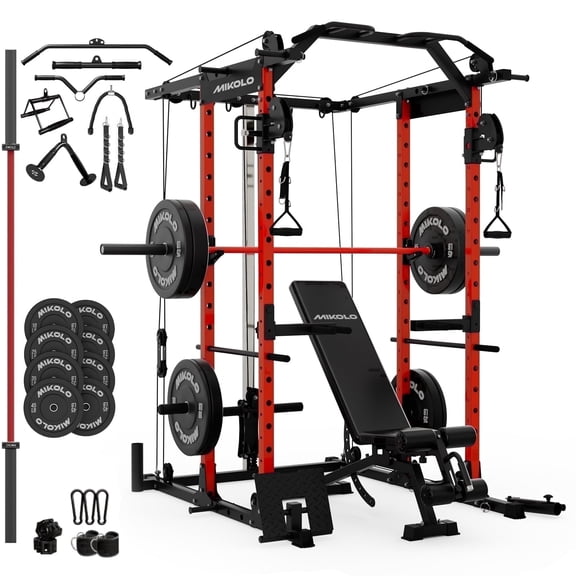
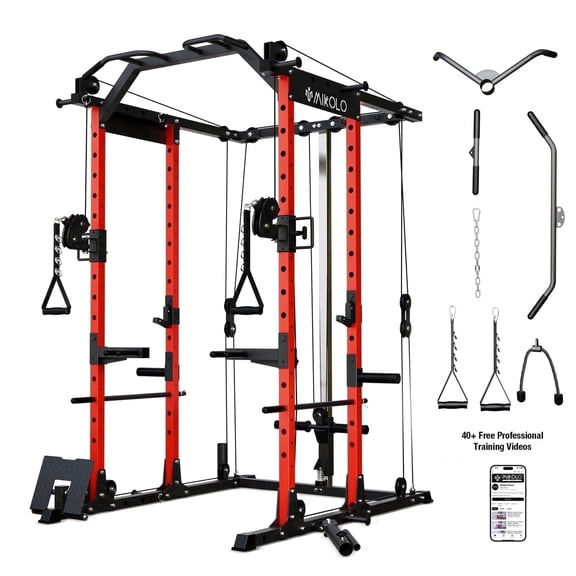
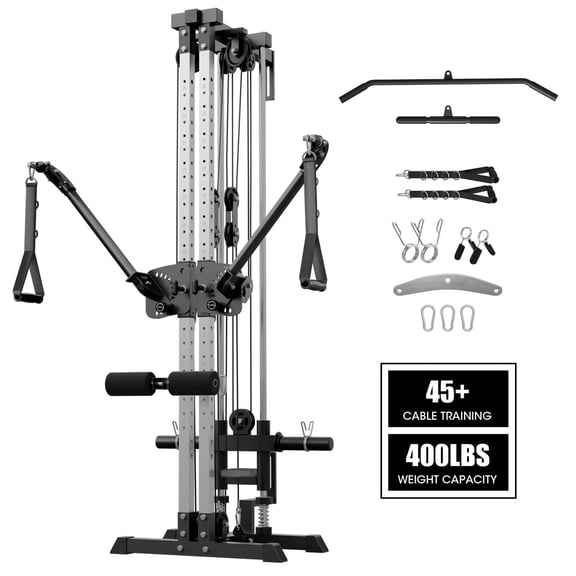
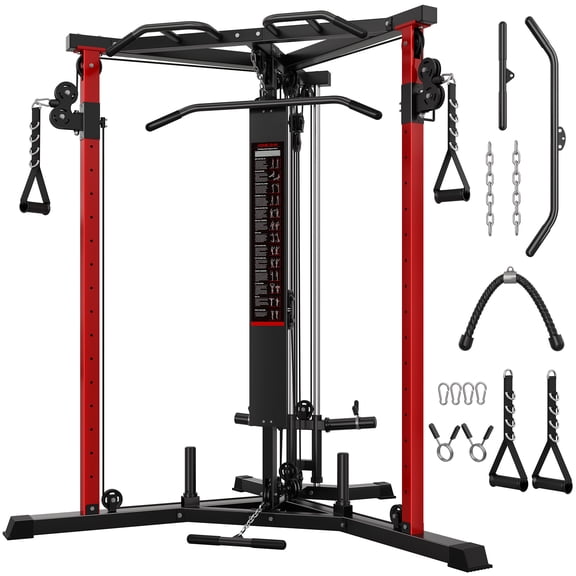
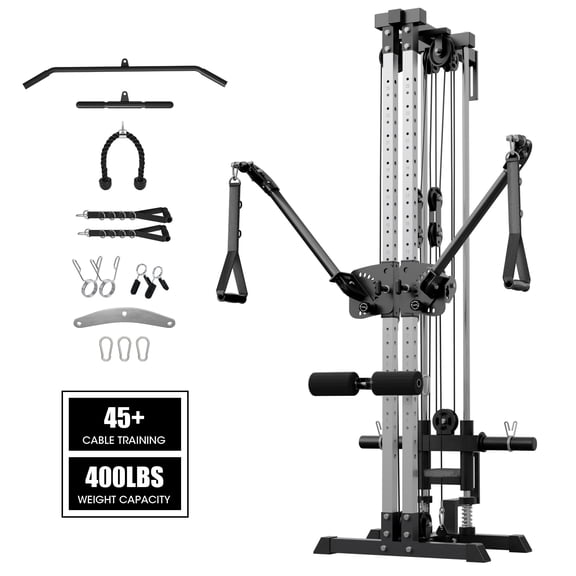
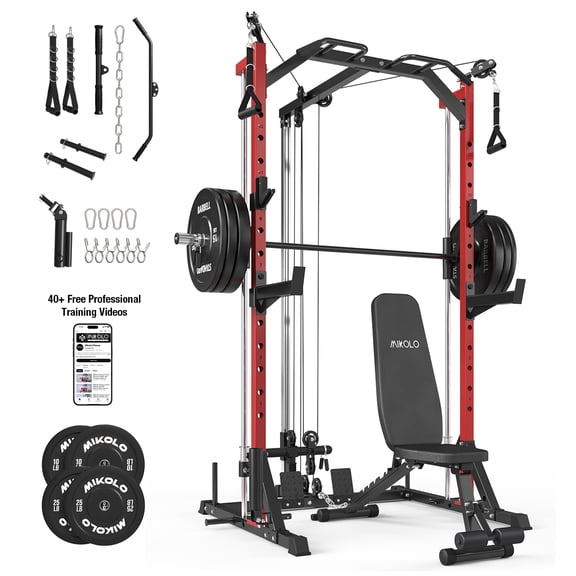
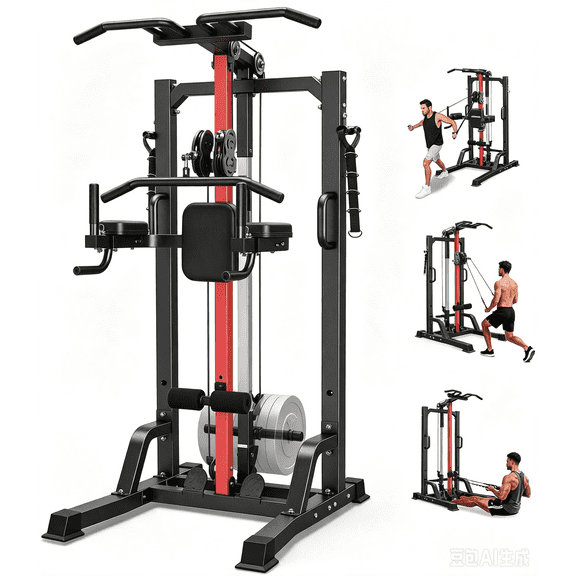
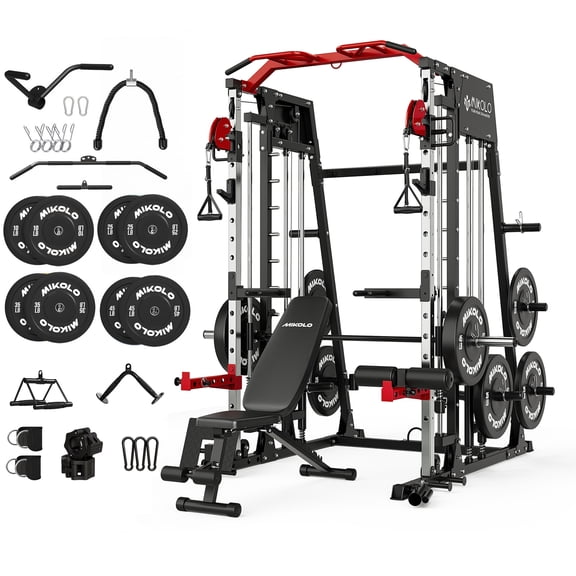
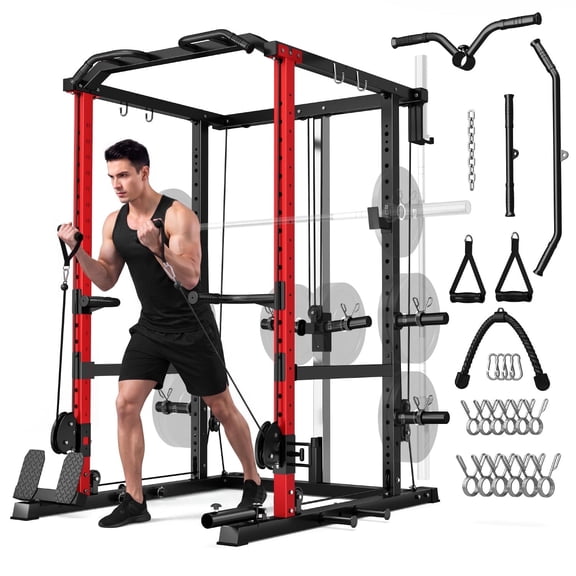
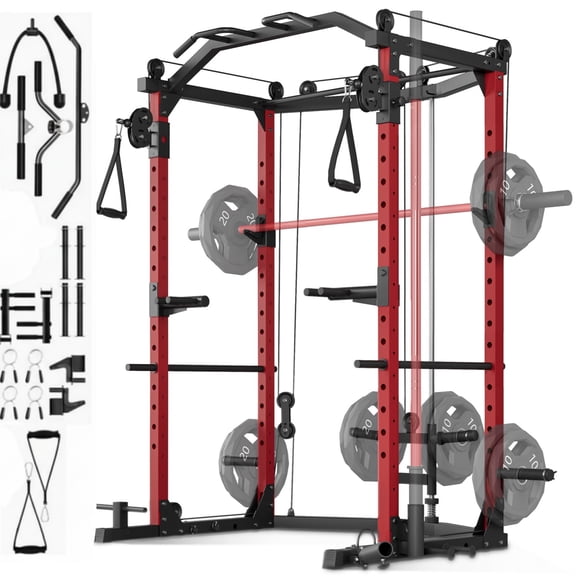
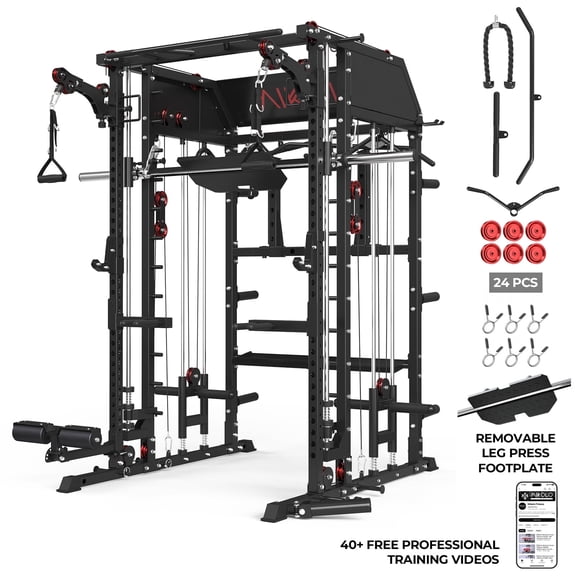
You can get more training variety from a multifunction cable machine when it includes useful attachments. You should compare handles, rope attachments, lat bars, ankle straps, and pull-up bars.
If attachments are included, you can start more exercises without hunting for add-ons later. You may want a pull-up bar for upper-body variety and a lat bar for pulldowns.
Adjustable pulleys matter because they change starting height for curls, flyes, and rotational work. You should look for simple height changes that don’t slow down your workout flow.
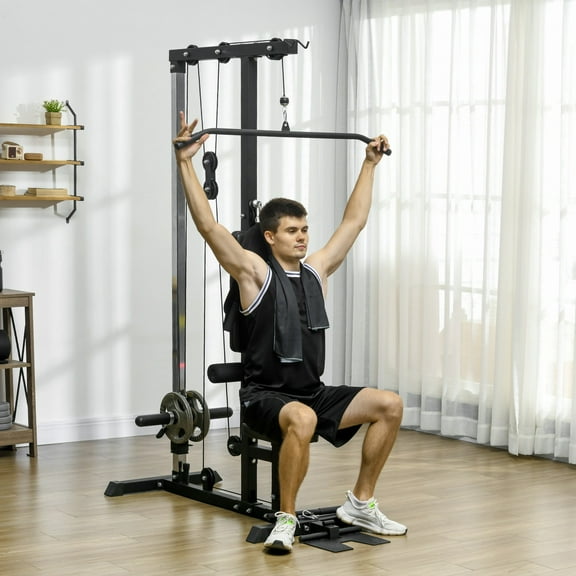
You can also compare frame stability, bench compatibility, and foot supports for seated rows or pulldowns. You’ll notice those details matter when you switch between movements during one session.
If you’re considering a multifunction cable machine for mixed household use, you should look for quick adjustments. You can share the station more easily when settings change without tools.
Matching your cable machine to real workouts
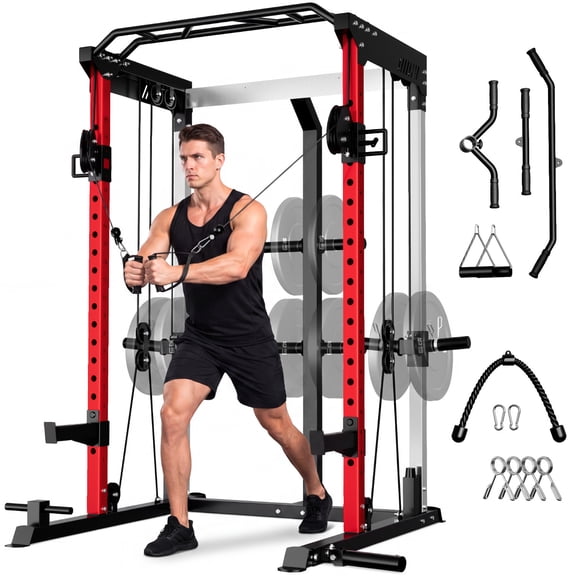
You can match a functional trainer to full-body circuits, accessory lifts, and controlled cable patterns. You may use it for split stances, chest flyes, face pulls, triceps pressdowns, and wood chops.
If you need a workout cable machine for home in a spare room, you may prefer a single column. You can keep walking space open while still training rows, curls, and presses.
A crossover system can suit a garage gym where you want wider motion paths and bilateral training options. You’ll get room for standing flyes and cable work that benefits from broad spacing.
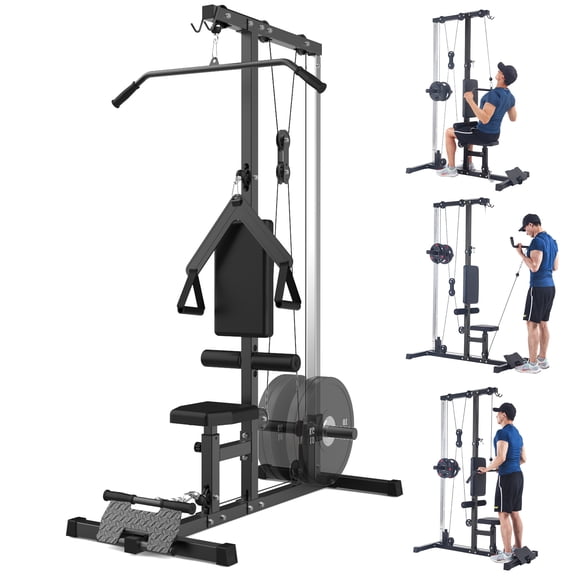
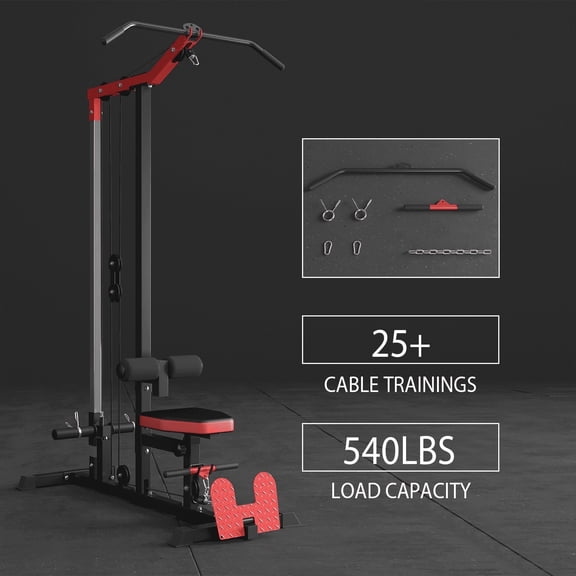
If your plan centers on back-focused sessions, a lat pulldown design may fit your routine well. You can pair pulldowns, seated rows, and straight-arm movements in one station.
You should think about who will use the machine and how often settings need to change. You may want dual adjustable pulleys when two users share one station regularly.
If you’ve seen terms like men’s health cable crossover home multi gym, you should focus on the actual setup details. You can compare footprint, pulley ratio, attachments, and loading style with more confidence.
You’ll make a smarter choice when your cable machine fits your ceiling height, training plan, and room layout. You can train more movements from one station and keep your home setup focused on steady strength progress.