







Literature Organizers in Desk Organization






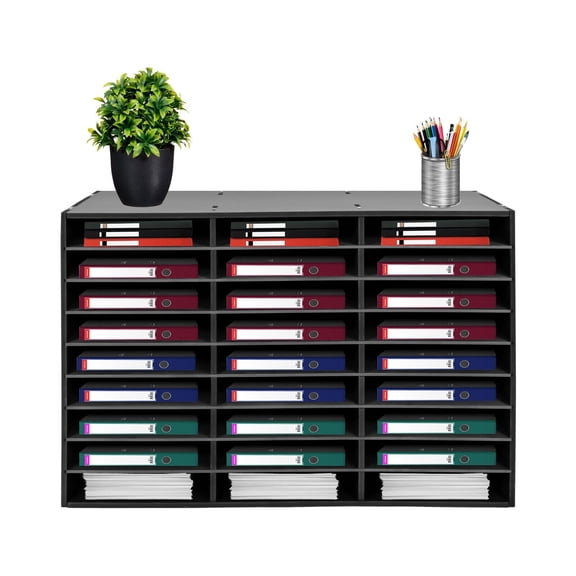
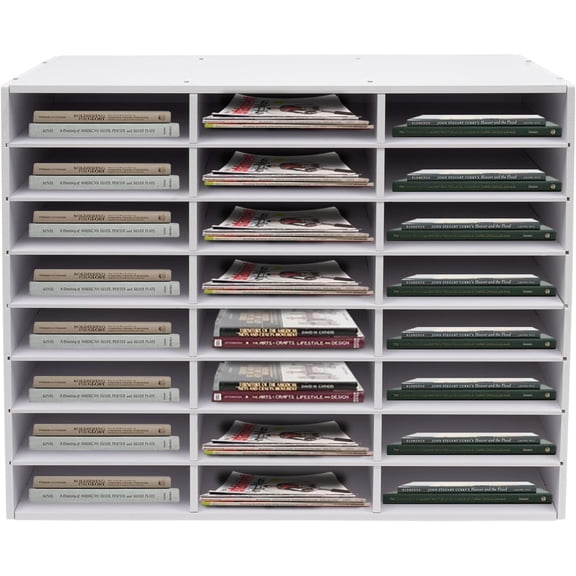
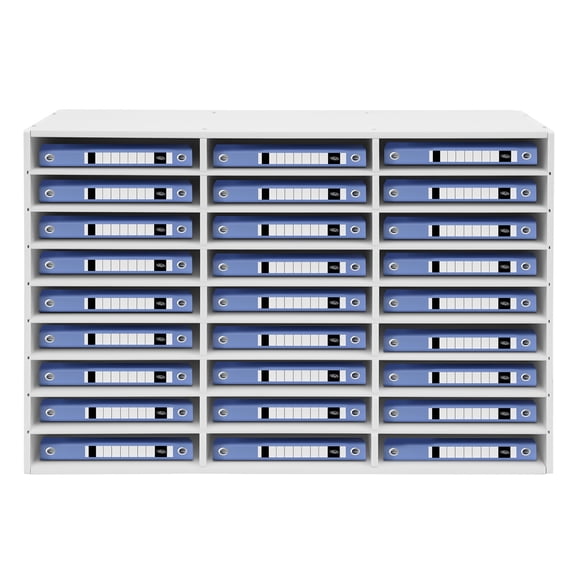










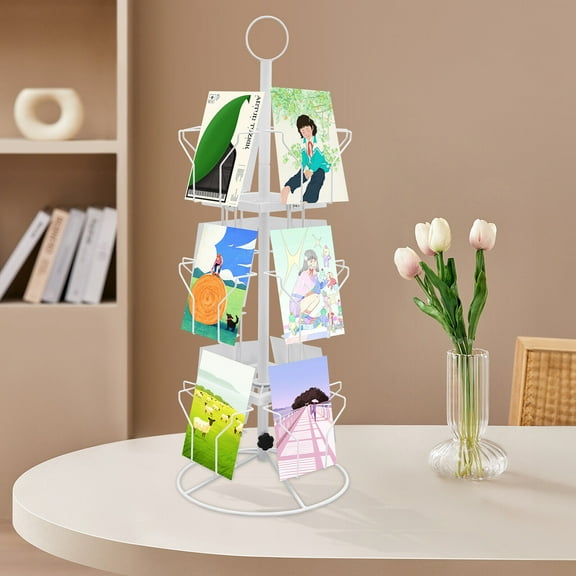
About Literature Organizers in Desk Organization - Walmart.com
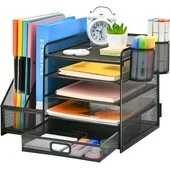
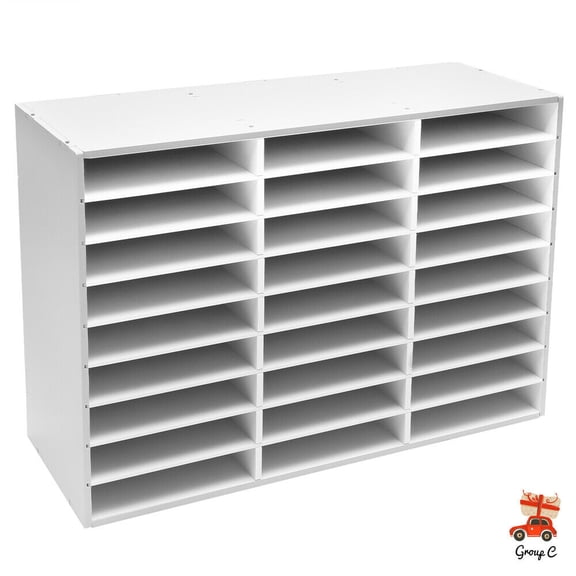
Literature organizers help you control paper clutter fast and keep your desk, classroom, or mail station easier to manage. You can sort handouts, invoices, folders, and forms by size, subject, or priority.
If you're comparing storage for daily paper flow, you need options built for shelf depth, slot count, and desktop footprint. You can also choose styles that fit letter-size sheets, legal-size documents, or mixed office paper.
How to choose literature organizers
When you compare literature organizers, you should start with where you'll place them and what paper you handle most. You can narrow your choice faster by checking orientation, mounting type, and compartment count first.
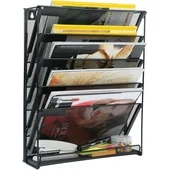
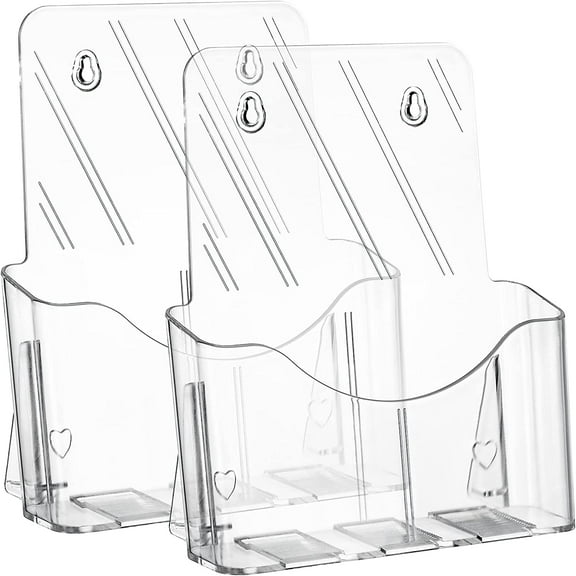
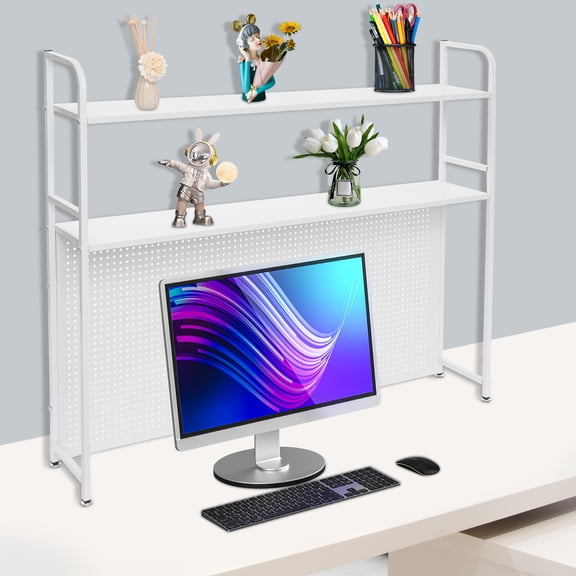
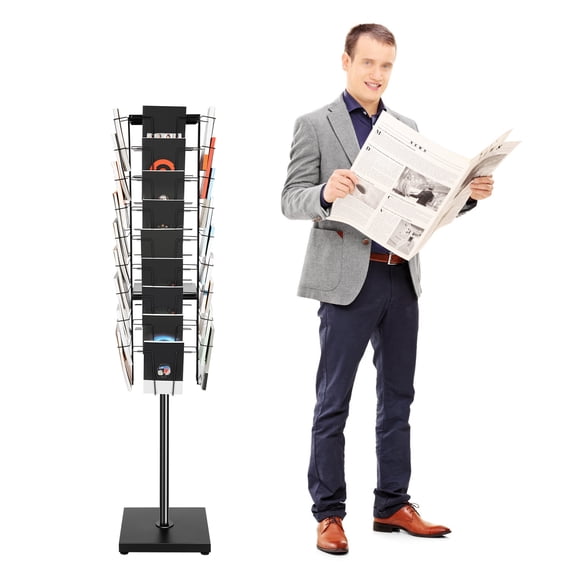
A desktop literature organizer works well when you want papers within reach during busy work. A wall-mounted unit helps you open desk space, while a free-standing design suits shared rooms.
- You can separate incoming mail, classwork, and forms into dedicated slots for quicker sorting.
- You can reduce messy stacks by giving each paper type a clear home on your desk.
- You can keep letter-size and legal-size sheets flatter when you match shelf depth to paper dimensions.
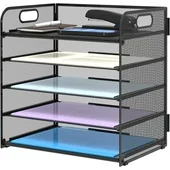
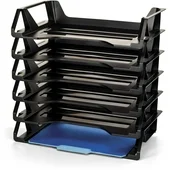
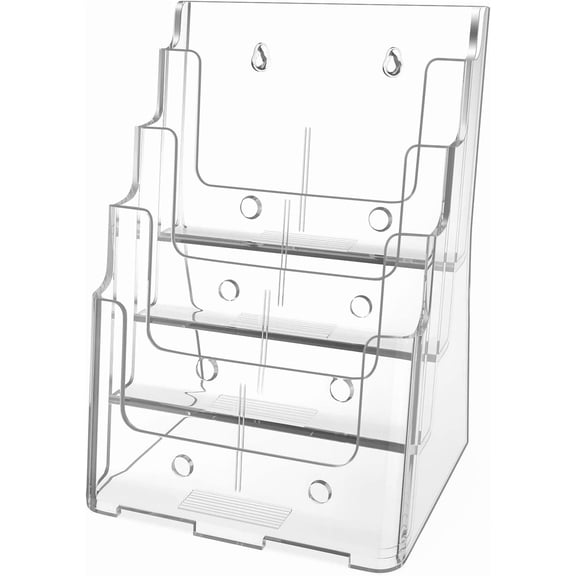
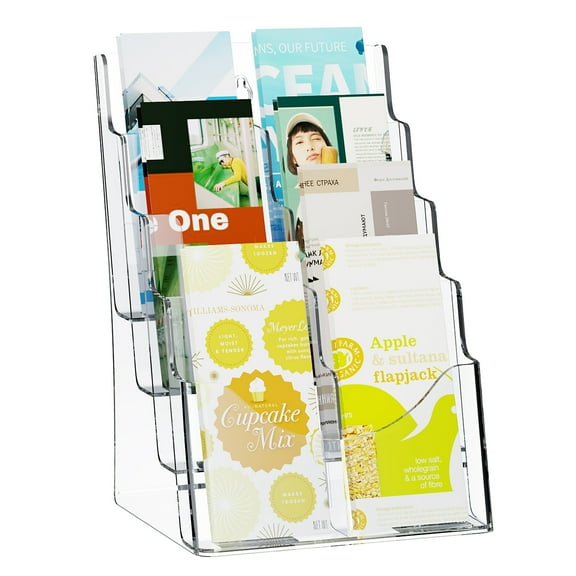
- You can pick horizontal trays for broad access or vertical paper sorter styles for a smaller footprint.
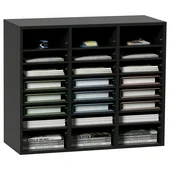
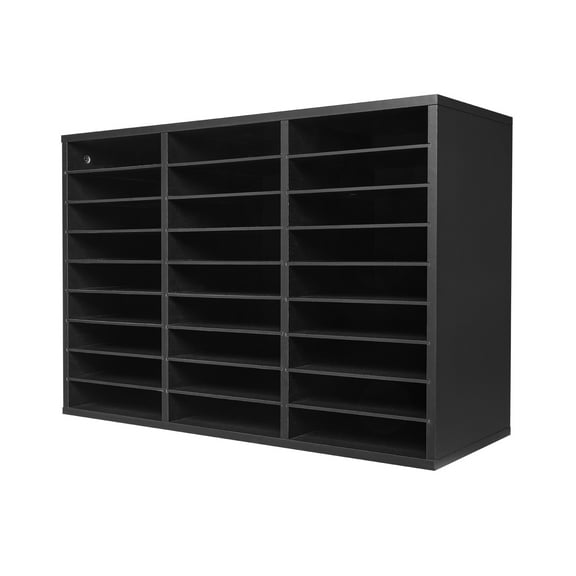
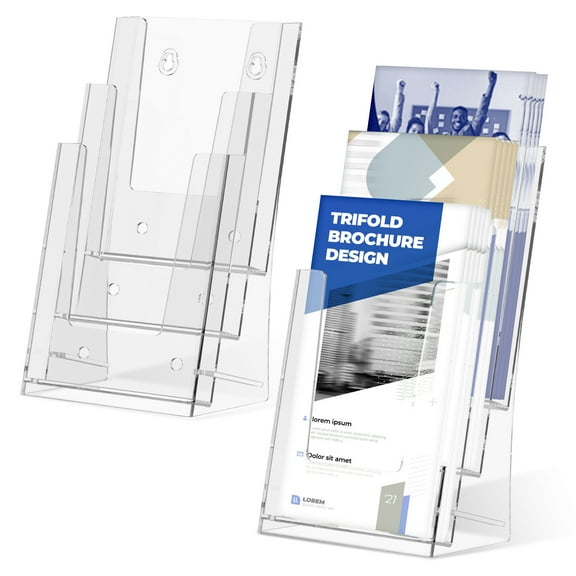
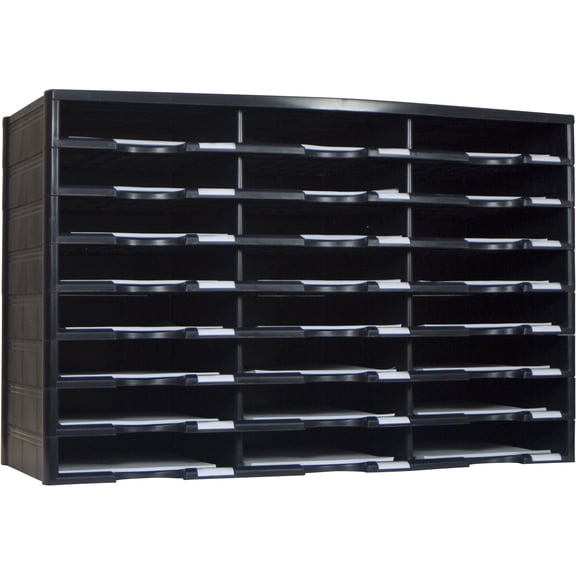
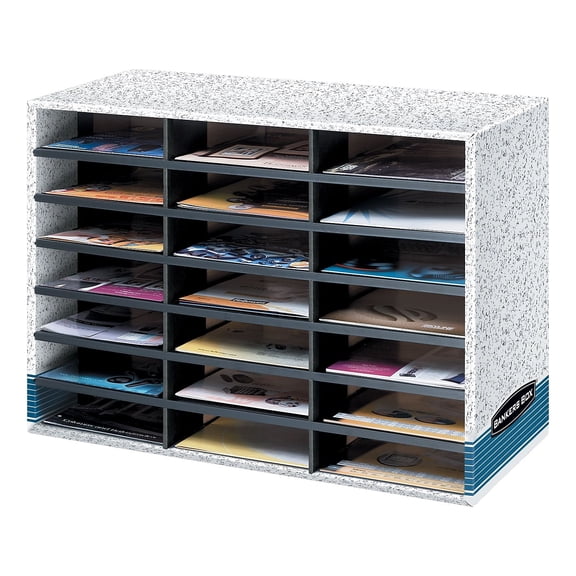
Compartment count changes how you organize daily tasks and shared spaces. You may prefer a 3-tier setup for simple desk sorting, while a 12-compartment layout supports names, subjects, or departments.
If your paper flow changes often, a multi-slot paper organizer gives you room to reassign sections. You can use separate slots for approvals, outgoing mail, completed work, and items still in progress.
Choosing material, size, and slot layout
Material matters because you may store anything from light envelopes to thick folders and binders. You should compare wood, plastic, metal mesh, and cardboard based on weight, look, and daily handling.
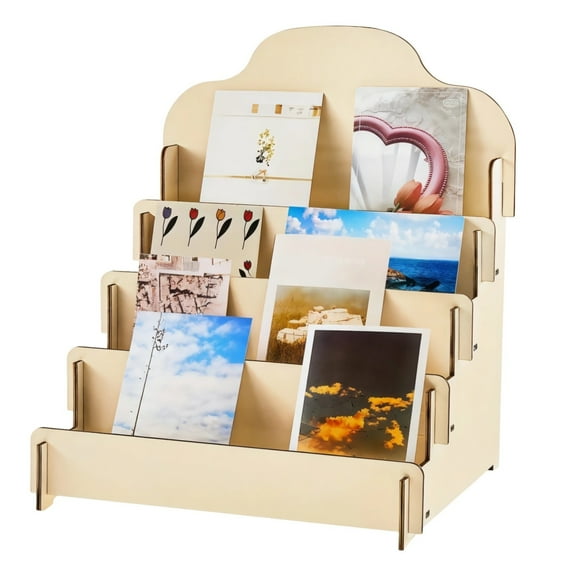
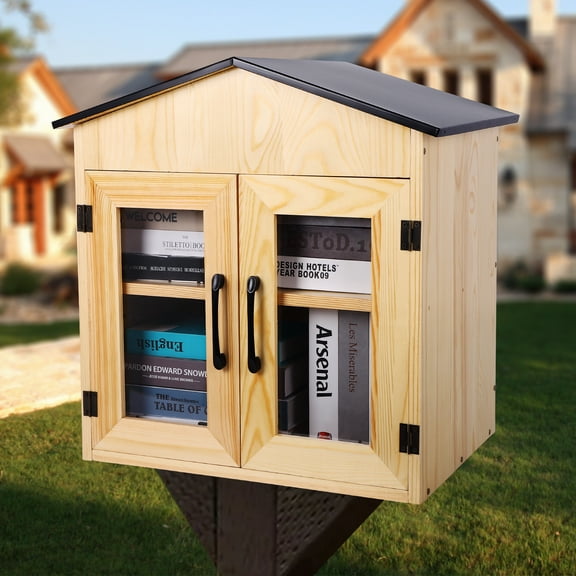
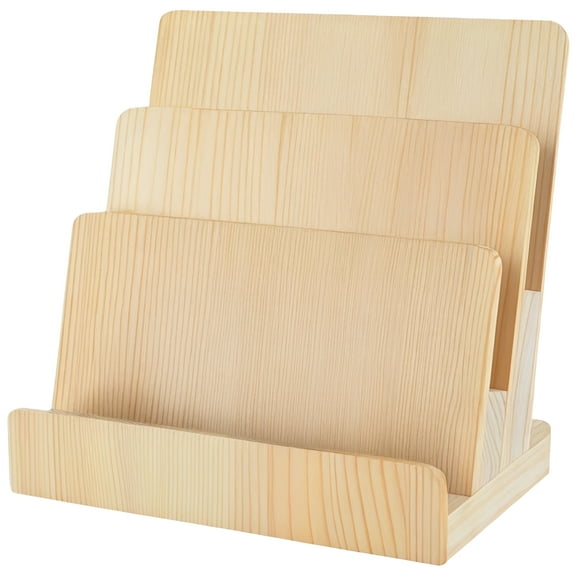
Wood literature organizer styles give you a structured look for offices, reception areas, and study spaces. You may like wood when your organizer stays in one place and supports regular paper loads.
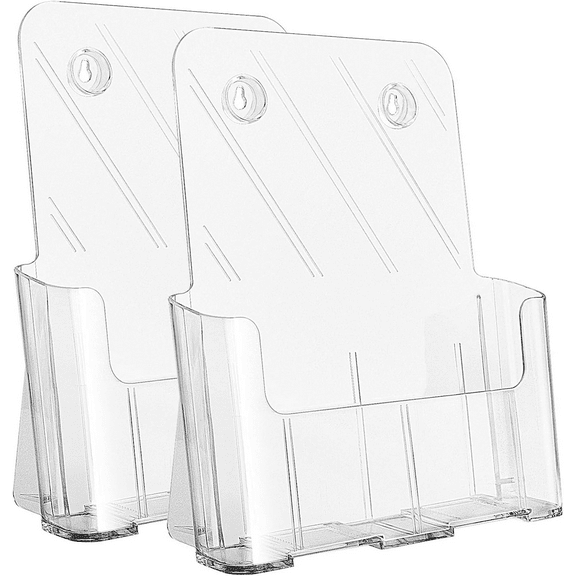
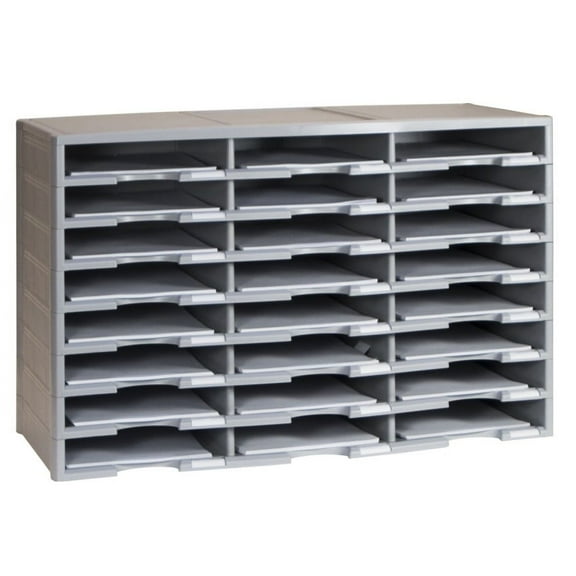
Plastic designs work well when you want a lighter option that's easy to move and wipe clean. You can use them in classrooms, home offices, or shared desks where papers change often.
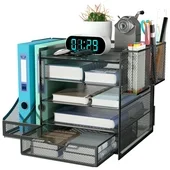
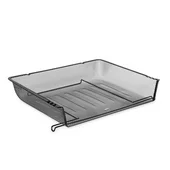
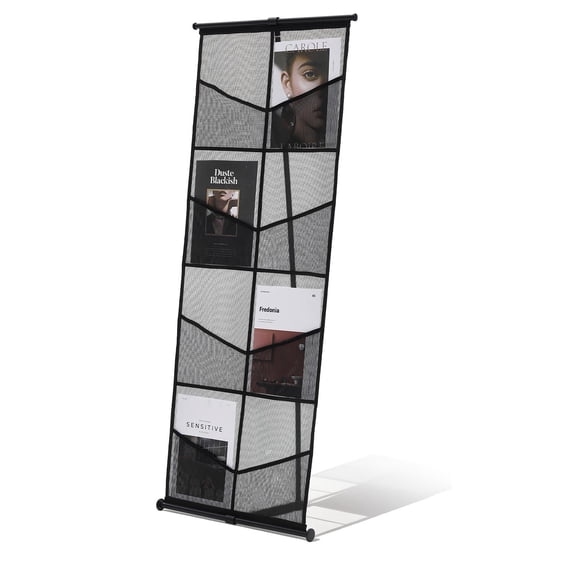
Metal mesh styles help you see contents quickly without opening drawers or lifting stacks. You may prefer mesh when you sort mail, forms, or documents throughout the day.
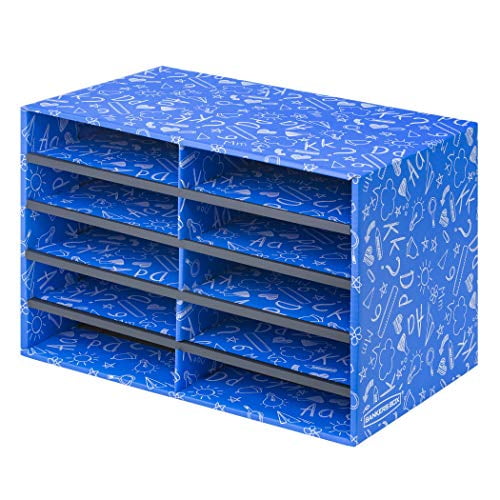
Cardboard options can suit temporary projects, event tables, or seasonal classroom setups. You should check whether the construction matches the amount of paper you plan to store.
Paper dimensions are a major decision point when you choose any document organizer. You need enough shelf depth for letter-size sheets, and you may need extra depth for legal-size papers.
If you handle 8.5 x 11 pages, you can use many standard slots without overhang. If you sort legal-size sheets, you should measure depth carefully so pages rest flat.
Orientation affects both access and capacity in a paper organizer for desk use. You can choose horizontal tiers for quick stacking, or you can choose vertical slots for narrow spaces.
Before you decide, you should measure your desktop width, height, and clearance around monitors or cabinets. You can avoid crowding by balancing storage capacity with the organizer's actual footprint.
Picking the right desktop literature organizer for your space
Your use case should guide the layout you choose, especially when papers move through your space every day. You can match slot count, size, and mounting style to how your workflow actually runs.
In a home office, you may want a mail sorter organizer for bills, forms, and outgoing envelopes. You can keep current tasks visible while separating papers that need filing later.
At a front desk, you may need an office paper sorter that keeps forms organized for steady traffic. You can assign one section to intake sheets, another to completed documents, and another to pickup items.
In classrooms, a classroom paper organizer helps you sort worksheets, reading packets, and take-home folders. You can use a classroom mailbox organizer layout when each student or subject needs its own slot.
For craft rooms or project tables, you may need wider compartments for specialty paper and larger sheets. You should compare shelf depth closely if you plan to hold legal pages or larger paper stacks.
If you share space with others, you can use a 12-compartment or multi-slot layout for names or teams. You can keep papers moving without mixing finished work, new handouts, and reference materials.
Assembly can also shape your decision, especially when you need setup to stay simple. You may prefer a ready-to-use organizer, or you may choose a design with straightforward assembly steps.
When your desk stays busy, the right organizer helps you find forms faster and keeps paper edges neat. You get a cleaner work surface and a clearer sorting system that supports daily routines.