

Bake Flour, Flours & Meals at Everyday Low Prices


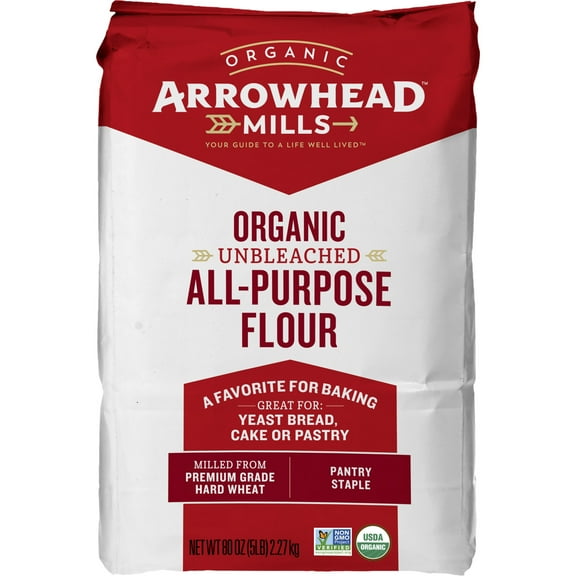

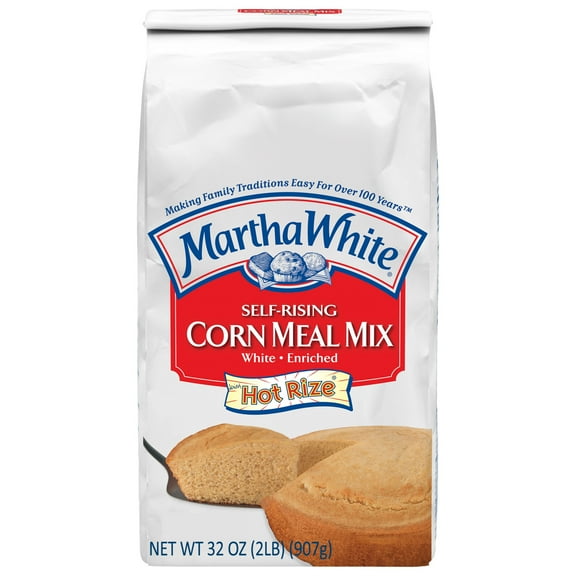
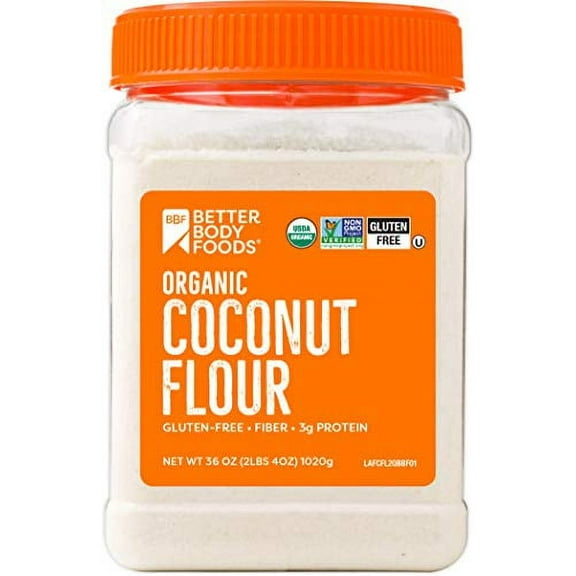
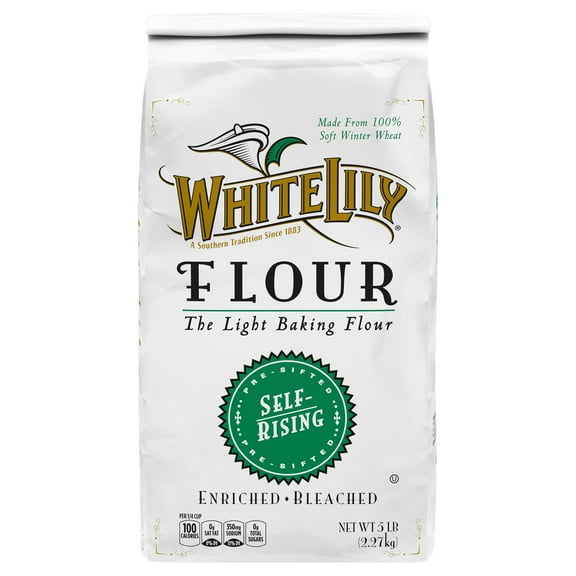














About Bake Flour, Flours & Meals at Everyday Low Prices - Walmart.com
When you need bake flour for bread, cakes, or everyday cooking, you can compare flours & meals by type, size, and milling style. You’ll find category choices that match pantry staples, weekend baking, and recipe-specific results.
If you’re stocking a home kitchen, you may want guidance that goes beyond a simple bag label. You can use this buyer’s guide to compare all-purpose, bread, cake, whole wheat, and alternative options with confidence.
How to choose bake flour for your recipes
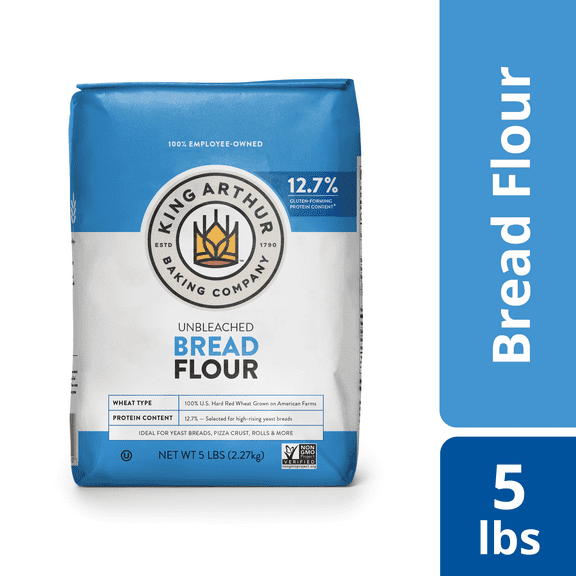
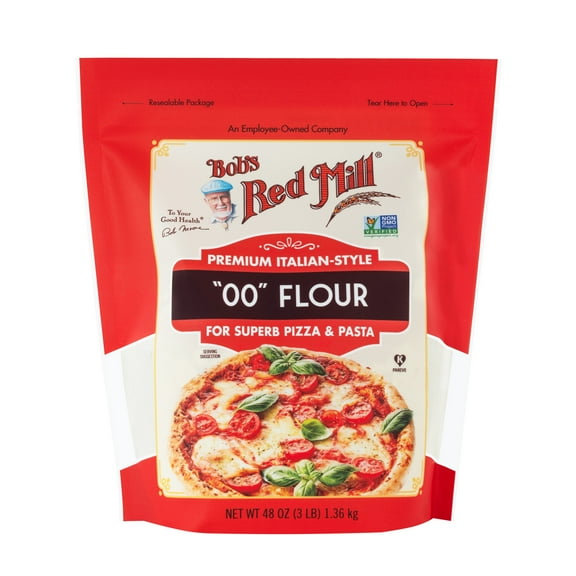
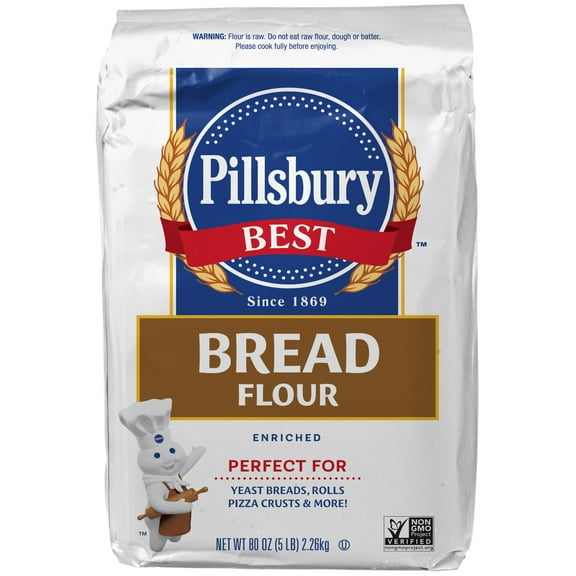
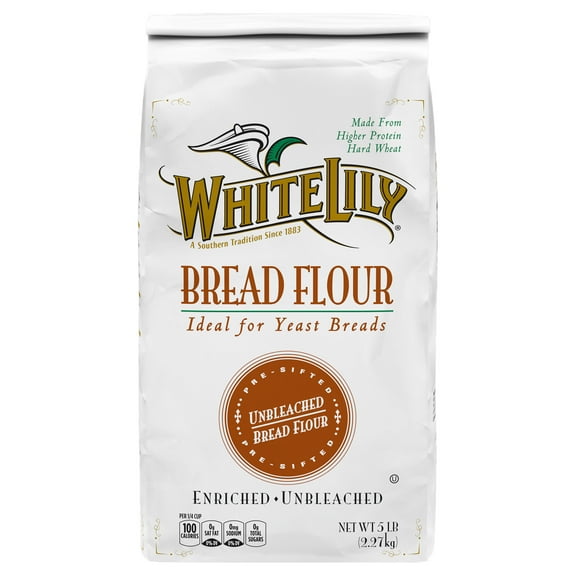
Your recipe should guide your flour choice first, because protein content affects texture, structure, and rise. You’ll usually want bread flour for chewy loaves and pizza dough, while cake flour suits tender layers.
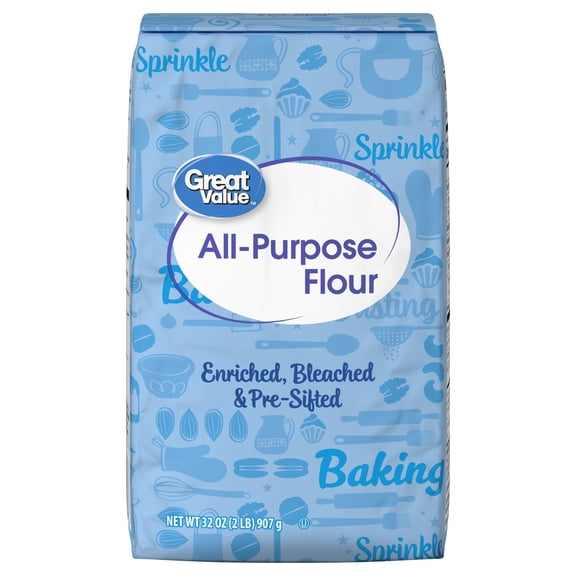
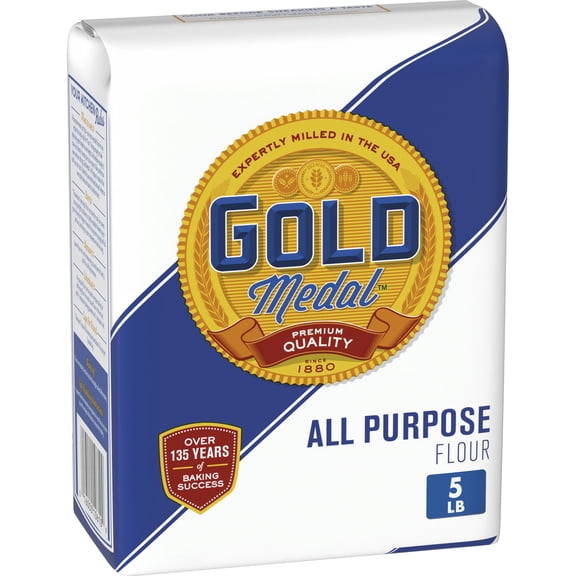
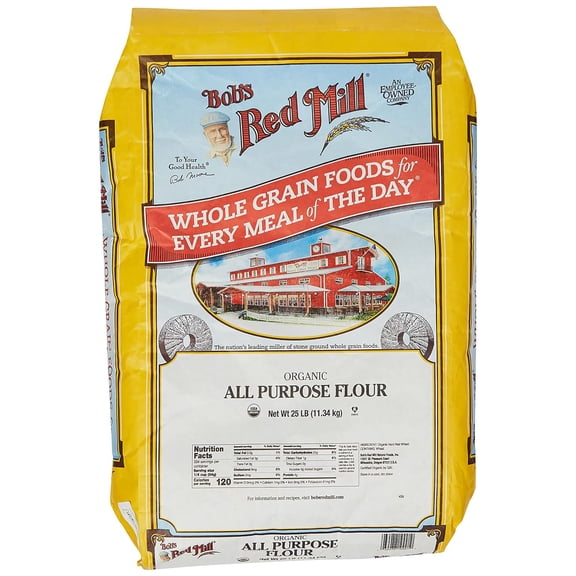
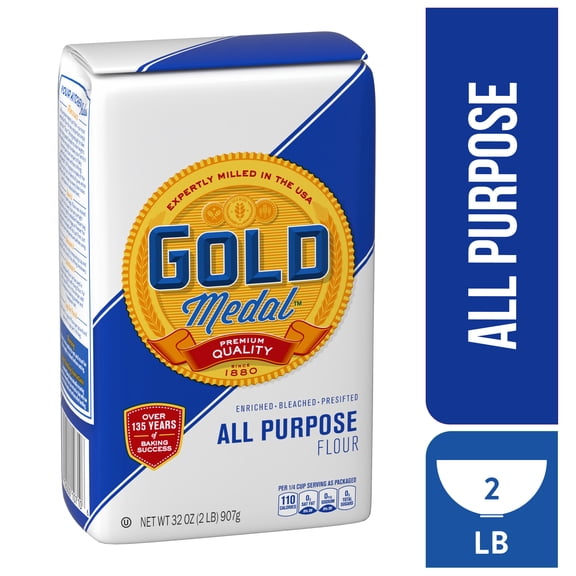
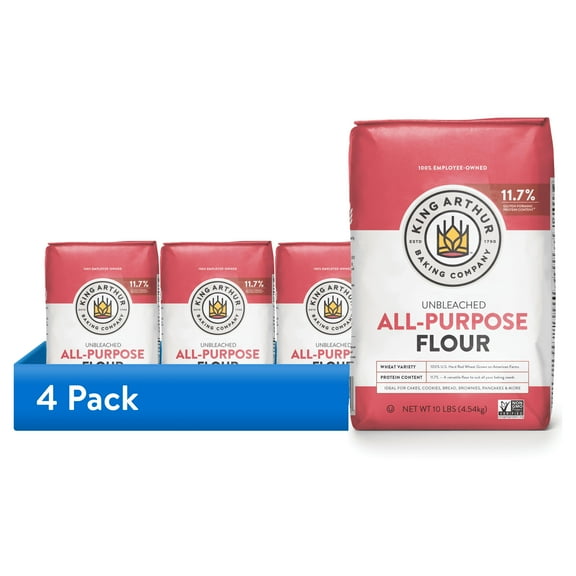
For everyday baking, you can reach for all-purpose flour when you want one bag for cookies, muffins, pancakes, and quick breads. If you prefer a heartier crumb, you may choose whole wheat flour for breads, waffles, and savory batters.
You can compare common flour types by how they behave in the bowl and oven. Your final texture often changes more from flour choice than from pan shape.
- You can use all-purpose flour for flexible, everyday mixing and baking.
- You’ll often pick bread flour when your dough needs stronger gluten development.
- You can choose cake flour when your recipe needs a softer, lighter crumb.
- You may select whole wheat flour when you want a fuller taste and denser texture.
Choosing between flours & meals and alternative options
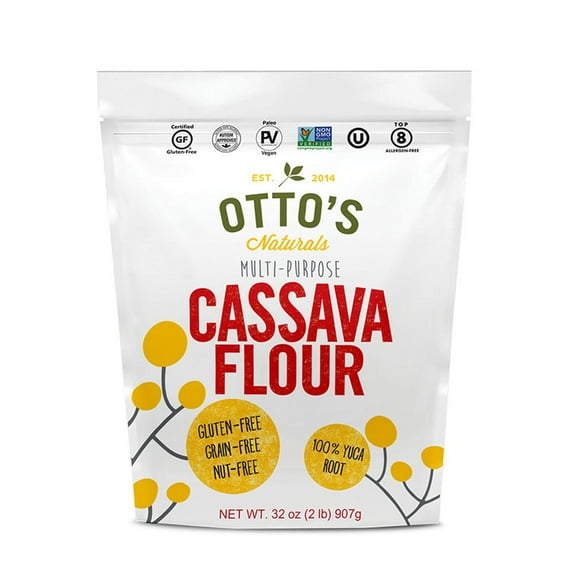
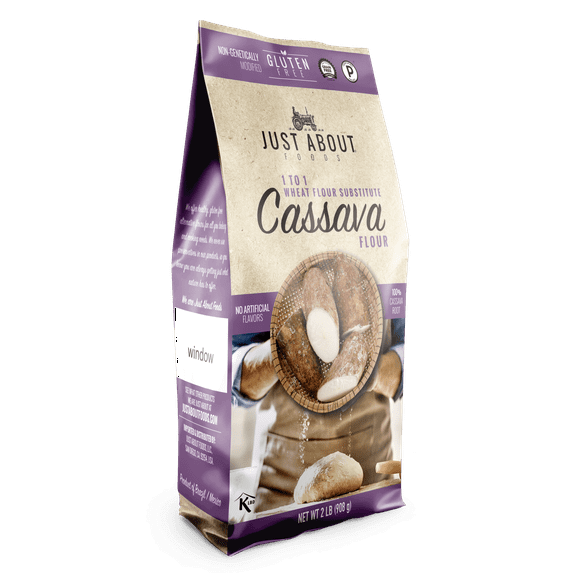
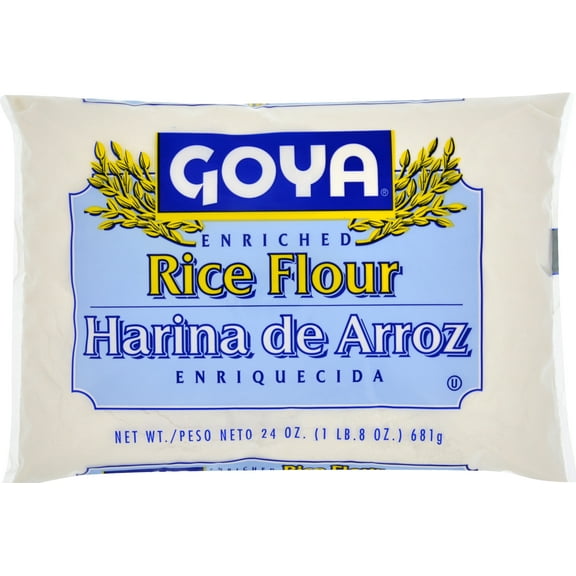
If your household follows specific eating preferences, you can compare alternative flour options in plain terms. You’ll often see almond flour, coconut flour, and gluten-free flour for different texture and recipe needs.
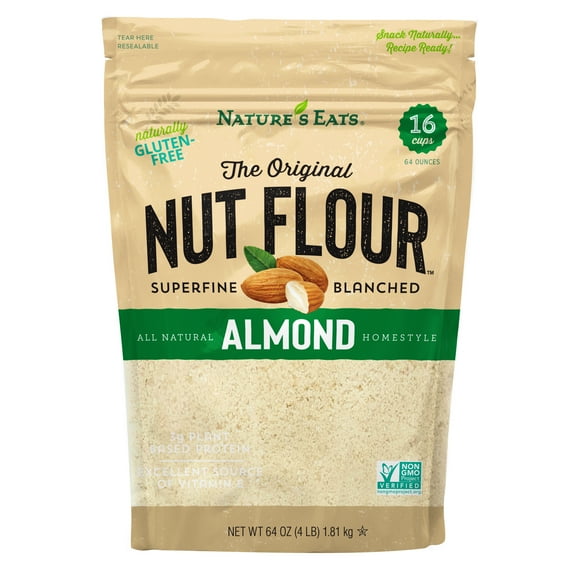
Almond flour can work well when you want a moist crumb in cakes, muffins, or coatings. Coconut flour absorbs more liquid, so you’ll usually need recipes written for it.
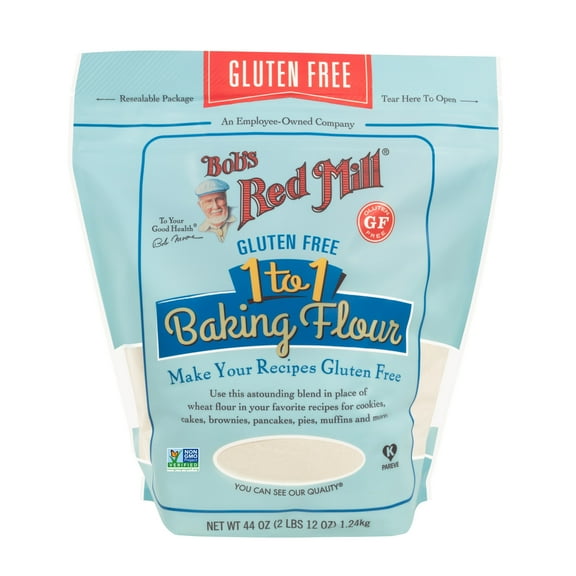
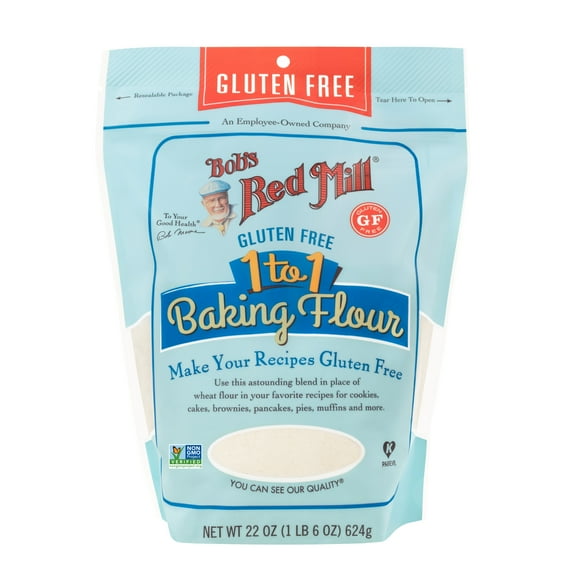
When you’re searching for cooking flower, you’re often looking for cooking flour choices that fit a specific recipe or diet. You can compare blends labeled gluten-free when you want a wheat-free baking option for cookies, pancakes, or brownies.
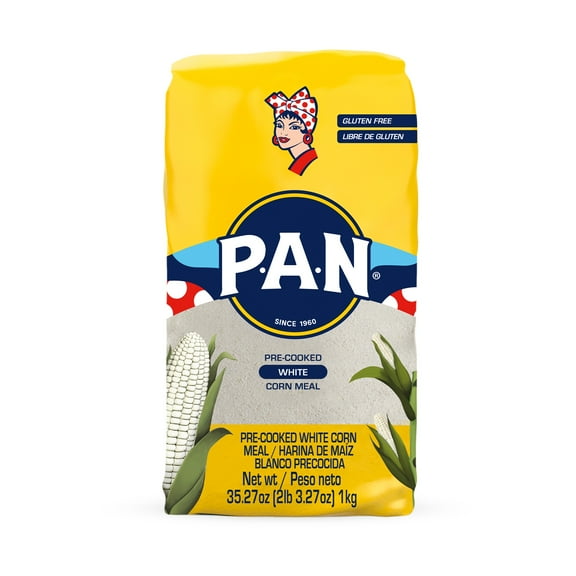
You may also notice meal-style products that suit breading, coating, or rustic baking projects. Your results can vary by grind, so you should check whether the texture is fine, medium, or coarse.
What package size means for your pantry
Your baking frequency should help you choose between 2 lb, 5 lb, 10 lb, and bulk sizes. You can keep smaller bags on hand for occasional use, while larger sizes fit regular bakers.
If you bake several times each week, you may prefer bigger packages for fewer reorders and steady pantry planning. You should also consider container space, because flour stays easier to scoop and store in sealed bins.
When you compare flour price or wonder how much does flour cost, you can start by looking at type and package size together. Your cost per ounce may change between specialty flour, standard flour, and larger pantry packs.
You can use a simple approach when comparing sizes before checkout. Your decision often comes down to recipe volume, storage room, and how quickly you use each bag.
- You can choose 2 lb bags for occasional muffins, cookies, or breading.
- You may prefer 5 lb bags for weekly baking and everyday pantry use.
- You can consider 10 lb or bulk packs when your household bakes often.
Comparing bleached, unbleached, and stone-ground flour
You should compare milling style if color, rise, and flavor matter in your finished bake. Bleached flour often gives you a lighter look, while unbleached flour keeps a more natural color.
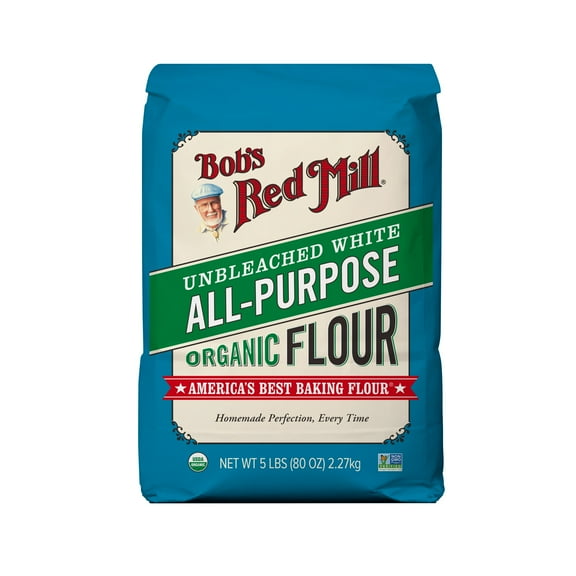
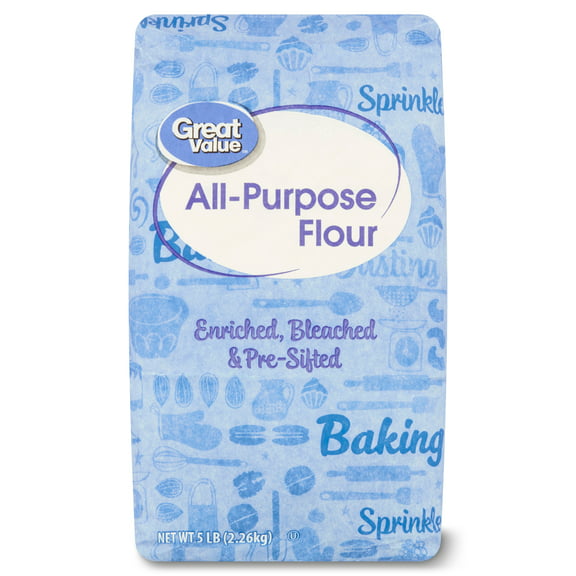
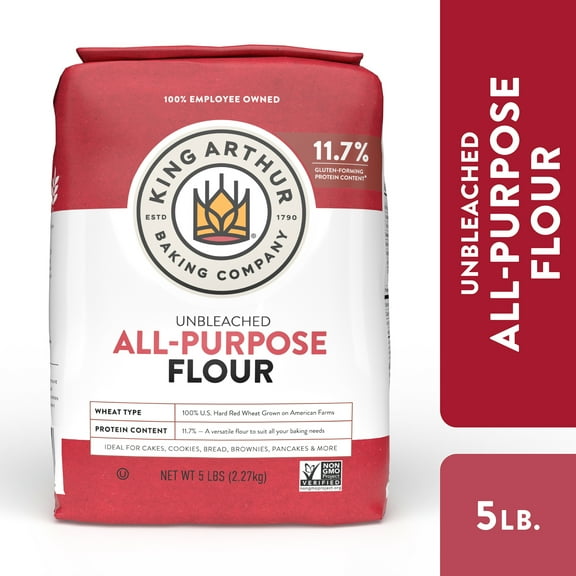
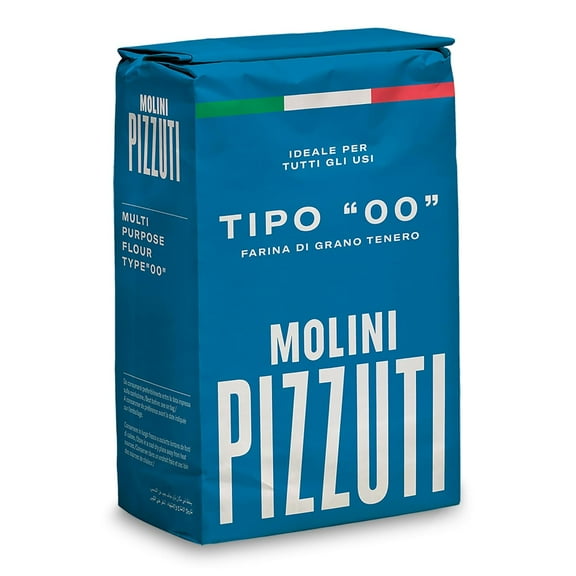
If you want a familiar pantry staple for cakes, cookies, and biscuits, you may start with bleached or unbleached all-purpose flour. You can compare recipe notes to see which style matches the crumb you want.
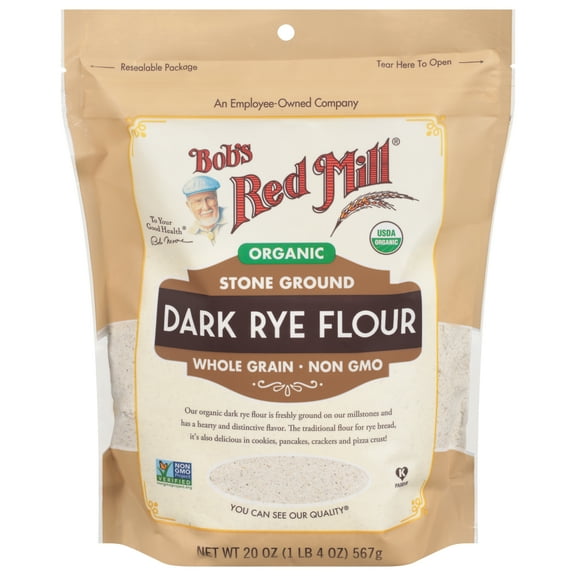
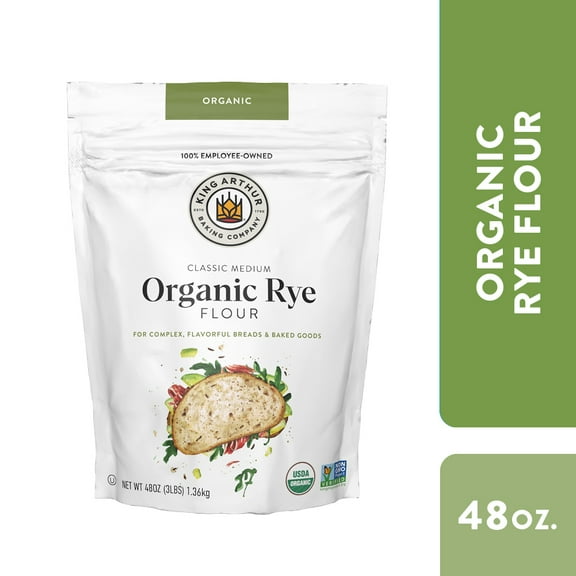
Stone-ground flour can give your baking a more rustic texture and fuller grain character. You may prefer it for artisan loaves, hearty muffins, or pancakes with a less refined feel.
Your choice here can shape how batter looks, how dough handles, and how baked goods finish. You’ll get more predictable results when you match the flour style to the recipe goal.
Using flour for breads, cakes, coatings, and everyday cooking
You can narrow your options faster when you shop by planned use instead of bag design alone. Your sandwich bread, pizza dough, cupcakes, gravy, and breaded chicken each call for different flour behavior.
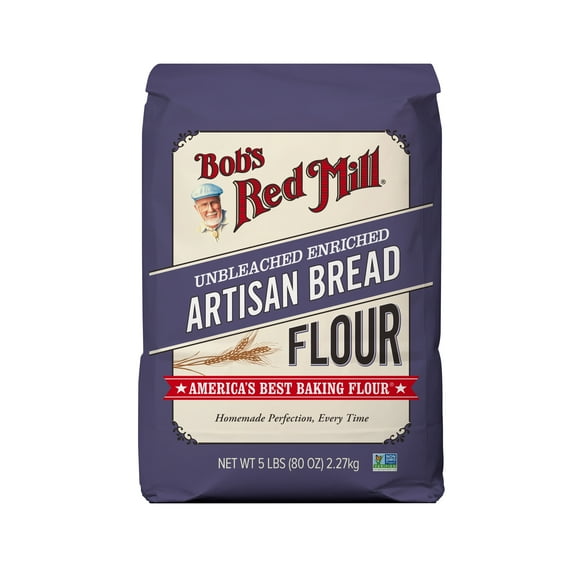
For yeast dough, you’ll usually look for bread flour because stronger gluten development supports stretch and chew. For birthday cakes or delicate cupcakes, you may want cake flour for a finer, softer texture.
If you’re making pancakes, cookies, drop biscuits, or weeknight sauces, you can often rely on all-purpose flour. Your pantry may feel easier to manage when one versatile flour covers several recipes.
You can also compare flours & meals for coating fish, thickening soups, or making homemade tortillas. Your recipe style, texture goal, and household preferences can point you to the right bag quickly.
With bake flour choices that cover all-purpose, bread, cake, whole wheat, and alternative blends, you can match each recipe with less guesswork. Your baking routine feels smoother when the flour type, size, and style fit the way you cook.