









Back Braces in Back and Abdominal Support


















About Back Braces in Back and Abdominal Support - Walmart.com
Where can I get a back brace is a common question when you need steady support for work, lifting, or daily movement. This page brings together wrap styles, adjustable panels, and lower back-focused designs in one place. You can compare fits, closures, and support zones without jumping between unrelated products. That matters when you want a back brace in store or through Walmart.com with clear options.
Where can I get a back brace for work and daily support
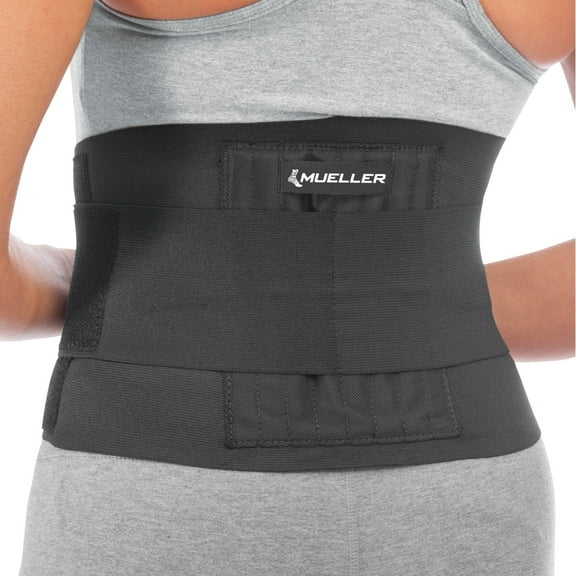
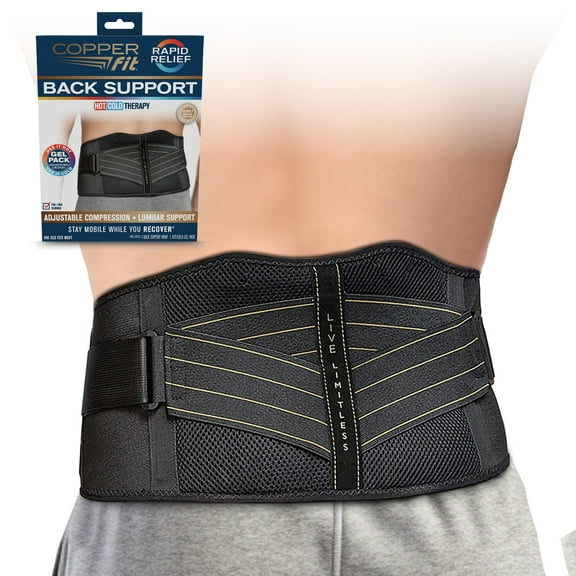
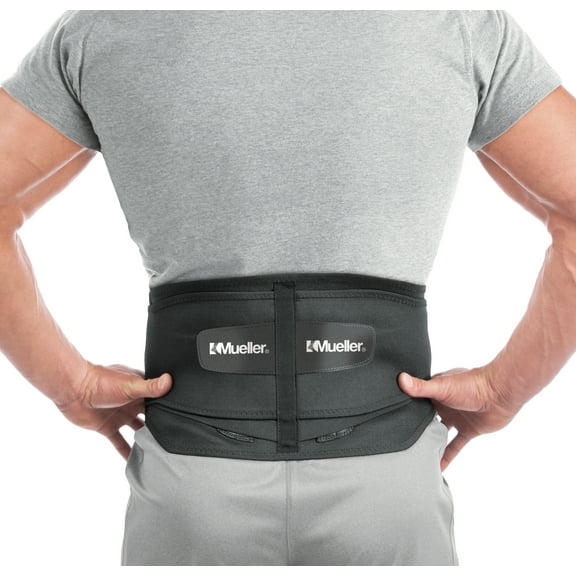
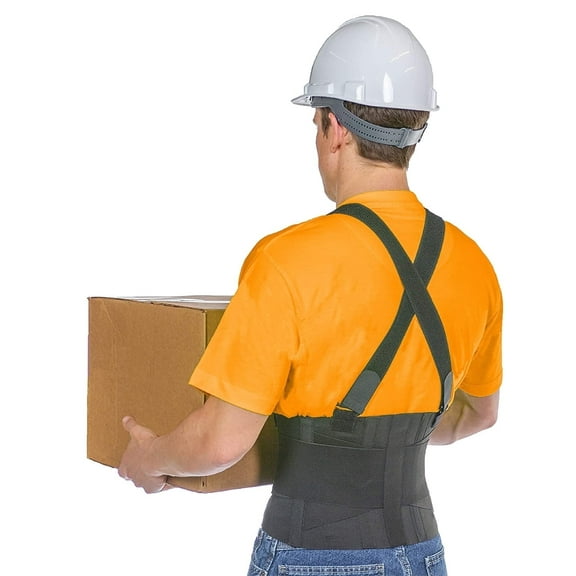
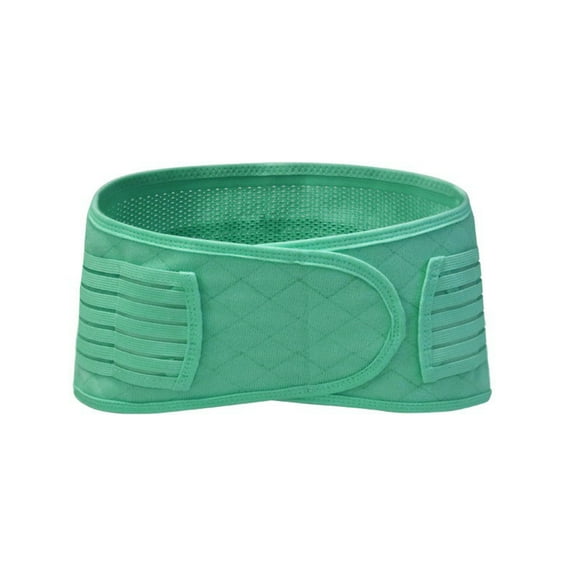
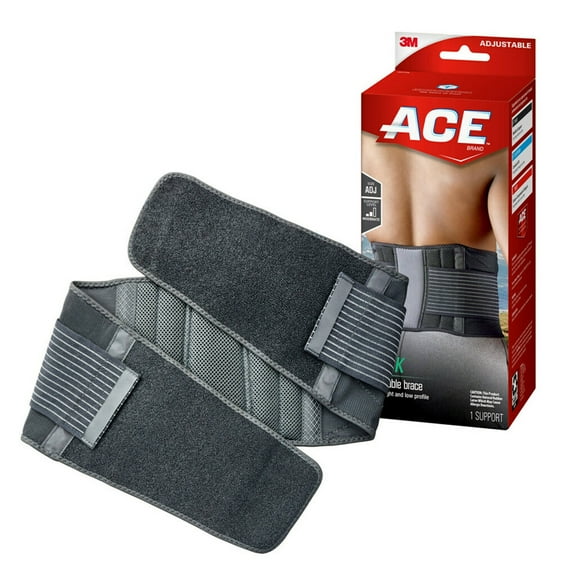
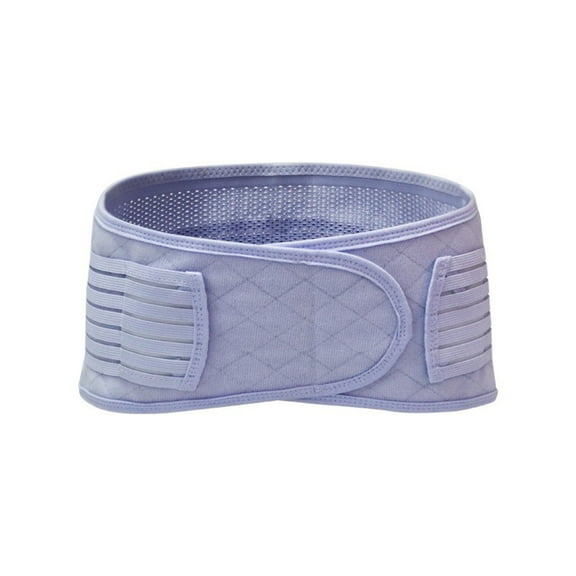
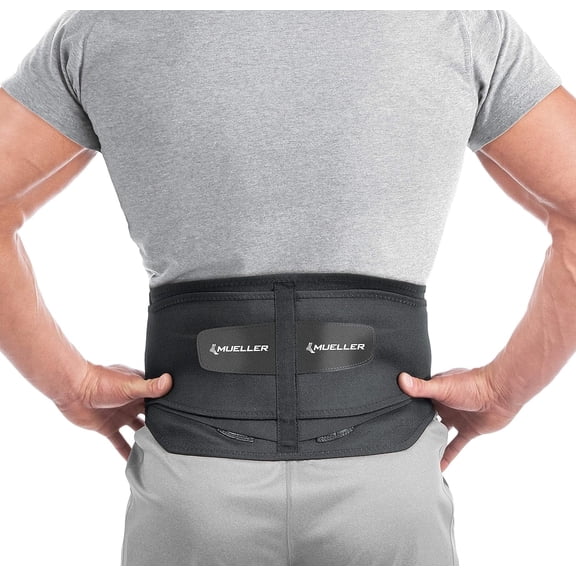
A back brace for work can help you stay comfortable through long shifts, repeated bending, and warehouse tasks. Many designs use flexible stays, wide compression panels, and hook-and-loop closures for quick adjustments. Those details matter when you need support that fits over a shirt and stays put during movement.
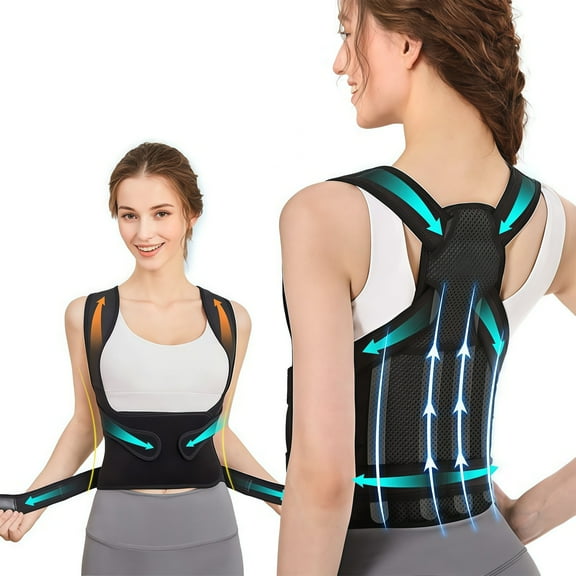
Some shoppers want a back support brace for standing desks, driving routes, or home projects. Others need a lower back-focused design for lifting, stocking, or yard work. This category makes those differences easier to spot by grouping braces with distinct support levels and fit features.
- Wide belts can create a steadier feel around the lower back and waist.
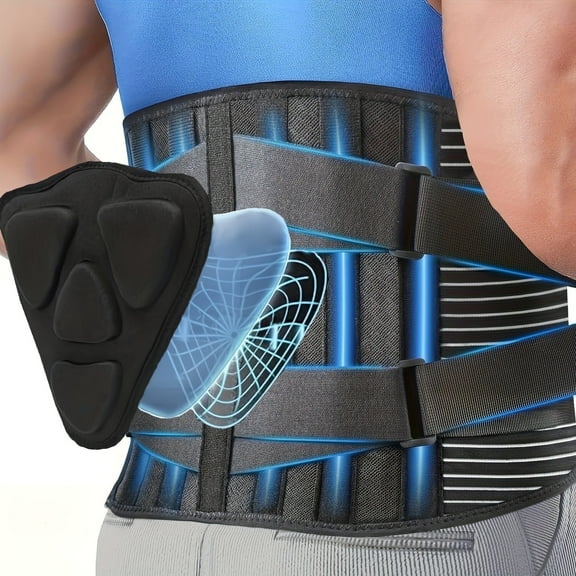
- Adjustable straps let you fine-tune tension through the day.
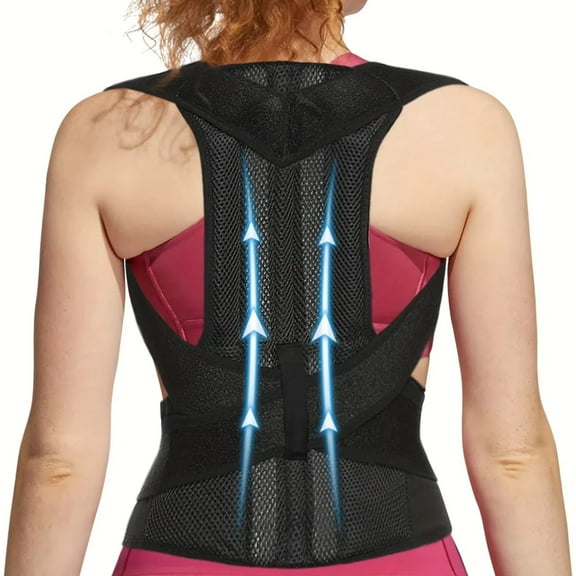
- Breathable panels help the brace feel lighter during active wear.
- Contoured shapes fit under workwear, uniforms, and casual layers.
- Targeted lumbar designs focus support where many shoppers want it most.
Men’s styles often use broader cuts and longer belt spans. Unisex options can offer flexible sizing with overlapping closures. If you’re comparing a back brace for men against general styles, check the size range and torso coverage first.
Back support brace features that shape your choice
A back support brace can look simple, but the build details change how it feels and functions. Start with closure style, brace height, and the number of support stays. Those three elements often tell you how structured the brace will feel during wear.
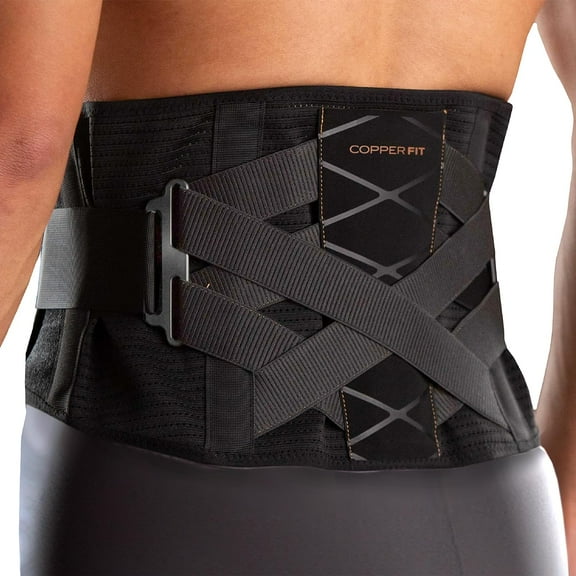
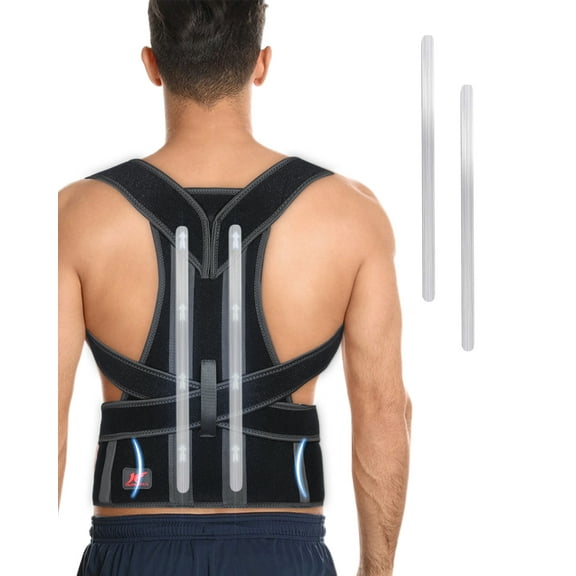
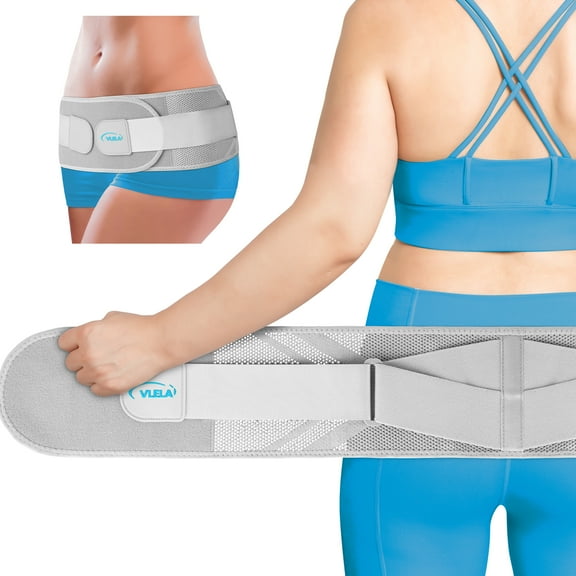
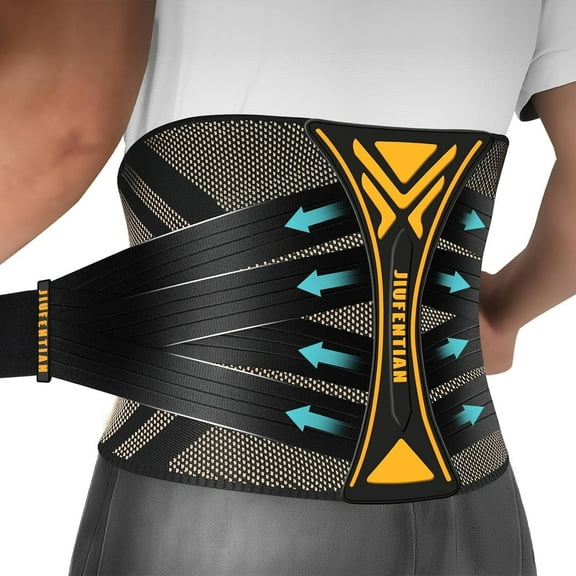
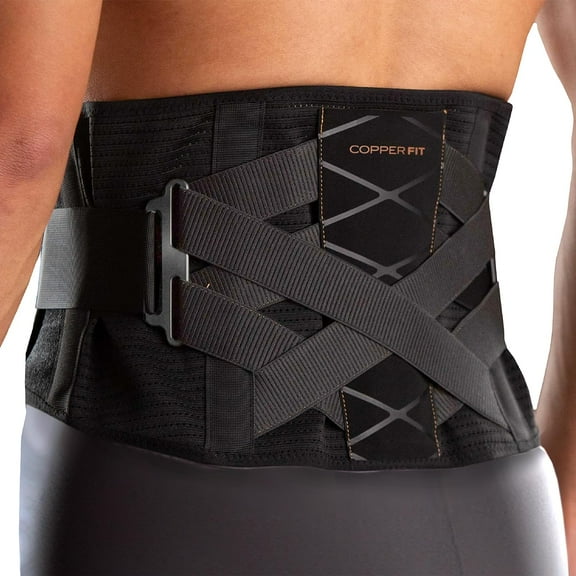
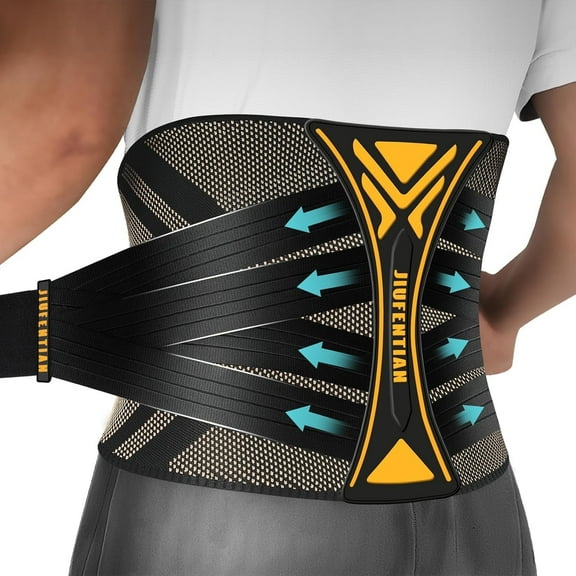
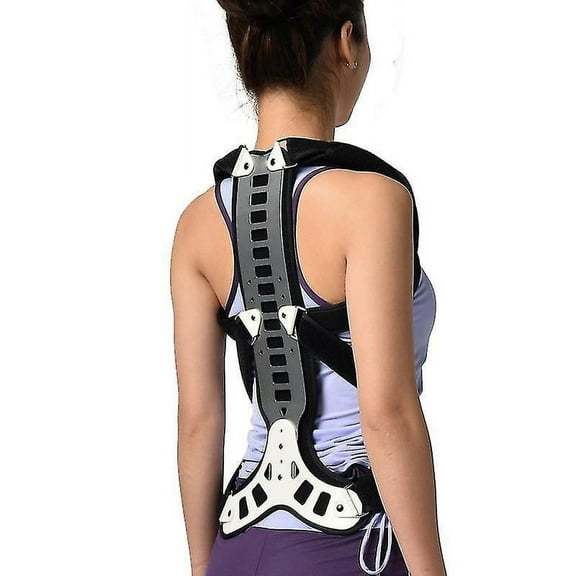
Elastic compression wraps usually provide a closer fit and easier movement. Braces with rigid or semi-rigid stays add more structure across the lumbar area. Dual-pull systems let you tighten the outer straps after fastening the main belt.
Material matters too. Mesh sections can feel cooler during long wear, while thicker fabrics may feel more substantial. Edge binding, seam placement, and panel shape also affect how smoothly the brace fits under clothing.
Size selection deserves close attention. Many braces use waist measurements, while others combine waist and hip sizing.
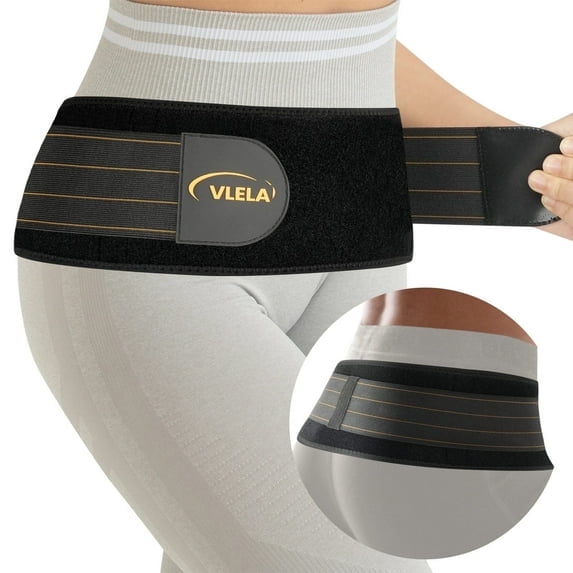
A brace with an adjustable overlap can offer more flexibility if your layers change between work and home. That extra adjustability can help when you switch from uniforms to casual wear.
Look for category-specific details that fit your routine. Some braces include suspenders for jobsite wear. Others focus on slim profiles for seated use, commuting, or discreet wear under everyday clothes. Those are meaningful differences that wouldn’t apply to unrelated support gear.
Back brace for work, home projects, and active routines
Use matters when you narrow your options. A back brace for work often needs quick fastening, durable materials, and a shape that works with repetitive motion. For warehouse tasks, delivery routes, or stockroom shifts, a wide lumbar panel can feel more stable through the day.
Home use can call for something different. If you’re cleaning, gardening, or assembling furniture, you may want a brace that balances structure with easy bending. Slimmer wraps can layer well under casual clothing and stay less bulky around the waist.
Travel and commuting also shape the decision. Drivers and frequent riders often prefer a back brace with a lower profile and smooth front closure. That design can sit more comfortably against a seat and feel less intrusive during long periods of sitting.
Activity level plays a role too. For walking, light training, or everyday errands, many shoppers choose flexible compression styles. For lifting or physically demanding jobs, they may lean toward reinforced panels and stronger strap systems.
If you’re comparing a back brace for lower back pain with a general support style, focus on lumbar placement and brace height. Many lower back designs center support around the waistline instead of covering the full torso. That targeted shape can be easier to wear during routine tasks.
Availability matters as much as design. When you’re searching for where can I get a back brace, it helps to see multiple support types together. That makes it easier to compare features, sizes, and intended use before choosing a brace that fits your routine.
Choosing the right back brace with confidence
The right back brace matches your routine, clothing, and preferred support feel. Focus on closure style, lumbar coverage, and daily use first. That approach helps you land on a brace that feels practical from the first wear and easier to use consistently.