


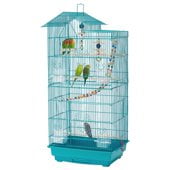


Bird Perch Stands & Birdcage Perches - Walmart

























About Bird Perch Stands & Birdcage Perches - Walmart - Walmart.com
Bird perches help you create a more active, comfortable cage setup for your pet bird. You can compare materials, diameters, and mounting styles to match your bird’s size and daily habits.
If you’re updating a habitat, you’ll notice that the right perch does more than fill space. You can give your bird places to rest, climb, chew, and move between food bowls, toys, and cage doors.
How to choose bird perches for your cage
When you compare bird perches for cages, you’ll want to start with fit and placement. You should check your cage bar spacing, interior width, and where your bird usually rests.
You’ll also want different perch textures and widths inside the same cage. That variation helps your bird shift its grip naturally and keeps perching from feeling repetitive.
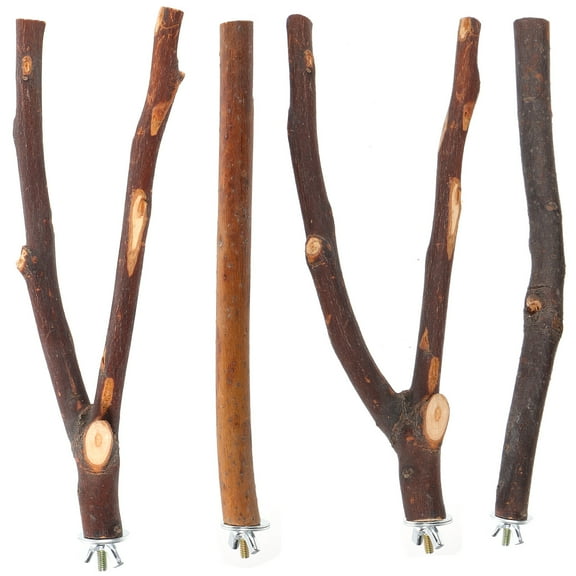
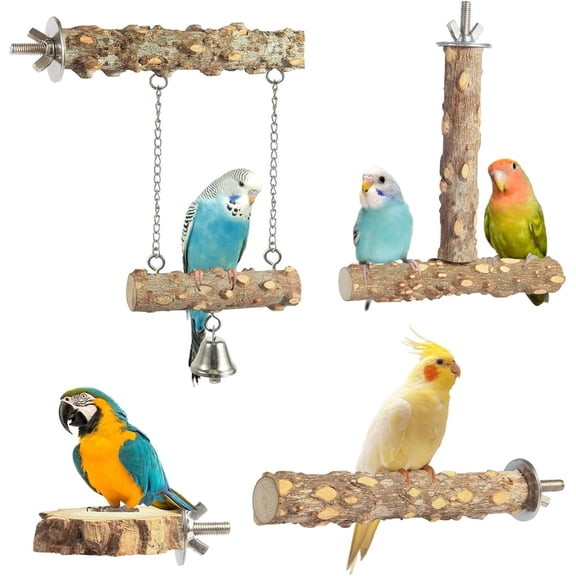
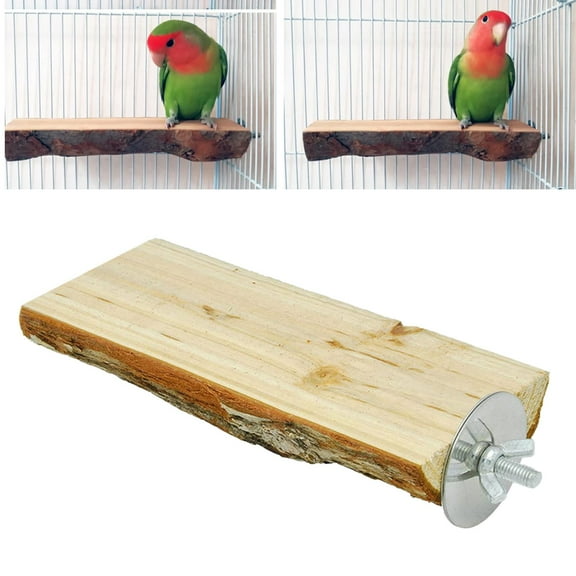
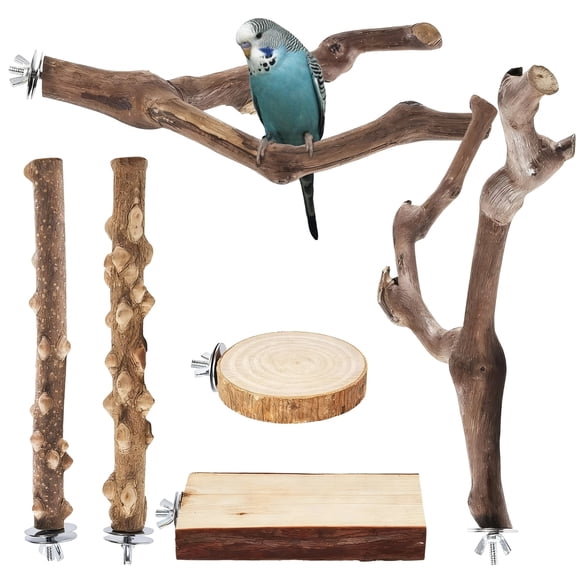
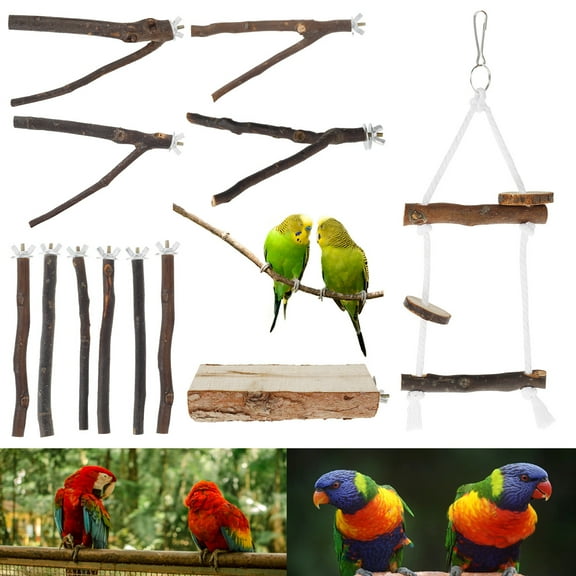
- You can add natural wood for an uneven, branch-like surface.
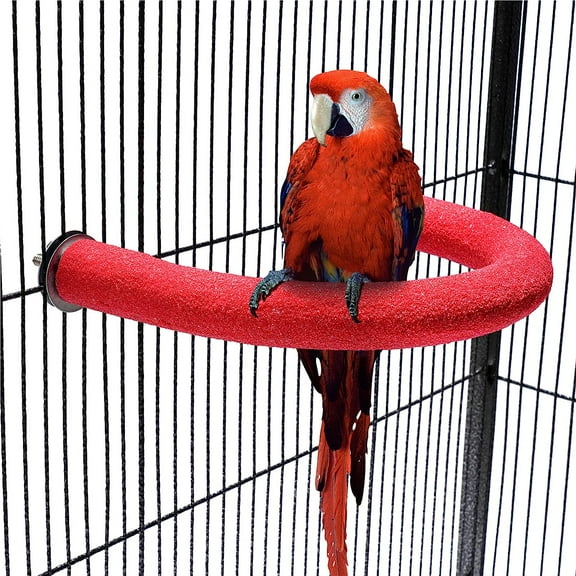
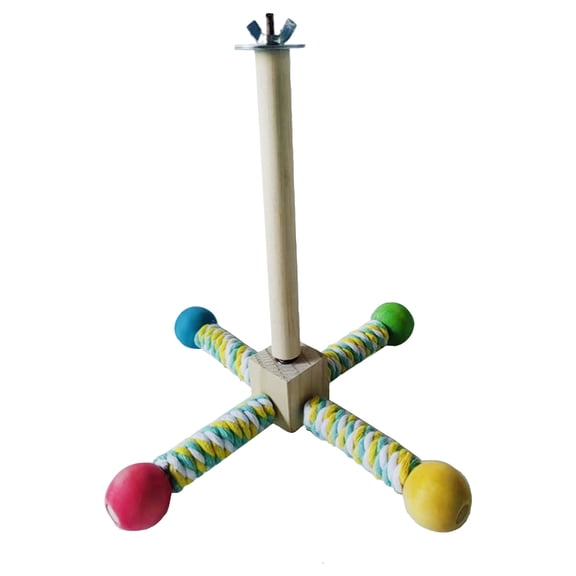
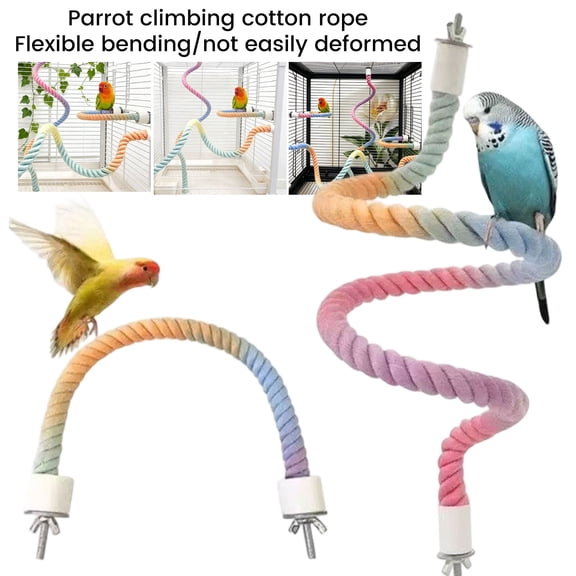
- You can use rope options when you want bendable shapes and climbing paths.
- You can choose swing or hanging styles when your bird likes motion.
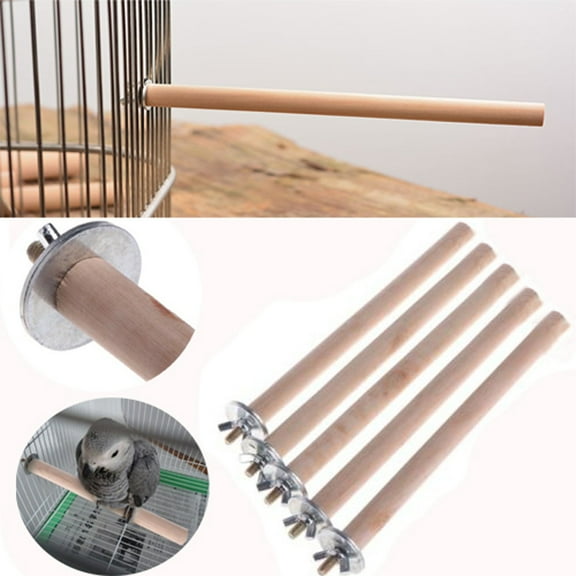
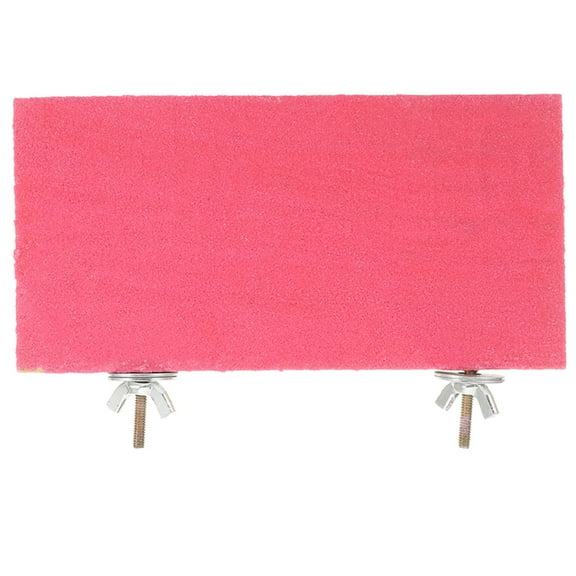
- You can check bolt-on hardware when you want a more fixed perch position.
Many shoppers look for more than one perch type because one shape rarely supports every activity. You can mix resting spots, play spots, and feeding-area perches for a more useful cage layout.
Choosing materials: natural wood bird perches and more
Material changes how a perch feels under your bird’s feet and beak. You should compare surface texture, firmness, and how easy each option is to wipe clean.
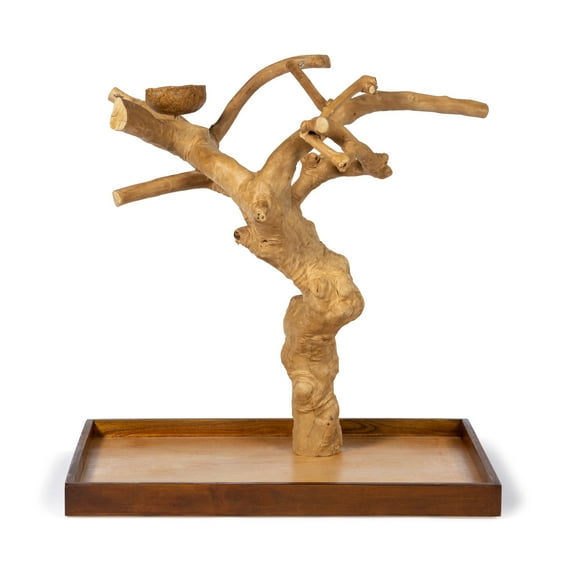
Natural wood bird perches give you an irregular shape that many birds use comfortably. You should look for non-toxic wood species and colorants so your bird’s habitat stays focused on intended bird use.
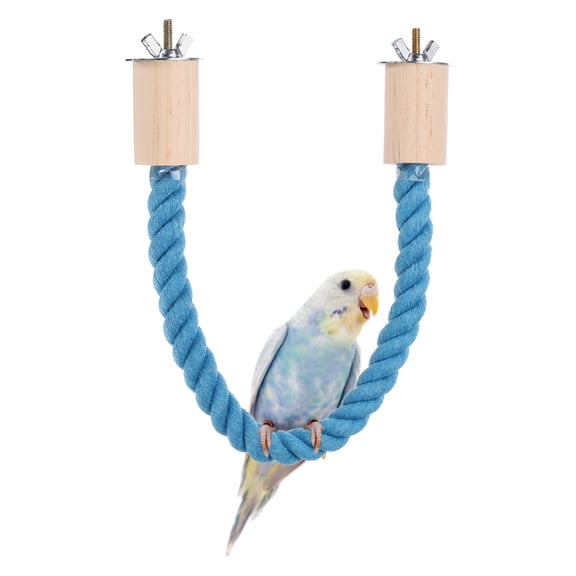
Rope bird perches give you flexible placement and soft, grippy texture. You can bend them around corners, across cage fronts, or between favorite perching zones.
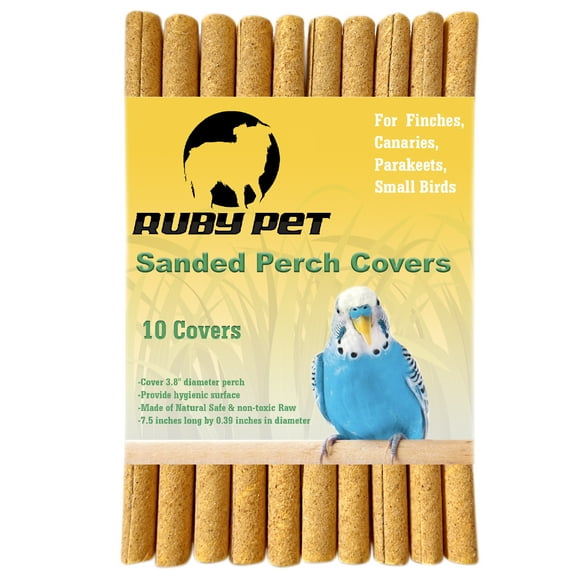
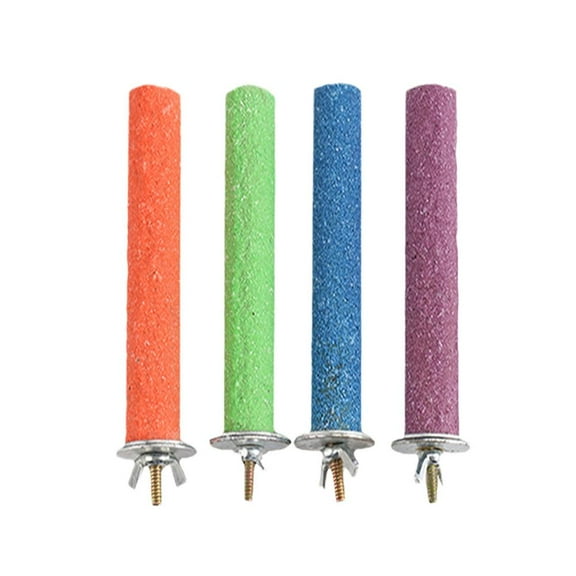
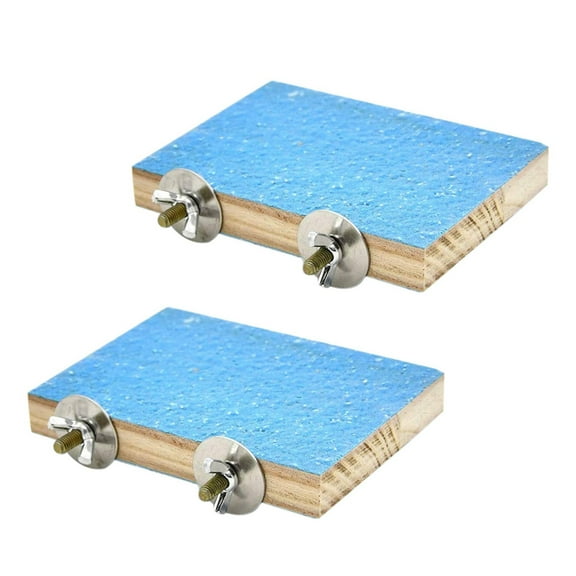
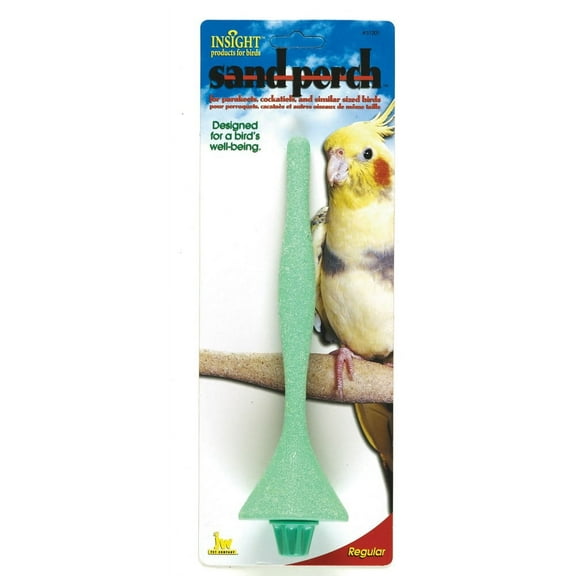
Concrete and sand styles give you a firmer texture than wood or rope. You may use them as part of a varied setup, especially when you want one dedicated spot near a feeder.
Plastic styles give you a smooth, simple option for quick cleaning. You may like them when you want a lightweight perch for travel cages or temporary cage arrangements.
Choosing the right size for parakeet perches and parrot perches
Bird size compatibility matters because your bird should grip the perch without flattening its foot. You’ll want a diameter that lets your bird wrap its toes comfortably while still feeling secure.
For finch perches and other small bird perches, you should look for slimmer diameters and shorter spans. Those proportions help smaller birds move easily without overreaching between cage sides.
For parakeet perches and cockatiel cages, you’ll usually want medium widths and a mix of shapes. That combination gives your bird places to rest, climb, and change foot position during the day.
For parrot perches and larger birds, you should check thicker diameters and sturdier hardware. Larger birds often need stronger support and more stable placement for stepping, chewing, and turning around.
You should also compare single-diameter perches with multi-branch styles. A varied branch design lets your bird change grip often, which can help reduce cramping from one repeated position.
Checking mounting type and perch style
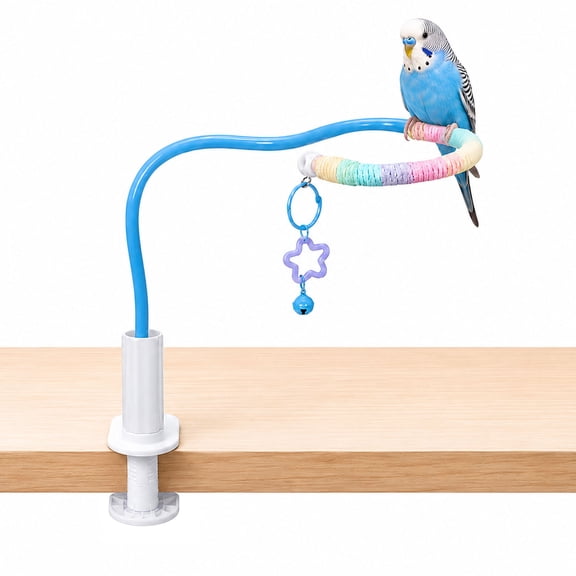
Mounting type affects where you can place the perch and how secure it feels. You should compare bolt-on, suction cup, and hanging options based on your cage or habitat surface.
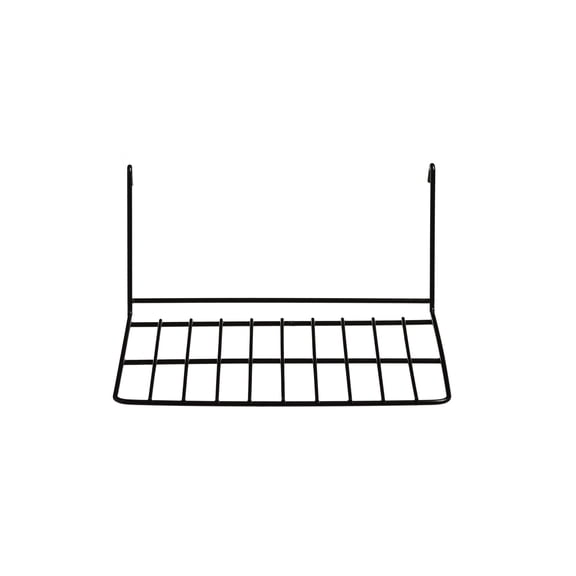
Bolt-on styles work well when you want a fixed perch between cage bars. You can tighten them into place for a steadier setup near food dishes, doors, or favored corners.
Suction cup styles can suit smooth surfaces and window-style habitats. You should check surface compatibility first so your setup matches the area where your bird spends supervised time.
Hanging styles add movement and can encourage climbing and balance work. You may like them when your bird enjoys swings, rope bridges, or elevated play areas.
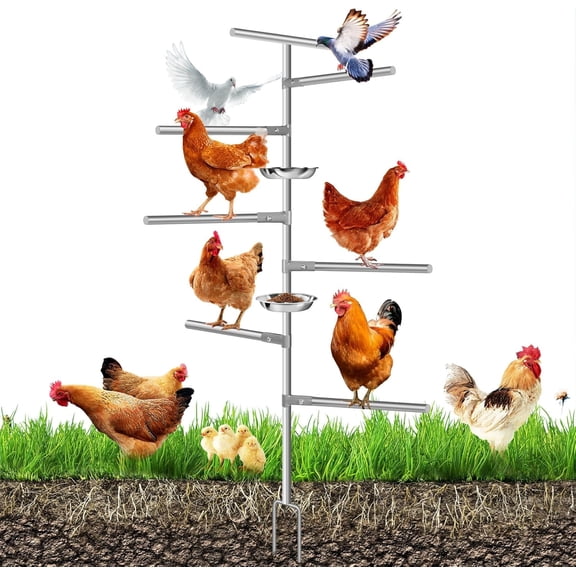
Perch type shapes daily activity in different ways. You can choose multi-branch perches for varied footing, swings for motion, rope bridges for climbing paths, or heated styles for added warmth in cooler setups.
Cleaning, layout, and everyday use
You’ll want perches that fit your cleaning routine as well as your bird’s habits. Smooth plastic and some sealed surfaces wipe down quickly, while textured options may need more detailed cleaning.
Placement matters just as much as material. You should keep perch positions clear of crowded food bowls, blocked doors, and awkward jumps that interrupt easy movement.
Many shoppers build a better cage by combining rest, play, and feeding zones. You can place one perch near a dish, another near toys, and a different texture higher up for sleep time.
If you’re setting up a shared bird room, you can also match perch styles to separate enclosures. That makes it easier for you to choose finch perches, parakeet perches, or larger options with clearer purpose.
With the right mix of material, size, mounting type, and shape, you can create a cage that feels more usable every day. You’ll give your bird more comfortable footing, more movement options, and a more thoughtful habitat layout.