



Bird Feeders with Camera in Bird Feeders




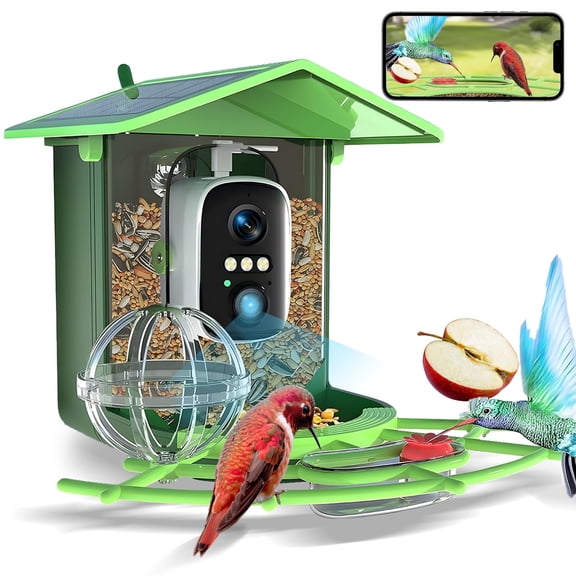
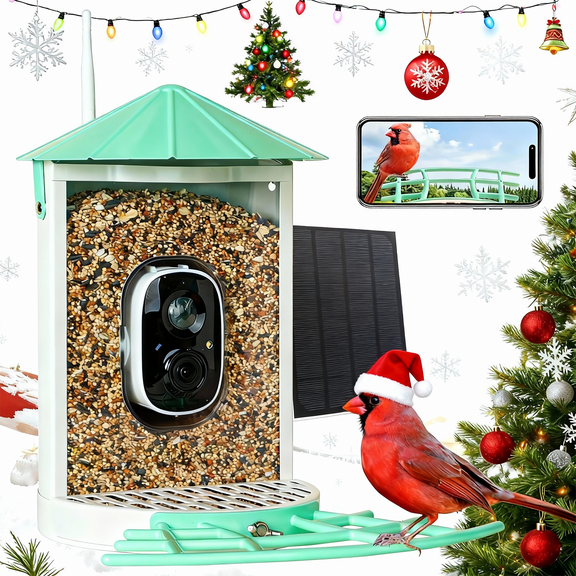


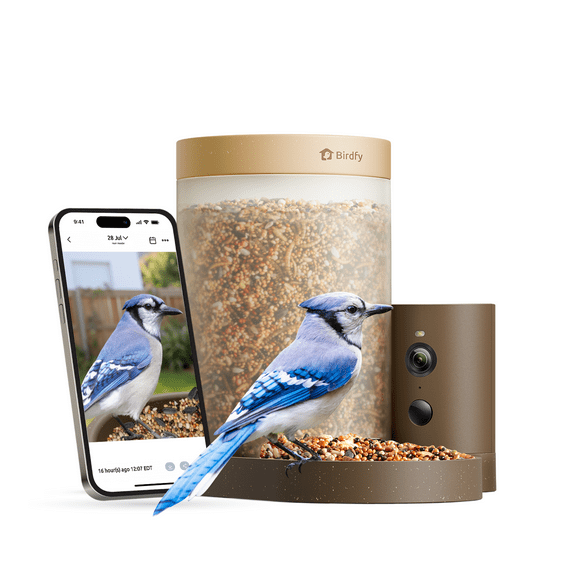


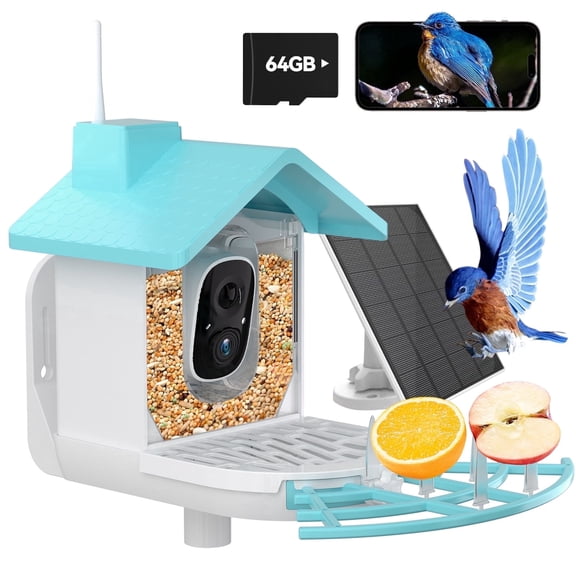
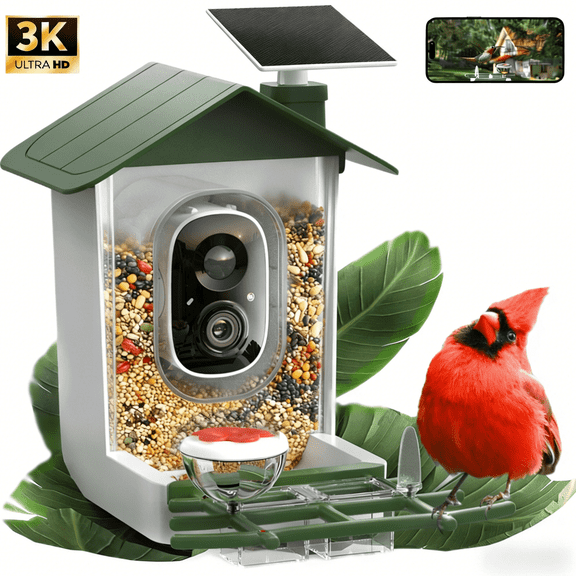


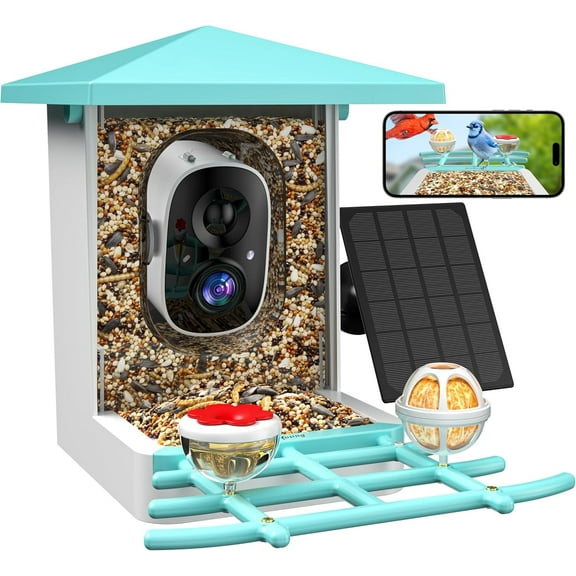


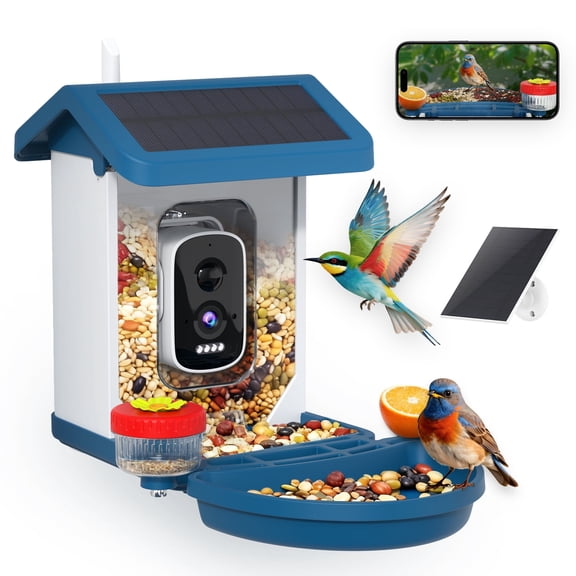


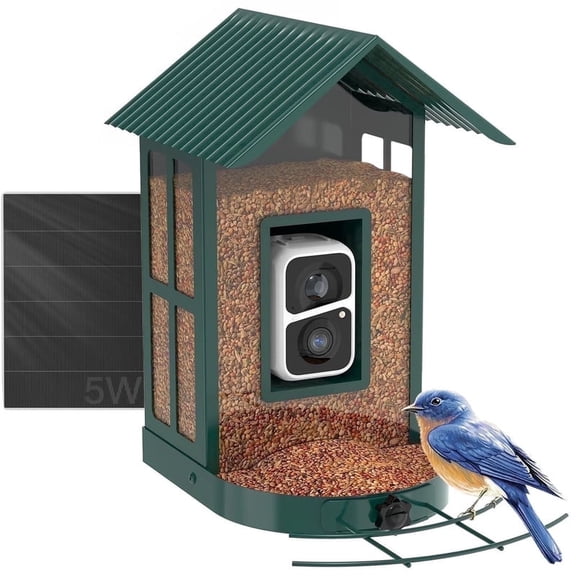


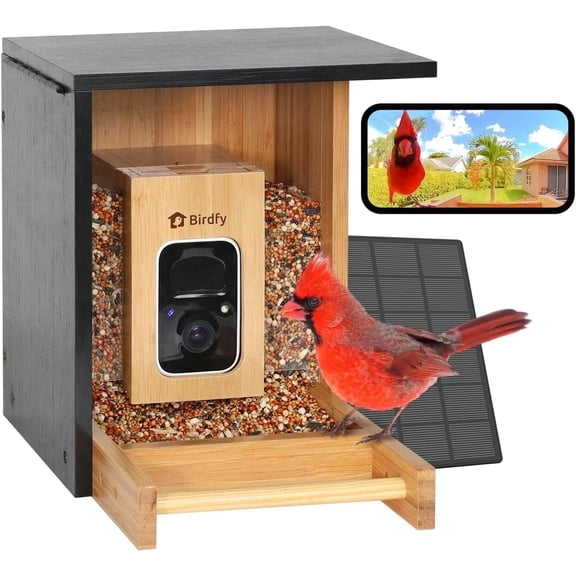
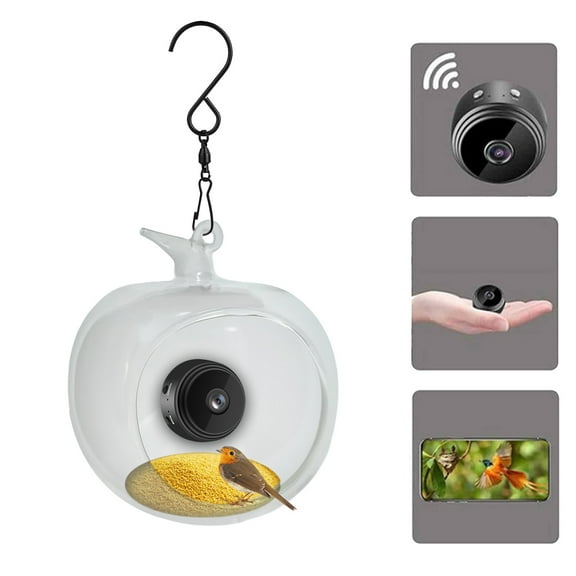


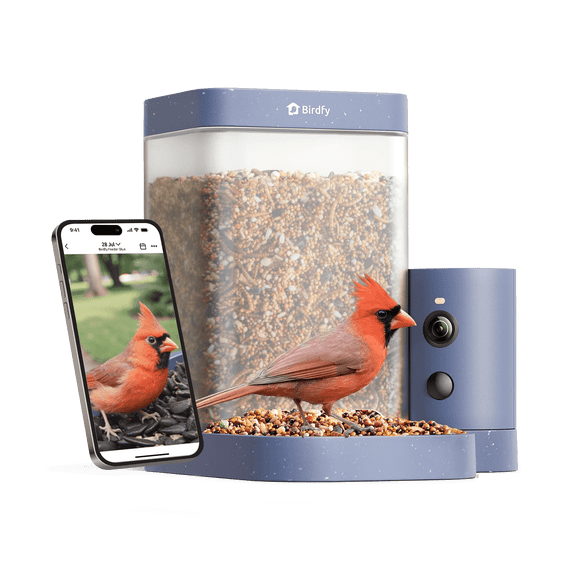
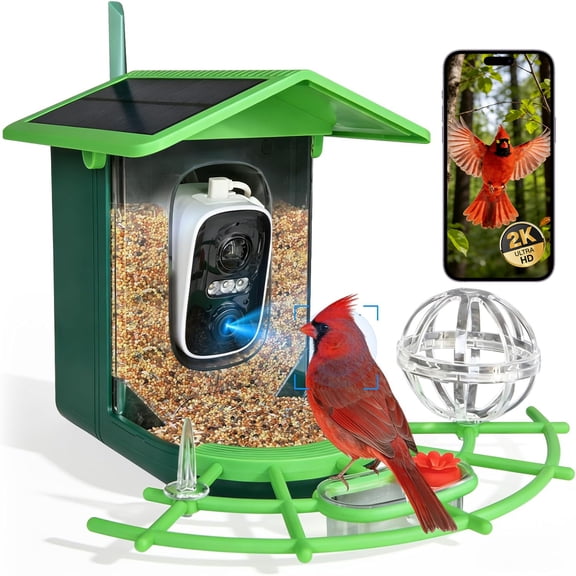





About Bird Feeders with Camera in Bird Feeders - Walmart.com
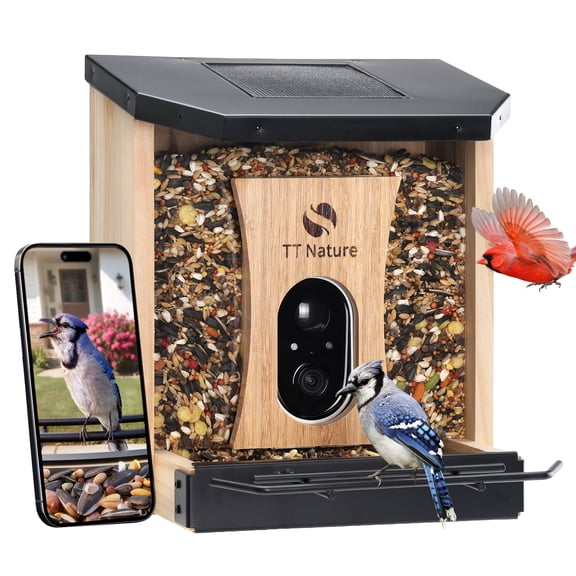
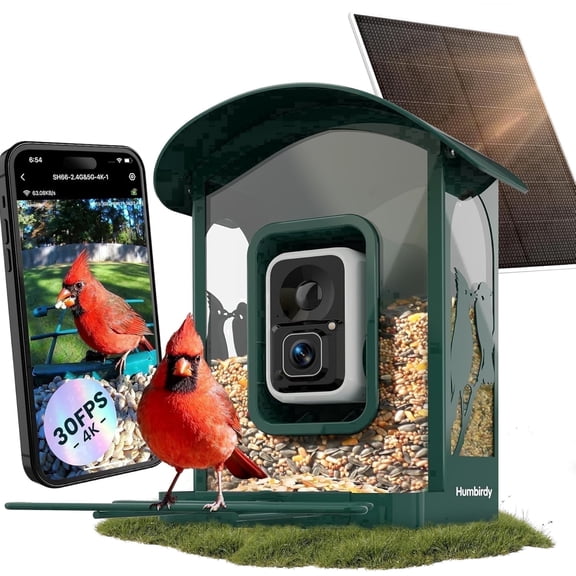
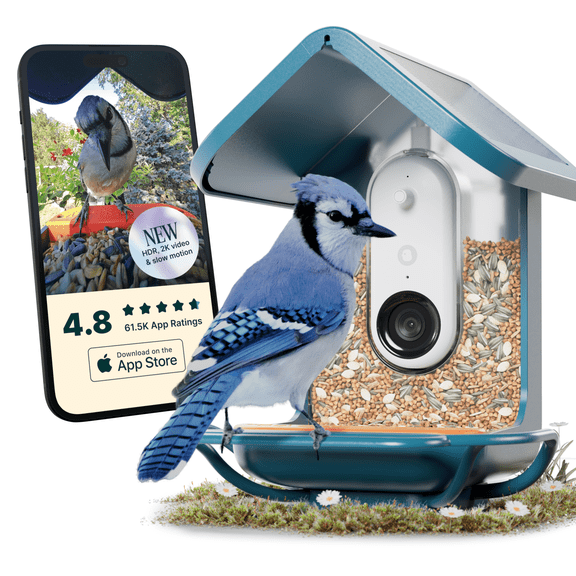
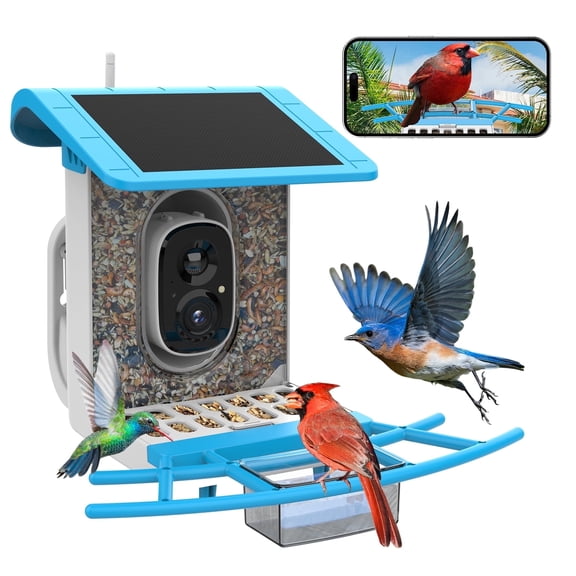
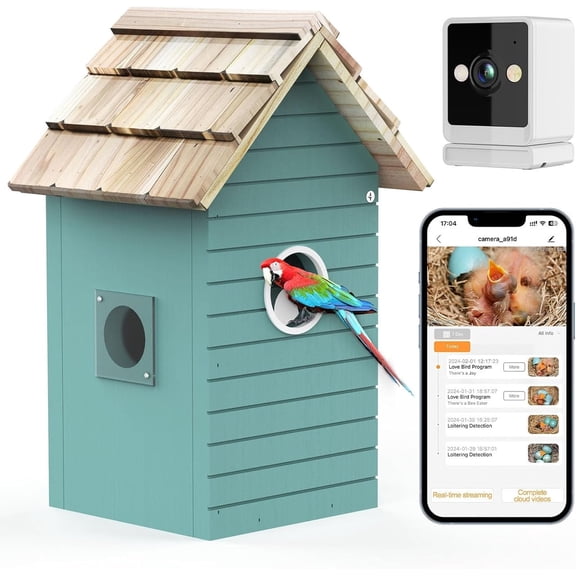
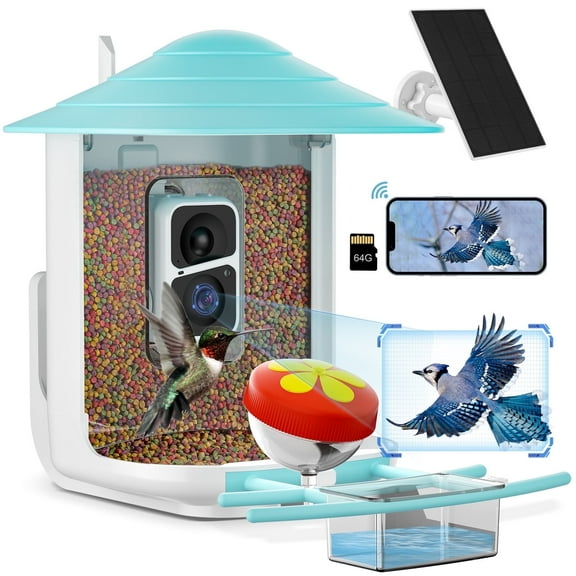
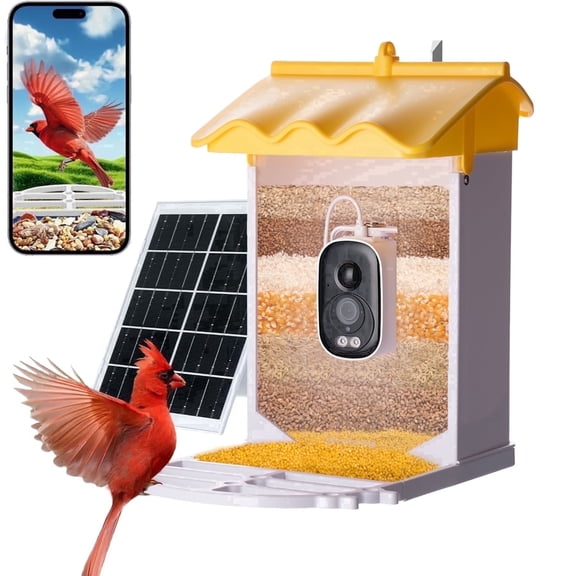
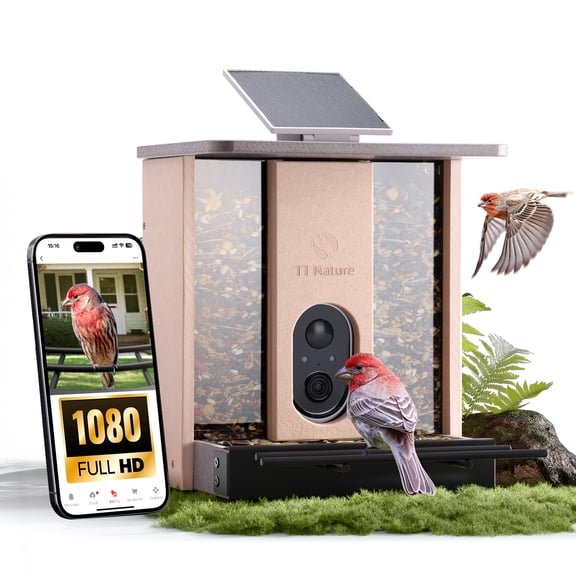
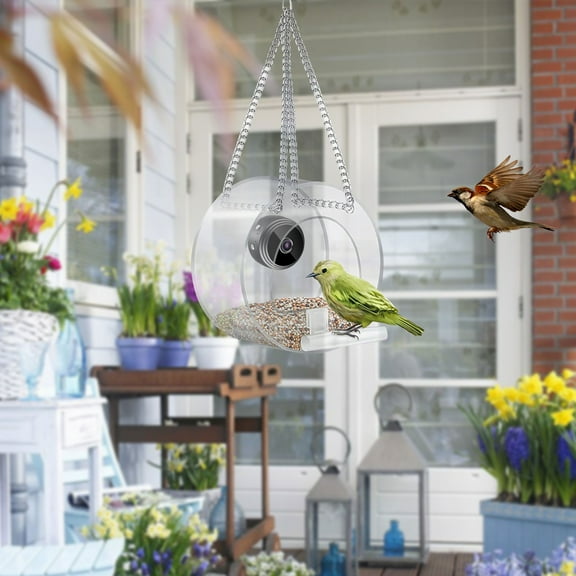
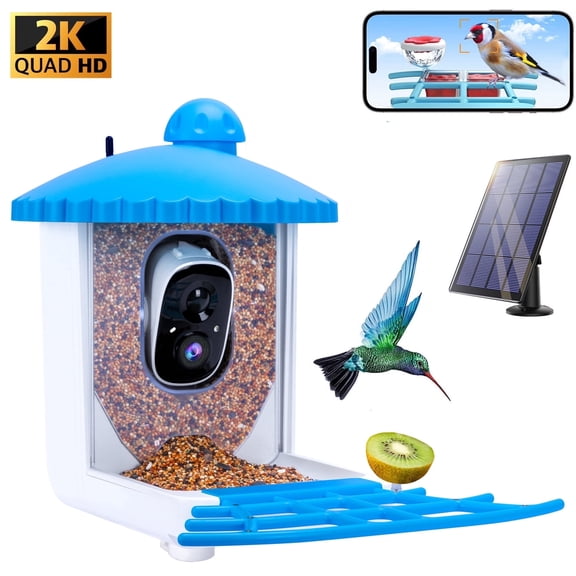
A video bird feeder turns everyday backyard visits into clear clips you can replay and share. Choose a smart bird feeder with AI identification, so you can learn species names as they arrive.
Solar powered options keep the camera running with fewer battery swaps, even during busy migration weeks. At Walmart, you can set up a feeder that fits your yard, WiFi range, and viewing goals.
Why a video bird feeder changes backyard birding
A camera at the perch lets you see field marks you might miss through glass. You can pause footage to confirm wing bars, eye rings, and bill shape.
Notifications help you notice quick drop-ins, including shy songbirds that feed fast. Night vision can also reveal unexpected visitors like raccoons and opossums.
- Get close-up viewing without stepping outside and startling birds at the feeder.
- Build a personal highlight reel of arrivals, squabbles, and fledgling visits.
- Learn species IDs with AI labels, then compare clips across days and seasons.
- Track patterns like peak feeding hours and preferred seed types for your yard.
Benefits of a smart bird feeder for daily viewing
A smart bird feeder supports consistent watching when your schedule’s packed. You can check live view during breaks, then review clips later.
AI identification helps you learn common visitors and spot unusual guests. Effective placement choices come quickly when you review where birds land and approach.
Two-way audio lets you hear calls near the perch, which adds context to each visit. Some models also let you trigger sounds, which can be useful for testing reactions.
Shared access keeps household birding organized across multiple phones. You can save favorite clips, then send them to friends or your local birding group.
Features to compare in a video bird feeder
Start with camera resolution and field of view, since they shape what details you can identify. A wider angle covers more perch space, while higher resolution sharpens plumage edges.
Look for motion zones and adjustable sensitivity to reduce false alerts from leaves. Cloud storage and local card options change how you save clips and manage privacy.
Check the app experience, including timeline playback and species lists. Some AI systems label birds on screen and store a running log of detected visitors.
Solar powered charging works differently by model, so review panel size and mounting options. Consider a backup battery, so the camera stays on during cloudy stretches.
Weather sealing matters because feeders face rain, heat, and winter freeze cycles. Choose designs with protected ports and a housing that shields the lens from glare.
Feeding hardware affects what birds you attract and how clean the setup stays. Tube, hopper, and tray styles pair with different seed types and reduce spill patterns.
Use cases for smart wildlife watching
Use a video bird feeder to document spring migration without missing short stopovers. You can catch visits from warblers and finches that feed briefly and move on.
In winter, clips help you compare seed choices and feeder placement by activity level. Make cleaning simple by checking buildup spots before you step outside.
If you’re building a kid-friendly nature corner, AI labels make learning feel immediate. You can review clips together and act naturally around the window.
Apartment patios and small yards can still work with the right mounting plan. Aim for a stable pole or railing bracket, so footage stays easy to see.
For wildlife fans, the camera can reveal more than birds at the feeder. Night clips can show squirrels, deer, or neighborhood cats passing through.
Conclusion
A smart bird feeder adds consistent, close-up wildlife viewing without changing your daily routine. With solar powered support and clear video, you can build a season-by-season record of your backyard visitors.