

Beverage Refrigerators in Beverage and Wine Chillers

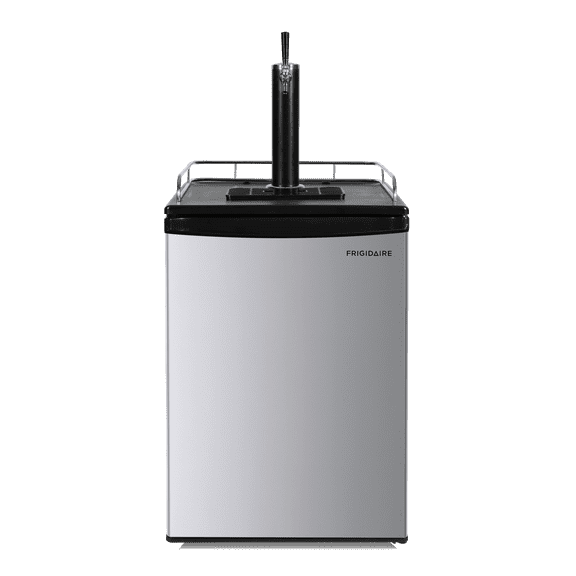


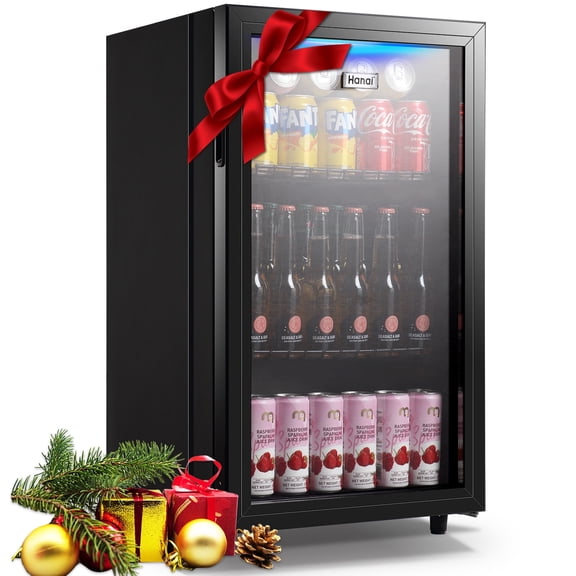

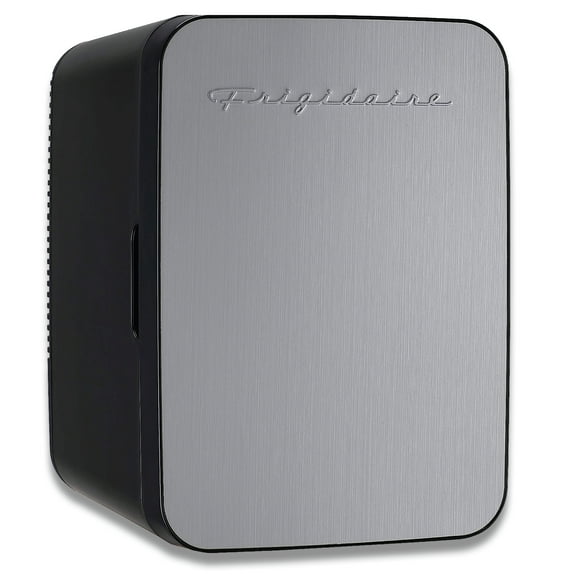

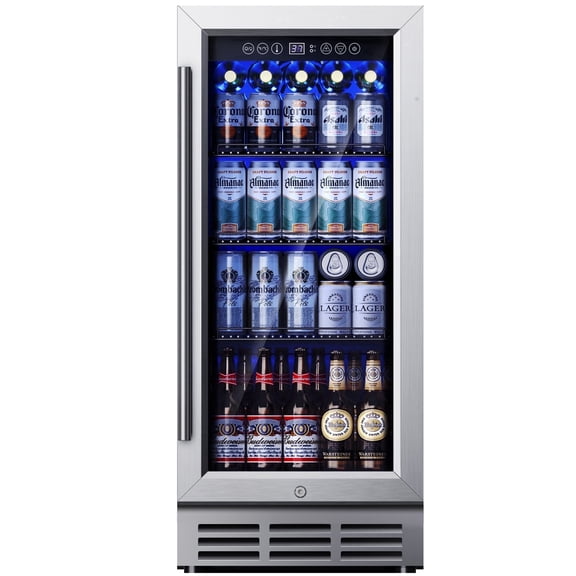










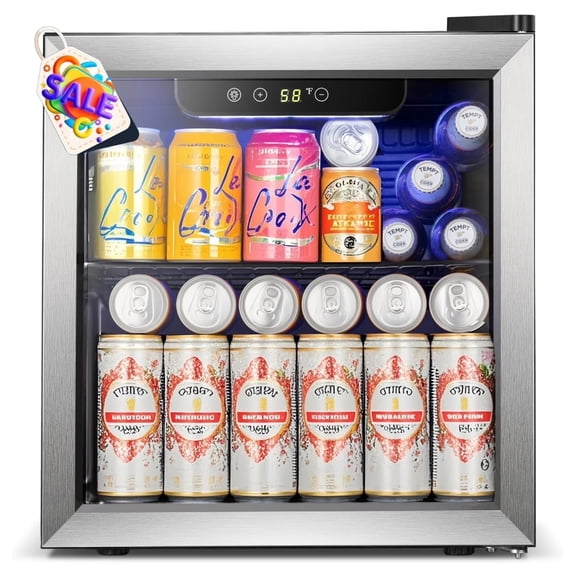

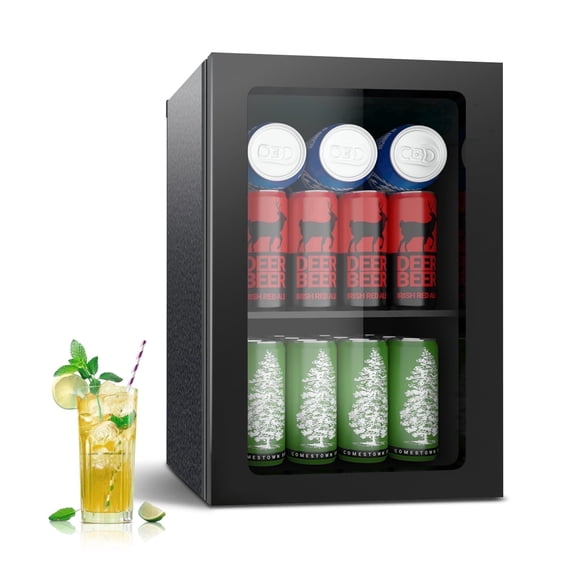


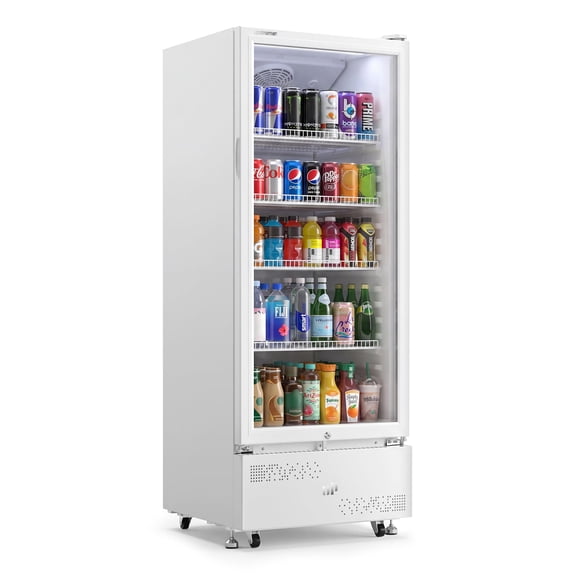

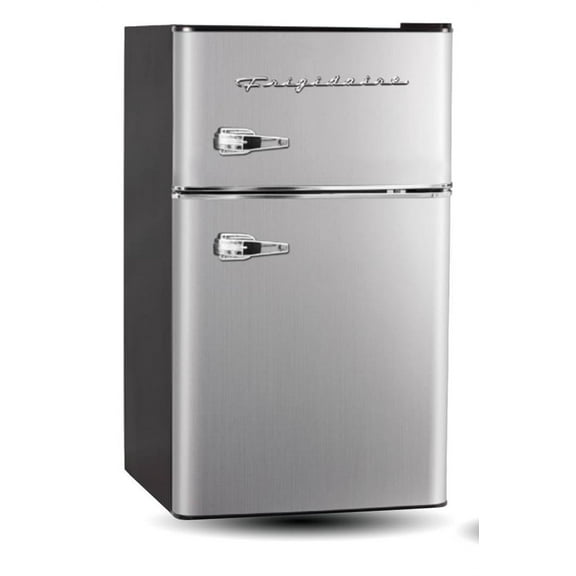

About Beverage Refrigerators in Beverage and Wine Chillers - Walmart.com
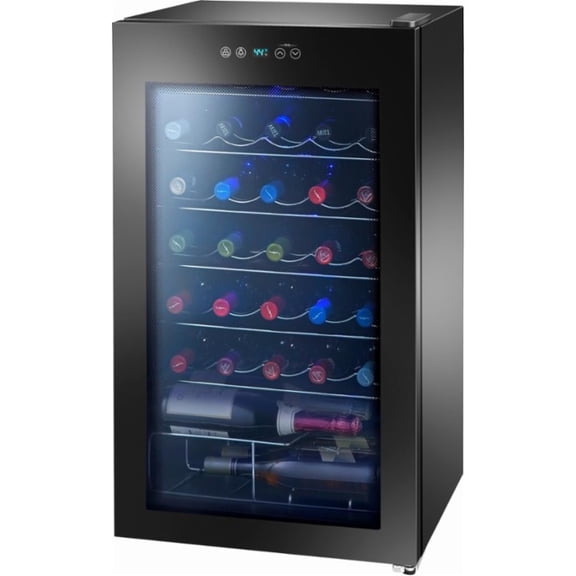
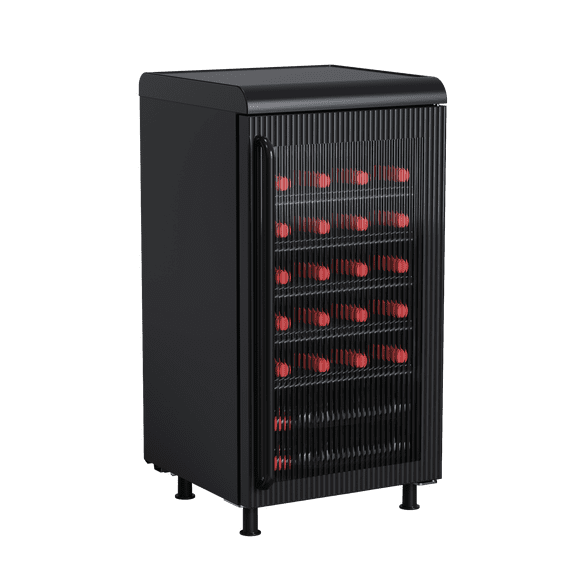
Wine coolers help you organize your collection with steady cooling, space-smart storage, and a polished look for your kitchen or bar area. You can compare bottle capacity, cooling zones, and installation style to match how you store reds, whites, or sparkling bottles at home.
How to choose wine coolers for your space
You should start by measuring your floor space, cabinet opening, and door clearance before you compare models. This helps you avoid fit issues and narrow your options faster when you know your width, depth, and height.
Many shoppers compare a small wine fridge for apartments or condos with larger cabinets for dining rooms and home bars. You can choose under 20 bottles for compact spaces, 20 to 50 bottles for mixed collections, or 50 plus bottles for long-term storage.
You may also want to compare finishes that match your room and make bottle labels easy to view. You’ll often see stainless steel, black glass, and wooden shelves that support a clean, furniture-like look.
Key benefits you’ll notice in wine refrigerators
You get a dedicated place for bottles, which helps you keep entertaining areas neat and easy to manage. You also get quick access to the bottles you want, without shifting items around a crowded kitchen refrigerator.
Temperature consistency matters when you want reds, whites, or sparkling wines ready for serving. Manufacturers design wine refrigerators around bottle storage, shelf spacing, and cooling ranges that suit wine compared to standard food fridges.
Design details can also improve your everyday experience, especially when your cooler sits in an open living area. You may prefer quieter operation, glass doors, and slide-out shelves that make labels easier to read.
- You can separate serving bottles from long-term bottles with organized shelf layouts.
- You can keep different wine types at suitable temperatures with zone-based cooling options.
- You can match your room with stainless steel, black glass, or wood-accent shelving.
- You can choose compact or larger capacities based on your collection size and space.
Choosing between single zone and dual zone wine cooler options
You should compare cooling zones based on the kinds of bottles you keep most often. You may find a single zone model works well when you mainly store one style at a similar serving temperature.
A dual zone wine cooler gives you two separate temperature areas in one cabinet. You can keep whites cooler on one side and reds slightly warmer on the other side.
If you store several bottle styles for dinners, holidays, or regular hosting, you may want that added flexibility. You should also compare multi zone layouts when you want more tailored organization across a larger collection.
Technical details matter here, but you should focus on what they mean in daily use. You’ll want dual-zone temperature control when you serve red and white wine often and want each section adjusted separately.
Built in wine refrigerator or freestanding wine cooler
You should choose installation type based on where the unit will live and how air will move around it. You’ll want to check whether your space is open on the sides or enclosed under a counter.
A freestanding wine cooler usually works well when you place it in an open area with breathing room around the cabinet. You should leave the clearance listed by the manufacturer so the unit can vent as designed.
A built in wine refrigerator fits enclosed placement, often under a counter or within cabinetry. You can use that style when you want a streamlined look that blends with your kitchen or bar setup.
Under counter placement also changes how you plan door swing and shelf access. You should measure the cabinet depth and nearby walkways so bottles stay easy to load and remove.
What to look for in capacity, shelves, and design
You should compare bottle count with the actual dimensions, because storage claims don’t replace measuring your room. You’ll want to confirm the footprint fits your space before you focus on capacity alone.
Small cabinets can suit condos, offices, or breakfast nooks where every inch matters. Medium and large cabinets can work well when you entertain often or keep separate bottles for aging and serving.
Shelf design can change how easy your cooler feels to use every day. You may prefer wooden shelves for a warmer look, while smooth slide-out racks can help you reach bottles in the back.
Glass doors and interior lighting make labels easier to see during parties or evening meals. You should also compare UV protection and vibration reduction, since those details support steady storage conditions over time.
How your wine cooler fits real-life use
You might want a compact unit beside a dining area cart for weeknight dinners and casual hosting. A small wine fridge can keep a modest collection close at hand without taking over your room.
You may prefer a medium cabinet in a kitchen remodel where under counter placement creates a built-in look. You can pair dual-zone cooling with that format when your household keeps both red and white bottles ready.
Larger collections often need more shelves, more zones, and clearer bottle organization for frequent entertaining. You’ll appreciate wider capacity ranges when you host often, collect by varietal, or keep seasonal bottles on hand.
Style can matter just as much as storage when your cooler sits in a visible living space. You can choose finishes that coordinate with metal hardware, dark cabinetry, or warm wood accents for a cohesive setup.
You’ll make a careful choice when you compare zones, installation type, bottle count, and finish before you buy. This helps you store bottles neatly, serve them at the temperature you want, and use your space well.