

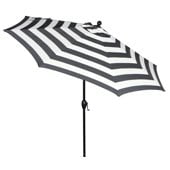
Beach Umbrellas in Outdoor Shade


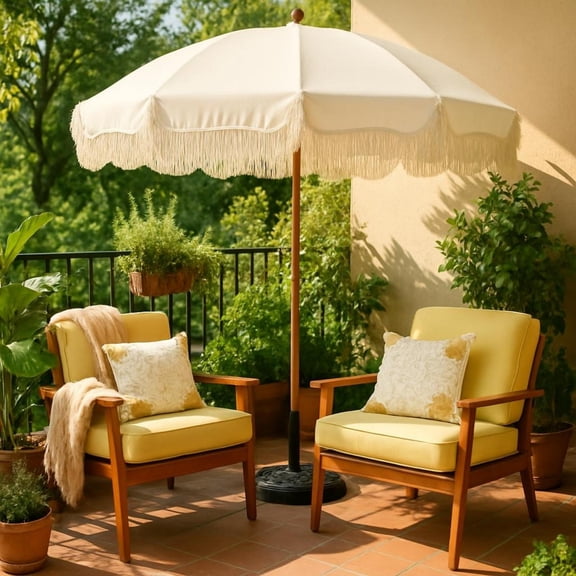



















About Beach Umbrellas in Outdoor Shade - Walmart.com
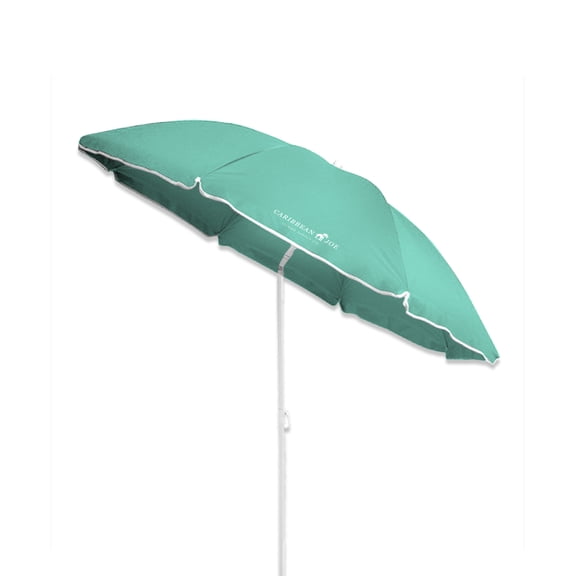
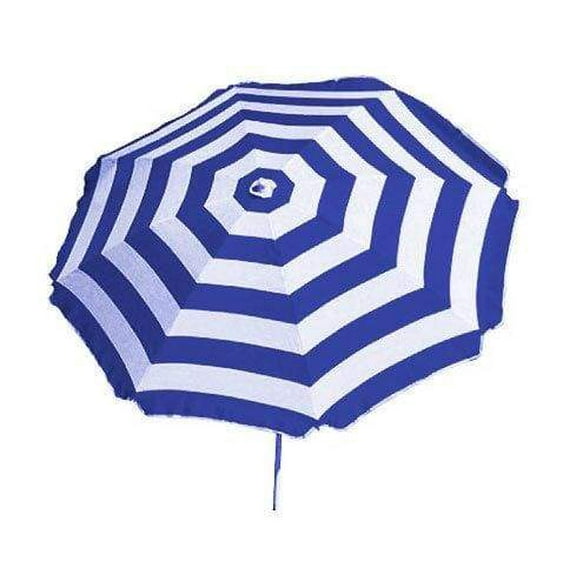
Beach umbrellas help you create reliable shade fast, and you can compare canopy size, anchors, and tilt features for long beach days. You’ll also find options built for wind, carry-friendly setups, and sun coverage that fits your outing.
How to choose beach umbrellas for your setup
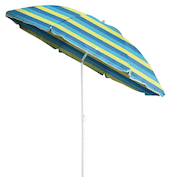
When you compare beach umbrellas, you should start with canopy size because your shade area changes with every foot. You may prefer 6.5 ft coverage for solo trips, while 8 ft or 9 ft can cover more chairs.
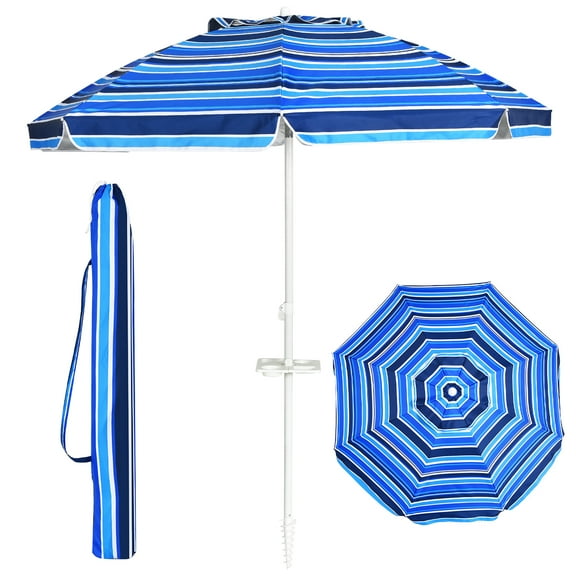
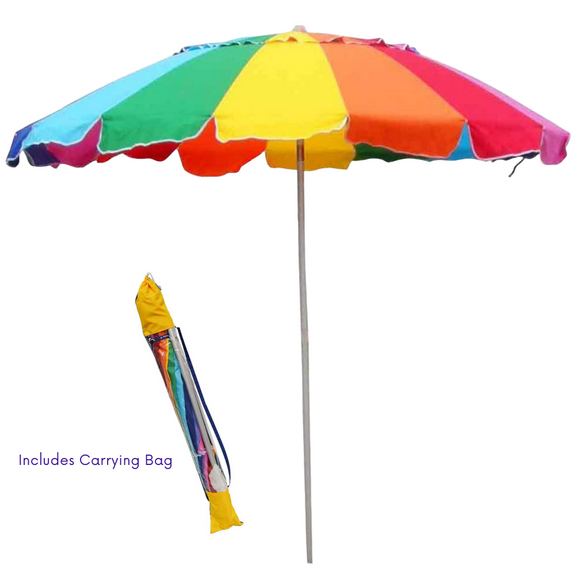
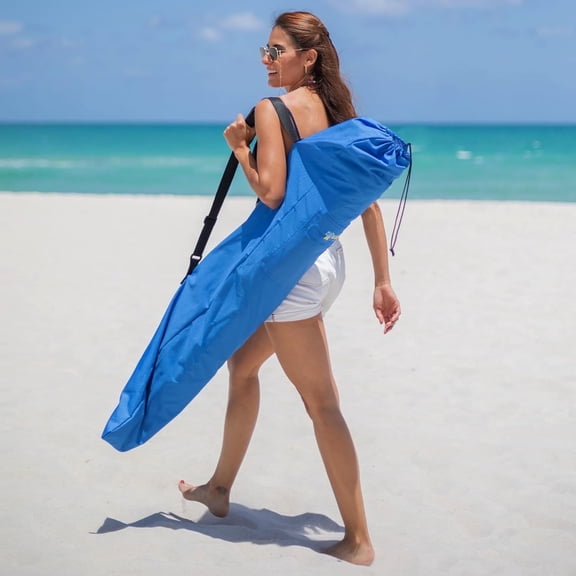
If you carry gear across parking lots or boardwalks, you should also check weight and packed length. You’ll appreciate a portable beach umbrella with a shoulder strap bag and a lightweight aluminum pole.
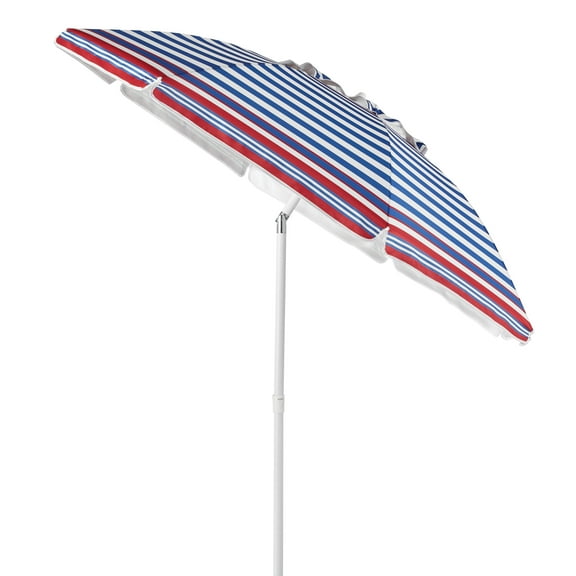
Tilt style matters when you want to follow the sun without moving your whole setup. You can look for push-button tilt for quicker angle changes, or manual adjustment for simple control.
Choosing a heavy duty beach umbrella for wind
Wind stability is often your first decision, especially when you spend time on open shorelines. You should compare a heavy duty beach umbrella design with fiberglass ribs, vented canopies, and thicker poles.
Fiberglass rib flexibility matters because you want the frame to bend with gusts instead of feeling stiff. You’ll also notice windproof vents help air pass through the canopy more smoothly.
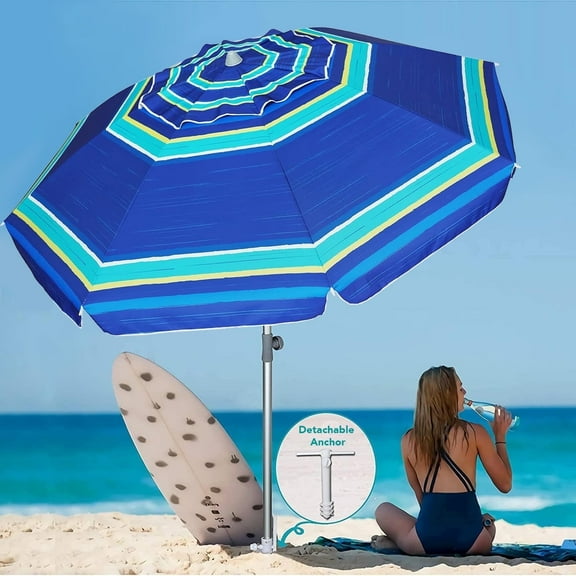
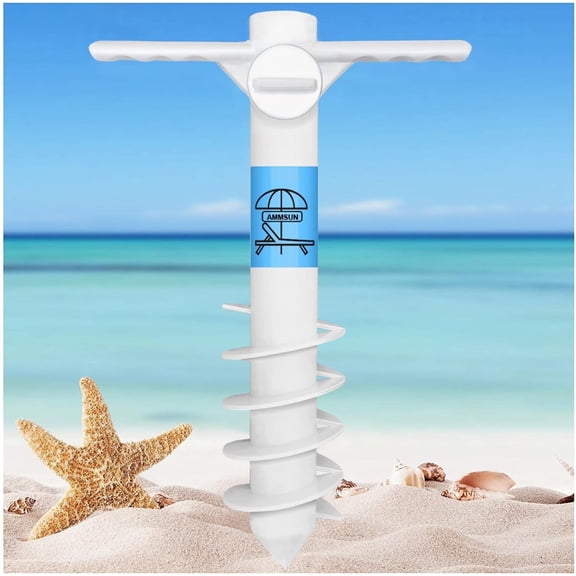
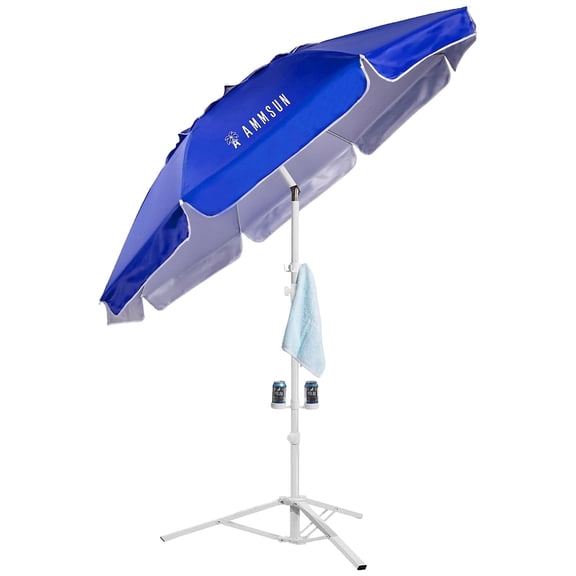
Anchor style affects how securely your shade stays planted in soft sand. You can compare a beach umbrella with sand anchor screw threads, metal tilt poles, or a standard pole design.
- You’ll get steadier placement with a built-in sand anchor that twists into loose sand.
- You can get easier sun tracking with a metal tilt feature that changes the canopy angle.
- You’ll get more airflow with windproof vents that help reduce canopy lift.
- You can look for fiberglass ribs when you want flexibility during breezy beach afternoons.
If you visit beaches with frequent gusts, you should focus on anchoring and rib construction before color or pattern. You’ll usually find those details make a bigger difference during longer daytime use.
What to look for in a beach umbrella with sand anchor
A beach umbrella with sand anchor gives you a more defined setup process, which helps when you want shade in place quickly. You should check whether the screw thread looks easy to grip and simple to twist.
Built-in sand anchor designs can suit you when you want fewer separate parts to manage. You may prefer that style if your hands are full with towels, chairs, and coolers.
Standard poles can still work for you, but you should compare how they pair with your chosen base or anchoring method. You’ll want a pole shape that feels easy to position in deeper sand.
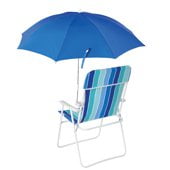
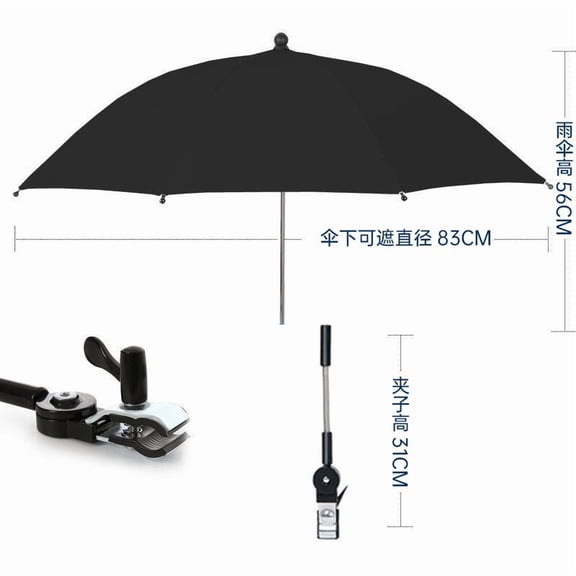
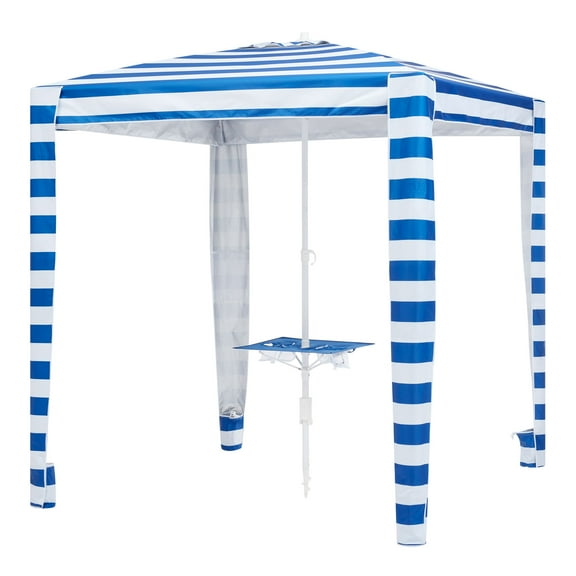
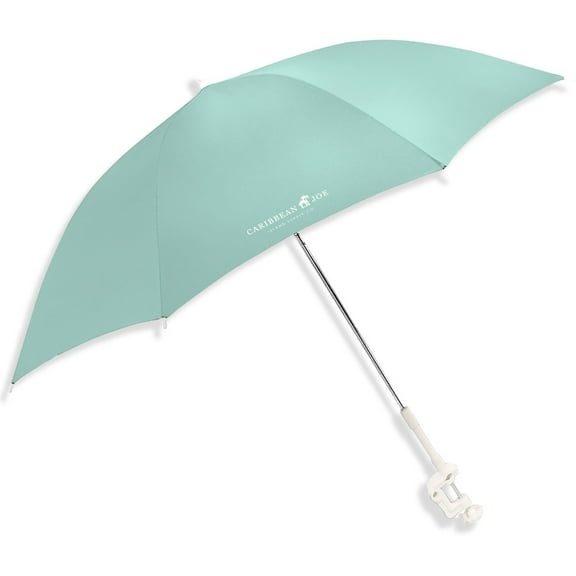
If you want flexible placement, you can also compare freestanding styles with chair attachment or clamp-on options. You might choose a clamp on beach umbrella when you want shade attached directly to your chair.
Comparing sun protection and canopy coverage
Sun coverage depends on both fabric rating and canopy size, so you should consider them together. You can look for UPF 50+ or a UV protection canopy when you want clearer coverage details.
A smaller canopy can suit you for reading, relaxing, or keeping one chair shaded for shorter visits. A large beach umbrella can give you more room when you bring extra seating, bags, or a cooler.
You should also compare canopy shape and edge coverage when you expect the sun angle to shift often. You’ll get more usable shade when the tilt feature works well with your canopy width.
If you stay from morning through late afternoon, you may want a portable beach umbrella that still offers broad coverage. You can balance carry weight with shade span by checking both size and pole material.
Matching features to real beach days
If you head out for quick solo trips, you may want a smaller canopy and a lighter carry bag. You’ll likely appreciate fast setup, easier transport, and simple tilt adjustment.
For family beach days, you should consider 8 ft or 9 ft options with broader shade coverage. You can pair that larger canopy with a built-in sand anchor and vented top for steadier use.
If your beach is breezy, you may want a windproof beach umbrella with fiberglass ribs and airflow vents. You should compare those features closely when open shoreline conditions are common.
Chair-side shade can work well when you watch games, read, or sit near the waterline for shorter periods. You might prefer a clamp on beach umbrella or chair attachment for compact convenience.
When you pack chairs, towels, and coolers, you should think about how every part carries together. You’ll benefit from a shoulder strap bag, lighter pole materials, and a canopy size that matches your group.
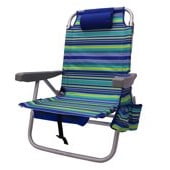
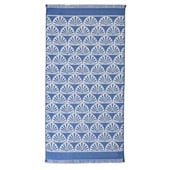
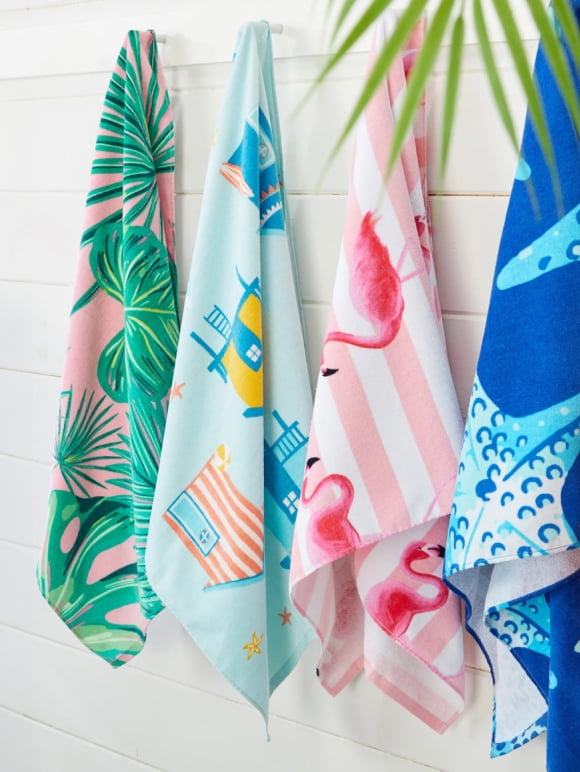
Related beach gear can also shape your umbrella choice during trip planning. You may want to pair your setup with beach chairs, beach towels, and coolers for a more organized day.
When you compare size, anchor type, wind features, and sun coverage, you can narrow beach umbrellas to the setup that fits your shoreline routine. You’ll feel more prepared with shade that plants securely, carries easily, and adjusts with the sun.