

Best Beach Canopy Tents & Sun Shelters for Outdoor Fun(1000+)
CROWN SHADES 10x10 Pop up Canopy Beach Tent with One Push Setup Instant Outdoor Canopy Tent for Events Blue $99.99 Was $144.89

CROWN SHADES 10x10 Pop up Canopy Beach Tent with One Push Setup Instant Outdoor Canopy Tent for Events Blue
DKMOCO 10x10FT Beach Tent Sun Shelter with Sideshade, UPF 50+ UV Protection Pop Up Beach Shade Canopy for Outdoor Camping Fishing Picnics with 8 Sandbags, 4 Stability Poles, Beach Mat, Sky Blue $89.99 Was $146.99

DKMOCO 10x10FT Beach Tent Sun Shelter with Sideshade, UPF 50+ UV Protection Pop Up Beach Shade Canopy for Outdoor Camping Fishing Picnics with 8 Sandbags, 4 Stability Poles, Beach Mat, Sky Blue
Yacona Beach Tent Sun Shelter, 10'x10' Outdoor Shade Canopy with Sandbags, Beach Umbrellas for Sand Picnics Backyard Camping, Blue $65.99 Was $99.99

Yacona Beach Tent Sun Shelter, 10'x10' Outdoor Shade Canopy with Sandbags, Beach Umbrellas for Sand Picnics Backyard Camping, Blue

Rhino Valley Beach Tent Sun Shelter, Canopy Tent Sun Shade UPF50+ Protection with 8 Sandbags 4 Stability Poles, Outdoor Shade Canopy for Camping, Fishing,Indigo $85.99
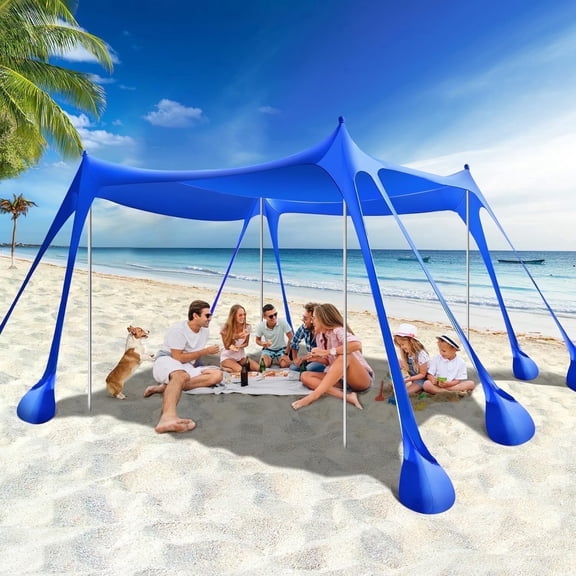
Rhino Valley Beach Tent Sun Shelter, Canopy Tent Sun Shade UPF50+ Protection with 8 Sandbags 4 Stability Poles, Outdoor Shade Canopy for Camping, Fishing,Indigo
Overall pick Ozark Trail Sun Shelter Tent, 8' x 6', UV Protectant Coating $37.88
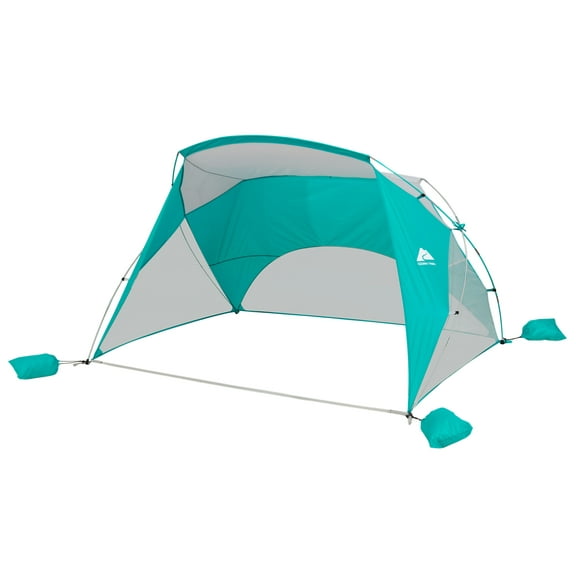
Ozark Trail Sun Shelter Tent, 8' x 6', UV Protectant Coating

Bigleap 6x6ft Beach Cabana with Side Wall, UPF 50+ Sun Shelter & Wind-Resistant Canopy, Portable Beach Tent with Carry Bag (Light Blue) $34.99


Bigleap 6x6ft Beach Cabana with Side Wall, UPF 50+ Sun Shelter & Wind-Resistant Canopy, Portable Beach Tent with Carry Bag (Light Blue)
Best seller 2-Pole Beach Canopy Tent UPF 50+ Sun Shade with Sandbags & Carry Bag Windproof, Portable 78x78 Fits 6-8 People for Camping, Backyard, Picnic & Outdoor Activities $26.98 Was $32.98

2-Pole Beach Canopy Tent UPF 50+ Sun Shade with Sandbags & Carry Bag Windproof, Portable 78x78 Fits 6-8 People for Camping, Backyard, Picnic & Outdoor Activities
In 100+ people's carts Ozark Trail 82" x 70" Pop Up Beach Shelter, with UPF50+ Protection, Blue $59.00

Ozark Trail 82" x 70" Pop Up Beach Shelter, with UPF50+ Protection, Blue
Flash Deal Pop Up Beach Tent UPF 50+ Sun Shelter for 2-3 Person Automatic Portable Beach Shade Tent Outdoor Cabana Sun Umbrella,Blue $21.99 Was $25.98


Pop Up Beach Tent UPF 50+ Sun Shelter for 2-3 Person Automatic Portable Beach Shade Tent Outdoor Cabana Sun Umbrella,Blue
Yoloke Beach Tent Sun Shelter,Camping Canopy Sun Shade with Transparent Window, Water Proof Rainproof Shade Cloth Portable Beach Umbrella Sun Shade for Beach Camping $18.99
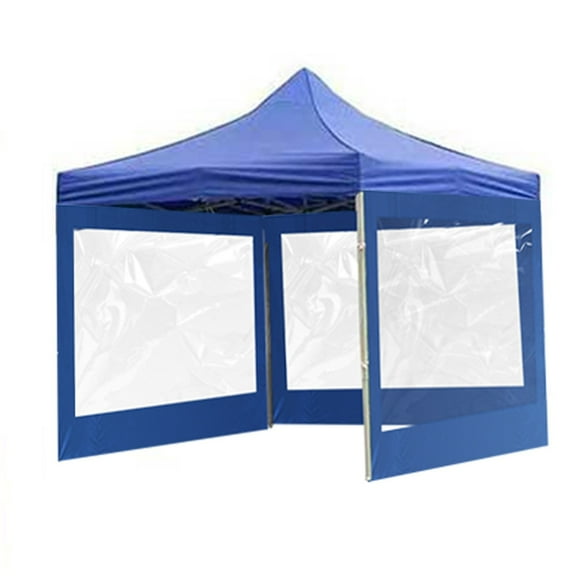
Yoloke Beach Tent Sun Shelter,Camping Canopy Sun Shade with Transparent Window, Water Proof Rainproof Shade Cloth Portable Beach Umbrella Sun Shade for Beach Camping
PNKKODW Beach Tent Sun Shelter UPF 50+UV Protection, 10x10FT Pop Up Shade Beach Canopy with 8 Sandbags, 4 Stability Poles, Beach Mat, Sideshade, Outdoor Sun Shade for Camp Backyard Picnics, Sky Blue $85.49 Was $145.99

PNKKODW Beach Tent Sun Shelter UPF 50+UV Protection, 10x10FT Pop Up Shade Beach Canopy with 8 Sandbags, 4 Stability Poles, Beach Mat, Sideshade, Outdoor Sun Shade for Camp Backyard Picnics, Sky Blue
Flash Deal New Beach Shade with Quiet Canopy, The Beach Shade Canopy,Beach Canopy - Covers Up to 8 People, 200 Sq. Ft. of Shade, Sets Up in 3 Minutes, Lightweight, Compact, Wind Assist Included $49.99 Was $69.99
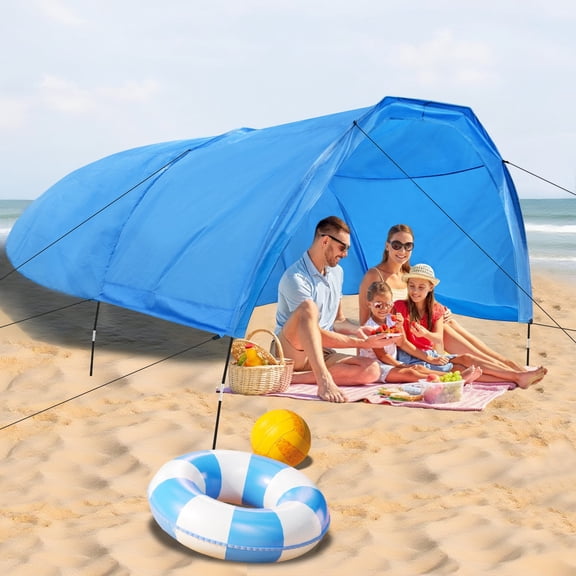
New Beach Shade with Quiet Canopy, The Beach Shade Canopy,Beach Canopy - Covers Up to 8 People, 200 Sq. Ft. of Shade, Sets Up in 3 Minutes, Lightweight, Compact, Wind Assist Included
Ozark Trail 6.8 ft. x 6.7 ft. Blue Quick-Set Portable Sun Shade Beach Tent, with UPF 50+ Protection $53.97

Ozark Trail 6.8 ft. x 6.7 ft. Blue Quick-Set Portable Sun Shade Beach Tent, with UPF 50+ Protection
Simenmax 6x6ft Beach Cabana, Large Beach Canopy with Side Wall, UPF 50+ Protection Easy Setup Beach Tent Sun Shelter, Portable Beach Tent for Whole Family, Light Blue $42.99 Was $71.98
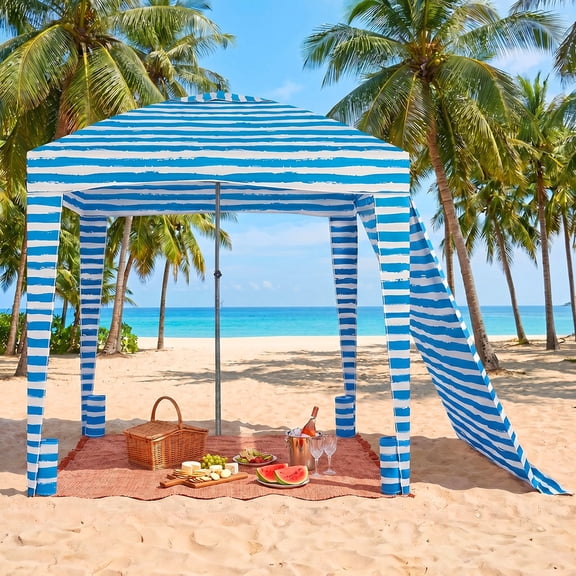


Simenmax 6x6ft Beach Cabana, Large Beach Canopy with Side Wall, UPF 50+ Protection Easy Setup Beach Tent Sun Shelter, Portable Beach Tent for Whole Family, Light Blue
2-Pole Beach Canopy Tent with UPF 50+ UV Protection, Sandbags & Accessories - Large Sun Shade for Camping, Fishing, Backyard & Picnic $29.99

2-Pole Beach Canopy Tent with UPF 50+ UV Protection, Sandbags & Accessories - Large Sun Shade for Camping, Fishing, Backyard & Picnic
In 50+ people's carts Tarmeek Pop-Up Beach Tent with UV Protection Sun Shade Shelter, Easy Setup Portable Outdoor Picnic Canopy for Family Camping, Travel, and Park Adventures $10.99 Was $19.99

Tarmeek Pop-Up Beach Tent with UV Protection Sun Shade Shelter, Easy Setup Portable Outdoor Picnic Canopy for Family Camping, Travel, and Park Adventures
Yacona Beach Tent Sun Shelter, 10'x10' Outdoor Shade Canopy with Sandbags, Beach Umbrellas for Sand Picnics Backyard Camping, Blue $65.99 Was $99.99
Yacona Beach Tent Sun Shelter, 10'x10' Outdoor Shade Canopy with Sandbags, Beach Umbrellas for Sand Picnics Backyard Camping, Blue
Best seller Aship Beach Tent, Spacious 4-5 Person Sun Shelter with Canopy, 360° Air Circulation UPF 50+ UV Protection Waterproof Portable Lightweight Tent for Beach $49.99


Aship Beach Tent, Spacious 4-5 Person Sun Shelter with Canopy, 360° Air Circulation UPF 50+ UV Protection Waterproof Portable Lightweight Tent for Beach
Rhino Valley Beach Tent Sun Shelter, Beach Canopy Tent Sun Shade UPF50+ Protection with 8 Sandbags 4 Stability Poles, Outdoor Beach Shade Canopy for Beach, Camping, Fishing $89.99


Rhino Valley Beach Tent Sun Shelter, Beach Canopy Tent Sun Shade UPF50+ Protection with 8 Sandbags 4 Stability Poles, Outdoor Beach Shade Canopy for Beach, Camping, Fishing
Best seller Beach Tent 10' x 10', Camping Sun Shelter UP50+ with 8 Sandbags, Sand Shovels, Ground Pegs & Stability Poles, Shade Beach Canopy for Camping Trips $81.59 Was $189.99
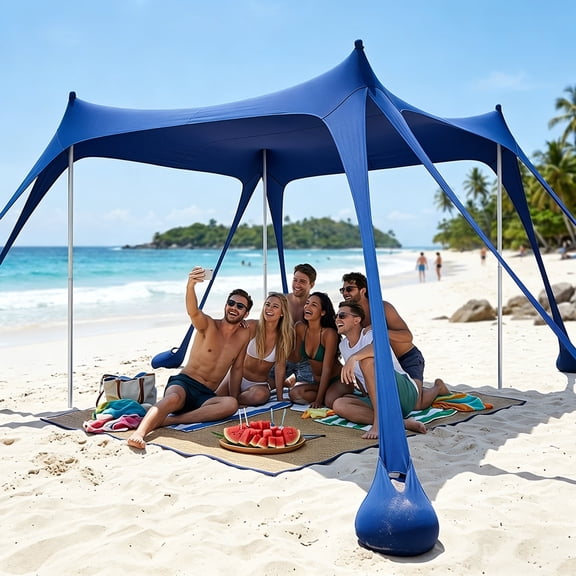
Beach Tent 10' x 10', Camping Sun Shelter UP50+ with 8 Sandbags, Sand Shovels, Ground Pegs & Stability Poles, Shade Beach Canopy for Camping Trips
Best seller Beach Tent 10' x 10', Camping Sun Shelter UP50+ with 8 Sandbags, Sand Shovels, Ground Pegs & Stability Poles, Shade Beach Canopy for Camping Trips $81.59 Was $189.99
Beach Tent 10' x 10', Camping Sun Shelter UP50+ with 8 Sandbags, Sand Shovels, Ground Pegs & Stability Poles, Shade Beach Canopy for Camping Trips
Osoeri 10x10ft 8-10 Person Beach Tent Canopy with 8 Sandbags, UPF50+ Sun Shade Portable Sun Shelter Tents, Easy Setup for Camping Trips, Fishing, Backyard Fun and Picnics $80.99 Was $169.99

Osoeri 10x10ft 8-10 Person Beach Tent Canopy with 8 Sandbags, UPF50+ Sun Shade Portable Sun Shelter Tents, Easy Setup for Camping Trips, Fishing, Backyard Fun and Picnics
Ozark Trail 9' x 6' Sun Shelter with UPF50+ Protection $48.97
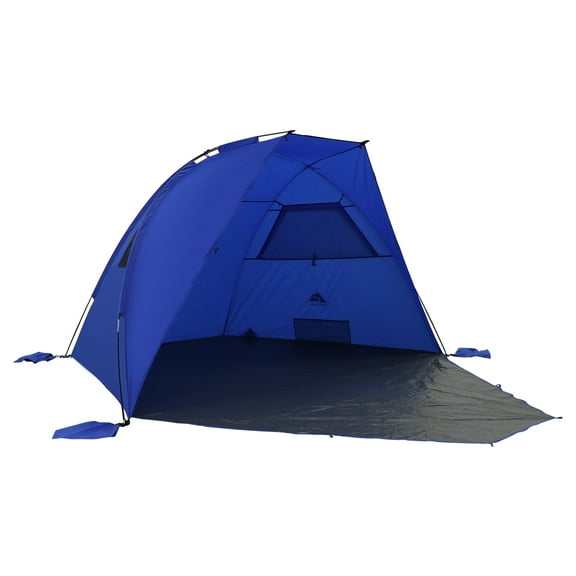
Ozark Trail 9' x 6' Sun Shelter with UPF50+ Protection
KFFKFF Beach Tent Sun Shelter for 3 People, UPF 50+ Sun Protection, Portable Canopy with Carry Bag & Ground Stakes, Lightweight and Simple Setup for Camping, Fishing, Outdoor Picnics $30.99

KFFKFF Beach Tent Sun Shelter for 3 People, UPF 50+ Sun Protection, Portable Canopy with Carry Bag & Ground Stakes, Lightweight and Simple Setup for Camping, Fishing, Outdoor Picnics
Gymax Wind Powered Beach Tent 100 Sq.ft up to 8 People Portable Sun Shelter Canopy Blue $72.19
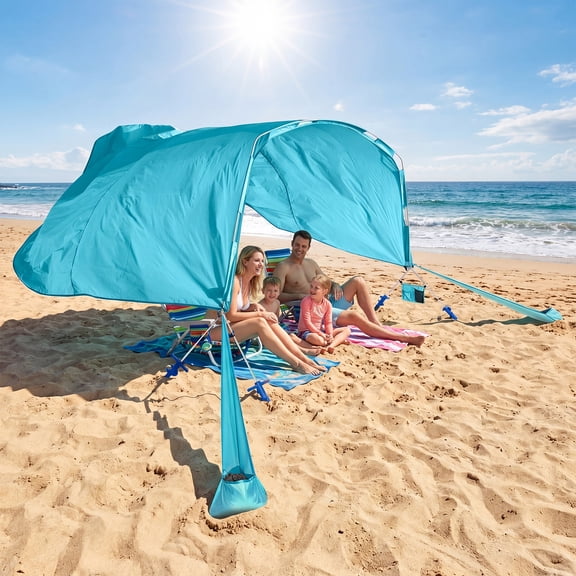


Gymax Wind Powered Beach Tent 100 Sq.ft up to 8 People Portable Sun Shelter Canopy Blue
Flash Deal New Beach Shade with Quiet Canopy, The Beach Shade CanopyBeach Canopy - Covers Up to 8 People, 200 Sq. Ft. of Shade, Sets Up in 3 Minutes, Lightweight, Compact, Wind Assist Included $49.99 Was $69.99
New Beach Shade with Quiet Canopy, The Beach Shade CanopyBeach Canopy - Covers Up to 8 People, 200 Sq. Ft. of Shade, Sets Up in 3 Minutes, Lightweight, Compact, Wind Assist Included
DKMOCO 10x10FT Beach Tent Sun Shelter with Sideshade, UPF 50+ UV Protection Pop Up Beach Shade Canopy for Outdoor Camping Fishing Picnics with 8 Sandbags, 4 Stability Poles, Beach Mat, Sky Blue $89.99 Was $146.99


DKMOCO 10x10FT Beach Tent Sun Shelter with Sideshade, UPF 50+ UV Protection Pop Up Beach Shade Canopy for Outdoor Camping Fishing Picnics with 8 Sandbags, 4 Stability Poles, Beach Mat, Sky Blue
Venustas UPF 50+ Beach Tent, Easy Setup Sun Shelter for 3/4/6/8 People, Windproof Outdoor Canopy Shade with Portable Carry Bag $33.98 Was $49.99


Venustas UPF 50+ Beach Tent, Easy Setup Sun Shelter for 3/4/6/8 People, Windproof Outdoor Canopy Shade with Portable Carry Bag
Best seller Gorich Beach Tent for 3/4/6/8 Person, UPF 50+ UV Protection, Portable Sun Shelter, Easy Setup Sun Shade Beach Canopy with Carry Bag $33.95 Was $59.99
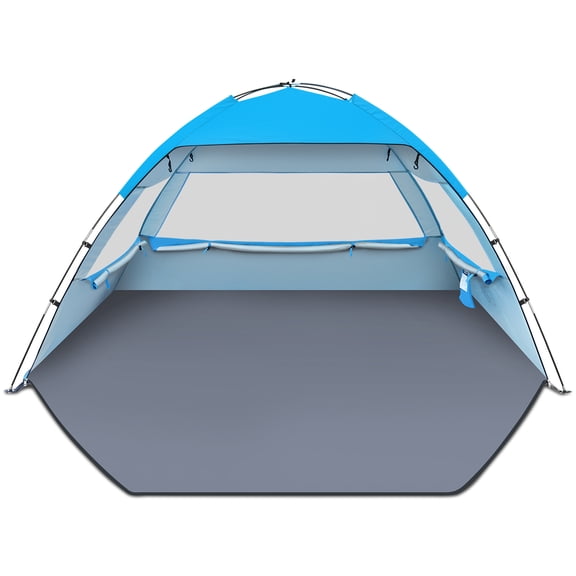


Gorich Beach Tent for 3/4/6/8 Person, UPF 50+ UV Protection, Portable Sun Shelter, Easy Setup Sun Shade Beach Canopy with Carry Bag
Dozzle UPF 50+ Full Protection, 6x6ft Large Beach Tent, Spacious Canopy for Whole Family, Removable Side Curtain, Instant Setup Sun Shelter, Collapsible Cabana, Dark Blue $39.99


Dozzle UPF 50+ Full Protection, 6x6ft Large Beach Tent, Spacious Canopy for Whole Family, Removable Side Curtain, Instant Setup Sun Shelter, Collapsible Cabana, Dark Blue
VEVOR Beach Tent Sun Shelter for 2 Person, UPF 50+ Protection, Portable Sun Shade Canopy with Carrying Bag & Sand Pockets, Lightweight and Easy Setup Beach Umbrella for Camping Fishing Outdoor Picnic $31.90
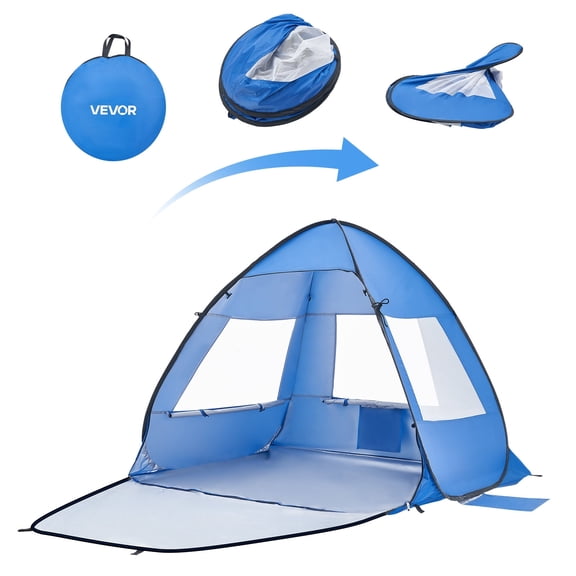
VEVOR Beach Tent Sun Shelter for 2 Person, UPF 50+ Protection, Portable Sun Shade Canopy with Carrying Bag & Sand Pockets, Lightweight and Easy Setup Beach Umbrella for Camping Fishing Outdoor Picnic
VEVOR Beach Tent Sun Shelter for 3 Person, UPF 50+ Protection,Portable Sun Shade Canopy with Carrying Bag & Ground Stakes, Lightweight and Easy Setup Beach Umbrella for Camping Fishing Outdoor Picnic $38.90
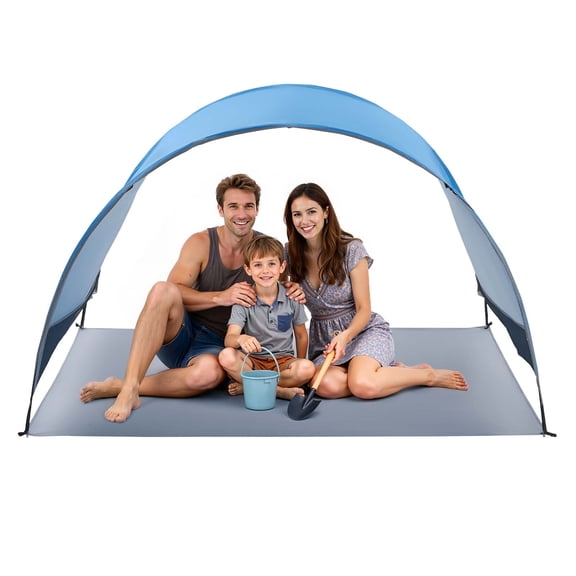
VEVOR Beach Tent Sun Shelter for 3 Person, UPF 50+ Protection,Portable Sun Shade Canopy with Carrying Bag & Ground Stakes, Lightweight and Easy Setup Beach Umbrella for Camping Fishing Outdoor Picnic
PNKKODW Beach Tent Sun Shelter UPF 50+UV Protection, 10x10FT Pop Up Shade Beach Canopy with 8 Sandbags, 4 Stability Poles, Beach Mat, Sideshade, Outdoor Sun Shade for Camp Backyard Picnics, Sky Blue $85.49 Was $145.99


PNKKODW Beach Tent Sun Shelter UPF 50+UV Protection, 10x10FT Pop Up Shade Beach Canopy with 8 Sandbags, 4 Stability Poles, Beach Mat, Sideshade, Outdoor Sun Shade for Camp Backyard Picnics, Sky Blue
Beach Tent Canopy 10'x10' Beach Tents Sun Shelter 6-8 Person Beach Canopy Tent Sun Shade Easy Setup Pop Up Beach Shade Canopy Portable Beach Tent UPF 50+ Waterproof, Blue $69.99

Beach Tent Canopy 10'x10' Beach Tents Sun Shelter 6-8 Person Beach Canopy Tent Sun Shade Easy Setup Pop Up Beach Shade Canopy Portable Beach Tent UPF 50+ Waterproof, Blue
Beach Tent Canopy 6.9'x6.6' Sun Shelter for 4-5 Person Beach Canopy Tent Sun Shade Easy Setup Beach Shade Canopy Portable Beach Tent UPF 50+ Waterproof $41.99 Was $80.00

Beach Tent Canopy 6.9'x6.6' Sun Shelter for 4-5 Person Beach Canopy Tent Sun Shade Easy Setup Beach Shade Canopy Portable Beach Tent UPF 50+ Waterproof
UNP Easy Beach Tent 12 X 12ft Pop Up Canopy UPF50+ Tent with Side Wall, Ground Pegs, and Stability Poles, Sun Shelter Rainproof, Waterproof for Camping Trips, Backyard Fun, Party Or Picnics (Gray) $129.98
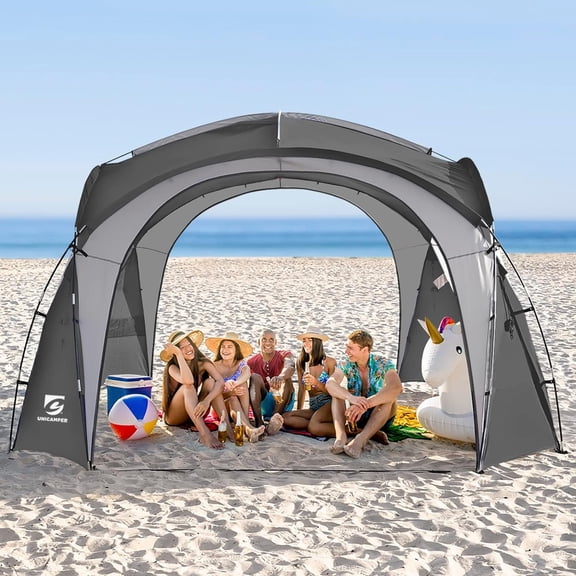


UNP Easy Beach Tent 12 X 12ft Pop Up Canopy UPF50+ Tent with Side Wall, Ground Pegs, and Stability Poles, Sun Shelter Rainproof, Waterproof for Camping Trips, Backyard Fun, Party Or Picnics (Gray)
Beach Tent Sun Shelter UPF50+ - Easy Pop Up Beach Canopy - Outdoor Shade for Camping Trips, Fishing, Backyard Fun Picnics - Sand Shovel, Ground Pegs & Stability Poles, Sky Blue $79.99


Beach Tent Sun Shelter UPF50+ - Easy Pop Up Beach Canopy - Outdoor Shade for Camping Trips, Fishing, Backyard Fun Picnics - Sand Shovel, Ground Pegs & Stability Poles, Sky Blue
SUN NINJA 10x10 FT Pop-Up Beach Tent with Sand Shovel, Pegs & Stability Poles – Navy Blue Sun Shelter for Beach, Camping & Outdoor Activities $169.95


SUN NINJA 10x10 FT Pop-Up Beach Tent with Sand Shovel, Pegs & Stability Poles – Navy Blue Sun Shelter for Beach, Camping & Outdoor Activities
Beach Canopy Beach Tent Pop Up Shade 7X7 FT Portable Sun Shelter Extra Windproof Rope Stable Sun Protection with Carry Bag Easy Set Up for Family Outdoor Camping Fishing Backyard Picnics $30.99
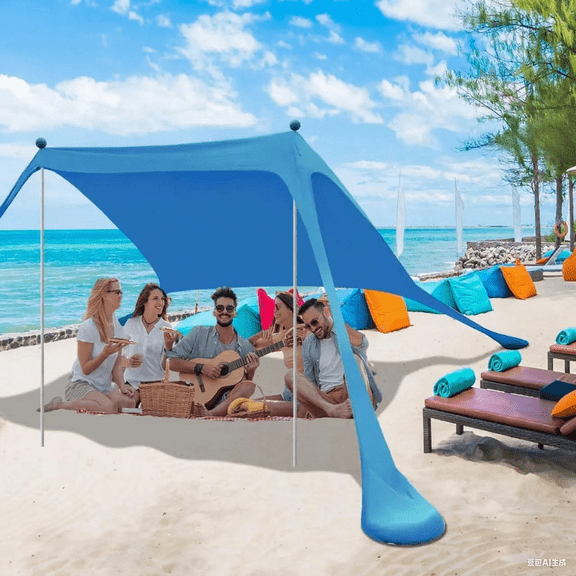
Beach Canopy Beach Tent Pop Up Shade 7X7 FT Portable Sun Shelter Extra Windproof Rope Stable Sun Protection with Carry Bag Easy Set Up for Family Outdoor Camping Fishing Backyard Picnics
KOYPTL Tiny Land Beach Tent Pop Up Tent with UV Protection Sun Shade Shelter Easy Setup Portable Outdoor Picnic Canopy for Family Camping Travel and Park Adventures $12.77 Was $21.77

KOYPTL Tiny Land Beach Tent Pop Up Tent with UV Protection Sun Shade Shelter Easy Setup Portable Outdoor Picnic Canopy for Family Camping Travel and Park Adventures
Osoeri 10x10ft 8-10 Person Beach Tent Canopy with 8 Sandbags, UPF50+ Sun Shade Portable Sun Shelter Tents, Easy Setup for Camping Trips, Fishing, Backyard Fun and Picnics $80.99 Was $169.99
Osoeri 10x10ft 8-10 Person Beach Tent Canopy with 8 Sandbags, UPF50+ Sun Shade Portable Sun Shelter Tents, Easy Setup for Camping Trips, Fishing, Backyard Fun and Picnics
Rollback Pop Up Beach Tent- Instant Sun Shelter & Shade with UV Protection Water & Wind Resistant Easy Set Up & Carry Bag by Wakeman Outdoors (Turquoise) $29.37 Was $40.99
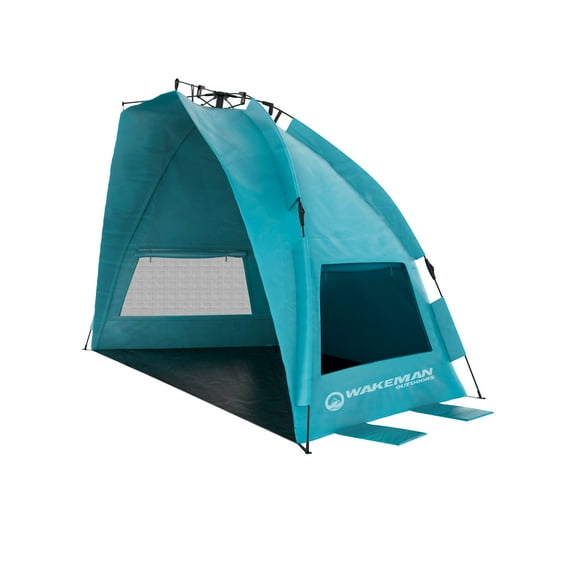
Pop Up Beach Tent- Instant Sun Shelter & Shade with UV Protection Water & Wind Resistant Easy Set Up & Carry Bag by Wakeman Outdoors (Turquoise)
Beach Tent Shelter with UPF50+ Protection,Includes 2 Poles & Storage Bag, Outdoor Pop up Shade Canopy for Camping, Fishing, Backyard Fun $31.04
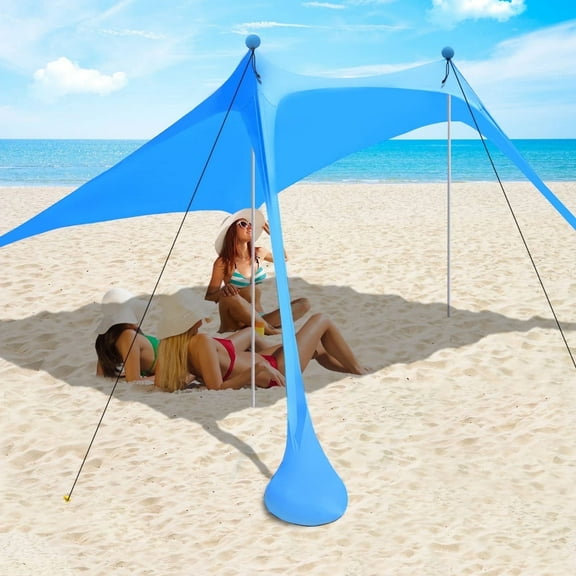
Beach Tent Shelter with UPF50+ Protection,Includes 2 Poles & Storage Bag, Outdoor Pop up Shade Canopy for Camping, Fishing, Backyard Fun
Beach Tent AwningBeach Awning UPF 50+ UV Protection with 8 Windbreak Ropes and 12 Ground Stakes for Beach $32.99
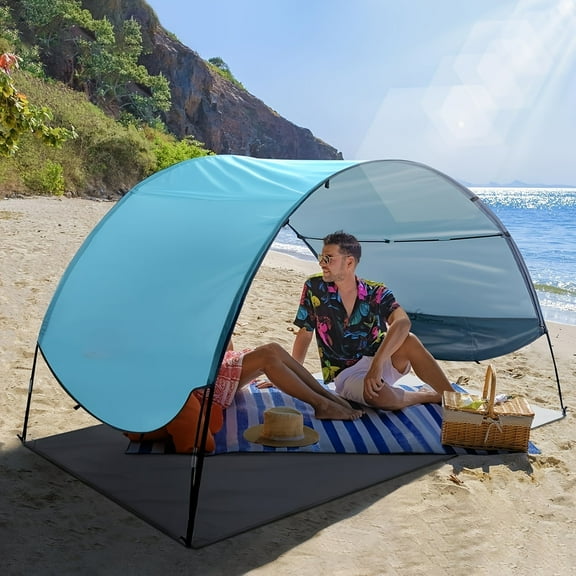
Beach Tent AwningBeach Awning UPF 50+ UV Protection with 8 Windbreak Ropes and 12 Ground Stakes for Beach
Pop Up Beach Tent Instant Sun Shelter Portable Outdoor Canopy for Sun Protection Lightweight Easy Setup for Beach Park Camping Travel 78.7*47.2*39.4 Inches $31.66 Was $39.03


Pop Up Beach Tent Instant Sun Shelter Portable Outdoor Canopy for Sun Protection Lightweight Easy Setup for Beach Park Camping Travel 78.7*47.2*39.4 Inches
Easierhike 10'x10' Beach Tent Sun Shelter, UPF 50+ Windproof Beach Canopy for 8-10 People, Portable with Carry Bag, Easy Setup for Outdoor, Royal Blue $87.99 Was $159.99
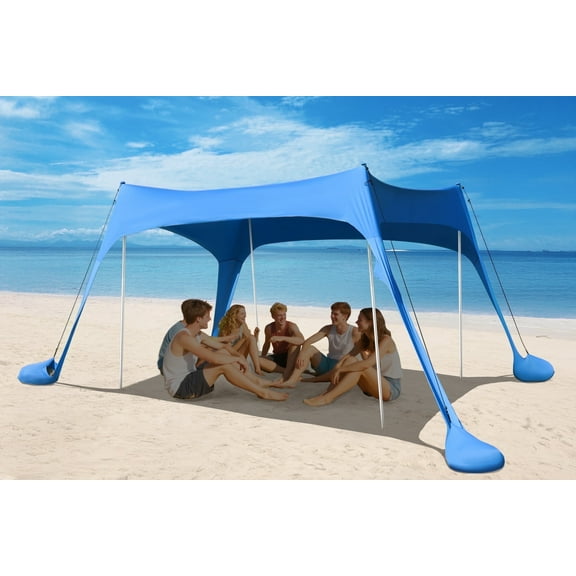


Easierhike 10'x10' Beach Tent Sun Shelter, UPF 50+ Windproof Beach Canopy for 8-10 People, Portable with Carry Bag, Easy Setup for Outdoor, Royal Blue
Pop Up Beach Tent, Baby Beach Tent with Mini Pool, Portable Pop Up Baby Beach Tent, UV Protection, Sun Shelter for Toddlers, Picnic, Garden, Beach Shelter $27.99 Was $32.99
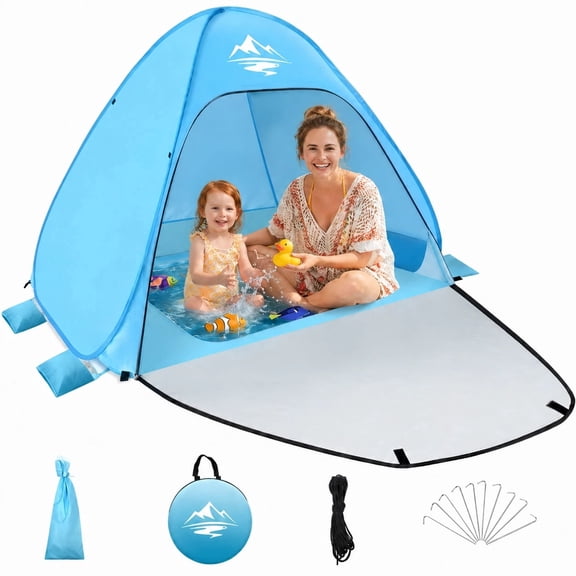
Pop Up Beach Tent, Baby Beach Tent with Mini Pool, Portable Pop Up Baby Beach Tent, UV Protection, Sun Shelter for Toddlers, Picnic, Garden, Beach Shelter
Ready Covers Pop Up Beach Sunshade 10x10' Complete with 4 Poles & Shovel (White) $40.99
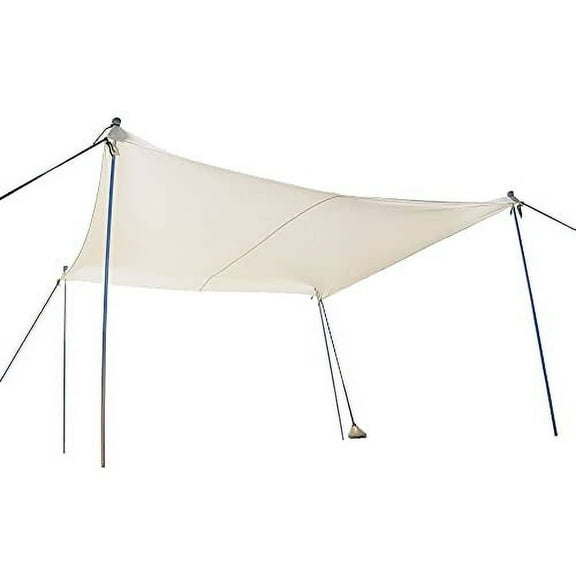
Ready Covers Pop Up Beach Sunshade 10x10' Complete with 4 Poles & Shovel (White)
Biotree UPF50 Plus Sun Protection Beach Umbrella Tent with Portable Carrying Bag Pop Up Beach Shade for Outdoor, Blue $47.99 Was $94.99
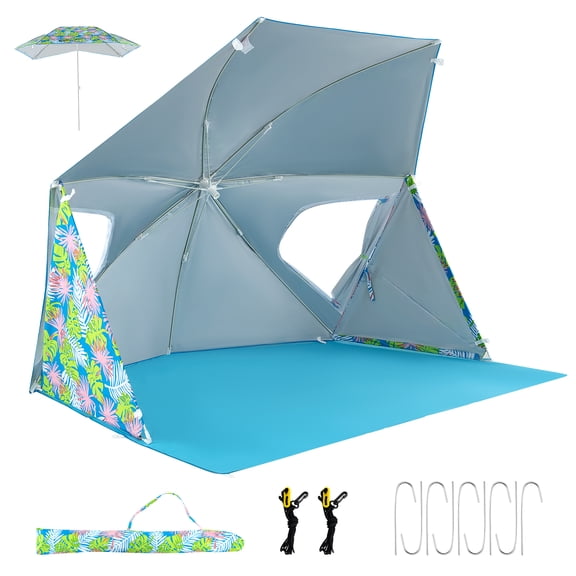
Biotree UPF50 Plus Sun Protection Beach Umbrella Tent with Portable Carrying Bag Pop Up Beach Shade for Outdoor, Blue
About Best Beach Canopy Tents & Sun Shelters for Outdoor Fun - Walmart.com
Enjoy an effortless outdoor experience this 4th of July and beyond with a beach canopy that delivers dependable shade for every adventure. Whether you’re planning a casual day at the seaside, gathering for backyard festivities, or hosting events in the park, finding the right beach tent or sun shelter helps you savor summer moments comfortably and confidently.
- Quick Discovery: Browse a wide range of beach canopies designed to simplify your search for reliable outdoor shade—tailored for family gatherings, group outings, or solo getaways.
- Easy Comparison: Evaluate features like pop-up assembly, lightweight portability, and size options to match your group and gear needs, making it easier to choose a tent that suits your space.
- Purchase Confidence: Feel secure thanks to thoughtful anchoring solutions such as sandbags and stability poles, which help your canopy stay steady, even in changing wind conditions.
- Practical Usage Value: Benefit from UPF 50+ protection and user-friendly designs, supporting safety, comfort, and longer enjoyment during sun-filled events or relaxed afternoons.
- Effortless Storage & Care: Most models offer convenient carry bags and easy maintenance, so packing up and storing your canopy is just as stress-free as setting it up.
Shop beach tents and canopies at Walmart to find flexible solutions that bring lasting comfort and dependable sun protection to every outdoor celebration. Get ready to make memories that last all summer!
Popular in Best Beach Canopy Tents & Sun Shelters for Outdoor Fun - Walmart.com
FAQ
How do I pick the right beach canopy size?
Choosing the right beach canopy size depends on how many people and how much gear you plan to bring. Smaller canopies (around 6x6 or 8x8 feet) suit just a couple of folks, while larger tents (like 10x10 feet and up) are great for families or groups. Think about headroom if you have tall chairs and consider edge coverage for shade throughout the day.
- Measure your towels, coolers, and chairs before shopping.
- Consider if you'll stay put or move spots during your outing.
What’s the fastest way to set up a canopy?
If you want quick setup, look for pop-up or instant canopies. These usually pull open and lock in place with minimal effort, making them easy to manage for both beginners and frequent beachgoers.
- One-push or quick-release models save time and stress.
- Make sure anchors, stakes, or sandbags are included for stability.
- Practice setting up at home to smooth out any confusion before your trip.
How can I keep my canopy from blowing away?
To keep your beach canopy stable, especially on windy days, use sandbags, stakes, or sand anchors. Fill all sandbags fully and position them at the corners or legs of your canopy.
- Check for wind ratings in product descriptions.
- Spread anchor points to help with changing wind directions.
- Use any extra hardware provided for extra security.
Are beach canopies easy to transport in a car?
Most beach canopies are designed with portability in mind. Compact, lightweight models often come with carry bags or straps, making them easy to fit in trunks or back seats.
- Compare the packed weight and folded size before traveling.
- Wheeled cases can help with longer walks from parking to the beach.
How do I care for my canopy after using it?
After enjoying your beach canopy, shake out any sand or debris before packing up.
- Let the fabric dry all the way to help prevent mildew.
- Clean spots with mild soap and water; avoid harsh cleaners or scrubbing.
- Check anchors, sandbags, and poles for signs of wear or damage.