

Basketball in Sports






























About Basketball in Sports - Walmart.com
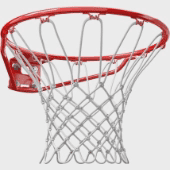
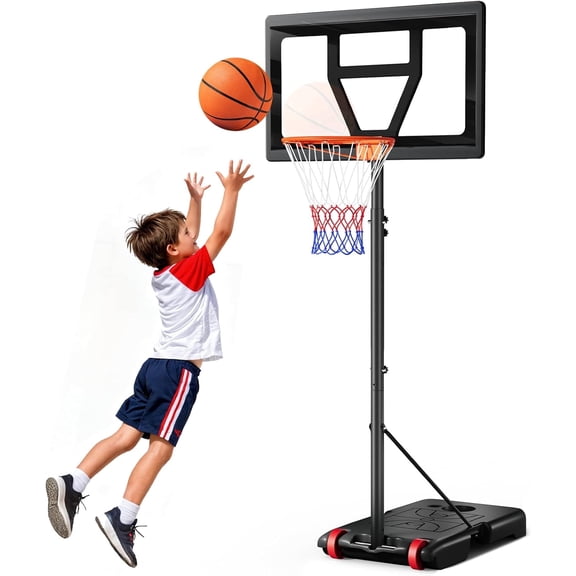
Basketball hoops help you turn your driveway, garage, or backyard into a ready-to-play court. You can compare mounting types, backboard materials, height ranges, and sizes to match your space.
How to choose basketball hoops for your home
When you compare basketball hoops, you should start with where you install the system. Your available space and your setup plans shape which style makes sense.
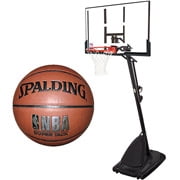
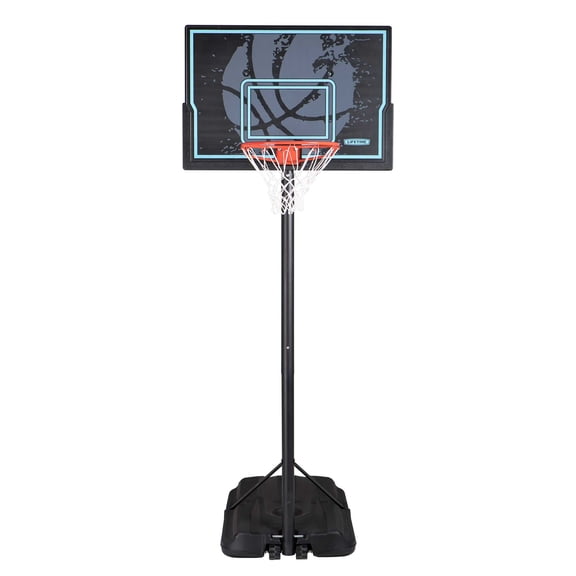
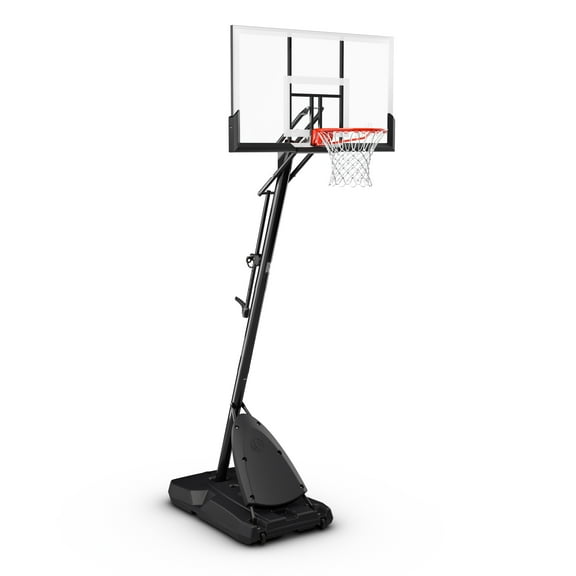
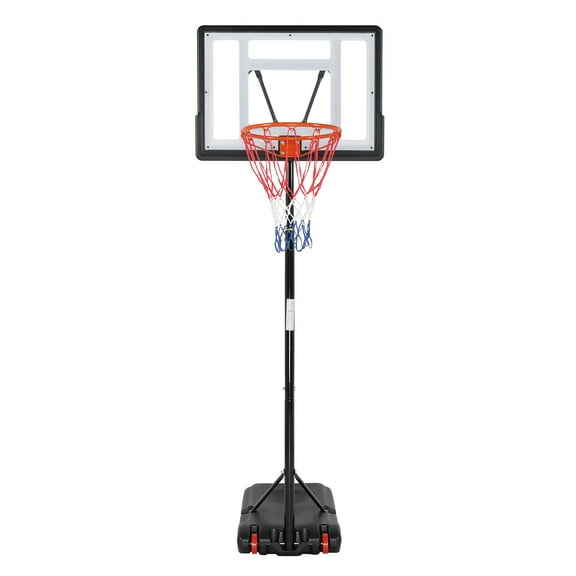
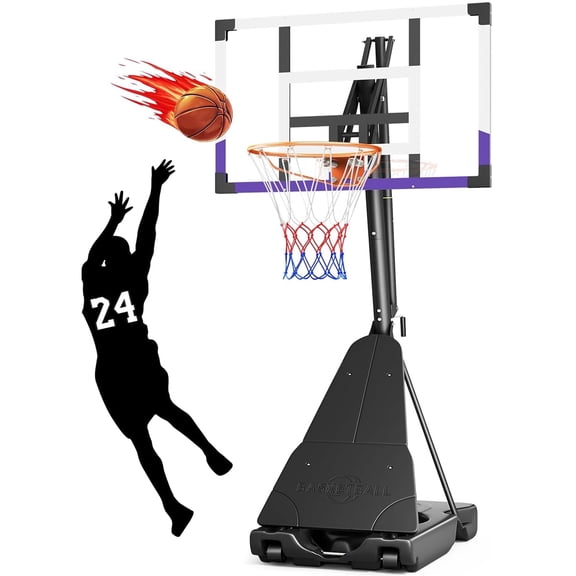
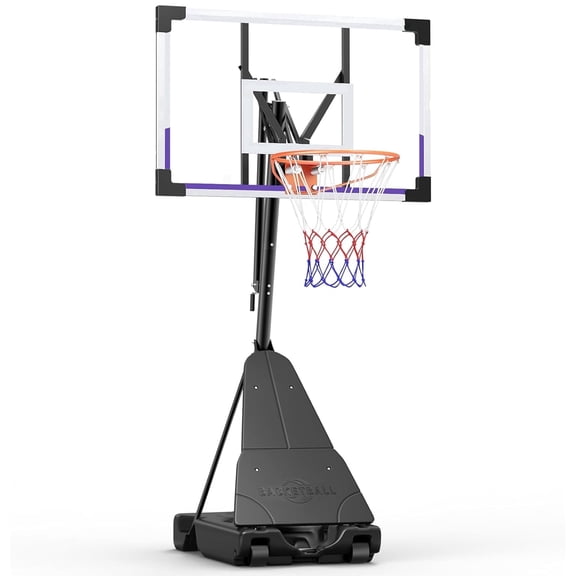
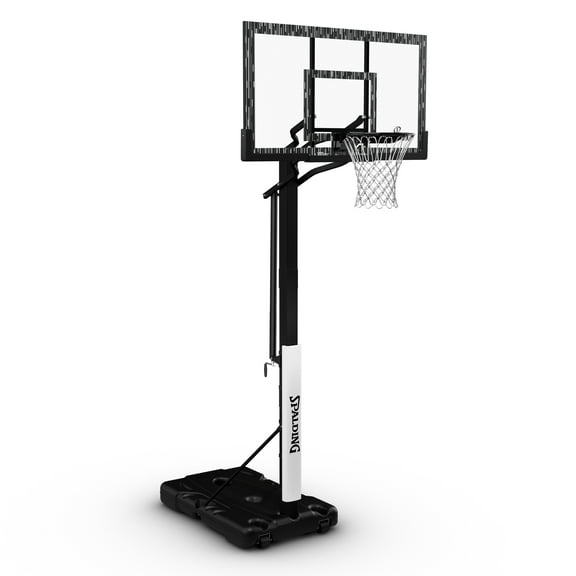
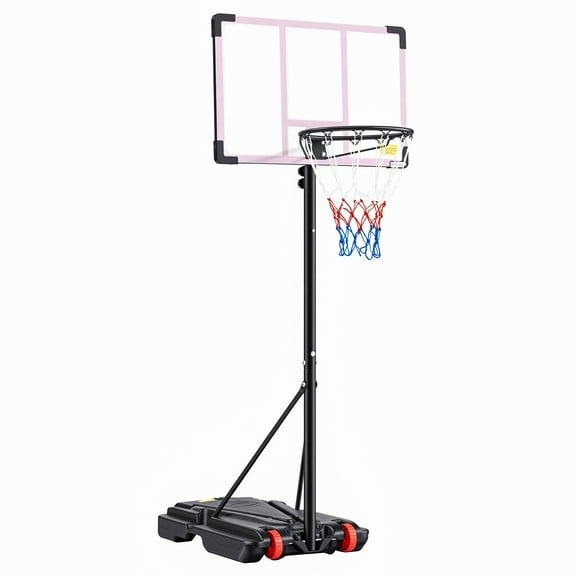
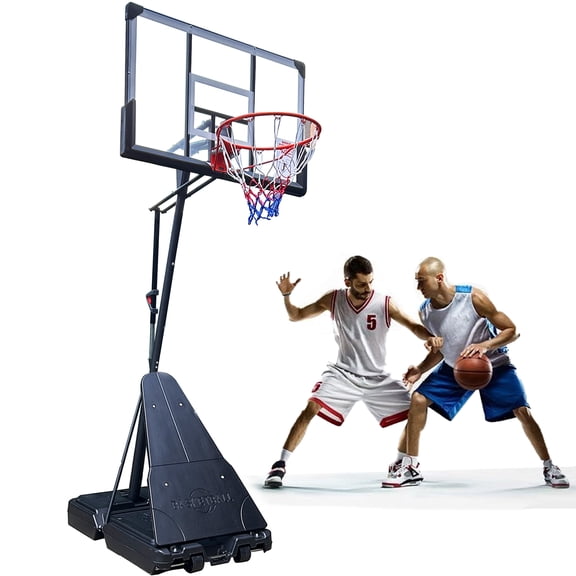
If you want flexibility, portable basketball hoops let you move the base when you need open driveway space. If you want a permanent setup, in ground basketball hoops give your court a fixed feel.
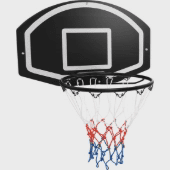
You may also prefer a wall mounted basketball hoop when your space is tight. Your garage wall or outbuilding can support practice without using floor space for a base.
- You can choose portable systems when your driveway serves both parking and play.
- You can choose in-ground systems when you want a permanent home court setup.
- You can choose wall-mount options when your playing area has limited floor space.
- You can compare adjustable ranges when players of different ages share the hoop.
- You can match backboard size to your driveway width and play style.
Choosing between portable basketball hoops and in ground basketball hoops
Portable basketball hoops work well when you want straightforward setup and more placement options. You can position the base at the edge of your driveway, then move it as needed.
You usually fill the base with water or sand, which helps keep the system in place. You should consider this style if your household needs flexibility for cars, gatherings, or storage.
In ground basketball hoops fit players who want a dedicated court feel at home. You get a pole that installs into concrete, which creates a stable setup for repeated play.
If you plan to practice bank shots and quick changes of direction, you'll appreciate that steady installation. You should measure your space first, because permanent placement matters more with this style.
What to look for in backboard material
Your backboard material changes how the hoop feels during practice and pickup games. You should compare rebound response, appearance, and everyday durability before you choose.
Polycarbonate works well when you want a tough surface for active family use. You may choose it if your hoop sees frequent play and outdoor exposure.
Acrylic gives you a clear look and a responsive feel compared to basic entry materials. You should consider acrylic when you want a step up for shooting drills and casual games.
Tempered glass basketball hoop styles offer the rebound feel many players prefer for consistent practice. You may look for tempered glass if your home court focuses on serious shooting sessions.
Choosing adjustable height and the right backboard size
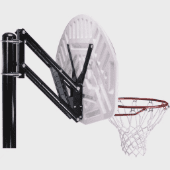
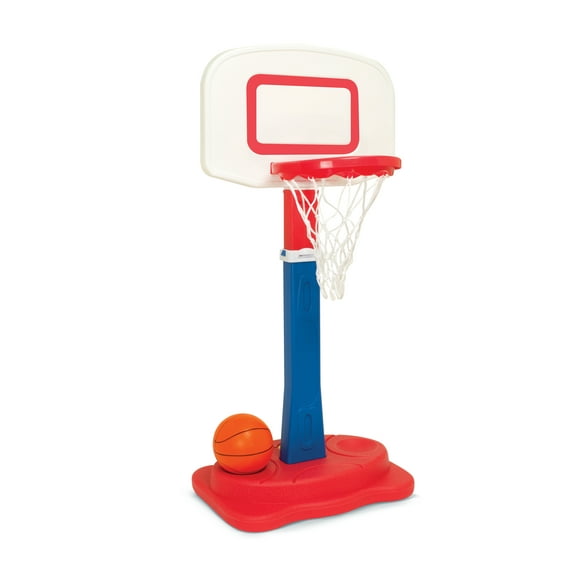
Height range is a major decision if your household includes younger players and teens. You can choose an adjustable basketball goal when you want the system to grow with your family.
Many systems adjust from 7.5 to 10 feet, which gives you room for different ages and skill levels. You should check the adjustment method so you can raise or lower the rim easily.
A fixed-height hoop can suit players who want a set regulation target. Older kids or adults mostly use your court if you prefer that option.
Backboard size also shapes how the hoop fits your driveway and how the game feels. You should compare 44 inch, 50 inch, 54 inch, and 60 inch options before deciding.
If your playing area is compact, 44 inch and 50 inch boards can fit more comfortably. If your driveway is wider, 54 inch and 60 inch boards give you a broader bank shot area.
How basketball goals fit different play spaces
You can match basketball goals to the way your household actually plays each week. Your setup might focus on quick afternoon shooting, weekend games, or solo practice after school.
For shared driveways, portable systems with adjustable height can support younger players and easy repositioning. You get a practical setup when your family needs parking space between games.
For a dedicated backyard court, outdoor basketball goals with in-ground installation create a permanent practice area. You can build a reliable space for free throws, layups, and rebounding drills.
If your home has a side yard, detached garage, or multipurpose court, a wall mounted basketball hoop can help use vertical space. You keep more ground area open for movement and storage.
You should also think about who uses the hoop most often. Your younger players may need lower settings now, while your older players may want a full 10-foot rim later.
When you compare mounting style, material, height range, and board size together, your choice becomes clearer. You end up with a hoop that fits your driveway, your players, and your practice routine.
Basketball hoops become easier to choose when you focus on installation, rebound feel, and size. You can narrow your options with confidence and enjoy a setup that fits your home court goals.