


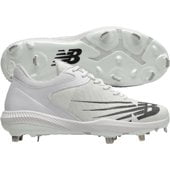
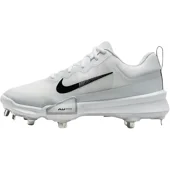
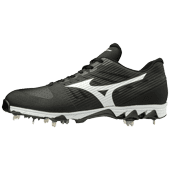
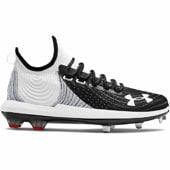
Baseball Cleats in Baseball Gear & Equipment


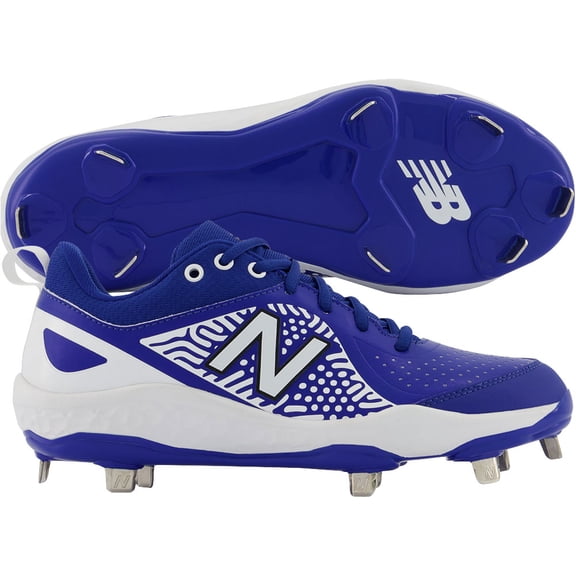


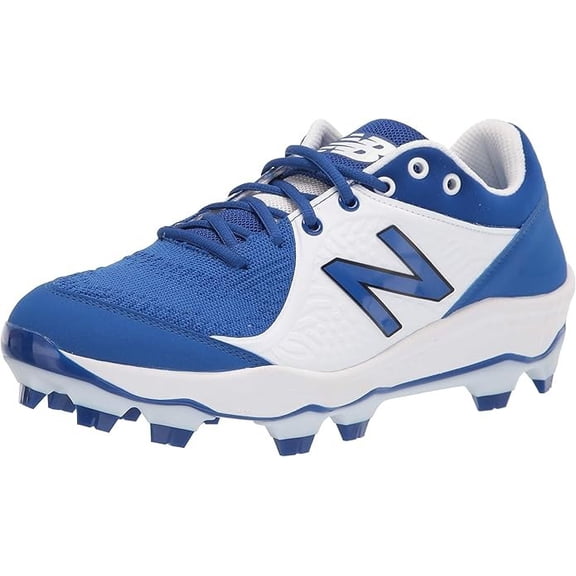


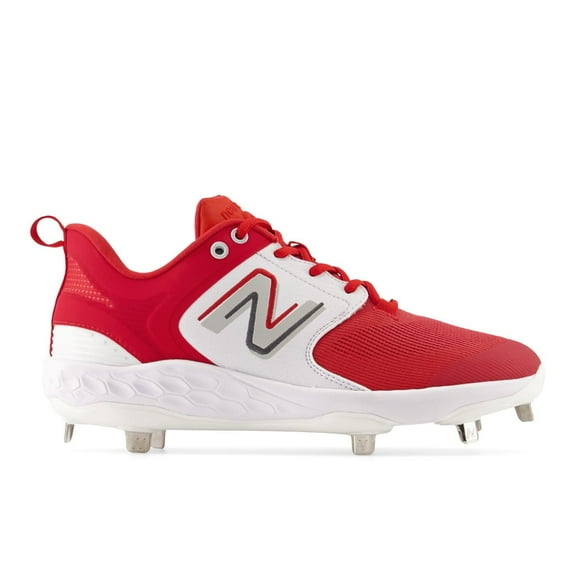


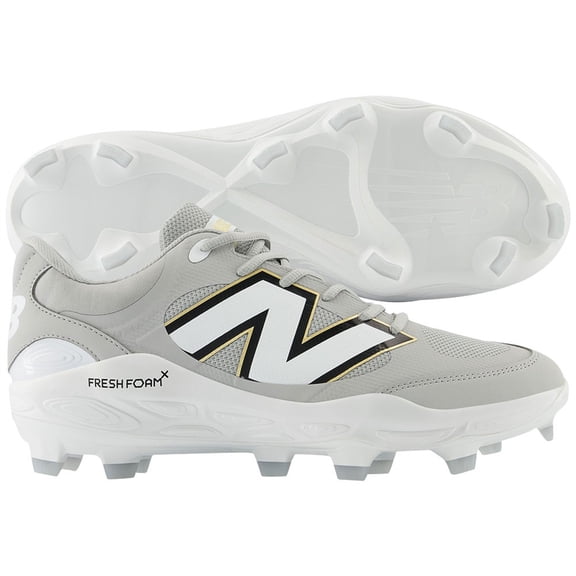








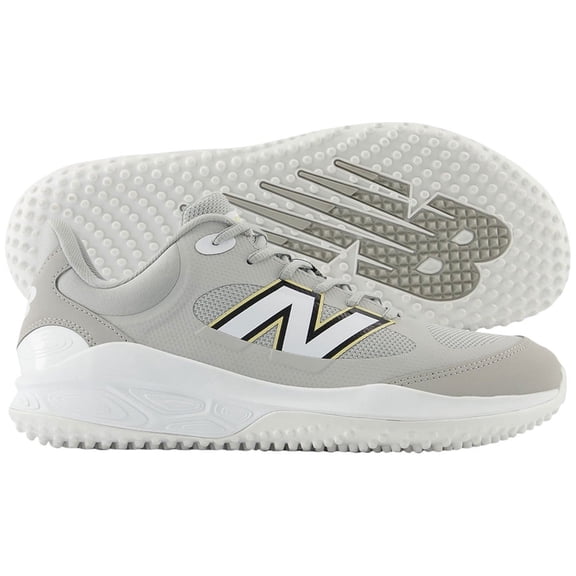


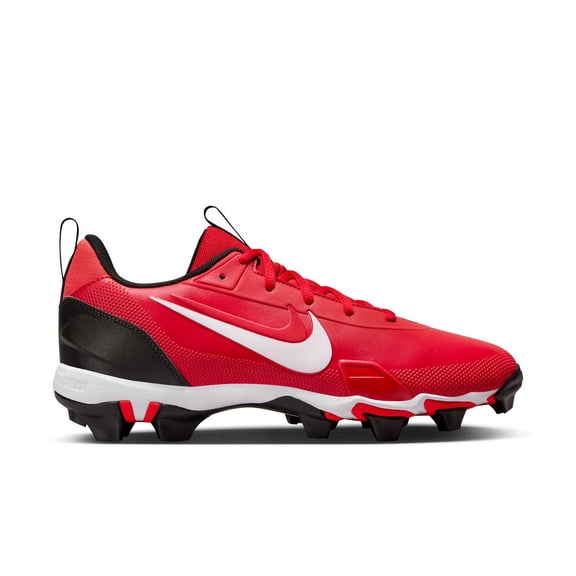


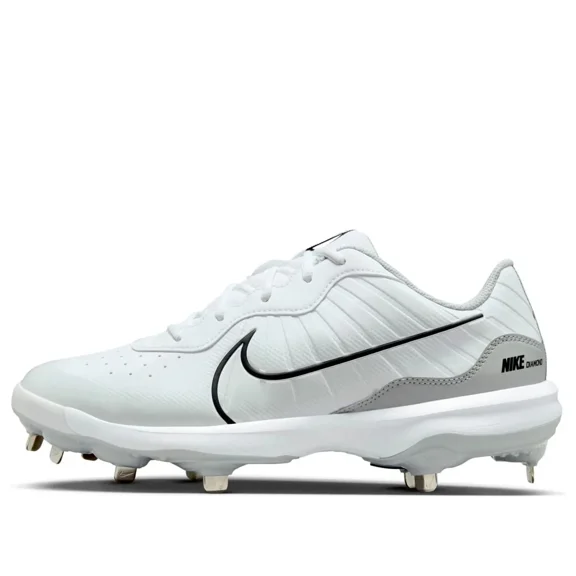


About Baseball Cleats in Baseball Gear & Equipment - Walmart.com
Football cleats help you cut, drive, and change direction with traction that matches your position and playing surface. You can compare youth football cleats, mens football cleats, and boys football cleats with guidance built for real game-day decisions.
How to choose football cleats by age and fit
You should start with age group and size range because fit changes how securely your foot feels during fast moves. You can narrow choices across youth, mens, boys, and girls sizes before you compare stud type or ankle height.
If you wear thick athletic socks, you may want to consider a half size up for a more comfortable game fit. You should also check width, heel hold, and toe room so your foot stays stable through sprints and cuts.
You can use this quick guide to focus on the details that matter most for football cleats. You’ll make comparisons faster when you match fit, field, and support needs first.
- You can choose youth football cleats when you need growing-room sizing and practice-ready traction.
- You can compare mens football cleats when you want adult sizing with position-focused support options.
- You can look at boys football cleats when you need secure fit, easy movement, and durable outsoles.
- You can check girls sizes in the same category when you want football-specific traction and fit guidance.
Choosing molded football cleats, detachable, or turf
You should compare cleat type by the surface you play on most often. You’ll usually want molded football cleats for general outdoor play and consistent traction on many natural grass fields.
If you play on wet grass, you may prefer detachable studs because you can adjust stud length for field conditions. You should check thread compatibility so replacement studs fit correctly and tighten securely.
You can choose turf football cleats when you practice or play on artificial turf and want many small rubber studs. You’ll notice that turf soles spread pressure more evenly and support quicker transitions on shorter fibers.
For indoor training, you should look for flat indoor soles or low-profile traction patterns made for court-style surfaces. You can avoid guesswork by matching the outsole design to the place you actually train.
Choosing ankle height for your position
You should compare ankle height based on how you move during each play. You may lean toward high top football cleats when you want extra coverage around the ankle area.
If you play on the line, you may appreciate that higher collars can feel more locked in during contact and blocking. You can often choose mid top styles when you want a balanced feel between coverage and mobility.
If you rely on speed, you may prefer low cut designs that feel lighter around the ankle. You’ll often see skill players compare lower profiles for routes, cuts, and open-field acceleration.
You should treat ankle height as a comfort and movement decision, not just a style choice. You can compare collar shape, padding, and closure feel to find the setup that matches your role.
What to look for in traction, materials, and comfort
You should look closely at stud layout because spacing affects grip when you plant and explode forward. You can compare forefoot traction for quick cuts and heel traction for stopping power.
If you want an everyday practice pair, you may look for molded TPU plates that balance flexibility and durability. You’ll often find that a secure upper and a stable plate help you feel connected to the field.
You should also compare upper materials, lace design, and padding around the collar and tongue. You can use those details to judge how easily your cleats break in and how snugly they hold your foot.
When you train often, you may value easy-to-clean finishes and durable toe areas that handle repeated drills. You’ll also want to check whether the outsole shape supports your usual stance and foot strike.
Football cleats for practices, games, and different fields
You can match your football cleats to the way you practice, travel, and compete during the season. You may keep one pair for natural grass games and another pair for turf-heavy weekly sessions.
If your player moves between school practices and weekend leagues, you should compare versatile molded options first. You can then add turf football cleats for training facilities or artificial surfaces that need shorter studs.
For linemen, you may focus on high top football cleats or mid tops with a planted feel and steady traction. For receivers, backs, and defensive backs, you may compare lower cuts that support quicker stride turnover.
You should also think about weather, sock thickness, and how often you switch surfaces during the week. You’ll get a cleaner match when you compare fit, stud style, and ankle height together instead of separately.
With the right football cleats, you can step onto grass, turf, or indoor training surfaces with a setup that fits your game. You’ll feel more prepared when your traction, support, and sizing all line up with how you play.