


Baseball Bags in Baseball Gear & Equipment





































About Baseball Bags in Baseball Gear & Equipment
You need baseball bags that keep bats, helmets, cleats, and small essentials organized from practice through game day. You can compare backpack, wheeled, duffle, and shoulder styles to match your gear load and field routine.
If you pack for youth leagues, school ball, or softball, you’ll want storage that fits your age group and sport. You can also look for fence hooks, shoe compartments, and bat sleeves that make dugout setup simpler.
Choosing baseball bags by bag type
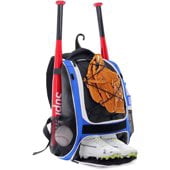
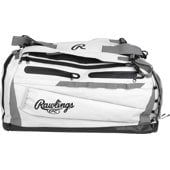
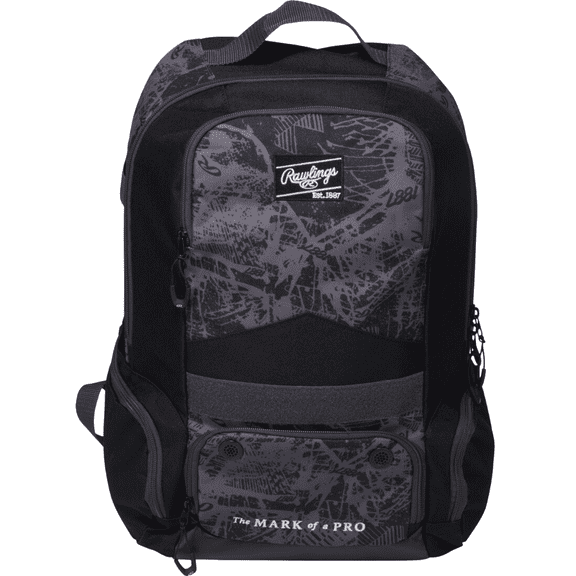
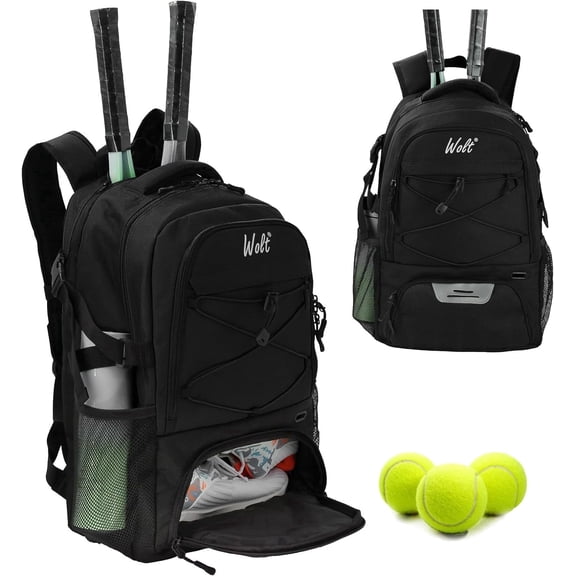
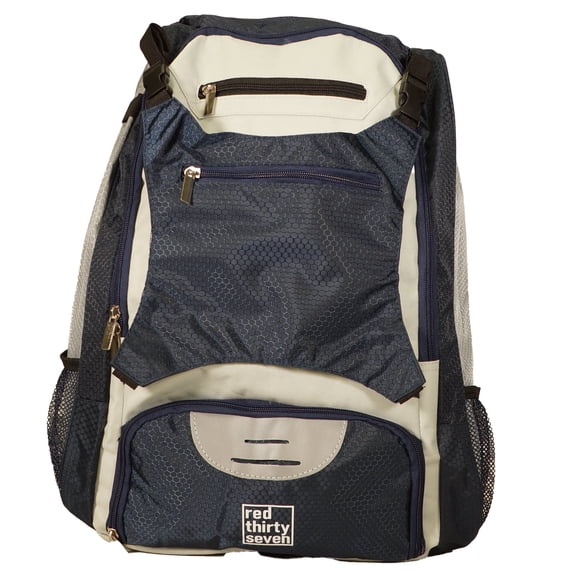
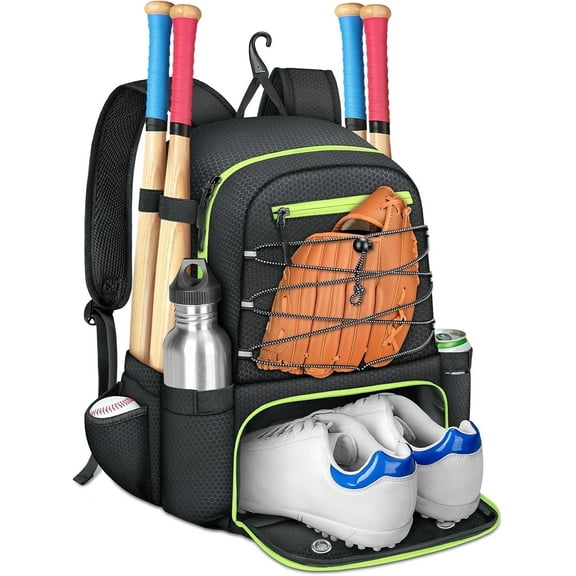
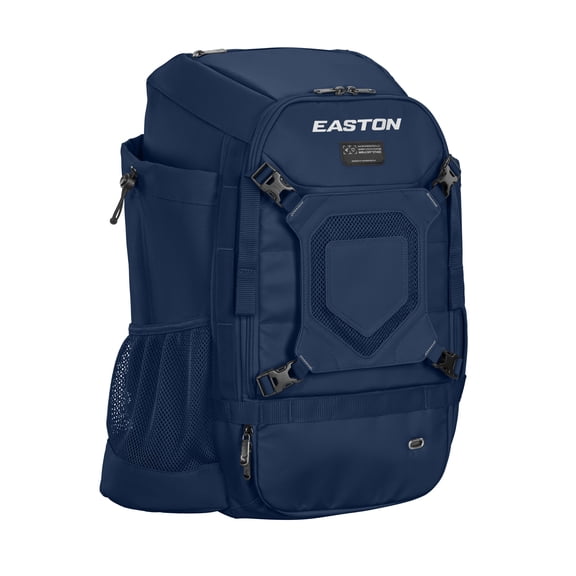
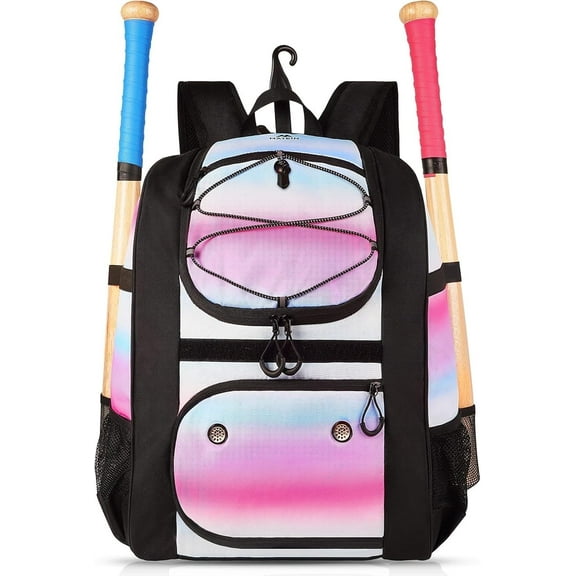
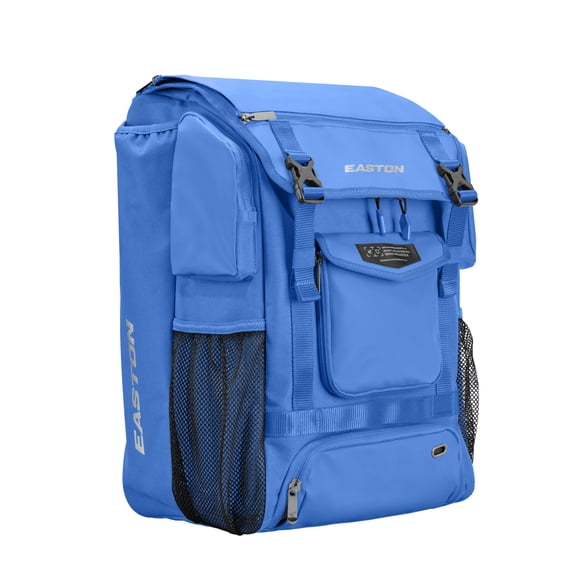
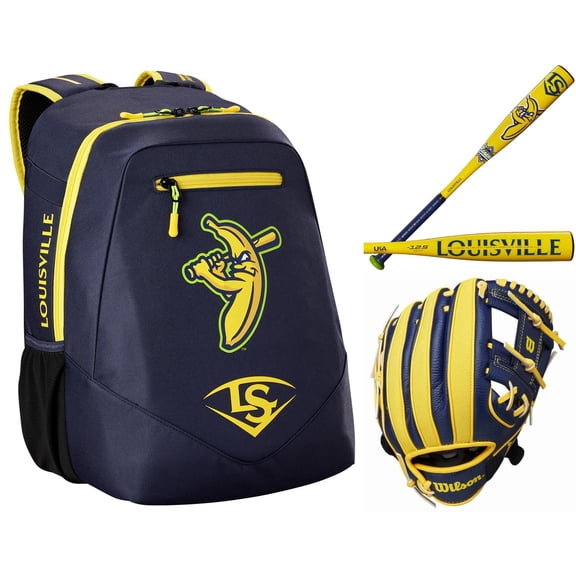
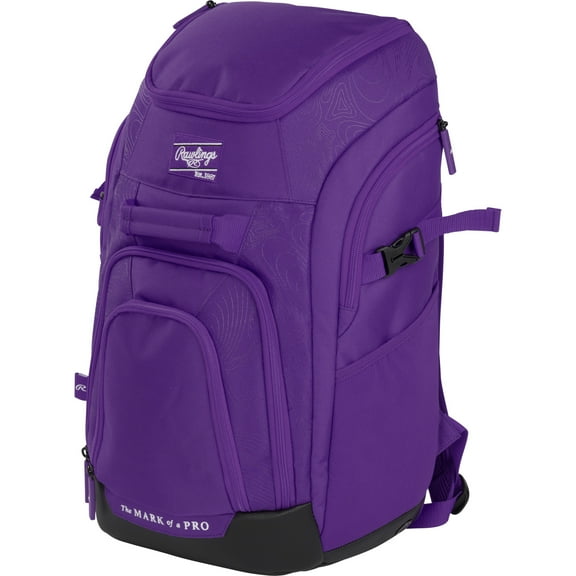
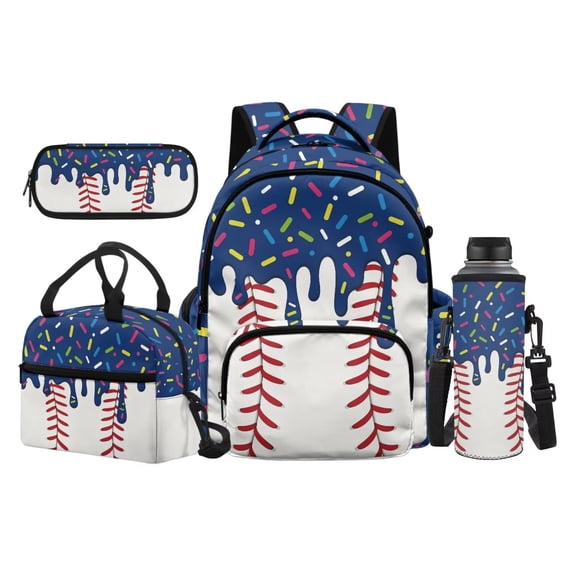
When you compare bag type first, you can narrow your options quickly and match your carrying style. You may prefer baseball backpacks when you want hands-free carrying between the parking lot, dugout, and practice field.
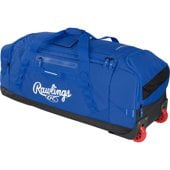
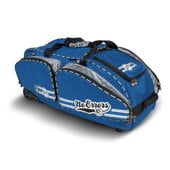
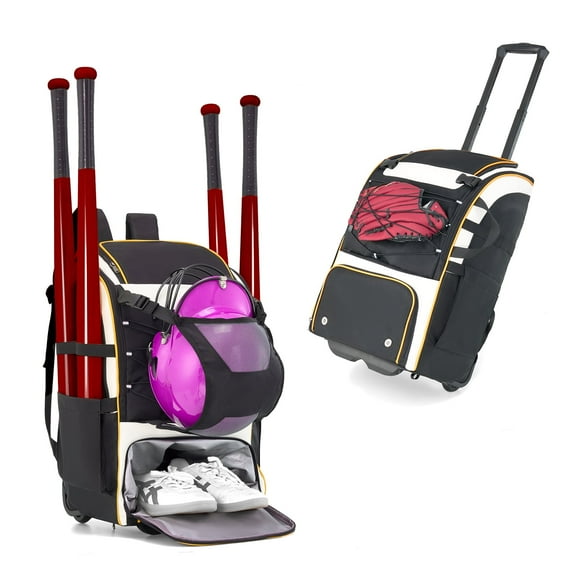
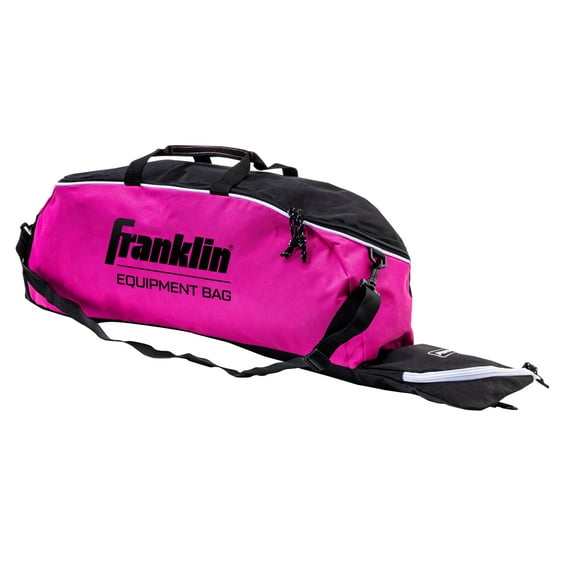
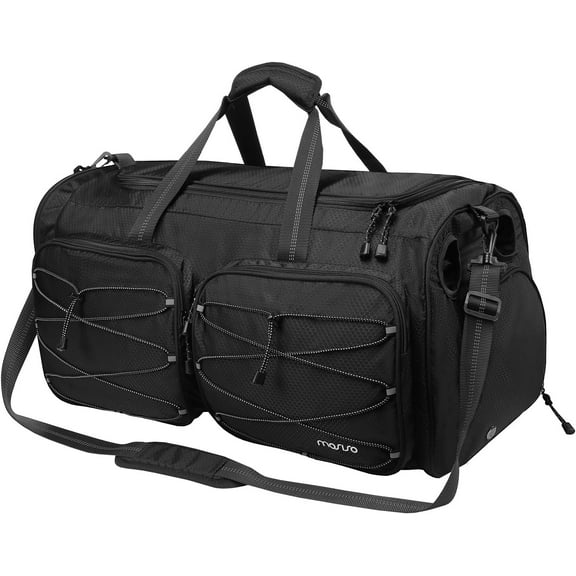
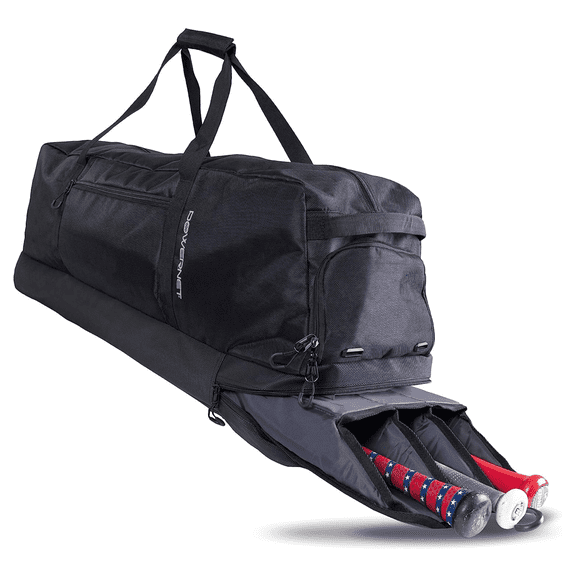
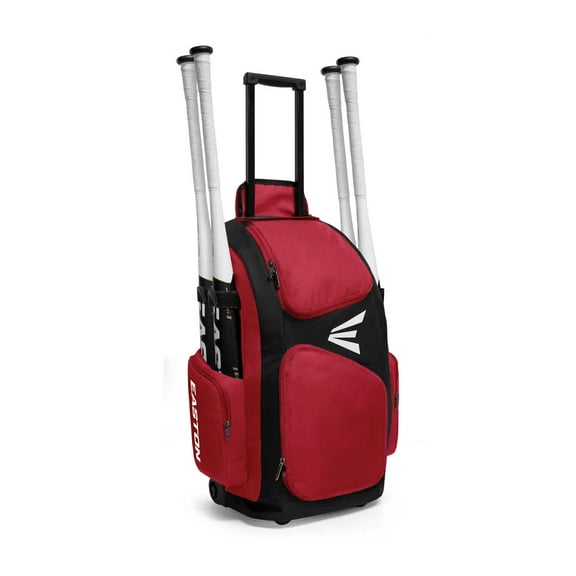
If you carry extra gear, you can consider wheeled baseball bags for helmets, catching items, and spare layers. You may choose baseball duffle bags when you want a wide opening and flexible packing space.
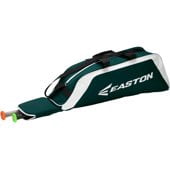
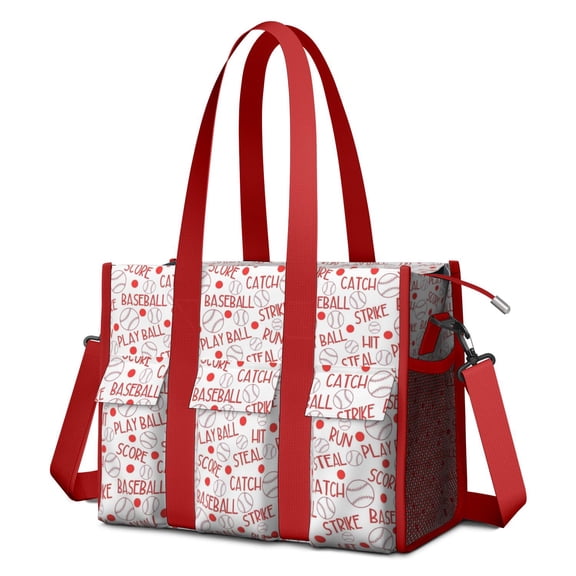
Shoulder bags can work when you carry a lighter setup and want quick access to smaller items. You can also compare strap design, handle placement, and opening style for simple loading.
- You can use backpack styles for balanced carrying and bat access.
- You can choose wheeled styles when your gear load feels bulky or oversized.
- You can pick duffle designs when you want roomy packing and organized storage.
- You can select shoulder bags when you carry fewer items to short practices.
How to choose youth baseball bags and adult sizes
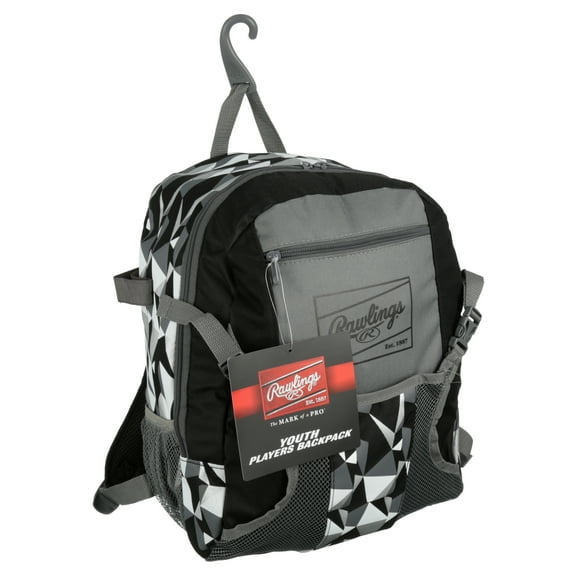
Your age group matters because your bag should fit your frame and your typical equipment list. You may want youth baseball bags for shorter straps, lighter carry weight, and room for league essentials.
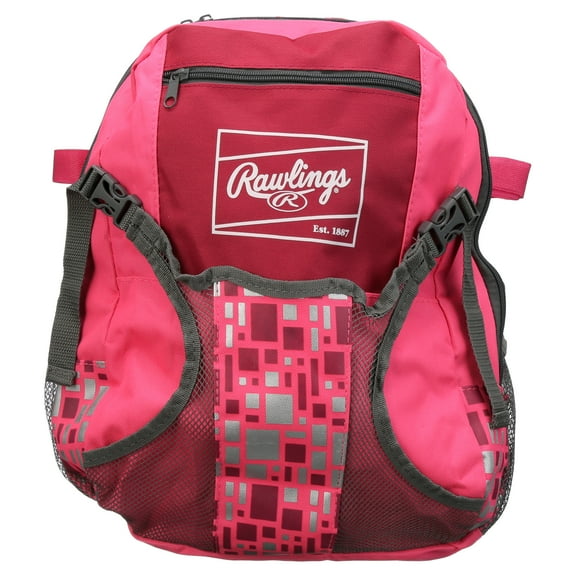
If your player uses a youth baseball backpack, you can check whether it fits a helmet and one or two bats. You can also compare t-ball bags when you need a smaller profile for early league gear.
Adult players often need more space for extra bats, batting gloves, and larger footwear. You may also want softball bags when your equipment shape or uniform setup differs from baseball gear.
For fastpitch softball or slowpitch softball, you can compare pocket layouts and bat storage before choosing. You’ll want a design that keeps your sport-specific gear organized and within reach.
Comparing bat capacity and compartments
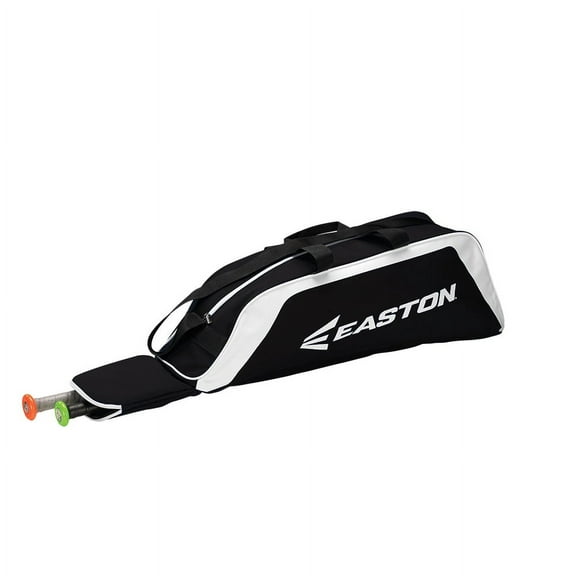
When you review storage capacity, you can focus on how many bats your setup requires each week. You may see baseball bat bags with space for one, two, or four bats.
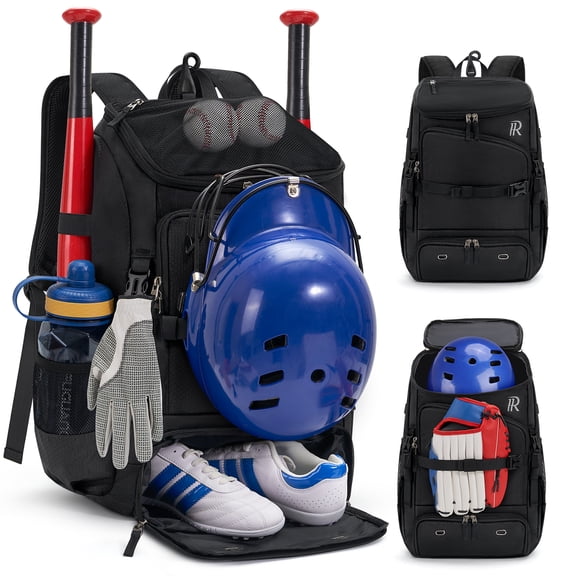
Bat sleeves and side pockets matter because they change how securely your equipment stays in place. You can compare sleeve storage for a snug hold, or side pockets for simple grab-and-go access.
A helmet compartment can help you keep bulky gear from crowding gloves, towels, or snacks. You may also want a separate shoe compartment so your cleats stay apart from uniforms and personal items.
Many shoppers also look for pockets that hold keys, phones, lineup cards, and tape. You can keep your smaller essentials highly organized when each item has a dedicated spot.
Looking at materials and field-ready details
When you compare materials, you can focus on durability and cleanup after long practices and weekend tournaments. You may choose polyester for everyday team use and straightforward maintenance.
If you want extra coverage from damp conditions, you can consider water-resistant nylon for wet grass and light field moisture. You can also check heavy-duty zippers because repeated opening puts stress on the main compartments.
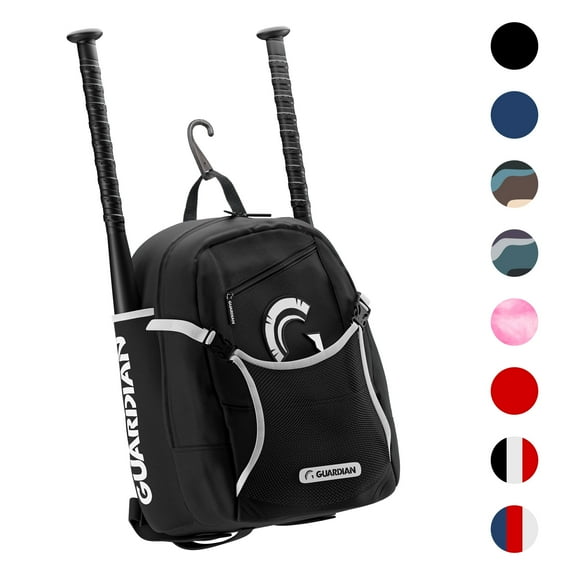
A fence hook is a key detail because you can hang your bag instead of placing it on the dugout floor. You’ll appreciate that feature when you want your gear visible, reachable, and off the ground.
Stronger base panels, reinforced stitching, and padded straps can also affect daily comfort and long-season use. You can compare these details closely when your season includes frequent travel and back-to-back games.
Matching baseball bags to real playing situations
If you’re packing for rec league practice, you may only need one bat, a glove, and a helmet. You can choose a compact backpack or t-ball bag designed for younger players to carry comfortably.
For school teams or travel ball, you’ll likely need more storage and organized compartment separation. You can look at wheeled baseball bags or larger duffles when your load includes cleats, layers, and extra accessories.
If your week includes softball games, training sessions, and batting cage visits, you may want flexible organization. You can compare softball bags with room for uniforms, fielding gear, and personal items.
Some players need one bag for baseball bats, cleats, and after-school essentials in one place. You can streamline your routine when your bag handles field gear and daily carry without constant repacking.
When you choose baseball bags with the right style, capacity, and compartments, your gear stays simple to carry and sort. You’ll head to practices and games with a setup that fits your season and your routine.