

Dog Trainer & Obedience Tools | Walmart
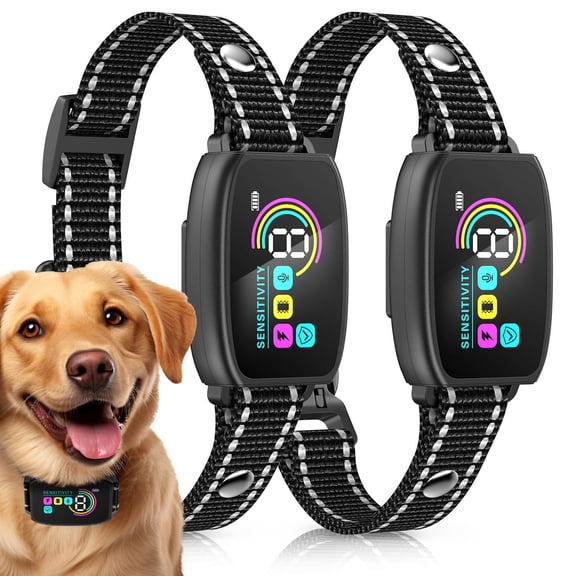


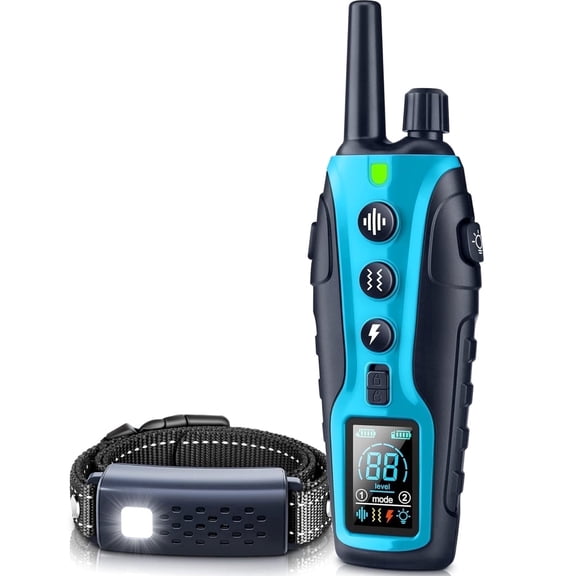


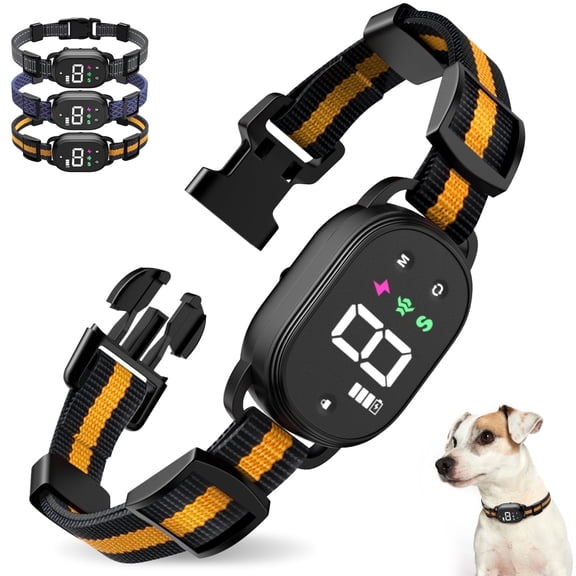



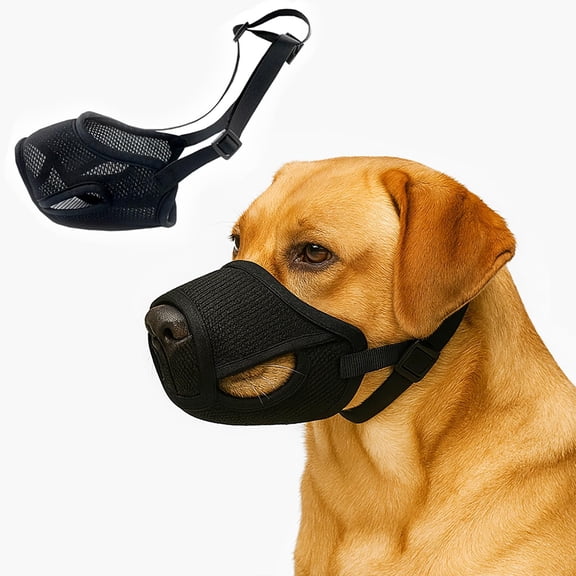



















About Dog Trainer & Obedience Tools | Walmart - Walmart.com
If you’re comparing a dog trainer for home routines or outdoor practice, you’ll want tools that match your dog, your space, and your goals. You can sort options here by training method, device type, range, size fit, and water resistance, so your training plan stays consistent.
You may be teaching leash manners, boundary habits, recall, or crate routines. You’ll find that category guidance helps you compare collars, clickers, mats, whistles, and transmitters with clearer confidence.
How to choose a dog trainer for your routine
When you choose a dog trainer tool, you should start with the training method you feel comfortable using. You can compare positive reinforcement tools, clickers, vibration options, ultrasonic devices, and electronic training aids in one place.
If you prefer reward-based sessions, you’ll likely look for clickers and treat-focused tools that support repeated cues. If you need boundary reminders, you may compare mats, whistles, or collars with adjustable settings.
You should also consider where your sessions happen most often. If you’ve searched shock collar near me, you’re likely trying to find a fast local option with pickup or delivery convenience.
- You can reinforce recall, place training, and yard boundaries with tools matched to your training style.
- You can compare short, medium, and long range options based on your space and your dog’s habits.
- You can check size guidance and water resistance before you commit to a collar or system.
Choosing between dog trainers by training method and device type
You’ll notice that training method changes how a tool fits your daily routine. Positive reinforcement and clicker tools help you mark timing clearly during short sessions and repeated commands.
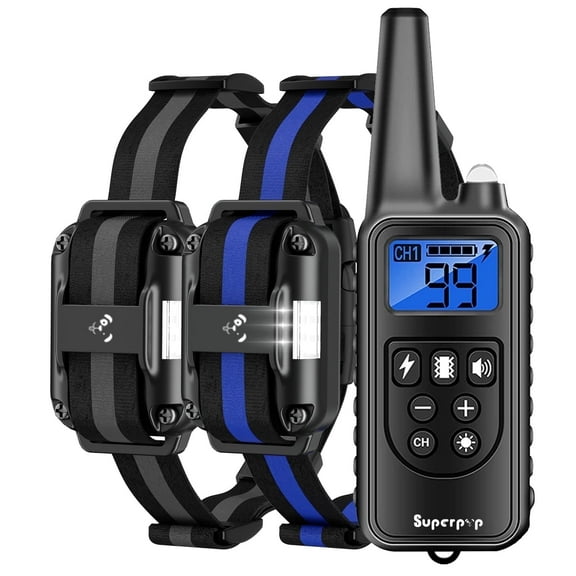
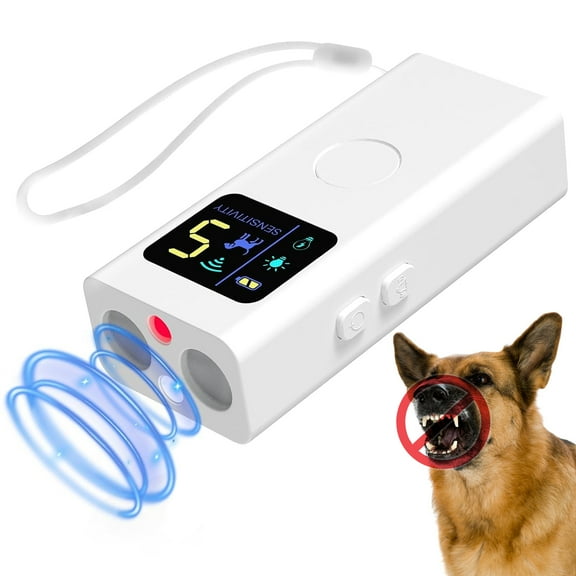
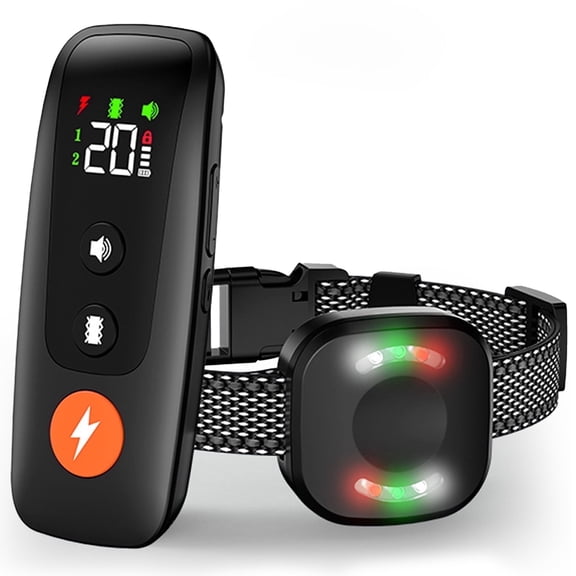
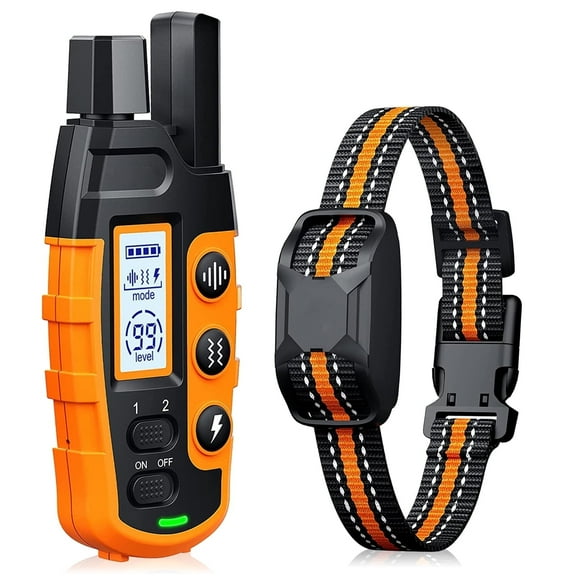
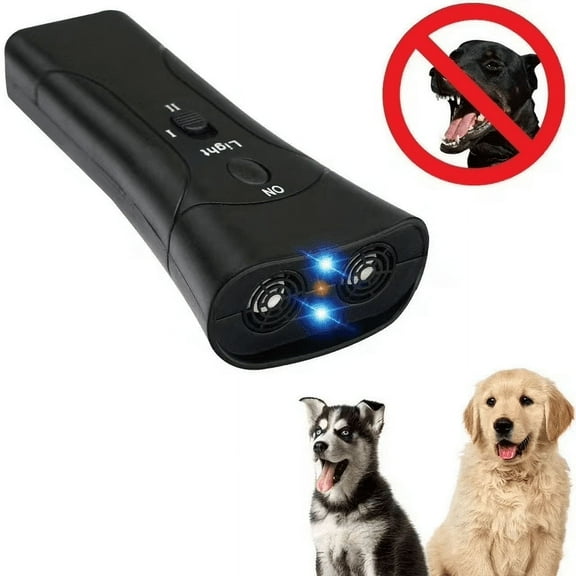
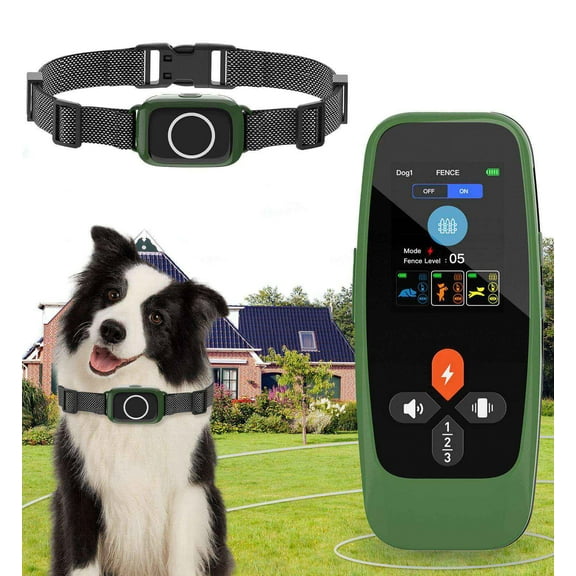
Vibration and ultrasonic options may appeal to you if you want nonverbal cues at a distance. Electronic training tools usually include adjustable levels, so you can compare control options with your dog’s responsiveness.
Device type matters just as much as method. You may want collars for on-dog use, transmitters for remote control, mats for room boundaries, whistles for recall, or clickers for cue timing.
You should check whether a system includes both collar and transmitter, or only one component. You’ll avoid mismatches when you confirm compatibility before you choose replacement parts or add-ons.
Battery life can shape your routine more than you expect. You’ll want clear runtime details if you train outdoors often or prefer fewer charging breaks each week.
Some systems use rechargeable batteries, while others use replaceable power sources. You can compare charging style with your schedule, especially if your dog trains every day.
What to look for in range, size fit, and water resistance
Range is a key decision if you train in a small yard, a neighborhood park, or open land. You should match yardage to your space, so your signals stay reliable where your dog actually moves.
Short range tools, under 100 yards, usually fit indoor practice or compact yards. Medium range options, from 100 to 500 yards, can suit larger yards and casual outdoor sessions.
Long range systems, above 500 yards, may fit field training, hiking, or larger properties. You’ll want that extra distance only if your training area truly calls for it.
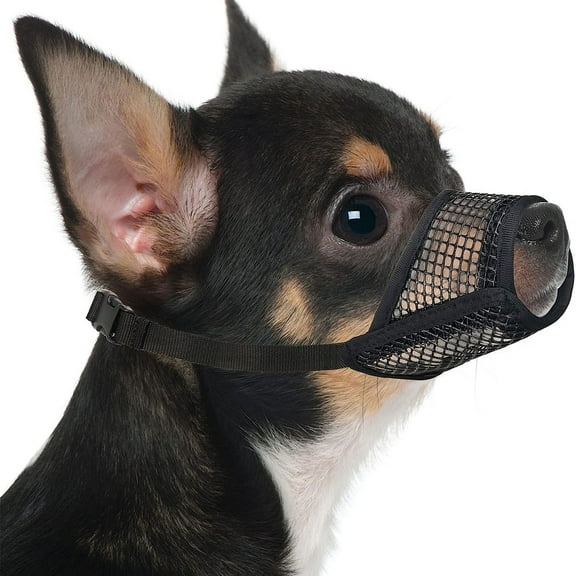
Size suitability is another detail you shouldn’t skip. You should check strap length, collar weight, and fit guidance, because small dogs and large dogs need different proportions.
If your dog is still growing, you may prefer adjustable sizing with clear measurement ranges. You’ll also want to compare contact point style and level controls in plain, easy terms.
Water resistance tells you how a tool handles wet grass, light rain, or splashy play. Waterproof options usually suit stronger outdoor use, while water-resistant designs may fit lighter exposure.
You should read those terms carefully, because they don’t mean the same thing. If your dog trains near sprinklers, trails, or lakes, you’ll want coverage that matches those conditions.
Matching dog trainer tools to everyday training scenarios
You might use a clicker and treats for puppy basics, such as sit, stay, and name response. You’ll get precise timing for reward moments, which can help keep lessons short and repeatable.
If you’re working on door manners or furniture boundaries, you may prefer training mats or room-based tools. You can create consistent rules in shared spaces without changing your whole routine.
For recall practice in a fenced yard, you may want a collar or whistle with short to medium range coverage. You’ll be able to repeat cues across common backyard distances.
If you train on trails, acreage, or large open areas, you may compare long range systems. You should also check battery life and waterproof ratings, because outdoor sessions often last longer.
You may need size-specific guidance if you’re training a toy breed, a sturdy medium dog, or a large working dog. You’ll want a tool that feels proportionate, secure, and straightforward to adjust.
When your household includes more than one dog, you should check multi-dog compatibility and transmitter pairing. You can keep commands organized when your system supports separate channels or settings.
You’ll get more from training when your tools match your method, your environment, and your dog’s build. You can compare these dog trainer options with clearer criteria, so your sessions stay consistent and easier to manage.