


Find auto parts that fit
Let’s search for parts that fit your vehicle.ATV Stators in ATV Ignition Parts




















About ATV Stators in ATV Ignition Parts - Walmart.com
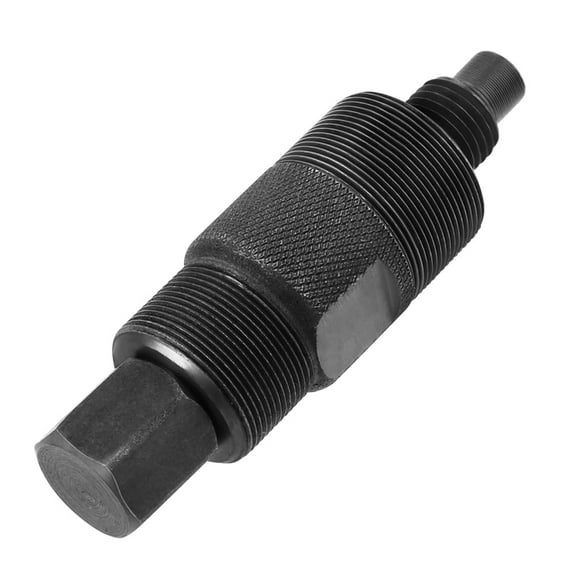
When you need a stator removal tool for ATV service, you can compare pullers, replacement stators, and fitment details in one place. This guide helps you separate the electrical stator from the removal tool, so your repair plan stays clear.
If you're replacing a 4 wheeler stator, you need the right part style and the correct puller thread for your machine. Before you begin, you should narrow your choice by checking your make, model, year, and ignition system.
How to choose a stator removal tool and 4 wheeler stator
You should start by deciding whether your job needs a stator puller, a replacement charging component, or both parts together. That first step helps you match the flywheel setup to your exact ATV.
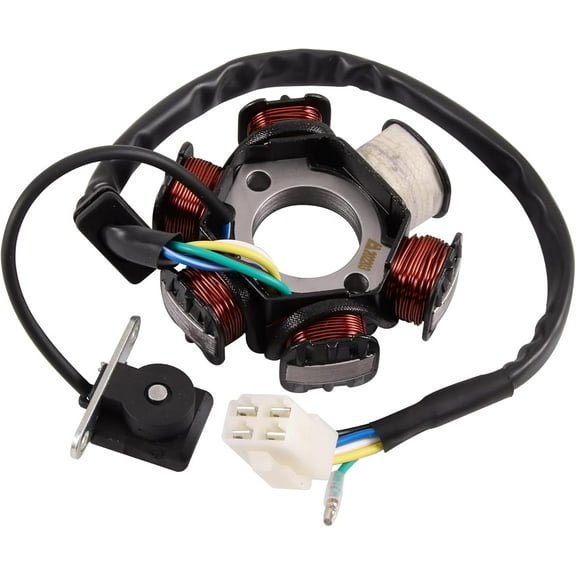
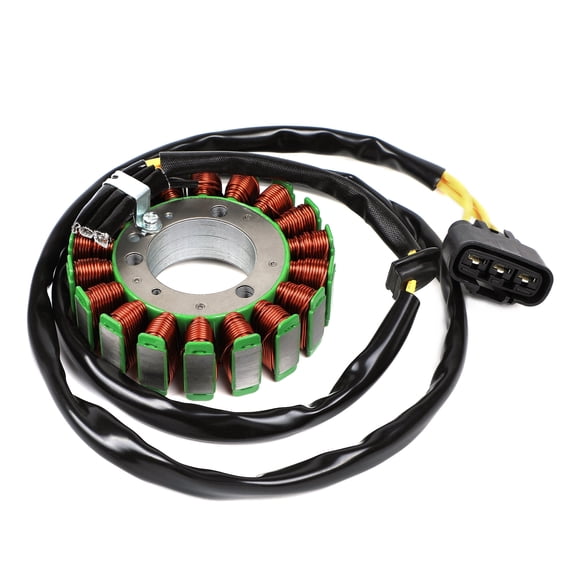
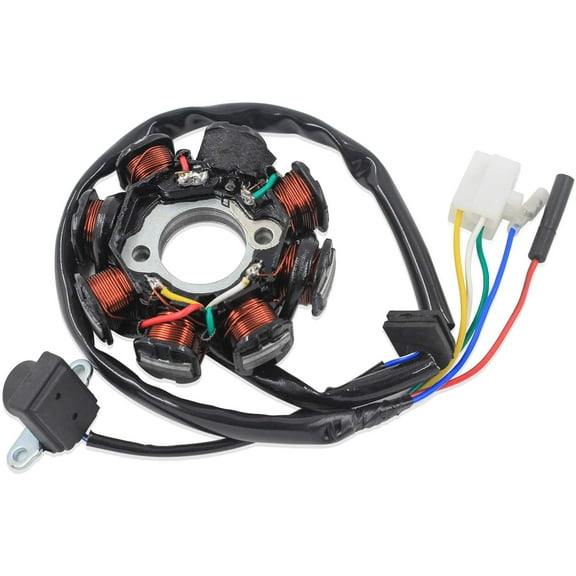
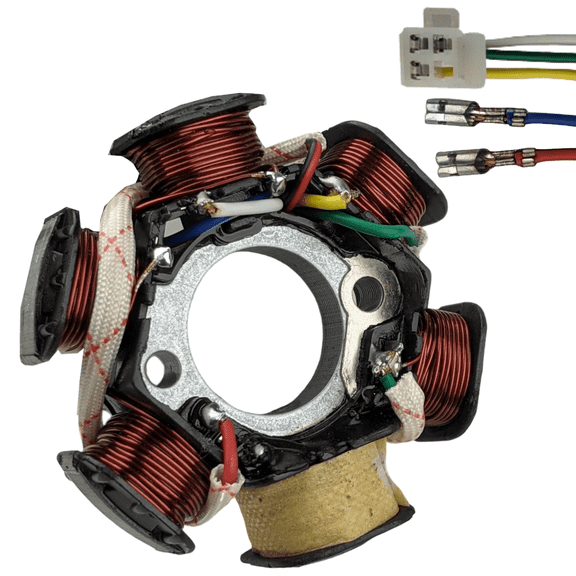
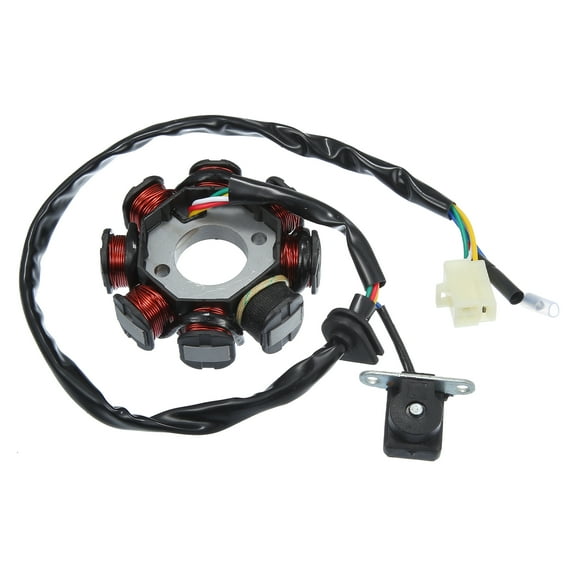
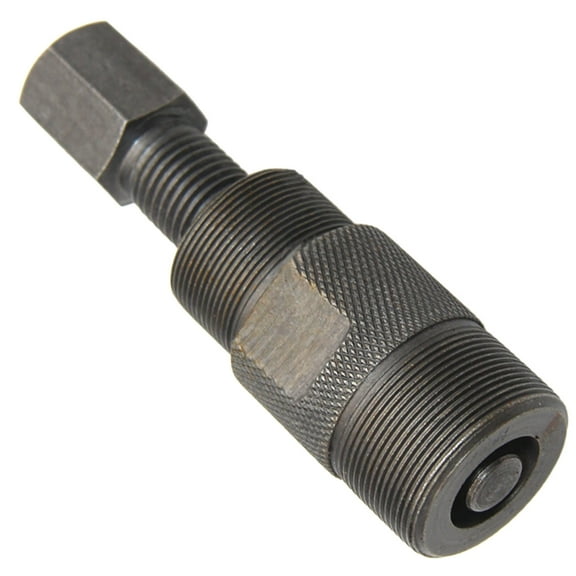
For many repairs, you need a stator puller tool that matches the internal or external thread pattern on your flywheel. You should also compare a stator for four wheeler models by connector shape, wire count, and mounting points.
- You can use a stator removal tool to loosen a flywheel without guessing on fit.
- You can choose a 4 wheeler stator by matching plugs, bolt pattern, and model year.
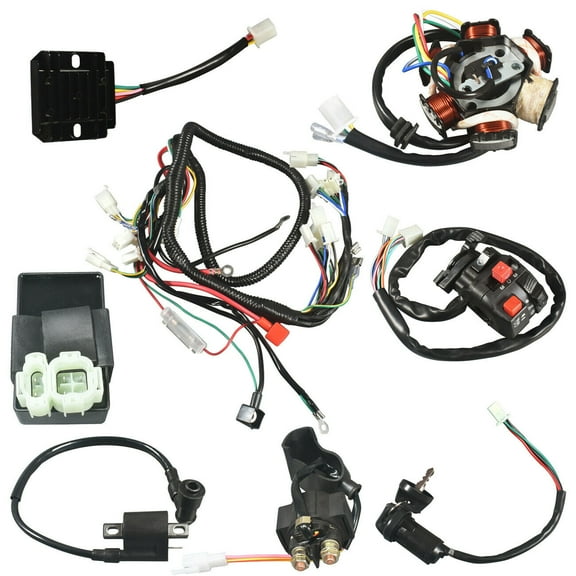
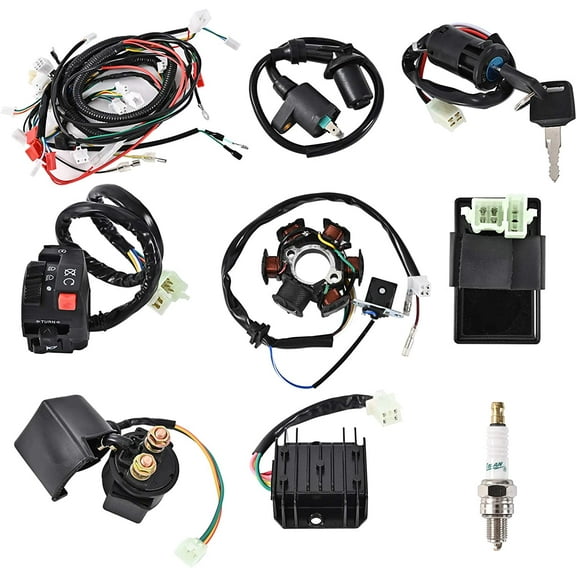
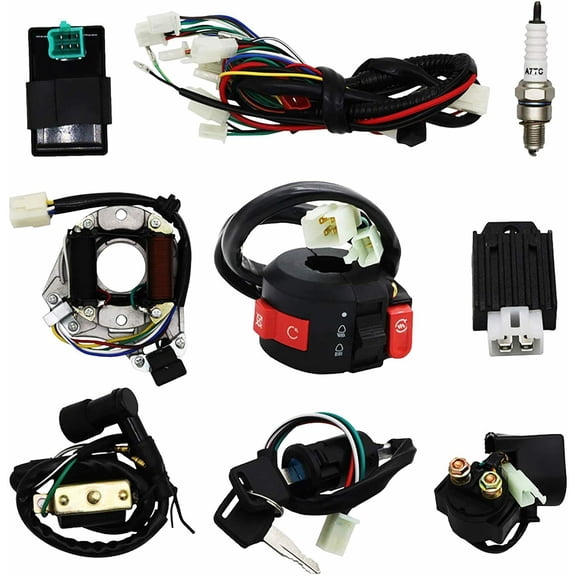
- You can compare an atv magneto setup with your existing harness before installation.
- You can check whether your machine needs only the puller or a full charging replacement.
If you ride a Yamaha, Honda, or Polaris ATV, you should confirm the engine family before choosing any stator or puller. Listed compatibility details help you verify whether your part matches your exact platform.
If you own a Can-Am, Suzuki, Kawasaki, or Arctic Cat machine, you should compare rotor style and connector layout carefully. You should also check whether your quad stator uses the same mounting holes across similar model years.
When you service Chinese ATV brands like TaoTao or Coolster, you should pay close attention to engine code and wire colors. You can avoid confusion by comparing photos, plug shape, and stated displacement.
What to look for in stator puller and stator features
You should treat fitment as the first decision point, because thread size and stator shape vary widely across ATV platforms. You can confirm a stator for 4 wheeler use by matching dimensions and electrical connectors.
Included hardware can shape your decision, because some listings focus only on the puller body. You should check whether your order includes bolts, gaskets, or instructions that support your installation plan.
For a stator puller, you should look for the stated thread specification and intended flywheel type. That detail helps you avoid forcing the wrong tool into your rotor.
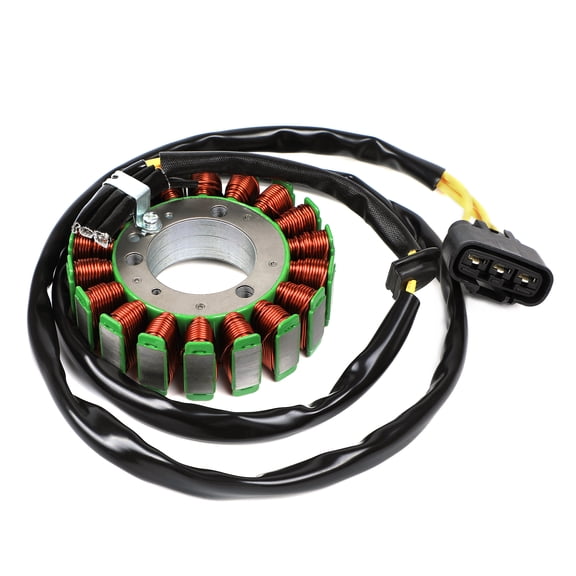
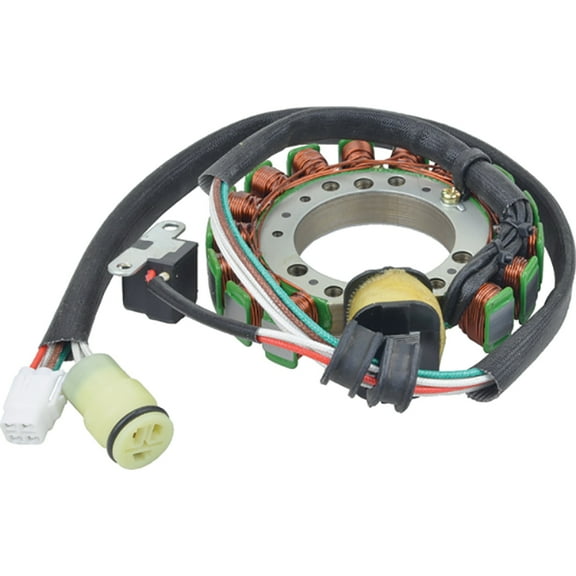
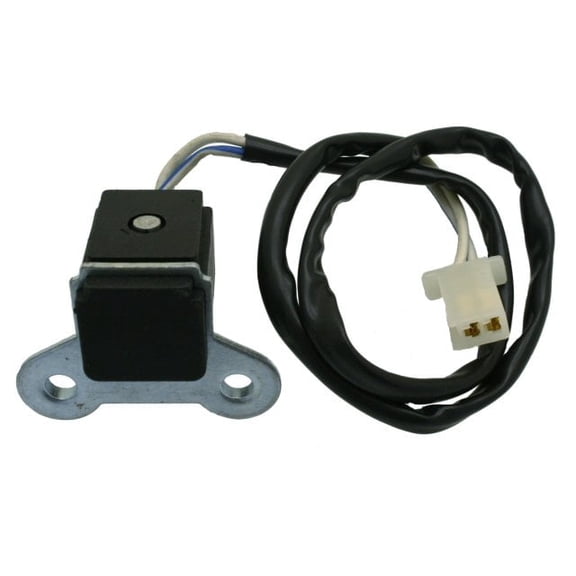
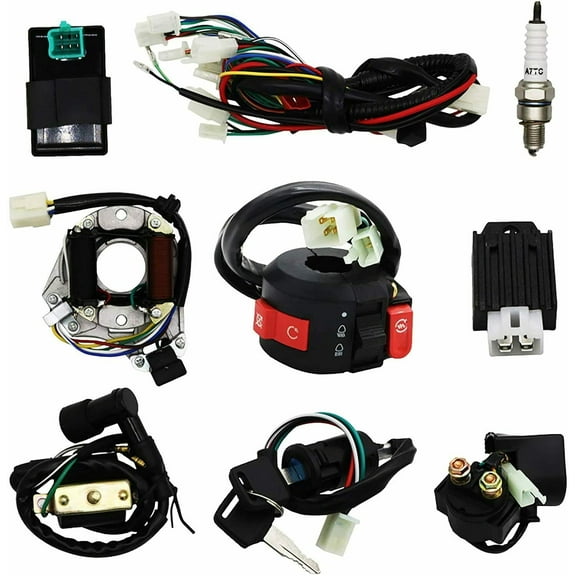
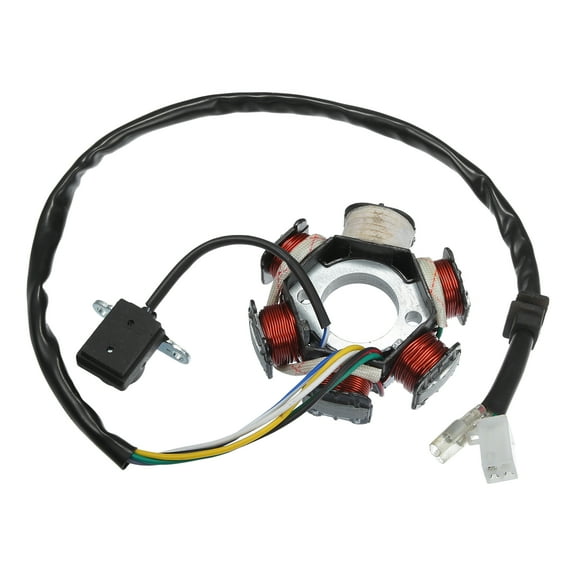
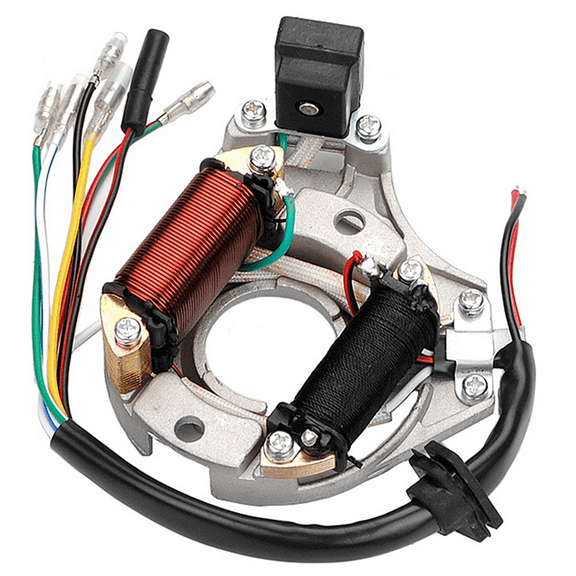
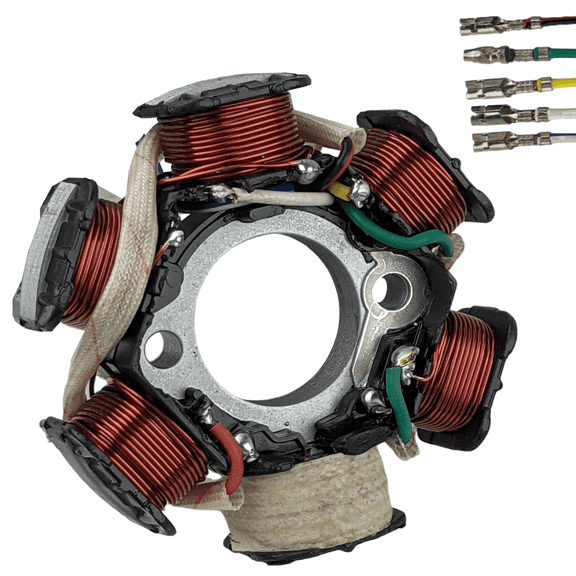
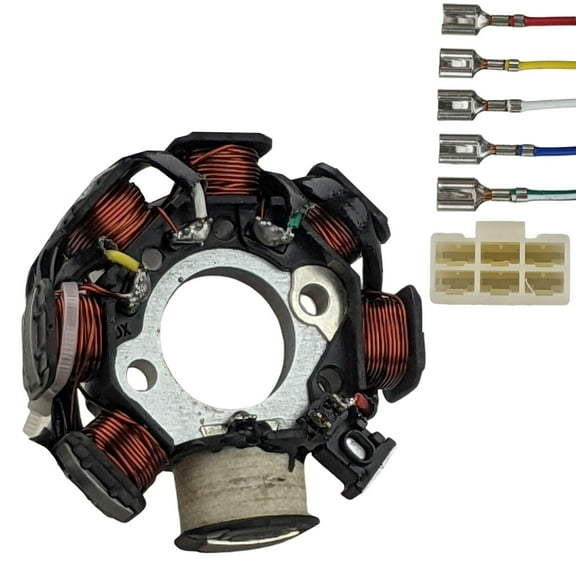
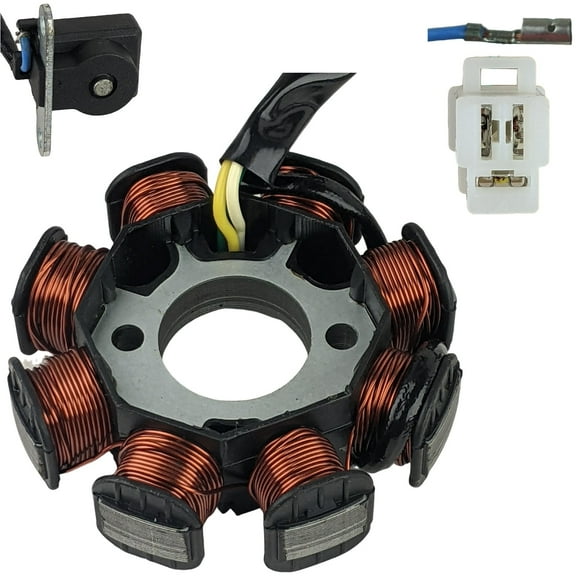
For ATV stators, you should compare the number of poles, pickup coil presence, and connector format. Those details help you match the charging assembly to your machine's original design.
You should also check whether a stator for ATV use is listed for sport, utility, or youth models. Your search gets easier when you know your engine size and riding platform.
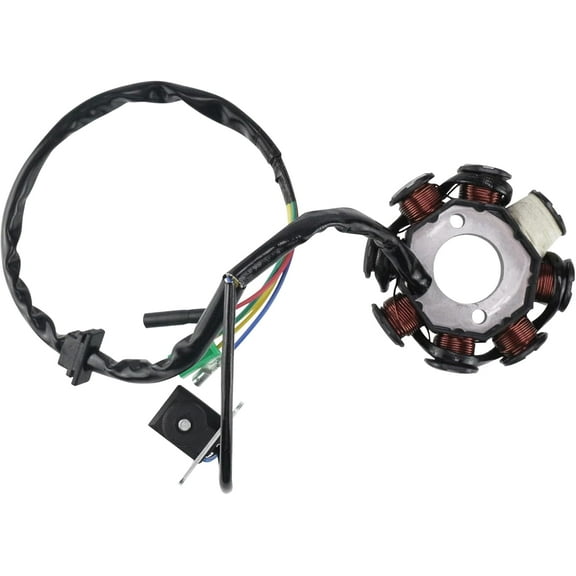
If you're reviewing a stator for four wheeler maintenance, you should compare lead length and sheath routing. You can prevent awkward installation when your replacement reaches the factory connection points cleanly.
Choosing fitment by vehicle compatibility
You should use vehicle compatibility as your main filter, because even similar engines can use different flywheel threads. You can reduce return hassles when you verify brand, displacement, and production year together.
For Yamaha and Honda applications, you should compare model codes closely, especially when trims share similar engine names. You can often separate fitment by connector style and mounting plate layout.
For Polaris and Can-Am machines, you should check whether your charging system changed across generation updates. You can avoid mismatch issues when you compare the exact engine family and electrical plug.
For Suzuki, Kawasaki, and Arctic Cat models, you should review the listed stator 4 wheeler compatibility notes line by line. That step helps you spot important differences in pickup coil setup and wire routing.
For Chinese ATV brands, you should measure twice before ordering, because naming can vary across imported platforms. You can use engine size, case shape, and harness photos to confirm a match.
Use cases for repairs, upgrades, and routine maintenance
If you're handling a charging-system repair, you may need both a replacement stator and the correct removal tool. You can keep your project moving when your parts match your flywheel and wiring setup.
If you're restoring an older four wheeler, you may look for a stator for four wheeler models that can be harder to find in store assortments. You can compare fitment online by year range, connector style, and brand compatibility.
If you service multiple machines at home, you may want a dedicated stator removal tool for repeat maintenance. You can use one guide to compare puller styles across Yamaha, Honda, Polaris, and other brands.
If you're replacing an ATV magneto assembly during a garage project, you should confirm whether your model separates the pickup coil. You can avoid duplicate purchases when you review the included components carefully.
You may also research ATV stator replacement cost before choosing parts and tools for a do-it-yourself job. You can plan your order more confidently when you know whether you need only one component.
When you compare a stator for quad use, you should think about trail riding, farm work, or seasonal recreational use. You can choose the correct fitment faster when you start with your exact machine details.
Why compatibility guidance matters
You should feel more prepared when you organize your stator removal tool and replacement stator choices around compatibility first. That approach helps you complete your ATV electrical repair with fewer fitment surprises and a clearer parts checklist.