


Find auto parts that fit
Let’s search for parts that fit your vehicle.ATV Whip Flags Near Me: Safety Flags & Pole Kits





























About ATV Whip Flags Near Me: Safety Flags & Pole Kits - Walmart.com
ATV flags help you stay visible on trails, dunes, and open riding areas where whip height rules often apply. You can compare flag type, whip length, mounting style, and pole material to match your ride.
If you ride in sand, brush, or crowded off-road parks, you may need a setup that stands out above your vehicle. You can also choose lighted options that keep your machine highly visible to spot after sunset.
Choosing the right ATV flags for your ride
When you compare ATV flags, you should start with where and how you ride most often. You may want different setups for dunes, wooded trails, or wide open riding areas.
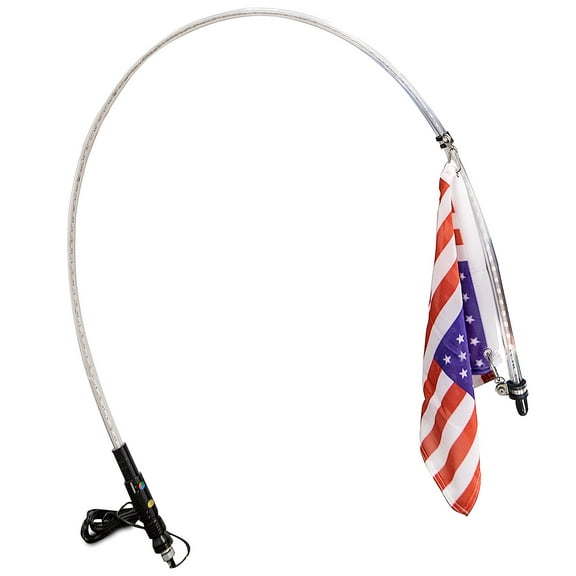
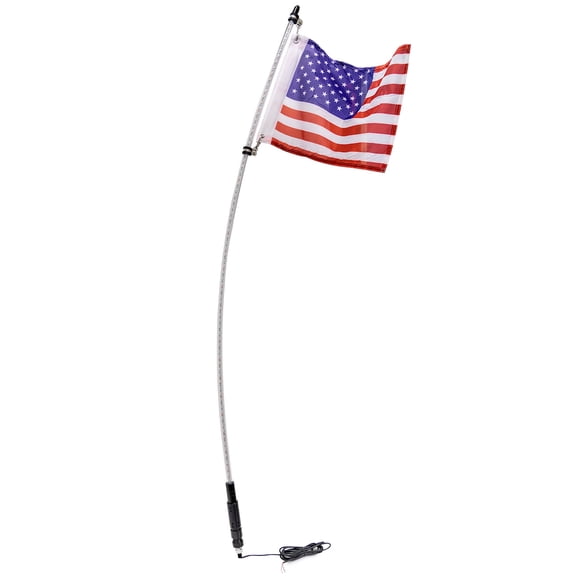
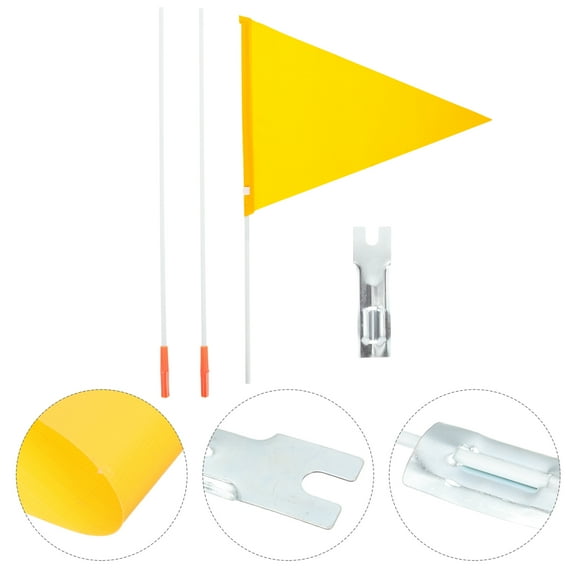
Safety flags for ATVs usually focus on bright color and visible height for daytime riding. ATV whip flags add a flexible pole that raises the flag well above your machine.
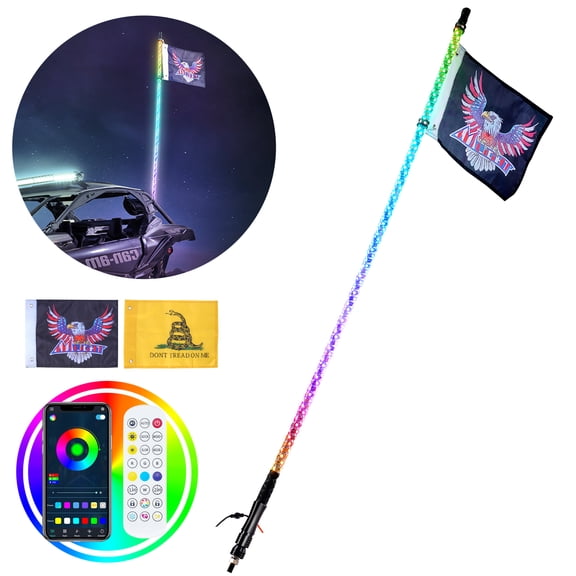
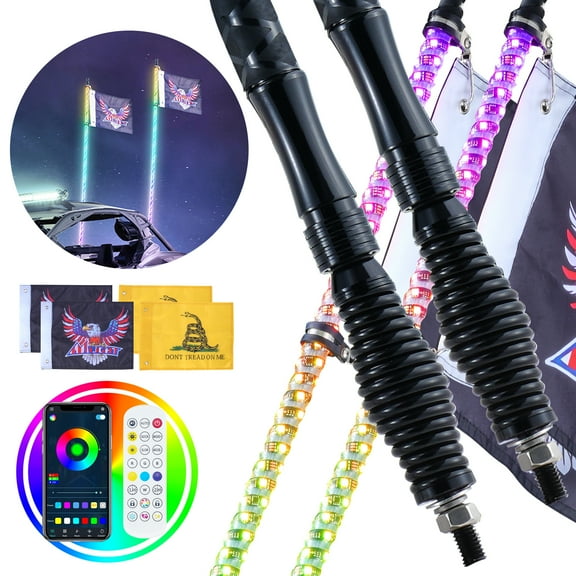
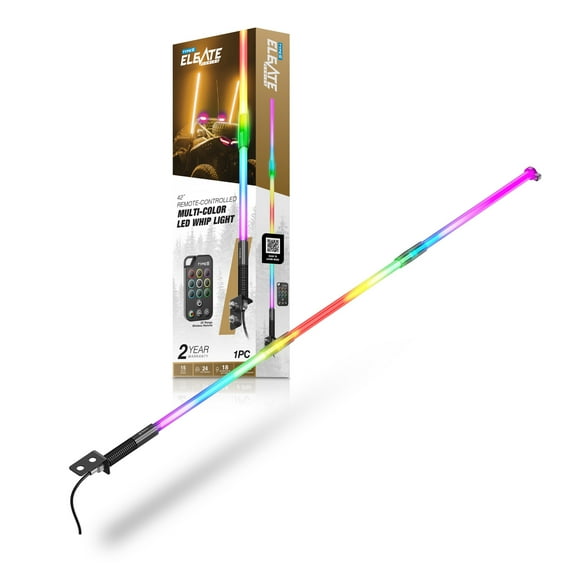
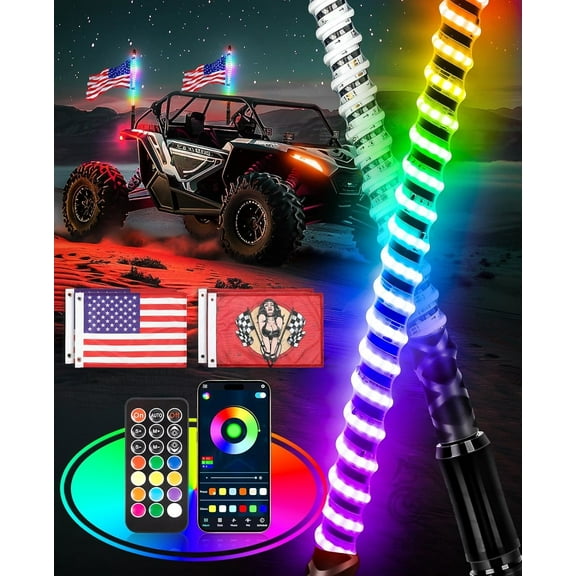
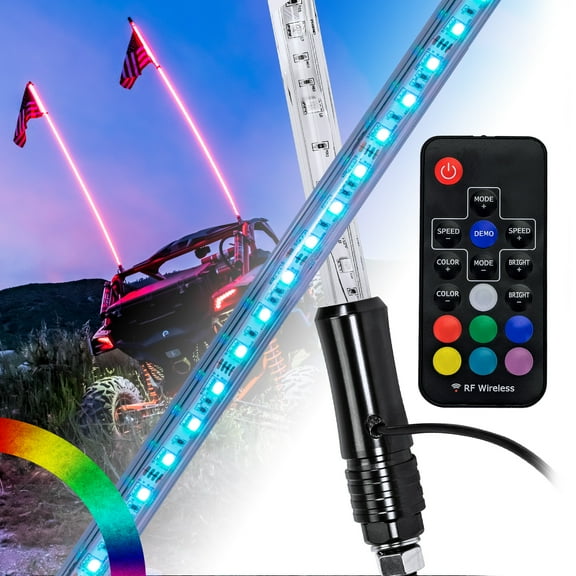
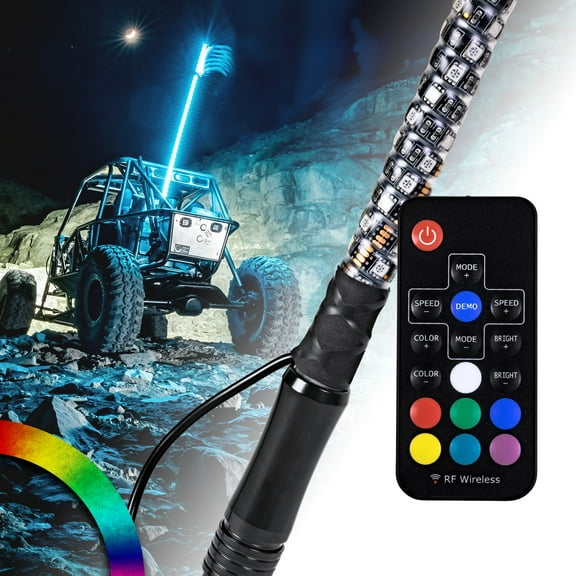
LED lighted whips combine height with added illumination for evening rides and group runs. You can use these options when you want visibility from farther away in lower light.
- You can choose safety flags for ATVs when park rules call for a visible flag and tall whip.
- You can pick ATV whip flags when you want a flexible pole that moves with bumps and rough terrain.
- You can select led atv whips when you need added visibility for night rides or late returns.
- You can compare utv flags and sand dune flags if you ride multiple off-road vehicles in similar terrain.
Comparing flag type and whip length
Flag type changes how your setup performs in different riding conditions. You should compare plain safety flags, off road whip flags, and lighted designs by visibility needs.
Whip length also matters because many riding areas expect your flag to sit above the tallest point of your vehicle. You should check local park requirements before you choose four foot, six foot, or eight foot lengths.
A four foot whip can work when you want a lower profile for storage and transport. A six foot or eight foot option can give your flag more height in dunes.
If you ride in open sand, you may prefer taller sand dune flags that stay visible over rises. If you ride tighter trails, you may prefer a shorter whip that clears branches with ease.
Checking mounting style and compatibility
Mounting style affects how quickly you install your flag and how securely it stays in place. You should compare quick-release, bolt-on, and roll bar mount designs before you choose.
Quick-release mounts can help you remove the whip between rides or during transport. Bolt-on mounts can suit riders who want a fixed setup that stays attached longer.
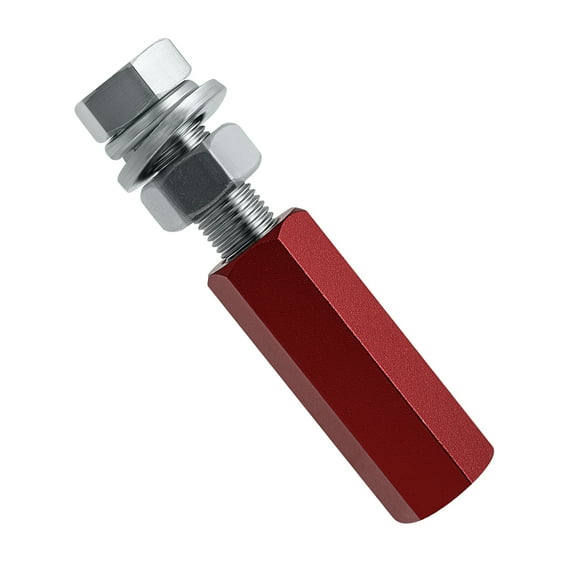
Roll bar mount options can work well when your vehicle has a compatible bar location. You should measure your mounting point and check whether the hardware fits your machine.
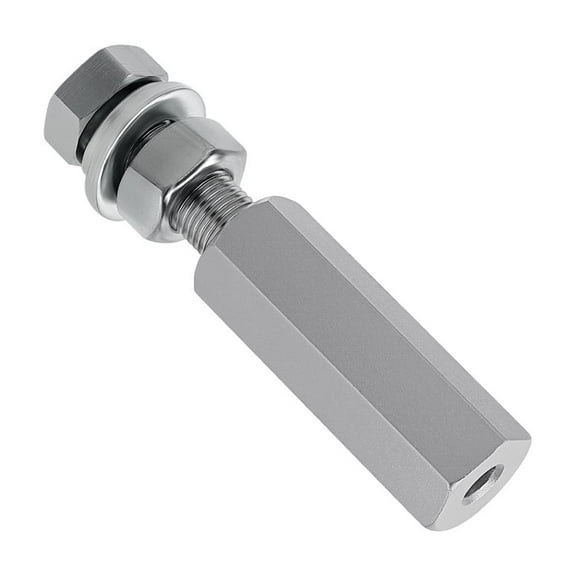
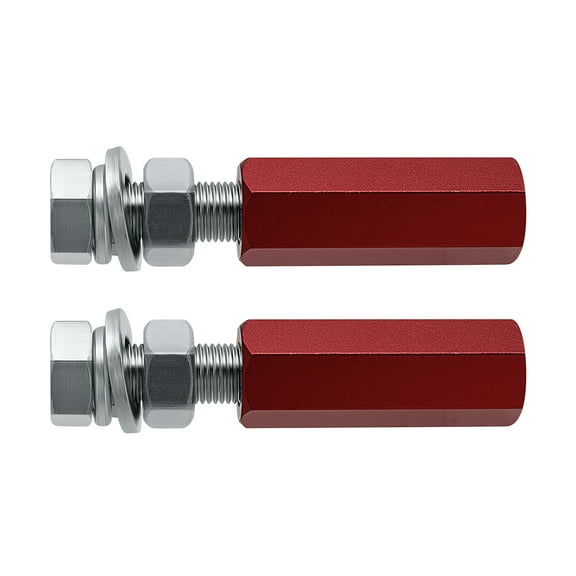
Thread size is a decision-critical detail for many riders using whip bases and replacement parts. You should confirm bolt thread size, base diameter, and quick-release compatibility before you choose.
If you share gear between machines, you may want a mount that transfers with less effort. You can also look for brackets that align with rear racks, bumpers, or cage-style frames.
Understanding pole material and high-speed flex
Pole material changes how your whip handles vibration, bumps, and repeated movement. You should compare fiberglass, flexible plastic, and metal with your riding surface in mind.
Fiberglass is a common pick because you get flex without the pole feeling overly rigid on rough terrain. You may notice it bends through turns and rebounds as you keep moving.
Flexible plastic can suit lighter-duty use when you want a simpler setup for casual riding. Metal can feel sturdier at the base, but you should check weight and flex characteristics.
If you ride at high speeds across uneven ground, you may want a material that handles repeated bending smoothly. You should also check the flag attachment point, pole thickness, and base construction.
Deciding when LED ATV whips make sense
Led atv whips can add visibility for dusk rides, night events, and camp-to-trail travel. You should compare light patterns, color modes, and control style with your riding habits.
Power connection is a decision-critical feature when you choose lighted atv whips. You should check whether your setup uses a 12V wiring harness, direct battery leads, or plug-in connectors.
Some riders prefer remote pairing because it lets you change lighting without stopping. You should confirm remote range, pairing steps, and switch placement before installation.
If you want a cleaner install, you may look for routing paths that fit your frame and body panels. You should also check whip length and mount style together, because lighted bases need compatible hardware.
Matching ATV flags to real riding scenarios
If you ride weekend dunes, you may want an eight foot fiberglass whip with a bright flag and secure mount. You can gain height, flex, and visibility that fit open sand conditions.
If you ride mixed trails, you may prefer a six foot whip with quick-release hardware for convenient transport. You can remove it when you load your ATV onto a trailer.
If your vehicle has a cage or bar setup, you may choose a roll bar mount and compare utv flags too. You can create a similar look across different off-road machines.
For evening group rides, you may lean toward led atv whips with a 12V harness and remote control. You can make your machine easier to identify in a line of riders.
If park rules focus on daytime visibility, you may only need safety flags for ATVs with the right height. You should verify color and whip requirements before heading out.
With the right combination of flag type, length, mount, and material, you can build a setup that fits your terrain. You can ride with clearer visibility, straightforward installation, and equipment that matches your machine.