



Globe Arborvitae & Evergreen Shrubs | Walmart











About Globe Arborvitae & Evergreen Shrubs | Walmart - Walmart.com
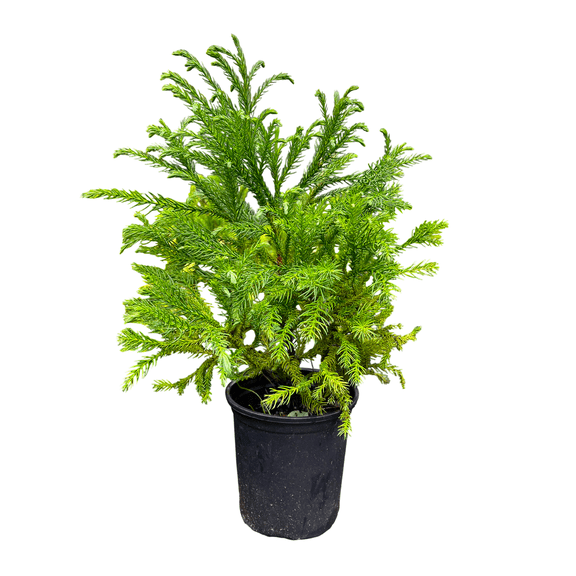
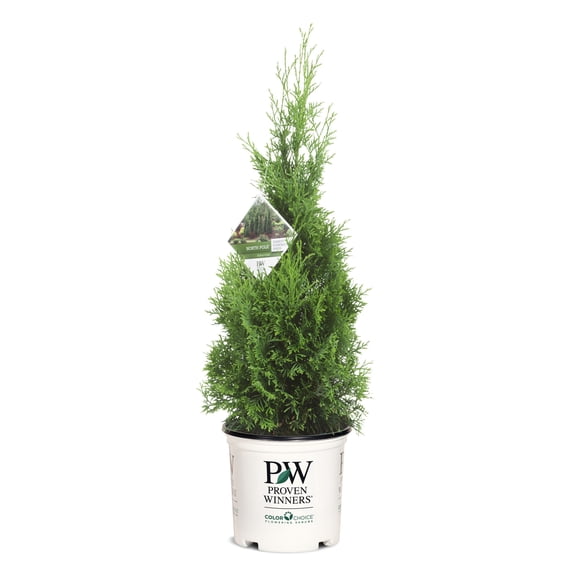
Arborvitae gives you a practical way to shape borders, frame entries, and build year-round privacy with evergreen color. You can compare sizes, growth habits, and shipping styles here, so your yard plan feels clear before planting.
Choosing the right arborvitae for your yard
When you choose arborvitae, you should start with your landscape purpose and your available space. You may want a dense hedge, a tall windbreak, or a neat accent shrub near a walkway.
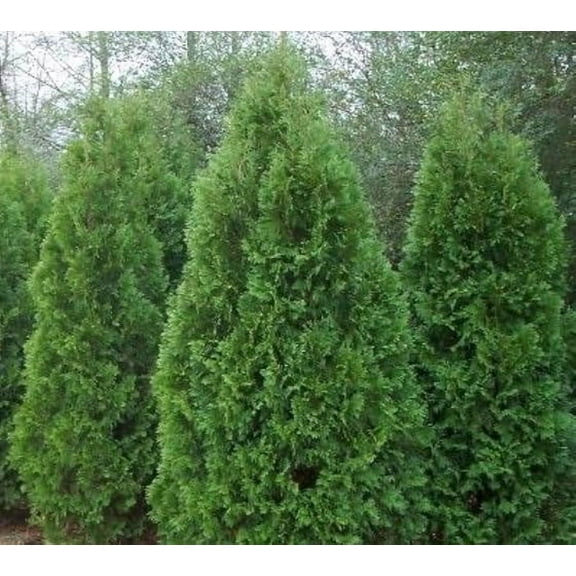
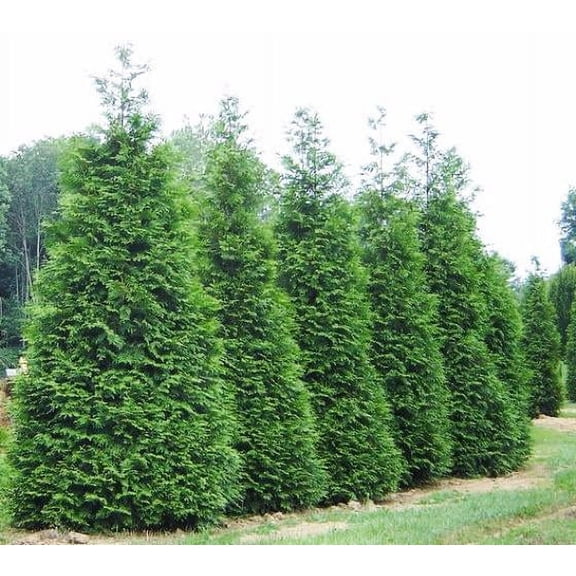
If you want compact structure, you can consider Emerald Green or Woodwardii forms for tighter footprints. If you need faster coverage, you can compare Green Giant and American types for taller screening.
You should also measure mature height before planting, because young plants won’t stay small for long. You can use dwarf options for short borders, medium sizes for hedges, and tall forms for privacy trees.
- You can create an evergreen privacy screen that keeps your yard looking full through every season.
- You can define property lines with evergreen shrubs that stay more structured than many flowering bushes.
- You can choose heights and widths that match patios, fences, driveways, and larger open yards.
- You can compare growth rates and spacing needs before planting, which helps your layout look balanced sooner.
How to compare arborvitae trees by variety and size
You should compare variety first, because each type fits a different landscape plan. You’ll often see emerald green arborvitae chosen for narrow rows, while green giant arborvitae suits broader spaces.
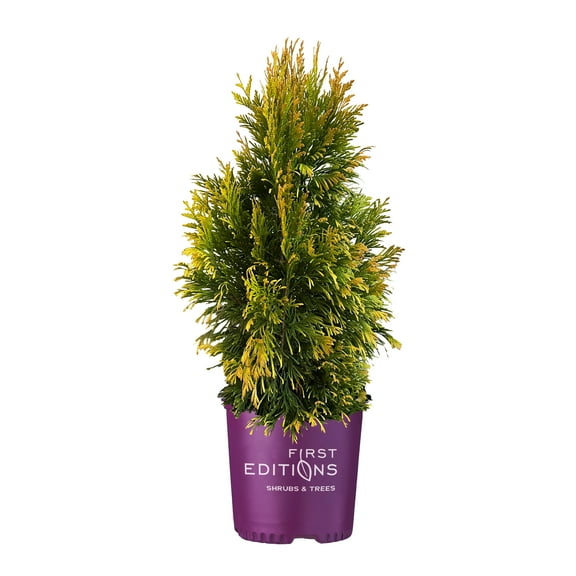
With Emerald Green, you can expect a slimmer shape that works well along fences and foundations. With Green Giant, you can plan for quicker yearly growth and more width over time.
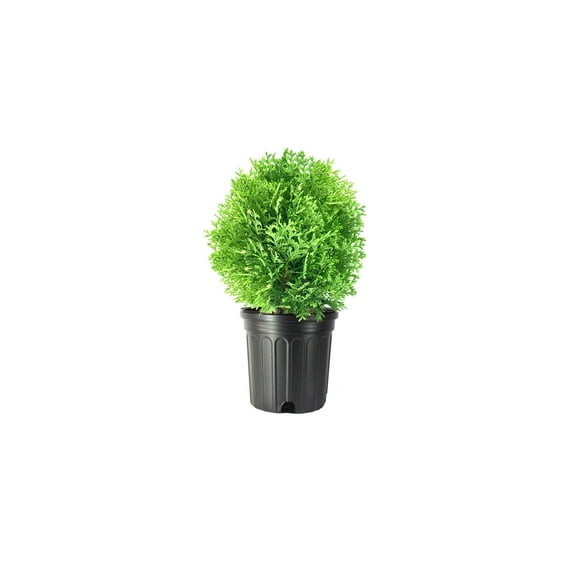
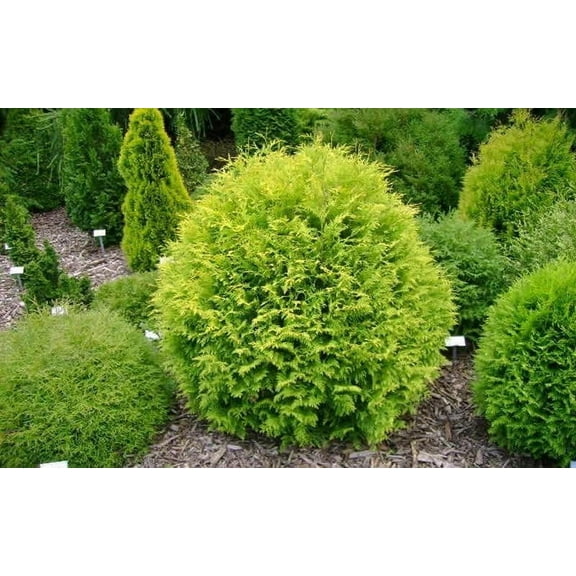
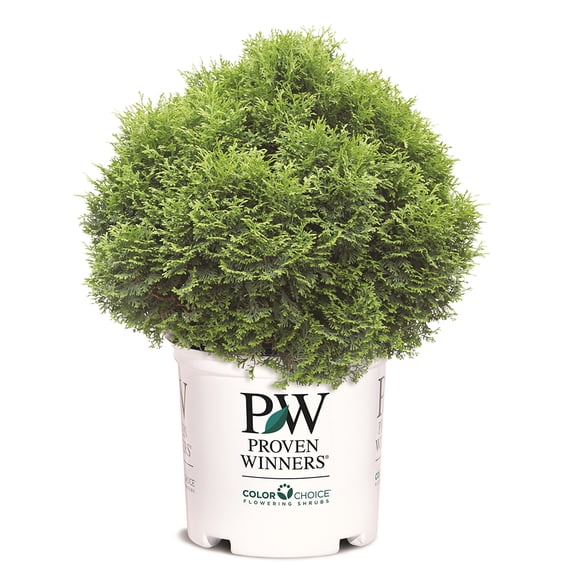
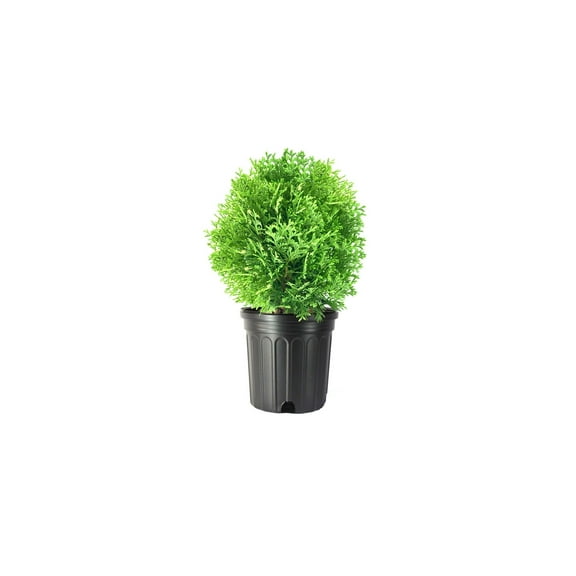
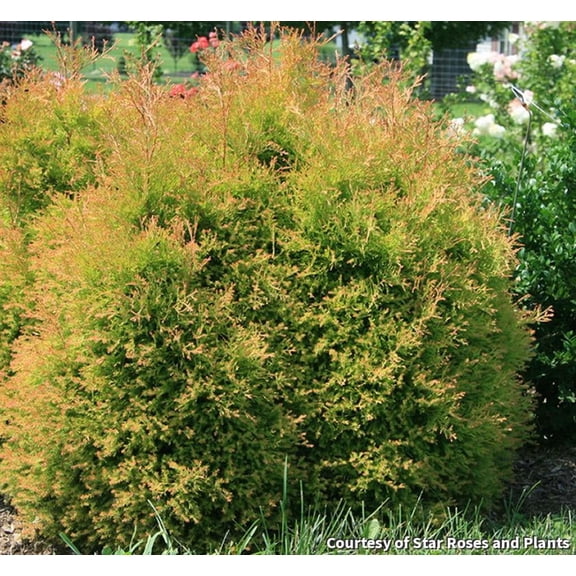
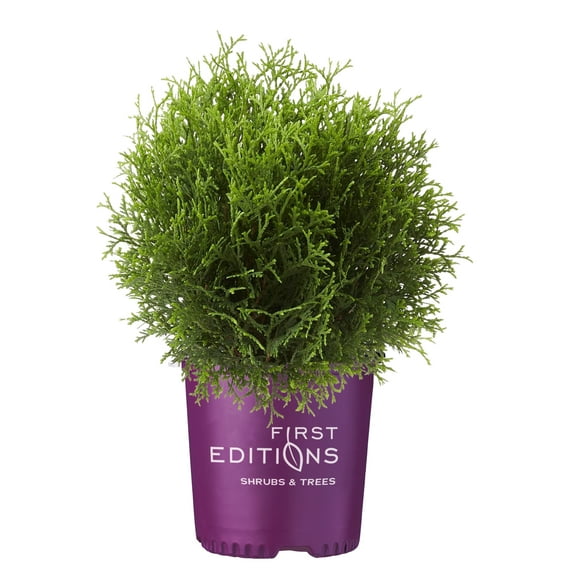
You may also consider American arborvitae when you want a classic screening look with adaptable sizing. You can look at Woodwardii when your design calls for a rounded form and lower mature height.
Mature height matters just as much as variety when you compare arborvitae trees. You should check whether your space fits dwarf two-to-three-foot forms, medium 10-to-15-foot forms, or tall 20-to-30-plus-foot forms.
Growth per year is another decision point that helps you plan your waiting time for coverage. You can space slower, narrower forms closer together, while faster growers usually need wider spacing.
You should also check USDA hardiness zones before choosing any evergreen shrubs for outdoor planting. You’ll get a clearer match when your selection aligns with your local winter lows and summer heat.
What to look for in root style, spacing, and care
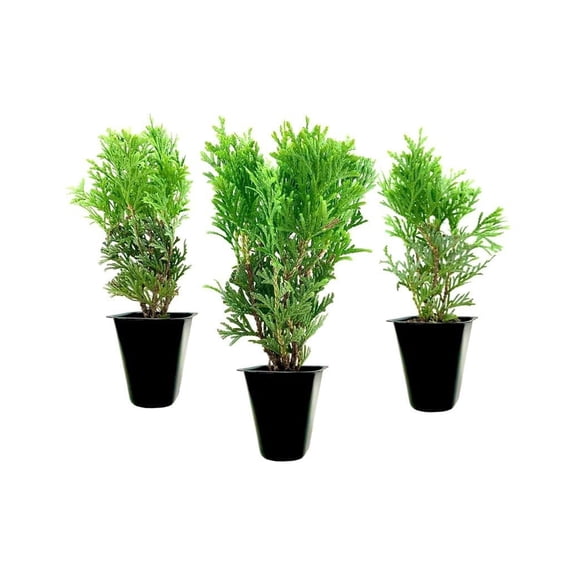
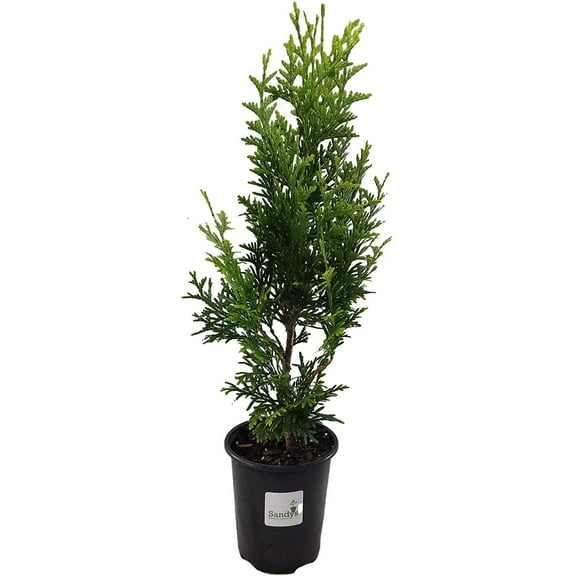
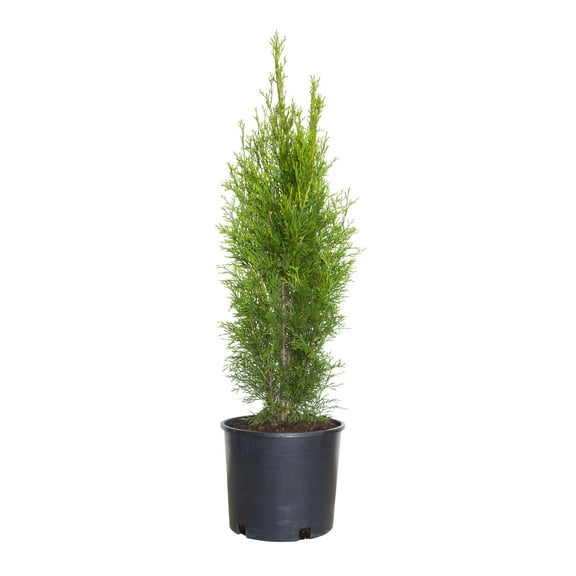
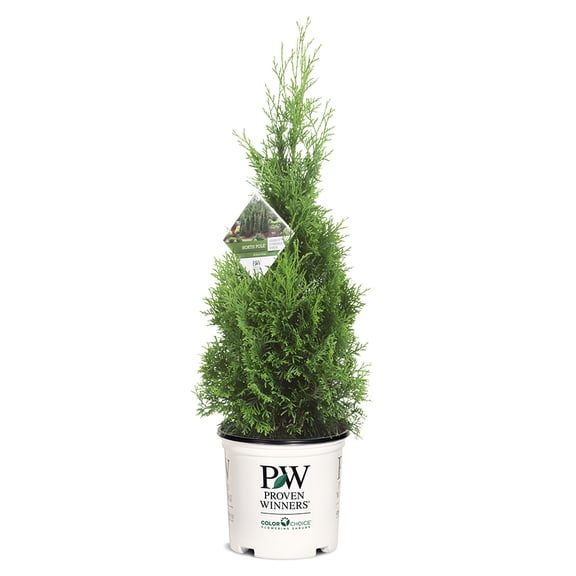
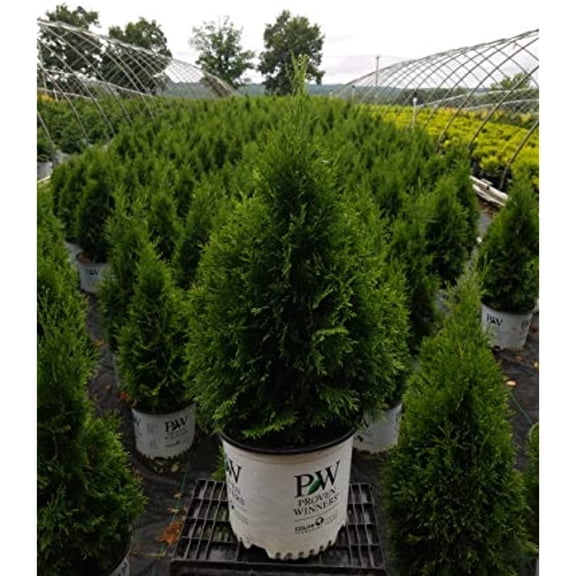
You can compare potted arborvitae, bare root plants, and balled and burlapped options based on timing and planting goals. You may prefer potted arborvitae when you want easier handling and visible top growth at arrival.
Bare root options can suit dormant-season planting when you’re comfortable with a little more setup. Balled and burlapped styles can help you start with a larger plant for a more established landscape look.
If you want quicker screening, you should compare plant size with the time you’re willing to wait. You can start with larger potted or burlapped plants when instant privacy matters more than long grow-in periods.
Spacing affects how your hedge fills in and how each plant keeps its natural form. You should measure from center to center, using the mature width and growth rate as your guide.
For watering, you should look for soil that drains well and stays evenly moist during establishment. You can add mulch around the base to help your soil hold moisture and keep roots more comfortable.
You should also consider sunlight and airflow when placing arborvitae along fences or property lines. You’ll usually get fuller shape and steadier color when your plants have the light they need.
Matching arborvitae to privacy screens, hedges, and accents
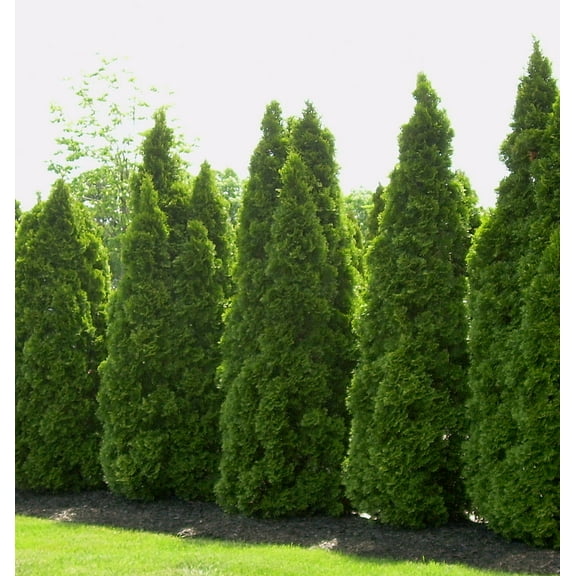
If you’re building an evergreen privacy screen, you should focus on mature height, width, and yearly growth. You can use taller varieties to soften fence lines and create a greener backdrop for patios.
For a formal hedge, you may want a more uniform shape that keeps rows looking tidy. You can compare medium-height selections when you need screening without overwhelming smaller suburban lots.
If your yard faces open wind, you should consider taller privacy trees with room to spread. You can place them along outer boundaries where extra height supports a stronger visual barrier.
For entryways, corners, and foundation beds, you may prefer accent shrubs with controlled size and shape. You can use rounded or narrow forms to frame doors, define beds, and add year-round structure.
You should match your choice to the planting season and the look you want right away. You can choose larger starts for faster impact, or smaller plants when you’re planning a long-term hedge line.
When you compare arborvitae with your yard’s width, climate zone, and screening goals, your decision becomes much easier. You’ll end up with greenery that fits your layout, spacing plan, and expected growth timeline.
You can approach arborvitae with clear criteria instead of guesswork, which makes planning feel simpler. You’ll get a landscape choice that supports privacy, structure, and evergreen color through every season.