



Ant Trap and Bait in Ant







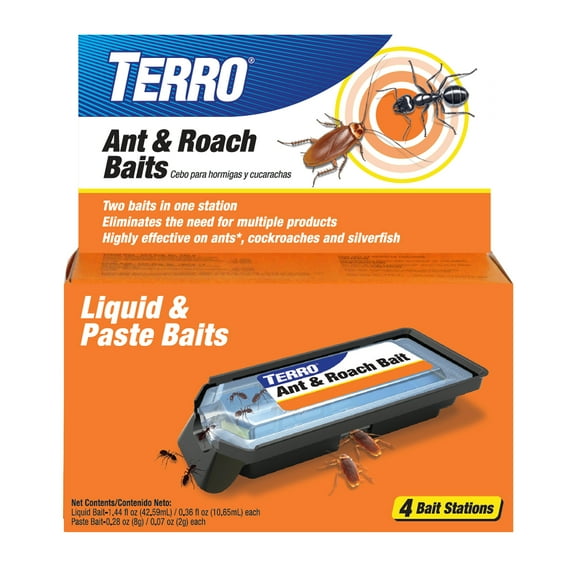
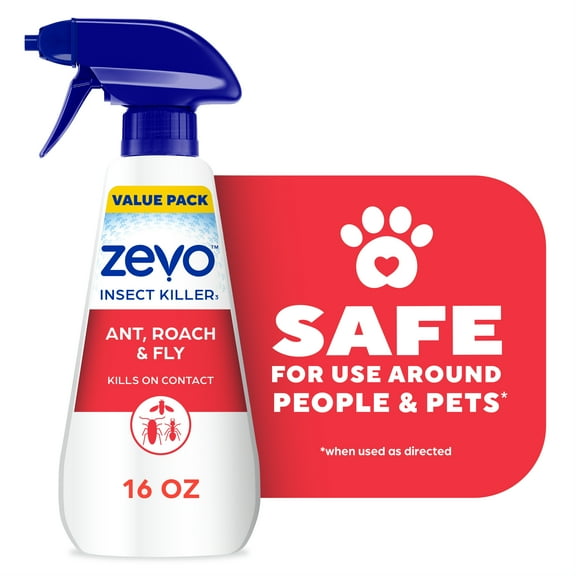


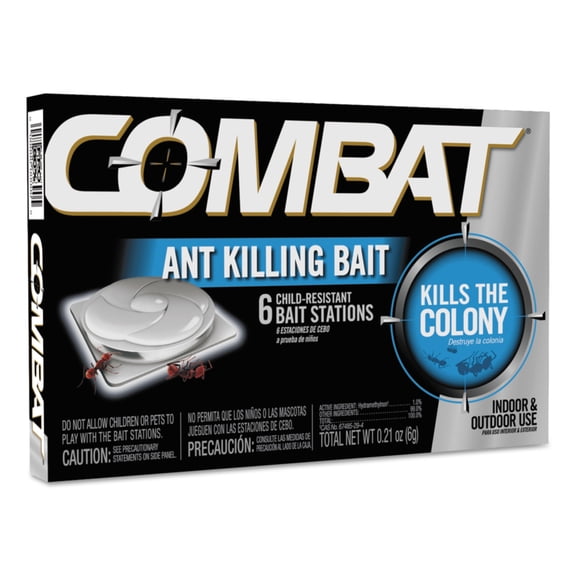








About Ant Trap and Bait in Ant - Walmart.com
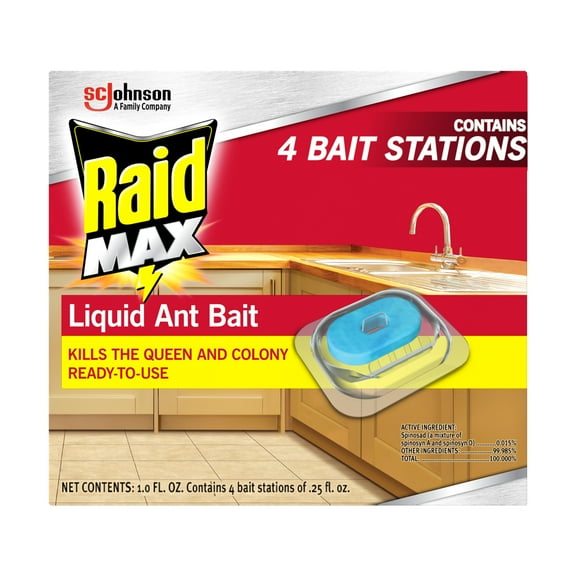
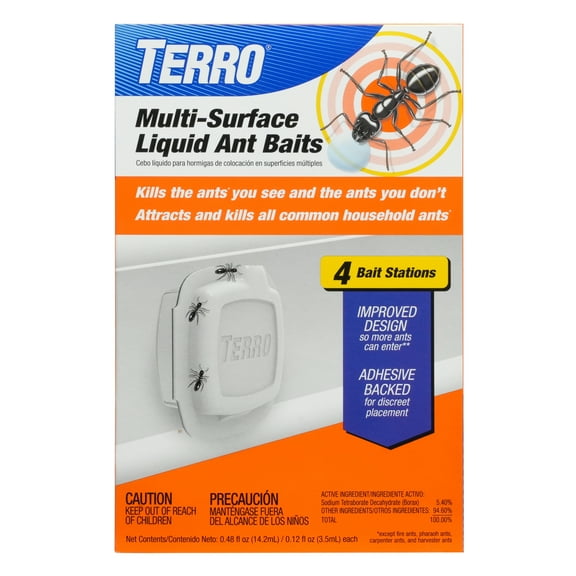
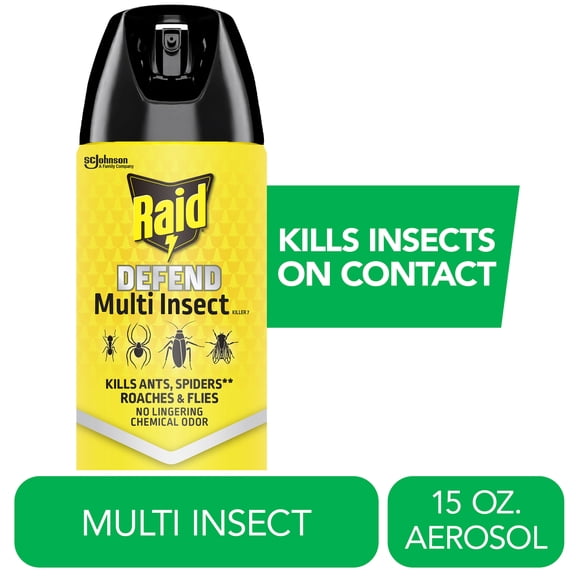
Ant killer traps help you target indoor and outdoor ant activity with less mess than sprays. You can compare bait styles, placement options, and safety details that fit your kitchen, patio, or shared pet spaces.
If you’re choosing for a busy home, you’ll want guidance that matches how ants feed and travel. You can use this page to compare liquid bait, gel, bait stations, and granules with clearer decision points.
How to choose ant killer traps
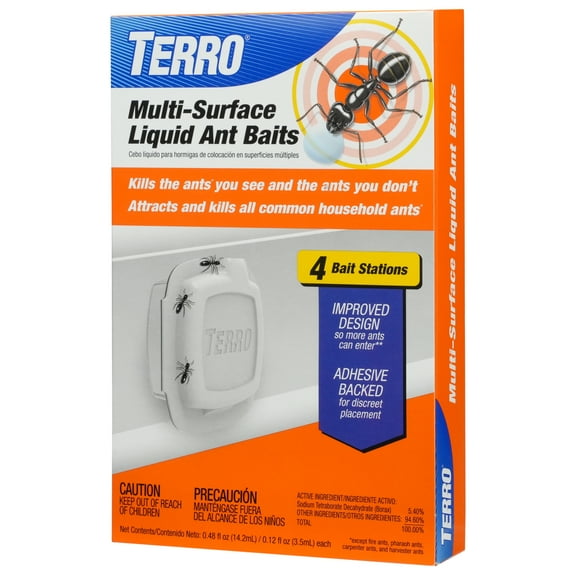
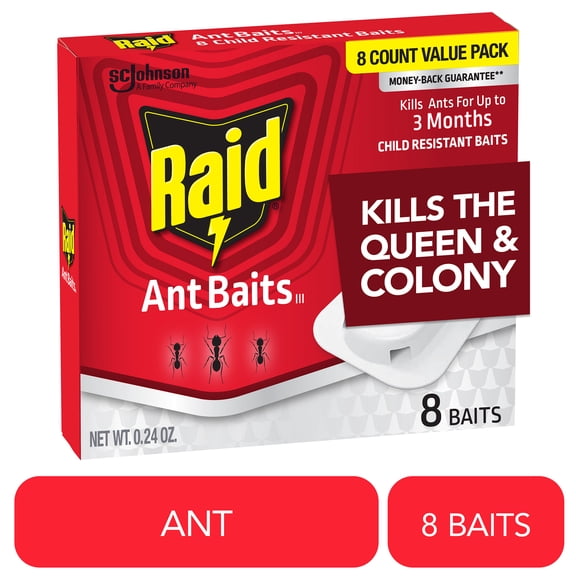
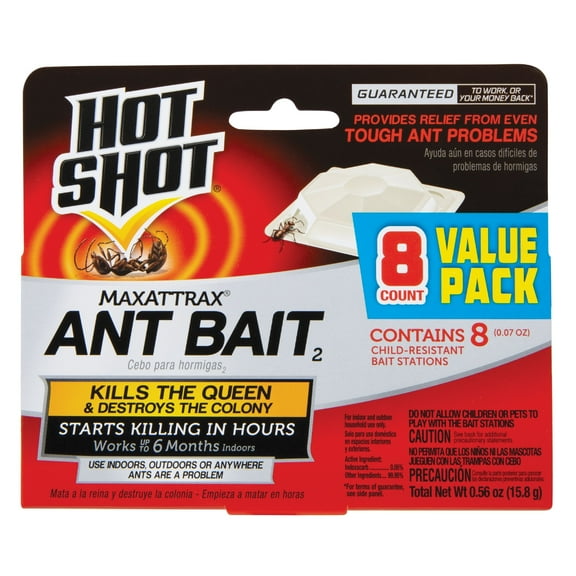
You’ll usually start by matching the form factor to the area you need to cover. You can use bait stations for contained placement, while gels help you target cracks and edges.
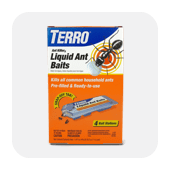
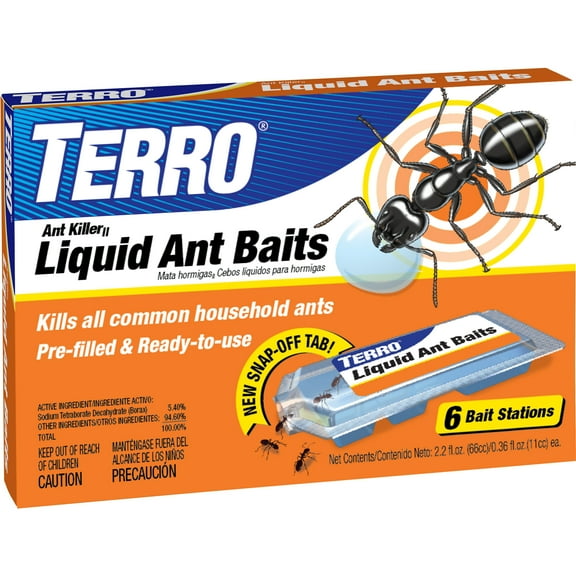
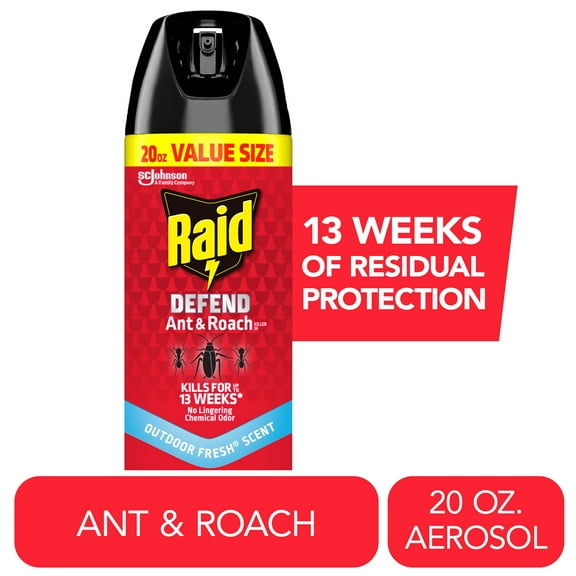
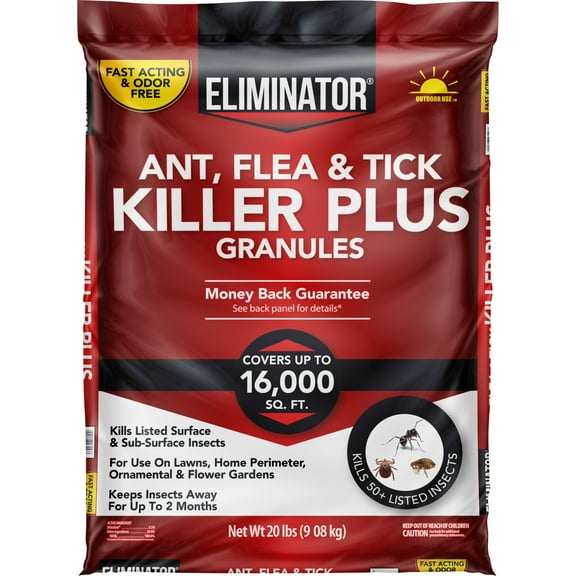
Liquid bait works well when you want ants to carry bait back along active trails. Granules often fit outdoor borders, garden edges, and other wider spaces around your home.
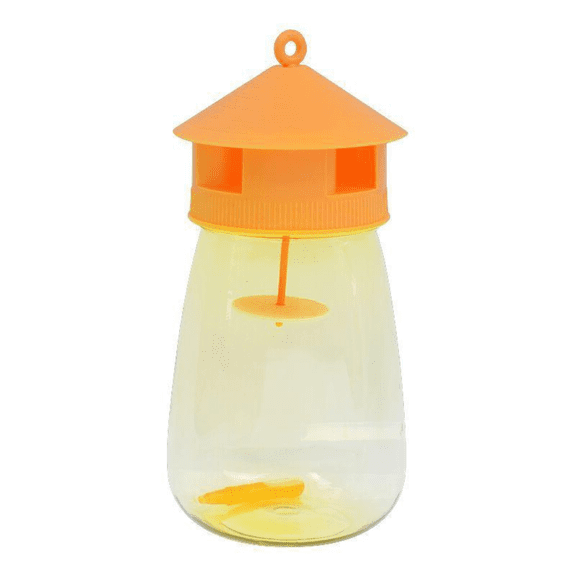
You may notice that little ant traps and ant traps for tiny ants suit small indoor paths. You can also compare clear ant traps or low-profile designs when you want less visible placement.
Choosing the right form factor and placement
For ant traps for kitchen use, you’ll want compact designs that fit near baseboards, under sinks, or beside appliances. You can keep placement controlled without coating food prep areas.
If you need traps for ants in house traffic zones, you can look for bait stations with discreet shapes. You’ll get easier placement in laundry rooms, bathrooms, and entry points.
When you need an ant trap for indoors, you can compare gels and liquids for corners and trail lines. You’ll often find that enclosed stations feel tidier in shared rooms.
- You can use liquid bait when you want ants to carry the bait back to the colony.
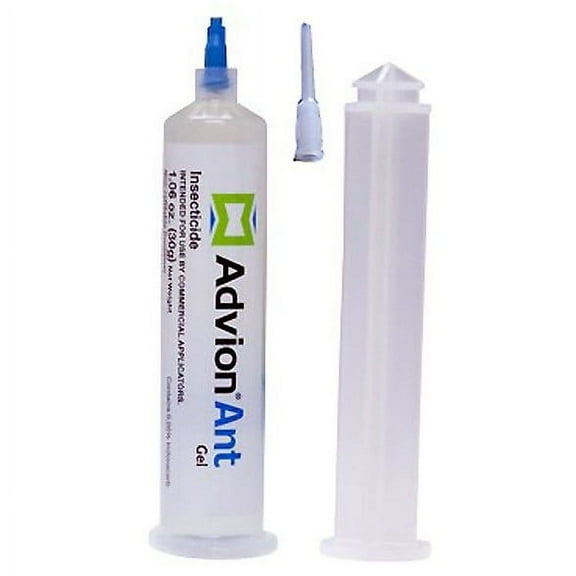
- You can choose gel when you need precise placement along cracks, seams, and trim.
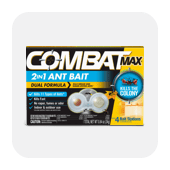
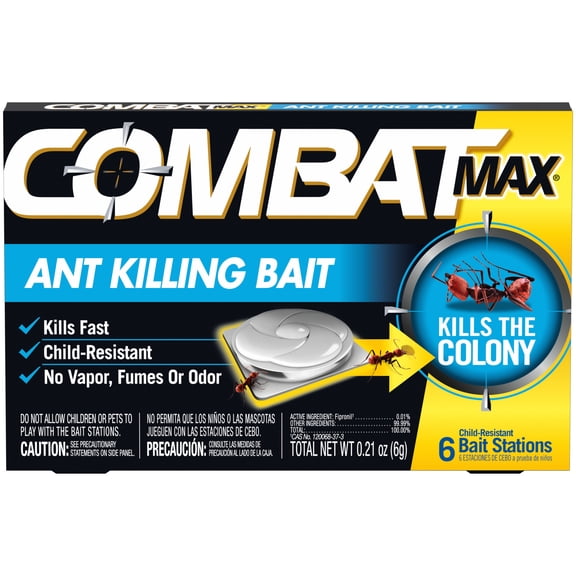
- You can place bait stations when you want a contained option in kitchens and hallways.
- You can spread granules when you need wider outdoor coverage near patios, gardens, or foundations.
You’ll also want to think about how quickly you expect visible ant activity to slow down. You may wait longer with colony-targeting bait, because ants must carry it back first.
That slower transfer can matter when you want the nest addressed, not just the ants you see. You can compare labels and formats to match your timeline and placement needs.
Comparing safety details, including ant traps safe for cats
If you share your home with pets, you’ll want to check safety wording before you choose. You can compare pet-safe, child-resistant, and enclosed designs for more controlled placement.
When you’re searching for ant traps safe for cats, you should look for stations that limit direct access. You can also place traps behind appliances, inside cabinets, or along blocked-off edges.
If dogs move through the same area, you’ll want the same placement logic and label review. You can compare enclosed bait stations with lower-profile shapes for tighter spaces.
You may also see options described with natural essential oil ingredients for certain outdoor or light-duty needs. You should still compare where and how you plan to place them.
For homes with active kitchens and pets, you’ll want products that match both traffic patterns and room layout. You can reduce visual clutter by choosing clear ant traps or discreet casings.
Indoor, outdoor, and weather-focused decisions
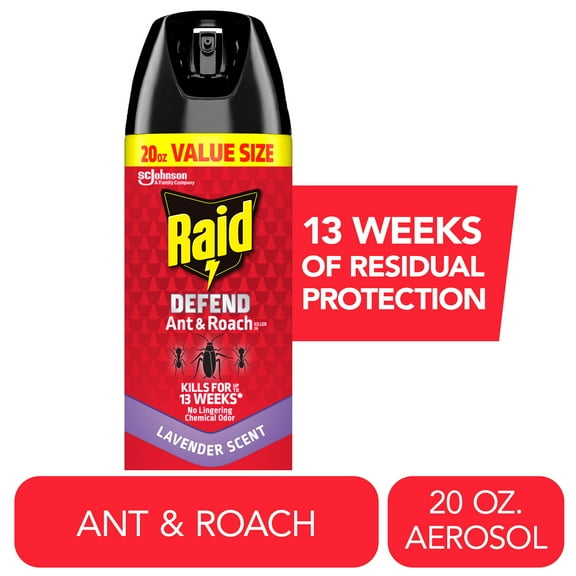
You’ll want indoor products that fit along walls, behind trash bins, and near pantry zones. You can choose ant poison traps with contained bait when you need cleaner placement.
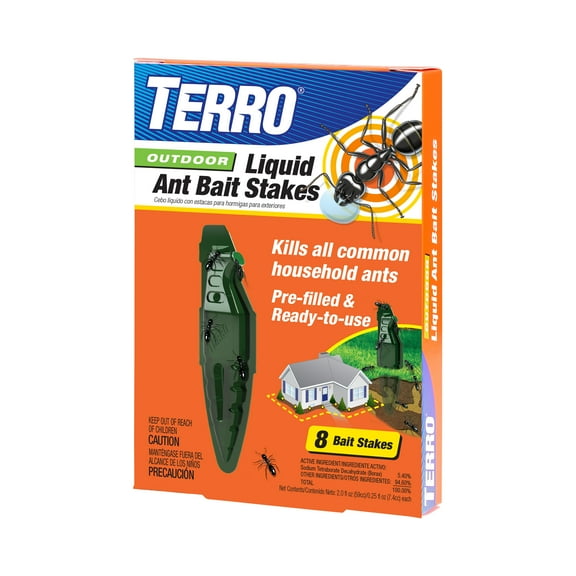
For outdoor use, you should compare placement around door frames, patios, garage edges, and garden borders. You can use liquid ant killer outdoor formats when trails start outside first.
If rain exposure matters, you’ll want to check whether the container or granule style suits open-air placement. You can compare covered stations or tougher outdoor-ready designs for longer exposure.
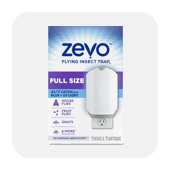
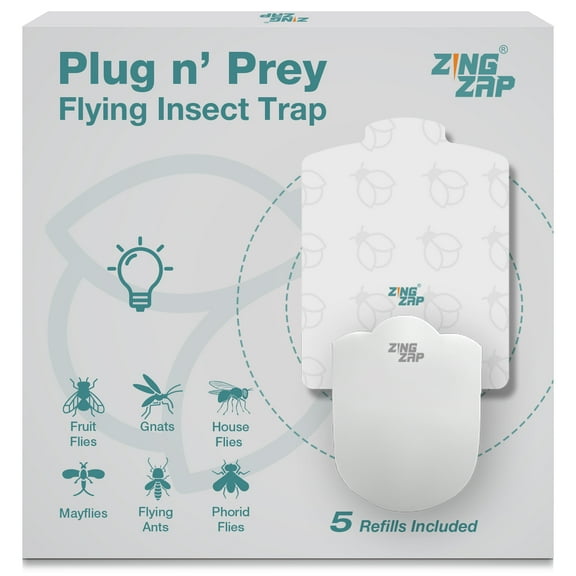
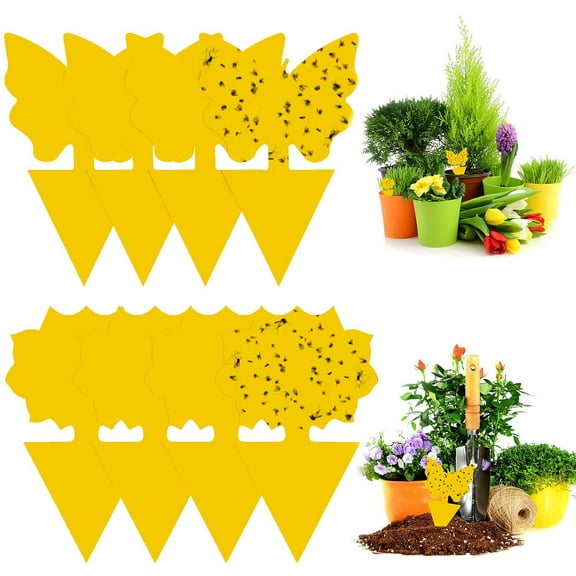
Flying ant trap options may help when you notice winged ants near windows, doors, or light sources. You can also compare whether the issue appears indoors, outdoors, or in both areas.
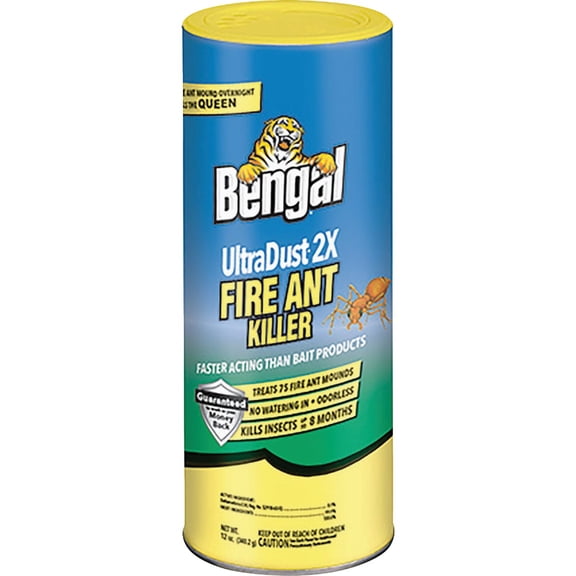
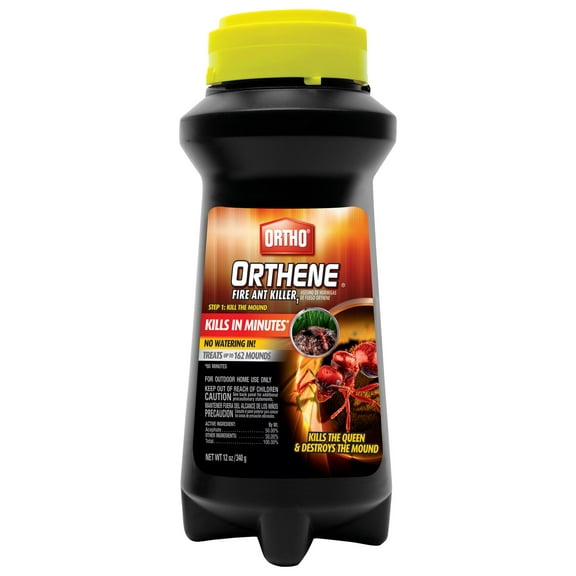
If you’re dealing with sweet ants, you may prefer bait styles that match sugar-seeking behavior. If carpenter ants or fire ants are your focus, you’ll want to compare target pest details closely.
Matching ant killer traps to your home and pest type
You can use kitchen-focused options when ants gather near crumbs, pet bowls, or sink areas. You’ll usually want compact placements that stay out of the way during daily cleanup.
For bathrooms, mudrooms, and utility spaces, you can choose enclosed stations with low-profile shapes. You may find that these formats fit narrow edges and cabinet gaps more easily.
If trails begin outside and move indoors, you can combine outdoor granules with indoor bait stations. You’ll create a more complete setup across foundations, thresholds, and interior paths.
When you need coverage for tiny ants, you can focus on smaller stations and precise gel placement. You’ll get better fit for narrow trails along windowsills, backsplashes, and trim.
If visibility matters in open rooms, you can compare clear ant traps with discreet housings. You’ll keep the setup less noticeable in kitchens, dining areas, and shared living spaces.
With the right ant killer traps, you can match bait type, safety profile, and application area to your exact situation. You’ll make a more confident choice that fits your home layout and ant activity.