



Ant Spray in Ant















About Ant Spray in Ant - Walmart.com
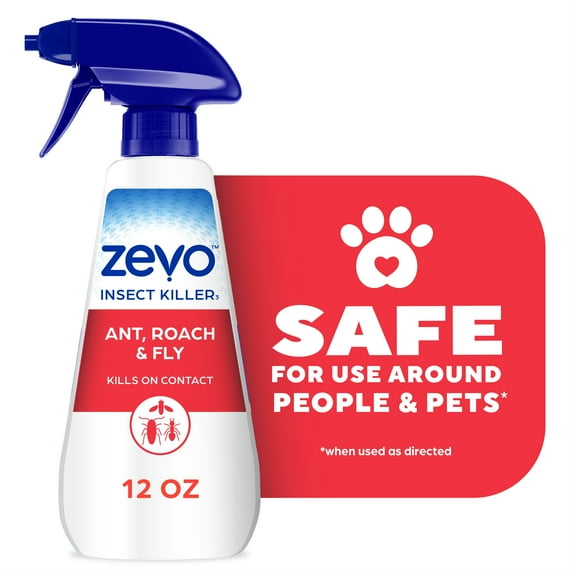
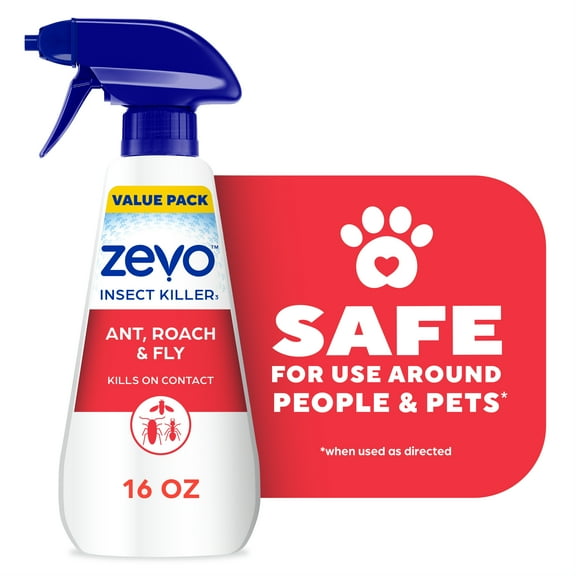
Ant spray helps you handle trails, entry points, and hidden activity with formats built for indoor rooms, outdoor edges, and targeted treatment. You can compare aerosol, liquid, foam, gel, and bait station options to match your space and your preferred control method.
How to choose ant spray for your space
You should start with where ants appear and how close treatment areas are to food zones, pet areas, and busy rooms. You can narrow your options quickly when you compare indoor ant killer choices with outdoor barrier products.
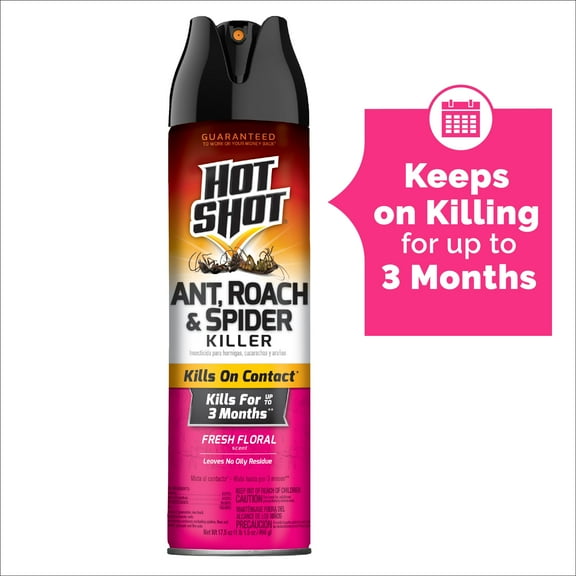
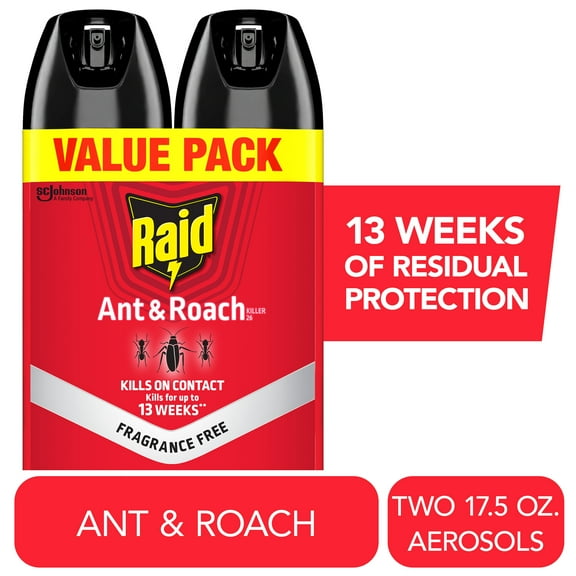
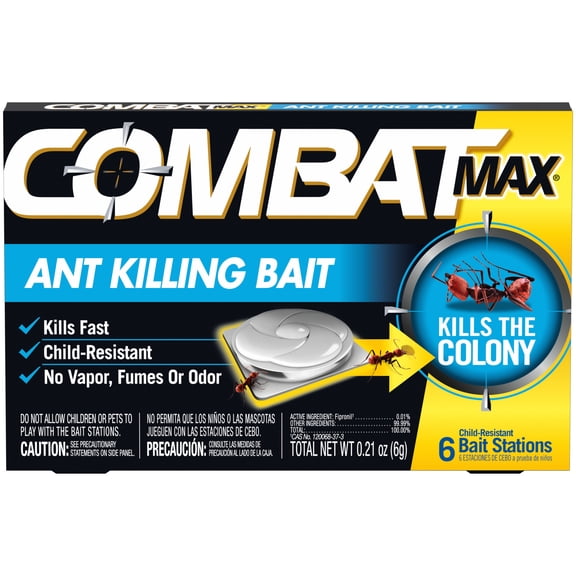
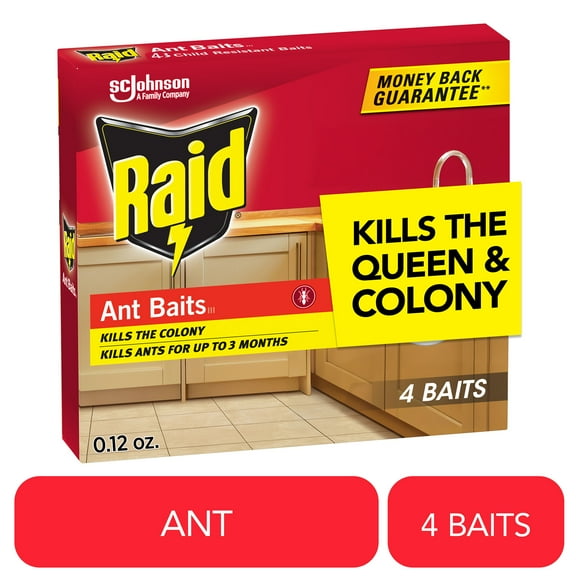
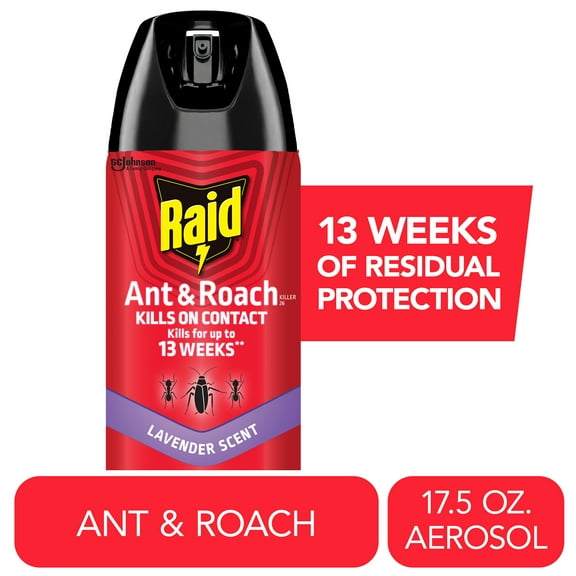
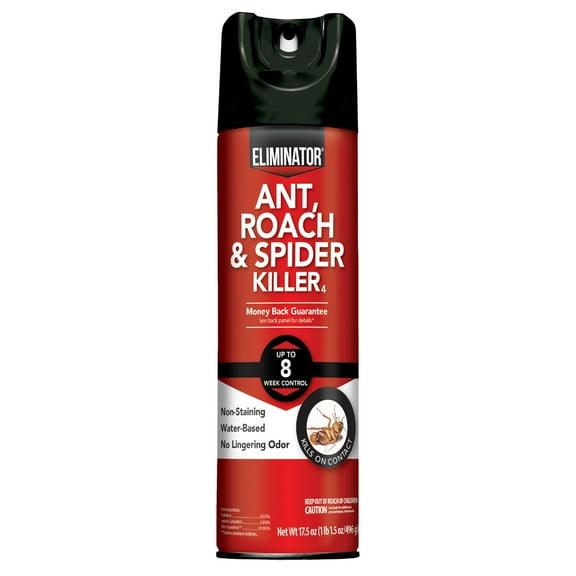
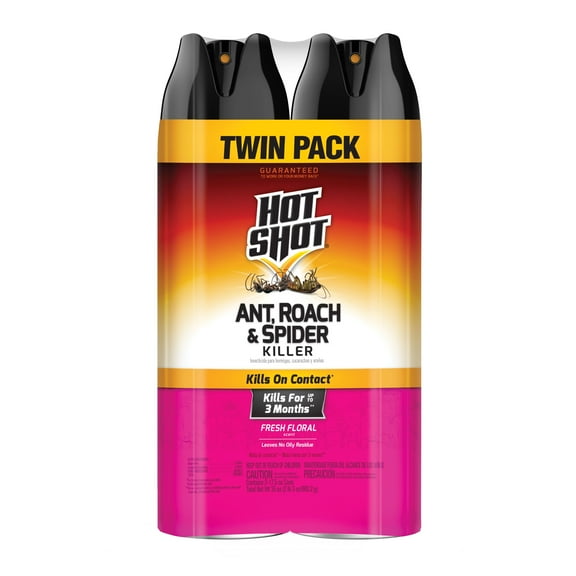
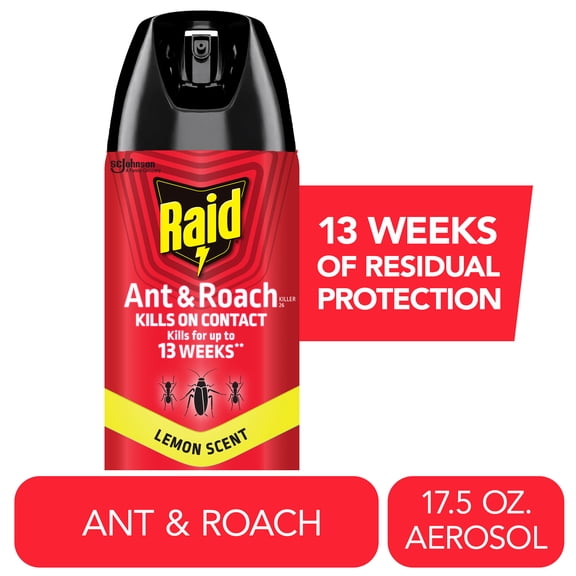
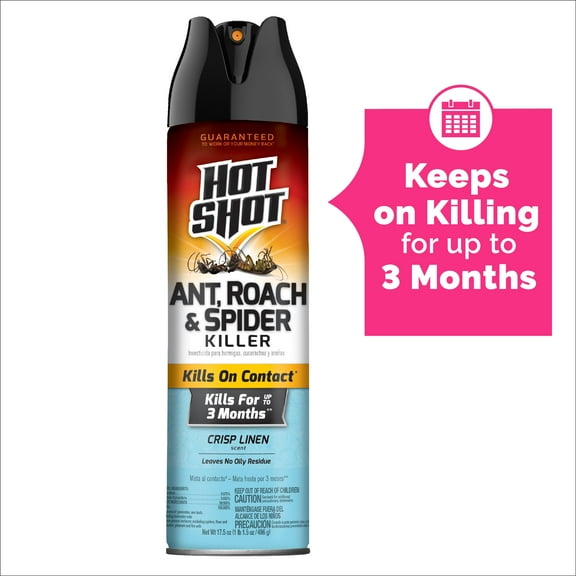
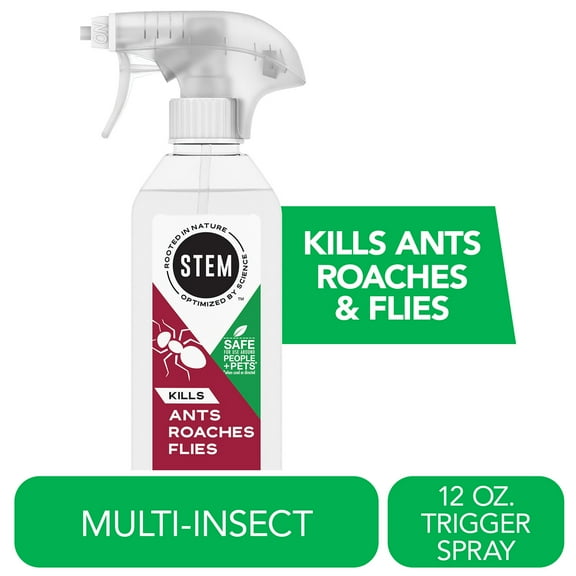
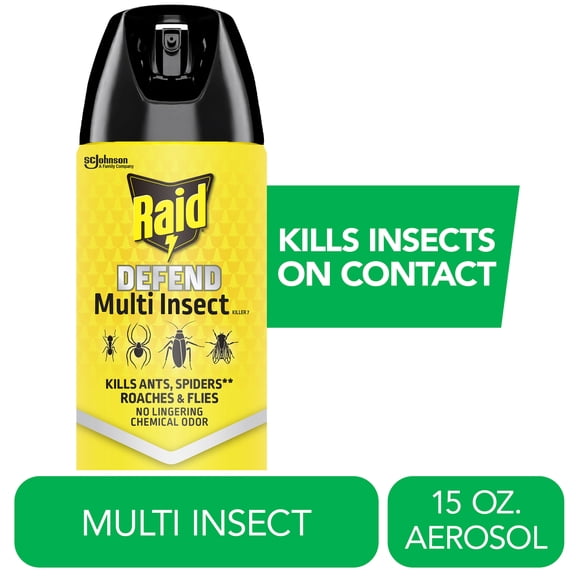
If you need quick knockdown on a visible trail, you may prefer an ant killer spray that works on contact. If you want colony elimination, you should also compare gels or bait stations that ants carry back to the nest.
You can use this category to match treatment style with your routine and surface type. You may also compare formulas by scent, reach, residue, and how precisely you need to apply them.
- You can target ant trails, wall edges, baseboards, cracks, and thresholds with formats designed for direct spraying or controlled placement.
- You can choose fast contact options for sudden sightings or slow-acting colony-focused formats when you need nest control.
- You can compare indoor ant killer and outdoor ant spray products by location, surface, and coverage pattern.
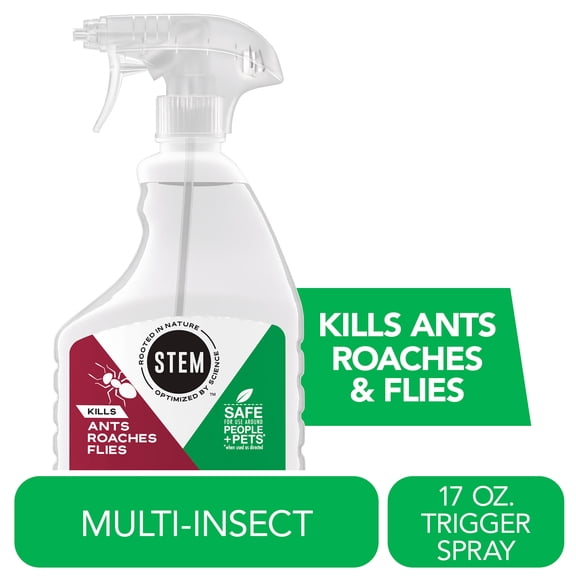
- You can review pet safe ant spray and essential oil options when your household needs gentle placement considerations.
Choosing application type and formula details
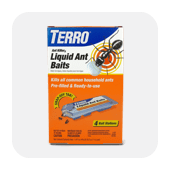
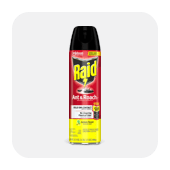
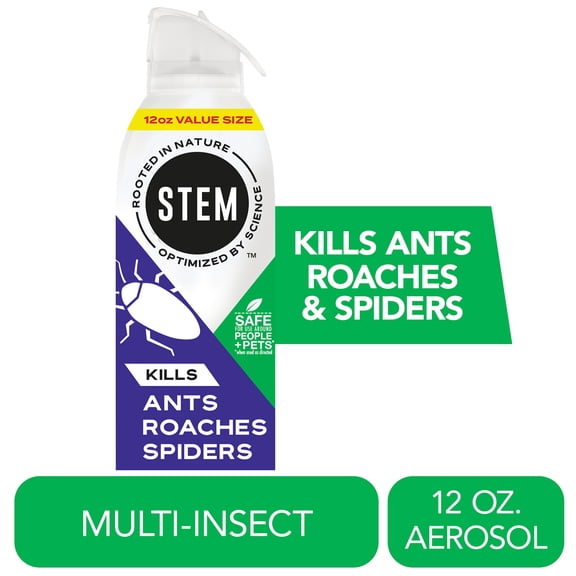
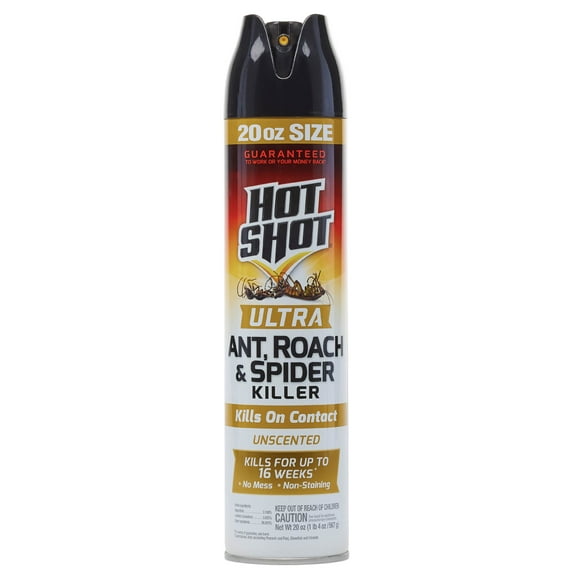
You should compare aerosol spray, liquid spray, foam, gel, and bait station formats as different ways to place treatment. You may find aerosols useful for quick spot treatment, while liquids can help you create a wide perimeter line.
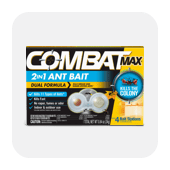
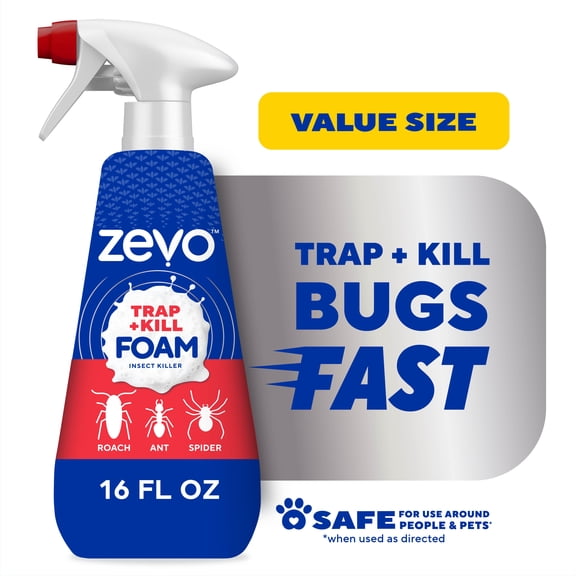
If you need to reach gaps around trim, pipes, or foundation edges, you may prefer foam because it expands into narrow spaces. If you want precise placement near ant activity, you may choose gel or bait stations for controlled application.
You should also compare formula types because active ingredients affect how you plan placement and follow label directions. You may see pyrethrins in contact-focused options, while essential oils can appear in some natural or pet-conscious selections.
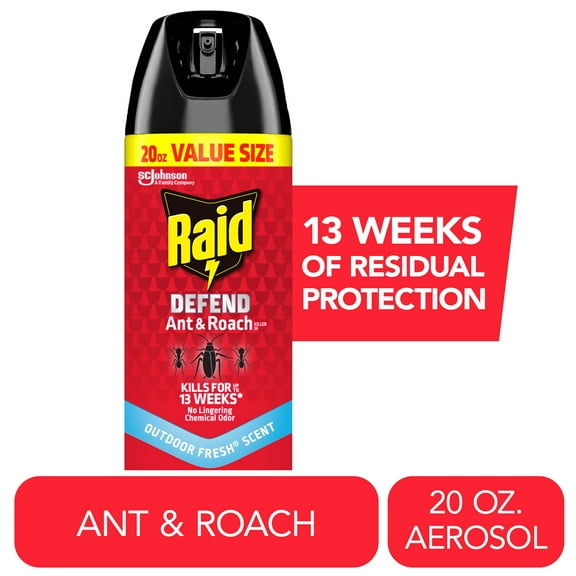
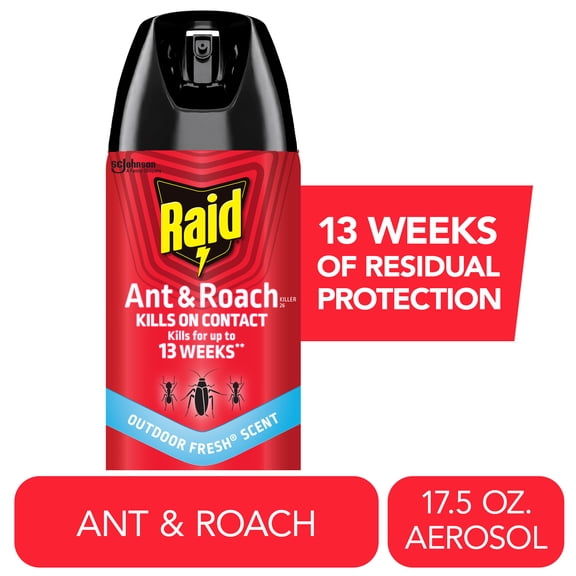
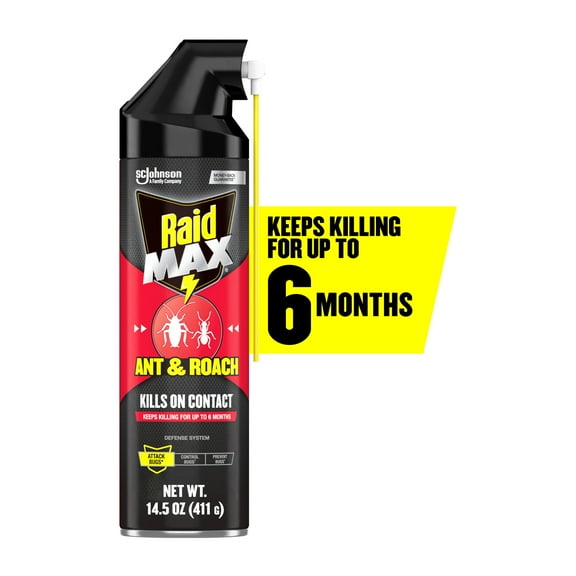
When you compare residual protection, you should look for how long a barrier remains active after spraying. You can use that detail to plan touchups around doors, windows, patios, and garage edges.
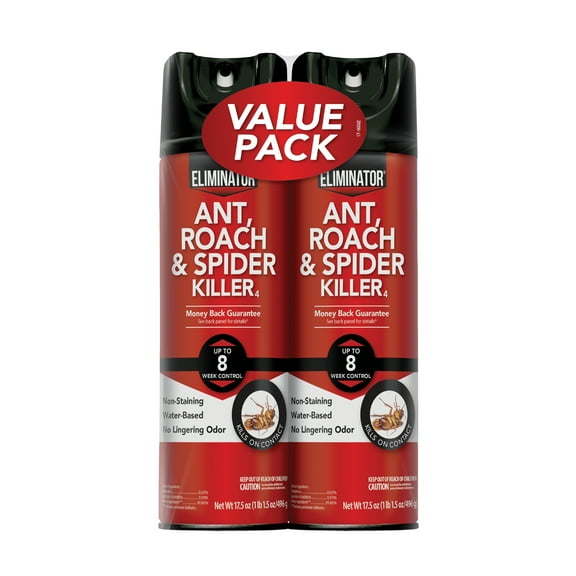
You may also want to compare target pest lists before you choose a formula. You can find options labeled for ants only, while others may also cover spiders or roaches.
Indoor ant killer vs. outdoor ant spray
You should treat indoor and outdoor spaces differently because surfaces, exposure, and ant movement patterns change the job. You can use indoor ant killer products for cracks, baseboards, under sinks, and other controlled areas.
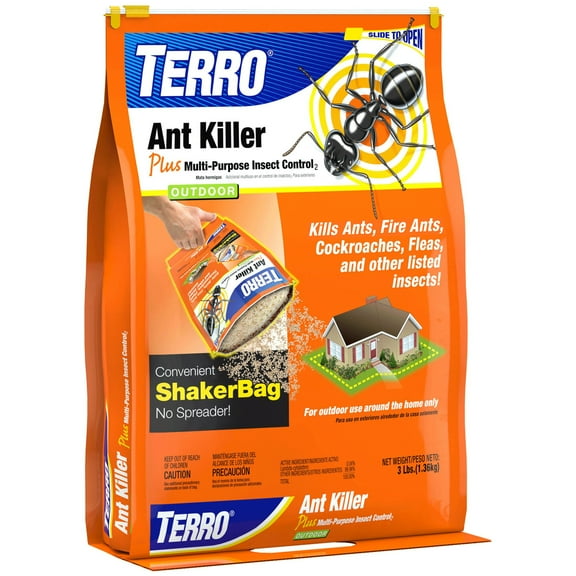
For exterior use, you may prefer outdoor ant spray that creates a perimeter around doors, windows, siding, patios, and foundations. You can use that barrier approach when you want to interrupt ants before they cross into living spaces.
If you see ants in the kitchen or pantry path, you should look for placement control and clear label guidance. If you notice activity along sidewalks or mulch lines, you may compare lawn and perimeter coverage details.
You should think about residue and drying time when indoor surfaces stay in daily use. You may also want nozzle styles that help you direct spray into corners instead of broad open areas.
What to look for in species coverage and household fit
You should check whether the label names the ant type you’re seeing, especially if you suspect carpenter ants. You may need carpenter ant spray details that support treatment in wood-adjacent gaps, trim lines, or exterior entry areas.
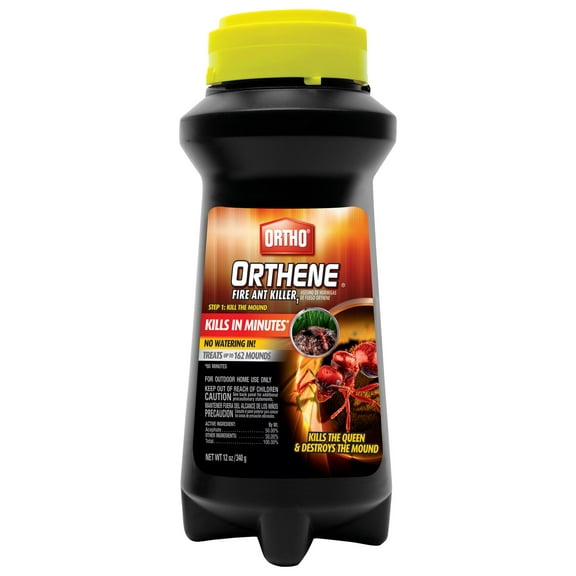
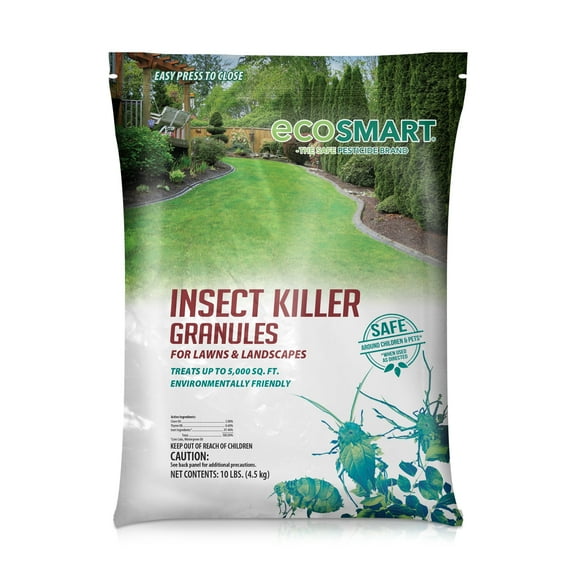
If fire ants are your concern, you should compare whether the product covers mounds, lawn areas, or perimeter use. You can avoid guesswork when you match the product label to the exact place ants are active.
You should also compare whether you want chemical formulas or options built around essential oils and similar ingredients. If pets share your space, you may look for pet safe ant spray wording and application guidance that fits your household routine.
When you compare household fit, you should consider room access, floor type, and whether you need spot treatment or wide coverage. You can also compare bottle size and trigger design if you expect repeat perimeter use.
Using ant spray with real home scenarios
You may want one approach for a few scout ants and another for repeated lines near windows or doors. You can use contact spray for visible activity, then pair it with colony-focused formats for longer-term control planning.
If ants keep appearing after cleaning, you should check outdoor entry points, foundation cracks, and nearby mulch borders. You can then compare an outdoor ant spray barrier with indoor spot treatment to cover both sides of the problem.
For apartments or smaller rooms, you may prefer targeted gel, foam, or bait station placement with less broad coverage. For garages, sheds, patios, and fence lines, you may prefer broad liquid or aerosol application patterns.
If you’re balancing pest coverage across several problem areas, you may compare products that also list spiders or roaches. You can simplify your routine when one formula fits the surfaces and pests you’re treating.
You should always compare label directions, coverage areas, and treatment intervals before choosing a format. You can make a clear decision when the product matches your ant type, location, and preferred application style.
With the right ant spray format, you can move from quick trail treatment to strategic perimeter planning without guessing. You can feel more confident when your choice matches your space, your target ants, and your preferred level of control.